Honda Accord Winter Tire Performance on Ice Explained
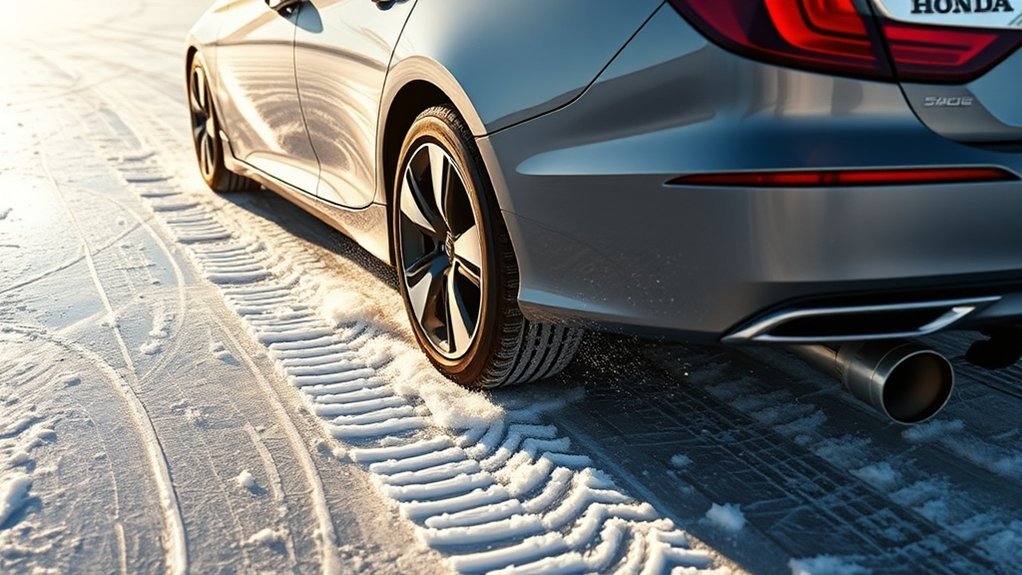
Winter tires dramatically boost your Honda Accord’s performance on icy roads. Their specialized tread design, featuring deeper grooves and flexible rubber compounds, enhances grip where all-season tires struggle. This results in shorter braking distances and better overall safety. The tires effectively channel away slush and snow, minimizing the risk of hydroplaning. By choosing the right winter tires, you can guarantee peak traction and stability. Discover how to make the best choices for your winter driving needs.
How Winter Tires Enhance Honda Accord Performance on Ice
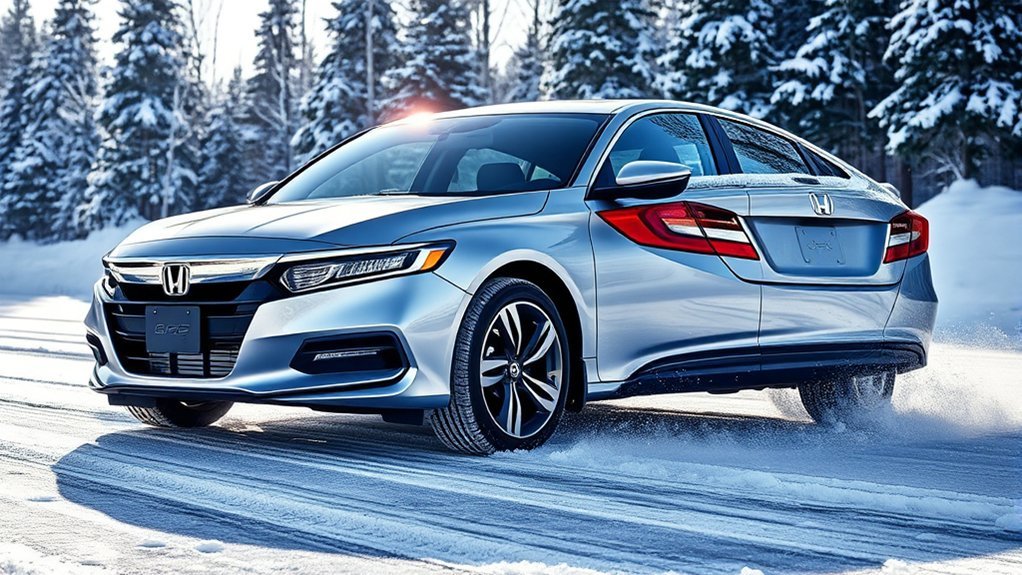
When winter hits and icy roads become a reality, equipping your Honda Accord with winter tires can make a significant difference in your driving experience. These tires feature deeper tread grooves and specialized sipes, enhancing tire performance on slippery surfaces. The softer rubber compounds stay flexible below 45°F, maintaining traction when you need it most.
In icy conditions, winter tires dramatically shorten braking distances, improving your overall safety. Their advanced tread patterns effectively channel away slush and snow, ensuring better handling and control. Installing a full set of four winter tires is essential; this provides even traction and stability, empowering you to conquer winter driving challenges. Additionally, the importance of winter tires cannot be overstated, as they greatly enhance your vehicle’s performance in harsh conditions.
Winter Tires vs. All-Season Tires: Key Differences Explained
While many drivers might think all-season tires can handle winter conditions, the reality is quite different. Winter tires are specifically engineered for cold weather, offering superior tire performance and winter safety. Here’s why choosing winter tires makes a difference:
- Softer Rubber Compounds: They stay flexible below 45°F, enhancing grip.
- Deeper Tread Patterns: The grooves and sipes improve traction and handling on snow and ice.
- Shorter Stopping Distances: Studies reveal they can outperform all-season tires by up to 30% in braking on icy roads.
- Optimal Performance: Unlike all-season tires, winter tires excel in cold, wet, and snowy environments.
Using a full set of four winter tires guarantees balanced traction. Mixing them with all-season tires can lead to uneven handling and increase your risk of skidding. For your safety and performance, the choice is clear: go with winter tires this season. Additionally, winter tires significantly reduce stopping distances on icy surfaces, providing crucial safety benefits.
Understanding the Importance of Tread Design for Winter Tires
Winter tires are designed with specific tread patterns that play a key role in guaranteeing safety and performance on icy roads. These patterns feature deeper grooves and specialized sipes that enhance traction, greatly reducing braking distances compared to all-season tires. When maneuvering through slush or snow, the tread channels effectively minimize hydroplaning risks, helping you maintain grip even on slippery surfaces.
The softer rubber compounds in winter tires remain flexible below 45°F, allowing for better road contact and improved handling in cold conditions. Look for markings like the 3PMSF (Three-Peak Mountain Snowflake), which indicate that the tire meets rigorous snow performance criteria. This assures peak safety and performance when driving in winter conditions. Understanding the importance of these tread designs is essential; they provide the control and confidence necessary to traverse challenging winter roads without fear of sliding on black ice. Additionally, winter tires use softer compounds that offer better traction in cold conditions, ensuring optimal performance on icy surfaces.
Cold Weather’s Impact on Winter Tire Grip
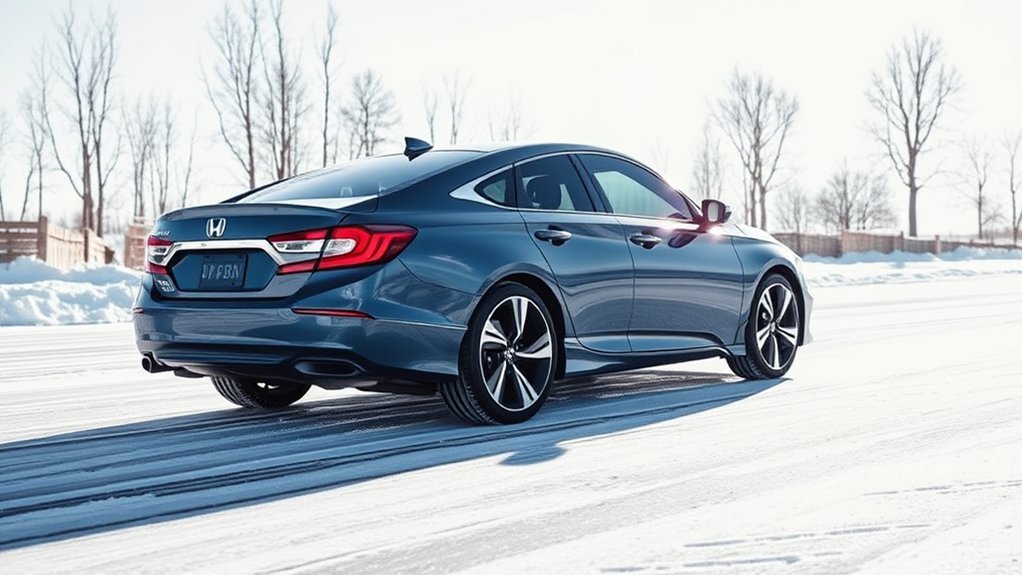
Cold weather plays an essential role in winter tire grip, as the flexible rubber compounds remain pliable, enhancing traction on icy roads. Unlike all-season tires that harden in lower temperatures, winter tires feature specialized tread designs that efficiently channel away slush and snow. This combination not only improves handling but can also greatly shorten your stopping distances, making a noticeable difference in your winter driving experience. Additionally, the three-peak mountain snowflake certification ensures that the tires meet severe winter performance standards.
Tire Rubber Flexibility
When temperatures drop below 45°F, the flexibility of tire rubber becomes vital for maintaining grip on icy surfaces. Winter tires, crafted from softer rubber compounds, keep their flexibility in cold weather, enhancing tire performance compared to all-season tires that harden and lose traction. This unique rubber composition allows for improved handling and shorter braking distances when you need it most.
- Proper inflation is essential for peak performance.
- Regular inspections help guarantee your tires aren’t worn.
- Deeper grooves and sipes channel away snow and slush.
- Flexibility boosts grip, making winter driving safer.
Tread Design Advantages
As temperatures plummet, the tread design of your tires plays an essential role in maintaining grip on icy surfaces. Winter tires feature deeper tread grooves and specialized siping, allowing for effective snow traction technology that enhances grip by evacuating slush and snow. These tread pattern innovations help guarantee maximum contact with the road, considerably reducing the risk of hydroplaning. With markings like the 3PMSF, you can trust that your winter tires meet stringent performance criteria for severe conditions. Plus, the enhanced braking distances on ice can be remarkably shorter compared to all-season options, offering a safer driving experience. Embrace the confidence that comes with superior tread design and enjoy the freedom of safe winter driving.
Temperature Effects on Grip
While many drivers underestimate the impact of temperature on tire performance, winter tires are specifically engineered to excel in cold conditions. Understanding temperature thresholds is vital; when it drops below 45°F, winter tires maintain their grip dynamics thanks to softer rubber compounds. Unlike all-season tires, which harden and lose traction, winter tires remain flexible, enhancing your driving safety. Here are some key benefits:
- Deeper grooves and sipes improve traction on icy surfaces.
- Shorter braking distances enhance safety during winter conditions.
- Better handling reduces the risk of sliding on black ice.
- Improved grip and stability counteract cold air’s drag effects.
Switching to winter tires is essential for peak performance and safety when the temperature consistently dips.
Expectations for Your Honda Accord in Winter
Expecting your Honda Accord to navigate winter conditions with ease is entirely reasonable, especially when equipped with quality winter tires. These tires greatly enhance traction and handling on icy surfaces, allowing you to tackle slippery roads confidently. Your Accord’s front-wheel drive, paired with winter tires, boosts stability and control, making it safer to drive in snow and ice.
However, don’t overlook essential winter driving tips. Cold weather can lower fuel economy, so be prepared for longer warm-up times and increased energy use from heating systems. Regular maintenance, like tire checks and battery health assessments, is vital to guarantee peak performance. Keep in mind that your Accord’s intelligent traction management system will adjust the vehicle’s responsiveness, providing better grip in icy conditions. By taking these cold weather precautions, you can fully enjoy the freedom of winter driving without compromising safety. Additionally, investing in quality winter tires can significantly improve performance on icy roads.
Key Features of Winter Tires for Improved Safety
Your Honda Accord’s winter performance hinges greatly on the type of tires you choose. Winter tires are engineered to enhance safety and control, especially on icy surfaces. Here are some key features to take into account:
- Deeper Tread Grooves: These provide improved traction, reducing braking distances.
- Softer Rubber Compounds: They keep tires flexible in temperatures below 45°F, ensuring ideal road contact.
- Aggressive Tread Patterns: Designed to channel away slush and snow, they minimize hydroplaning risks.
- 3PMSF Symbol: This marking indicates that the tires meet specific snow traction standards, boosting your confidence on slippery roads.
For ideal performance, always use a full set of four winter tires. Mixing tire types can compromise traction control and increase accident risks. Don’t forget about regular tire maintenance; keeping your winter tires in top shape is essential for safe winter driving. Additionally, studded tires can significantly enhance traction and control, particularly in severe winter conditions.
How to Choose the Right Winter Tire for Your Accord
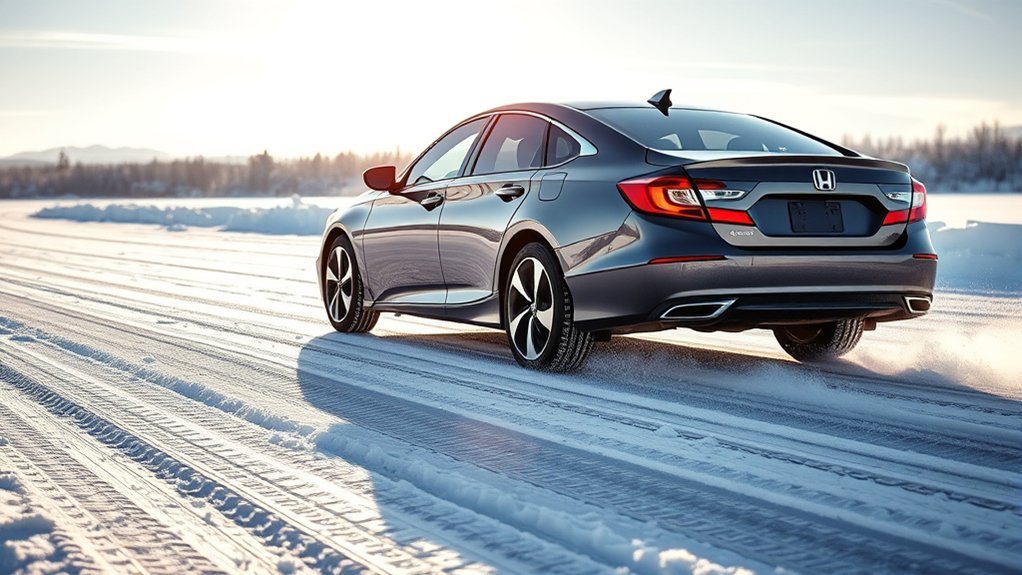
Choosing the right winter tire for your Honda Accord starts with understanding the various tire types available and their specific benefits. You’ll want to evaluate the proper size and fitment as outlined in your owner’s manual, ensuring ideal performance and safety. By focusing on these key aspects, you can confidently select tires that enhance your Accord’s winter handling and grip. Additionally, consider looking for options with 3PMS snow certification to ensure optimal performance in severe winter conditions.
Tire Types Comparison
When temperatures drop and winter weather sets in, selecting the right tires for your Honda Accord becomes essential for safe driving. Winter tires outperform all-season tires in cold conditions, offering better grip and enhanced driving comfort. Here’s what to evaluate:
- Softer Rubber Compounds: Remain flexible in temps below 45°F, improving traction.
- Aggressive Tread Patterns: Channel slush away for better handling on icy roads.
- Tread Depth: Deeper grooves enhance snow and ice traction.
- Markings: Look for 3PMSF and Ice Grip symbols for superior winter performance.
Size and Fitment Considerations
Finding the right winter tires for your Honda Accord is vital, especially as frigid temperatures set in. Start by consulting your owner’s manual for recommended sizes, typically ranging from 215/55R17 to 225/50R17. Confirming tire compatibility is essential for maintaining peak performance and safety. Installing a full set of four winter tires will help achieve balanced traction and handling.
| Tire Size | Recommended Use |
|---|---|
| 215/55R17 | General winter driving |
| 225/50R17 | Enhanced performance |
| 3PMSF Certified | Best for snow and ice |
| 6/32″ Tread Depth | Peak performance |
| Softer Rubber | Flexibility in cold temps |
Regular inspections will guarantee your tires meet these size variations and depth for peak grip on icy surfaces.
Caring for Your Winter Tires in the Cold
- Inspect tread depth regularly; aim for at least 6/32 inches for ideal traction.
- Keep an eye on tire pressure; cold air can cause underinflation, affecting grip and handling.
- Rotate your tires every 5,000 to 7,500 miles to promote even wear and extend their lifespan.
- Clean snow and ice off your tires after driving to avoid buildup that impacts balance and traction.
- Regularly measure tread depth to ensure it stays above 5/32 inches, as performance declines significantly below this level.
When your winter tires aren’t in use, consider winter storage solutions that keep them in a cool, dry place, away from sunlight. By following these tips, you’ll not only enhance performance but also prolong the life of your tires, giving you the freedom to drive confidently in winter conditions.
The Benefits of Upgrading to Winter Tires for Your Honda Accord
Upgrading to winter tires for your Honda Accord can dramatically improve your driving experience in cold weather. Winter tires enhance grip and traction on icy surfaces, thanks to their softer rubber compounds that stay flexible in temperatures below 45°F. With specialized tread designs, they offer shorter braking distances and better handling, making your drives safer and more enjoyable. Additionally, winter tires provide enhanced traction in slush to help you navigate through challenging winter conditions.
| Benefits | Details |
|---|---|
| Enhanced Grip | Softer rubber provides better traction on ice. |
| Shorter Braking Distances | Deeper grooves channel away slush and snow. |
| Improved Stability | Installing all four tires guarantees even handling. |
Frequently Asked Questions
Does Honda Snow Mode Work on Ice?
Yes, Honda’s Snow Mode effectively enhances ice traction techniques, modifying your vehicle’s response for better control. It helps maintain grip on slippery surfaces, but pairing it with quality winter tires is essential for ideal safety.
Are Honda Accords Good in Snow and Ice?
Honda Accords handle snow and ice well, especially with winter tires. With traction control and front-wheel drive, you’ll glide smoothly, much like a bird soaring through winter skies, ensuring safer journeys in challenging conditions.
Do Winter Tires Make a Big Difference in Ice?
Yes, winter tires make a big difference on ice. Their specialized tire tread enhances traction control, allowing you to navigate slippery roads confidently. You’ll notice improved grip and shorter stopping distances, ensuring a safer drive.
Conclusion
To summarize, equipping your Honda Accord with winter tires can greatly enhance your performance on icy roads. With their specialized tread design and rubber compounds, these tires provide better grip and safety during harsh conditions. So, why settle for all-season tires when winter tires can transform your driving experience? By investing in the right winter tires, you’re not just improving traction; you’re ensuring a safer journey through the winter months. Don’t underestimate the power of proper winter preparation!

Related Articles

How All-Season Tires Perform in Rain on the Honda Accord
Learn how all-season tires enhance your Honda Accord's wet performance, but discover what factors can make all the difference in safety and handling.
Read More
How Honda Accord Tires Handle Snow and Icy Roads
How do Honda Accord tires excel on snow and icy roads? Discover the secrets behind their performance and ensure your safety this winter!
Read More
Hydroplaning Resistance in Honda Accord Tires Explained
Learn how Honda Accord tires combat hydroplaning with innovative designs, and discover the key factors that keep you safe on wet roads.
Read More