
Crossmax tires are worth considering if you want a low-cost replacement tire for everyday driving, but they are not the right fit for every driver. The brand is best viewed as a budget/value option from Horizon Tire, with useful treadwear warranties, basic all-season coverage, and model choices for passenger cars, crossovers, SUVs, and light trucks. The tradeoff is that you should check the exact tire size, warranty terms, winter rating, and seller policy before buying.
Quick Answer
Crossmax is a good budget tire brand for daily commuters who want affordable all-season tires and are willing to accept some tradeoffs in long-term consistency. The CT-1 is the best fit for passenger cars, the CHTS-1 suits crossovers and SUVs, and the AT-1 is the better pick for light trucks needing all-terrain traction.
Key Takeaways
- Crossmax is owned and marketed by Horizon Tire Inc., a U.S.-based private brand marketer and distribution company.
- The CT-1 and CHTS-1 carry a 60,000-mile limited treadwear warranty, while the AT-1 carries a 50,000-mile limited treadwear warranty.
- Crossmax tires make the most sense for budget-minded drivers in mild to moderate climates, not for drivers who need premium handling, severe-snow performance, or proven top-tier test results.
- Warranty coverage depends on proper maintenance, rotation records, invoices, and claim approval, so keep all paperwork from the day the tires are installed.
- Before buying, confirm the tire size, load index, speed rating, DOT date code, UTQG rating, and whether your exact tire has the Three-Peak Mountain Snowflake symbol if you drive in heavy snow.
Is Crossmax a Good Tire Brand?
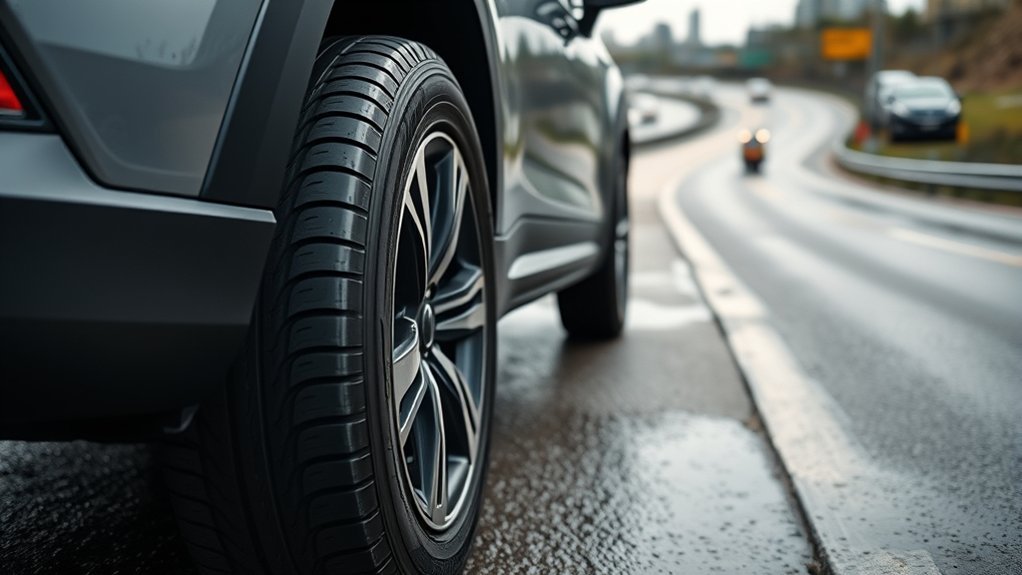
Crossmax is a good tire brand if your main goal is practical transportation at a lower price. It is not a premium-performance brand like Michelin, Bridgestone, Continental, or Pirelli, and it should not be judged by the same standard. Its strength is value: decent everyday traction, model-specific mileage warranties, and broad fitment for common cars, crossovers, SUVs, and light trucks.
Horizon Tire describes Crossmax as a replacement-market brand with passenger car radial and light truck options at an “outstanding value.” The company also states that Crossmax is owned and marketed by Horizon Tire Inc., a U.S.-based private brand marketer and distribution company. That matters because the warranty and brand support come through Horizon, not through a vehicle manufacturer.
For most drivers, the best way to judge Crossmax is by use case. If you drive mostly on city streets and highways, keep up with tire rotations, and want to avoid premium tire prices, Crossmax can be a reasonable choice. If you drive aggressively, tow heavy loads often, live in a harsh winter area, or want tires with strong independent test results, you may be better served by a higher-end tire line.
Warning: Do not treat a Crossmax all-season tire as a dedicated winter tire unless your exact size has the Three-Peak Mountain Snowflake symbol on the sidewall or product listing. All-season tires can handle mild cold-weather use, but severe snow and ice call for tires built and rated for those conditions.
Who Makes Crossmax Tires?
Crossmax is owned and marketed by Horizon Tire Inc. Horizon says it is based in Southern California and serves U.S. dealers and wholesale distributors through warehouses in Los Angeles, Houston, and Memphis. Some third-party sellers and review sites discuss overseas manufacturing sources, but unless the current tire listing or DOT code confirms the plant, the safest statement is that Crossmax is a Horizon Tire private-brand product.
That distinction matters when you shop. Tire brands can use different factories or specifications over time, and the DOT plant code on the tire sidewall is the most direct way to confirm where a specific tire was made. When comparing Crossmax with other budget tires, look beyond the brand name and check the exact model, size, load rating, speed rating, warranty, and seller support.
Which Drivers Crossmax Tires Fit Best
Crossmax tires fit budget-minded drivers who want normal commuting performance more than premium handling. They are best for drivers who:
- Drive mostly on paved roads.
- Need replacement tires for a sedan, minivan, crossover, SUV, or light truck.
- Want a lower upfront price than many premium brands.
- Live in a mild or moderate climate.
- Are willing to rotate tires on schedule and keep warranty records.
They are less ideal for drivers who want sharp performance handling, frequent high-speed driving, heavy-duty commercial use, maximum wet braking, or severe winter traction. Crossmax can be a practical tire, but it is not the brand to buy if you want the strongest tire in every condition.
Sedans and Minivans
For sedans and minivans, the Crossmax CT-1 is the main model to consider. Horizon describes the CT-1 as a premium touring tire made for wet and dry handling, quiet comfort, fuel economy, and high mileage without premium cost. It carries a 60,000-mile limited treadwear warranty, which is strong for a budget-positioned touring tire.
The CT-1 is the best Crossmax pick if your driving is simple: commuting, school runs, errands, and highway trips. It is not the best match for track-style driving, hard cornering, or severe winter use.
Crossovers and SUVs
For crossovers, SUVs, and some light trucks, the Crossmax CHTS-1 is the better fit. Horizon describes the CHTS-1 as a highway tire for crossovers, SUVs, and light trucks, with a 60,000-mile treadwear warranty, wide shoulder blocks, reinforced internal structure, and a heat-resistant compound.
Choose the CHTS-1 if you want a quiet, road-focused SUV tire rather than an aggressive all-terrain tire. It is designed more for highway comfort and control than for mud, rocks, or rough trails.
Light Trucks and Mild Off-Road Use
The Crossmax AT-1 is the all-terrain option. Horizon describes it as a rugged tire for drivers who want traction on paved roads and challenging off-road terrain. It carries a 50,000-mile limited treadwear warranty.
The AT-1 makes sense for light trucks and SUVs that see gravel roads, job sites, camping roads, or mild trail use. It is not a substitute for a heavy-duty mud-terrain tire, and you should still match the load range to your truck and towing needs.
Crossmax CT-1 Road Performance
The Crossmax CT-1 is the model most everyday drivers will compare first. It is a touring all-season tire, so its goal is not maximum performance. Its goal is predictable daily driving, reasonable comfort, and usable traction in common weather.
Wet and Dry Grip
In dry conditions, the CT-1 should feel stable enough for normal commuting and highway driving. The tire is designed around modern tread patterns and compounds that aim to balance handling, tread life, and comfort. On wet roads, the tread pattern is intended to move water away from the contact patch and reduce hydroplaning risk.
That said, “good wet grip” should be understood in context. Budget tires can be fine for normal use but may not match the wet braking, emergency handling, or consistency of premium touring tires. If you regularly drive in heavy rain, compare UTQG traction grades, independent tire tests, and buyer feedback for your exact size before ordering.
Comfort and Noise Levels
Crossmax positions the CT-1 and CHTS-1 as comfortable, quiet tires for daily use. That is realistic for their category, especially when they are installed on well-aligned vehicles and rotated on schedule.
Noise can still vary by vehicle, road surface, tire size, and inflation pressure. A budget tire may start quiet but grow louder as the tread wears. If cabin noise matters to you, check recent reviews for your exact size and vehicle type, not just the overall brand rating.
Light Snow and Winter Use
Crossmax all-season tires may handle light cold-weather driving, but they should not be treated as winter tires unless the exact tire carries a severe-snow rating. The symbol to look for is the Three-Peak Mountain Snowflake, often shortened to 3PMSF.
If you live where roads are often icy, snowy, or below freezing for long periods, dedicated winter tires or true all-weather tires with 3PMSF are a safer choice. This is especially important for mountain driving, rural roads, and long highway commutes during storms.
Crossmax Pricing and Warranty
Crossmax tires are usually priced below many premium-brand alternatives, but exact prices change by size, retailer, sale timing, and installer. Instead of judging only by the listed price, compare the total installed cost: tire price, mounting, balancing, valve stems, road hazard coverage, alignment, disposal fees, and taxes.
The warranty package is one of the main reasons shoppers consider Crossmax. Horizon’s current mileage warranty lists:
| Crossmax Model | Best For | Mileage Warranty |
| CT-1 | Passenger cars, sedans, minivans, daily commuting | 60,000 miles |
| CHTS-1 | Crossovers, SUVs, highway-focused light trucks | 60,000 miles |
| AT-1 | Light trucks, SUVs, gravel roads, mild all-terrain use | 50,000 miles |
Note: A mileage warranty is not a promise that every driver will reach that mileage. Horizon’s warranty requires proper use, even wear, service records, rotation and inspection every 5,000 miles, original invoices, and claim approval.
Road Hazard Warranty
Crossmax also offers road hazard coverage for eligible CT-1, CHTS-1, and AT-1 tires. The coverage applies to qualifying non-repairable road hazard damage during the first year from the purchase and installation date, and only while the tire is within the eligible tread-depth period.
This coverage does not include every tire problem. Exclusions include repairable punctures, racing, off-road damage, vandalism, accident damage, improper vehicle conditions, irregular wear, transferred tires, and other situations listed in the warranty. Always read the warranty before assuming a damaged tire will be replaced.
30-Day Ride Guarantee
Crossmax’s 30-day ride guarantee can help if you dislike how a new set of tires rides, but it has important limits. Horizon’s ride guarantee applies to eligible Crossmax CT-1, CHTS-1, and AT-1 tires purchased and installed as a set of four or more. The tires must be returned undamaged, the exchange must be handled at the original place of purchase, and online purchases are not eligible under the published guarantee.
Pro Tip: Before leaving the installer, take a photo of the invoice, tire size, DOT date code, odometer, and final alignment printout if you had an alignment done. Those records can make warranty questions much easier later.
What Drivers Like and Dislike About Crossmax
Drivers who like Crossmax usually like the price, the warranty coverage, and the fact that the tires are easy to find through common online and retail channels. For normal driving, many budget-minded buyers simply want tires that feel stable, pass inspection, and do not cost as much as premium brands.
The main complaints to watch for are treadwear consistency, wet-road confidence, noise as the tire ages, and warranty friction. Those complaints are not unique to Crossmax; they are common across many budget tire brands. Still, they matter because a cheap tire is only a good value if it performs safely and lasts long enough to justify the purchase.
| What Drivers Like | What to Watch |
| Lower upfront price than many premium brands | Real-world tread life can vary by vehicle, alignment, pressure, and rotation habits |
| Useful mileage warranties on CT-1, CHTS-1, and AT-1 | Warranty claims require records and must meet specific conditions |
| Good model spread for cars, SUVs, and light trucks | Not a proven premium substitute for severe weather or performance driving |
Crossmax CT-1 vs AT-1 vs CHTS-1
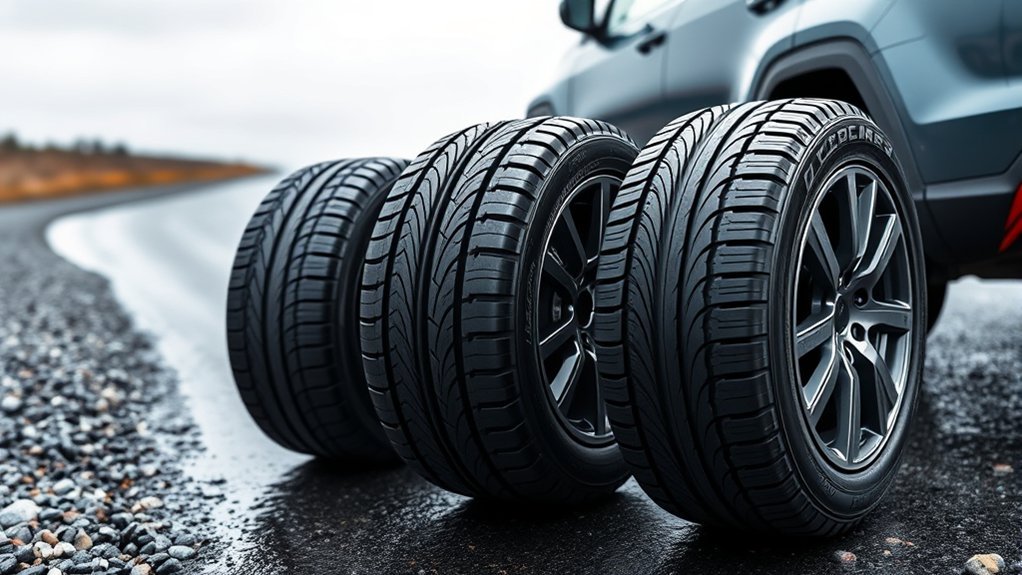
The best Crossmax tire depends on your vehicle and driving surface. Do not buy only by brand name. Buy by model, size, load rating, and intended use.
| Model | Tire Type | Best Use | Skip It If |
| CT-1 | Touring all-season | Sedans, minivans, daily highway and city driving | You need severe-snow performance or sport handling |
| CHTS-1 | Highway SUV/crossover tire | Crossovers, SUVs, comfort-focused light trucks | You need aggressive trail or mud traction |
| AT-1 | All-terrain | Light trucks, SUVs, gravel, job sites, mild off-road use | You want the quietest ride or a dedicated mud tire |
How to Choose the Right Crossmax Tire
Use this checklist before buying any Crossmax tire:
- Match the exact tire size. Use the size listed on your door placard or owner’s manual, not only the size currently mounted.
- Check the load index. The tire must support your vehicle’s weight and any normal cargo or towing needs.
- Check the speed rating. Match or exceed the rating recommended for your vehicle.
- Check UTQG. Under the Uniform Tire Quality Grading system, passenger tires are rated for treadwear, traction, and temperature resistance. Use this as one comparison tool, not the only decision factor.
- Check the DOT date code. Avoid old stock if possible, especially if the tire has been sitting for years.
- Check winter markings. If you need severe-snow traction, look for the Three-Peak Mountain Snowflake symbol.
- Read the seller policy. Online sellers, local tire shops, and big-box retailers can handle warranty claims differently.
How Long Do Crossmax Tires Last?
Crossmax tire life depends on the model, vehicle, climate, road surface, alignment, tire pressure, rotation schedule, and driving style. The CT-1 and CHTS-1 have 60,000-mile limited treadwear warranties, while the AT-1 has a 50,000-mile limited treadwear warranty. That gives you a useful benchmark, but it does not guarantee that every tire will reach that mileage.
To get the best life from Crossmax tires:
- Rotate and inspect the tires every 5,000 miles or as required by the warranty.
- Keep proof of rotation and installation records.
- Check tire pressure at least monthly and before long trips.
- Get an alignment if you see uneven shoulder wear, pulling, vibration, or after suspension work.
- Measure tread depth instead of relying only on appearance.
- Replace tires when tread is worn out, cracked, damaged, or no longer safe for your driving conditions.
The National Highway Traffic Safety Administration recommends checking tire pressure, rotating tires, checking tread, and checking for tire recalls. Those basics matter more for budget tires because poor maintenance can quickly erase any savings.
Who Should Buy Crossmax Tires?
You should consider Crossmax tires if you want a practical replacement tire and your driving needs are simple. The brand is a sensible fit for:
- Commuters who drive mostly on paved roads.
- Drivers replacing worn tires on an older car, sedan, crossover, or light SUV.
- Budget shoppers who want warranty coverage and acceptable everyday performance.
- Drivers in mild climates who do not need dedicated winter tires.
- Light truck owners who need a lower-cost all-terrain option for gravel or job-site use.
You may want to skip Crossmax if you need premium wet braking, quiet luxury-car ride quality, severe-snow traction, heavy towing confidence, or top independent test performance. In those cases, paying more for a better-tested tire can be the smarter long-term choice.
Frequently Asked Questions
Does Crossmax make good tires?
Yes, Crossmax can make good tires for budget-minded daily drivers. The brand is strongest when judged as a value tire, not as a premium tire. It is a reasonable choice for commuting, mild weather, and basic replacement needs, but it is not the best option for severe snow, aggressive driving, or buyers who want top independent test results.
Who makes Crossmax tires?
Crossmax is owned and marketed by Horizon Tire Inc., a U.S.-based private brand marketer and distribution company. Horizon lists Crossmax as one of its brands and provides the published mileage warranty, road hazard warranty, and ride guarantee documents.
Is Crossmax a good tire according to Consumer Reports?
Do not assume Crossmax is a Consumer Reports top pick unless you can verify the exact model in current Consumer Reports tire ratings. Crossmax should be evaluated through its official warranty, exact tire specifications, retailer feedback for your size, and your driving needs.
How long do Crossmax tires typically last?
The CT-1 and CHTS-1 carry 60,000-mile limited treadwear warranties, and the AT-1 carries a 50,000-mile limited treadwear warranty. Real-world life can be shorter or longer depending on pressure, rotation, alignment, road conditions, driving style, and whether the tire wears evenly.
Are Crossmax tires good in snow?
Crossmax all-season tires may handle light snow, but they should not be treated as winter tires unless the exact tire carries the Three-Peak Mountain Snowflake symbol. If you drive in regular snow, ice, or mountain winter conditions, choose a dedicated winter tire or a true all-weather tire with severe-snow certification.
Which Crossmax tire is best?
The CT-1 is the best Crossmax tire for most passenger cars and daily commuters. The CHTS-1 is better for crossovers and SUVs that stay mostly on pavement. The AT-1 is the better choice for light trucks and SUVs that need mild all-terrain traction.
Do Crossmax tires have a warranty?
Yes. Horizon lists 60,000-mile limited treadwear coverage for CT-1 and CHTS-1, 50,000-mile limited treadwear coverage for AT-1, road hazard coverage for eligible tires, and a 30-day ride guarantee with conditions. Keep the original invoice, installation records, rotation records, and any claim paperwork.
Conclusion
Crossmax tires are a solid budget choice if you need affordable daily-driver tires and understand the tradeoffs. The CT-1 is the best fit for passenger cars, the CHTS-1 works better for crossovers and SUVs, and the AT-1 is the right Crossmax model for mild all-terrain use. The warranties are useful, but they come with maintenance and documentation requirements.
Buy Crossmax if price, basic all-season performance, and warranty coverage matter most. Skip Crossmax if you need premium handling, severe-snow confidence, maximum wet braking, or the quietest long-term ride. As with any tire purchase, the smartest choice is the tire that matches your vehicle, climate, driving style, and maintenance habits.
Sources
- Horizon Tire — Crossmax — brand ownership, model descriptions, and stated mileage warranties.
- Horizon Tire Standard Limited Mileage Warranty — treadwear warranty mileage and claim requirements.
- Crossmax Road Hazard Warranty — road hazard eligibility, covered products, and exclusions.
- Crossmax 30-Day Ride Guarantee — trial period terms, limits, and exclusions.
- NHTSA TireWise — tire pressure, tread, rotation, recalls, and tire safety guidance.
- 49 CFR § 575.104 — Uniform Tire Quality Grading standards for treadwear, traction, and temperature.