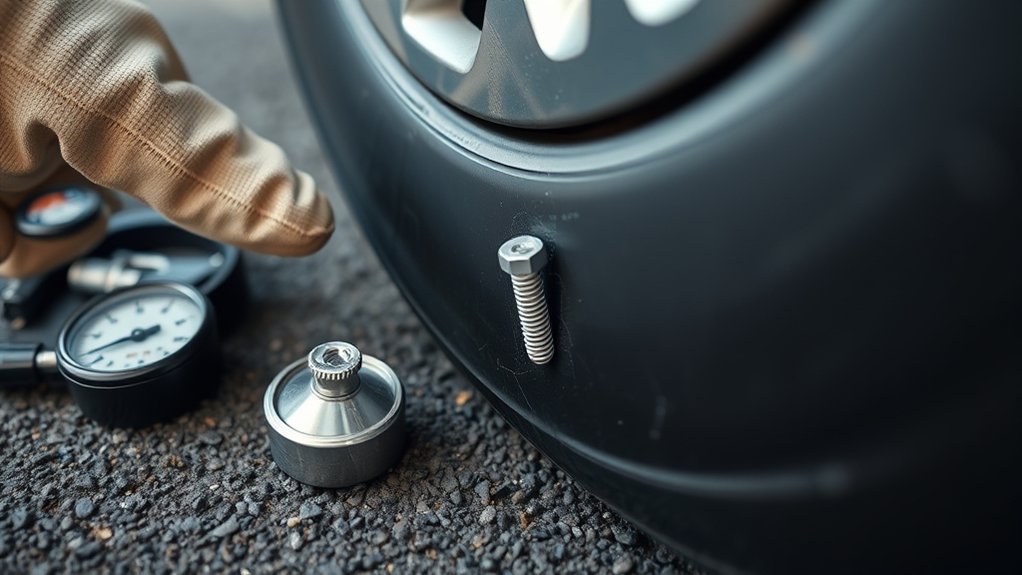
Finding a screw in your tire is stressful, but the next move is simple: slow down, check the tire pressure, and decide whether the tire can safely get you to a repair shop. A screw can seal the hole for a short time, or it can turn into a fast leak without warning. Treat it as a safety issue, not a small annoyance.
Quick Answer
You can usually drive with a screw in your tire only long enough to reach a nearby tire shop or safe parking spot, and only if the tire is holding air. Check the pressure with a gauge, do not pull the screw out, avoid highway-speed driving, and stop if the tire loses pressure, bulges, vibrates, or feels unstable.
Key Takeaways
- Drive only a short distance if the tire still holds the recommended pressure.
- Do not remove the screw yourself because it may be slowing the leak.
- A puncture in the center tread may be repairable, but shoulder or sidewall damage usually means replacement.
- A proper permanent repair requires removing the tire, inspecting the inside, filling the puncture, and sealing the inner liner.
- Use a spare, roadside assistance, mobile tire service, or a tow if pressure drops quickly or the tire looks damaged.
At a Glance
| Time Required | 5 minutes to inspect and check pressure; 20–60 minutes for a shop repair if the tire is repairable. |
| Difficulty | Easy inspection; professional repair required for a permanent fix. |
| Tools Needed | Tire pressure gauge, owner’s manual or door-jamb tire label, flashlight, spare tire or inflator if supplied with your vehicle. |
| Cost | Often low-cost for a repairable tread puncture; replacement costs vary by tire size, brand, and damage. Ask the shop before authorizing work. |
Can You Drive With a Screw in Your Tire?
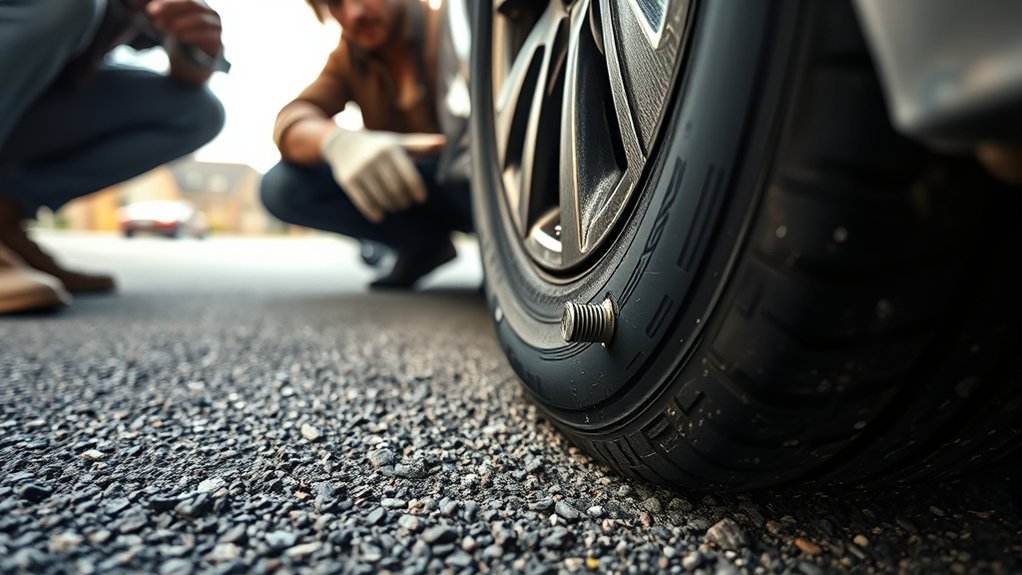
Yes, you can sometimes drive with a screw in your tire, but only as a temporary way to reach help. The tire must be holding air, the screw should be in the tread area, and the vehicle should still handle normally. If pressure is low, the tire feels soft, or the steering feels different, do not keep driving.
Use a tire pressure gauge and compare the reading with the pressure listed on the driver-side door-jamb label or in the owner’s manual. The correct pressure is the vehicle manufacturer’s recommended cold tire pressure, not the maximum pressure printed on the tire sidewall. The National Highway Traffic Safety Administration also recommends checking tire pressure with a gauge because underinflated tires can be hard to spot by sight alone.
Warning: Do not drive on a tire that is visibly flat, bulging, showing cords, leaking fast, punctured in the sidewall, or causing vibration. Use the spare, call roadside assistance, or have the vehicle towed.
What to Do First When You Find a Screw
- Park somewhere safe. Move away from traffic before inspecting the tire.
- Do not pull the screw out. It may be acting like a temporary plug and slowing air loss.
- Check the pressure. Compare it with the door-jamb label or owner’s manual.
- Look at the location. A center-tread puncture is very different from shoulder or sidewall damage.
- Check for warning signs. Look for bulges, cracks, cords, hissing air, wobbling, or a TPMS warning light.
- Choose the safest next step. Drive slowly to a nearby tire shop only if pressure is stable. Otherwise, use the spare, mobile tire service, roadside assistance, or a tow.
Pro Tip: Take a quick photo of the screw location before you drive to the shop. It helps the technician understand where the puncture is, especially if the screw falls out later.
How Far Can You Drive With a Screw in Your Tire?
There is no safe mileage number that applies to every tire. A screw can leak slowly, hold pressure for a while, or shift and cause sudden air loss. If the tire pressure is correct and stable, drive only the shortest practical distance to a qualified tire shop. Avoid long trips, hard braking, heavy loads, potholes, and high-speed highway driving.
If you need to drive more than a few local miles, stop and recheck the tire pressure first. If the pressure has dropped, the tire is not safe to keep driving on. A tire that is driven while underinflated can overheat and suffer internal damage that may turn a repairable puncture into a replacement.
How to Tell If the Tire Is Safe to Drive On
Start with pressure, then inspect the tire. If the pressure matches the vehicle label and does not drop after a short wait, you may be able to drive carefully to a nearby shop. If the tire is low, refill only as a temporary measure and recheck it soon. A Tire Pressure Monitoring System warning means at least one tire is already significantly underinflated, but TPMS is not a substitute for checking with a gauge.
| Condition | What It Means | Best Move |
| Pressure is stable and screw is in center tread | May be temporarily drivable | Drive slowly to a nearby tire shop |
| Pressure keeps dropping | Active leak | Use spare, mobile service, or tow |
| Screw is in shoulder or sidewall | Usually not repairable | Do not continue driving; get professional help |
| Bulge, vibration, cords, or tire feels unstable | Possible structural damage | Stop driving and replace or tow |
When a Punctured Tire Can Be Repaired
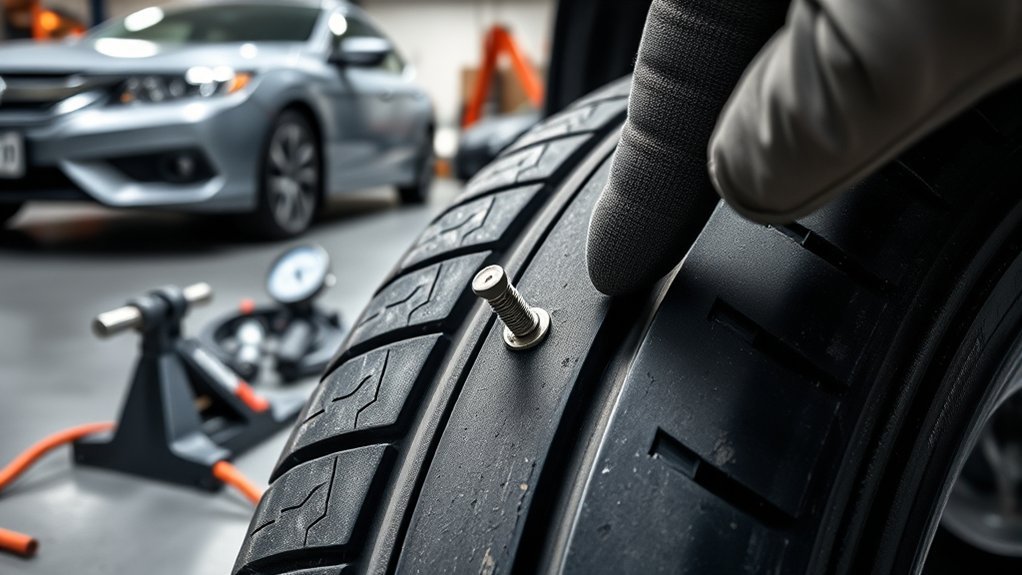
A punctured tire can often be repaired when the screw is in the tread area, the hole is small, the tire has not been driven flat, and there is no internal damage. The U.S. Tire Manufacturers Association says tire repair should be considered only when damage is limited to the tread area and the puncture injury is no greater than 1/4 inch, or 6 mm, in diameter.
The Tire Industry Association also warns that punctures in the shoulder or sidewall are not repairable, and tires worn to the treadwear indicators or to 2/32 inch remaining tread depth should not be repaired.
| Usually Repairable | Usually Needs Replacement |
| Small puncture in the center tread | Puncture in the sidewall or shoulder |
| Puncture no larger than 1/4 inch, after inspection | Large cut, tear, or angled injury into the shoulder area |
| No overlapping repairs | Overlapping punctures or an existing improper repair |
| No internal liner, belt, or sidewall damage | Internal damage from driving flat or underinflated |
[Products Worth Considering]

This tire inflator with pressure gauge delivers long-lasting performance with a durable rubber-protected gauge and sturdy build. The longer hose and 360 swivel air chuck help you seal the valve securely and keep your hands free while measuring, inflating, or deflating. It’s battery-free for reliable use and provides ±2 PSI accuracy in the mid-range for most typical tires, with universal compatibility for 1/4 NPT compressor outputs.
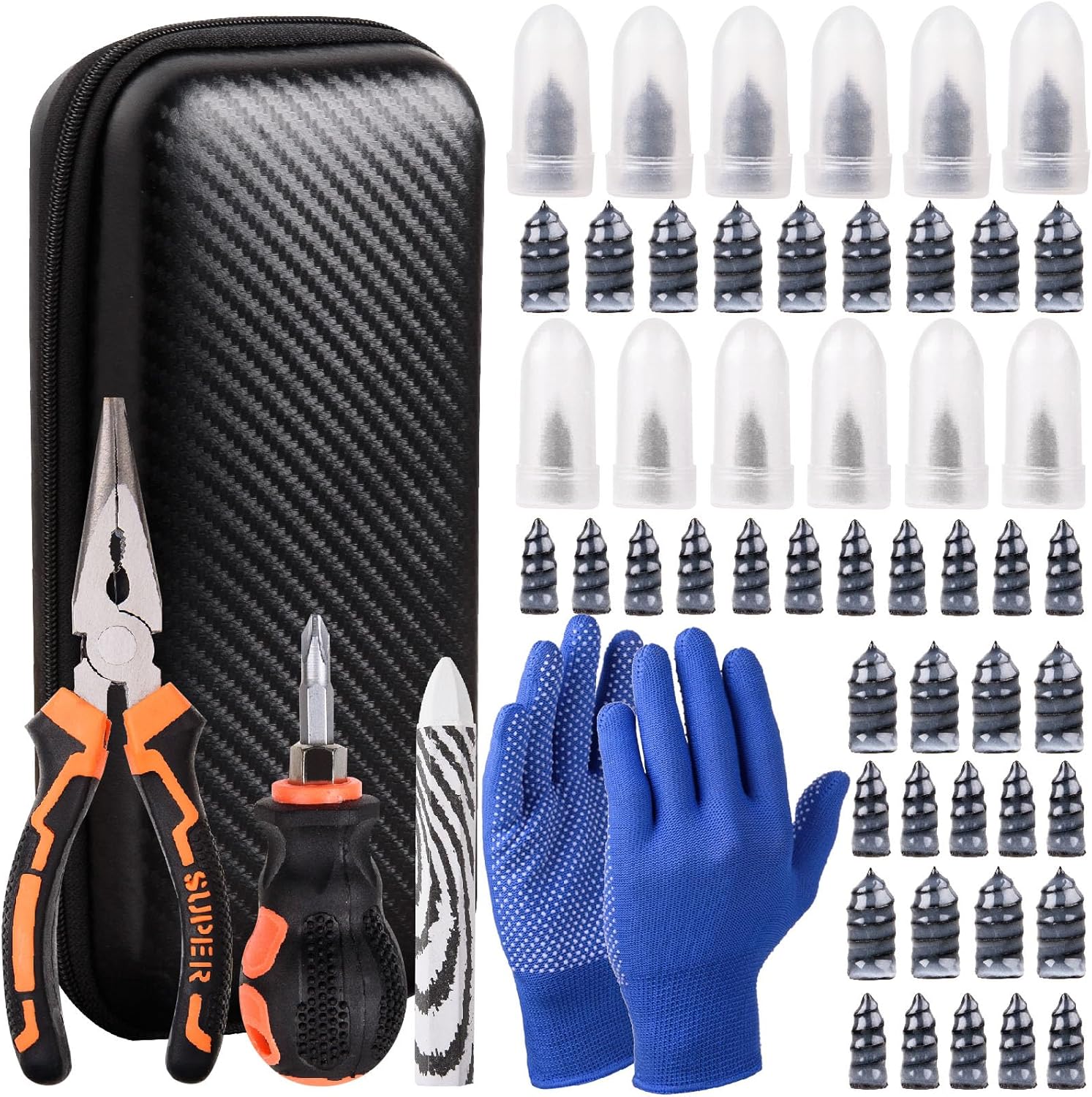
This tire sidewall puncture repair kit fixes flats fast without removing the tire, helping you get back on the road in minutes. It includes self-tapping repair nails, essential tools, gloves, and a portable storage bag for convenient roadside use. Designed for tubeless tires, it helps create a tight, leak-resistant seal for cars, motorcycles, trucks, SUVs, and ATVs.

Keep your tires properly inflated with this analog VONDIOR tire pressure gauge, designed for fast, easy readings without batteries. The swiveling, two-axis hose and large glow dial help you measure at any tire angle with instant visibility. Built with a protective rubber shield, it supports durable, low-maintenance use for cars and trucks.
Why You Should Leave the Screw in Place
Leave the screw where it is until a technician inspects the tire. Pulling it out can turn a slow leak into a fast leak, especially if the screw is currently plugging the hole. That does not mean the tire is fixed. It only means you may have a short window to get professional help.
If the screw falls out on its own and the tire starts losing air, do not keep driving. Put on the spare if you can do so safely, use the tire inflator kit only as a temporary measure if your vehicle includes one, or call for help.
What Happens If You Keep Driving?
Continued driving can make a small puncture worse. As air pressure drops, the tire flexes more than it should. That extra flex creates heat, weakens the sidewall, hurts handling, and can damage belts or the inner liner. Once internal damage happens, a tire shop may not be able to repair the tire safely.
A screw in the tread is not an emergency every time, but it is never something to ignore. Pressure loss, heat, and internal damage can turn a repairable tire into a replacement.
If a blowout happens while driving, keep both hands on the wheel, avoid slamming the brakes, ease off the accelerator, and guide the vehicle to a safe place. NHTSA’s tire safety guidance explains that sudden air loss can affect vehicle control, so calm steering and gradual slowing matter.
What a Proper Tire Repair Includes
A proper permanent repair is not just an outside plug. Industry guidance says the tire should be removed from the wheel so the inside can be inspected. The puncture channel should be filled with rubber, and the inner liner should be sealed with a patch or combination repair unit. The USTMA puncture repair procedure says a plug alone or a patch alone is not an acceptable repair.
Note: Emergency sealant or a string plug may help you reach service, but it should be treated as temporary unless a tire professional removes the tire, inspects it, and completes an industry-standard repair.
[Products Worth Considering]

TP-M13W combination repair unit kit includes wrapped stems with matching patches for fast, reliable tire repairs. It’s suitable for both radial and bias ply tires and is designed for chemical or heat vulcanization. Gray vulcanizing gum with blue backing helps create a strong bond, with the stem portion wrapped for added effectiveness.

This 61-piece tire repair rubber nail kit provides a quick, self-service fix for punctured tubeless tires by simply inserting the rubber nail into the damage. The sealant-coated nails help form a strong bond to reduce air loss and prevent water intrusion, with no tire removal required. It includes two nail sizes for minor and larger punctures plus a screwdriver for easy installation across many vehicle types.
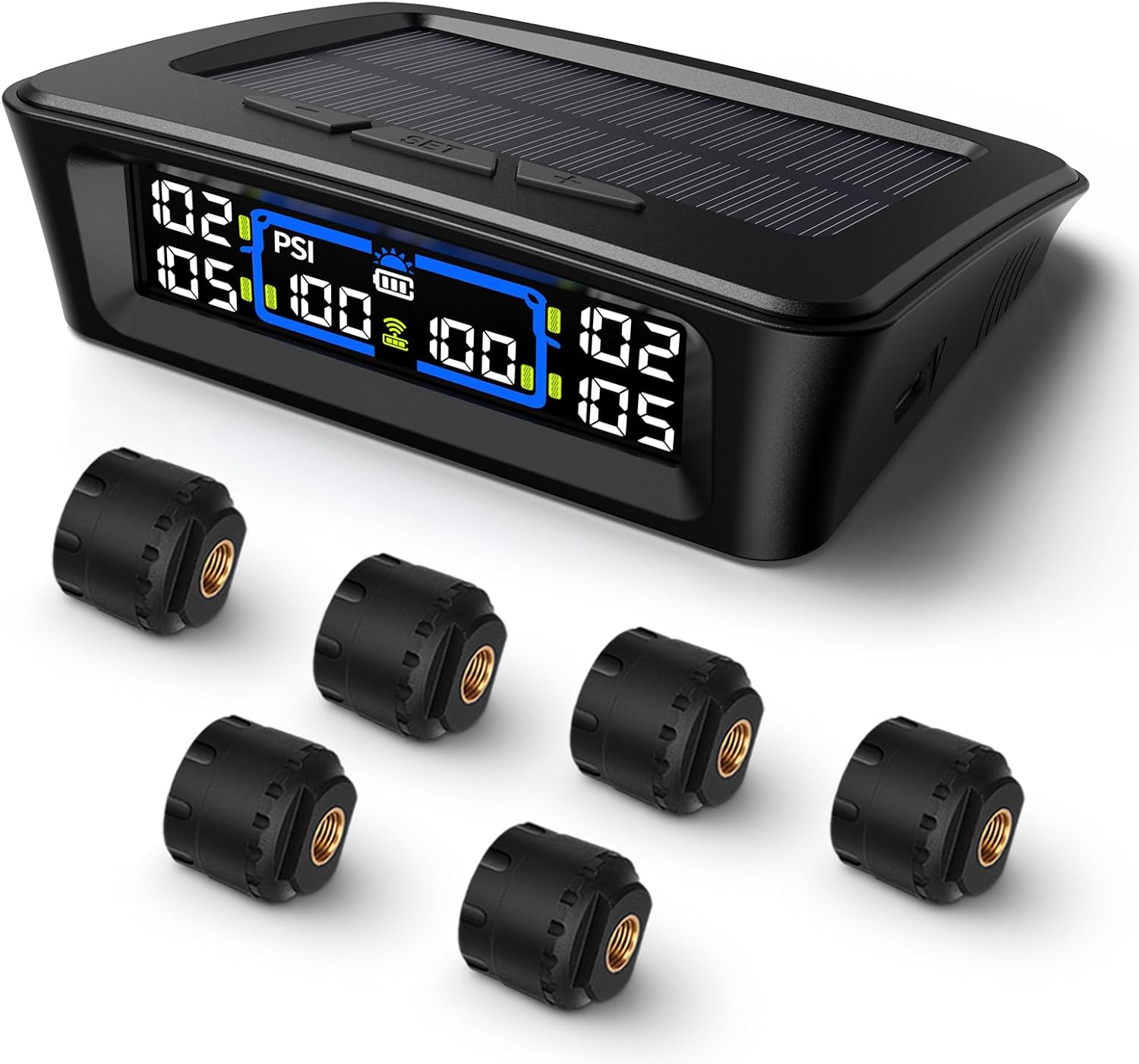
The Tymate TM12 RV TPMS delivers real-time tire pressure and temperature monitoring with a stable 433Hz display for safer long-distance driving. It supports simultaneous monitoring across vehicle and trailer zones, includes six alarm modes for pressure, temperature, leakage, battery, and signal loss, and features easy DIY installation with auto calibration. Power is supplied via USB-C charging or solar recharging, with a wide 0–144 PSI range and up to 50 ft signal coverage for RVs and towable trailers.
Where to Get Your Tire Fixed Quickly
Call a nearby tire shop, dealership service center, roadside assistance provider, or mobile tire service. Tell them where the screw is, whether the tire is holding air, and whether your TPMS warning light is on. Ask whether they can inspect the tire from the inside and perform a plug-and-patch style repair if it qualifies.
- Ask if they repair punctures the same day.
- Ask whether the tire must be replaced if the screw is near the shoulder or sidewall.
- Ask whether they charge for inspection before repair.
- Ask whether the repair follows industry-standard procedures.
- Use mobile service or a tow if pressure is dropping fast.
[Products Worth Considering]

The 22800 wheel stud installer makes replacing wheel studs quick and secure, saving time and effort during tire service. It uses a ratchet or impact wrench to pull new studs firmly into place, helping when existing studs are too long. Compatible with most automotive wheels and light-duty truck wheel studs, it’s designed for easy, tool-assisted installation.

The TYAMATE TM8 solar-powered wireless TPMS delivers real-time tire pressure and temperature monitoring with six alarm modes for safer driving. A vibrant color LCD display shows readings clearly while windshield mounting keeps it hands-free and easy to read. With a wide 0–87 PSI range, strong 433.92 MHz signal transmission, and quick sensor pairing, it’s ideal for RV, sedan, SUV, MPV, and truck use.

Mosconly tire repair glue and nail kit delivers an elastic, waterproof bond for quick sidewall puncture repairs. The adhesive cures securely to help prevent peeling, flaking, and tearing, while the included nails support a strong, seamless repair. Designed for easy roadside use, it works on car, motorcycle, bike, and other tire types, with full curing within 24 hours.
Frequently Asked Questions
How long can you drive with a screw in your tire?
Only drive long enough to reach a nearby tire shop or safe place, and only if the tire holds the recommended pressure. There is no safe time limit because a screw can leak slowly, suddenly, or inconsistently.
Is it okay to drive a car with a screw in the tire?
It can be okay for a short, careful drive to a repair shop if the tire is not losing pressure and the screw is in the tread. It is not okay to keep driving normally, take a long trip, or ignore a pressure warning.
Can I drive 2 hours with a nail or screw in my tire?
You should not plan a 2-hour drive with a nail or screw in the tire. Even if pressure looks stable at first, longer driving can heat the tire, widen the puncture, and cause internal damage. Get it inspected before the trip.
What do I do if a screw is in my tire?
Park safely, leave the screw in place, check tire pressure with a gauge, inspect the puncture location, and drive carefully to a nearby tire shop only if pressure is stable. Use a spare, roadside help, mobile service, or a tow if the tire is low or damaged.
Can a tire plug fix a screw puncture?
A plug by itself should be treated as temporary. A proper permanent repair normally requires removing the tire, inspecting the inside, filling the puncture channel, and sealing the inner liner with a patch or combination repair unit.
Can a screw in the sidewall be repaired?
No. Sidewall and shoulder punctures are generally not safe to repair because those areas flex heavily and do not support a standard puncture repair. A tire professional will usually recommend replacement.
Conclusion
You may be able to drive with a screw in your tire for a short distance, but only if the tire is holding pressure and the vehicle feels normal. Leave the screw in, check pressure, avoid long or fast driving, and get professional repair quickly. If the screw is in the sidewall, pressure is dropping, or the tire looks damaged, stop driving and use a spare, roadside assistance, mobile service, or a tow.
Sources
- U.S. Tire Manufacturers Association — Tire Repair Basics — repairable tread-area puncture limits and proper repair requirements.
- USTMA — Puncture Repair Procedures for Passenger and Light Truck Tires — plug-and-patch requirements, demounting, inspection, and non-repairable conditions.
- Tire Industry Association — Tire Repair — sidewall/shoulder repair limits, tread depth limits, and technician repair guidance.
- NHTSA TireWise — tire pressure checks, TPMS warnings, blowout response, and tire safety maintenance.
- NHTSA — Tire Pressure Maintenance: A Statistical Investigation — underinflation effects on handling, stopping distance, blowouts, tread separation, and fuel economy.