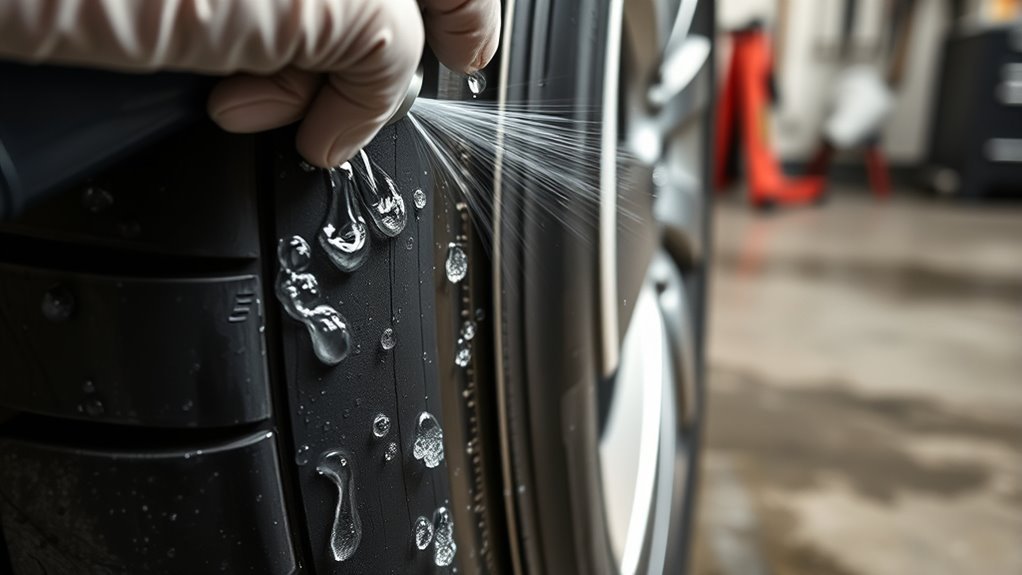
A slow tire leak on your Toyota RAV4 usually comes from a tread puncture, valve core or stem, bead-seat leak, bent wheel, cracked rim, or sidewall damage. Start by checking all tire pressures cold with a gauge, compare them with the Tire and Loading Information Label on the driver’s door jamb, then spray soapy water on the tread, valve, bead, rim edge, and sidewall. Steady bubbles show where air is escaping. Do not keep driving if the tire is visibly flat, bulging, cut, showing cords, or losing pressure quickly.
Last updated: July 7, 2026
Quick Answer
To find a slow tire leak on a RAV4, check the cold tire pressure with a gauge, compare it with the driver-door tire label, inspect the tread and sidewalls, then spray soapy water on the tread, valve stem, bead, rim edge, and sidewall. Steady bubbles show where air is escaping. Tread punctures may be repairable, but sidewall damage, shoulder damage, bulges, exposed cords, or a cracked wheel need professional service.
Key Takeaways
- A healthy tire can lose up to about 1 PSI per month, but one tire losing pressure faster than the others usually has a leak.
- Use the RAV4 tire pressure shown on the Tire and Loading Information Label, not the maximum PSI printed on the tire sidewall.
- Soapy water is the easiest DIY leak test: steady bubbles point to escaping air.
- A TPMS light may not appear until pressure is far below the recommended cold setting, so use a gauge instead of waiting for the warning light.
- Sidewall damage, bulges, exposed cords, large punctures, and tread-shoulder damage are replacement issues, not simple repairs.
- A proper puncture repair requires the tire to be removed and inspected, then repaired with a plug-and-patch or combination repair unit.
At a Glance
| Time Required | 15–30 minutes for a driveway inspection; longer if the tire must be removed by a shop |
| Difficulty | Easy for leak detection; professional service recommended for repair |
| Safe to Drive? | Only if the tire is slightly low, has no visible damage, and holds air long enough to reach a tire shop |
| Tools Needed | Tire pressure gauge, spray bottle, dish soap, water, flashlight, gloves, and an air compressor or nearby air pump |
| Cost | DIY leak check is usually free; shop repair or replacement cost depends on damage, tire type, and local labor rates |
Before You Start: When Not to Drive
Warning: Do not keep driving on a tire that is visibly flat, badly underinflated, bulging, cut, showing cords, overheating, or losing pressure again shortly after inflation. Install the spare if your RAV4 has one, use a repair kit only as directed in your owner’s manual, or call roadside assistance.
A slow leak is not just an inconvenience. Low tire pressure can increase heat, reduce handling, damage the tire internally, and raise the risk of a blowout. The National Highway Traffic Safety Administration recommends checking tire pressure at least monthly when tires are cold and inspecting tread and damage at the same time.
If your tire pressure warning light is on, treat it as a safety warning. Federal TPMS rules require the warning to appear when tire pressure reaches the system’s significant-underinflation threshold, but that does not make the system a substitute for a tire pressure gauge. A slow leak may begin before the TPMS light appears.
Identifying and Addressing Slow Tire Leaks in Your RAV4
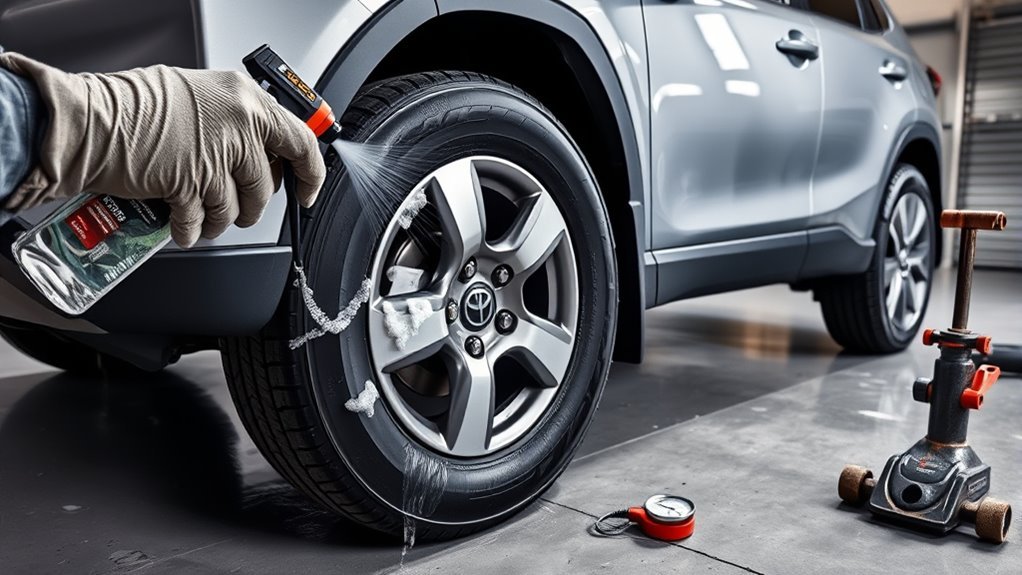
Start with the basics: measure the pressure in all four tires when they are cold. For the most reliable reading, check before driving or after the RAV4 has been parked long enough for the tires to cool. The correct pressure is listed on the RAV4 Tire and Loading Information Label, usually on the driver-side door jamb, and in the owner’s manual.
Do not use the maximum pressure printed on the tire sidewall as your inflation target. That number is the tire’s maximum rating, not the RAV4’s recommended cold tire pressure. FuelEconomy.gov also notes that the proper tire pressure is usually found on the driver-side door sticker, glove box sticker, or owner’s manual.
Note: If one tire repeatedly loses 2–3 PSI while the others stay stable, that tire likely has a leak even if it still looks normal.
What Your Pressure-Loss Pattern Means
The pressure pattern can narrow the problem before you crawl around the tire. Use the same gauge, check at the same time of day, and write the readings down for at least one overnight cycle if the tire is still safe to inflate.
| Pressure Pattern | Most Likely Meaning | Next Step |
| One tire drops faster than the other three | Puncture, valve leak, bead leak, or wheel damage | Run the soapy water test and book tire service |
| All tires drop after colder weather | Temperature-related pressure change is likely | Adjust all tires to the recommended cold pressure |
| Pressure loss starts after a pothole or curb hit | Bead-seat leak, bent rim, cracked wheel, or sidewall injury | Inspect the wheel edge and sidewall before driving farther |
| TPMS light returns after you add air | Active leak or sensor-related issue | Measure all tires cold and inspect the lowest tire first |
Common Causes of a Slow RAV4 Tire Leak
Slow leaks usually come from one of six places: the tread, valve stem, valve core, bead seat, rim, or tire sidewall. Temperature changes can also make tire pressure drop, but temperature alone usually affects all tires, not just one.
| Leak Source | What to Look For | Typical Fix |
| Tread puncture | Nail, screw, staple, sharp stone, or tiny hole in the tread | Professional patch-and-plug repair if the injury is within repair limits |
| Valve core or stem | Bubbles at the valve, cracked rubber, loose core, missing valve cap | Tighten or replace the valve core; replace the stem or TPMS service kit if needed |
| Bead seat | Bubbles where the tire meets the wheel, often after corrosion, debris, or impact | Remove tire, clean rim bead seat, reseal, or repair/replace wheel |
| Bent or cracked rim | Vibration, visible bend, air loss after pothole impact, bubbles at wheel edge | Wheel inspection, wheel repair, or wheel replacement |
| Sidewall damage | Cut, crack, bulge, abrasion, or impact mark on the sidewall | Replace the tire |
| Temperature change | All tires drop similarly after colder weather arrives | Adjust all tires to the correct cold pressure |
Tread Punctures From Nails, Screws, and Road Debris
Nails, screws, staples, glass, and sharp metal often lodge in the tread and create a slow leak. Do not pull out an embedded nail or screw unless you are already at a repair location or ready to install the spare. Removing the object can turn a slow leak into a fast leak.
Valve Stem and Valve Core Leaks
A leaking valve can look like a tire puncture because the tire slowly loses air while the tread appears clean. Spray soapy water directly onto the valve opening and around the base of the stem. If bubbles form, the valve core, stem, or TPMS sensor seal may need service.
Bead, Rim, and Wheel Leaks
The bead is where the tire seals against the wheel. Corrosion, dirt, tire bead damage, or a bent wheel can let air escape slowly around that seam. This is common after pothole impacts or on wheels exposed to road salt. A shop usually needs to break the bead, clean the sealing surface, and reseal or repair the wheel.
How to Check Your RAV4 for a Slow Tire Leak
Follow this order so you do not miss a simple leak source.
- Park safely and let the tires cool. Check pressure before driving or after the RAV4 has been parked long enough for the tires to cool.
- Measure all tires with a gauge. Write down the PSI for each tire and compare it with the door-jamb label.
- Inflate the low tire to the recommended cold pressure. If it will not hold air, do not drive on it.
- Inspect the tread. Look for nails, screws, glass, cuts, or uneven wear.
- Inspect the sidewalls. Look for bulges, cracks, abrasions, or exposed cords.
- Check the valve stem. Look for cracks, corrosion, looseness, or a missing cap.
- Use the soapy water test. Spray the tread, valve, bead, and rim area and watch for bubbles.
- Recheck pressure after several hours or the next day. A repeated drop confirms the leak is ongoing.
Pro Tip: Mark the suspected leak with chalk, painter’s tape, or a tire-safe marker before driving to the repair shop. It helps the technician find the exact spot faster.
[Products Worth Considering]
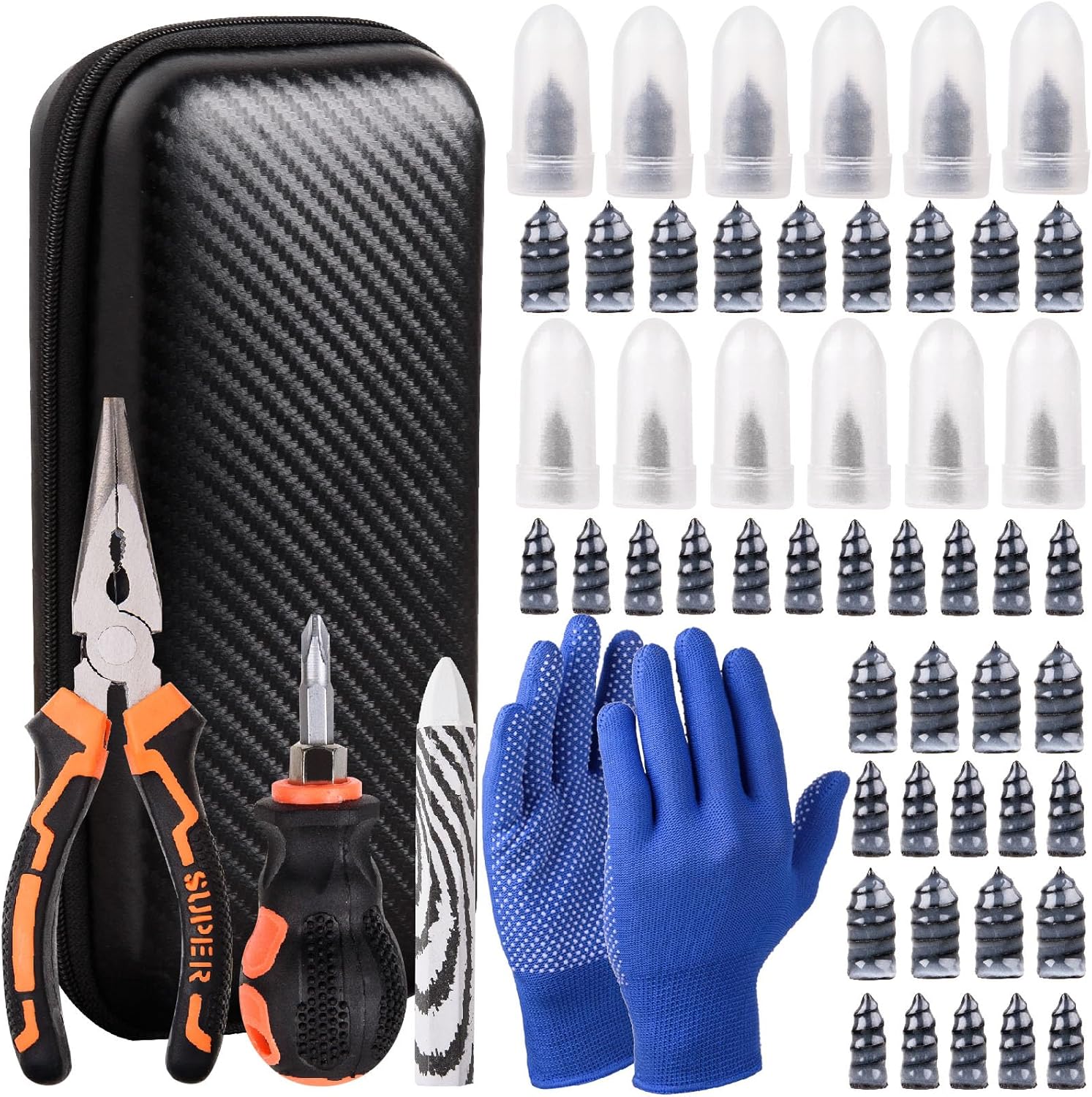
This tire sidewall puncture repair kit fixes flats fast without removing the tire, helping you get back on the road in minutes. It includes self-tapping repair nails, essential tools, gloves, and a portable storage bag for convenient roadside use. Designed for tubeless tires, it helps create a tight, leak-resistant seal for cars, motorcycles, trucks, SUVs, and ATVs.

TireJect Off-Road Tire Sealant Kit provides 5-in-1 sealing to help fix tread punctures up to 3/8", sidewall punctures up to 3/8", bead leaks, slow leaks, and minor dry rot on low-speed tires. It permanently seals with liquid rubber, recycled tire particles, and Aramid fibers, making it ideal for flats caused by thorns, nails, and screws. The included dispensing cap attaches to the valve stem for a no-mess installation, along with a metal valve core remover tool and valve stem cap. This kit is for off-road use only.

Use this tire repair rubber screw kit for fast, self-service flat fixes on the road. Choose the matching short or long nail size and twist it into the puncture without removing the tire from the rim. Compact storage keeps the emergency set organized for cars, motorcycles, electric bikes, and bicycles, helping you seal tubeless leaks quickly and reliably.
Using the Soapy Water Test to Confirm a Leak
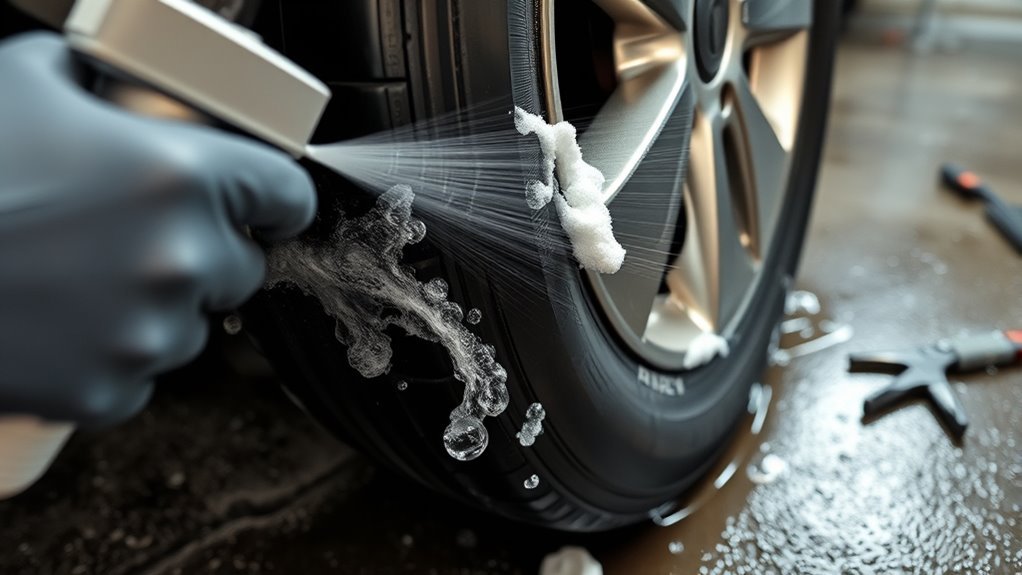
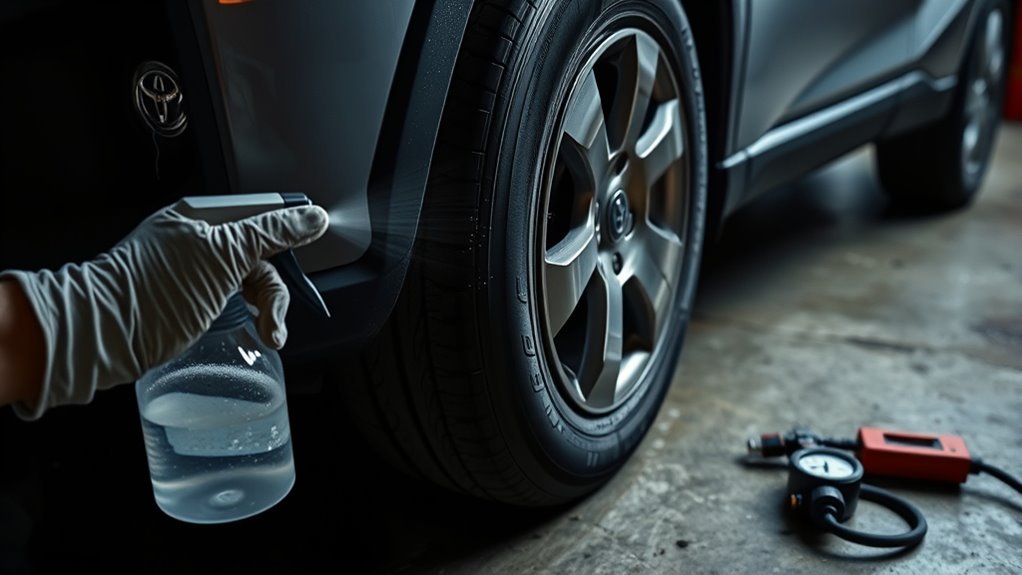
The soapy water test is one of the simplest ways to confirm an air leak. Mix water with a small amount of dish soap in a spray bottle. Inflate the tire to the recommended cold pressure, then spray the suspected areas generously.
Check these spots carefully:
- Valve opening: bubbles here can mean a loose or damaged valve core.
- Valve stem base: bubbles at the base can point to a cracked stem or TPMS seal leak.
- Tread surface: bubbles around a nail, screw, or tiny hole show a puncture.
- Bead area: bubbles where the tire meets the wheel suggest a bead-seat or rim leak.
- Sidewall: bubbles from cracks, cuts, or impact damage mean the tire should be inspected immediately and usually replaced.
[Products Worth Considering]

Keep your tires properly inflated with this analog VONDIOR tire pressure gauge, designed for fast, easy readings without batteries. The swiveling, two-axis hose and large glow dial help you measure at any tire angle with instant visibility. Built with a protective rubber shield, it supports durable, low-maintenance use for cars and trucks.

This Dr.Roc tire valve stem puller tools set helps install or remove snap-in tubeless valve stems safely and efficiently. It includes ozone-resistant EPDM snap-in valve stems, a valve stem installer, and a valve core remover for quick core removal or installation during tire service. Designed for reliable tubeless tire repair on motorcycles, ATVs, lawn equipment, cars, and trucks.

ATQYZLM’s screw-in tire plug kit provides quick self-service emergency puncture repair for tubeless tires without removing the tire. Choose a suitable plug nail, align it to the puncture, and tighten with the included screwdriver for minute-level roadside use. The rubber and metal plugs help form a durable airtight seal to reduce air loss and water seepage for reliable short-term travel.
How to Read the Bubbles
A few random soap suds do not confirm a leak. Look for bubbles that grow from one exact spot and keep coming back after you wipe the area. Tiny bubbles may take 30–60 seconds to appear, especially around a small tread puncture or a dirty bead seat. Bubbles at the valve opening point to the valve core. Bubbles at the valve base point to the stem or TPMS seal. Bubbles where the tire meets the rim point to the bead seat or wheel.
Use good lighting and rotate the tire slowly if you can do so safely. Some punctures are tiny and only bubble after several seconds.
How to Keep an Eye on Your Tire Pressure
Make pressure checks part of regular RAV4 maintenance. Michelin notes that tires can lose up to about 1 PSI per month even without visible damage, and the loss can be accelerated by punctures, valve issues, valve-cap problems, or wheel issues. Check pressure monthly, before long trips, and after major temperature changes.
For the most accurate reading:
- Check tires when cold.
- Use a quality tire pressure gauge.
- Compare the reading with the driver-door tire label.
- Do not bleed air from a hot tire just because the pressure reads higher after driving.
- Check the spare tire if your RAV4 has one.
Under-inflated tires can lower gas mileage by about 0.2% for every 1 PSI drop in the average pressure of all tires, according to FuelEconomy.gov.
Can You Add Air and Drive to a Tire Shop?
You can add air and drive to a nearby tire shop only when the tire is slightly low, reaches the recommended cold pressure, has no bulge, cut, exposed cord, sidewall bubble, or visible rim damage, and does not lose pressure again right away. Keep the trip short, avoid highway speeds if possible, and recheck the tire before you leave.
Do not drive if the tire looks flat, the sidewall is damaged, the wheel is bent, the tire will not hold air, or the TPMS light returns immediately after inflation. Use the spare, a Toyota-approved emergency repair kit, or roadside assistance instead.
When to Get Professional Help With Tire Repairs
Get professional help if the leak is not obvious, the tire loses pressure quickly, the leak is near the shoulder or sidewall, or the tire has been driven while very low. Internal damage is not always visible from the outside.
The U.S. Tire Manufacturers Association says proper passenger and light-truck tire repairs require removing the tire from the rim for inspection. Repairs are limited to the tread area, and a puncture injury cannot be greater than 1/4 inch or 6 mm. A plug alone is not an acceptable permanent repair; a rubber stem or plug must fill the injury, and a patch must seal the inner liner.
Warning: Do not rely on an outside-in plug as a permanent repair for a RAV4 tire. It may stop air loss temporarily, but it does not allow the inside of the tire to be inspected for hidden damage.
Repair or Replace the Tire?
A slow leak does not always mean you need a new tire. The location and severity of the damage matter most.
- Usually repairable: a small puncture in the main tread area that is within the tire manufacturer’s repair limits and has no internal damage.
- Usually not repairable: sidewall punctures, shoulder-area injuries, large holes, exposed cords, bulges, severe cracks, run-flat damage from driving while very low, and overlapping repairs.
- Needs wheel service: leaks at the bead, rim corrosion, a cracked wheel, or a bent wheel.
- Needs valve service: bubbles at the valve core, valve stem, TPMS sensor seal, or valve base.
If a shop cannot find the leak the first time, ask for a full dunk test or bead/valve inspection. Some slow leaks only appear when the tire is loaded, flexed, or rotated to a certain position.
[Products Worth Considering]

This self-service tire repair nail kit includes 60 pieces (30 small + 30 large) to help seal punctures quickly without needing an auto shop visit. The nails are designed to fit different hole sizes and provide a tight connection with sealing glue to help prevent air and water intrusion. Suitable for cars, motorcycles, trucks, and other vehicles, it’s an easy, efficient way to patch roadside tire damage.

This AUTOWN flat tire repair kit is designed for quick, reliable puncture repairs using a plug kit and spiral probe tool to simplify installation. Built for durability and safe handling, it offers strong adhesion and flexibility to help maintain tire air tightness. With a portable storage case and a multi-vehicle approach, it’s suitable for cars, motorcycles, ATVs, tractors, lawn mowers, RVs, jeeps, and trucks.

Milton S-921 pencil tire pressure gauge helps you maintain optimal tire pressure for passenger cars with accurate readings in PSI and kPa. It features a built-in deflator valve for convenient pressure adjustments, plus a single chuck head and nylon indicator bar for easy use on the go. Built from durable plated brass and designed for reliable performance, it’s a practical road trip and cold-weather maintenance tool.
The Risks of Ignoring a Slow Tire Leak
Ignoring a slow leak can turn a minor tire repair into a tire replacement or a roadside emergency. Low pressure makes the tire flex more, which increases heat and can damage the tire structure. It can also reduce handling, braking stability, and fuel economy.
Watch for these warning signs:
- The same tire repeatedly drops below the recommended pressure.
- The RAV4 pulls to one side or feels unstable.
- The tire looks low even after inflation.
- You hear a hiss near the valve, tread, or bead.
- The TPMS light returns soon after you add air.
- The tire has a bulge, cut, crack, exposed cord, or sidewall damage.
Federal tire condition standards also set 2/32 inch as a minimum tread-depth threshold for passenger tires. If the tread is worn to the indicators, replace the tire instead of spending money on leak repair.
Best Practices for Preventing Future Tire Leaks
You cannot prevent every nail or road hazard, but you can reduce the chance of repeat leaks with routine tire care.
- Check pressure regularly. Check all tires monthly and before long trips.
- Use valve caps. Caps help keep dirt and moisture out of the valve core.
- Rotate tires on schedule. NHTSA recommends following the owner’s manual and notes that rotation may be recommended every 5,000 to 8,000 miles depending on the vehicle.
- Inspect tread and sidewalls. Look for embedded debris, cracks, bulges, and uneven wear.
- Avoid potholes and curbs when possible. Impacts can damage tires, wheels, beads, and alignment.
- Fix alignment or suspension problems early. Uneven wear can make tires more vulnerable to damage.
- Replace aging or damaged valve stems. Ask the shop to inspect stems and TPMS service seals during tire service.
Frequently Asked Questions
How far can I drive on a tire with a slow leak?
There is no safe fixed distance. If the tire is only slightly low, has no sidewall damage, and holds pressure after inflation, drive only as far as needed to reach a tire shop. If the tire is very low, visibly damaged, or losing air quickly, do not drive on it.
How much does it cost to fix a slow leak in a tire?
The cost depends on the leak source, tire size, local labor rate, and whether the tire can be safely repaired. A simple valve-core service or tread puncture repair is usually far cheaper than replacing a tire, but sidewall damage, large punctures, and internal damage usually require replacement.
Can I use tire sealant for a slow leak on my RAV4?
Use sealant only if it is allowed by your owner’s manual or emergency tire repair kit instructions. Sealant may help temporarily, but it is not the same as a proper internal inspection and repair. Tell the tire shop if sealant was used because it can affect cleanup and TPMS service.
Why does my RAV4 tire lose air only in cold weather?
Cold weather lowers tire pressure, so all four tires may drop after a temperature change. If only one tire drops much faster than the others, suspect a leak from the tread, valve, bead, rim, or TPMS sensor seal.
Can a slow leak damage the tire?
Yes. Driving underinflated can overheat the tire and damage its internal structure. Even if the outside looks fine, a tire that has been driven while very low should be removed and inspected by a professional before repair.
Can a bad valve stem cause a slow tire leak?
Yes. A cracked valve stem, loose valve core, damaged TPMS seal, or missing valve cap can let air escape even when the tread has no puncture. Spray soapy water around the valve opening and valve base. Bubbles from either spot mean the valve area needs service.
Why doesn’t the TPMS catch every slow leak right away?
TPMS is a warning system for significant underinflation, not a precision leak detector. A tire can lose pressure slowly before the warning threshold is reached, so a monthly cold-pressure check with a gauge is still the better early-warning habit.
Conclusion
A slow tire leak on your RAV4 is manageable if you act early. Check the tire cold, compare the reading with the driver-door pressure label, inspect for punctures or sidewall damage, and use the soapy water test to locate escaping air. If bubbles appear at the tread, valve, bead, rim edge, or sidewall, have the tire professionally inspected. A small tread puncture may be repairable, but sidewall damage, shoulder damage, large punctures, bead problems, rim damage, or repeated pressure loss should be handled before the tire becomes unsafe.
Sources
- Toyota Owners — RAV4 Hybrid Tire Inflation Pressure — backs RAV4-specific tire inflation guidance. [VERIFY: confirm the exact Toyota manual URL matches the target RAV4 model year before publishing.]
- NHTSA — Tire Safety Month Guidance — backs monthly cold tire pressure checks, tread checks, tire damage inspections, and rotation guidance.
- U.S. Tire Manufacturers Association — Tire Repair Basics — backs tread-only repair limits, 1/4-inch / 6 mm puncture limit, tire removal for inspection, and plug-and-patch repair requirements.
- FuelEconomy.gov — Keeping Your Vehicle in Shape — backs the 0.2% fuel-economy effect per 1 PSI average pressure drop and using the vehicle label or owner’s manual for proper pressure.
- Michelin — Routine Tire Care Tips — backs monthly pressure checks and natural tire pressure loss of up to about 1 PSI per month.
- eCFR — 49 CFR 571.138 Tire Pressure Monitoring Systems — backs TPMS as a warning system for significant under-inflation.