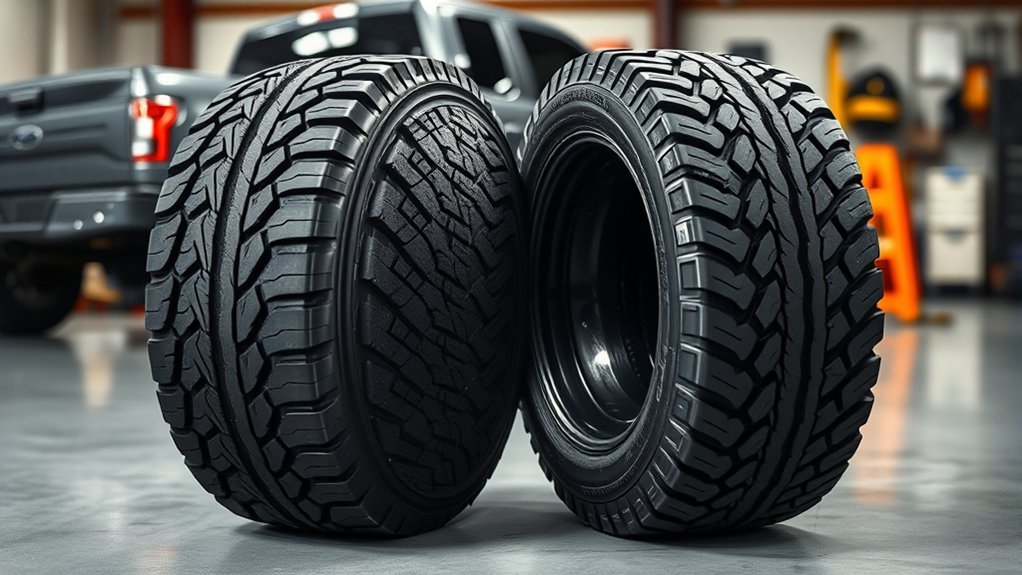
4 ply vs 6 ply tires differ mainly in their equivalent strength and load-range capability, not simply in the number of physical layers inside the tire. A higher ply rating can be useful for heavier-duty applications, but you should choose by the vehicle specification, tire size, load index, and actual maximum load rather than assuming that more plies are automatically better.
Quick Answer
For road vehicles, choose 4-ply or 6-ply tires only after matching the vehicle’s required tire size, load capacity, speed rating, and inflation guidance. A 6-ply rating traditionally corresponds to Load Range C and a 4-ply rating to Load Range B, but the specific tire’s load index and maximum load matter more than the ply label.
Key Takeaways
- Modern ply rating describes equivalent tire strength rather than a literal count of fabric layers.
- Load Range B traditionally corresponds to a 4-ply rating, while Load Range C corresponds to a 6-ply rating.
- A 6-ply-rated tire does not carry a fixed percentage more weight; capacity varies by tire size, design, load index, and inflation.
- A higher-rated tire does not increase your vehicle’s GVWR, axle rating, payload limit, or towing limit.
- For predictable handling, match the vehicle manufacturer’s specifications and avoid unnecessary differences in tire load capacity or construction.
What Do Ply Ratings Actually Mean?
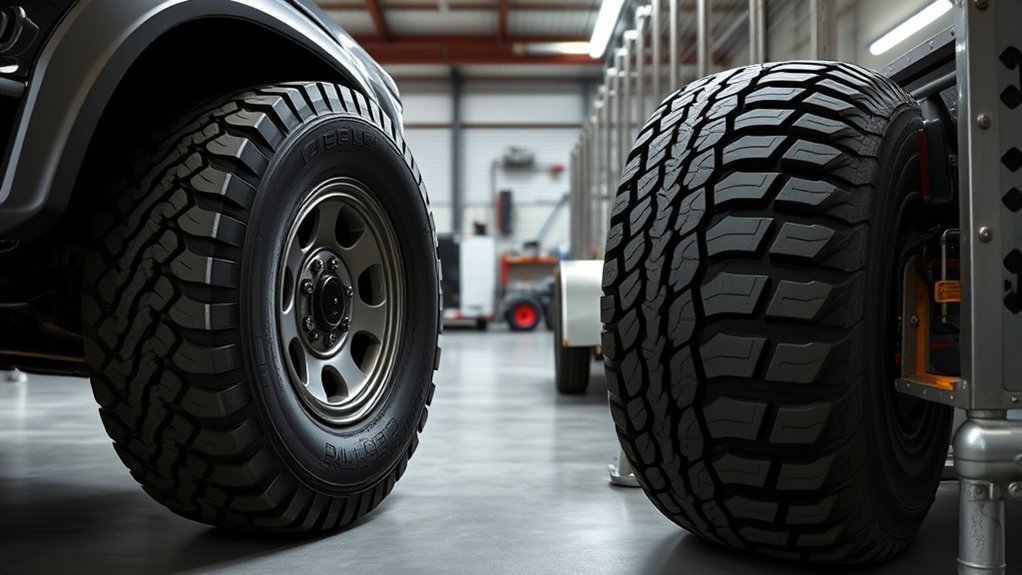
Ply rating is an older way of describing a tire’s relative strength and load-carrying class. It does not necessarily tell you how many physical cord layers are inside a modern tire.
NHTSA explains that ply rating was an older system serving the function now handled by load range. Michelin’s load range and ply-rating table lists Load Range B as a 4-ply rating and Load Range C as a 6-ply rating.
That distinction matters because two tires can have similar dimensions yet different load capabilities. The tire’s specific load index, maximum load marking, size, and required inflation tell you far more about what it can safely support.
You may also see passenger tires identified as Standard Load or Extra Load rather than by a traditional ply-rating number. Always compare the markings that apply to the exact tire you are considering.
4 Ply Vs 6 Ply Tires: What’s the Difference?
The main difference is that a 6-ply rating represents a higher traditional strength class than a 4-ply rating. In comparable tires, that can mean greater load capability or a construction intended for heavier service, but the label alone does not determine ride, traction, puncture resistance, or fuel economy.
| Factor | 4-Ply Rating | 6-Ply Rating |
|---|---|---|
| Traditional load-range equivalent | Load Range B | Load Range C |
| Actual number of physical plies | Not necessarily four | Not necessarily six |
| Load capacity | Depends on tire size and load rating | Often higher in comparable applications, but check the exact rating |
| Ride | May be more compliant in comparable designs | May feel firmer in comparable designs |
| Towing and hauling | Suitable only when its actual ratings meet the vehicle requirements | Useful when the application calls for the additional load range |
| Off-road performance | Depends heavily on tread, compound, and sidewall design | Higher strength can help in demanding service, but does not guarantee better traction |
| Fuel economy and noise | Model-specific | Model-specific |
A higher load range may come with a stronger or stiffer casing, but that is only part of the tire’s design. Tread pattern, rubber compound, tire weight, sidewall geometry, inflation pressure, and construction all affect how a tire behaves.
Compare the load index and maximum load of the exact tire, not just the ply number, when deciding how much weight it can support.
Which Tire Carries More Weight?
A 6-ply-rated tire does not automatically carry more weight than every 4-ply-rated tire. In the same or closely comparable tire size and product family, the higher load range may provide greater capacity, but you must compare the actual load ratings.
The Michelin load-rating guide explains that the load index is the numerical code corresponding to the maximum weight a tire can support when properly inflated. Tires with the same physical dimensions can have different load ratings.
Also consider axle loading. Each tire must have enough capacity for its share of the load, and the tires fitted to an axle must satisfy the vehicle manufacturer’s requirements.
Installing tires with a higher load rating does not raise the vehicle’s certified payload, gross axle weight rating, gross vehicle weight rating, or towing limit. Those limits are set by the vehicle manufacturer and depend on more than the tires.
How Do 4 Ply and 6 Ply Tires Ride?
A 4-ply-rated tire may ride more softly than a comparable 6-ply-rated version because a lighter-duty casing can flex more. However, ply rating alone cannot predict comfort because tire pressure, sidewall height, construction, tread, and suspension tuning also change the way a vehicle rides.
A higher-load-range tire can feel firmer when the vehicle is lightly loaded. Under heavier loads, that additional casing strength may help control deflection and maintain a more stable feel.
Ride Comfort Differences
If two otherwise similar tires are available in different load ranges, the lighter-rated version may transmit less impact harshness over expansion joints, broken pavement, and small bumps. The difference is not guaranteed, so compare specifications and manufacturer descriptions for the exact models.
- 4-ply rating: may provide a more compliant feel in lighter-duty applications.
- 6-ply rating: may feel firmer but can suit applications requiring greater load capability.
- Best choice: the rating that meets the vehicle requirement while giving you the ride and durability characteristics you need.
Do not choose tire pressure based on the ply number. For normal road use, follow the vehicle manufacturer’s inflation guidance unless an approved tire-size or load-range change requires different instructions.
Load And Stability
A tire designed for a higher load range can resist excessive casing deformation when it is carrying the load for which it was designed. That can improve stability compared with using an under-specified tire.
The key is proper matching. A tire that is underinflated or overloaded can build excess heat and suffer damage, while excessive pressure for the actual application can hurt ride quality and reduce the contact area available for grip.
Warning: Never exceed a tire, wheel, axle, or vehicle load limit. A higher ply or load-range marking does not make it safe to exceed the vehicle manufacturer’s ratings.
Which Ply Rating Works for Daily Driving?
For daily driving, the correct rating is the one specified or approved for your vehicle, not automatically a 4-ply tire. Many modern passenger vehicles use Standard Load or Extra Load tires rather than traditional B or C load-range terminology.
Start with the driver-door tire placard and owner’s manual. NHTSA’s TireWise guidance recommends buying replacement tires in the original size or another size recommended by the vehicle manufacturer.
If the original specification already provides enough load capacity for your passengers and cargo, moving to a heavier-duty tire only because its ply number is higher may offer no useful benefit. It may also change ride quality, tire weight, steering feel, or rolling resistance depending on the tire.
If you regularly tow or haul, first confirm your vehicle’s payload, axle, and towing limits. Then choose tires that satisfy the required load capacity without treating a tire upgrade as a way to increase the vehicle’s certified ratings.
Products Worth Considering
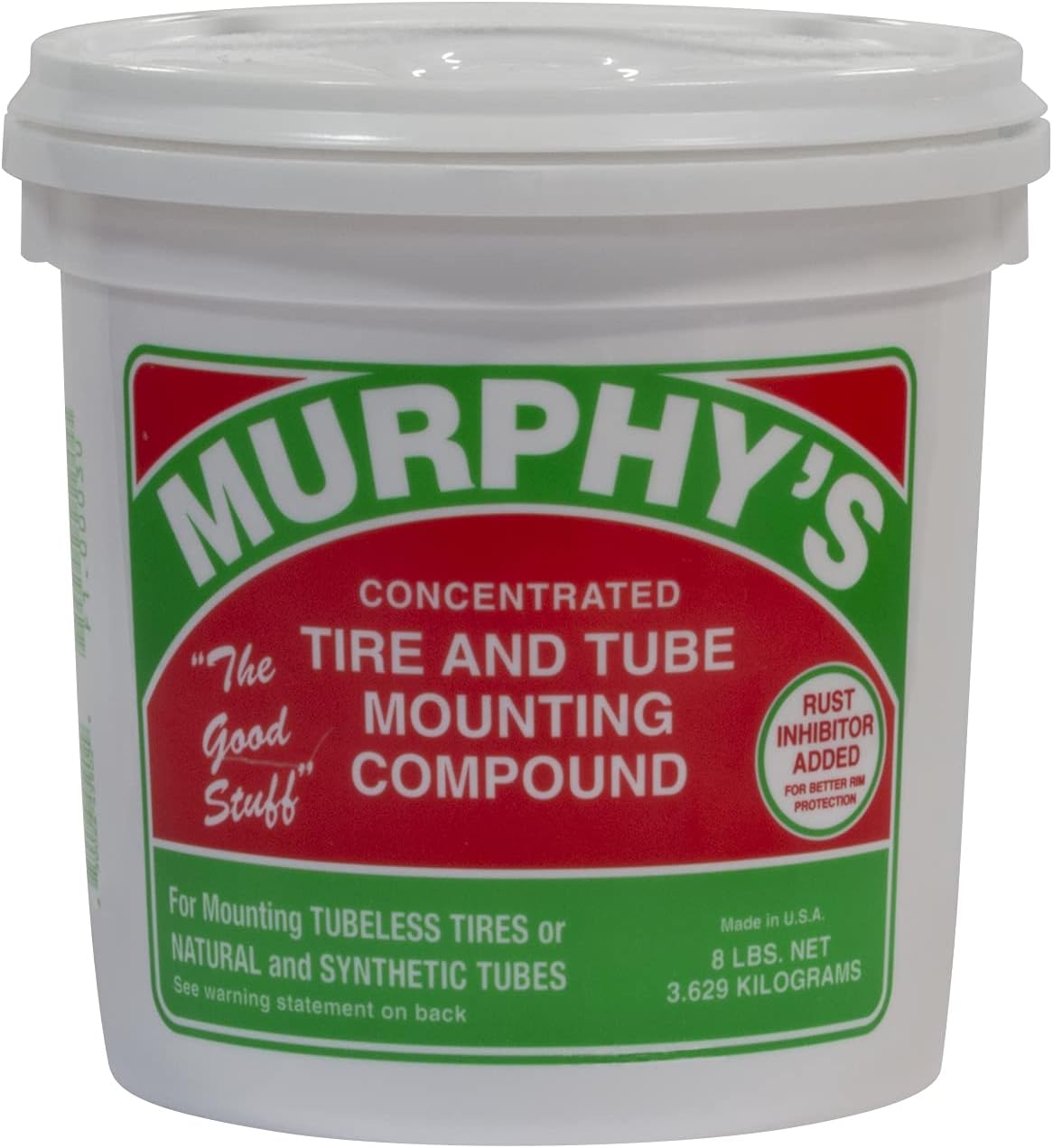
A concentrated tire and tube mounting compound designed to help simplify mounting rubber tires and tubes on passenger, semi truck, construction, and OTR applications. Its ultra-thick formula packs beads effectively and includes rust inhibitors to help protect against corrosion during use.
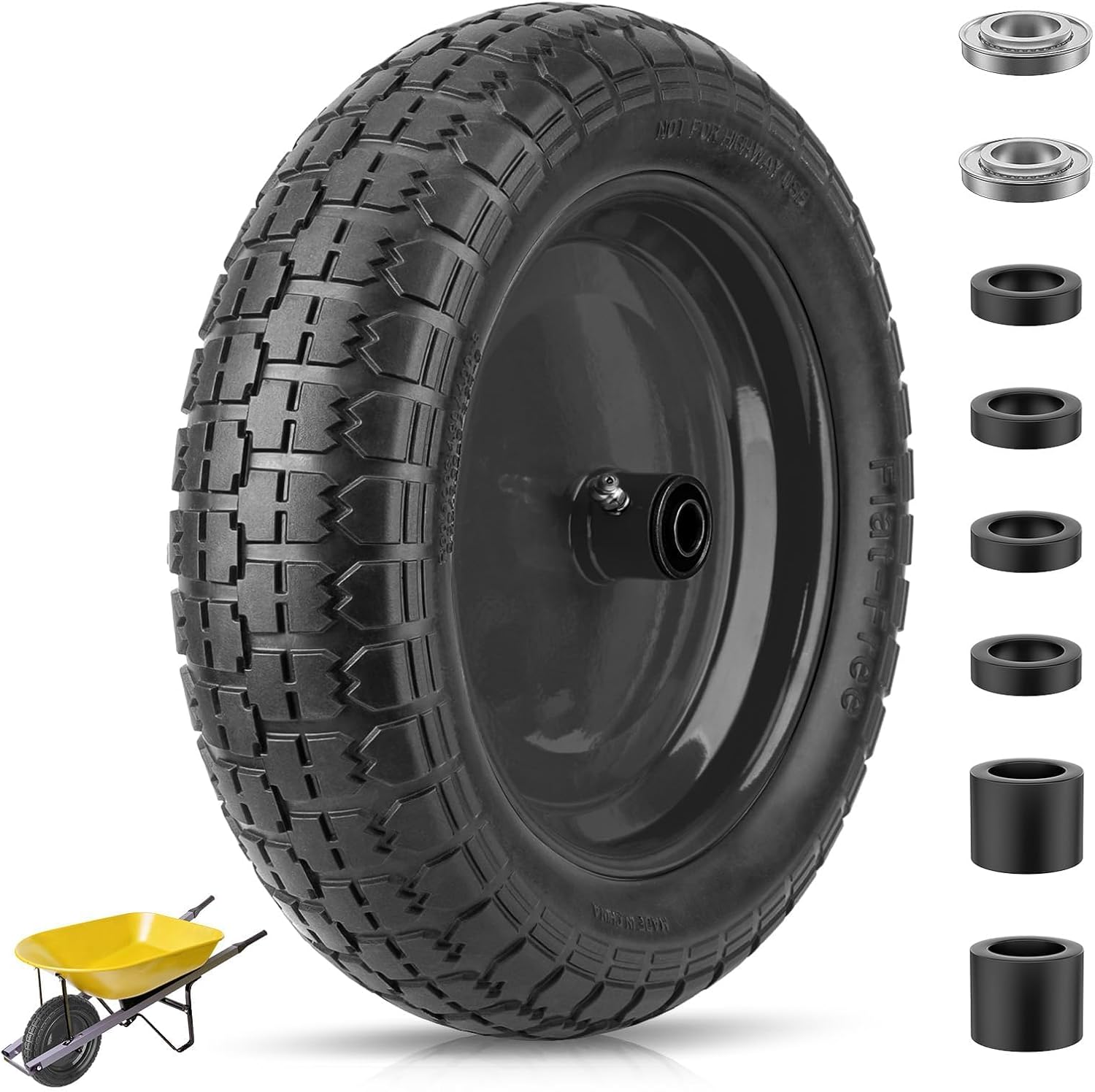
This flat-free TICONN wheelbarrow tire features durable polyurethane foam construction that never needs inflation, helping prevent punctures and reducing maintenance on rough outdoor terrain. With a 300 lb max load capacity and stable steel rim design, it supports safer transport for yard work and hauling tasks. An adapter kit with ball bearings and nylon spacers is included for easier fit and customization across common wheelbarrow and cart axle setups.

Keep your tires properly inflated with this analog VONDIOR tire pressure gauge, designed for fast, easy readings without batteries. The swiveling, two-axis hose and large glow dial help you measure at any tire angle with instant visibility. Built with a protective rubber shield, it supports durable, low-maintenance use for cars and trucks.
Are 6 Ply Tires Better for Off-Road Use?
A 6-ply-rated tire is not automatically a better off-road tire. A higher strength class can be useful for demanding loads and rough service, but off-road grip and damage resistance also depend on the tread, rubber compound, sidewall design, and the tire’s intended use.
A higher ply rating may add load capability, but tread and purpose-built sidewall construction matter more than the ply number alone for off-road performance.
For gravel, rocks, roots, and job sites, look at the manufacturer’s description of the exact tire. An all-terrain or off-road tire engineered with protective sidewall features may be a more meaningful upgrade than simply choosing a higher ply number.
Do not assume a 6-ply rating gives you permission to run an arbitrary lower air pressure off road. Safe airing-down pressure depends on the tire, wheel, load, speed, terrain, and vehicle, so follow the tire and vehicle manufacturer’s guidance.
Products Worth Considering

These pre-assembled 15x6.00-6 front tire and wheel assemblies are designed for quick replacement on riding lawn mowers and lawn tractors. Built with natural rubber pneumatic tires and turf-friendly tread for solid traction and improved shock absorption. A thickened welded rim and 3/4" sintered iron bushing help provide stable, heavy-duty support for everyday mowing use.

TP-M13W combination repair unit kit includes wrapped stems with matching patches for fast, reliable tire repairs. It’s suitable for both radial and bias ply tires and is designed for chemical or heat vulcanization. Gray vulcanizing gum with blue backing helps create a strong bond, with the stem portion wrapped for added effectiveness.

Replace worn tires quickly with this universal 4.80/4.00-8 tire and inner tube set designed for wheelbarrows and outdoor utility carts. The ribbed tread helps reduce turf damage while the natural rubber construction supports longer service life. Compatible with 15.5-inch outer diameter, 4-inch width, and 8-inch rim diameter wheels, it uses a straight TR-13 valve stem for easy installation. For best results, inflate with a manual pump and do not exceed 25 PSI.
When Do 4 Ply Tires Make More Sense?
A 4-ply-rated tire makes sense when that rating meets the equipment or vehicle requirement and you do not need the capacity of a higher load range. In a comparable tire family, it may also offer a more compliant ride or lower tire weight.
Typical situations include:
- Light-duty equipment specifically designed for a 4-ply-rated or Load Range B tire.
- Trailers or utility equipment whose required load capacity is fully covered by the tire’s actual rating.
- Applications where a lighter, more flexible casing is preferred and the manufacturer permits it.
- Replacement of an existing 4-ply-rated tire with an equivalent tire that meets every required specification.
Do not downgrade from a higher required load capacity simply to gain a softer ride. The replacement tire must still meet the size, load, speed, construction, and other requirements set for the vehicle or equipment.
Products Worth Considering

The Big Rig Defense Tire Thumper is a truck tire pressure checker that lets you quickly check multiple tires by giving them a firm whack. Listen for a reassuring thump and feel the stick bounce when a tire is fully inflated, helping you get back on the road safely. It features a comfortable, glove-friendly handle and a secure wrist strap for confident use on busy routes.

The Topeak SmartGauge D2 delivers precise digital tire pressure readings for bikes, motorcycles, and sports equipment up to 250 psi (17 bar). Its rotating SmartHead works with both Presta and Schrader valves, so you can check pressure quickly without adapters. The LCD display makes it easy to read results in psi, bar, or kg/cm² with an included CR2032 battery for immediate use.
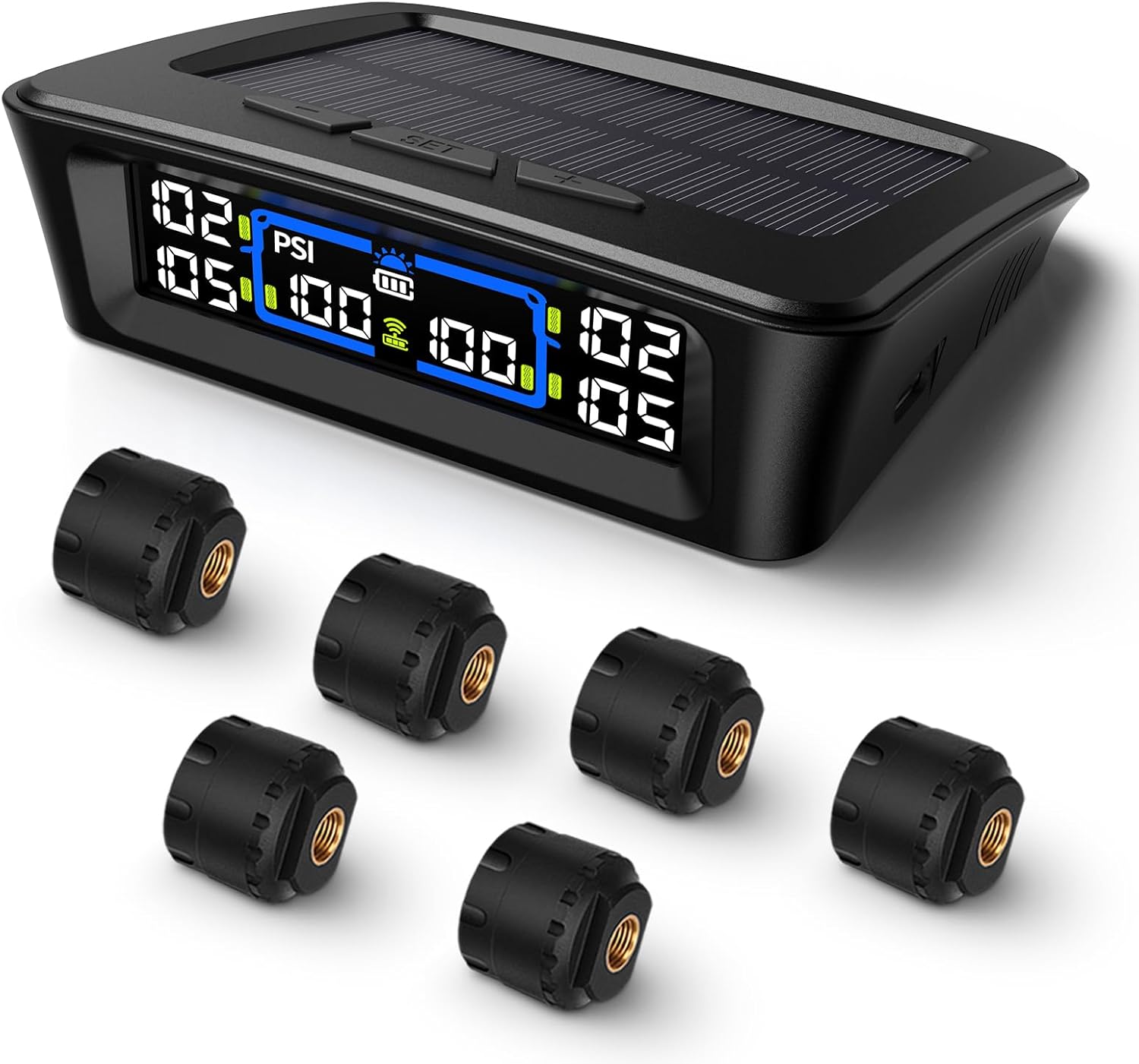
The Tymate TM12 RV TPMS delivers real-time tire pressure and temperature monitoring with a stable 433Hz display for safer long-distance driving. It supports simultaneous monitoring across vehicle and trailer zones, includes six alarm modes for pressure, temperature, leakage, battery, and signal loss, and features easy DIY installation with auto calibration. Power is supplied via USB-C charging or solar recharging, with a wide 0–144 PSI range and up to 50 ft signal coverage for RVs and towable trailers.
How Do You Choose the Right Tire Rating?
Choose the right tire by starting with the vehicle specification and then comparing the exact tire’s load index, size, speed rating, construction, and intended use. Treat the ply rating as supporting information rather than the only number that matters.
- Read the tire placard and owner’s manual. Confirm the original tire size and required inflation pressure.
- Match the required load capacity. Never choose a replacement with less load capacity than the vehicle requires.
- Check the load index and maximum-load marking. These identify the actual capacity of the specific tire.
- Match the speed and construction requirements. Do not assume that identical diameter alone makes a tire suitable.
- Consider your real use. Towing, cargo, gravel, job sites, and rough terrain may justify a tougher tire when the vehicle manufacturer permits it.
- Keep the set compatible. Matching tires helps preserve predictable braking, steering, traction, and electronic-system behavior.
Michelin’s tire-mixing guidance recommends maintaining the manufacturer’s configuration and using tires with matching size, type, load capacity, and construction whenever possible.
Pro Tip: If two tires both meet your vehicle’s requirements, compare their actual load index, weight, tread design, warranty, intended service, and ride characteristics instead of choosing only by the larger ply number.
Frequently Asked Questions
Do Ply Ratings Affect Fuel Economy?
Ply rating alone does not tell you which tire will use less fuel. Rolling resistance depends on the tire’s compound, tread, construction, weight, inflation pressure, and operating load, so compare the actual tire models rather than assuming every 4-ply tire is more efficient than every 6-ply tire.
Are 6 Ply Tires More Puncture-Resistant?
A 6-ply-rated tire may have a tougher casing than a comparable 4-ply-rated version, but the rating does not guarantee puncture resistance. Sidewall materials, tread construction, tire design, and the type of impact or debris determine how well an individual tire resists damage.
Can I Mix 4 Ply and 6 Ply Tires?
Avoid mixing 4-ply and 6-ply-rated tires as a routine setup unless the vehicle or tire manufacturer approves the combination. For predictable handling, tires should meet the required size, load capacity, construction, and speed specifications, with matched tires particularly important on the same axle.
Do Ply Ratings Change Tire Noise?
Ply rating by itself is not a reliable predictor of tire noise. Tread pattern, rubber compound, casing design, inflation pressure, road surface, and vehicle insulation can have a larger effect, although a firmer tire may transmit road impacts differently through the vehicle.
How Do Ply Ratings Affect Tire Longevity?
A higher ply rating does not automatically mean longer tread life. Tire compound, alignment, inflation, rotation, load, road conditions, and driving style all affect wear, while the correct load range helps prevent the tire from being used outside its intended capacity.
Do 6 Ply Tires Increase Towing Capacity?
No, installing 6-ply-rated tires does not increase the vehicle manufacturer’s towing capacity. Higher-rated tires may provide the tire capacity required for a loaded vehicle or trailer, but the vehicle’s towing, axle, payload, hitch, braking, and gross combination limits still apply.
Is a 6 Ply Tire Always Load Range C?
Load Range C traditionally corresponds to a 6-ply rating, while Load Range B corresponds to a 4-ply rating. However, many modern passenger tires use Standard Load or Extra Load markings instead, so read the exact sidewall specification rather than trying to convert every tire into a ply number.
Conclusion
For 4 ply vs 6 ply tires, start with the vehicle or equipment specification rather than assuming the larger number is better. Check the exact tire’s size, load index, load range, speed rating, and required inflation, then choose the construction that safely covers your real load and driving conditions without exceeding the vehicle’s limits.
Sources
- National Highway Traffic Safety Administration — TireWise: Supports replacement-tire sizing, inflation, safety, and rolling-resistance guidance.
- Michelin — Tire Load Rating and Speed Rating: Supports the explanation of load index and replacement load requirements.
- Michelin — Mixing Tires: Supports guidance on matching tire size, type, load capacity, and construction.
- Michelin RV Tire Guide: Supports the traditional Load Range B/4-ply and Load Range C/6-ply equivalence.