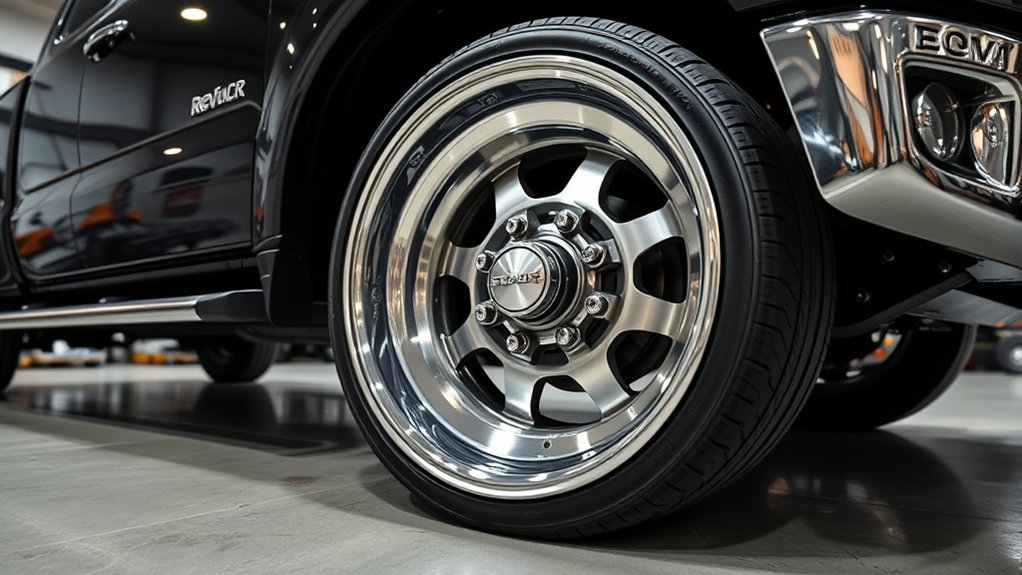
Reverse mount wheels are often misunderstood because the term can describe more than one wheel-design detail. In tire service, it commonly refers to a reverse drop-center wheel, where the wheel’s drop center is positioned so the tire must be mounted and removed from the rear or inboard side. In custom-wheel discussions, “reverse rim” can also describe a particular rim profile or appearance. Neither meaning automatically changes wheel offset, brake clearance, scrub radius, or handling.
Quick Answer
A reverse mount wheel typically uses a reverse drop-center rim that requires tire mounting and removal from the wheel’s rear side. Some custom-wheel makers also use reverse-rim terminology for specific rim profiles. The design itself does not automatically create more offset, brake clearance, a wider stance, or different handling.
Key Takeaways
Key Takeaways
- A reverse mount or reverse drop-center wheel usually needs the tire mounted and removed from the rear side of the wheel.
- Reverse-rim geometry is separate from wheel offset, width, backspacing, and spoke position.
- Reverse-style wheels can be one-piece or multi-piece; they are not automatically two- or three-piece wheels.
- Brake clearance depends on the actual barrel diameter, spoke profile, offset, and brake package rather than the “reverse mount” label alone.
- Handling changes only when wheel or tire specifications change enough to alter geometry, mass, tire position, or alignment.
- The correct tire-service direction matters because forcing a tire over the wrong side can damage the tire, wheel finish, rim flange, or TPMS components.
What Are Reverse Mount Wheels?
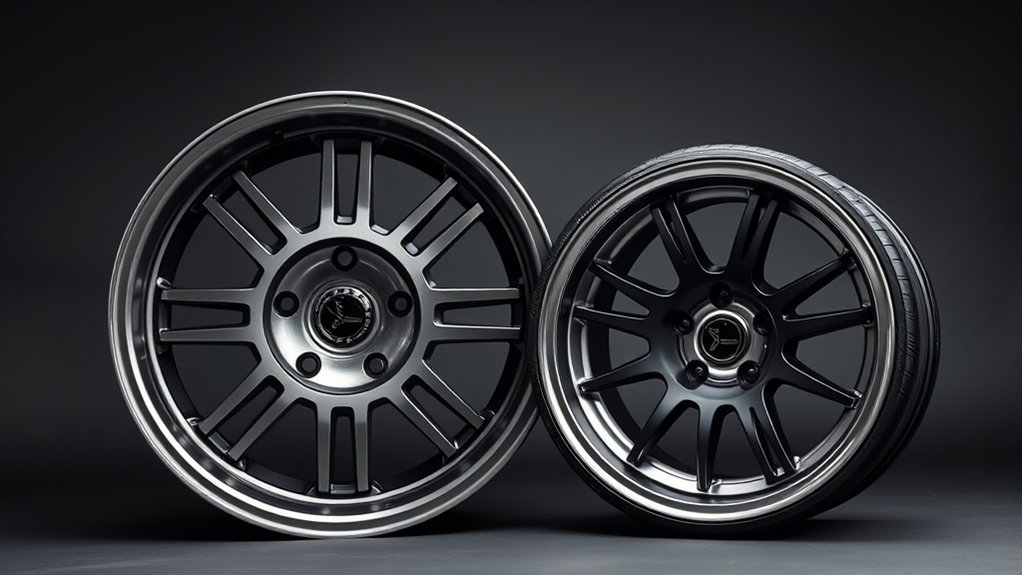
A reverse mount wheel is best understood by looking at the wheel’s rim profile and drop center. The drop center is the recessed portion of the barrel that gives the tire bead enough room to move during installation and removal.
On many conventional wheels, technicians service the tire from the normal outboard or front side. A reverse drop-center wheel places the usable drop-center geometry toward the opposite side, so the tire changer must approach the assembly differently.
Hunter Engineering, which manufactures professional tire-changing equipment, specifically identifies reverse drop-center assemblies as an application that requires appropriate mounting and clamping techniques.
There is also a second use of the terminology. Custom-wheel manufacturers may use terms such as reverse rim, step rim, or full-reverse rim to describe the shape and orientation of the rim itself. For example, WORK Wheels distinguishes standard rims, step/reverse rims, and full-reverse rims in its technical guide.
Note: Enthusiasts sometimes use “reverse mount” to describe a multi-piece wheel with the center mounted behind part of the rim assembly. Manufacturer terminology is not perfectly uniform, so always check the wheel maker’s drawing or service instructions before assuming what the term means.
How Reverse Mount Wheels Are Built
Reverse-style rim geometry does not require one specific manufacturing method. Depending on the wheel, the rim and center may be produced as a one-piece, two-piece, or three-piece assembly.
That distinction matters because the wheel’s construction determines how it is manufactured, sealed, repaired, and serviced. It is separate from the location of the drop center.
WORK Wheels, for example, describes one-piece wheels with the barrel and disc formed as one unit, two-piece wheels with separately manufactured barrel and disc sections, and three-piece wheels using a disc with separate inner and outer barrel sections.
Wheel Barrel Construction
The barrel carries the tire and includes the bead-seat areas, flanges, and drop center. On a reverse drop-center design, the location of that recessed center section changes the preferred direction for tire mounting and removal.
The barrel also affects several important fitment dimensions:
- Internal diameter around the brake package
- Wheel width
- Bead-seat geometry
- Clearance around suspension components
- Location and accessibility of the tire-service drop center
These dimensions should not be confused with offset. Two wheels can have similar rim profiles but very different offsets, spoke shapes, and brake clearance.
Lip Assembly Process
A separate lip assembly exists only on wheels designed with separate wheel sections. A one-piece reverse-style wheel does not have a removable outer lip simply because it uses reverse rim geometry.
On multi-piece wheels, manufacturers may use separate inner and outer barrel sections, a center disc, specialized fasteners, sealant, welding, or a combination appropriate to that wheel design. The assembly process must maintain concentricity, sealing, and structural performance.
You should not assume that exposed perimeter bolts are ordinary user-service fasteners. Do not loosen, retorque, reseal, or disassemble a multi-piece wheel unless the manufacturer supplies the procedure or an approved wheel specialist performs the work.
Reverse Mount Wheels vs. Standard Wheels
The most useful difference is the orientation of the rim’s service geometry, not an assumed change in offset.
| Feature | Conventional Wheel | Reverse Drop-Center Wheel |
| Tire service side | Usually serviced from the normal front/outboard side | Typically requires service from the rear/inboard side |
| Drop center | Located for conventional mounting access | Located toward the opposite side for tire service |
| Offset | Depends on wheel specifications | Also depends on wheel specifications; reverse construction does not set it automatically |
| Brake clearance | Depends on barrel and spoke profile | Also depends on barrel and spoke profile; no automatic advantage |
| Construction | Can vary | Can also be one-piece or multi-piece depending on manufacturer |
Drop-Center and Rim-Profile Differences
The visible lip can make a reverse-style wheel look different from a conventional wheel, but appearance alone does not identify every reverse drop-center wheel.
The more useful clue is the shape of the barrel. The technician needs to identify which side is closest to the drop center because the tire bead must move into that recessed section during mounting or removal.
- Standard and reverse-style wheels can both have shallow or deep-looking outer lips.
- Disc-face depth depends on the wheel design, width, offset, and center configuration.
- The drop-center location determines the appropriate tire-service direction.
Fitment and Brake Clearance
Reverse construction does not guarantee more room for a big brake kit. Brake clearance depends on the complete wheel shape, including inner barrel diameter, spoke curvature, disc profile, offset, and caliper dimensions.
WORK Wheels notes that its standard-rim construction provides substantial inner space and can be advantageous for large brake components. That is a good reminder that a reverse rim should not automatically be chosen for brake clearance.
Custom-wheel manufacturers can engineer wheels around specific brakes. Forgeline, for example, describes producing wheels with custom offsets and built-in caliper clearance.
Pro Tip: For a large brake kit, use the wheel manufacturer’s brake-clearance template or a physical test fit. Diameter and offset alone cannot tell you whether the spokes will clear the caliper.
Why Some Reverse Mount Wheels Look Deeper
Some reverse-style custom wheels have a pronounced outer lip and recessed-looking center, which is why enthusiasts often associate reverse mounting with a deep-wheel appearance.
However, that visual depth comes from a combination of rim profile, wheel width, center-disc position, spoke shape, and offset. Reverse-drop-center construction alone does not force the mounting pad farther inward.
- A wider outer rim section can create a larger visible lip.
- A recessed center or disc can make the spokes look deeper.
- Lower offset may move more wheel width toward the outside of the vehicle.
- A different rim profile can change visual depth without changing the vehicle’s track width.
This distinction is important because two wheels can look equally deep while having different offsets and completely different suspension or brake clearances.
The Potential Fitment Benefits of Reverse Mount Wheels
Reverse-style wheel construction can give wheel designers more freedom in certain applications, especially when appearance, rim profile, and custom dimensions are important. It does not provide the same fitment benefit on every vehicle.
A custom wheel may be designed with a particular barrel, center position, and offset to suit a modified car. Those specifications—not the reverse-mount label by itself—determine where the tire sits relative to the fender, suspension, and brakes.
[Products Worth Considering]

This 15-inch tire spoons kit makes tire removal and installation easier with added leverage, reducing time and effort for everyday repairs. It includes tire spoons, rim protectors, a valve tool, and valve cores/caps, helping protect rims and streamline deflation and re-sealing. Built with durable hardened steel and a non-slip ergonomic grip for confident use on motorcycles, dirt bikes, ATVs, and lawn equipment.

Malco tire mounting and demounting lubricant is a ready-to-use tire lube formulated to reduce friction during tire installation for passenger cars, light trucks, farm tires, and heavy-duty equipment. It provides rust-inhibiting protection to help reduce corrosion on rims and wheels, and helps support proper tire bead seating during inflation to reduce air leakage. The silicone-free, soap-free formula is whitewall safe to help prevent discoloration on whitewall tires and sensitive sidewall markings.

This professional wheel and rim cleaning brush set lifts brake dust, grime, and dirt with soft, scratch-free microfiber and synthetic wool fibers. The rim brush bends up to 360 degrees for easy access to hard-to-reach areas around spokes, lips, and faces. Ideal for thorough cleaning of car, truck, motorcycle, bicycle, RV, and more wheel and tire surfaces.
Clearance Options Depend on the Wheel Design
You should evaluate four separate areas before assuming a wheel has better clearance:
- Brake clearance: inner barrel and spoke-to-caliper clearance
- Suspension clearance: tire and wheel distance from struts, arms, and links
- Fender clearance: outer tire and wheel position during steering and suspension travel
- Hub clearance: center bore, mounting pad, and hardware compatibility
A reverse wheel can perform well in all four areas when engineered for the application, but the same construction can also interfere with a large caliper or suspension component if its dimensions are wrong.
Aggressive Wheel Stance Comes From Width and Offset
A deep-lip reverse-style wheel can create an aggressive appearance, but stance comes primarily from wheel width, offset, tire size, suspension geometry, and body clearance.
Moving the wheel outward may create a flush appearance, but doing so without proper measurements can increase fender interference and alter steering geometry. Moving it inward can create suspension or inner-fender interference.
Choose the stance only after confirming safe clearance through the full steering range and suspension travel.
Reverse Mount Wheel Sizes and Offsets
Reverse mount wheel sizing still uses the normal wheel specifications: diameter, width, bolt pattern, center bore, offset, and load rating.
Offset describes the position of the hub-mounting surface relative to the wheel centerline. The presence of a reverse drop center does not replace or redefine that measurement.
Reverse-drop-center construction changes tire-service geometry; wheel offset still describes the location of the mounting surface relative to the wheel centerline.
Check all of these specifications together:
- Wheel diameter and width
- Bolt pattern
- Center bore
- Offset and backspacing
- Brake-barrel clearance
- Spoke-to-caliper clearance
- Wheel load rating
- Tire size and load capacity
- TPMS and valve-stem compatibility
With a custom multi-piece wheel, a manufacturer may be able to change the center-disc position or barrel sections to achieve a particular fitment. WORK Wheels, for example, describes millimeter-level disc-position adjustment on certain two-piece designs. That is a manufacturing feature, not a reason to assume every reverse wheel has a different effective offset.
[Products Worth Considering]

This VEVOR tire bead breaker uses a slide-hammer impact and wedge tip to separate tire beads from rims quickly and efficiently without damaging hub surfaces. The long handle and sturdy steel construction help reduce user strain while providing reliable, portable tire changing for cars, trucks, and more. Ideal for home mechanics and repair shops handling multiple vehicle tire sizes.

The Calvana Ultra-Durable Angled Tire Lube Bucket Kit provides reliable lubrication for faster, smoother tire changes. It includes an angled universal lube bottle and premium cotton swabs to help lubricate tire beads during removal and mounting. Built for rugged use with a reinforced handle and durable fiber design, it’s a direct replacement for Coats 8106259 to reduce downtime and compatibility concerns.
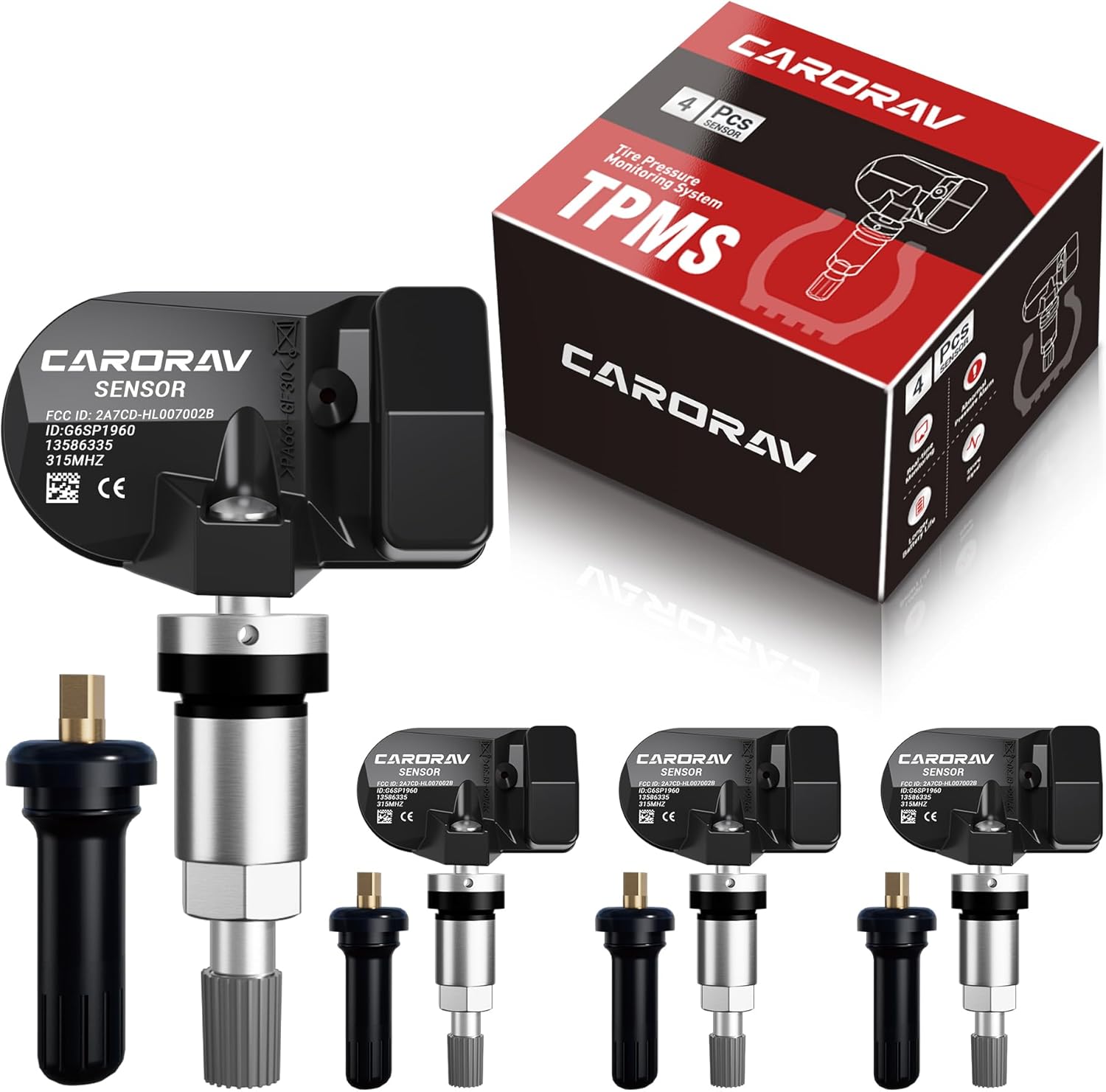
Replace worn or missing TPMS sensors with CARORAV pre-programmed GM-compatible sensors for a smoother installation experience. These 315MHz replacement sensors help monitor tire pressure in real time with long battery life, and they are designed to withstand harsh temperatures. Manual or OBDII relearn may be required to reset the system for proper recognition.
Do Reverse Mount Wheels Affect Handling?
A reverse drop-center rim does not inherently change handling. What matters is whether the replacement wheel changes the dimensions or characteristics that the suspension and tire actually respond to.
Handling can change when you alter:
- Wheel offset
- Wheel width
- Tire width or diameter
- Tire construction and compound
- Unsprung and rotational mass
- Alignment
- Track width
For example, moving the tire centerline farther outward with a substantially different offset can change scrub radius and steering feedback. It may also change loads on wheel bearings and suspension components. But those effects come from the new fitment geometry, not from the reverse drop center itself.
For predictable handling, compare the new wheel and tire specifications with the vehicle manufacturer’s original dimensions and with any proven fitment data supplied by the wheel maker.
How Tires Are Mounted on Reverse Drop-Center Wheels
Correct tire service is one of the most important differences between a reverse drop-center wheel and a conventional wheel.
During mounting and demounting, one part of the tire bead needs to sit in the wheel’s drop center. That creates enough slack for the opposite side of the bead to pass over the flange without excessive stretching.
With a reverse drop-center wheel, the technician may need to service the tire from the rear or inboard side. Hunter Engineering specifically includes procedures for large reverse drop-center assemblies on its professional tire-changing equipment.
Warning: Do not force a tire over the wrong side of a reverse drop-center wheel. Incorrect mounting can damage the tire bead, rim flange, wheel finish, valve stem, or TPMS sensor. Tell the tire shop that the wheel may be reverse mount and have the technician identify the drop-center orientation before service.
How to Identify the Correct Service Side
The safest method is to follow the wheel manufacturer’s service information. If that is unavailable, a qualified tire technician can inspect the barrel profile and identify the side closest to the drop center.
Do not choose the mounting side only by looking at which side has the largest lip or most expensive finish. The actual barrel shape determines how the tire bead must move.
TPMS During Reverse Wheel Service
A reverse wheel is not automatically incompatible with a tire-pressure monitoring system. The wheel still needs a compatible valve-stem hole and enough room for the correct sensor.
The service procedure matters, however. The technician should identify the sensor position before bead breaking, mounting, or demounting so tire-changing tools do not strike it. Hunter’s tire-changing systems specifically monitor TPMS location during service.
Where Reverse Mount Wheels Work Best
Reverse-style wheels make the most sense when the specific rim profile, styling, or custom-wheel construction suits the vehicle and the owner understands the different tire-service requirements.
They are common in aftermarket applications where wheel appearance matters, including cars using step lips, full-reverse rim designs, or custom multi-piece wheels.
They can also work on performance vehicles, but you should not assume they are automatically better for track use or big-brake packages. WORK Wheels, for example, specifically describes its standard rim as advantageous for large brake components.
- Choose them when the exact wheel dimensions fit the vehicle.
- Verify brake clearance instead of relying on the rim type.
- Use a tire shop familiar with reverse drop-center service.
- Confirm the wheel’s load rating and intended vehicle application.
How to Choose the Right Reverse Mount Wheels
Start with the vehicle rather than the appearance of the wheel. The correct reverse mount wheel must match the hub, brakes, suspension, tires, and load requirements.
Check the following before buying:
- Diameter and width: Make sure the intended tire size is approved for the wheel width.
- Bolt pattern: It must match the vehicle exactly.
- Center bore: Confirm proper hub fit and any manufacturer-approved centering system.
- Offset and backspacing: Compare both inner and outer wheel position with the existing setup.
- Brake clearance: Use a manufacturer brake template or test fit whenever possible.
- Load rating: The wheel must have an adequate rating for the vehicle application.
- TPMS compatibility: Confirm the correct valve stem and sensor arrangement.
- Service requirements: Make sure the wheel can be mounted and demounted correctly by your tire shop.
Forgeline’s custom-wheel support process, for example, requests exact vehicle and modification information to determine appropriate fitment. That illustrates why a complete set of measurements is more useful than choosing a wheel based only on advertised offset or appearance.
Note: Never install a conventional wheel backward simply to imitate a reverse-mount appearance. Wheel mounting pads, lug seats, hub engagement, brake clearance, offset, valve placement, and structural design are intended for a specific installation orientation.
[Products Worth Considering]

This metal-free wheel and tire cleaning brush uses dense, fluffy synthetic wool to safely clean rims, spokes, fenders, and engine areas without worrying about damaging surfaces. Its flexible, comfortable design helps you reach detailed areas while maintaining durability, and the extra absorbent fibers work well with wheel spray cleaners for faster cleanup. Reusable and washable performance helps prevent grime and build-up for cleaner vehicles and easier maintenance at home.
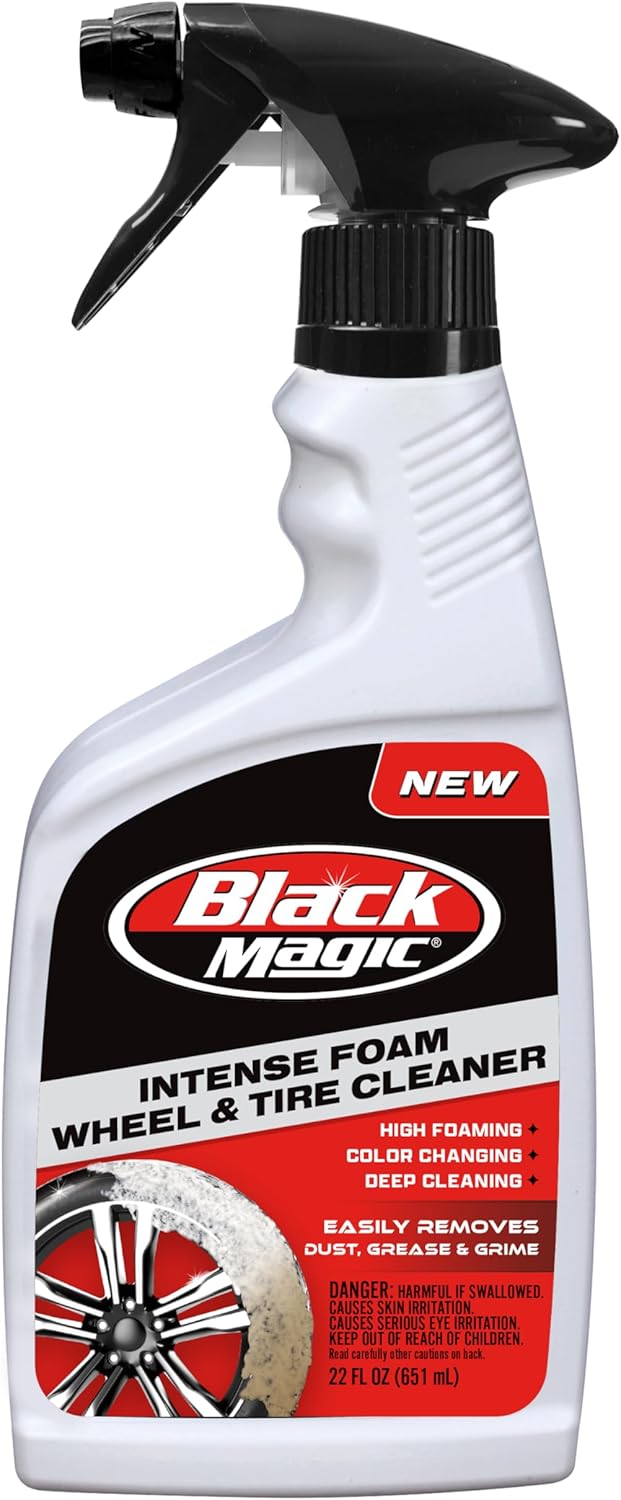
Black Magic Intense Foam Wheel & Tire Cleaner uses a high-foaming action to lift away dirt, grime, and brake dust without scrubbing. The color-changing formula helps show contaminants being dissolved as foam turns from white to brown. Safe for all wheel types and even wheel wells, it leaves a like-new, slick finish with a fresh cherry scent.

This oesee 8-piece wheel care kit helps you clean, scrub, and dry wheels safely with purpose-built brushes and towels. The scratch-free microfiber wheel brush lifts brake dust and grime, while the stiff pro-grip tire brush removes tire browning and embedded dirt. A twist loop microfiber drying towel and an applicator help achieve a streak-free finish and cleaner, more even product application.
Reverse Mount Wheel Care and Maintenance
Maintenance depends more on the wheel’s material, finish, and construction than on the location of its drop center.
Clean the wheels regularly with products approved for the finish. Avoid harsh acids, aggressive abrasives, and stiff brushes unless the wheel manufacturer specifically permits them. Forgeline, for example, warns that acid-based cleaners, abrasives, rubbing compounds, and damaging brushes can harm wheel finishes.
- Inspect the rim for bends, cracks, curb damage, and corrosion.
- Check for unexplained pressure loss that may indicate tire, valve, bead-seat, or wheel damage.
- Have vibration investigated instead of continuing to drive on a potentially damaged assembly.
- Balance the wheel and tire after tire replacement or when vibration appears.
- Follow the wheel manufacturer’s instructions for multi-piece wheel hardware and seals.
For multi-piece wheels, do not treat perimeter bolts as routine maintenance items unless the manufacturer tells you to. A leak or suspected loose fastener should be evaluated under the manufacturer’s service procedure.
Tire pressure also deserves regular attention. The National Highway Traffic Safety Administration recommends checking tire pressure at least once a month when the tires are cold and using the vehicle manufacturer’s recommended pressure rather than the maximum pressure molded on the tire sidewall.
Frequently Asked Questions
Can reverse mount wheels be repaired if bent?
Sometimes. Repairability depends on the wheel material, construction, location of the bend, cracks, previous repairs, and manufacturer limits. Multi-piece wheels may allow damaged sections to be replaced, but the wheel should be inspected by the manufacturer or a qualified wheel-repair specialist rather than straightened as a DIY repair.
Are reverse mount wheels compatible with big brake kits?
They can be, but reverse construction does not guarantee clearance. Check the inner barrel diameter, spoke profile, offset, caliper position, and brake template for the exact wheel. A physical test fit or manufacturer-approved brake-clearance template is the safest confirmation.
Do reverse mount wheels affect tire pressure sensor installation?
Not automatically. The wheel must support the correct valve stem and TPMS sensor, just like another compatible wheel. During tire service, however, the technician must know the sensor location and reverse drop-center orientation so mounting or bead-breaking tools do not damage the sensor.
Are reverse mount wheels legal for street use everywhere?
No single rule applies everywhere. Street-use requirements vary by country, state, province, and inspection system. The wheel and tire setup may need to satisfy rules covering load capacity, tire condition, wheel attachment, fender or tire coverage, and vehicle modifications. Check the rules that apply where the vehicle is registered and driven.
Can reverse mount wheels be custom painted or powder coated?
Often, but follow the wheel manufacturer’s refinishing limits. Precision mounting surfaces, lug seats, bead seats, threaded areas, and sealing surfaces should not be coated unless the manufacturer specifically allows it. Multi-piece wheels may also require professional disassembly and resealing before refinishing.
Can any tire shop mount a tire on a reverse drop-center wheel?
A properly equipped and trained tire shop can service one, but you should tell the technician that the wheel may be reverse drop center. The shop must identify the correct service side and use equipment and procedures that protect the wheel, tire bead, and TPMS sensor.
Can I flip a normal wheel around to make it reverse mount?
No. Installing a normal wheel backward is not the same as using a properly designed reverse wheel. Reversing the wheel can create unsafe hub engagement, incorrect lug-seat contact, severe offset changes, brake or suspension interference, and other fitment problems.
Conclusion
Reverse mount wheels are best understood as a rim and tire-service design, not as an automatic way to change offset, stance, brake clearance, or handling. Some reverse-style wheels also use deep lips or custom multi-piece construction, but those features depend on the individual wheel.
Before buying or servicing one, verify the actual diameter, width, offset, backspacing, load rating, brake clearance, tire size, TPMS compatibility, and drop-center orientation. Most importantly, make sure the tire is mounted and removed from the correct side. Proper fitment and proper service matter far more than the “reverse mount” label itself.
Sources
- WORK Wheels USA Technical Guide — explains standard, step/reverse, and full-reverse rim structures plus one-, two-, and three-piece wheel construction.
- Hunter Engineering — Maverick Tire Changer — documents service of reverse drop-center wheel-and-tire assemblies and specialized clamping procedures.
- Hunter Engineering — Revolution Tire Changer — supports TPMS-aware mounting and demounting practices designed to protect wheels and sensors.
- Forgeline Customer Support — supports precise custom fitment measurement and manufacturer-managed repair of multi-piece wheels.
- Forgeline Limited Warranty — supports cautions regarding unauthorized wheel repair and damaging cleaners or abrasives.
- NHTSA TireWise — supports tire-pressure, balancing, alignment, rotation, and general tire-maintenance guidance.