
Can You Rotate Tires Too Often? Ideal Intervals
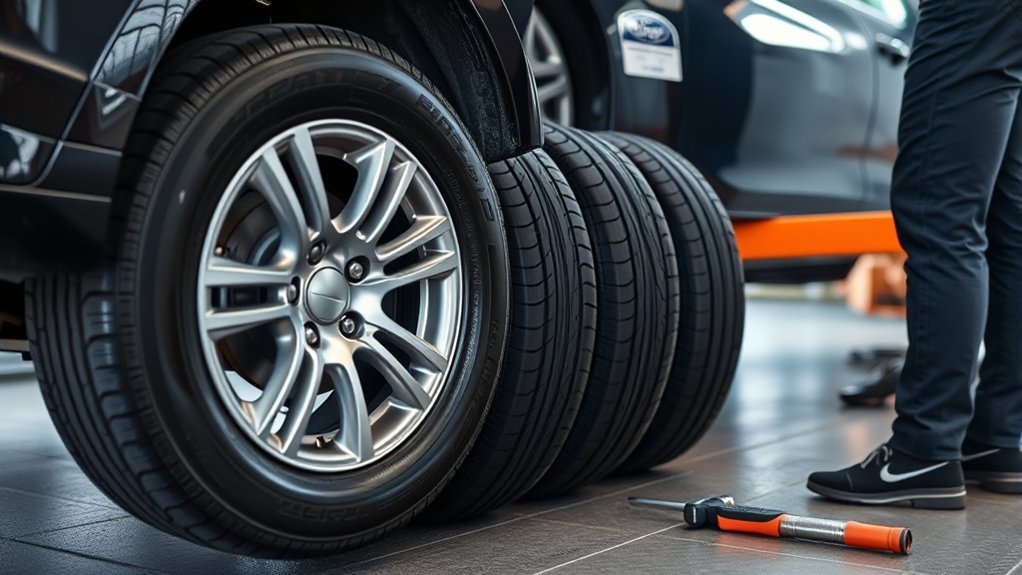
Yes, you can rotate tires too often, but it usually just adds labor without much extra benefit. For most vehicles, the ideal interval is every 5,000 to 8,000 miles, or with each oil change. Front-wheel-drive, AWD, heavy towing, short trips, and uneven wear may justify sooner service. Rotate earlier if you see cupping, feathering, edge wear, vibration, or pulling. Keep going, and you’ll see how to match intervals to your vehicle.
Key Takeaways
- Yes, you can rotate tires too often; rotating sooner than needed usually provides little extra benefit.
- The ideal tire rotation interval is generally every 5,000 to 8,000 miles, or per your vehicle’s schedule.
- Front-wheel-drive and all-wheel-drive vehicles often need more frequent rotations because their tires wear faster.
- Rotate sooner if you notice uneven wear, vibration, pulling, or other signs of alignment or tire problems.
- Matching rotations with oil changes helps keep maintenance simple and ensures regular tread and pressure checks.
[Products Worth Considering]

Monitor tire tread wear with a smart, color-coded depth gauge that shows clear condition ranges at a glance. The bar is range marked for fast, easy readings, helping you maintain safer traction and performance. Each gauge is portable with a pocket clip, and the set includes 20 units for daily use and sharing.

Measure tire tread depth quickly and accurately with this LUMITECO dial gauge that reads in 1/32" increments up to 14/32". The color-coded green/yellow/red zones make it easy to judge tire wear and know when replacement is needed. A rugged, compact design with a protective pouch helps keep the gauge ready for use on cars, trucks, motorcycles, and more.

The SAFELIFE dial tire tread depth gauge measures tread depth in 1/32 inch increments with clear, easy-to-read 2-inch dial face. Color zones using a traffic light system help you quickly judge whether tread is low, marginal, or ample for safer driving. Built with a durable zinc cast body and a metal detect probe for precise, comfortable use across cars, motorcycles, trucks, and buses.
What Does Tire Rotation Actually Do?
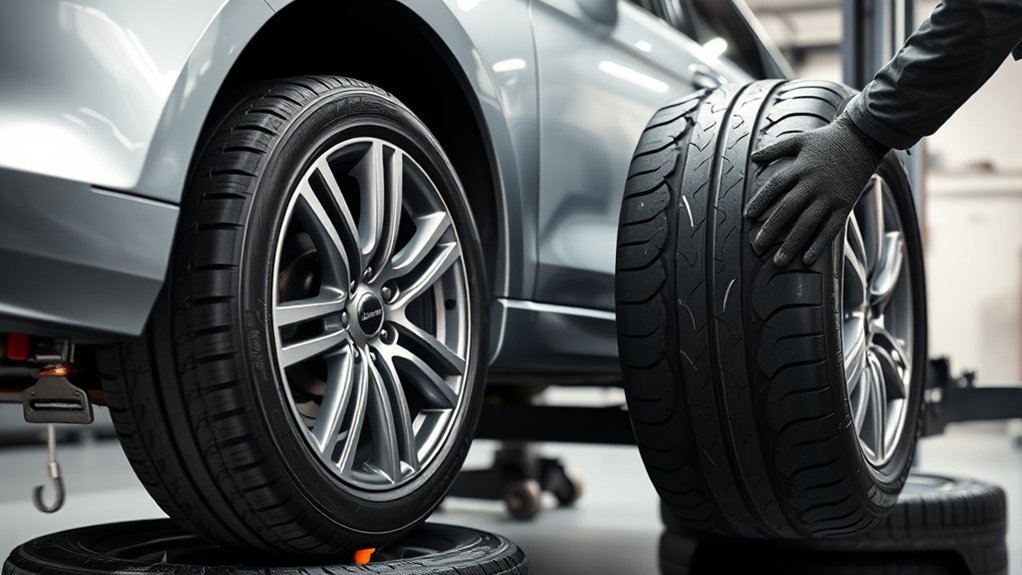
Tire rotation redistributes tire wear by moving each tire to a different position on the vehicle, helping them wear more evenly over time. You reduce uneven tread loss caused by steering, braking, acceleration, and drivetrain load, which affect each wheel differently.
On front-wheel-drive vehicles, the front tires usually see more stress; on rear- or all-wheel-drive setups, load patterns still shift with cornering and torque transfer. By changing positions, you help the tread maintain a more uniform profile, which can improve grip, braking balance, and steering response.
Rotation helps tires wear evenly, improving grip, braking balance, and steering response across the vehicle.
That has a direct performance impact because irregular wear can alter contact patch shape and reduce predictable handling. Rotation also lets you inspect for damage, abnormal wear patterns, and pressure-related issues before they become costly.
In practical terms, tire rotation is a maintenance procedure that manages wear distribution, supports consistent road contact, and preserves usable tire life without changing the tire’s construction or compound.
How Often Should You Rotate Tires?
You should rotate your tires about every 5,000 to 8,000 miles, but you can also follow your vehicle’s maintenance schedule for the exact interval.
If you drive mostly in stop-and-go traffic, carry heavy loads, or see uneven wear, you may need to rotate them more often.
Your driving conditions directly affect wear rates, so use mileage as a baseline and inspect the tread regularly.
Recommended Rotation Mileage
Most manufacturers recommend rotating tires every 5,000 to 8,000 miles, or about every other oil change, though the exact interval depends on the vehicle, drivetrain, tire type, and driving conditions.
You should treat that range as the baseline for preserving even tire wear and capturing rotation benefits before uneven tread depth becomes measurable. If your owner’s manual specifies a tighter interval, follow it.
You can also use the tire placard and service records to keep the schedule consistent. Rotating on time helps you balance load distribution across all four tires, which can extend tread life and maintain predictable handling.
Don’t wait for visible wear patterns; by then, you’ve already lost some of the advantage.
Driving Conditions Impact
Driving conditions can shorten or extend the ideal tire-rotation interval, so adjust your schedule based on how and where you drive.
If you face frequent rain, snow, or extreme heat, inspect tread wear more often because weather conditions can change grip and wear rates.
Rough or uneven road surfaces, potholes, and construction zones also increase load on specific tires, so you may need earlier rotation.
Aggressive driver habits, such as hard braking, rapid acceleration, and sharp cornering, accelerate irregular wear and justify tighter intervals.
Tire types matter too: all-season, performance, and light-truck tires can wear differently under the same conditions.
Use your vehicle’s wear pattern, not just mileage, to decide when to rotate next.
Can You Rotate Tires Too Often?
Can you rotate tires too often? In practice, you usually won’t harm the tires by rotating them more frequently than necessary, but you may not gain additional rotation benefits.
Tire wear patterns change slowly, so moving the tires before meaningful wear develops can waste shop time and service cost without improving performance. If you follow your vehicle’s maintenance schedule, you’ll usually balance tire wear, traction, and tread life efficiently.
Frequent rotation also lets you inspect pressures, tread depth, and uneven wear early, which is useful if you drive in mixed conditions or carry heavy loads.
Frequent rotation helps catch pressure, tread, and wear issues early, especially in demanding driving conditions.
Still, extra rotations don’t correct underlying alignment, inflation, or suspension issues. You should treat rotation as a preventive service, not a cure-all.
For most vehicles, rotating on schedule is enough; rotating more often than recommended rarely delivers measurable advantage.
What Happens If You Rotate Too Soon?
Rotating tires before wear patterns have had time to develop usually won’t damage them, but it can make the service less useful. You’ll spread tread wear before one axle shows a clear advantage, so you may not correct the imbalance that caused the issue.
In practice, an aggressive rotation frequency can also hide useful diagnostic clues.
- You may move tires before a measurable difference appears.
- You can delay identifying alignment or pressure problems.
- You might reduce the value of each service visit.
- You still keep tread wear more even overall.
If you rotate too soon, the main risk isn’t harm; it’s inefficiency. You spend time and money without maximizing the mileage gained from each rotation.
For best results, watch tread depth, shoulder wear, and vibration trends, then time the service to match actual wear, not habit.
Best Tire Rotation Intervals by Vehicle
Your rotation interval should match the drivetrain because front-wheel-drive vehicles usually need tire rotation sooner, often every 5,000 to 7,500 miles.
Rear-wheel-drive vehicles can sometimes stretch that interval slightly, but you should still follow the wear pattern and your owner’s manual.
All-wheel-drive systems need the most consistent service, since uneven tire diameters can strain the drivetrain and affect handling.
Fwd Tire Rotation Timing
For a front-wheel-drive vehicle, tire rotation timing matters because the front tires carry most of the engine’s torque, steering load, and braking wear, so they usually wear faster than the rear pair. You should rotate them every 5,000 to 7,500 miles, or sooner if you track uneven tire wear.
Check front alignment, because toe or camber errors can accelerate shoulder wear and shorten intervals.
- Rotate on schedule with each oil service
- Inspect tread depth across all four tires
- Move tires before vibration or cupping appears
- Verify pressures after every rotation
If you drive in stop-and-go traffic or carry heavy loads, shorten the interval.
Consistent rotation keeps handling balanced, extends tire life, and helps you spot problems before they become costly.
Rwd Tire Rotation Timing
On a rear-wheel-drive vehicle, the rear tires usually wear faster because they handle most of the propulsion load. Therefore, you should rotate them about every 5,000 to 7,500 miles or sooner if tread wear becomes uneven.
If you drive hard, tow, or carry heavy loads, inspect them more often and shorten the interval when you see cupping, feathering, or inside-edge wear. You should keep the rear wheel positions balanced with the fronts to preserve handling and braking stability.
Use the rotation pattern recommended in your owner’s manual, since directional or staggered setups can limit cross-rotation. Don’t wait for vibration or noise; those signs usually mean tire wear has already advanced.
Consistent rotation helps you maintain even tread depth, extend tire life, and reduce replacement costs.
Awd Tire Rotation Timing
All-wheel-drive vehicles usually need tire rotations every 5,000 to 7,500 miles, but the best interval depends on the drivetrain design, tire type, and how quickly the tread wears. You should follow your owner’s manual and track tread depth during AWD maintenance to avoid drivetrain stress.
- Rotate sooner if you drive in stop-and-go traffic.
- Rotate at 5,000 miles with performance tires.
- Rotate at 7,500 miles if wear stays even.
- Inspect for mismatched tire circumference each visit.
AWD systems transfer torque between axles, so uneven tire wear can affect handling and differentials. If you notice cupping, feathering, or one tire wearing faster, shorten the interval.
Regular rotation keeps contact patches balanced, improves traction, and helps you replace all four tires together.
Do Wear Patterns Change Timing?
Yes—wear patterns can change how often you should rotate your tires, because they reveal whether a specific axle, corner, or vehicle issue is creating uneven wear.
You should inspect tread depth across the inner, center, and outer shoulders, then compare left to right. If you see cupping, feathering, or faster tire wear on one edge, your current interval may not be ideal.
In that case, rotation can help redistribute load before the pattern worsens, but it won’t fix alignment, inflation, or suspension faults. That’s why rotation myths are misleading: mileage alone doesn’t tell the full story.
Use wear data to set timing, not habit. When all four tires wear evenly, you can follow the manufacturer’s schedule with confidence.
When they don’t, shorten the interval just enough to keep tread depth balanced and preserve handling, braking, and fuel economy.
[Products Worth Considering]

Measure tyre tread depth precisely with a digital gauge that reads in both MM and inches, helping you monitor safe driving conditions. The large LCD screen is easy to operate, and the compact tool fits for cars, trucks, and motorcycles. It provides high accuracy with a 0-25.4mm range and includes a 1-year warranty for added peace of mind.

Add style while helping protect your tire valve stems with handmade crystal rhinestone caps and a durable plastic insert. These caps resist corrosion and help keep out rain, snow, and muddy water, extending tire life. Textured non-slip design makes them easy to grip for quick install and removal when checking tire pressure.

Keep your tires properly inflated with this analog VONDIOR tire pressure gauge, designed for fast, easy readings without batteries. The swiveling, two-axis hose and large glow dial help you measure at any tire angle with instant visibility. Built with a protective rubber shield, it supports durable, low-maintenance use for cars and trucks.
When Should You Rotate Tires Sooner?
You should rotate your tires sooner if you notice uneven wear, frequent short trips, aggressive driving, heavy towing, or a vehicle that carries extra load on one axle. These conditions accelerate tire wear and can shorten the interval in your maintenance schedule.
Short trips leave tires cold, so pressure and load cycles don’t equalize. Hard braking, rapid cornering, and towing increase stress on specific positions, especially front tires and outer shoulders.
- Check rotation timing after seasonal use.
- Shorten intervals when payloads stay high.
- Rotate earlier after long highway towing.
- Document mileage to keep the schedule consistent.
For many vehicles, you can move rotation from the normal window to an earlier service point without issue.
Use the owner’s manual and keep the pattern matched to your drivetrain. If your usage stays severe, build the earlier interval into routine service so wear stays uniform and tread life remains predictable.
Signs You Need Tire Rotation Now
Watch for uneven tread wear, vibration, pulling, or a visible difference in tire depth front to rear, because those are strong signs you need a rotation now.
Inspect each tire’s shoulders and center ribs; if one axle shows faster tread wear, your tires aren’t sharing load evenly. You may also feel vibration issues through the steering wheel, seat, or floor at highway speed, which can point to an imbalance that rotation can help correct.
Check for cupping, feathering, or scalloping, since these patterns often develop when tires stay in one position too long. If the vehicle drifts left or right on a level road, compare tread depth side to side and front to rear.
Don’t wait for the next service interval if these symptoms appear. A prompt rotation can restore more uniform wear, improve handling consistency, and reduce the chance that one set of tires wears out far sooner than the others.
Pair Tire Rotation With Oil Changes
You can align tire rotations with oil changes to keep both services on a single maintenance schedule.
This service interval sync helps you track wear, reduce missed rotations, and simplify inspection timing.
If your oil change mileage matches your rotation interval, you can complete both tasks at once and keep your maintenance plan consistent.
Oil Change Alignment
When should you rotate your tires? Pair the job with each oil change so you inspect wear on a predictable schedule. This approach supports tire maintenance and reinforces alignment importance because you can spot uneven tread, shoulder wear, or steering pull early.
Use the same visit to:
- rotate front to rear in the pattern your vehicle requires
- check tread depth and tire pressure
- inspect suspension and steering components for play
- confirm wheel alignment if wear looks uneven
You’ll reduce skipped inspections and keep service records simple. If your oil changes happen every 5,000 to 7,500 miles, that’s often a practical rotation interval.
Always follow your owner’s manual when mileage, tire type, or driving conditions differ.
Service Interval Sync
Keeping tire rotation on the same schedule as oil changes makes maintenance easier to track and less likely to slip. You reduce missed intervals when you bundle both tasks into one visit, and your service scheduling stays consistent across the vehicle’s lifecycle.
At each oil change, ask the technician to inspect tread depth, pressure, and wear patterns, then rotate the tires if the mileage and condition support it. This sync also helps you document tire maintenance more accurately, since one invoice captures both services.
If you drive in severe conditions, shorten the interval to match the engine service plan and your tire wear rate. Don’t rotate early without need; follow the manufacturer’s mileage guidance, then adjust only for uneven wear, alignment issues, or unusual driving loads.
How to Keep Rotation Timing on Track
Set a fixed rotation interval based on your vehicle’s owner’s manual and your tire wear pattern, then tie it to routine maintenance like oil changes or seasonal checks.
Set your tire rotation interval from the owner’s manual and wear pattern, then align it with regular maintenance.
Use tire maintenance tips and tracking schedules to keep the interval consistent. Log each rotation date, odometer reading, and tread-depth note so you can spot drift early. If you drive in severe service, shorten the interval and record that change.
- Add the next rotation to your calendar immediately.
- Set a mileage reminder in your phone or app.
- Inspect tread, pressure, and alignment at each visit.
- Confirm the shop records the rotation pattern used.
Review the log before every service appointment, and compare the planned mileage with actual use. If your tires wear unevenly, adjust the schedule, but don’t move rotations sooner without a reason.
Staying organized helps you protect tire life, preserve handling, and avoid unnecessary service.
Frequently Asked Questions
Does Tire Rotation Affect Fuel Economy?
Yes, tire rotation can affect fuel economy indirectly: you reduce uneven tire wear, maintain proper rolling resistance, and preserve rotation benefits. You’ll usually see small gains when you keep pressures correct and alignment within spec.
Can Tire Rotation Void a Warranty?
Usually, no—you won’t void your warranty by rotating tires. But if you ignore warranty requirements or botch tire maintenance, you can hand manufacturers a lovely excuse to deny claims. Check your manual and document service.
Is Tire Rotation Different for AWD Vehicles?
Yes—on all wheel drive vehicles, you’ll usually rotate tires more often and follow a specific pattern to control tire wear. You should match tread depth closely, because drivetrain differences can stress components and reduce handling.
Do Rotated Tires Need Balancing Too?
Usually, you don’t need tire balancing with every tire rotation. Check balance if you feel vibration, replaced a tire, or changed weight distribution. Your rotation frequency can stay regular unless wear or symptoms suggest otherwise.
Can I Rotate Tires Myself at Home?
Yes, you can rotate tires yourself at home, but you’ll need solid home garage tools and correct tire rotation techniques. Like clockwork, you should follow your vehicle’s pattern, torque lug nuts properly, and safely support the car.
Conclusion
Yes, you can rotate tires too often, but it rarely helps. If you rotate them before wear patterns begin to differ, you may spend money and time without improving tread life. The theory that more rotation always equals better tire health is false; the real goal is balanced wear at the right interval. Follow your vehicle’s schedule, inspect tread regularly, and rotate sooner only when driving conditions or uneven wear make it necessary.
[Products Worth Considering]

This universal wheel alignment tool helps you accurately restore tire tilt angles after tire or suspension repairs using an adjustable camber gauge. It features a powerful magnetic base that firmly attaches to brake rotors for stationary, slip-free readings, improving consistency during measurement. Built from durable PC plastic, it resists wear and corrosion and is compact enough for car, truck, RV, and motorcycle alignment tasks.

Replace worn wheelchair rear tires with a universal 24x1 no-flat polyurethane foam option designed to mount tightly on 24-inch rims without the tire falling off. Installation is made easier with included tools and multiple methods, including using a pry bar or softening the tire in hot water to reduce resistance. The package includes two tires plus tie ropes for convenient fitting and handling.

The Ziopetru adjustable magnetic wheel alignment tool helps you check and restore camber and caster positioning after removing and reinstalling undercarriage components. With a clear leveling/bubble measurement system and an easy zeroing adjustment knob, it supports precise horizontal angle checking. The strong magnetic base mounts to metal surfaces for convenient use at home on cars, motorcycles, trucks, vans, and SUVs.

Related Articles
Do You Need an Alignment After Rotating Tires?
Why you usually don’t need an alignment after rotating tires, and which warning signs mean it’s time to check your suspension.
Read More
Does the Sun Damage Car Paint? Prevention Tips
Keep your car’s shine intact before the sun wins—learn the hidden paint damage signs and prevention tips that matter most.
Read More
Which Part of a Tire Can Be Patched Safely?
When can a tire be safely patched, and why do some punctures spell trouble?
Read More