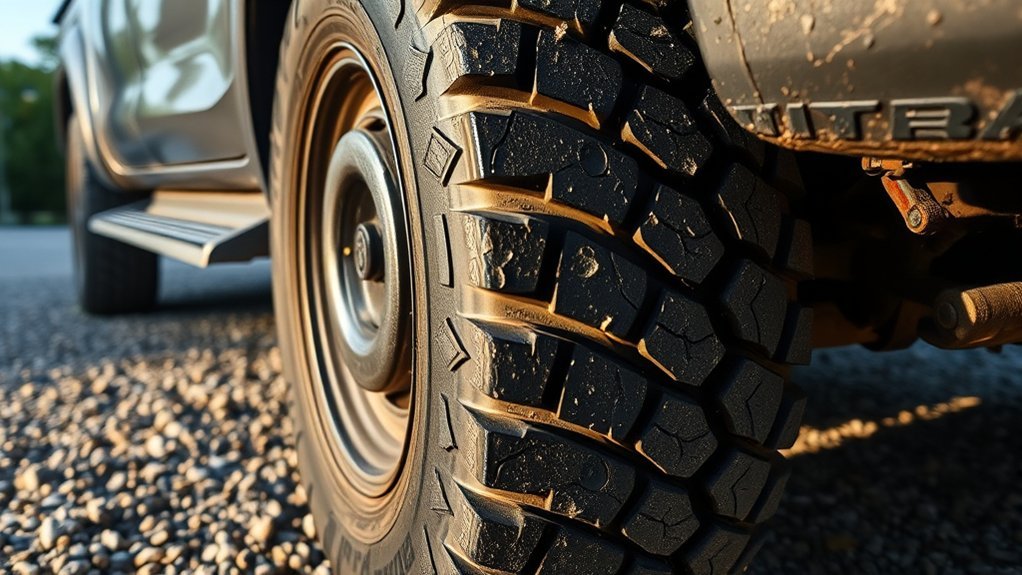
If your Toyota Hilux tire loses air overnight, do not assume the tire is ruined. A cold night can lower pressure, but a single tire that keeps dropping usually points to a leak at the tread, valve stem, bead, rim, or aging rubber. Start with a cold pressure check, compare it with the Hilux tire placard or owner’s manual, then use soapy water to find where air escapes.
Quick Answer
Toyota Hilux tires usually lose air overnight because cold air lowers pressure, a nail or screw causes a slow tread leak, the valve stem leaks, the bead does not seal against the rim, or the tire is aging. Check pressure cold, spray soapy water on leak-prone areas, and repair only safe tread punctures.
Key Takeaways
- A normal temperature drop can lower tire pressure by about 1 psi for every 10°F, but repeated loss in one tire usually means a leak.
- Use the Toyota Hilux door placard, owner’s manual, or official manual lookup for the correct cold tire pressure, not the number on the tire sidewall.
- Soapy water can help find leaks at the tread, valve stem, bead, rim, and previous repair area.
- Sealant and plug-only fixes should be treated as temporary. A proper tire repair requires internal inspection and a patch-plug repair by a trained technician.
- Replace the tire if the puncture is in the sidewall or shoulder, larger than 1/4 inch / 6 mm, or if the tire has cracks, bulges, exposed cords, or severe age damage.
At a Glance
| Time Required | 10 to 20 minutes for a basic leak check; longer if the wheel needs professional removal. |
| Difficulty | Easy for diagnosis; professional help recommended for puncture repair, bead leaks, rim damage, or TPMS valve replacement. |
| Tools Needed | Accurate tire pressure gauge, portable inflator, spray bottle, water, dish soap, flashlight, valve caps, and tread-depth gauge if available. |
| Cost | Free for a pressure check; low cost for valve caps or air; repair or replacement cost depends on damage, tire size, and local labor. |
Warning: Do not keep driving on a severely underinflated Hilux tire. Low pressure can damage the sidewall, overheat the tire, reduce braking control, and turn a repairable puncture into a tire that must be replaced.
Immediate Solutions for Air Loss in Toyota Hilux Tires

When you notice air loss in your Toyota Hilux tire, start with a safe, simple check before you drive. Use an accurate tire pressure gauge while the tires are cold, meaning the truck has not been driven for at least three hours. Toyota advises using the pressure listed on the driver’s door jamb sticker, the owner’s manual, or an official manual specific to your vehicle, not the maximum pressure printed on the tire sidewall.
- Park the Hilux on level ground and let the tires cool.
- Check all four tires and the spare with a gauge.
- Compare each reading with the recommended cold PSI for your exact Hilux model, tire size, and load setup.
- Inflate the low tire to the correct cold pressure.
- Spray soapy water around the tread, valve stem, bead, rim edge, and any old repair area.
- Watch for steady bubbles. Bubbles show where air is escaping.
- If the tire keeps losing air, book a tire shop inspection before long-distance driving, towing, or off-road use.
A portable inflator can help you reach a safe service location, but it does not fix the cause. Tire sealant can also get you out of a roadside emergency, but treat it as a temporary measure. A trained tire technician still needs to remove the tire from the rim and inspect the inside before deciding whether it can be repaired safely.
[Products Worth Considering]

TireJect Off-Road Tire Sealant Kit provides 5-in-1 sealing to help fix tread punctures up to 3/8", sidewall punctures up to 3/8", bead leaks, slow leaks, and minor dry rot on low-speed tires. It permanently seals with liquid rubber, recycled tire particles, and Aramid fibers, making it ideal for flats caused by thorns, nails, and screws. The included dispensing cap attaches to the valve stem for a no-mess installation, along with a metal valve core remover tool and valve stem cap. This kit is for off-road use only.
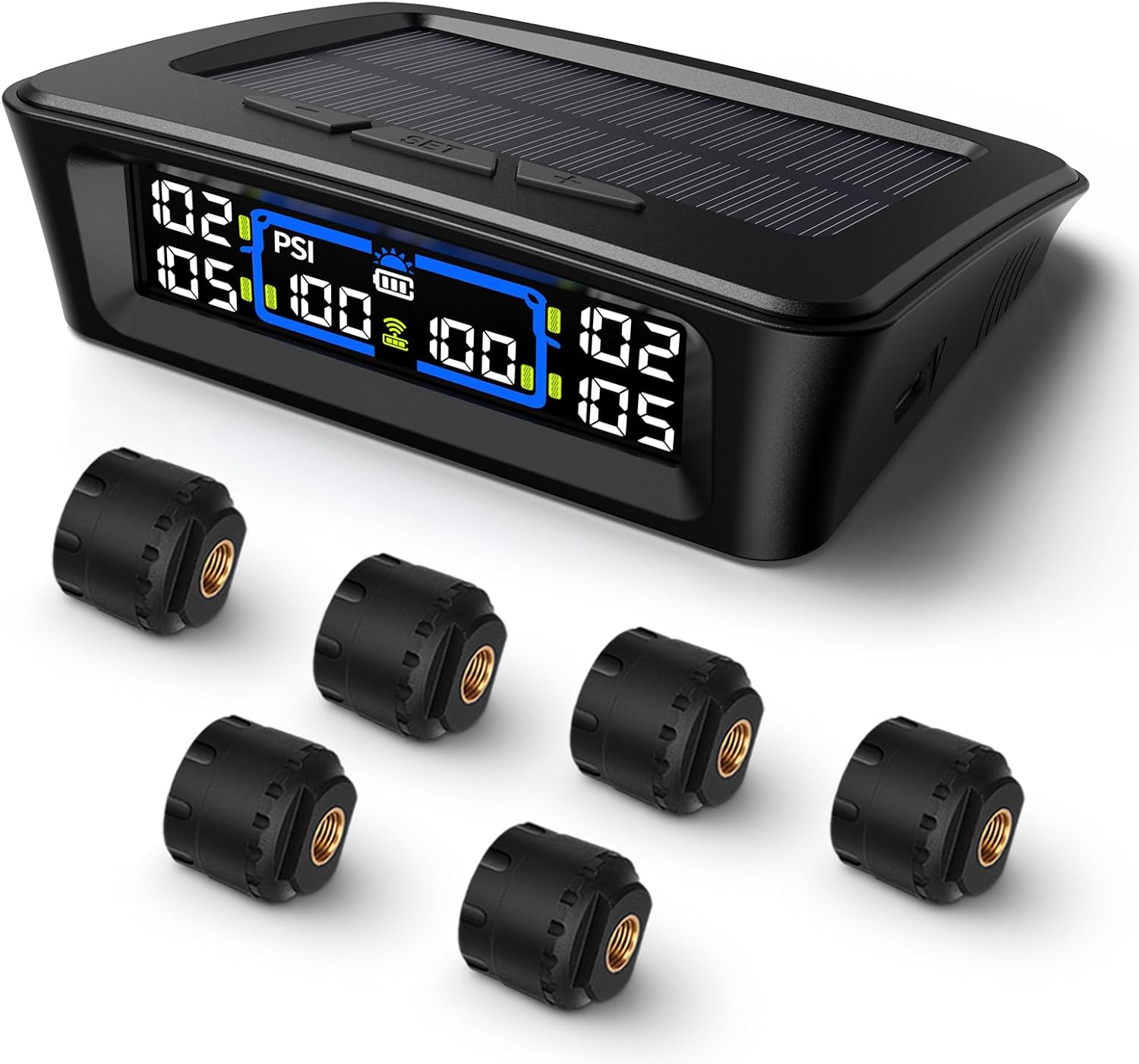
The Tymate TM12 RV TPMS delivers real-time tire pressure and temperature monitoring with a stable 433Hz display for safer long-distance driving. It supports simultaneous monitoring across vehicle and trailer zones, includes six alarm modes for pressure, temperature, leakage, battery, and signal loss, and features easy DIY installation with auto calibration. Power is supplied via USB-C charging or solar recharging, with a wide 0–144 PSI range and up to 50 ft signal coverage for RVs and towable trailers.

AUTOWN’s 68-piece tire repair kit helps you fix punctures and plug flats quickly and effectively. It includes a T-handle and spiral probe tool for easy insertion, while the steel patch and plug materials are designed for strong adhesion and long-lasting airtight performance. The compact case makes it convenient for roadside repairs across a wide range of vehicles.
How Temperature Fluctuations Affect Tire Pressure
Cold weather can make your Hilux tire look low in the morning because air contracts as temperature drops. A common rule of thumb is that tire pressure changes by about 1 psi for every 10°F change in ambient temperature. That means a tire set correctly in warm afternoon weather can read lower the next cold morning.
If all four tires drop by a similar amount after a cold night, temperature may be the main cause. If only one tire drops again and again, look for a leak.
For Hilux models equipped with a tire pressure monitoring system, a warning light may come on during cold mornings and turn off after the tires warm up. Do not ignore it. Check the tire pressure with a gauge and adjust it to the cold-pressure specification when the tires cool again.
Note: Never bleed air from a hot tire just because it reads higher after driving. Heat raises pressure temporarily. Recheck and adjust when the tire is cold.
How to Find a Puncture or Slow Tread Leak
A nail, screw, metal shard, thorn, or sharp stone can create a slow leak that only shows up overnight. Hilux tires used on job sites, gravel roads, farms, and trails are especially likely to pick up debris in the tread grooves.
Look across the tread face first. Do not pull out a nail or screw unless you are already prepared to change the tire or drive directly to a repair shop. Removing the object can make the leak faster.
- Spray soapy water over the tread and shoulder area.
- Roll the truck slightly to expose the full tire surface.
- Mark any bubbling spot with chalk or tape.
- Check the inside sidewall too, not just the outer sidewall.
- Inspect previous plug or patch areas for renewed leakage.
A tread puncture may be repairable if it is in the repairable crown area and no larger than 1/4 inch / 6 mm. Damage in the sidewall or shoulder is not considered safely repairable under standard passenger and light-truck tire repair guidance.
[Products Worth Considering]
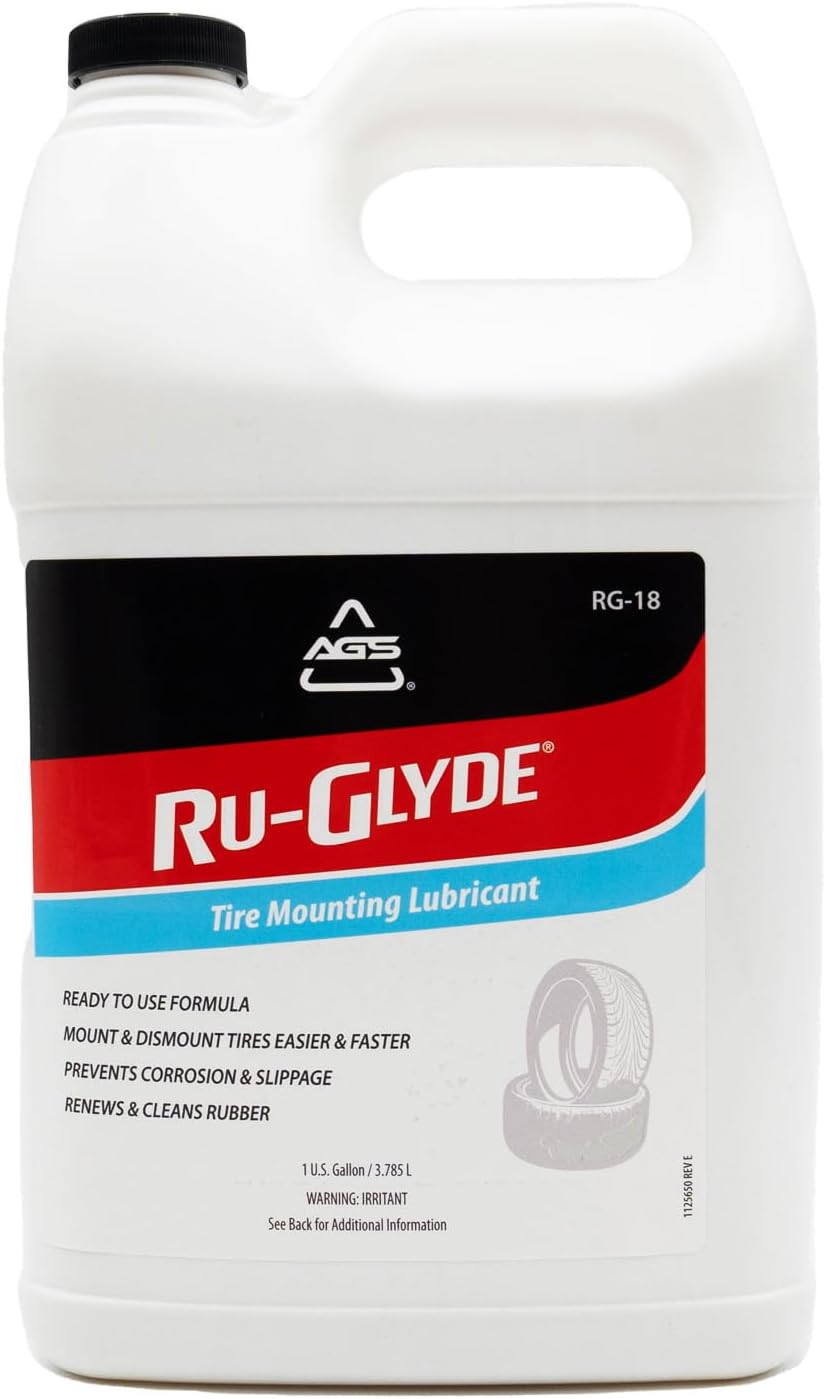
Ru-Glyde tire mounting lubricant from AGS seats tire beads smoothly on the first try with a thick, stay-put formula. It is ready to use with no mixing or dilution, helps prevent rim rust, and dries completely without causing bead slip residue. The water-based formula also conditions aged rubber, making it useful for sidewalls, gaskets, and door seals while remaining safe for tire, wheel, and technicians.

Malco tire mounting and demounting lubricant is a ready-to-use tire lube formulated to reduce friction during tire installation for passenger cars, light trucks, farm tires, and heavy-duty equipment. It provides rust-inhibiting protection to help reduce corrosion on rims and wheels, and helps support proper tire bead seating during inflation to reduce air leakage. The silicone-free, soap-free formula is whitewall safe to help prevent discoloration on whitewall tires and sensitive sidewall markings.
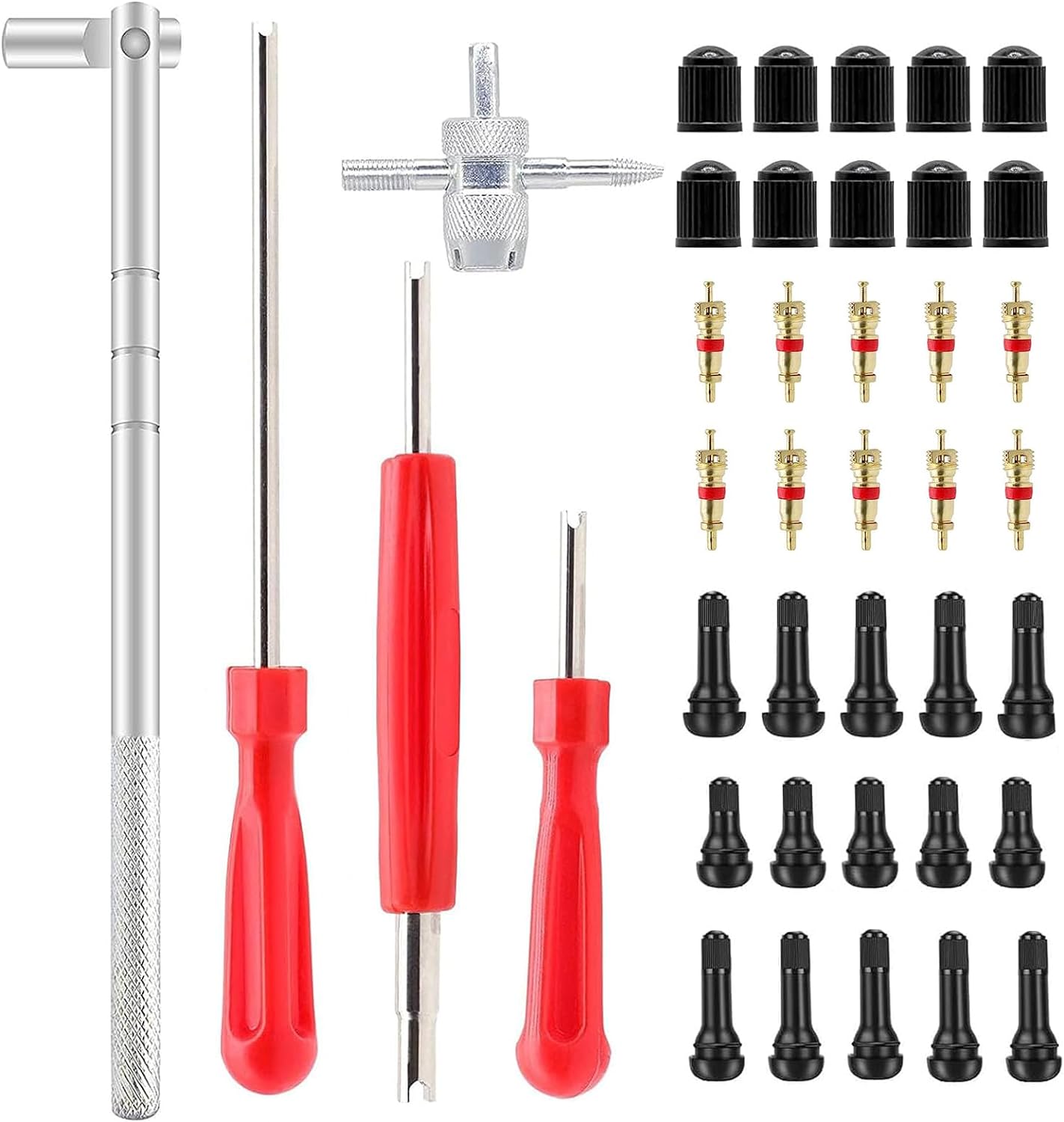
This ZHSMS valve stem puller and installer tool set makes it easy to remove and install tire valve stems without damaging wheels or valves. It uses a leverage design to save effort and includes valve stem tools plus removable valve core functionality for quick tire repairs. Compatible with tubeless tires for passenger cars, motorcycles, ATVs, off-road vehicles, and trucks.
Identify Valve Stem Issues and Their Impact
The valve stem is a small part, but it can cause a frustrating overnight leak. The rubber stem can crack, the valve core can loosen, or dirt and moisture can prevent the core from sealing. TPMS valve stems can also leak if the sealing nut, grommet, or sensor assembly is damaged.
To check the valve, remove the cap and spray soapy water over the valve tip and base. If bubbles appear at the center pin, the valve core may be leaking. If bubbles appear at the base where the stem meets the wheel, the valve stem or TPMS seal may need replacement.
Pro Tip: Replace missing valve caps right away. The cap is cheap, but it helps keep dirt and moisture away from the valve core.
Do not overtighten valve cores or TPMS hardware without the correct tool and torque guidance. If your Hilux has TPMS sensors, let a tire shop handle valve service so the sensor, seal, and warning system are not damaged.
What You Need to Know About Bead Leaks
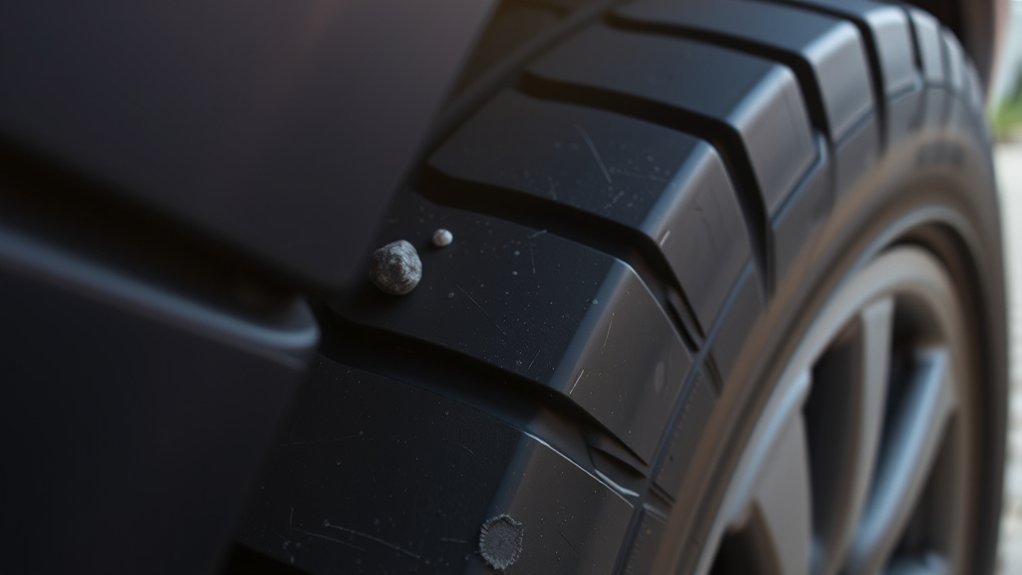
A bead leak happens where the tire bead should seal tightly against the wheel rim. Dirt, corrosion, old tire lubricant, rim pitting, impact damage, or a slightly bent wheel can leave a small path for air to escape. This leak can be hard to spot because the tire may look normal while parked.
Causes of Bead Leaks
Hilux tires can develop bead leaks after pothole impacts, curb strikes, trail driving, heavy loads, or long exposure to moisture and road grime. Alloy wheels can corrode at the bead seat, while steel wheels can rust. Either problem can prevent a tight seal.
- Dirt or sand trapped between the tire bead and rim
- Corrosion or rust around the bead seat
- Bent rim edge from potholes, rocks, or curbs
- Old mounting residue or damaged bead surface
- Temperature swings that make an already weak seal leak faster
Identifying Bead Leak Issues
Spray soapy water around both sides of the rim where the tire meets the wheel. Slow, steady bubbles around the bead area point to a bead leak. A tire shop may need to demount the tire, clean the bead seat, inspect the wheel for corrosion or bends, reseat the tire, and rebalance the wheel.
If the wheel is badly bent, cracked, or heavily pitted, reseating the tire may not hold for long. In that case, replacing or professionally repairing the wheel is safer than repeatedly adding air.
How Aging Tires Contribute to Air Loss
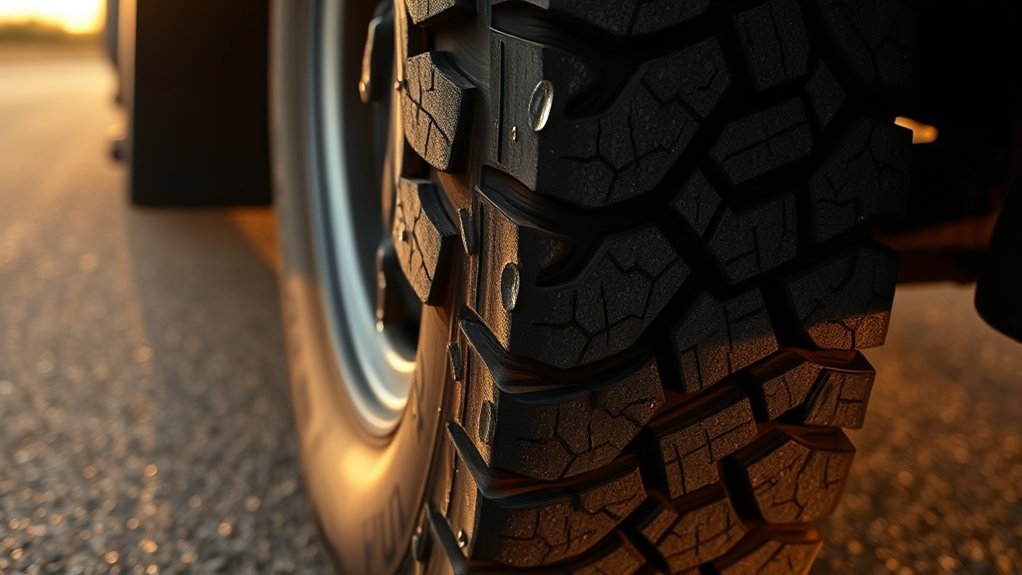
As tires age, rubber and internal materials change because of heat, sunlight, storage conditions, load, and use. Older tires may become less flexible, develop sidewall cracks, and lose their ability to hold pressure well. A tire can age even when the tread still looks usable.
Check the DOT Tire Identification Number on the sidewall to find the tire’s age. The last four digits show the week and year of manufacture. For example, “2322” means the tire was made in the 23rd week of 2022.
- Replace tires with cracks, bulges, exposed cords, or sidewall damage.
- Inspect low-mileage tires carefully because age can matter even when tread remains.
- Check the spare tire too, especially if it sits under the truck and faces weather exposure.
- Ask a tire professional to inspect tires that are near the six-to-10-year range, even if they still have tread.
What to Do If Your Tire Loses Air?
If your Hilux tire loses air while parked, reinflate it only enough to check for the leak or reach a service location safely. If the tire is nearly flat, change to the spare instead of driving on it. Driving on a flat or severely underinflated tire can damage the sidewall from the inside, even if the outside still looks acceptable.
Use this quick decision path:
- All tires dropped after a cold night: Adjust cold pressure and recheck the next morning.
- One tire dropped more than the others: Check for a puncture, valve leak, bead leak, or wheel damage.
- Tire drops again after inflation: Do not rely on repeated top-offs. Get it inspected.
- TPMS light flashes before staying on: Have the TPMS system checked, because that pattern can indicate a system fault.
- Sidewall is cracked, bulging, cut, or wrinkled: Replace the tire instead of repairing it.
Repair or Replace? Making the Right Choice
Repairing a tire depends on where the damage is, how large it is, and whether the tire was driven while underinflated. A repairable puncture still needs the tire removed from the rim so the inside can be inspected. A plug alone or patch alone is not a complete long-term repair.
| Condition | Best Choice |
| Small puncture in the center tread area, no internal damage | Professional patch-plug repair after demounting and internal inspection |
| Puncture larger than 1/4 inch / 6 mm | Replace the tire |
| Sidewall or shoulder puncture | Replace the tire |
| Bead leak from dirt or light corrosion | Demount, clean bead seat, reseat, and rebalance at a tire shop |
| Bent, cracked, or badly corroded rim | Repair or replace the wheel before reseating the tire |
| Bulge, exposed cord, deep cracking, or air loss after driving flat | Replace the tire |
A trusted tire shop can also check whether the leak is coming from the wheel itself, the TPMS valve, the bead seat, or the tire body. That matters because replacing a tire will not fix a leaking rim or valve stem.
[Products Worth Considering]

Milton S-921 pencil tire pressure gauge helps you maintain optimal tire pressure for passenger cars with accurate readings in PSI and kPa. It features a built-in deflator valve for convenient pressure adjustments, plus a single chuck head and nylon indicator bar for easy use on the go. Built from durable plated brass and designed for reliable performance, it’s a practical road trip and cold-weather maintenance tool.
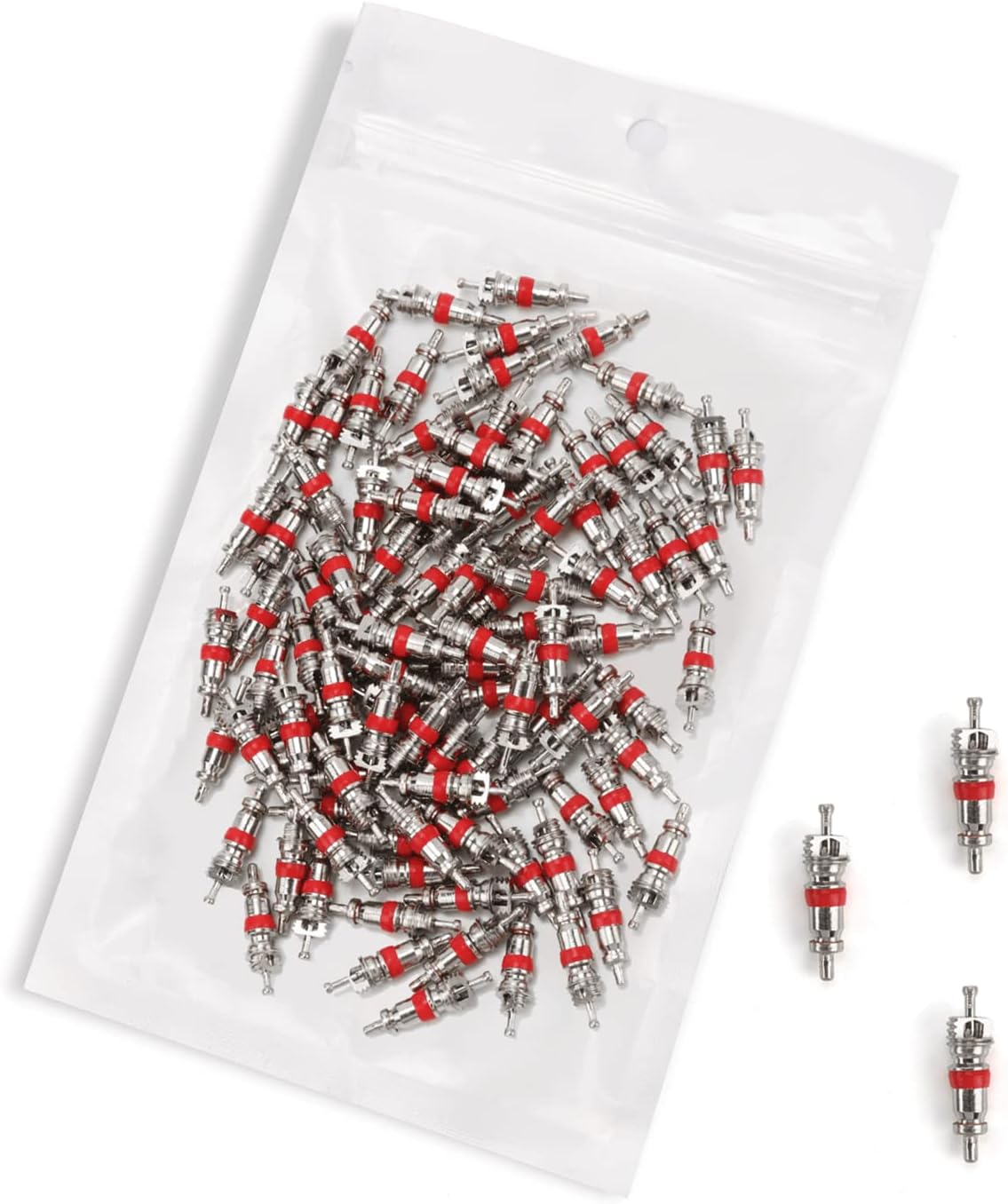
Replace worn Schrader valve cores with durable, nickel-plated replacements designed to resist rust and corrosion for a longer service life. Each core is 100% leakage tested and rated for up to 300 PSI, helping maintain a safe, reliable tire pressure system. Universal fit makes them suitable for cars, RVs, ATVs, motorcycles, bicycles, and many refrigeration/air conditioning applications.

ETENWOLF T300 is a calibrated digital tire pressure gauge for accurate readings from 3 to 200 PSI across light and heavy-duty vehicles. It includes thermal compensation for reliable performance in extreme cold or heat, with an auto shut-off to extend battery life and an LED for easier reading. The sturdy design supports rugged everyday use, making it ideal for pickups, RVs, and industrial applications.
How to Prevent Overnight Air Loss on a Toyota Hilux
Prevention is simple, but it needs a routine. NHTSA recommends checking tire pressure at least once a month when tires are cold, including the spare. That habit matters even if your Hilux has TPMS, because TPMS is not a replacement for regular tire maintenance.
- Check cold pressure monthly and before long trips, towing, hauling, or off-road driving.
- Use the Hilux placard pressure for normal driving and follow the owner’s manual for load-specific guidance.
- Inspect tread for nails, screws, glass, and sharp stones after job-site or trail driving.
- Keep valve caps installed on every tire.
- Wash mud and road salt from wheels to reduce corrosion around the bead seat.
- Rotate tires on the schedule recommended for your Hilux and tire setup.
- Check tread depth and sidewall condition during every pressure check.
- Inspect the spare tire before you need it during an emergency.
Frequently Asked Questions
Do tires lose air in the cold overnight?
Yes. Tire pressure can drop by about 1 psi for every 10°F decrease in temperature. If all four Hilux tires drop slightly after a cold night, temperature may be the reason. If only one tire drops repeatedly, check for a leak.
Why does only one Toyota Hilux tire keep losing air?
One tire that keeps losing air usually has a specific problem, such as a nail, screw, leaking valve stem, bead leak, rim corrosion, previous repair leak, or tire damage. Use soapy water to find bubbles, then have the tire inspected if the leak continues.
Where do I find the correct tire pressure for a Toyota Hilux?
Check the tire placard on the driver’s door area, your Toyota Hilux owner’s manual, or an official Toyota manual for your exact model and tire size. Do not use the tire sidewall number as your normal target pressure because that usually shows maximum pressure, not the vehicle’s recommended cold pressure.
Can I use tire sealant if my Hilux tire loses air overnight?
You can use sealant only as a temporary emergency measure if the product is suitable for your tire and wheel setup. It is not a proper long-term repair. A tire technician should still demount the tire, inspect the inside, and repair or replace it safely.
Can a leaking valve stem make a tire go flat overnight?
Yes. A loose valve core, cracked rubber stem, damaged TPMS valve seal, or dirt inside the valve can let air escape slowly. Spray soapy water on the valve tip and base. Bubbles mean the valve area needs service.
Should I repair or replace a Hilux tire with sidewall damage?
Replace it. Sidewall and shoulder damage are not considered safe repair areas. Also replace the tire if the puncture is larger than 1/4 inch / 6 mm, the tire has a bulge, cords are visible, or the tire was driven while flat.
Conclusion
A Toyota Hilux tire that loses air overnight usually has one of five causes: cold temperature pressure drop, tread puncture, valve leak, bead leak, or aging tire damage. Start with a cold pressure check, use the correct Toyota pressure source, and test for leaks with soapy water. If the tire keeps dropping, do not keep topping it off. Get the tire inspected, repaired properly, or replaced before it becomes a safety problem.
Regular tire checks are worth the small effort. NHTSA reports that only 19 percent of consumers properly inflate their tires, even though correct pressure helps safety, durability, and fuel economy. A few minutes each month can help your Hilux ride better, carry loads more safely, and avoid preventable tire failure.
Sources
- Toyota: How to Check Tire Pressure — backs up cold tire pressure checks and where to find correct PSI.
- NHTSA TireWise — backs up monthly tire checks, cold-pressure guidance, TPMS context, tire aging, and tire-safety risks.
- Tire Industry Association: Tire Repair — backs up proper repair methods, sealant limits, and repairable tire areas.
- U.S. Tire Manufacturers Association: Tire Repair Basics — backs up puncture repair limits and patch-plug repair requirements.
- Bridgestone: Tire Inflation — backs up the 1 psi per 10°F temperature-pressure rule of thumb.