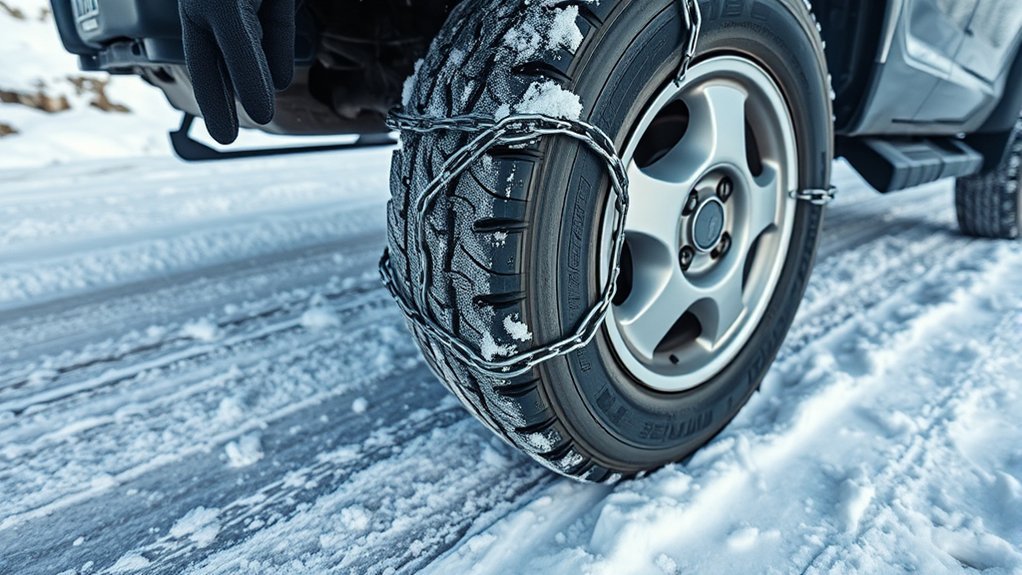
Snow chains go on the tires that receive engine power, known as the drive tires. That usually means the front tires on front-wheel-drive vehicles and the rear tires on rear-wheel-drive vehicles. For all-wheel-drive and four-wheel-drive vehicles, always check the owner’s manual because chain placement depends on the vehicle design. Correct fitment, installation, and tension are essential for safe winter traction.
Quick Answer
Snow chains usually go on your vehicle’s drive tires: the front tires for front-wheel drive and the rear tires for rear-wheel drive. AWD and 4WD vehicles may require chains on specific tires based on the manufacturer’s instructions, so always check your owner’s manual before installation.
Key Takeaways
- Install chains on the drive tires unless your vehicle manual says otherwise.
- AWD and 4WD chain placement varies by vehicle.
- Choose chains that match your tire size and wheel clearance.
- Re-tighten chains after driving a short distance.
- Remove chains when roads become clear to avoid damage.
At a Glance
| Time Required | About 15–30 minutes for first installation |
| Difficulty | Moderate |
| Tools Needed | Snow chains, gloves, flashlight, and tensioners if required |
| Cost | Varies by chain type and vehicle size |
Which Tires Need Snow Chains?
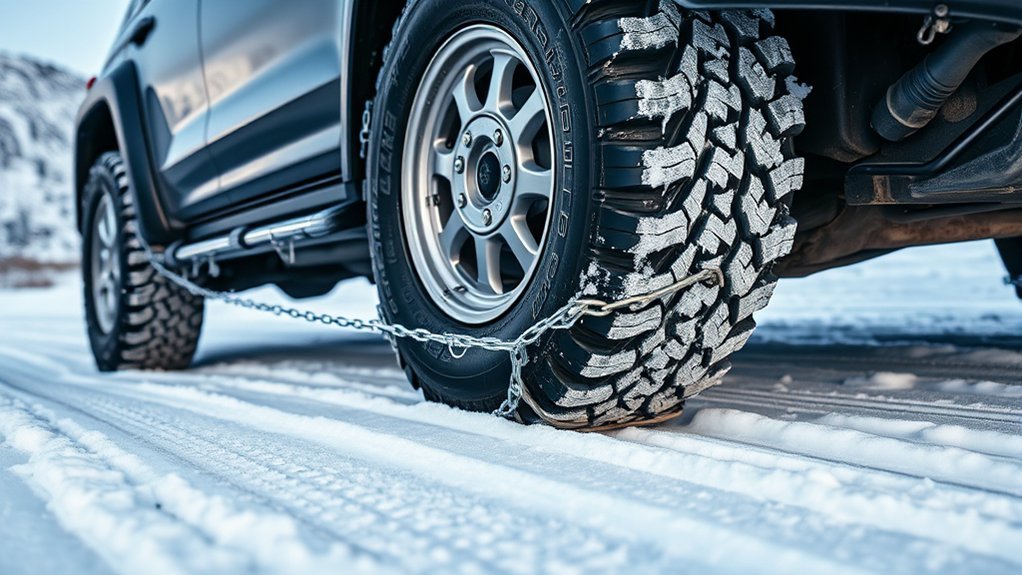
Snow chains should be installed on the tires that provide power to the road. These are called the drive tires.
For a front-wheel-drive vehicle, the front tires normally need chains because they provide both power and steering control. For a rear-wheel-drive vehicle, chains usually go on the rear tires.
For all-wheel-drive and four-wheel-drive vehicles, chain requirements can vary. Some vehicles require chains on all four tires, while others specify a particular axle. Always check your owner’s manual before installation.
Warning: Installing chains on the wrong tires or using chains with insufficient clearance can affect handling and may damage suspension or wheel components.
[Products Worth Considering]

These universal tire valve stem caps help protect valve cores from dust, debris, and moisture while helping maintain stable tire pressure. The corrosion-resistant metal construction and sealed design provide reliable protection in road grime, mud, and winter conditions. Twist-on installation makes them quick to fit on cars, SUVs, trucks, and motorcycles.

This metal-free wheel and tire cleaning brush uses dense, fluffy synthetic wool to safely clean rims, spokes, fenders, and engine areas without worrying about damaging surfaces. Its flexible, comfortable design helps you reach detailed areas while maintaining durability, and the extra absorbent fibers work well with wheel spray cleaners for faster cleanup. Reusable and washable performance helps prevent grime and build-up for cleaner vehicles and easier maintenance at home.
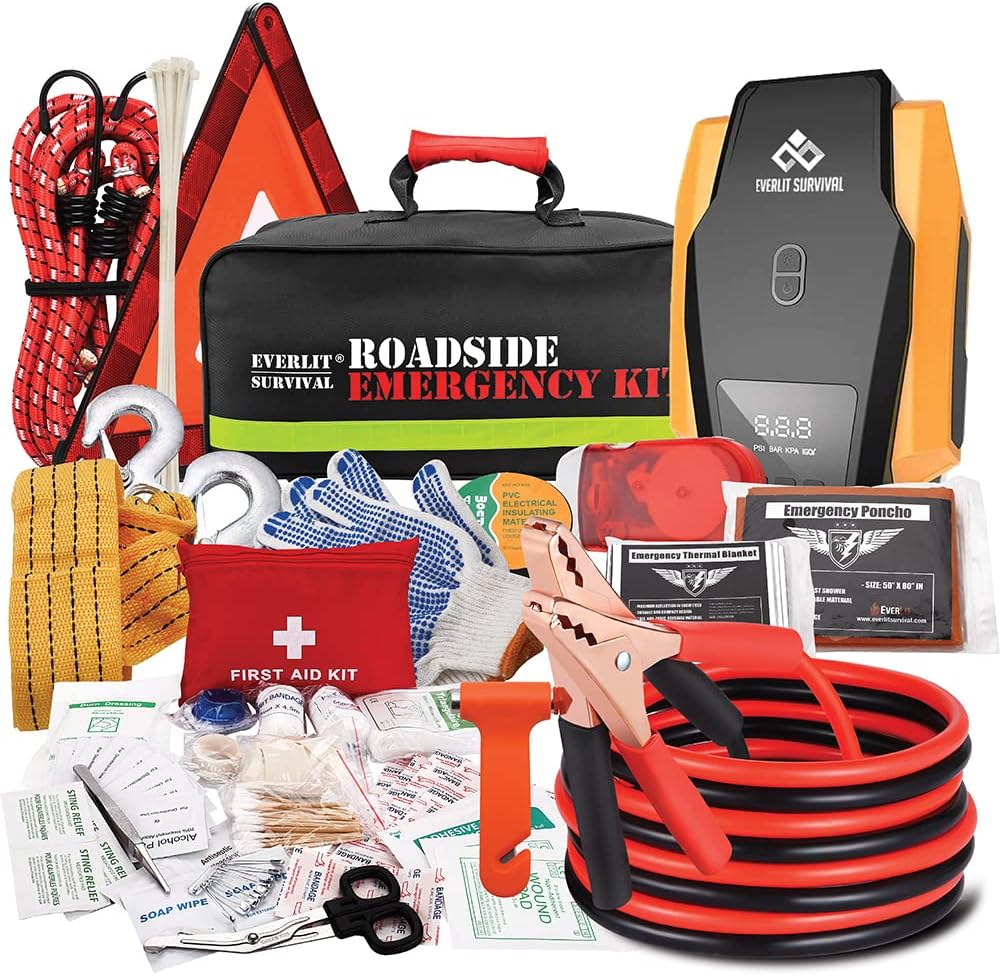
The Everlit Road Guardian emergency kit is designed for roadside breakdowns, combining essential safety gear and roadside tools in one compact bag. It includes a digital 12V auto tire inflator with preset and auto shutoff, plus 12-foot 8-gauge jumper cables to get you moving again. You also get a full 108-piece first aid kit, reflective warning tools, safety gloves, and emergency convenience items for safer travel.
How to Choose Tire Chains for Your Vehicle
Select chains based on your tire size, vehicle clearance, and driving conditions. The correct chain must fit your tire dimensions and leave enough space inside the wheel well.
Common options include:
- Link chains: Provide strong traction for deeper snow and ice.
- Cable chains: Offer a lower-profile design for vehicles with limited clearance.
- Low-profile chains: Help reduce clearance problems on some modern vehicles.
Before buying, check your tire sidewall size and compare it with the chain manufacturer’s fitment guide.
Pro Tip: Practice installing your chains in a dry location before winter travel. Installing them for the first time during a snowstorm is much harder.
[Products Worth Considering]

Upgrade your vehicle’s style with sparkling rhinestone valve caps that add a unique luxury look. Built with an O-ring seal and rotating thread design, they help prevent air leakage while keeping dust and road grime out. The universal fit works on standard American tire valves for cars, trucks, SUVs, and motorcycles, and installs easily without special tools.

This 62-inch extra-long car wash brush kit makes it easy to clean hard-to-reach areas on cars, trucks, SUVs, and RV roofs with lightweight, sturdy poles. It includes soft, non-scratch microfiber and bristles with protective bumpers to help prevent scratches while cleaning effectively. A rubber squeegee helps remove water stains quickly, plus a wheel/tire brush and absorbent towels for complete exterior detailing.

AstroAI AIRUN H is a compact 12V tire inflator designed for fast, convenient inflation with an easy-to-read digital pressure gauge. Set your target pressure with programmable controls and let the auto shut-off turn off the pump when the preset is reached. It also includes a backlit screen and LED flashlight for nighttime use, with a ToughUltra durability design for longer service life.
How to Install Tire Chains Correctly
Before installation, park safely away from traffic, turn on hazard lights if needed, and make sure the chains match your tires.
- Lay the chains flat and remove twists or tangles.
- Place them evenly over the drive tires.
- Connect the inside fastener first.
- Secure the outside connection.
- Use tensioners if your chain design requires them.
- Drive a short distance and check the fit again.
The chains should sit evenly around the tire tread without loose sections hanging or striking vehicle parts.
[Products Worth Considering]

This manual duck head tire changer kit makes tire installation and removal simpler by letting you embed the duck head into the tire with applied pressure. The integrated design and durable steel construction help reduce friction and improve efficiency and safety during use. Suitable for 16–21 inch wheels, it’s convenient for cars, trucks, SUVs, and ATV tires, with 24-hour after-sales support.

The SAFELIFE dial tire tread depth gauge measures tread depth in 1/32 inch increments with clear, easy-to-read 2-inch dial face. Color zones using a traffic light system help you quickly judge whether tread is low, marginal, or ample for safer driving. Built with a durable zinc cast body and a metal detect probe for precise, comfortable use across cars, motorcycles, trucks, and buses.

Suds Lab WB Premium Detailing Wheel Brush delivers a scratch-free clean using ultra-soft microfiber bristles that lift brake dust, dirt, and grime without swirling. The ergonomic non-slip handle helps you deep-clean rims, wheels, and tires with reduced hand fatigue while reaching tight contours. It’s reusable and machine washable for long-term detailing, and works across cars, trucks, SUVs, and motorcycles plus multi-purpose cleaning tasks.
How to Re-Tighten Tire Chains
After driving about 50 to 100 feet, stop and inspect the chains. They often settle into place after the first movement and may need adjustment.
Check that:
- The chains remain centered on the tread.
- Fasteners are secure.
- No section is loose or rubbing against the vehicle.
- Tensioners are properly adjusted.
If you hear loud slapping sounds or metal hitting the vehicle, stop immediately and correct the installation.
How to Drive Safely With Tire Chains
Snow chains improve traction, but they do not remove all winter driving risks. Drive smoothly and avoid sudden acceleration, braking, or sharp steering movements.
- Keep speeds low and follow manufacturer recommendations.
- Avoid bare pavement whenever possible.
- Inspect chains if you hear unusual noises.
- Remove chains when roads no longer require them.
Properly fitted snow chains provide extra traction, but careful driving remains essential on snow and ice.
Frequently Asked Questions
Which tires should snow chains go on?
Snow chains normally go on the drive tires. Front-wheel-drive vehicles usually need chains on the front tires, while rear-wheel-drive vehicles usually need them on the rear tires.
Do AWD vehicles need chains on all four tires?
Not always. AWD chain placement depends on the vehicle manufacturer. Check your owner’s manual before installation.
How fast can you drive with snow chains?
Drive slowly and follow the chain manufacturer’s speed recommendation. High speeds can damage chains, tires, and vehicle components.
Conclusion
Snow chains go on the drive tires in most vehicles, but the correct placement depends on your drivetrain and manufacturer instructions. Choose chains that fit your tires, install them carefully, re-tighten them after a short drive, and remove them when road conditions improve. Proper preparation helps you maintain traction and stay safer during winter travel.
Sources
- National Highway Traffic Safety Administration — winter driving safety guidance.
- Tire Rack Winter Driving Resources — winter tire and traction information.