
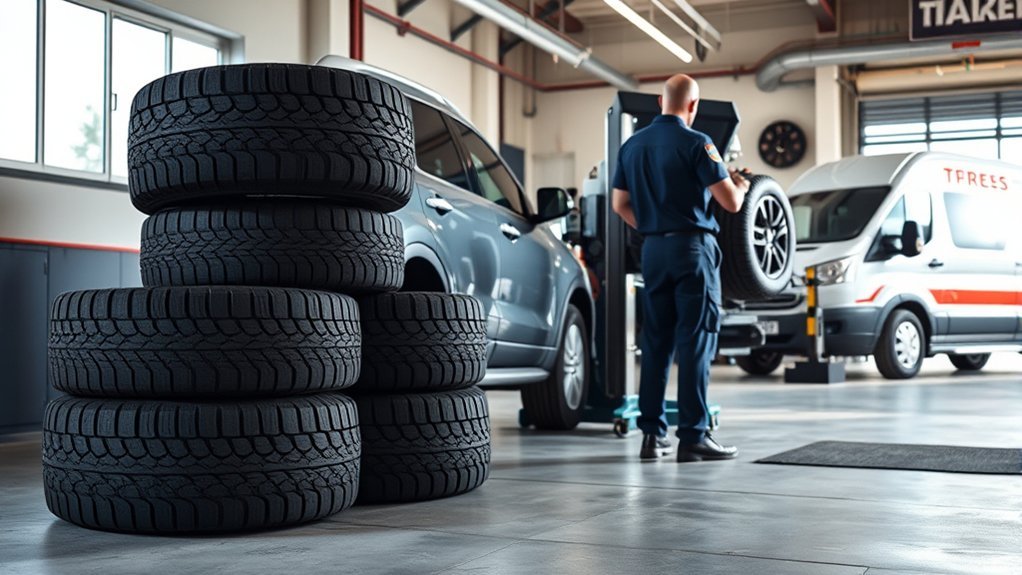
You can install tires bought online at many independent tire shops, national tire chains, retailer Auto Care Centers, dealerships, and mobile tire services. The best choice depends on whether the installer accepts customer-supplied tires, your tire and wheel setup, appointment availability, and the complete installed price. Confirm those details before you send tires to a shop.
Quick Answer
You can usually install tires bought online at an independent tire shop, tire chain, retailer Auto Care Center, dealership, or mobile tire service. Before ordering, confirm that the installer accepts outside-purchased tires and ask for an itemized quote covering mounting, balancing, TPMS service, disposal, and any specialty-tire fees.
Key Takeaways
- Independent tire shops are often flexible about installing customer-supplied tires, but prices and policies vary by shop.
- Large retailers and tire chains can offer standardized service packages, but you should confirm whether outside-purchased tires are eligible.
- Mobile tire installation costs more in some markets but can save you a trip to the shop.
- Shipping tires directly to an approved installer can eliminate the need to transport four loose tires yourself.
- Compare the complete installed price, including balancing, TPMS work, disposal, specialty-tire charges, taxes, and optional protection plans.
- Confirm tire size and vehicle compatibility before ordering because an installer may refuse an unsafe or incompatible fitment.
Where Can You Install Online-Bought Tires?

You have several practical options for installing online-bought tires:
- Independent tire shops: Many accept customer-supplied tires and can mount and balance them on your existing wheels.
- National tire chains: Some locations install tires bought elsewhere, although policies and pricing can vary.
- Retailer Auto Care Centers: Stores with automotive service departments may install compatible tires even when the purchase was made online.
- Dealership service departments: These can be useful when your vehicle has unusual wheel, TPMS, run-flat, or manufacturer-specific requirements.
- Mobile tire installers: A technician brings tire-service equipment to an approved location such as your home or workplace.
Some online tire retailers also let you choose an installer during checkout and ship the tires directly there. That can be especially convenient if you do not have enough cargo space to carry a full set of tires.
Pro Tip: Call the installer before placing the order. Give them your vehicle year, make, model, tire size, wheel size, and the exact tires you plan to buy. Confirm that they will accept the shipment and install that tire-and-wheel combination.
What to Check Before Ordering Tires Online
The easiest way to avoid installation problems is to confirm fitment before the tires ship. A tire can physically look close to the right size and still be unsuitable for the vehicle or wheel.
Check the following:
- Tire size: Match the size approved for your vehicle and wheel setup.
- Load rating: The tire must be capable of carrying the required vehicle load.
- Speed rating: Use a rating appropriate for the vehicle and your manufacturer requirements.
- Wheel diameter and width: The tire must be compatible with the wheel.
- Vehicle configuration: Staggered setups can use different front and rear sizes.
- AWD requirements: Some all-wheel-drive vehicles can be sensitive to large differences in tire diameter or tread depth.
- TPMS: Ask whether your vehicle’s tire-pressure monitoring hardware needs a service kit, sensor replacement, or relearn procedure.
The National Highway Traffic Safety Administration’s tire-safety guidance also recommends paying attention to correct tire selection, condition, inflation, and maintenance.
Warning: Tire mounting is not a routine hand-tool job. Mounting and inflating a tire incorrectly can cause serious injury and can damage the tire, wheel, or TPMS hardware. Use a qualified installer with equipment suitable for your tire and wheel combination.
Local Tire Shops vs. Big Retailers
Local tire shops and big retailers can both be good choices for installing tires purchased online, but they offer different advantages.
An independent shop may provide direct communication with the technician, flexible scheduling, and more willingness to discuss unusual wheel or tire setups. Some shops also specialize in performance tires, aftermarket wheels, lifted vehicles, trucks, or other applications that require more than a basic tire change.
A large retailer or national chain may be attractive if you prefer standardized procedures, multiple locations, online appointment tools, or service packages that bundle several tire-related services.
Neither option is automatically cheaper. Compare the services included in each quote rather than comparing only the advertised mounting charge.
The best installation quote is the complete out-the-door price for the services your vehicle actually needs—not simply the lowest advertised mounting fee.
[Products Worth Considering]

Replace your worn or missing TPMS sensors with pre-programmed, direct-fit sensors for compatible Ford, Lincoln, and select Mazda models. Each sensor comes ready to activate with a scan tool, helping restore accurate tire pressure monitoring and trouble-free installation. Built with a long-life CR2032 battery and tested before factory release, this set provides dependable performance with a one-year warranty.
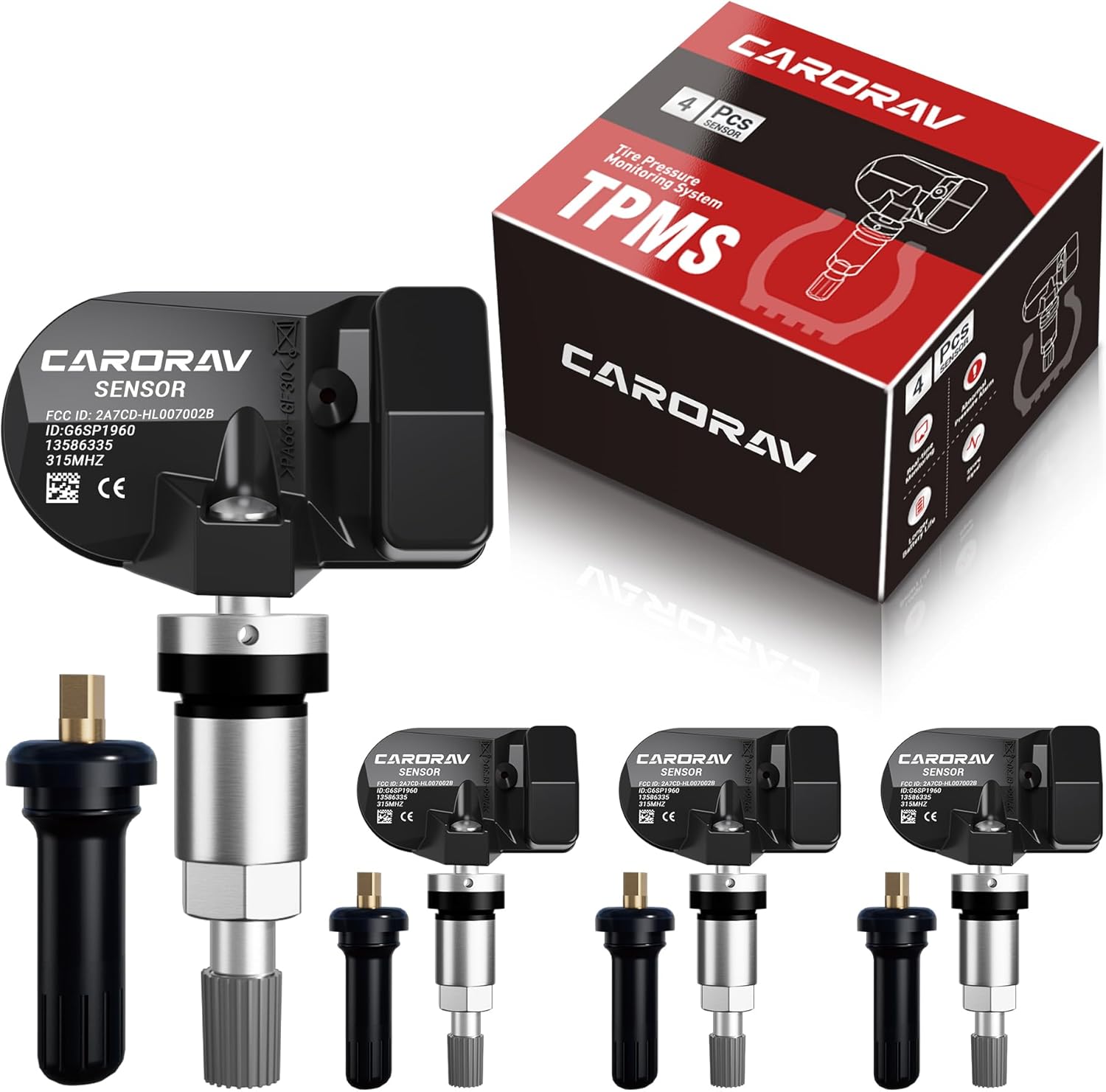
Replace worn or missing TPMS sensors with CARORAV pre-programmed GM-compatible sensors for a smoother installation experience. These 315MHz replacement sensors help monitor tire pressure in real time with long battery life, and they are designed to withstand harsh temperatures. Manual or OBDII relearn may be required to reset the system for proper recognition.

These M14x1.5 closed-end chrome lug nuts are a one-piece replacement designed for secure fitment on compatible GM, Ford, and select Chrysler/Dodge models. Featuring a 60-degree conical seat and anti-rust chrome plating, they help resist corrosion and maintain a bright look for everyday driving. Built for long-term durability, they include OEM-style part references and are backed by 12 months of support.
What Mobile Tire Installation Costs
Mobile tire installation can be one of the most convenient ways to install tires bought online because the service comes to you. However, there is no universal mobile-installation price.
A provider may charge by the tire, by the appointment, through a service-call fee, or through a package that includes several services. Your total can also change based on location, tire size, wheel design, run-flat construction, TPMS requirements, travel distance, and the number of tires being installed.
When requesting a mobile quote, ask whether it includes:
- Removal of the old tires
- Mounting the new tires
- Computer balancing
- TPMS-related service
- Valve-stem or service-kit parts when needed
- Old-tire disposal
- Travel or call-out charges
- Taxes and environmental fees
Also ask what happens if you notice a vibration after installation. Some companies provide a workmanship or rebalance period, while others charge separately.
[Products Worth Considering]

Malco tire mounting and demounting lubricant is a ready-to-use tire lube formulated to reduce friction during tire installation for passenger cars, light trucks, farm tires, and heavy-duty equipment. It provides rust-inhibiting protection to help reduce corrosion on rims and wheels, and helps support proper tire bead seating during inflation to reduce air leakage. The silicone-free, soap-free formula is whitewall safe to help prevent discoloration on whitewall tires and sensitive sidewall markings.

Replace worn or malfunctioning GM TPMS sensors with this 433MHz pre-programmed sensor set designed for compatibility with many Chevrolet, Buick, GMC, and Cadillac models. It includes guidance for proper OBDII relearning/pairing after installation and supports reliable long-term operation with a high-performance CR2032 battery. Quality tested for durability and performance to help restore accurate tire pressure monitoring.
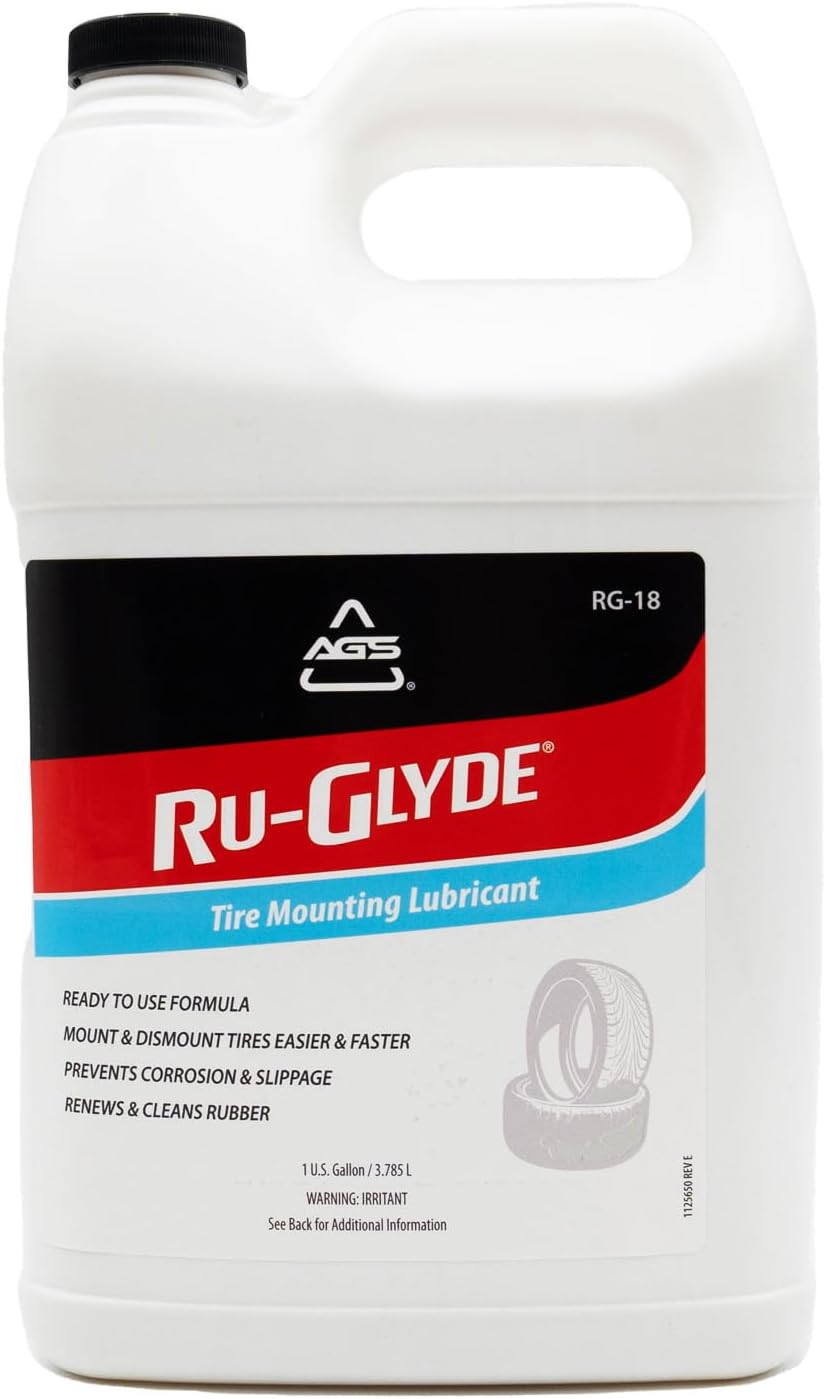
Ru-Glyde tire mounting lubricant from AGS seats tire beads smoothly on the first try with a thick, stay-put formula. It is ready to use with no mixing or dilution, helps prevent rim rust, and dries completely without causing bead slip residue. The water-based formula also conditions aged rubber, making it useful for sidewalls, gaskets, and door seals while remaining safe for tire, wheel, and technicians.
How Ship-to-Installer Tire Installation Works
What is sometimes called mail-in tire installation is more accurately described as ship-to-installer or direct-to-installer delivery. You buy the tires online and have them sent to a participating local shop rather than to your home.
- Choose your tires. Confirm the correct size and specifications for your vehicle.
- Select an installer. Use the retailer’s installer network when available or contact a shop yourself.
- Confirm acceptance. Make sure the installer accepts customer-supplied tires and shipments from that retailer.
- Ship the tires. Use the installer’s correct shipping name and address.
- Wait for confirmation. Do not assume the tires are ready for installation simply because carrier tracking says they were delivered.
- Schedule the appointment. Book once the shop confirms that it has received and checked the shipment.
- Inspect the completed work. Confirm tire pressure, wheel condition, TPMS operation, and your invoice before leaving.
Note: Never send tires to a shop without confirming that it accepts direct shipments. Some installers have specific labeling, appointment, storage, or receiving requirements.
[Products Worth Considering]

This TPMS relearn tool helps you quickly activate, match, and reset GM tire pressure sensors to keep the vehicle monitoring system working properly. It clears tire pressure alarms and dashboard warning lights after sensor replacement or tire rotation, and supports learning for common 315/433 MHz TPMS sensors. Designed for simple one-button operation, it can help you avoid unnecessary trips to repair shops.

The TYAMATE TM8 solar-powered wireless TPMS delivers real-time tire pressure and temperature monitoring with six alarm modes for safer driving. A vibrant color LCD display shows readings clearly while windshield mounting keeps it hands-free and easy to read. With a wide 0–87 PSI range, strong 433.92 MHz signal transmission, and quick sensor pairing, it’s ideal for RV, sedan, SUV, MPV, and truck use.
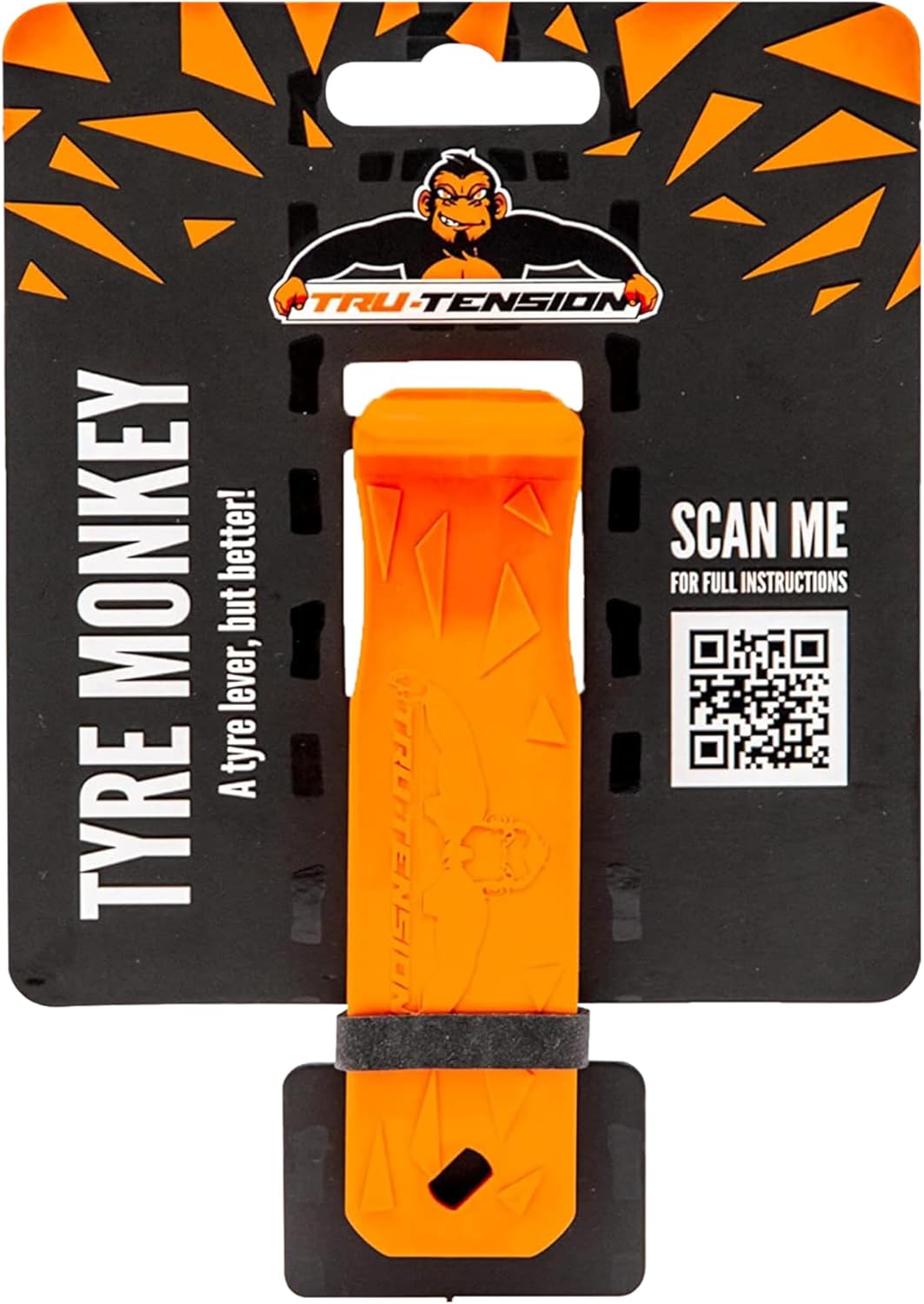
The Tru-Tension Tyre Monkey is a revolutionary bicycle tyre lever that makes removing and fitting tires fast and easy. Its innovative geometry helps keep your hand at a 90-degree angle to the wheel to reduce the risk of hitting spokes, and the design is optimized to use only one tool instead of multiple conventional levers. Compact and durable, it’s built for convenient carry and reliable tire changes on the go.
What Tire Installation Prices Include
A basic tire-installation quote commonly centers on mounting and balancing, but the exact package differs by installer.
Mounting means removing the old tire from the wheel and fitting the new tire correctly. Balancing uses weights to help the tire-and-wheel assembly rotate smoothly and reduce vibration.
Depending on the vehicle and service package, the quote may also include or offer:
- Standard valve-stem replacement on wheels that use conventional rubber stems
- TPMS valve or service kits
- TPMS sensor replacement or relearn procedures
- Old-tire disposal
- Wheel rotation
- Road-hazard coverage
- Future balance or rotation services
- Wheel or lug-hardware service when required
Do not assume every item is included. Ask for an itemized quote before the appointment.
Is Wheel Alignment Included?
Wheel alignment is usually a separate service unless the installer specifically includes it in the quote. Mounting and balancing new tires does not automatically correct wheel-alignment angles.
An alignment check may be worth discussing if the old tires have uneven wear, the vehicle pulls to one side, the steering wheel sits off-center, or suspension or steering work has recently been performed.
What Extra Fees to Expect
The advertised installation charge is not always the final bill. The total can increase when your vehicle requires additional labor, parts, or specialty equipment.
Common items to ask about include:
- Customer-supplied or carry-in tire charges
- Computer balancing
- TPMS service kits or sensors
- Valve stems
- Old-tire disposal or recycling
- Run-flat tire service
- Low-profile or oversized tires
- Aftermarket or specialty wheels
- Extra labor for difficult or corroded hardware
- Replacement lug nuts or wheel hardware
- Road-hazard protection
- Alignment
- Mobile travel or service-call charges
- Taxes and locally required environmental fees
Mounting and Balance Charges
When comparing mounting and balancing prices, make sure the shops are quoting the same work. One installer may advertise mounting separately, while another may quote mounting and balancing together.
Ask these questions:
- Is the quoted price per tire or for the complete set?
- Does it include computer balancing?
- Is there a different rate for tires bought somewhere else?
- Are run-flat, low-profile, truck, oversized, or specialty tires priced differently?
- Are TPMS parts or procedures extra?
- Is old-tire disposal included?
This makes an apples-to-apples comparison much easier.
Mobile Service Add-Ons
A mobile tire service may include a travel or call-out charge in addition to installation labor. Providers can also charge differently when the vehicle is outside their normal service area or when the job requires special equipment.
Before booking, confirm the service location is suitable. The technician may need a level, safe work area with enough space around the vehicle.
If the tires are being shipped directly to the mobile provider, confirm receiving and storage arrangements before ordering.
Warranty and Disposal Fees
Do not treat every tire-related warranty as the same product. You may encounter three separate types of protection:
- Manufacturer tire warranty: Coverage provided by the tire manufacturer and subject to its terms and exclusions.
- Road-hazard protection: Optional coverage that may help with certain punctures or accidental tire damage.
- Installation or workmanship coverage: The installer’s policy for problems related to the installation service.
Old-tire disposal or recycling may also appear as a separate line item. Fees and environmental requirements vary by location, so ask before approving the work.
Special Tires and Wheels That May Cost More to Install
Some tire and wheel combinations need additional equipment, time, or care. Tell the installer exactly what you have before requesting a quote.
Run-Flat and Low-Profile Tires
Run-flat tires and some low-profile tires have stiff sidewalls that can make mounting more demanding. Not every small shop has equipment suited to every run-flat or performance setup, so confirm capability first.
Aftermarket and Expensive Wheels
If you have painted, polished, forged, custom, or otherwise expensive wheels, ask how the shop protects wheel surfaces during mounting. Photographing the wheel condition before service can also help document any existing cosmetic damage.
TPMS-Equipped Wheels
Modern vehicles commonly use a tire-pressure monitoring system. A tire change may involve valve hardware, service kits, sensor replacement, or a relearn procedure depending on the vehicle and sensor design.
Ask what TPMS work is included and whether any warning light will require an additional procedure after installation.
Why an Installer Might Refuse Your Tires
A shop is not required to install every tire a customer brings in. An installer may decline the job when it believes the combination is unsafe, incompatible, outside its equipment capability, or against company policy.
Possible reasons include:
- The tire size is not approved or appropriate for the vehicle or wheel.
- The tire has visible shipping damage, bead damage, cracking, or another defect.
- The wheel is damaged, badly corroded, bent, or otherwise unsafe to service.
- The tire’s load or speed specification is unsuitable.
- The shop cannot safely service that run-flat, low-profile, oversized, or specialty setup.
- The vehicle has mismatched tires that create a safety or drivetrain concern.
- The tire is too old or its condition does not meet the installer’s policy.
- The shop does not accept customer-supplied tires.
This is why calling before you order is more useful than simply arriving with four tires.
How to Choose Between Cost and Convenience
If your goal is the lowest installed price, get itemized quotes from at least a few local options. Include any cost of transporting the tires, taking time away from work, or making multiple trips.
If your schedule matters more, a mobile installer or direct-to-installer shipment may be worth paying more for because it reduces transportation and waiting.
For a fair comparison, calculate the total for:
- Tires
- Shipping
- Mounting
- Balancing
- TPMS work
- Valve hardware
- Disposal
- Specialty-tire surcharges
- Optional warranties or road-hazard plans
- Taxes and environmental fees
Then consider convenience, appointment timing, shop reputation, equipment, and warranty support.
How to Save on Tire Installation
You can reduce the total cost without choosing an installer solely because it advertises the lowest labor rate.
Compare Installation Fees
Ask each installer for the complete installed price for your exact vehicle and tire size. A low base mounting fee can become more expensive after balancing, TPMS service, disposal, and specialty charges are added.
When possible, send each shop the same information:
- Vehicle year, make, model, and trim
- Tire size
- Wheel size
- Number of tires being installed
- Whether the tires are run-flat or another specialty type
- Whether the vehicle has TPMS
- Whether you need old-tire disposal
You will get much more useful quotes when every installer is pricing the same job.
Use Mobile Service
Mobile installation is mainly a time-saving option, not automatically the cheapest one. It can make sense when getting the vehicle to a shop is inconvenient or when the value of staying at home or work outweighs the higher service cost.
Compare the mobile provider’s complete quote with a shop quote and make sure travel, mounting, balancing, TPMS work, and disposal are clearly identified.
Leverage Promotions & Rebates
Tire manufacturers, retailers, credit-card programs, memberships, and installers periodically offer promotions or rebates. These can change the final installed price considerably.
- Check the tire manufacturer’s current rebate terms.
- Compare retailer promotions before placing the order.
- Check whether a membership you already have includes relevant automotive benefits.
- Read the eligibility rules before buying.
- Save invoices, order confirmations, and required product information until any rebate is paid.
Do not assume a promotion applies merely because the tire brand or retailer is participating. Size, model, purchase date, payment method, and installation requirements can affect eligibility.
What to Check After Tire Installation
Before leaving the shop—or before a mobile technician leaves—take a few minutes to check the completed work.
- Confirm the tire sizes. Make sure the correct tires are installed in the correct positions, especially on staggered vehicles.
- Look at tire direction. Directional tires should follow the rotation arrow, and asymmetric tires should have the correct side facing outward.
- Check tire pressure. Pressure should follow the vehicle manufacturer’s specification rather than the maximum pressure molded on the tire sidewall.
- Check the TPMS warning light. Ask about relearning or sensor service if a warning remains.
- Inspect the wheels. Look for any new visible damage before leaving.
- Review the invoice. Confirm the services and any warranty or protection coverage you purchased.
- Follow the installer’s wheel-fastener instructions. If the shop recommends a recheck or re-torque after driving, follow its stated procedure and interval.
If the vehicle develops a new vibration, steering concern, air-pressure loss, or warning light after installation, contact the installer promptly rather than assuming it will disappear on its own.
Frequently Asked Questions
Is It Cheaper to Buy Tires Online or In-Store?
Sometimes, but not always. An online tire price may look lower until you add shipping, mounting, balancing, TPMS service, disposal, and other installation charges. An in-store package can sometimes produce a lower installed total. Compare the complete price for the same tire model and services.
Will Discount Tire Install Tires Purchased Elsewhere?
Discount Tire locations may service tires that were purchased elsewhere, but acceptance, eligibility, and charges can depend on the tire, vehicle, and store policy. Contact the specific location with your tire size and vehicle information before ordering or arriving for installation.
Will Walmart Install Tires I Bought Online?
A Walmart Auto Care Center may be able to install compatible tires purchased online, including customer-supplied tires, but service availability, eligibility, and pricing can vary. Check with the Auto Care Center you plan to use before ordering and ask for the current complete installation price.
What Is the Cheapest Place to Get Tires Online?
There is no single online tire store that is always cheapest. Prices change by tire brand, model, size, promotion, shipping destination, and rebate. Compare several sellers using the final delivered price, then add installation costs to find the lowest true installed total.
Can I Ship Online Tires Directly to a Tire Shop?
Yes, many online tire sellers and participating installers support direct-to-installer shipping. Always confirm with the shop before using its address because receiving, storage, labeling, and appointment policies can differ.
Does Tire Installation Include an Alignment?
Usually not unless the service package specifically says so. Mounting and balancing are different from wheel alignment. Ask for an alignment inspection if your old tires wore unevenly, the vehicle pulls, or the steering wheel is off-center.
Can a Shop Refuse to Install Tires I Bought Online?
Yes. A shop may refuse tires that are incompatible, damaged, unsuitable for the wheel or vehicle, outside its equipment capability, or against its customer-supplied-tire policy. Confirm acceptance before ordering whenever possible.
Conclusion
When you buy tires online, you are not limited to having them installed by the seller. Independent tire shops, national chains, retailer service centers, dealerships, and mobile installers may all be options. The important step is to confirm fitment, installer acceptance, and the complete installed cost before ordering.
Compare more than the mounting fee. Ask about balancing, TPMS work, valve hardware, disposal, specialty-tire charges, alignment, and optional protection plans. A slightly higher quote can still be the better value when it includes the services your vehicle actually needs and comes from an installer equipped to handle your tires and wheels safely.
Sources
- National Highway Traffic Safety Administration — Tires — tire selection, inflation, maintenance, and general tire-safety guidance.
- U.S. Tire Manufacturers Association — industry tire-care and safety information.
- Tire Industry Association — professional tire-service training and industry safety resources.

