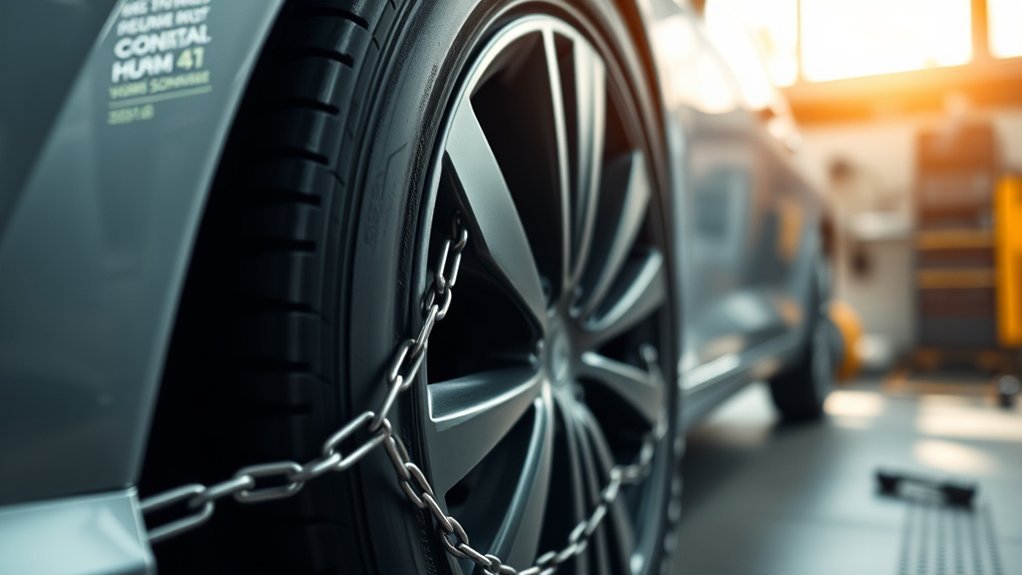
Choosing tire chains for a Hyundai Sonata is not as simple as matching the model year. The right chains depend on your exact tire size, wheel clearance, wheel type, local chain laws, and the instructions in your Hyundai owner’s manual. Use this guide to narrow your options, avoid common fitment mistakes, and install chains safely when winter roads require extra traction.
Quick Answer
Most Hyundai Sonata models need low-profile SAE Class S, cable, wire, or similarly low-clearance traction devices that match the exact tire size. Install chains on both front tires, drive under the lower of 20 mph or the chain maker’s limit, and remove them once roads are clear.
Key Takeaways
- Do not buy Sonata tire chains by year alone; match the tire size printed on your tire sidewall or driver-side door placard.
- For limited wheel clearance, choose SAE Class S, wire, cable, or other low-profile chains approved for your tire size.
- Hyundai guidance for later Sonata models calls for chains on both front tires and slow driving with chains installed.
- Test-fit the chains at home before a winter trip so you can catch rubbing, loose tension, or wrong-size fitment early.
- Never use tire chains on the compact spare tire, and remove chains as soon as you reach cleared pavement.
At a Glance
| Time Required | 10–20 minutes for a first-time test fit; faster after practice |
| Difficulty | Easy to moderate, depending on chain design and weather conditions |
| Tools Needed | Correct chain set, gloves, flashlight, kneeling pad or mat, and rubber adjusters if your chain style requires them |
| Cost | Usually budget-friendly for cable chains and higher for self-tensioning premium chains |
Understanding Tire Chain Compatibility for Hyundai Sonata
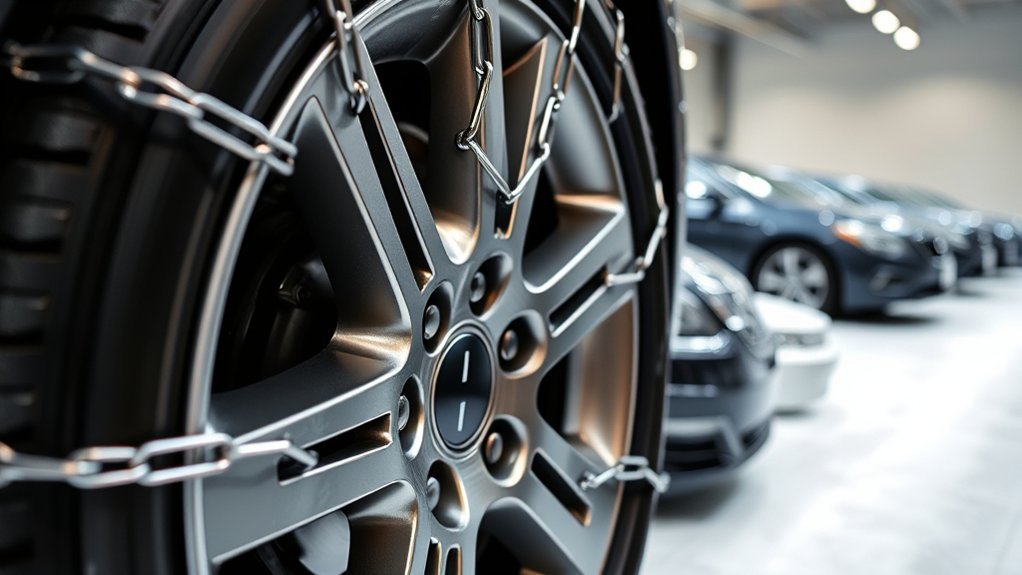
Tire chain compatibility starts with the tire, not the model year. A 2018 Sonata with 205/65R16 tires may need a different chain size than a 2018 Sonata with 235/45R18 tires. The same is true for 2011–2014, 2015–2019, and 2020–2022 models. Trim level, replacement tires, aftermarket wheels, and wheel-well clearance can all change what fits.
The safest first step is to check your Hyundai owner’s manual through the Hyundai Owner’s Manual portal, then confirm the tire size printed on your tire sidewall or driver-side door placard. After that, use the chain maker’s fit chart to match the exact tire size.
Warning: Wrong-size chains or poorly installed chains can damage brake lines, suspension parts, body panels, wheels, tires, and TPMS components. If a chain rubs or hits the vehicle, stop as soon as it is safe and remove or retighten it.
Hyundai Sonata Tire Chain Compatibility by Year
Use the year ranges below as a starting point, then confirm the exact tire size and clearance before buying. A chain that fits one Sonata trim may not fit another Sonata with larger wheels.
| Sonata Year Range | Best Fitment Approach | Recommended Chain Style |
| 2011–2014 | Check the door placard and tire sidewall first. Some cable-chain part numbers, including Glacier-style cable chains, may fit certain tire sizes but are not universal for every trim. | Low-profile cable or Class S chains for light to moderate snow. |
| 2015–2019 | Clearance is often limited, especially on trims with larger wheels. Avoid bulky ladder chains unless the manual and fit chart allow them. | SAE Class S cable chains, slim diamond-pattern chains, or self-tensioning low-profile chains. |
| 2020–2022 | Follow Hyundai’s manual closely. Later Sonata guidance emphasizes SAE “S” class or wire chains, low chain width, and front-tire installation. | Wire/cable chains under the manual’s clearance limit, or approved low-clearance alternatives where legal. |
Best Tire Chains for 2011-2014 Hyundai Sonata
For 2011–2014 Hyundai Sonata models, start with the tire size printed on the sidewall. If your tire size appears on the fit chart, Glacier 1046 passenger cable chains can be a practical budget option for light snow and occasional chain-control travel. They should not be treated as a guaranteed fit for every 2011–2014 Sonata.
For drivers who only need chains to carry in the trunk for mountain-pass requirements, a low-profile cable chain is often the simplest choice. For more frequent snow driving, a diamond-pattern chain may provide smoother traction during turning, but only if it meets your Sonata’s clearance requirements.
Pro Tip: Test-fit the chains in your driveway before winter travel. It is much easier to learn the hooks, tensioners, and clearance points in dry daylight than on a snowy roadside.
[Products Worth Considering]
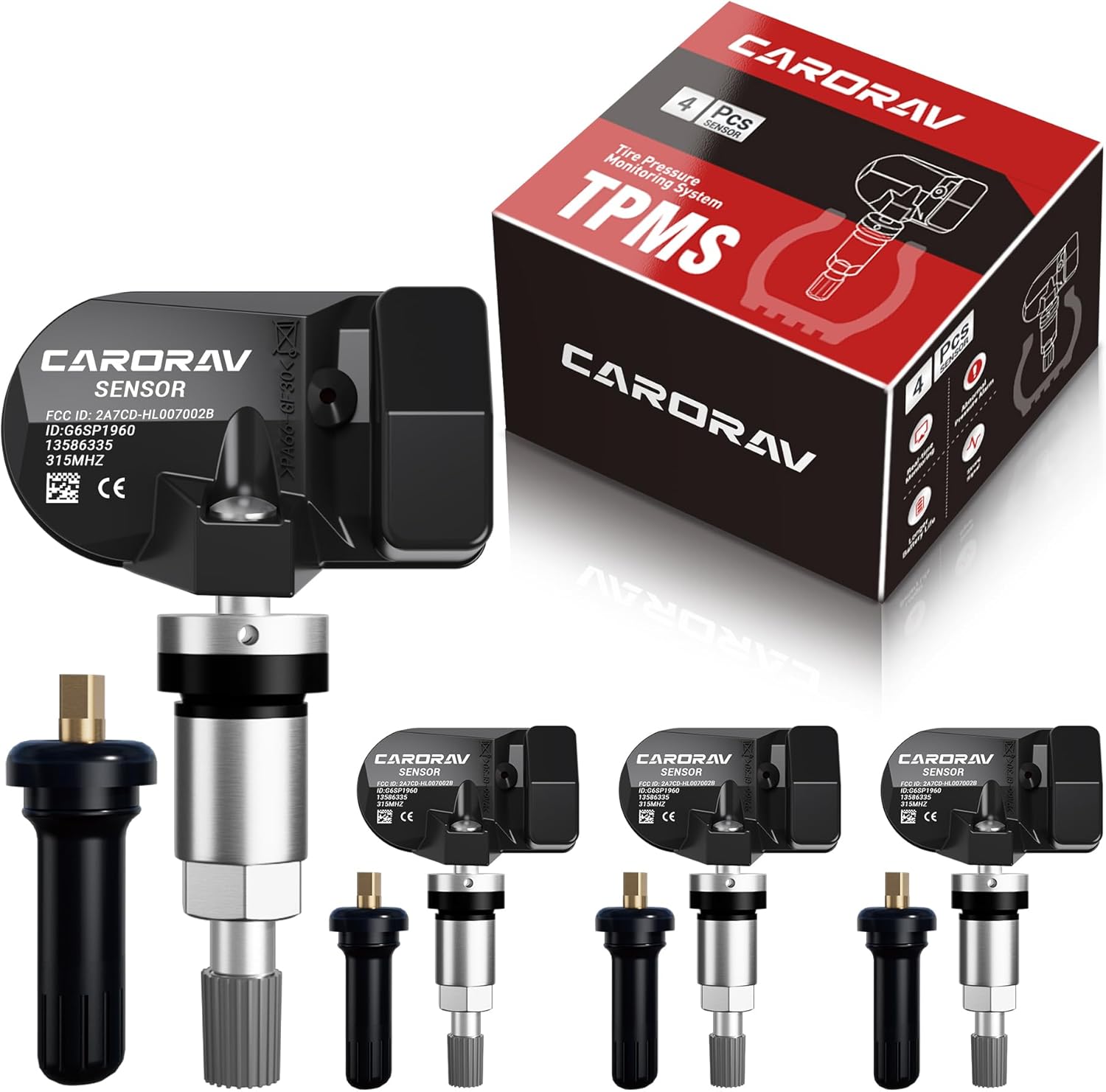
Replace worn or missing TPMS sensors with CARORAV pre-programmed GM-compatible sensors for a smoother installation experience. These 315MHz replacement sensors help monitor tire pressure in real time with long battery life, and they are designed to withstand harsh temperatures. Manual or OBDII relearn may be required to reset the system for proper recognition.
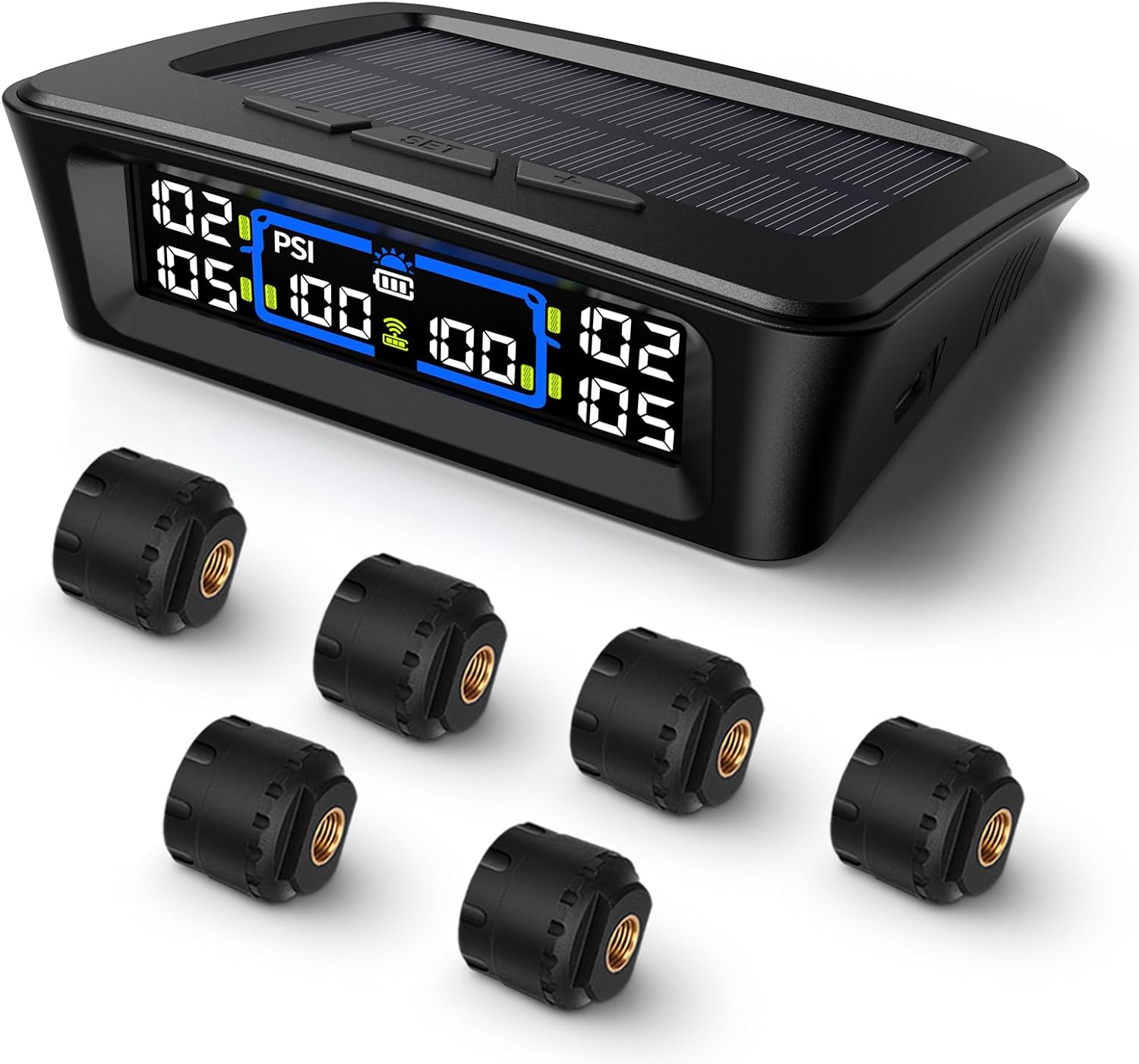
The Tymate TM12 RV TPMS delivers real-time tire pressure and temperature monitoring with a stable 433Hz display for safer long-distance driving. It supports simultaneous monitoring across vehicle and trailer zones, includes six alarm modes for pressure, temperature, leakage, battery, and signal loss, and features easy DIY installation with auto calibration. Power is supplied via USB-C charging or solar recharging, with a wide 0–144 PSI range and up to 50 ft signal coverage for RVs and towable trailers.
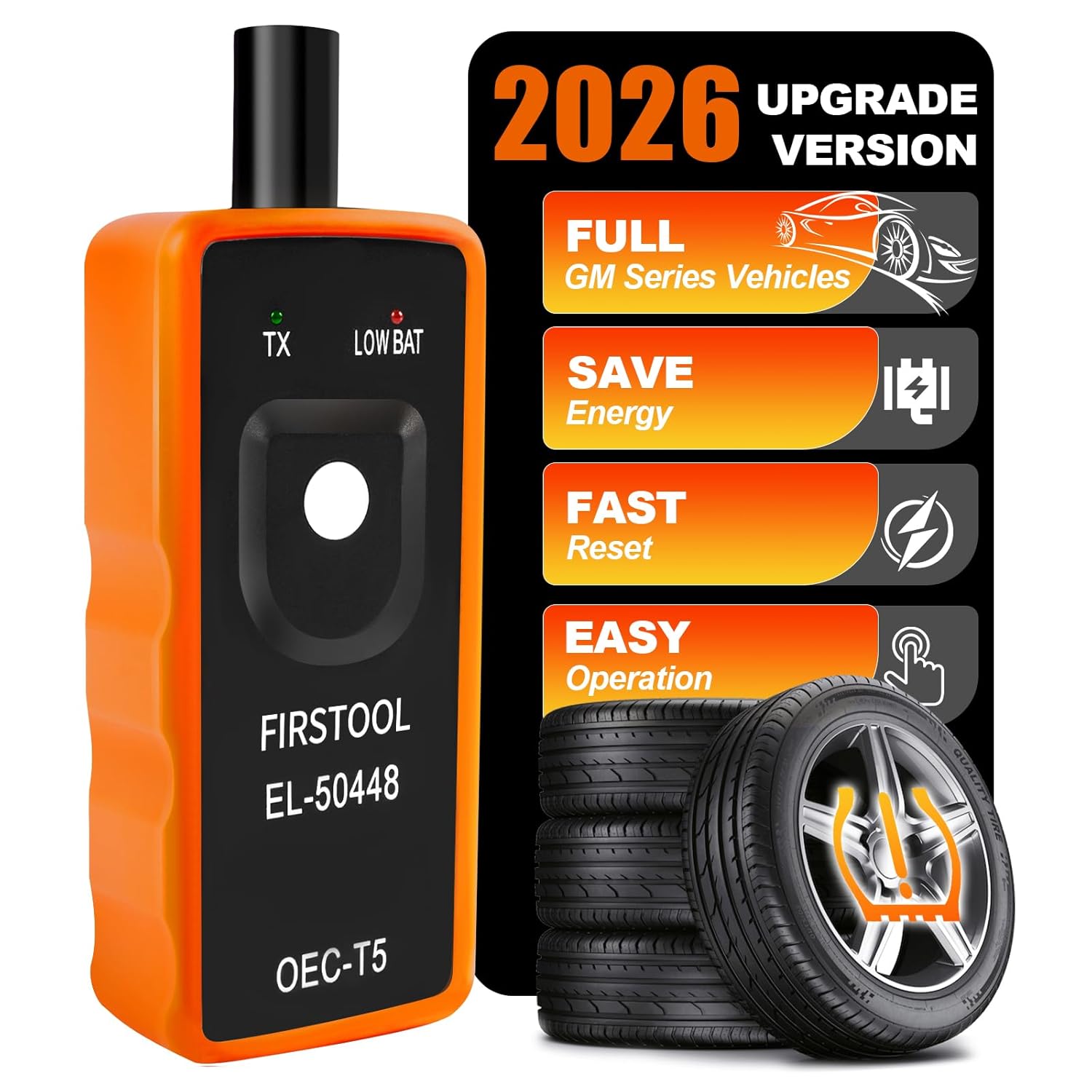
This TPMS relearn tool helps you quickly activate, match, and reset GM tire pressure sensors to keep the vehicle monitoring system working properly. It clears tire pressure alarms and dashboard warning lights after sensor replacement or tire rotation, and supports learning for common 315/433 MHz TPMS sensors. Designed for simple one-button operation, it can help you avoid unnecessary trips to repair shops.
Best Tire Chains for 2015-2019 Hyundai Sonata
For 2015–2019 Sonata models, prioritize low-clearance designs. These years commonly have tight wheel-well space, especially with larger wheel packages. Look for chain listings that clearly say SAE Class S, low clearance, cable, wire, or slim diamond pattern.
Titan-style alloy diamond chains can be a good durability-focused choice when the correct size is available. Cable chains are usually lighter and easier to store, while self-tensioning chains cost more but reduce the need to stop and adjust after installation. The right choice depends on how often you drive in snow and how much clearance your tire and wheel package has.
[Products Worth Considering]

Replace worn or missing TPMS sensors with a pre-programmed 4-pack designed for compatible GM vehicles. These 315MHz sensors provide real-time tire pressure monitoring and alert you if pressure is too high, too low, or if a rapid air leak occurs. Most installations are ready with minimal relearn effort after mounting, helping improve safety and driving confidence.

The TYAMATE TM8 solar-powered wireless TPMS delivers real-time tire pressure and temperature monitoring with six alarm modes for safer driving. A vibrant color LCD display shows readings clearly while windshield mounting keeps it hands-free and easy to read. With a wide 0–87 PSI range, strong 433.92 MHz signal transmission, and quick sensor pairing, it’s ideal for RV, sedan, SUV, MPV, and truck use.

Replace worn or malfunctioning GM TPMS sensors with this 433MHz pre-programmed sensor set designed for compatibility with many Chevrolet, Buick, GMC, and Cadillac models. It includes guidance for proper OBDII relearning/pairing after installation and supports reliable long-term operation with a high-performance CR2032 battery. Quality tested for durability and performance to help restore accurate tire pressure monitoring.
Best Tire Chains for 2020-2022 Hyundai Sonata
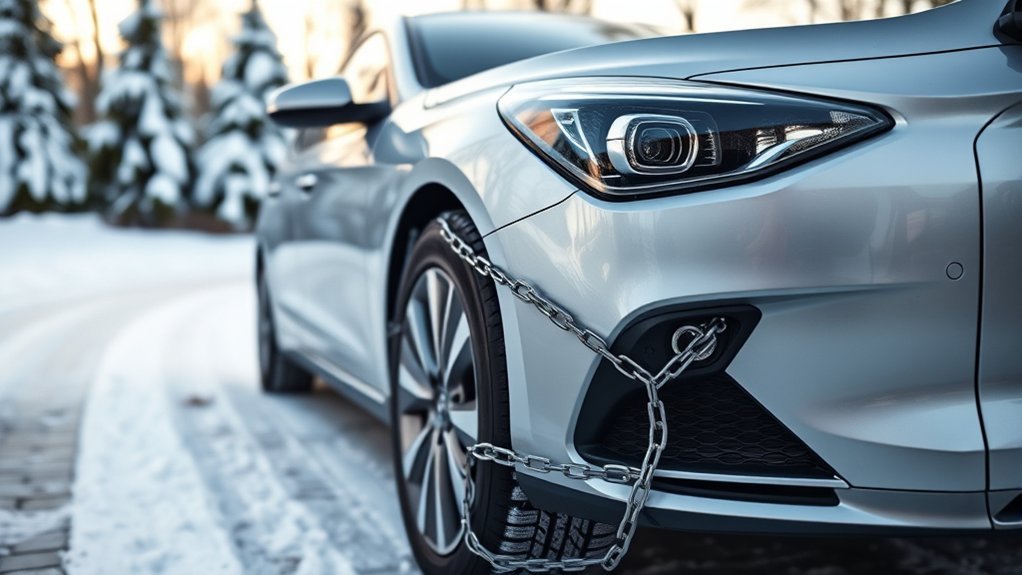
For 2020–2022 Hyundai Sonata models, choose extra carefully. Later Sonata owner’s manual guidance calls for tire chains that are properly selected for the tire size and emphasizes SAE “S” class or wire chains. It also warns that snow tires are preferred over chains when practical because some chain types can damage radial tire sidewalls.
A premium chain such as the König Easy-fit CU-9 may be attractive because it is designed for fast fitting on passenger cars, but it still must be the correct size for your Sonata’s exact tire. If your Sonata has aluminum or alloy wheels, check the manual and chain maker’s rim-protection notes before buying, because some chains can scratch or damage wheels.
Note: Snow socks and other alternative traction devices may satisfy chain requirements in some places, but not everywhere. Check the state or province rule before relying on them.
How to Choose the Correct Tire Chain Size
- Find your tire size. Read the full size on the tire sidewall, such as 205/65R16, 215/55R17, or another size listed on your actual tires.
- Check your Hyundai manual. Look for warnings about chain type, wheel material, clearance, speed, and installation axle.
- Use the chain maker’s fit chart. Match the tire size exactly. Do not rely only on “fits Hyundai Sonata” marketing text.
- Choose a low-clearance design. For most Sonata drivers, SAE Class S, wire, cable, or slim diamond-pattern chains are safer starting points than bulky chains.
- Buy in pairs. A front-wheel-drive Sonata uses chains on both front tires unless your specific manual says otherwise.
- Test fit before travel. Turn the steering wheel left and right while parked and check for rubbing near the strut, brake lines, splash shield, and fender liner.
Essential Features for Selecting Tire Chains
When shopping for Hyundai Sonata tire chains, focus on these features:
- SAE Class S or low-clearance rating: Best for vehicles with restricted space around the tire.
- Exact tire-size compatibility: The tire size must appear in the chain maker’s fit list.
- Low-profile cable or wire construction: Helpful where the owner’s manual limits chain width.
- Self-tensioning or assisted tensioning: Reduces adjustment work and helps keep the chains centered.
- Rim protection: Important for Sonata trims with alloy or aluminum wheels.
- Reusable storage case: Keeps wet chains from damaging the trunk and makes roadside use easier.
Installing Tire Chains on Your Sonata: A Step-by-Step Guide
Always follow the chain manufacturer’s instructions first. The steps below give a safe general process for a front-wheel-drive Hyundai Sonata.
- Park safely. Pull onto level ground away from traffic, turn on hazard lights, shift to Park, apply the parking brake, and turn off the engine.
- Untangle the chains. Lay each chain flat with no twists, broken links, or crossed cables.
- Place chains on the front tires. Center each chain over the tire tread so both sides hang evenly.
- Connect the inside fastener first. Reach behind the tire and secure the inner cable or hook according to the chain instructions.
- Connect the outside fastener. Tighten the outer side evenly. Use rubber adjusters only if your chain design calls for them.
- Roll forward slightly if needed. Some chain designs need the vehicle moved a short distance to finish tensioning.
- Recheck tension. After driving a short distance, stop safely and retighten if the chain has loosened.
- Drive slowly. Stay below the lower of 20 mph or the chain maker’s speed limit.
- Remove chains on cleared roads. Driving chains on bare pavement can damage the chains, tires, and vehicle.
Warning: Do not use tire chains on a compact spare tire. The smaller spare does not provide the correct fit or clearance for chains.
Common Mistakes to Avoid With Tire Chains
Many tire-chain problems happen before the chains ever touch snow. Avoid these mistakes:
- Buying by year only: A chain must match the tire size and clearance, not just “Hyundai Sonata.”
- Skipping the test fit: A chain that looks correct in the box may still rub the suspension or body.
- Using bulky chains on a low-clearance car: Sonata models usually need low-profile chains or cables.
- Driving too fast: Chains are for slow, controlled driving, not highway-speed travel.
- Leaving chains on dry pavement: Remove them once the road is clear.
- Ignoring noise or vibration: Stop safely and inspect the chains if you hear hitting, scraping, or slapping.
Troubleshooting Tire Chain Issues
If your Sonata feels unstable, noisy, or rough after installing chains, stop in a safe place and inspect the fit. Most issues come from wrong size, uneven centering, loose tension, or not enough clearance.
Common Installation Problems
If the chain will not close, do not force it. You may have the wrong chain size, a twisted chain, or the chain may not be centered over the tire. Remove it, lay it flat, and start again. If it still does not close with reasonable hand pressure, it is probably the wrong fit.
Chain Fitment Concerns
If the chain rubs the fender liner, strut, brake line, or wheel, remove it. Retightening may solve mild looseness, but it will not fix a chain that is too bulky for the vehicle. Switch to a lower-profile chain, cable, wire chain, or approved alternative traction device.
Performance in Snow Conditions
Chains help most with packed snow and icy low-speed conditions. They do not make a Sonata immune to sliding, and they do not replace winter tires, gentle braking, or longer following distance. If the car still struggles for traction, slow down, avoid sudden steering, and reassess whether conditions are safe enough to continue.
TPMS Light After Installing Chains
Snow chains and nearby electronic devices can sometimes interfere with the Tire Pressure Monitoring System. If a TPMS warning appears while chains are installed, check the tire pressure when safe, inspect the chains for damage or rubbing, and recheck after removing the chains.
Where to Buy Quality Tire Chains for Hyundai Sonata
You can buy Hyundai Sonata tire chains from tire shops, auto-parts stores, chain-specialty retailers, and manufacturer-backed fitment tools. Before ordering, have your tire size ready and filter for low-clearance or SAE Class S compatibility.
Good options to compare include:
- Cable chains: Best for occasional use, trunk storage, and light snow.
- Diamond-pattern alloy chains: Better ride feel and turning traction when properly sized.
- Self-tensioning chains: Easier installation and adjustment, usually at a higher price.
- Snow socks or alternative traction devices: Useful for vehicles with tight clearance, but only where legally accepted.
For legal requirements, check state road agencies before travel. California posts chain-control levels through Caltrans chain controls, while Washington notes that vehicles unable to use chains may need approved alternatives under WSDOT tire and chain guidance.
[Products Worth Considering]

Upgrade your vehicle’s style with sparkling rhinestone valve caps that add a unique luxury look. Built with an O-ring seal and rotating thread design, they help prevent air leakage while keeping dust and road grime out. The universal fit works on standard American tire valves for cars, trucks, SUVs, and motorcycles, and installs easily without special tools.
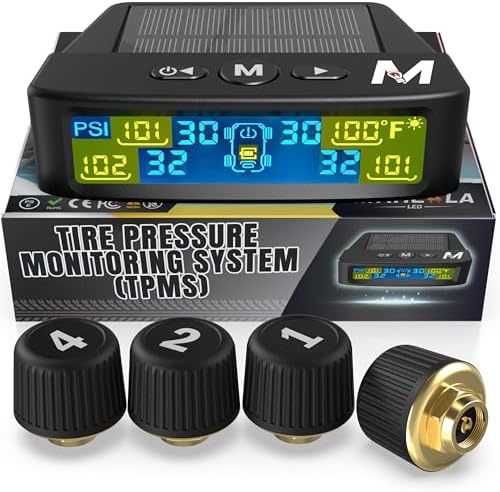
Marcala’s TPMS set of four sensors helps you monitor tire pressure and temperature in real time while driving, with updates every second. The bright color LCD uses auto-dimming for easy viewing, powered by dual solar and USB charging, and offers six alarm modes. Built for trailers, RVs, campers, trucks, and towing setups, the sensors support monitoring 1-4 wheels up to 98 PSI with IP67 waterproof protection.

Replace your worn or missing TPMS sensors with pre-programmed, direct-fit sensors for compatible Ford, Lincoln, and select Mazda models. Each sensor comes ready to activate with a scan tool, helping restore accurate tire pressure monitoring and trouble-free installation. Built with a long-life CR2032 battery and tested before factory release, this set provides dependable performance with a one-year warranty.
Frequently Asked Questions
How do I know what size chains I need for my Hyundai Sonata?
Read the tire size printed on your tire sidewall or driver-side door placard, then match that exact size in the chain maker’s fit chart. Do not buy chains based only on the Sonata year or trim name.
Are most tire chains universal?
No. Tire chains are not universal. They are sized for specific tire dimensions and clearance classes. A chain that fits one Sonata tire size may be unsafe on another Sonata with larger wheels or less clearance.
Should tire chains go on the front or rear wheels of a Hyundai Sonata?
For a front-wheel-drive Hyundai Sonata, chains generally go on both front tires. Always confirm with your exact owner’s manual because installation instructions can vary by model year and equipment.
What is the difference between 2-link and 4-link tire chains?
A 2-link chain has cross chains spaced closer together, so it usually gives smoother and more consistent traction. A 4-link chain has wider spacing and may ride rougher. For a Sonata, clearance and correct tire-size fit matter more than link spacing alone.
How fast can I drive with tire chains on a Sonata?
Use the lower of Hyundai’s limit or the chain maker’s limit. For later Sonata manual guidance, that means staying under 20 mph when chains are installed. Slow down more if the road is icy, rough, or crowded.
Can I use tire chains on the compact spare tire?
No. Do not use tire chains on the compact spare tire. The smaller spare tire does not fit chains properly and can create clearance and handling problems.
Conclusion
The best tire chains for a Hyundai Sonata are the ones that match your exact tire size, meet the clearance limits in your owner’s manual, and suit the conditions you actually drive in. For most Sonata owners, that means low-profile SAE Class S, wire, cable, or slim diamond-pattern chains installed on both front tires. Check fitment before winter travel, drive slowly, retighten after a short distance, and remove the chains as soon as the road is clear.
Sources
- Hyundai Owner’s Manual Portal — official owner’s manual lookup for exact model-year instructions.
- Caltrans Chain Controls — California chain-control levels and winter driving requirements.
- WSDOT Tires & Chains — Washington tire-chain and approved alternative traction-device guidance.
- König Easy-fit CU-9 — manufacturer information for a fast-fit passenger-car snow chain.
- Glacier 1046 Passenger Cable Chains — product reference for a passenger cable-chain option.
- Titan Chain — tire chain catalog and installation resources.