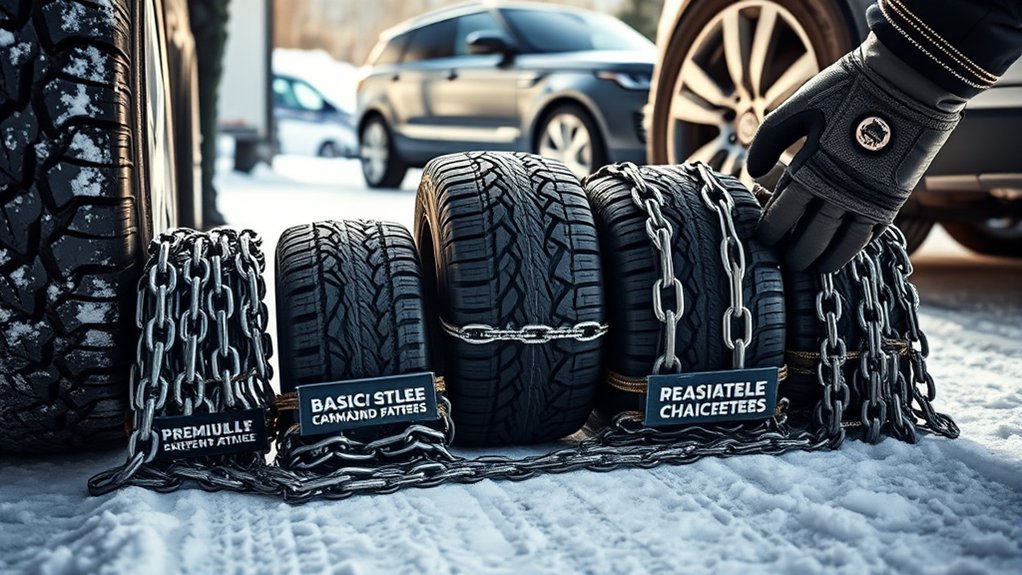
Tire chains can cost less than $50 for some passenger-car sets, while heavy-duty and oversized chains can run well over $200. For many cars, crossovers, and light trucks, a realistic shopping budget is about $45 to $200 per pair. Tire size, chain design, clearance requirements, materials, and automatic tensioning all affect the final price.
Quick Answer
Most tire-chain pairs for passenger cars and light trucks cost about $45 to $200, but heavy-duty, oversized, or specialty sets can reach $200 to $400 or more. Tire size, clearance, chain construction, and self-tightening hardware drive the price. Always confirm your exact tire size and vehicle-manufacturer rules before buying.
Key Takeaways
- Many passenger-car and light-truck tire chains cost roughly $45 to $200 per pair, but large or heavy-duty chains can cost considerably more.
- Your exact tire size and vehicle clearance matter more than buying the cheapest chain that looks close.
- Self-tightening systems, low-clearance designs, stronger links, and larger sizes can raise the price.
- A “pair” normally covers two tires, but the number and placement of traction devices depend on your vehicle manual and local chain rules.
- Budget for possible tensioners, shipping, taxes, roadside installation, and replacement parts in addition to the chain price.
How Much Do Tire Chains Cost?
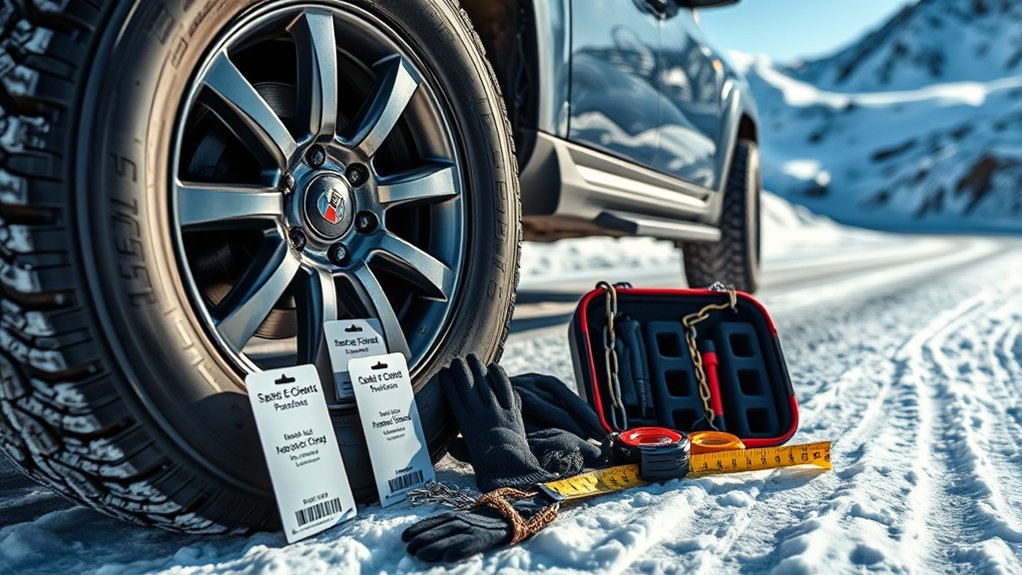
For many passenger cars and light trucks, tire chains cost about $45 to $200 per pair. Basic link or cable-style products tend to sit toward the lower or middle part of that range, while premium low-clearance, automatic-tensioning, oversized, and heavy-duty products can cost considerably more.
Current U.S. retail listings show why a single $50-to-$200 figure is too restrictive. In a price snapshot checked on September 3, 2026, Walmart listed a Peerless AutoTrac self-tightening passenger pair at about $46, while AutoZone carried several heavy-duty tire-chain models priced above $200 and some above $400.
| Chain Category | Approximate Shopping Range | Typical Buyer |
|---|---|---|
| Basic passenger link or cable chains | About $45–$120 per pair | Occasional winter driving |
| Low-clearance or convenience-focused designs | About $70–$200+ | Cars, crossovers, and vehicles with limited clearance |
| Truck and SUV chains | About $80–$250+, depending heavily on size | Larger tires and heavier vehicles |
| Heavy-duty or oversized chains | About $200–$400+ | Large trucks, commercial use, or demanding applications |
| ATV, UTV, tractor, or utility-equipment chains | About $40–$150+, depending on machine and tire size | Off-road and utility equipment |
Price snapshot, September 3, 2026: common passenger-chain listings can fall below $50 per pair, while some heavy-duty products exceed $400. Your tire size can change the price substantially, so treat any range as a shopping estimate rather than a fixed rate.
If you use chains frequently, paying more for durable links, easier tensioning, and a design approved for your vehicle can make sense. If you carry chains mainly for emergency compliance on occasional mountain trips, a simpler approved set may be enough.
You should also budget for maintenance. After use, remove snow, road salt, and moisture, then dry the chains before storage to reduce corrosion. Some packages include tensioners, a storage case, or repair links, while others require those items separately.
Warning: Never buy tire chains by price alone. Check your vehicle owner’s manual first. Some vehicles or wheel-and-tire combinations have too little clearance for conventional metal chains and may require a specific low-clearance chain, cable, or approved alternative traction device.
What Affects Tire Chain Prices?
Several factors shape what you pay for tire chains. The biggest are tire size, chain design, material, vehicle clearance, tensioning system, and intended duty level.
Larger tires require longer and often heavier chain assemblies, so pickup, SUV, commercial, and oversized off-road sizes can cost more than common passenger-car sizes. Less common fitments may also have fewer competing products.
Design matters as much as material. A basic manual-tension link chain is mechanically simple. A self-centering or self-tightening product uses additional hardware to make installation and adjustment easier, which can affect price.
Low-clearance designs can also cost more because they have to fit within a tighter space around the tire, suspension, brake components, and bodywork. Some passenger products are marketed to meet SAE Class S clearance requirements, but you should still follow your vehicle manufacturer’s instructions rather than assuming every Class S product is allowed.
Seasonal demand and retailer inventory can change prices too. Chains may cost more or become harder to find when a major storm is approaching, particularly in mountain communities where chain controls are active.
How Tire Size Changes the Price
Your tire size is one of the strongest cost drivers because a chain must fit a defined range of tire dimensions. Larger tires need more material, and unusual sizes may have fewer compatible choices.
- Common passenger sizes usually have more competing chain options.
- Wide or tall truck tires can require heavier and longer chains.
- Uncommon tire sizes may limit your choice of brands and designs.
- Low-profile or performance fitments may have strict clearance limits.
Read the tire size directly from the sidewall before you shop. A size such as 225/60R17 is not interchangeable with a chain listed only for a nearby-looking size unless the chain manufacturer specifically lists both.
A poor fit can let a chain move excessively, hit nearby vehicle components, or fail to tighten correctly. Buying the correct size the first time also reduces the chance of paying return shipping or scrambling for another set during a storm.
Tire Chain Prices by Type
Tire-chain prices vary by construction. Conventional link chains, compact cable systems, diamond-pattern chains, low-clearance products, and automatic-tension designs all solve slightly different problems.
The best type is not automatically the most expensive one. The right choice is the device your vehicle manufacturer permits, your tire size supports, and local chain rules recognize.
[Products Worth Considering]

Protect tire valves from water, dust, and sand to help prevent leaks and support safe driving. These universal stem caps install quickly by hand and feature durable aluminum alloy construction with an inner sealing ring for better air retention. Compatible with cars, SUVs, trucks, motorcycles, and bicycles for everyday convenience.

The 22800 wheel stud installer makes replacing wheel studs quick and secure, saving time and effort during tire service. It uses a ratchet or impact wrench to pull new studs firmly into place, helping when existing studs are too long. Compatible with most automotive wheels and light-duty truck wheel studs, it’s designed for easy, tool-assisted installation.

Milton S-921 pencil tire pressure gauge helps you maintain optimal tire pressure for passenger cars with accurate readings in PSI and kPa. It features a built-in deflator valve for convenient pressure adjustments, plus a single chuck head and nylon indicator bar for easy use on the go. Built from durable plated brass and designed for reliable performance, it’s a practical road trip and cold-weather maintenance tool.
Chain Material and Design Options
Traditional chains commonly use carbon, hardened, or alloy steel links. More sophisticated designs may use square-profile links, diamond patterns, compact alloy components, or coated touch points that make the chains easier to handle.
- Basic steel link chains: simple construction and strong snow traction.
- Hardened or alloy links: designed for improved wear resistance or lower weight.
- Diamond-pattern chains: provide more continuous tread coverage than simple ladder patterns on many designs.
- Cable-style traction devices: use smaller cross members and are commonly chosen where operating clearance is limited.
- Automatic or self-tightening systems: add hardware that can reduce manual adjustment during installation.
Material alone does not determine value. A cheaper chain that fits correctly is safer and more useful than an expensive model your vehicle manufacturer does not allow.
Vehicle-Specific Chain Costs
Vehicle design can affect price because wheel-well clearance varies widely between passenger cars, crossovers, EVs, SUVs, pickups, and commercial vehicles.
A vehicle with generous clearance may accept conventional link chains. A car with large wheels, low-profile tires, or tight suspension clearance may require a compact device that costs more.
Some vehicle manuals prohibit conventional chains on specific factory tire sizes. In that situation, do not force a chain onto the tire simply because the package lists the correct tire dimensions. The vehicle manufacturer’s restrictions come first.
Cable Chains and Alternative Traction Devices
Cable chains and other approved traction devices can be useful when conventional chains do not fit. Washington State Patrol, for example, recognizes certain manufacturer-certified alternative traction devices when they meet state requirements.
However, approval varies by jurisdiction. A fabric traction device, cable, or other alternative that is accepted on one road may not satisfy every chain-control rule elsewhere. Check both the product instructions and the state or road authority before relying on it.
Tire Chain Prices by Vehicle
Your vehicle type has a major effect on tire-chain price because tire dimensions, required strength, clearance, and duty cycle change from a compact car to a loaded pickup or commercial truck.
Passenger Car Chains
Passenger-car chains are often among the least expensive road-vehicle options. Current listings show basic or self-tightening passenger pairs beginning around the mid-$40 range, while many conventional and low-clearance products sit roughly between $80 and $150.
Premium fitments can cost more, especially when a vehicle needs a compact operating profile or specialized tensioning system.
Before buying, check:
- Your complete tire size.
- Your owner’s manual.
- Which axle should receive the chains.
- Clearance around suspension, brakes, wheel wells, and bodywork.
- The chain manufacturer’s vehicle and tire-size fitment chart.
Truck And SUV Chains
Truck and SUV chains can cost more because the tires are commonly larger and the chains may use heavier links or reinforced components. Many sets fall around $80 to $250, but that range should not be treated as a ceiling. Heavy-duty and oversized models can climb above $300 or $400.
Look beyond vehicle type when comparing products. A compact crossover and a full-size three-quarter-ton pickup may both be called SUVs or trucks in retailer filters, yet their tire dimensions and chain requirements can be completely different.
If you drive steep winter roads regularly, durability and installation speed may justify spending more. If you need chains only to satisfy a carry requirement, a simpler approved product may provide better value.
Specialty Vehicle Chains
Chains are also sold for ATVs, UTVs, tractors, snow blowers, utility equipment, buses, RVs, and commercial vehicles. Prices vary widely because these machines use very different tires and loads.
- ATV and UTV chains: often roughly $50 to $150+ depending on tire size and tread coverage.
- Tractor and snow-blower chains: commonly around $40 to $150+, although large equipment costs more.
- RV and bus applications: pricing depends heavily on tire size and required chain count.
- Commercial and heavy-duty chains: can exceed $200 to $400 for larger or more demanding fitments.
Note: A snowmobile is not a normal tire-chain application because a conventional snowmobile uses skis and a driven track rather than road tires. If you are shopping for a snow blower, ATV, UTV, tractor, or other tire-equipped machine, use that machine’s exact tire dimensions.
Do You Need One Pair or Two?
This question can change your total cost substantially. A tire-chain package labeled as a pair usually contains traction devices for two tires, not four.
Many passenger vehicles use chains on the primary drive axle. For example, Oregon DOT instructs light-duty front-wheel-drive vehicles to place chains on the front drive axle and rear-wheel-drive vehicles to place them on the rear drive axle.
AWD and 4WD vehicles require extra care. Do not assume that all four wheels automatically need chains, and do not assume AWD exempts you from chain rules. California requires AWD and 4WD vehicles to carry traction devices in chain-control areas, and severe chain controls can require installation.
Your vehicle manual should tell you the approved axle and whether using traction devices on more than two tires is permitted or recommended. Local road rules may impose additional requirements, especially when towing.
What You Get at Each Price Level
At lower prices, you generally get simpler chain construction, manual fastening, and fewer convenience features. These products can still work well when properly sized and approved for the vehicle.
Midrange products may add stronger or more compact links, improved tensioning hardware, easier fastening systems, corrosion-resistant components, or carrying cases.
Premium products often focus on quick installation, automatic or semi-automatic tensioning, low operating clearance, smoother engagement, or heavy-duty construction.
Price does not guarantee compatibility. An expensive self-tightening chain can still be wrong for your wheel-and-tire package, while an inexpensive conventional chain may be perfectly suitable for another vehicle.
Extra Tire-Chain Costs to Budget For
The chain itself may not be your only expense. Before comparing sellers, consider the complete cost:
- Tensioners: Some chains include them, while others require separate tensioning hardware.
- Shipping: Heavy steel chains can be expensive to ship, particularly with expedited delivery before a storm.
- Sales tax: This changes the final checkout price.
- Roadside installation: If you cannot install chains yourself, professional chain installers may charge separately. Rates vary by location and conditions.
- Replacement parts: Worn cross links, tensioners, or damaged fasteners may need replacement.
- A second pair: Some vehicles, towing combinations, or road rules can require more than the two devices included in one pair.
In California chain-control areas, roadside chain installers are independent operators rather than Caltrans employees. Caltrans recommends getting a receipt and noting the installer’s badge number.
Where to Buy Tire Chains for Less
You can find tire chains through online retailers, auto-parts stores, tire shops, farm-and-ranch stores, outdoor retailers, and some warehouse clubs. Comparing several sellers is worthwhile because the same fitment can vary considerably in price.
Compare the total delivered price, not just the sticker price. Shipping, return costs, missing tensioners, and buying the wrong size can erase a small upfront saving.
- Confirm your tire size and vehicle compatibility first.
- Compare the same manufacturer part number when checking multiple sellers.
- Check whether the package contains one chain, a pair, or another quantity.
- Review shipping and delivery dates before a winter trip.
- Read the return policy in case your unopened set does not fit.
Shopping before a storm also gives you more time to compare products and practice installation rather than buying whatever happens to be available near a chain-control area.
[Products Worth Considering]

Add style while helping protect your tire valve stems with handmade crystal rhinestone caps and a durable plastic insert. These caps resist corrosion and help keep out rain, snow, and muddy water, extending tire life. Textured non-slip design makes them easy to grip for quick install and removal when checking tire pressure.

Steelman white tire marking crayons provide high-contrast, semi-permanent marks for repairing and inspecting tires and equipment. They write on wet or dry, smooth or coarse surfaces including rubber, metal, glass, and wood, making them ideal for puncture location and damage outlining. The lead- and zinc-free crayons resist weather and fading yet wipe away when you no longer need the marks.

AZUNO’s digital tire inflator delivers stable, accurate pressure readings with a bright LCD and a 0.1 resolution display for confident inflation. It supports one-handed operation for inflating and quick deflating, and it’s built with rugged steel and brass components for reliable shop or garage use. With multi-unit pressure display and compatibility across cars, SUVs, motorcycles, and trucks, it’s a convenient accessory for everyday tire maintenance.
How to Choose Chains on a Budget
When budget matters, start with compatibility rather than features. Check your owner’s manual, exact tire size, wheel-well clearance, and the chain manufacturer’s fitment information.
If your vehicle permits conventional link chains and you only need them occasionally, a simple manual-tension set may save money. If you expect to install chains frequently in difficult weather, paying more for a quicker installation or self-tightening system can be worthwhile.
Do not assume that the cheapest unknown product is the best value. Poor fasteners, incorrect fit, or weak components can create a much larger problem if the chain breaks and contacts the vehicle.
Pro Tip: Practice installing your chains at home in dry weather. Oregon DOT specifically recommends practicing before you need them and retightening the chains after driving a short distance. That preparation can save time when you are dealing with snow, darkness, and roadside traffic.
After installation, drive slowly, accelerate and brake gently, and stop immediately if a chain becomes loose or breaks. Oregon DOT advises drivers not to exceed 30 mph with chains, while some chain-control areas have lower limits, including 25 mph.
Remove chains when they are no longer required and when the road or chain manufacturer tells you to do so. Conventional chains are designed for snow and ice conditions, not routine dry-pavement driving.
[Products Worth Considering]
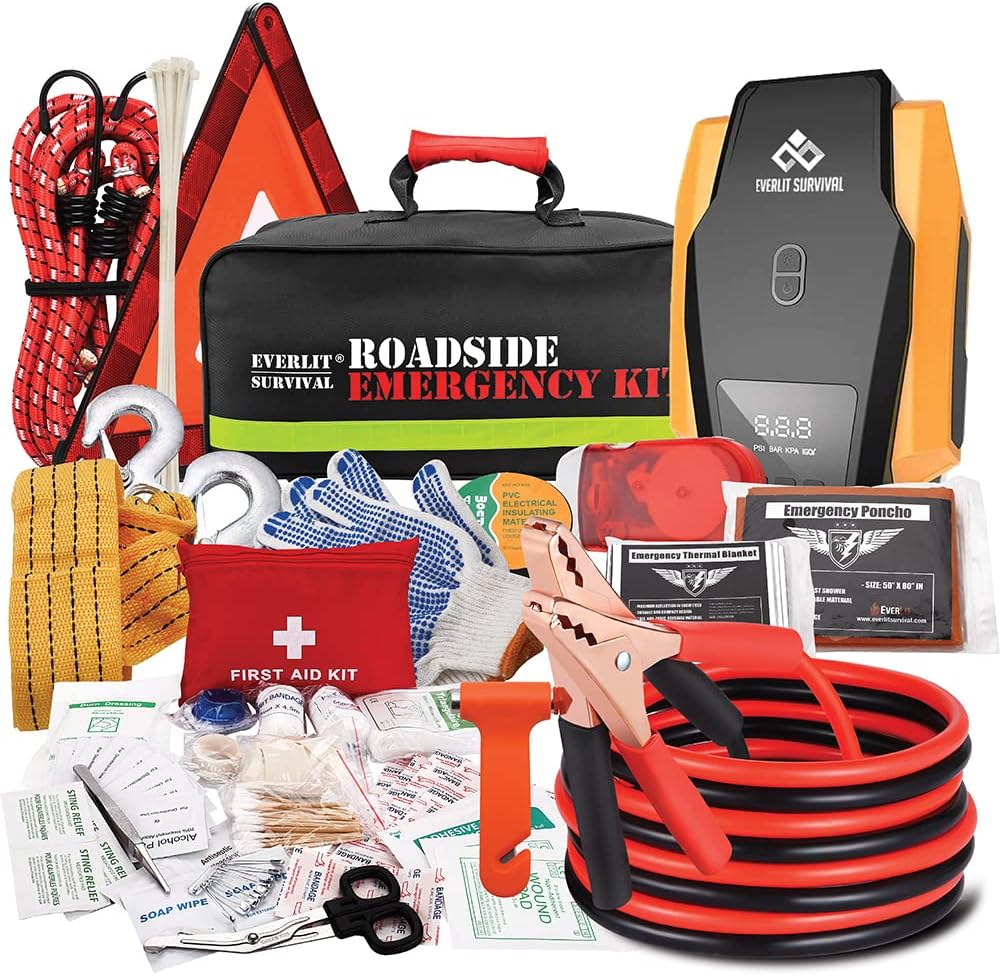
The Everlit Road Guardian emergency kit is designed for roadside breakdowns, combining essential safety gear and roadside tools in one compact bag. It includes a digital 12V auto tire inflator with preset and auto shutoff, plus 12-foot 8-gauge jumper cables to get you moving again. You also get a full 108-piece first aid kit, reflective warning tools, safety gloves, and emergency convenience items for safer travel.

AUTOWN’s 68-piece tire repair kit helps you fix punctures and plug flats quickly and effectively. It includes a T-handle and spiral probe tool for easy insertion, while the steel patch and plug materials are designed for strong adhesion and long-lasting airtight performance. The compact case makes it convenient for roadside repairs across a wide range of vehicles.
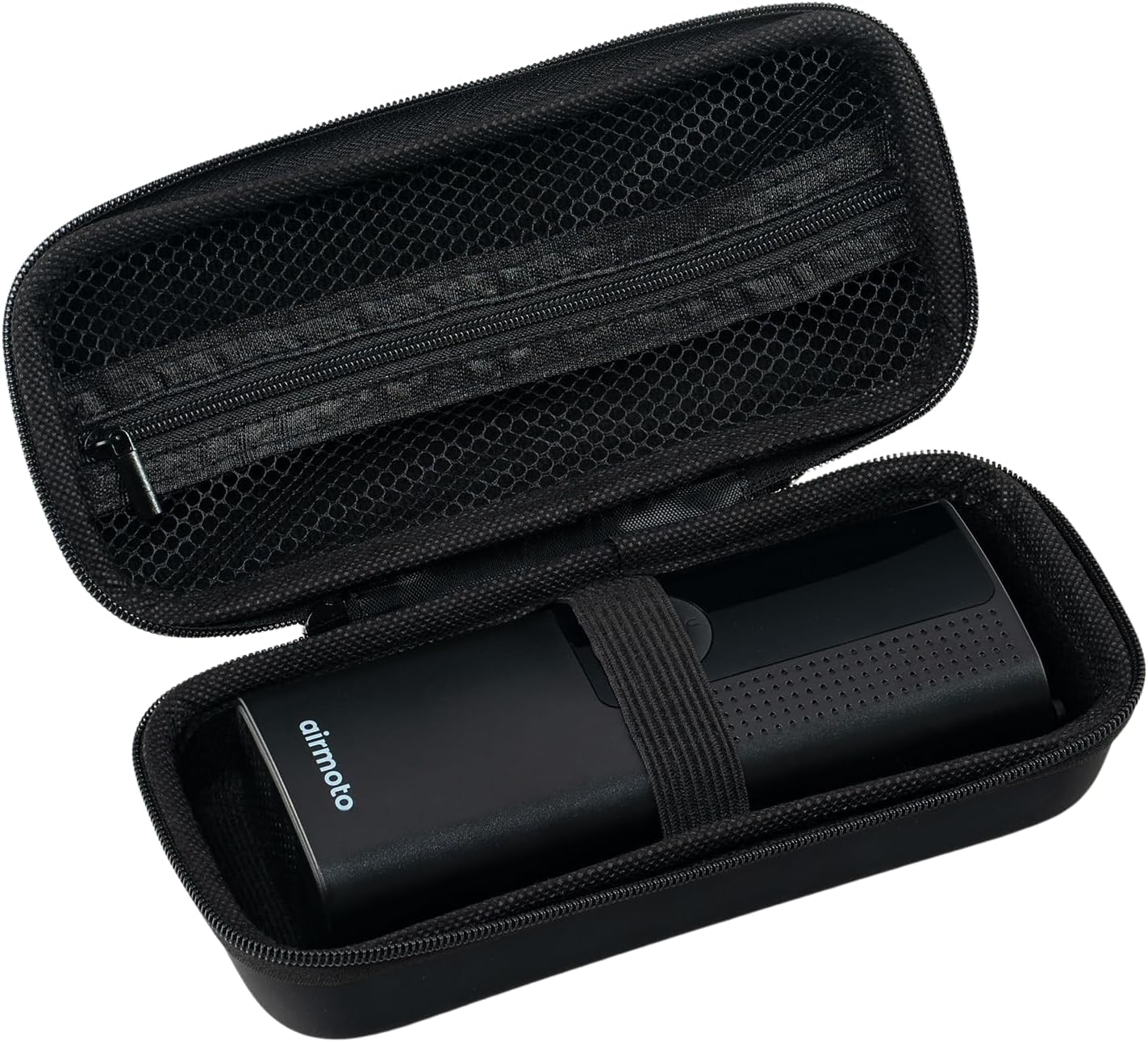
Protect and organize your Airmoto tire inflator with a purpose-designed carrying case made for a precise fit. The durable polyurethane shell and soft interior help guard against cuts, tears, and road wear, while a mesh pocket stores connectors and accessories. This travel box measures 7.5*3.5*2.8 inches and can work with most handheld portable air compressor models; this listing includes the case only.
Frequently Asked Questions
How long do tire chains usually last?
There is no reliable universal mileage lifespan for tire chains. A set used only a few times each winter and cleaned, dried, and stored properly may last several seasons. Frequent use, bare pavement, high speed, incorrect tension, corrosion, and wheel spin can shorten its life. Inspect links, cables, hooks, and tensioning parts before and after every use.
Do tire chains damage roads or driveways?
They can. Metal chains can wear or mark bare pavement, and unnecessary dry-road driving can also stress the chain and vehicle. Use chains only when conditions or road rules call for them, follow the manufacturer’s instructions, and remove them when they are no longer needed.
Are tire chains legal in all states?
Rules vary by state, road, weather condition, vehicle type, and traction-device design. Some routes require chains during severe conditions, while other jurisdictions limit their use to snow or ice. Always follow posted chain-control signs and check the state transportation agency for the route you plan to drive.
Can I install tire chains by myself?
Yes, many passenger chains are designed for owner installation. Practice at home first, use a safe level area, follow the chain manufacturer’s directions, and confirm the correct axle in your vehicle manual. After driving a short distance, stop somewhere safe and check the fit again.
How fast can I drive with tire chains?
Follow the chain manufacturer’s maximum speed and any posted road limit. Thirty mph is a common maximum in official winter-driving guidance, but some chain-control areas use 25 mph or lower limits. Slow down further when visibility, ice, traffic, or road conditions require it.
Do I need two tire chains or four?
Many passenger vehicles use one pair on the primary drive axle, but there is no single rule for every vehicle. Check the owner’s manual for the approved axle and chain configuration, then follow local chain-control requirements. Towing and some severe-weather rules can require additional traction devices.
Do AWD and 4WD vehicles need tire chains?
Sometimes. AWD or 4WD does not automatically exempt a vehicle from chain requirements. California, for example, requires AWD and 4WD vehicles to carry traction devices in chain-control areas, and severe controls can require chains on all vehicles. Follow your vehicle manual and the rules posted for the road you are using.
Can I drive with tire chains on dry pavement?
Avoid unnecessary dry-pavement driving with conventional chains. It can accelerate chain wear, damage pavement, and place extra stress on tires and vehicle components. Remove the chains in a safe location once chain controls end or when the product instructions say they are no longer appropriate.
Conclusion
For many passenger cars and light trucks, budgeting about $45 to $200 per pair gives you a useful starting point, but heavy-duty and oversized chains can cost $200 to $400 or more. The exact tire size, chain design, clearance requirements, and vehicle type matter more than the headline price.
Check your owner’s manual before shopping, confirm exactly how many traction devices you need, and compare the complete delivered cost rather than the sticker price alone. A correctly sized, approved chain that you know how to install is a better buy than a cheaper set that does not safely fit your vehicle.
Sources
- Oregon Department of Transportation — Tire Chains — chain selection, installation practice, retightening, and driving-speed guidance.
- Caltrans — Chain Controls and Chain Installation — California chain-control levels, installation guidance, and chain-control speeds.
- Caltrans — Chain Requirements — drive-axle placement, AWD/4WD requirements, towing rules, and traction-device definitions.
- National Park Service — Yosemite Tire Chain Requirements — chain-control requirements, AWD guidance, cables, and 25-mph chain-control speed.
- Washington State Patrol — Rules of the Road — limited-clearance vehicles and approved alternative traction devices.
- AutoZone — Tire Snow Chain Listings — current U.S. retail-price examples used to establish the September 2026 price snapshot.