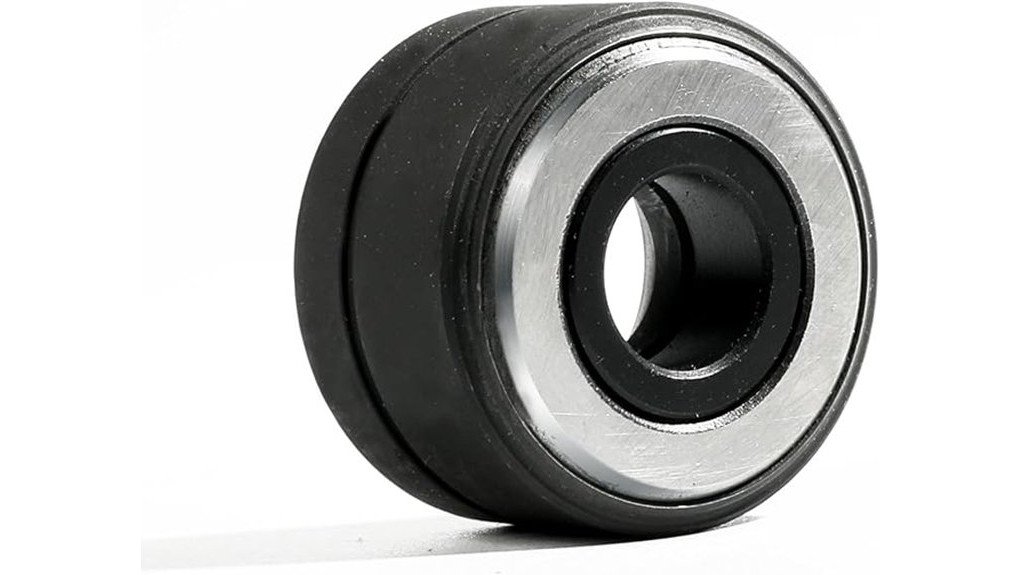
Replacing a wheel stud can turn frustrating fast if the stud will not seat straight or you are trying to pull it in with loose washers and guesswork. The AOCISKA 22800 Wheel Stud Installer is made to help you pull a new wheel stud into place with a lug nut, ratchet, or impact wrench. It is a simple automotive tool, but it can make the job more controlled when the stud, hub, and lug nut are compatible. This review explains where it fits well, what to check before buying, and when you may still need a different installation method.
Quick Verdict
Rating: 8/10
Best For: DIY mechanics and small-shop users replacing compatible automotive, SUV, RV, or light-duty truck wheel studs.
Bottom Line: The AOCISKA 22800 is a useful low-cost tool for pulling wheel studs into place with more control than hammer-only methods. The main tradeoff is that fitment depends on your stud, hub, and lug nut setup, so you must verify compatibility before using it.
| Specification | Detail |
|---|---|
| Brand | AOCISKA |
| Model | 22800 Wheel Stud Installer |
| Product type | Wheel stud installer tool |
| Primary use | Pulling new wheel studs into place |
| Tool method | Uses a lug nut with a ratchet or impact wrench |
| Material | Carbon steel |
| Surface finish | Oxidized, rust-resistant surface |
| Compatibility | Most automotive wheels and light-duty truck wheel studs, with fitment verification required |
| Vehicle types | Cars, SUVs, RVs, and light-duty trucks when the stud and hub setup is compatible |
| Safety note | Verify year, make, model, stud size, thread pitch, and hub access before use |
What Is the AOCISKA 22800 Wheel Stud Installer?
The AOCISKA 22800 Wheel Stud Installer is a tire stud tool used during wheel stud replacement. Instead of relying only on hammering, it lets you place the tool over the stud shaft and tighten a lug nut to pull the stud into the hub.
The design is useful when you want a steadier installation method for compatible automotive and light-duty truck wheel studs. You still need access to the back of the hub, the correct replacement stud, and the correct lug nut for your vehicle.
The tool is made from carbon steel with an oxidized, rust-resistant surface. That matters because wheel stud work puts pressure on the tool body, especially when the new stud starts to seat into the hub.
Before You Buy: The original draft called this a Lisle tool, but the linked Amazon product is branded AOCISKA. Also, this tool is not universal for every stud and hub combination, so confirm your vehicle, stud thread pitch, stud diameter, and lug nut fit before ordering.
Who Should Buy It?
Best For
- DIY mechanics replacing wheel studs on compatible cars, SUVs, RVs, or light-duty trucks
- Small garage users who want a more controlled option than hammer-only installation
- Buyers who already have the correct replacement studs, lug nuts, and basic hand tools
Skip If
- You cannot confirm the replacement stud size, thread pitch, or vehicle fitment
- Your hub design does not give enough clearance to start and seat the stud correctly
- You need a professional press method required by your vehicle service procedure
Fit and Compatibility
The AOCISKA 22800 is listed for most automotive wheels and light-duty truck wheel studs, including many car, SUV, RV, and light-truck applications. That broad fit language is helpful, but it does not replace a real fitment check.
Before you use it, compare the replacement stud to the original stud. Check thread pitch, diameter, knurl size, length, shoulder design, and hub access. A stud can appear close and still be wrong for the hub, which can lead to poor seating or thread damage.
This tool also depends on the lug nut you use during installation. The lug nut must thread on smoothly and apply force squarely against the tool body. If the nut binds, cross-threads, or does not sit flat, stop before you damage the new stud.
[Products Worth Considering]

The Dr.Roc spare tire tool kit helps you release, lower, or raise your spare tire with reliable extension tools and a lug nut wrench. It is made from rustproof automotive-grade steel and includes an organized carry case for convenient storage. Designed for compatibility with select GM models from the late 1990s through 2019, it uses upgraded extension components to install and remove spare tires with less hassle.

The 22800 wheel stud installer makes replacing wheel studs quick and secure, saving time and effort during tire service. It uses a ratchet or impact wrench to pull new studs firmly into place, helping when existing studs are too long. Compatible with most automotive wheels and light-duty truck wheel studs, it’s designed for easy, tool-assisted installation.

These M14x1.5 closed-end chrome lug nuts are a one-piece replacement designed for secure fitment on compatible GM, Ford, and select Chrysler/Dodge models. Featuring a 60-degree conical seat and anti-rust chrome plating, they help resist corrosion and maintain a bright look for everyday driving. Built for long-term durability, they include OEM-style part references and are backed by 12 months of support.
Materials and Build Quality
The carbon steel body gives the tool the strength needed for normal wheel stud pulling jobs. The oxidized surface helps with rust resistance, which is useful if the tool sits in a garage, service cart, or trunk tool kit between uses.
This is still a simple mechanical tool, not a full shop press. It works by transferring tightening force through the lug nut and tool body. That means your results depend on correct alignment, a clean stud, a compatible hub, and steady tightening.
Like many wheel stud installer tools, the bearing or contact area can become a wear point over time. If the tool starts to feel rough, binds during use, or shows visible damage, inspect it before using it again.
Installation and Ease of Use
The basic process is simple. You insert the new stud from the back side of the hub, place the tool over the stud shaft, thread on a lug nut by hand, then tighten the lug nut with a ratchet or impact wrench until the stud seats.
The main benefit is control. Hammering can shock the hub and damage threads if the stud is not aligned. A pull-style tool gives you a steadier way to draw the stud into place, especially when you tighten slowly and check the seat as you go.
An impact wrench can make the job faster, but speed is not always better. If you are not experienced with impact tools, a ratchet gives you more feedback and makes it easier to notice sudden resistance.
Compatibility and Safety
Wheel studs help secure the wheel to the vehicle, so correct installation matters. A stud that is not seated fully or is pulled in crooked can affect wheel mounting and may create a safety risk.
Do not force the tool if resistance rises suddenly. Stop and check whether the stud is lined up straight, whether the serrated knurl is entering the hub correctly, and whether the lug nut is still threading smoothly.
For vehicles with special hub designs, heavy corrosion, damaged threads, or manufacturer-specific service steps, a professional inspection is the safer choice. Follow the vehicle service manual and torque the wheel lug nuts to the correct vehicle specification after the repair.
How It Performs in Real Use
For Routine Stud Replacement
For a basic broken or stripped stud replacement, the tool can make the job cleaner than stacking washers and pulling the stud with a lug nut alone. The tool body gives the lug nut a more stable surface to work against.
For DIY Garage Work
In a home garage, the AOCISKA 22800 is useful because it does not require a large press for many compatible jobs. You still need jack stands, wheel removal tools, the correct replacement stud, and enough hub access to start the stud properly.
For SUVs and Light-Duty Trucks
The tool is listed for light-duty truck wheel studs, which makes it worth considering for many larger vehicles. The key limitation is force. Larger or tighter studs may need extra care, and some applications may still call for a press or professional service.
For Long-Term Shop Use
For repeated use, the low cost is appealing, but you should treat the contact surface and bearing area as wear points. Clean the tool after use, keep it dry, and replace it if it binds or shows damage.
How to Use It Correctly
Start by confirming that the replacement wheel stud is correct for your vehicle. Clean the hub hole, remove loose rust or debris, and make sure the new stud can start straight from the back side of the hub.
- Insert the new wheel stud from the back of the hub.
- Slide the AOCISKA 22800 tool over the stud shaft.
- Thread the correct lug nut on by hand to avoid cross-threading.
- Tighten slowly with a ratchet or controlled impact use.
- Stop once the stud head is fully seated against the hub.
- Remove the lug nut and tool, then inspect the stud seating before reinstalling the wheel.
Pro Tip: Use a lug nut that threads fully and smoothly onto the new stud. Thread it by hand first, then tighten in short steps so you can stop if the stud starts to pull in crooked.
What Buyers Are Saying
Common Feedback Themes
Based on available customer feedback at review time, buyers often focus on speed, ease of use, and fitment.
- Praise: Many users say this style of installer makes wheel stud replacement faster than improvised washer methods.
- Praise: Buyers often like that it can work with common ratchets or impact wrenches.
- Watch-out: Fitment is not guaranteed for every vehicle, stud length, or hub setup.
- Watch-out: The tool can wear if it is forced, misaligned, or used on studs that require a different installation method.
Pros and Cons
Pros
- Carbon steel construction is suitable for typical wheel stud pulling jobs
- Works with a ratchet or impact wrench when the stud and lug nut are compatible
- More controlled than hammer-only installation for many press-in stud replacements
- Useful for cars, SUVs, RVs, and light-duty trucks when fitment checks out
- Compact enough to keep in a garage tool drawer or service kit
Cons
- Not guaranteed to fit every wheel stud, lug nut, or hub design
- Requires correct alignment and careful tightening to avoid damage
- May not replace a press or professional service on tougher applications
Is It Worth the Price?
The AOCISKA 22800 is best viewed as a budget-friendly specialty tool. It makes sense if you replace wheel studs occasionally and want a cleaner pulling method than a stack of washers and a lug nut.
You get the most value if you already do your own brake, hub, or wheel-end work and can verify fitment before starting. For one simple repair, it may still be worth considering because it can reduce frustration and help protect the new stud threads when used correctly.
It is not the best fit if your vehicle requires a press procedure, if the hub is badly corroded, or if you cannot confirm that the tool will work with your stud length and lug nut setup.
[Products Worth Considering]

This 1/2-inch drive breaker bar delivers powerful leverage for loosening and tightening stubborn lug nuts and automotive fasteners. The 180-degree flex head helps you reach tight spaces at the angle you need, making tire and brake jobs easier. A spring-loaded ball detent design holds 1/2-inch sockets securely while the chrome-moly head provides durable strength for everyday use.

Upgrade your wheels with MIKKUPPA closed-end lug nuts designed for reliable fit and corrosion resistance. The one-piece, cold-forged and heat-treated steel construction helps resist rust and stripping, while the integrated finish delivers a durable black appearance. Built to OEM standards with a conical 60-degree seat, these nuts provide a secure solution for compatible Ford, Honda, Jeep, and Chevrolet models.

The Trivd Frol 1/2" air impact wrench delivers high performance torque up to 1500 ft-lbs with a twin hammer impact mechanism for strong, balanced blows. It features an ergonomic grip, compact lightweight design, and quick-stop control with 3 forward speeds up to 8000 RPM plus a reverse speed. Built for demanding automotive repair and tire shop work, the rear exhaust helps keep debris away from the surface.
How It Compares to Alternatives
Compared with the washer-and-lug-nut method, the AOCISKA 22800 gives you a more purpose-built surface for pulling the stud into the hub. That can help reduce slipping and uneven pressure during installation.
Other options include universal wheel stud installer tools from brands such as OTC, OEMTOOLS, Femory, and other 22800-style tools. The AOCISKA model makes the most sense if you want a basic, affordable pull-style installer and you are comfortable verifying compatibility yourself.
[Products Worth Considering]

This spare tire tool kit is designed for the 2004 to 2018 Ford F-150 to help you loosen and tighten wheel lug nuts and manage the spare tire and provided jack functions from underneath the vehicle. It includes the lug nut wrench and extension pieces plus a convenient storage carrying case for organized transport. The jack itself is not included.

The SEESII cordless impact wrench delivers high tightening and loosening power for fast wheel bolt and industrial bolt work. Its brushless motor and variable-speed 3 forward/2 reverse modes help you control precision installs and stubborn nut removal. A dual-battery system with rapid charging and an included storage case make it ready for home, car, and jobsite use.

Upgrade your wheels with MIKKUPPA M12x1.5 mag seat lug nuts built for secure, corrosion-resistant performance. These closed-end chrome lug nuts are a direct replacement for select Toyota models, including Camry, Corolla, RAV4, Sienna, Avalon, Highlander, Matrix, Venza, and Prius. Triple-chromium plating and cold-forged, heat-treated steel help deliver strength for daily driving and replacement needs.
Frequently Asked Questions
Does the AOCISKA 22800 fit every vehicle?
No. It is listed for most automotive wheels and light-duty truck wheel studs, but you still need to verify your vehicle, stud size, thread pitch, and hub clearance before use.
Can you use it with an impact wrench?
Yes, the product listing supports use with a ratchet or impact wrench. A ratchet gives you more control, while an impact wrench should be used carefully to avoid over-pulling or damaging threads.
Is this better than hammering in a wheel stud?
For many compatible jobs, a pull-style installer gives you more control than hammering alone. Hammering can shock the hub and damage threads if the stud is not aligned correctly.
What lug nut should you use with it?
Use a lug nut that matches the new wheel stud thread pitch and threads on smoothly by hand. Do not use a damaged lug nut or one that binds before it contacts the tool.
Can it install damaged or corroded studs?
No. Damaged, stripped, or badly corroded studs should be replaced, and the hub area should be inspected before installing a new stud. For severe corrosion or hub damage, get professional help.
How do you know when the stud is fully seated?
The head of the stud should sit flush against the back side of the hub. Stop tightening once it is seated, then inspect the stud before reinstalling the wheel.
Who should skip this tool?
Skip it if your vehicle requires a press, if you cannot confirm fitment, or if the hub design does not allow the stud to start straight. In those cases, a mechanic or vehicle-specific tool may be safer.
The Bottom Line
The AOCISKA 22800 Wheel Stud Installer is a practical 8/10 tool for buyers who need a simple way to pull compatible wheel studs into place. Its main strength is controlled installation with a lug nut and ratchet or impact wrench, while its main limitation is fitment. Buy it if your stud and hub setup checks out, but skip it if your vehicle requires a press procedure or professional service.