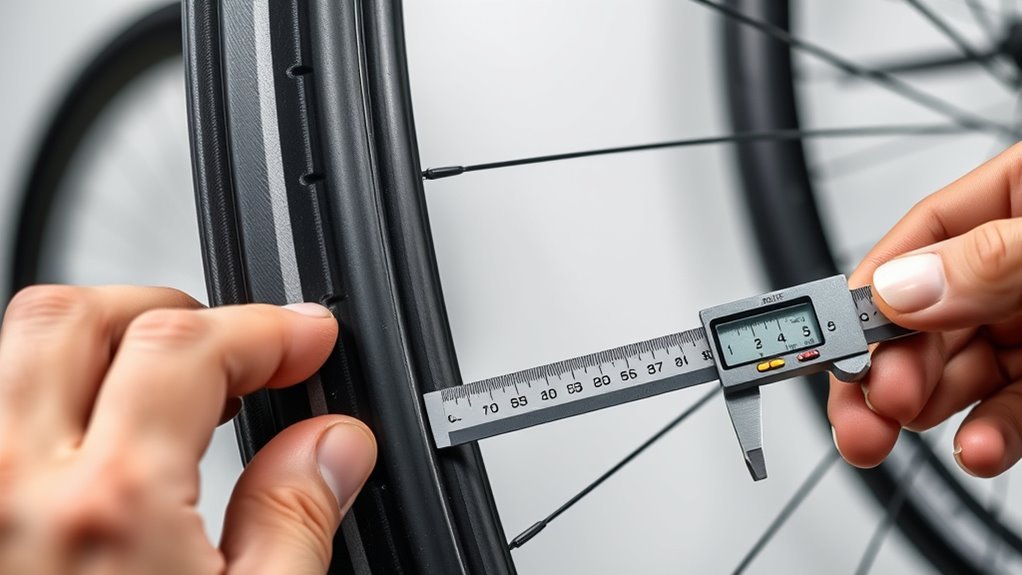
A tire can show a familiar label like 700C or 27.5, yet still fail to fit your rim. The ISO tire size removes that guesswork by listing tire width and bead seat diameter in millimetres. In this guide, you’ll learn how to read an ISO code, match a tire to a rim, and check the other fit points that keep a wheel safe.
Quick Answer
ISO tire sizing uses two numbers, such as 37-622. The first number shows tire width in millimetres, and the second shows the rim bead seat diameter (BSD). Match the BSD exactly, then check the rim maker’s approved tire width range, frame clearance, brake type, and hub spacing.
Key Takeaways
- Use the ISO code as your main tire and rim sizing reference.
- Match the bead seat diameter exactly before you check tire width.
- Confirm that your rim’s internal width supports your chosen tire size.
- Check frame, brake, fork, and fender clearance before you ride.
- Verify hub spacing and axle type when you choose a replacement wheel.
What ISO Tire Sizing Is (And Why It Matters)
Old tire labels can cause confusion because inch and French names often describe different rim sizes. The International Organization for Standardization (ISO) system gives you a clearer code for tire width and bead seat diameter (BSD).
The ISO format lists two numbers, such as 37-622. A tire with that marking measures about 37 mm wide and fits a rim with a 622 mm BSD.
You should treat BSD as the key fit number. The tire bead must seat on the matching rim diameter, or the tire can mount poorly and create a safety risk.
How to Read an ISO Code: BSD and Width (Example: 37-622)
Read an ISO tire code from left to right. The first number gives the tire width in millimetres, and the second number gives the BSD in millimetres.
For example, 37-622 means the tire measures about 37 mm wide and fits a rim with a 622 mm bead seat diameter. A 622 mm BSD also appears on many wheels labeled 700C.
Do not rely on the printed inch or French size alone. Those labels can vary by tire style, while the ISO code gives you the exact rim diameter to match.
Note: Tire width can measure slightly wider or narrower after inflation because rim width and tire design affect the final shape.
Using ISO to Match Tires and Rims Safely
Start every tire match by comparing the BSD on the tire with the BSD on the rim. These numbers must match exactly for the bead to sit in the correct place.
Next, compare the tire width with the rim maker’s approved tire range. A tire that looks close can still handle poorly if the rim sits outside the recommended width range.
Use the ISO stamp on your current tire, the rim label, or the wheel maker’s specifications. When those markings conflict, follow the wheel or rim maker’s fit chart.
[Products Worth Considering]

This wheel brush kit delivers pro-level cleaning at home, lifting dirt, grime, and brake dust to help restore wheel appearance. It includes multiple brush styles and applicator pads for tackling different wheel surfaces, with gentle, metal-free bristles designed to reduce scratching risk. The flat and double-ended brushes are built for comfort and reach, making wheel care easier for cars, trucks, and RVs.

This 3-piece wheel and tire brush set makes it easy to clean light, medium, and heavy dirt from wheels, rims, tires, and exterior surfaces. It includes both soft and stiff bristle options for gentle scrubbing and tough grime removal, helping lift brake dust and road buildup. The long-handle design supports comfortable cleaning across cars, trucks, SUVs, RVs, motorcycles, and more, with simple care instructions to restore brush shape.

Clean wheels and rims with soft feathered bristles that safely remove dirt and road grime while helping restore original luster. The short non-slip handle makes it easy to scrub in tight wheel wells, and the brush is suitable for vehicles and hard-to-reach areas. It can also be soaked and rubbed to help restore bristles to their shape after use.
Don’t Forget: Brakes, Hub Spacing, and Frame Clearance
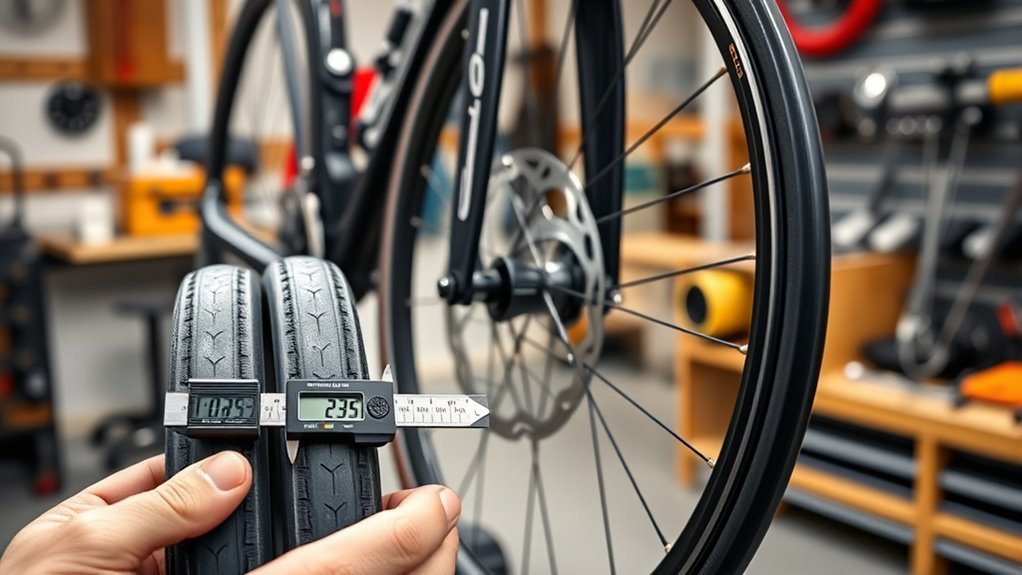
Matching ISO codes only confirms the tire can fit the rim. Your bike still needs the right brake setup, hub spacing, axle type, and frame clearance.
Check these points before you buy or install a wheel:
- Brake type: Match rim-brake wheels to a braking surface, or match disc wheels to the correct rotor mount and rotor clearance.
- Hub dimensions: Match the over-locknut dimension (OLD) and axle standard to your frame or fork dropouts.
- Frame clearance: Leave about 4-6 mm of space between the inflated tire and the frame, fork, brake bridge, or fenders.
- Tire compatibility: Match the internal rim width to the tire width range listed by the rim or wheel maker.
Warning: Do not ride a tire that does not seat evenly on the rim or rubs the frame, fork, brake, or fender.
[Products Worth Considering]

This 15-inch tire spoons kit makes tire removal and installation easier with added leverage, reducing time and effort for everyday repairs. It includes tire spoons, rim protectors, a valve tool, and valve cores/caps, helping protect rims and streamline deflation and re-sealing. Built with durable hardened steel and a non-slip ergonomic grip for confident use on motorcycles, dirt bikes, ATVs, and lawn equipment.

Switch to tubeless with this Muc-Off rim tape designed to create an airtight seal for smooth-running setups. The pressure-sensitive adhesive offers the right stretch for strength and durability, while the semi-transparent material helps you locate the valve hole quickly. It includes four seal patches for a secure finishing seal after wrapping.

Vigorder rubber cement glue delivers superior adhesion and cures quickly within about 30 seconds for seamless rubber bonding. Once cured, it helps provide a strong, durable, waterproof seal that holds up to vehicle weight, pressure, and heat. Suitable for cars, motorcycles, trucks, bicycles, and off-road tires, it’s designed for emergency patch and maintenance repairs.
A Step-by-Step Checklist to Choose a Replacement Wheel
Use this checklist when you replace a wheel or confirm a tire and rim match:
- Find the ISO tire size printed on your current tire, such as 37-622.
- Match the second number, the BSD, to the replacement rim.
- Check the replacement rim’s internal width and approved tire width range.
- Confirm that the inflated tire leaves about 4-6 mm of frame, fork, brake, and fender clearance.
- Match the brake type, rotor mount, hub spacing, axle type, and cassette or freehub style.
- Follow the tire and rim maker’s pressure limits after you install the wheel.
If the ISO marking has worn off, do not guess from the outside wheel diameter. Measure the rim carefully, or ask a bike shop to confirm the BSD before you buy a replacement.
Pro tip: Take a photo of the tire sidewall and rim label before you shop, so you can compare every number at checkout.
[Products Worth Considering]

This VEVOR tire bead breaker uses a slide-hammer impact and wedge tip to separate tire beads from rims quickly and efficiently without damaging hub surfaces. The long handle and sturdy steel construction help reduce user strain while providing reliable, portable tire changing for cars, trucks, and more. Ideal for home mechanics and repair shops handling multiple vehicle tire sizes.

Ultraverse 700c inner tubes are built for 700x28C to 32C tires and feature a 48mm Presta valve for accurate, secure inflation. The high-elasticity butyl rubber construction helps seal air tightly, resist pressure loss, and absorb road vibrations for a smoother ride. A reinforced valve base and thick walls add durability and puncture resistance for reliable everyday performance on road, gravel, and city routes.

The Chemical Guys Gerbil Wheel & Rim Brush is designed to safely clean wheels, rims, exhaust tips, tires, and engine bay components without scratching delicate finishes. Its soft natural bristles help lift brake dust, grime, and buildup while conforming to tight spaces and intricate contours. A comfort grip handle delivers control for extended detailing sessions.
Common ISO BSD Sizes You May See
Some wheel names map to common ISO bead seat diameters. For example, many 700C road, gravel, and hybrid wheels use 622 mm BSD, while many 27.5 inch mountain bike wheels use 584 mm BSD.
Many 20 inch BMX and folding-bike tires use 406 mm BSD, but not every 20 inch label means the same rim size. Always check the ISO number before you replace a tire.
Frequently Asked Questions
What Does ISO Mean for Tires?
ISO for tires means a standard sizing format that lists tire width and bead seat diameter in millimetres. You can use it to match a tire to a rim more accurately than older inch or French labels.
What Does 406 ISO Mean?
A 406 ISO marking means the tire or rim uses a 406 mm bead seat diameter. Match it only with another 406 mm BSD component, then check the tire width and bike clearance.
What Is the ISO Standard for 700C Wheels?
Most 700C wheels use a 622 mm bead seat diameter. The tire width can vary widely, so match the BSD first and then check rim width, brake clearance, and frame clearance.
What Is the ISO for a 27.5 Rim?
Most 27.5 inch bicycle rims use a 584 mm bead seat diameter. A tire such as 58-584 fits a 584 mm BSD rim, but you still need enough frame and fork clearance.
Can You Use a Wider Tire If the BSD Matches?
You can use a wider tire only if your rim, frame, fork, brakes, and fenders allow it. BSD match handles the rim diameter, but width affects handling, clearance, and safe tire pressure.
Conclusion
ISO tire sizing gives you the clearest way to match a tire with the correct rim. Start with the BSD, then check tire width, rim width, brake type, hub spacing, and clearance.
Before you buy a replacement wheel or tire, compare the printed ISO code with the maker’s fit chart. A few minutes of checking can prevent poor seating, rubbing, and unsafe handling.