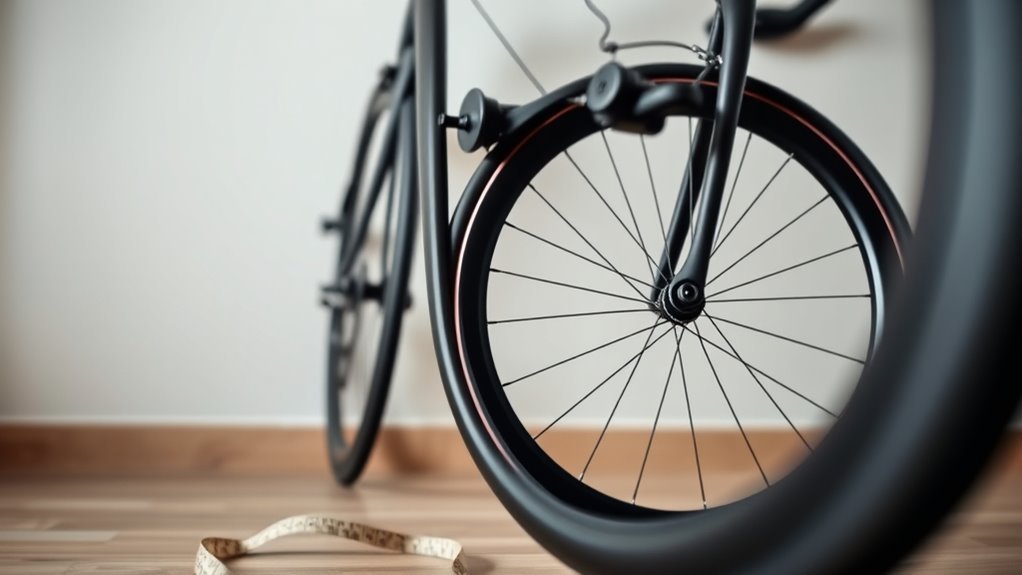
700c refers to a wheel and tire standard with a 622 mm bead seat diameter (BSD) that most road bikes use. The “700” is an old nominal diameter and the “c” comes from a French width code. You’ll see sizes like 700x25c or 700x32c, where the second number is the tire width in millimeters. Wider tires give more comfort and traction; narrower ones reduce rolling resistance. Check your rim BSD and frame clearance before buying.
Quick Answer
- 700c means the rim has a 622 mm bead seat diameter (BSD), the ISO/ETRTO standard used on most road bikes.
- Tire sizes like 700x25c or 700x32c show wheel diameter first, then tire width in millimeters.
- Wider tires (32mm+) improve comfort and grip; narrower tires (25mm) roll faster on smooth pavement.
- Always match tires to your rim’s 622 mm BSD and check frame clearance before choosing a width.
What 700c Means: Diameter, Bead Seat, and the “C” Code
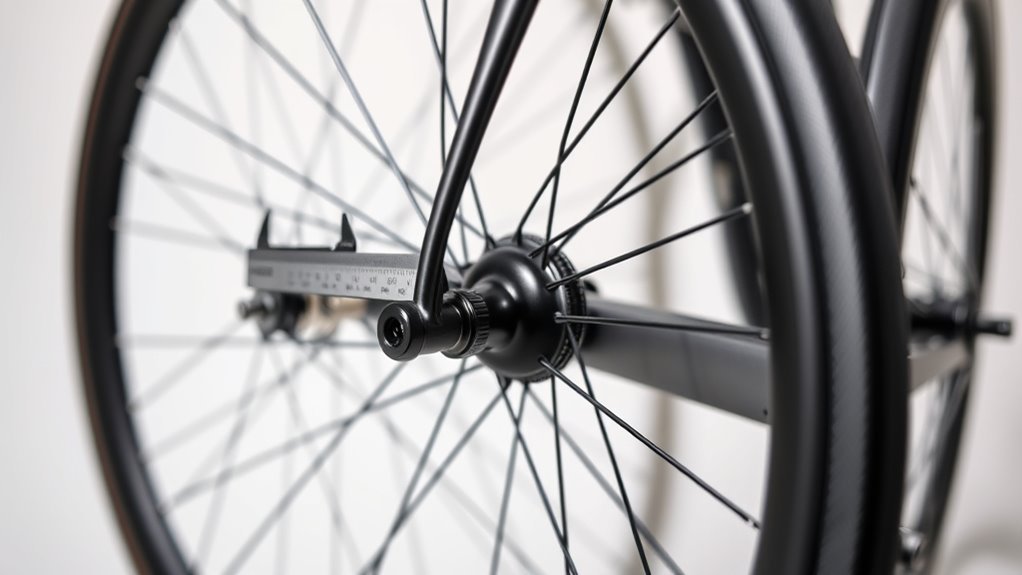
700c is a standardized label for a wheel whose rim has a 622 mm bead seat diameter (BSD). The “700” comes from an old nominal overall diameter in millimeters, and the “c” denotes a mid-width category from an obsolete French sizing system.
That 622 mm BSD is what guarantees tire compatibility across brands. An inflated 700c tire measures roughly 633 mm in outer diameter, though this varies with width and profile. That variance matters when evaluating clearance and gearing.
The “c” has historical context rather than technical meaning today, but it informs the modern sizing range, typically 23 mm to 45 mm, covering road and mixed-surface use. Prioritize BSD matching over nominal names, and wheels and tires will mate reliably and safely.
700c vs. 29″, 27.5″, and 650B: How They Differ
700c, 29″, 27.5″ (650B), and 650B wheels may look similar, but their typical tire widths and intended use create real compatibility and performance differences.
700c (622 mm BSD) is the road standard. It offers efficient rolling on pavement and a wide range of tire widths. 29″ mountain bike wheels actually share the same 622 mm BSD as 700c, but they use much wider, knobby tires that are designed for off-road traction. Those tires generally won’t fit road bike frames, so tire compatibility and frame clearance matter more than BSD alone.
27.5″/650B (584 mm BSD) is a different standard. It suits gravel and touring riding by allowing wider, more comfortable tires at lower pressures. Performance differences show up in handling: 700c excels at speed and smoothness on pavement, 29″ handles rough terrain well, and 650B suits mixed-surface comfort.
The practical rule: measure BSD, check frame clearance, and confirm the tire type fits your intended surface.
[Products Worth Considering]

Ultraverse 700c inner tubes are built for 700x28C to 32C tires and feature a 48mm Presta valve for accurate, secure inflation. The high-elasticity butyl rubber construction helps seal air tightly, resist pressure loss, and absorb road vibrations for a smoother ride. A reinforced valve base and thick walls add durability and puncture resistance for reliable everyday performance on road, gravel, and city routes.

This Hycline 2-pack mountain bike tire set delivers durable, puncture-resistant performance with a high-grip, aggressive tread designed for traction on hard surfaces and confident handling through mud and soil. Includes matching inner tubes and tire levers for easier everyday maintenance and quicker installation after folding storage. Built for a range of riding conditions with reinforced rubber and nylon cord for wear-resistant reliability.

Switch to tubeless with this Muc-Off rim tape designed to create an airtight seal for smooth-running setups. The pressure-sensitive adhesive offers the right stretch for strength and durability, while the semi-transparent material helps you locate the valve hole quickly. It includes four seal patches for a secure finishing seal after wrapping.
Reading Tire Sizes: 700x32c, 700x25c, and What the Numbers Mean
Tire markings like 700x32c and 700x25c follow a simple two-part code. The first number (~700) is the nominal wheel diameter. The second number (32 or 25) is the tire width in millimeters. The “c” references the historical French width classification for road tires.
700x32c is wider than 700x25c. That width affects ride quality, traction, rolling resistance, and surface suitability. Both sizes fit on 700c rims (622 mm BSD), so your choice comes down to purpose.
- Wider 32mm: better shock absorption and improved traction on rough roads.
- Narrower 25mm: lower rolling resistance and quicker acceleration on smooth pavement.
- Tire pressure: run lower pressure on wider tires for comfort without risking pinch flats.
- Surface compatibility: match width to road conditions for confident handling.
Which Bikes Use 700c Wheels and Why Road Bikes Prefer Them
700c wheels (622 mm BSD) are standard on road bikes because their larger diameter lowers rolling resistance and maintains momentum more effectively. That translates to higher sustained speeds and smoother travel on pavement.
Road bikes benefit most from 700c: reduced rolling resistance, sustained speed, and high-speed stability all matter for long distances and competition.
But other bike types use 700c too. Hybrids and touring bikes use this wheel size to gain versatility, accepting wider tires (23–45 mm) for everything from fast pavement rides to mixed-surface routes. 700c is a good choice when you want efficient cruising with the option to swap tire widths for comfort or grip.
Bead Seat Diameter (ISO/ETRTO 622 mm) and Rim-Tire Compatibility
The 700c label is shorthand for a precise engineering measurement: the bead seat diameter (BSD) of 622 mm under the ISO/ETRTO standard. That single number determines whether a tire will safely mount on a rim.
The bead measurement matters because it controls safe mounting, consistent inflation behavior, and predictable handling. Rim-tire compatibility is not about outer diameter or marketing names. It is about that 622 mm interface.
700c is shorthand for a 622 mm bead seat diameter — the ISO/ETRTO interface that ensures safe, predictable mounting.
When choosing tires and rims, use the ISO number as your guide. Compatibility problems occur when diameters differ, even slightly, and can lead to bead failure. For a full breakdown of the ISO/ETRTO tire sizing system, Sheldon Brown’s tire sizing reference is a thorough and widely trusted resource.
- BSD 622 mm is constant across all 700c tires
- ISO/ETRTO defines the exact mating surfaces
- Mismatched diameters risk bead failure
- Choose components by ISO number for a reliable fit
Practical Fit Checks: Will 700c Tires Fit Your Frame and Fork?
Start with tire clearance checks: measure the bead seat diameter (ISO/ETRTO 622 mm) and confirm the actual wheel diameter (roughly 633 mm when inflated) against the space in your fork and rear triangle. Measure your existing tire width and the gap to the chainstays and fork crown. Most frames handle 28–35 mm, but do not assume yours does.
Frame geometry also plays a role. Frames with tight chainstays or a low fork crown may restrict wider widths even if they are nominally 700c compatible. Match your prospective tire width to the rim’s internal width as well; rim-tire compatibility affects bead seating and real-world clearance.
Use a 700c wheel size chart and your measured clearances to verify fit before buying. If measurements are borderline, go with the narrower option or check with the frame manufacturer.
[Products Worth Considering]

This heavy-duty bicycle rim liner provides complete tube protection by shielding the inner tube from rim spoke holes and sharp metal burrs that can cause flats. Made from premium, wear-resistant PVC, it lays flat with optimized 18 mm width and 0.50 mm thickness for edge-to-edge coverage. Installation is quick with flexible stretch placement and a secure, non-slip fit.

Upgrade your rides with FANSPRO 700c road bike inner tubes designed for common road tire sizes from 35mm through 43mm. Made with durable butyl rubber for reliable air retention and heat resistance, each pack includes two tire levers to speed up flat repairs. The 48mm Schrader valve fits most road bikes, helping you replace tubes quickly and confidently.
Replace worn tubes with this FANSPRO 2-pack of 26-inch butyl inner tubes designed for road and mountain bikes. Sized for tire widths from 1.75 to 2.125 inches, these tubes feature a 48mm Schrader valve for reliable everyday use. The set includes two tire levers to make flat repairs and tube installation faster and easier.
Tubed vs. Tubeless 700c Tires: Benefits, Requirements, and Trade-Offs
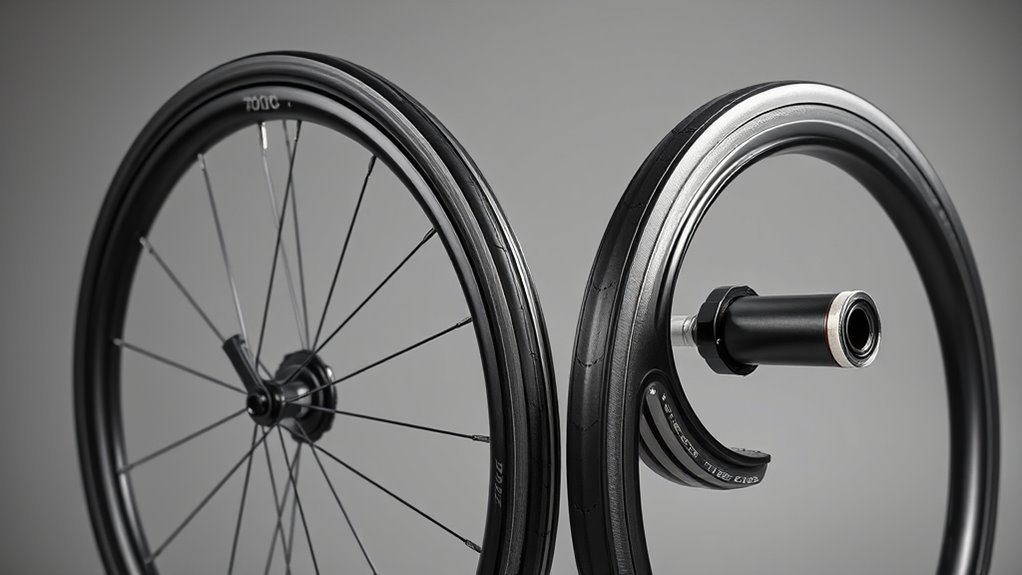
The choice between tubed 700c tires and tubeless comes down to simplicity versus performance. Tubed setups are easier to install and replace. Tubeless lets you run lower pressures for better traction and fewer flats, but requires compatible rims and sealant to set up properly.
[Products Worth Considering]

Upgrade your road bike with this 2-pack of 700c inner tubes sized for 700 x 28–32c tires and a 60mm Presta valve. Built from durable butyl rubber for strong air retention and reliable performance, it helps you stay ready for rides. The set includes two tire levers to make flat repairs faster and easier.

FANSPRO’s 2-pack 26-inch bicycle inner tubes are built for reliable performance on road and mountain bikes. They fit tire widths from 2.125 to 2.40 inches and use a 48mm Schrader valve for convenient inflation. The set includes two durable tire levers to help you remove and install tubes quickly after a flat.

This professional wheel and rim brush kit makes it easy to lift brake dust, grime, and dirt from wheels and tires without scratching finishes. The brushes feature soft, metal-free wool heads and a flexible 360-degree rim brush design for reaching hard-to-clean areas. Includes multiple brush types plus accessories for thorough car, motorcycle, and general vehicle detailing.
Tubed Tire Basics
With tubed tires, an inner tube holds the air. Installation is straightforward, and fixing a flat on the road requires minimal tools, just a spare tube and a pump.
- Affordable and widely available replacement tubes
- Easy installation and predictable inflation behavior
- Compatible with a broad range of rims and widths
- Lower upfront cost than tubeless conversion
For riders who want simplicity, tubed 700c tires are a practical choice. Verify tire-rim compatibility and choose widths that match your riding style and surfaces.
Tubeless Setup Needs
Tubeless tires require more upfront preparation but pay off with better performance and fewer roadside repairs. You get lower tire pressure for improved comfort and traction, plus self-sealing puncture protection and a slight weight reduction.
Start with compatibility checks: confirm your 700c rims are tubeless-ready, then install rim tape, valves, and sealant. Clean the bead seats, use a rapid air source to seat the beads, and shake sealant into any gaps. Ongoing maintenance includes topping off sealant periodically and checking bead seating and rim tape condition.
Pros and Cons
Choosing between tubed and tubeless 700c tires is a trade-off between simplicity and performance. Tubed setups are cheaper, easier to fix roadside, and work on most rims. Tubeless systems lower rolling resistance, allow lower pressures for better traction, and self-seal small punctures, but they need tubeless-ready rims, sealant, valves, and more involved installation.
- Tubed: simplicity and lower cost
- Tubeless: fewer flats and better traction
- Tubeless requires more setup and upkeep
- Tubed tires are easier to repair on the road
How 700c Affects Speed, Rolling Resistance, and Ride Comfort
The larger diameter of 700c wheels helps maintain momentum and reduces energy loss, so you can hold speed with less effort. Tire width changes rolling resistance and comfort too. Wider sections (25–45 mm) often roll faster on rougher surfaces and let you run lower pressures for better shock absorption. Wheel diameter, tire width, and pressure all shape handling, efficiency, and ride quality.
Rolling Resistance and Speed
The 700c wheel’s 622 mm bead seat diameter lowers rolling resistance and helps you maintain higher speeds on pavement with less effort. You cover more ground per pedal stroke, and the larger diameter means tires deform less under load, cutting energy loss.
Wider 700c sections (around 25–28 mm) can also improve grip and reduce aerodynamic drag at the road surface. Proper tire pressure matters too: running the right pressure for your weight and conditions reduces rolling resistance further.
- Larger diameter increases momentum and makes cruising easier
- Optimized tire pressure reduces energy lost to flex
- Moderate width improves grip and real-world speed
Tire Width and Comfort
Tire diameter sets the baseline for stability and speed, but the width you pick on a 700c wheel has a bigger day-to-day impact on comfort and rolling resistance. You can choose widths from about 23 mm to 45 mm. Wider 28–35 mm tires hold more air volume, so vibration is reduced and rough surfaces feel smoother.
Moving from 23 mm to 25 mm or wider often lowers rolling resistance and improves real-world speed on smooth roads when you run proper pressures. Wider tires at the right pressure also reduce fatigue on longer rides.
Wheel Diameter and Handling
The 700c wheel’s 622 mm bead seat diameter provides noticeable advantages in rolling efficiency and stability on pavement. You cover more ground per pedal stroke, and the pace feels steadier without extra effort. Tire width still matters: narrower 23–28 mm tires favor speed, while 32–45 mm tires improve comfort.
- Larger circumference lowers rolling resistance for smoother speed.
- Wider tires absorb shocks, improving comfort and control.
- Stiffer 700c rims improve high-speed stability.
- Proper pressure balances grip and efficiency.
Common Misconceptions About 700c and a Quick Buying Checklist
The number 700c does not tell the whole story. It refers to a nominal size with a 622 mm bead seat diameter, but widths, compatibility, and historical labels vary enough to cause mistakes.
A common point of confusion: 700c is not the same as 700cc (a motorcycle engine displacement unit). Another: 29″ mountain bike wheels share the same 622 mm BSD as 700c, but their wider tires may not fit 700c road frames. Always check frame clearance, not just BSD.
Quick buying checklist:
- Confirm rim BSD = 622 mm.
- Measure frame and fork clearance for maximum and minimum widths.
- Match tire width (typically 23–45 mm) to your riding style and surfaces.
- Check tire bead type (clincher, tubeless, tubular) for rim compatibility.
- Check pressure and load ratings against your weight and terrain.
Frequently Asked Questions
What Size Is a 700c Road Bike Wheel in Inches?
A 700c rim has a 622 mm bead seat diameter, which is roughly 24.5 inches. With a typical tire mounted and inflated, the outer diameter reaches approximately 27 inches, though this varies by tire width. Note that “27.5 inches” is also the name of a separate wheel standard (650B), so avoid using that figure to describe 700c wheels.
Conclusion
700c refers to a rim and tire standard with a 622 mm bead seat diameter. That measurement shapes fit, rolling behavior, and bike compatibility. Think of it as a starting point: the right 700c setup gives you speed, comfort, or load capacity depending on tire width and configuration. Before buying, check bead seat size, frame and fork clearance, and whether you need tubed or tubeless compatibility. Match tire width to your riding goals and you will get consistent, predictable performance.