
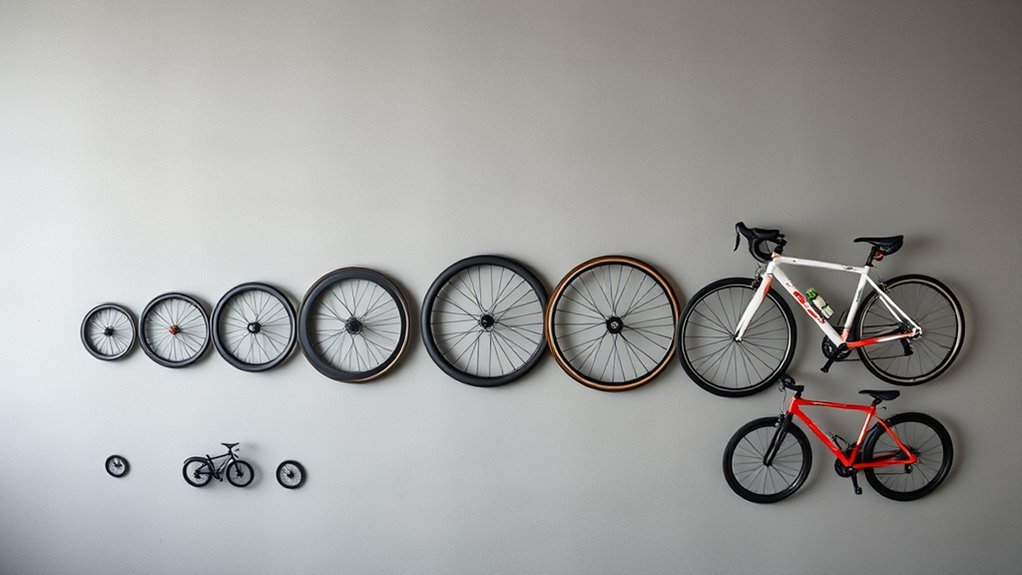
The wrong wheel size can make a good bike feel slow, twitchy, or uncomfortable. Pick wheel size by matching rim ISO/ETRTO diameter, tire width, and frame clearance to your bike type and riding goals. Use 700c (622 mm) for road speed, 29″ (622 mm) or 27.5″ (584 mm) for mountain handling, 650B for gravel comfort, and kids’ sizes by measured height and confidence. This guide shows you how to read tire codes, check clearance, and choose a setup that fits your bike and your ride.
Quick Answer
Choose a bicycle wheel size by matching the rim’s ISO/ETRTO bead seat diameter, tire width, and frame clearance. Most road bikes use 700c, many mountain bikes use 29″ or 27.5″, gravel bikes often use 700c or 650B, and kids’ bikes use wheel sizes based on height and control.
Key Takeaways
- Match the second ISO/ETRTO number to your rim before you choose tire width.
- Choose 700c for road speed, 29″ for rollover, and 27.5″ for quicker handling.
- Use 650B or wider 700c tires when you want more comfort on gravel.
- Leave about 6 mm of clearance around the tire to reduce rubbing risk.
- Size kids’ bikes by height, inseam, and confidence, not age alone.
What’s in This Article
- Choose the Right Wheel Size for Your Riding Style
- How Wheel Diameter Affects Speed and Handling
- Match Wheel Size to Rider Height and Bike Type
- Kids’ Wheel Sizes by Height and Confidence
- Tire Width and Profile
- Read Tire Sizes: ISO/ETRTO Made Simple
- Frame and Fork Clearance
- Common Wheel Size and ISO/ETRTO Conversions
- Buying Checklist and Troubleshooting
- Frequently Asked Questions
Choose the Right Wheel Size for Your Riding Style
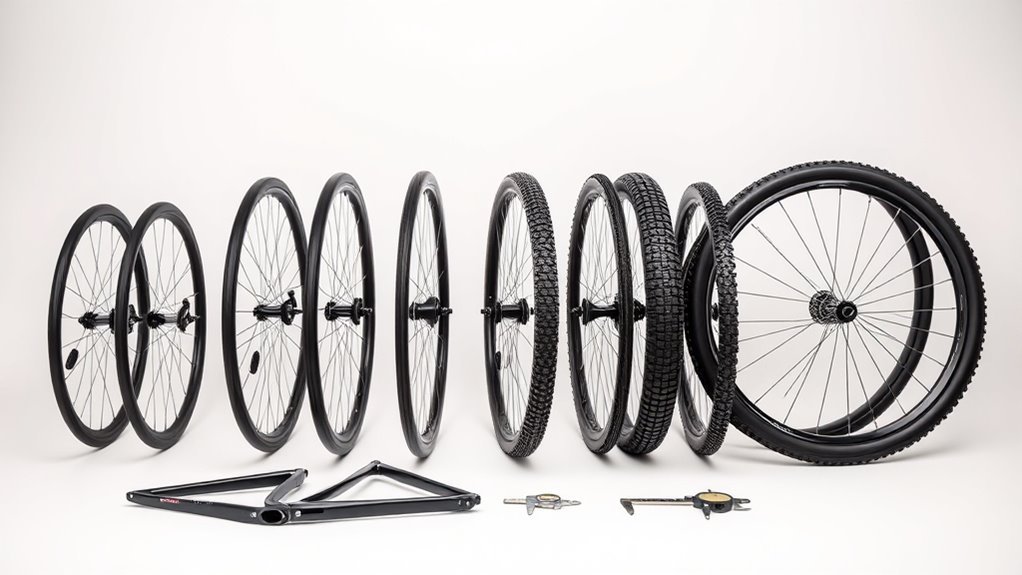
Pick the wheel size that matches where and how you ride. Road bikes usually use 700c (often labeled 28″) because they roll well on pavement and support narrow, fast tires. Mountain bikes often use 29″ or 27.5″ wheels because they balance rollover, traction, and steering on rough trails.
Gravel and touring bikes commonly use 700c or 650B wheels with 30-47 mm tires. A 700c setup tends to feel faster on firm surfaces. A 650B setup gives you room for wider tires, which can improve grip and comfort on rough roads.
If you’re sizing a child’s bike, start with wheel diameter, height, inseam, and confidence. Age can help narrow your search, but it should not decide the final size. Choose a wheel that lets the rider stop, turn, and start with control.
How Wheel Diameter (700c, 29″, 27.5″) Affects Speed and Handling
Wheel diameter affects how a bike accelerates, turns, and rolls over bumps. Larger wheels often hold speed better once moving. Smaller wheels can feel quicker when you accelerate or steer through tight spaces.
Larger Wheels: Better Rollover and Momentum
Larger-diameter wheels, such as 700c on road bikes and 29″ on mountain bikes, roll over small bumps and trail obstacles more easily. This can help you keep speed with less effort on rough or uneven ground. The trade-off comes from added wheel size and mass, which can make the bike feel slower to accelerate.
- 700c wheels suit smooth pavement, road riding, and fast group rides.
- 29″ wheels improve rollover and traction on many mountain trails.
- 27.5″ wheels balance agility with enough rollover for trail use.
- Larger wheels can raise the bike slightly and change handling feel.
- Your best choice depends on terrain, bike geometry, and riding style.
Smaller Wheels: Quicker Handling
Smaller wheels tend to steer faster because they usually have less rotational mass. You may notice this most in tight corners, slow climbs, and technical trail sections. This quick feel can help commuters, shorter riders, and trail riders who need sharp line control.
A 27.5″ wheel often gives you a useful middle ground. It rolls over rough ground better than many smaller wheels, yet it can feel more nimble than a 29″ setup. Choose it when tight handling matters more than top speed.
Wheel Diameter Versus Acceleration
Wheel diameter changes rotational inertia, which affects how quickly you get up to speed. A 700c road setup with narrow tires can feel quick on smooth pavement. A 29″ mountain setup carries more momentum, but it may need more effort from a stop.
- Choose larger wheels when you want steady speed and smoother rollover.
- Choose smaller wheels when you want faster steering and easier spin-up.
- Use wider tires when you need grip, comfort, and impact control.
- Expect wider tires to feel slower if you run heavy casings or very low pressure.
- Match diameter to your terrain before you worry about minor speed gains.
Note: 700c and 29″ wheels share the same 622 mm bead seat diameter, but they usually use different tire widths and bike frames.
Match Wheel Size to Rider Height and Bike Type
Wheel size works best when it matches both your body and your bike type. Use wheel size charts as a starting point, then check frame fit, reach, standover height, and handling. A wheel that looks right on paper can still feel wrong if the frame geometry does not suit you.
For road bikes, 700c wheels fit many adult riders and support efficient tire choices for pavement. Mountain bikes often split between 27.5″ and 29″ wheels. Many shorter riders prefer 27.5″ for clearance and control, while taller riders often like 29″ for rollover and stability.
Gravel bikes often use 700c wheels for speed or 650B wheels for wider tires. If you ride mixed surfaces, tire width may matter more than wheel diameter. Test both when your frame supports both sizes.
Kids’ Wheel Sizes: 12″, 16″, 20″, 24″, 26″ by Height and Confidence
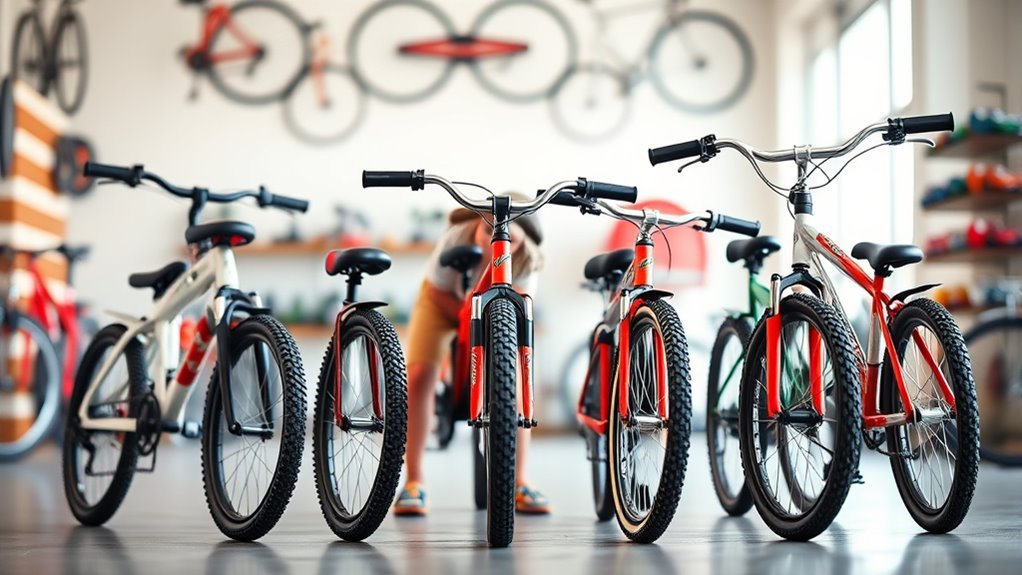
Children’s bikes use wheel diameter more than frame size. Choose 12″, 16″, 20″, 24″, or 26″ wheels by the child’s height, inseam, and confidence. Age can guide your search, but it should not replace a fit check.
Use measured ranges as a starting point: 12″ wheels often fit 86-102 cm riders, 16″ wheels fit about 99-117 cm, 20″ wheels fit about 114-132 cm, 24″ wheels fit about 130-150 cm, and 26″ wheels fit about 146-160 cm. A confident child may move up sooner. A cautious rider may need a lower standover height for safer stops.
- Measure height and inseam before shopping.
- Match the wheel size to the child’s measured range.
- Check confidence, braking skill, and balance.
- Confirm standover height, reach, and saddle height.
- Check helmet fit and basic component reach.
Warning: Do not size up too far for a child, because poor reach and high standover can reduce control.
[Products Worth Considering]

Built for smooth-trail to technical single-track riding, these Blackburn mountain bike tires deliver superior traction and ultimate control with an optimized knobby tread. A protective layer under the tread enhances strength and puncture resistance, helping you stay confident on rough terrain. The carbon steel bead makes folding and unfolding the tire easier without damage.
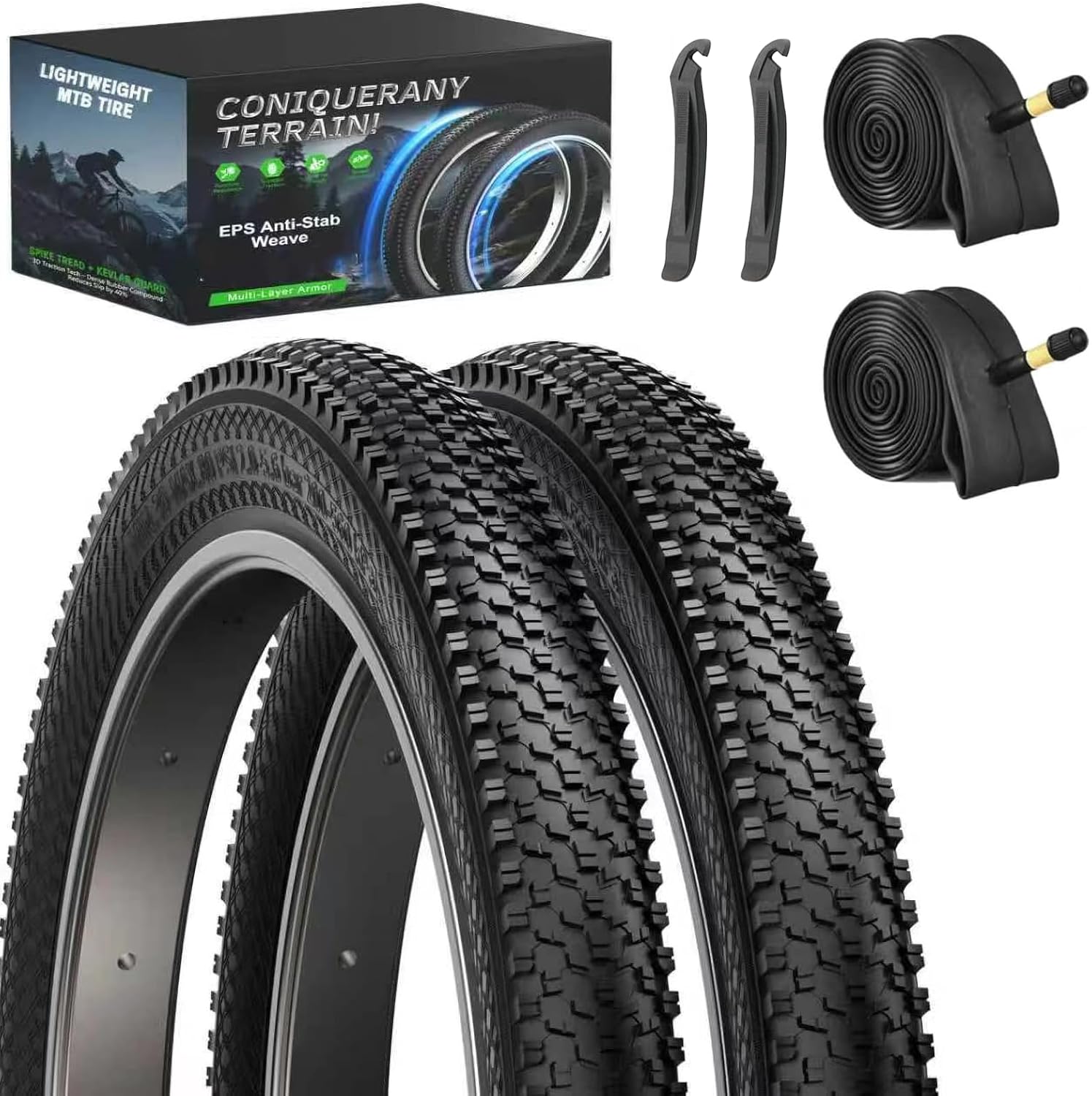
This 2-pack set includes two folding mountain bike tires, two inner tubes, and two tire levers for quick, budget-friendly replacements. The tires feature an anti-stab weave for added protection, plus strong grip and durable construction to help you stay stable across common trail and road conditions. Foldable design makes storage and travel convenient, while the included tubes provide a matched fit for smoother setup.

Tiakia’s mini high-pressure frame pump delivers up to 260 PSI for faster, more efficient inflations with an optimized intake volume. It features a double-head valve design compatible with Schrader and Presta, plus a conversion for Donlop, making it versatile for bikes and many inflatables. The lightweight anodized aluminum build includes a mounting bracket for convenient carry, while the flexible high-pressure hose and IPX4 waterproof body support outdoor use.
Tire Width & Profile: How Width Changes Comfort, Traction, and Clearance
After you choose wheel diameter, choose tire width and profile. Tire width affects comfort, traction, pressure choice, and frame clearance. A wider tire can smooth rough ground, but it must fit your frame and fork.
Wider mountain bike tires, often around 2.2″-3″, create a larger contact patch and absorb more trail chatter. Road bikes commonly use 23-32 mm tires, with many riders choosing 25-28 mm for a balance of speed and comfort. Gravel bikes often use 35-47 mm tires for mixed surfaces.
Always verify frame and fork clearance before you install a wider tire. Aim for at least 6 mm between the tire and the frame or fork at the tightest point. Mud, wheel flex, and tire shape can reduce clearance while you ride.
Read Tire Sizes: ISO/ETRTO Made Simple
The International Organization for Standardization/European Tyre and Rim Technical Organisation (ISO/ETRTO) code tells you which tire will fit your rim. The first number gives tire width in millimeters. The second number gives the bead seat diameter in millimeters.
The ISO/ETRTO code, such as 58-622, lists tire width first and bead seat diameter second.
For example, 58-622 means the tire is 58 mm wide and fits a 622 mm rim. The second number matters most for rim fit. After you match that number, choose a width that suits your frame clearance and riding style.
- 58-622 means 58 mm wide on a 622 mm bead seat diameter rim.
- 700c road wheels use ISO 622, but tire width still varies.
- 29″ mountain bike wheels also use ISO 622 with wider tires.
- 27.5″ mountain bike wheels commonly use ISO 584.
- 650B gravel wheels also use ISO 584 with mixed-surface tires.
Frame & Fork Clearance: Will Bigger Wheels or Tires Fit?
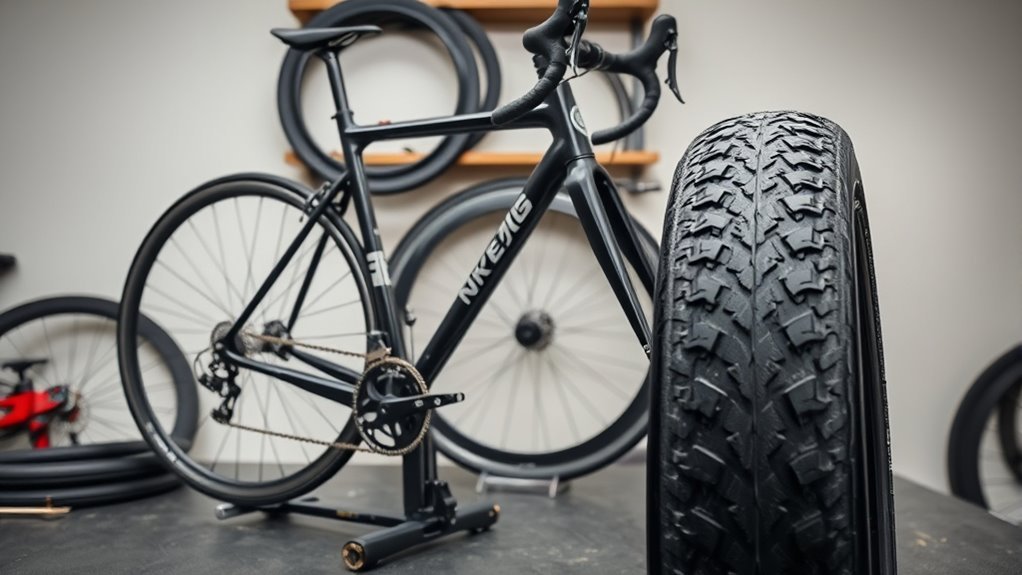
To check whether larger wheels or tires will fit, measure the smallest gap between the tire and the frame or fork. Spin the wheel and check the tire shoulder, tread, chainstays, seatstays, fork crown, and brake area. Aim for at least 6 mm of consistent clearance.
Compare your measured space with the tire’s ISO/ETRTO size and the manufacturer’s maximum tire size. Tire shapes vary by brand, rim width, and tread pattern. Test-fit the exact wheel and tire combination before regular use.
[Products Worth Considering]

Orange Seal regular formula tubeless sealant quickly seals punctures and forms a durable bond inside your tire to help reduce flats. Made with natural latex, it adheres effectively to rubber and seals from the inside out, including the critical bead-to-rim interface for a reliable ride. It seals punctures up to 1/4 inch, slices up to 3/4 inch, and performs in temperatures as low as 11°F across MTB, road, cyclocross, gravel, and e-bike applications.

Upgrade your ride with a 2-pack set of 26x1.95 folding mountain bike tires built for dependable traction on mud, rocks, and trail surfaces. A reinforced puncture-resistant layer helps protect against sharp debris, while included butyl inner tubes provide strong sealing and shock absorption. Ready for fast swaps with included tire levers and universal sizing for most bikes.

This Hycline 2-pack mountain bike tire set delivers durable, puncture-resistant performance with a high-grip, aggressive tread designed for traction on hard surfaces and confident handling through mud and soil. Includes matching inner tubes and tire levers for easier everyday maintenance and quicker installation after folding storage. Built for a range of riding conditions with reinforced rubber and nylon cord for wear-resistant reliability.
Clearance Measurement Methods
Measure frame and fork clearance with the wheel centered in the bike. Use calipers or a ruler to find the closest point between the tire and the frame or fork. Check both sides because wheel dish, tire wobble, and frame alignment can change the gap.
- Measure the tightest tire gap at the fork crown and stays.
- Compare the current tire’s outer diameter with the new tire’s size.
- Check brake caliper, rotor, and fender clearance.
- Review the manufacturer’s listed maximum tire size.
- Re-measure after you install the new tire.
Frame and Fork Limits
Frame and fork limits protect handling, braking, and tire clearance. Check the manufacturer’s maximum tire width and diameter before you buy. If you exceed those limits, the tire can rub under load or pick up debris.
Brake type also matters. Disc brakes often allow more tire clearance than rim brakes, but the frame and fork still set the true limit. Larger wheels or taller tires can also change bottom bracket height, trail, and steering feel.
Pro tip: Measure clearance after inflating the tire to riding pressure, because tire shape can change once mounted.
Common Wheel Size and ISO/ETRTO Conversions
Wheel labels can confuse you because inch, French, and ISO names do not always describe the same measurement. Use the ISO/ETRTO bead seat diameter when you need exact rim compatibility. The common name helps you shop, but the ISO number confirms fit.
| Common label | ISO/ETRTO bead seat diameter | Common use |
|---|---|---|
| 700c | 622 mm | Road, gravel, hybrid bikes |
| 29″ | 622 mm | Mountain bikes |
| 650B | 584 mm | Gravel, touring, some mountain bikes |
| 27.5″ | 584 mm | Mountain bikes |
| 26″ | 559 mm | Older mountain bikes, some youth bikes |
Do not rely on the inch label alone when replacing a tire. Two tires can share a common label yet use different bead seat diameters. Match the ISO/ETRTO number first, then choose the tire width.
Buying Checklist & Troubleshooting: Test Rides, Rentals, and When to See a Shop
Never skip a test ride when you shop for a new wheel size or tire setup. A short ride helps you check fit, handling, braking, and comfort in real conditions. Specs help, but your bike’s frame and your riding style decide the final result.
- Verify at least 1″ standover clearance on standard bikes.
- Ride a short loop with turns, braking, and a small climb.
- Check whether the bike feels stable at low and moderate speed.
- Rent a bike with the wheel size you’re considering.
- Visit a local shop when clearance or fit remains unclear.
Seek help if the tire rubs, the brakes no longer align, or the bike feels unstable after a wheel change. A shop can check clearance, rim width, tire fit, and brake setup. That small check can prevent an unsafe ride.
[Products Worth Considering]

This 3-piece wheel and tire brush set makes it easy to clean light, medium, and heavy dirt from wheels, rims, tires, and exterior surfaces. It includes both soft and stiff bristle options for gentle scrubbing and tough grime removal, helping lift brake dust and road buildup. The long-handle design supports comfortable cleaning across cars, trucks, SUVs, RVs, motorcycles, and more, with simple care instructions to restore brush shape.

The SPTA wheel and tire brush kit makes it easy to remove dirt from wheels, rims, and hard-to-reach areas without needing a high pressure washer. Ergonomic handles and soft, chemical-resistant bristles help you clean faster while reducing the risk of scratching. The set is versatile for cars, trucks, motorcycles, bicycles, RVs, boats, and more.

Get back on the road fast with this bike frame bag repair kit, featuring a 120 PSI mini pump, a 16 in 1 multi-function tool, and a glueless tire patch kit. The compact triangle bag provides 2L storage for essentials like phone, keys, and tools, while the included rasp and tire levers make quick flat repairs possible. Designed for commuting and trail riding, it supports both Presta and Schrader valves for versatile emergency inflation.
Frequently Asked Questions
What Bicycle Wheel Size for My Height?
Choose wheel size by height, inseam, bike type, and confidence. Children often use 12″-26″ wheels, while most adult road and gravel bikes use 700c. Adult mountain bikes commonly use 27.5″ or 29″ wheels.
Are 700c and 29″ wheels the same size?
700c and 29″ wheels usually share the same 622 mm ISO/ETRTO bead seat diameter. They differ mainly by tire width, frame clearance, and intended bike type. You still need to confirm tire width before swapping parts.
Can I put wider tires on my current bike?
You can use wider tires only if your frame, fork, brakes, and rims support them. Measure the tightest clearance point and aim for about 6 mm of space. Check the bike maker’s maximum tire size before you buy.
Should I choose 27.5″ or 29″ mountain bike wheels?
Choose 29″ wheels when you want smoother rollover and steady speed on rough trails. Choose 27.5″ wheels when you want quicker handling and easier direction changes. Your height, frame size, and trail style should guide the final choice.
Is 650B better than 700c for gravel riding?
650B can work better when you want wider tires, more comfort, and extra grip on rough gravel. 700c can feel faster on smoother gravel and pavement. Many gravel riders choose based on tire clearance and the surfaces they ride most.
Conclusion
Your best wheel size is the one that matches your rim, frame clearance, terrain, and riding goals. Start with the ISO/ETRTO number, then choose a tire width that fits your bike and gives you the ride feel you want. Test the setup before you commit, especially when you change wheel diameter or tire width. With the right numbers and a careful fit check, your bike will feel safer, smoother, and more fun to ride.
References
- Standards Manual and Tyre/Rim Sizing Guidance — European Tyre and Rim Technical Organisation
- International Standards for Product Measurements — International Organization for Standardization

