

Your tires only touch the road through small patches of rubber, yet those patches control every stop, turn, and launch. A tire contact patch changes as load, air pressure, tire size, tread, and alignment change. When you understand that small footprint, you can set tire pressure, manage load, and spot wear problems before they reduce grip or handling.
Quick Answer
A tire contact patch is the part of the tread that touches the road. It affects braking, steering, acceleration, cornering, heat, and wear. Correct tire pressure, balanced load, sound alignment, and suitable tires help keep the patch stable and predictable.
Key Takeaways
- Keep tire pressure at the vehicle maker’s recommended setting to support the intended footprint.
- Watch load balance because extra weight changes patch size, shape, heat, and wear.
- Choose tire size, profile, and tread for your vehicle, climate, and driving style.
- Check alignment, rotation, and tread wear to keep grip even across all four tires.
What a Contact Patch Is and Why It Matters
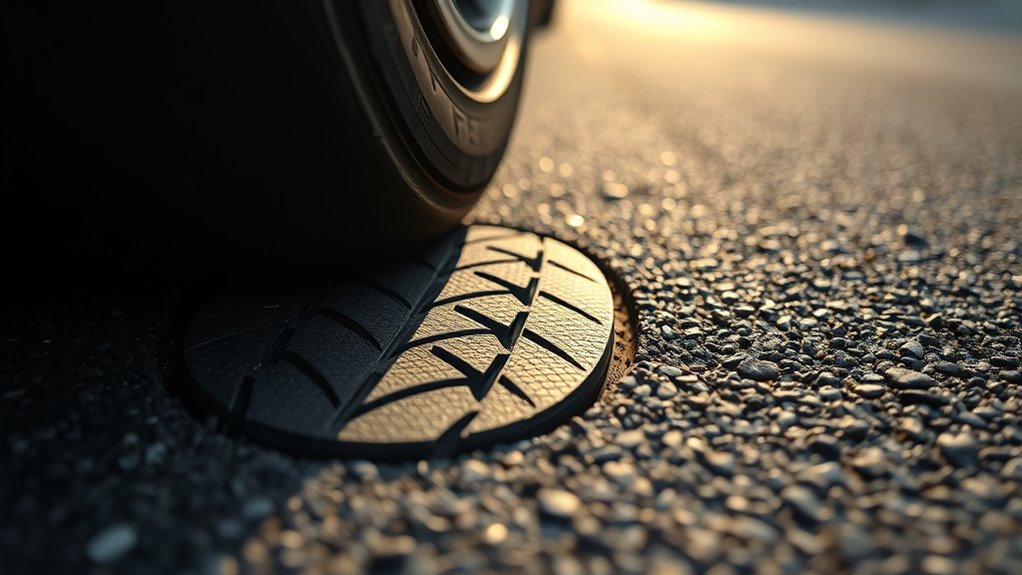
Think of the contact patch as the small interface where tire tread sends force between your vehicle and the road. You rely on that area for braking, steering, acceleration, and lateral control. Its shape and pressure pattern affect grip, stability, ride feel, rolling resistance, and tire wear.
Underinflation can create a wider, flatter patch that raises heat, rolling resistance, and shoulder wear. Overinflation can narrow the patch and reduce the tread’s ability to conform to the road. Vehicle load, tire construction, rotation, alignment, and pressure checks all help you keep contact steady and predictable.
How Load and Inflation Pressure Set Contact-Patch Area
Your tire must carry the vehicle’s weight, so increasing load tends to enlarge the contact patch. Higher inflation pressure tends to reduce the patch because internal air pressure limits how much the tire deforms. The tire carcass, tread compound, sidewall design, and belt package make this relationship nonlinear.
Small load changes can affect the footprint more than you may expect, especially during cornering, braking, or towing. Extra weight compresses the tire and can shift pressure toward certain parts of the tread. Follow the manufacturer’s recommended pressure on the driver-side door placard, not the maximum pressure printed on the sidewall.
Warning: Check tire pressure when tires feel cold because heat from driving raises pressure and can mislead your reading.
How Contact-Patch Shape Changes Grip, Braking, and Efficiency
Contact-patch shape matters because tire grip depends on more than total area. A wider, more rectangular footprint can support strong lateral grip and braking stability when the tire and suspension match the vehicle. A narrow or long patch can shift pressure distribution and change how the tire responds.
During braking, a stable footprint helps spread deceleration forces across the tread. During cornering, the patch must resist side force without slipping too early. More inflation can reduce rolling resistance, but too much pressure can reduce grip and comfort.
Speed, road texture, temperature, and load also affect how the patch behaves. Uneven loading can distort the shape and speed up wear on one edge or one axle. You get the best results when you balance pressure, load, alignment, and tire choice together.
[Products Worth Considering]

A concentrated tire and tube mounting compound designed to help simplify mounting rubber tires and tubes on passenger, semi truck, construction, and OTR applications. Its ultra-thick formula packs beads effectively and includes rust inhibitors to help protect against corrosion during use.

Monitor tire tread wear with a smart, color-coded depth gauge that shows clear condition ranges at a glance. The bar is range marked for fast, easy readings, helping you maintain safer traction and performance. Each gauge is portable with a pocket clip, and the set includes 20 units for daily use and sharing.

Accurately measure tire tread depth with a calibrated gauge marked from 0 to 1 inch in 1/32 inch increments. The color-coded bar helps you quickly identify tread condition ranges, supporting safe driving for trucks, motorcycles, automobiles, and passenger vehicles.
How Tire Size, Profile, and Tread Alter Real-World Contact

Tire size, profile, and tread design all change how your tire meets the road. Wider tires often create a wider footprint, but they do not automatically give every vehicle more useful grip. Suspension geometry, wheel width, compound, load, and road surface all shape the final result.
Low-profile tires often create a shorter, wider patch that can sharpen steering response. Higher-profile tires often create a longer, narrower patch and can improve ride comfort. Tread design changes real contact because grooves, blocks, and sipes remove rubber from the road surface.
Wet, snowy, dry, and loose surfaces need different tread features. Voids help move water and slush, while solid tread blocks can aid dry-road response. Keep proper inflation and watch weight distribution so the tire can work as designed.
[Products Worth Considering]

The SAFELIFE dial tire tread depth gauge measures tread depth in 1/32 inch increments with clear, easy-to-read 2-inch dial face. Color zones using a traffic light system help you quickly judge whether tread is low, marginal, or ample for safer driving. Built with a durable zinc cast body and a metal detect probe for precise, comfortable use across cars, motorcycles, trucks, and buses.

Measure tire tread depth quickly and accurately with this LUMITECO dial gauge that reads in 1/32" increments up to 14/32". The color-coded green/yellow/red zones make it easy to judge tire wear and know when replacement is needed. A rugged, compact design with a protective pouch helps keep the gauge ready for use on cars, trucks, motorcycles, and more.

The Tymate TM12 RV TPMS delivers real-time tire pressure and temperature monitoring with a stable 433Hz display for safer long-distance driving. It supports simultaneous monitoring across vehicle and trailer zones, includes six alarm modes for pressure, temperature, leakage, battery, and signal loss, and features easy DIY installation with auto calibration. Power is supplied via USB-C charging or solar recharging, with a wide 0–144 PSI range and up to 50 ft signal coverage for RVs and towable trailers.
What Contact-Patch Wear Patterns Can Tell You
Your tread wear gives you useful clues about how the contact patch works. Center wear often points to overinflation, while shoulder wear often points to underinflation or hard cornering. One-sided wear can point to alignment problems, worn suspension parts, or uneven load.
Cupping, scalloping, or patchy wear can signal balance, shock, or suspension issues. You should inspect tread across the full width, not just the center. Regular checks help you fix small problems before they reduce grip or shorten tire life.
Optimize Your Contact Patch: Checks, Settings, and Tire Choices
When you want predictable grip and even wear, keep tire pressures at vehicle-specified values. Match tire selection to your climate, road surface, load, and driving style. Balance tire width against comfort, wet grip, steering feel, and rolling resistance.
Use these routine checks to protect the patch and maintain stable handling:
| Check | Action |
|---|---|
| Pressure | Inflate to spec |
| Tread | Match pattern/compound |
| Load | Balance vehicle weight |
| Service | Rotate and align regularly |
Pro tip: Check pressure monthly and before long trips, heavy loads, or major temperature changes.
[Products Worth Considering]

Measure tyre tread depth precisely with a digital gauge that reads in both MM and inches, helping you monitor safe driving conditions. The large LCD screen is easy to operate, and the compact tool fits for cars, trucks, and motorcycles. It provides high accuracy with a 0-25.4mm range and includes a 1-year warranty for added peace of mind.
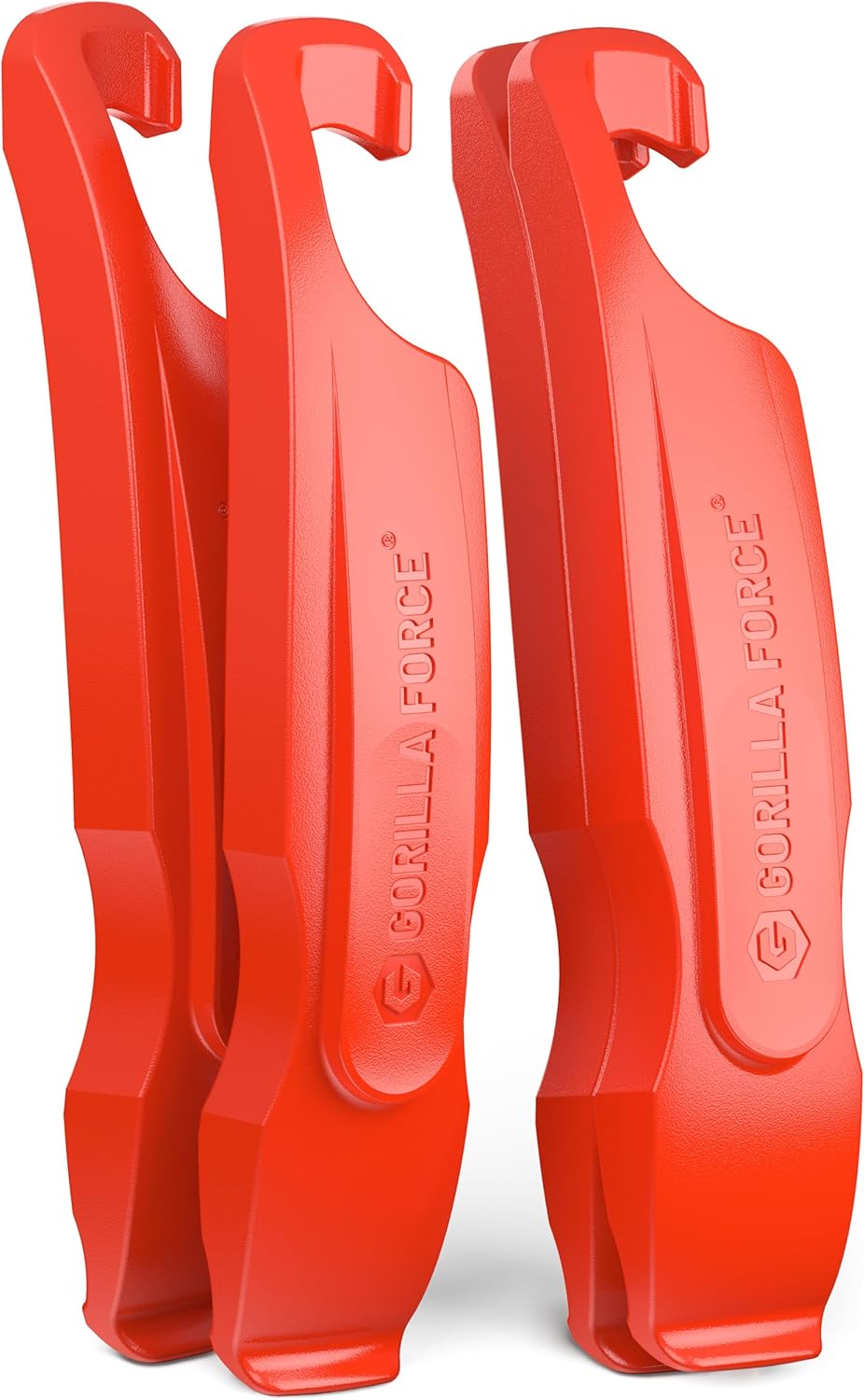
Gorilla Force tire levers make removing and installing even super-tight tires easier, using a stubby chisel tip and controlled leverage to lift the bead over the rim. Engineered, no-scratch plastic helps protect aluminum and carbon rims while providing smooth, reliable pry action. Designed for road, MTB, gravel, and e-bike tires, these compact levers clip together and include a spoke clip system for secure holding during tough changes.

The Topeak SmartGauge D2 delivers precise digital tire pressure readings for bikes, motorcycles, and sports equipment up to 250 psi (17 bar). Its rotating SmartHead works with both Presta and Schrader valves, so you can check pressure quickly without adapters. The LCD display makes it easy to read results in psi, bar, or kg/cm² with an included CR2032 battery for immediate use.
Frequently Asked Questions
What Size Is a Tire Contact Patch?
A typical passenger-car tire contact patch often covers a small area, roughly the size of an adult hand. The exact size changes with tire pressure, load, tire design, road surface, and driving forces.
What Is a Contact Patch?
A contact patch is the actual part of your tire tread that touches the road at any moment. It transfers braking, steering, acceleration, and cornering forces between your vehicle and the surface below.
How Does a Tire Contact Patch Affect Traction?
The contact patch affects traction by controlling how much tread can grip the road and how evenly the tire spreads force. Correct pressure, load balance, tread depth, and alignment help the patch keep predictable grip.
What Does Tire Grip Mean?
Tire grip means the friction your tire can create against the road. It affects how well you stop, turn, accelerate, and recover when traction changes.
Can a Bigger Contact Patch Improve Handling?
A bigger contact patch can improve handling only when the tire, wheel, suspension, and road conditions work together. Too much width, wrong pressure, or poor alignment can reduce comfort, wet grip, or wear life.
Conclusion
Your tire contact patch works like your vehicle’s handshake with the road. Small changes in pressure, load, tire profile, tread, and alignment can change grip, braking, wear, and fuel use. Start with the pressure on your door placard, then inspect tread wear and service your tires on schedule. With steady checks and smart tire choices, you’ll keep handling safer, smoother, and more predictable.


2 thoughts on “Tire Contact Patch: 5 Factors That Affect Grip”