A tire contact patch is the small area of tread that touches the road at any moment. It may look simple, but it affects braking, steering, acceleration, cornering, tire wear, ride comfort, and wet-road control. The key is not making the patch as large as possible; it is keeping the right patch shape, pressure distribution, tread condition, and tire fitment for your vehicle.
Quick Answer
A tire contact patch is the portion of your tire touching the road. Its size and shape are mainly controlled by tire load, inflation pressure, tire size/profile, construction, tread design, alignment, and road surface. Wider tires can change the patch shape, but correct pressure and tire type usually matter more than width alone.
Key Takeaways
- The contact patch is small, but it is where nearly every driving force is transferred to the road.
- Tire pressure, load, tire construction, tread compound, alignment, and road surface all affect contact patch performance.
- Lower pressure can enlarge the patch, but underinflation can cause heat buildup, uneven wear, poor handling, and tire damage.
- Wider tires are not automatically safer or faster; they must match the wheel, vehicle, load rating, and driving conditions.
- For daily driving, the best starting point is the vehicle manufacturer’s recommended cold tire pressure, not the tire sidewall maximum.
At a Glance
| Time Required | 10–15 minutes for a basic tire pressure, tread, and wear check |
| Difficulty | Easy for inspection; professional help recommended for alignment, unusual wear, or tire-size changes |
| Tools Needed | Reliable tire pressure gauge, tread depth gauge or wear-bar check, owner’s manual or driver-door pressure placard |
| Cost | Usually $0–$20 for a basic gauge; alignment or tire replacement costs vary by vehicle and tire type |
What Is a Tire Contact Patch and Why Does It Matter?
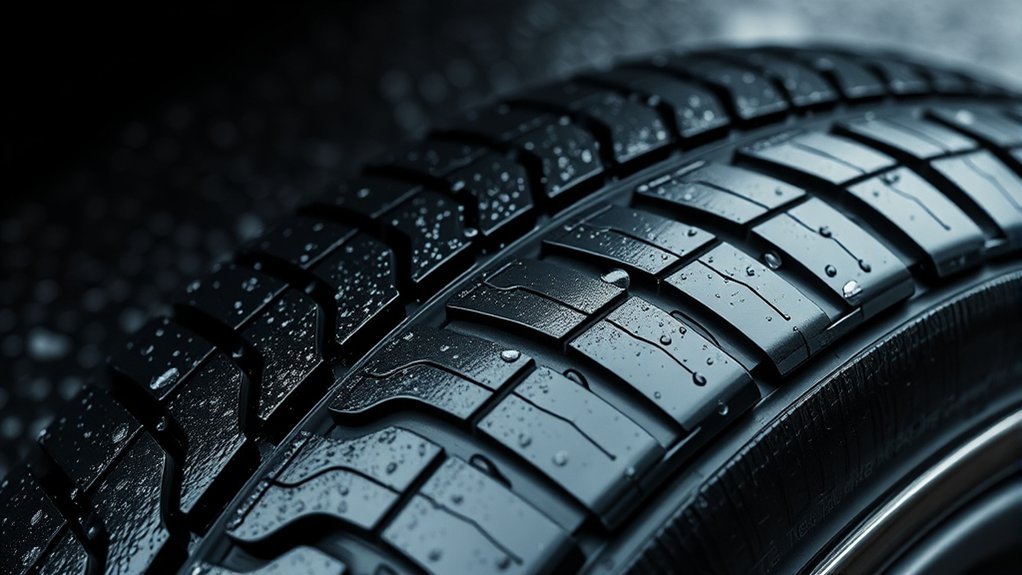
The tire contact patch, also called the tire footprint, is the section of tread pressed against the road surface. For many passenger vehicles, the patch is only about the size of a hand or small postcard, yet it is responsible for transmitting braking, steering, acceleration, and cornering forces.
According to Tire Rack, contact patch dimensions depend on tire size, inflation pressure, and how much load the tire carries. That is why two tires with the same width can behave differently if they use different pressures, compounds, construction styles, or vehicle loads.
A bigger contact patch is not automatically better. The best contact patch is the one that keeps the tread evenly loaded, stable, cool, and matched to the vehicle’s design.
The contact patch matters because it influences how predictable the vehicle feels. A well-supported patch helps the tread stay planted and consistent. A distorted patch can contribute to uneven wear, vague steering, reduced braking performance, excess heat, or poor wet-road control.
What Determines Tire Contact Patch Size and Shape?
The contact patch is shaped by several factors working together. Tire width is only one piece of the puzzle.
- Vehicle load: More weight on a tire usually increases deflection and changes pressure distribution across the tread.
- Inflation pressure: Lower pressure generally allows more deflection; higher pressure generally reduces deflection. Both extremes can reduce performance and tire life.
- Tire size and profile: A lower-profile performance tire often creates a shorter, wider patch, while a taller sidewall tire may create a longer, narrower patch.
- Tire construction: Sidewall stiffness, belt design, carcass construction, and tread compound affect how the tire deforms under load.
- Tread depth and pattern: Grooves, blocks, sipes, and void area influence how the patch drains water and grips different surfaces.
- Wheel alignment: Camber, toe, and caster affect how evenly the tread contacts the road.
- Road surface: Smooth pavement, rough asphalt, gravel, snow, and standing water all change how rubber interacts with the road.
- Temperature: Air temperature changes tire pressure, and tread temperature changes how the rubber compound grips.
Note: A tire’s contact patch is dynamic. It changes during braking, acceleration, cornering, bumps, load transfer, and wet-road driving. A parked tire footprint is only a starting point, not the whole story.
The Role of Tire Pressure in Contact Patch Dynamics
Tire pressure is one of the easiest ways to affect the contact patch, but it is also one of the easiest things to get wrong. The safest baseline is the vehicle manufacturer’s recommended cold tire pressure, usually found on the driver-door placard, fuel door, glove box, or owner’s manual. The number molded on the tire sidewall is typically a maximum pressure/load reference, not the normal daily-driving target.
Michelin notes that correct recommended pressure helps optimize performance and safety, while incorrect pressure can reduce grip, increase braking distance, damage tires, shorten tire life, and increase fuel consumption.
[Products Worth Considering]

Keep your tires properly inflated with this analog VONDIOR tire pressure gauge, designed for fast, easy readings without batteries. The swiveling, two-axis hose and large glow dial help you measure at any tire angle with instant visibility. Built with a protective rubber shield, it supports durable, low-maintenance use for cars and trucks.

Measure tire tread depth quickly and accurately with this LUMITECO dial gauge that reads in 1/32" increments up to 14/32". The color-coded green/yellow/red zones make it easy to judge tire wear and know when replacement is needed. A rugged, compact design with a protective pouch helps keep the gauge ready for use on cars, trucks, motorcycles, and more.

Monitor tire tread wear with a smart, color-coded depth gauge that shows clear condition ranges at a glance. The bar is range marked for fast, easy readings, helping you maintain safer traction and performance. Each gauge is portable with a pocket clip, and the set includes 20 units for daily use and sharing.
Underinflation and the Contact Patch
Lower tire pressure can make the contact patch larger because the tire flexes more under load. That does not mean lower pressure is always better. Underinflation can make the sidewalls flex too much, build heat, wear the shoulders faster, reduce steering response, and increase the risk of tire damage.
For normal road use, do not lower pressure just to “add grip” unless the vehicle manufacturer, tire manufacturer, or a qualified tire professional recommends it for a specific load, tire, surface, or motorsport setting.
Overinflation and the Contact Patch
Too much pressure can make the tire ride on a smaller or more concentrated part of the tread. That can create a harsher ride, reduce impact absorption, accelerate center wear, and reduce available traction on rough or slippery surfaces.
Overinflation can also make the tire less forgiving over potholes and debris. The goal is not the highest safe pressure; it is the correct pressure for the vehicle, tire, and load.
How to Check Tire Pressure Correctly
- Check tires cold. Check before driving, or after the vehicle has been parked long enough for the tires to cool.
- Find the recommended PSI. Use the vehicle placard or owner’s manual, not the tire sidewall maximum.
- Use a reliable gauge. Check all four tires and the spare if your vehicle has one.
- Adjust for load only when specified. Some vehicles list different pressures for normal driving and full-load driving.
- Recheck regularly. Continental recommends checking pressure every two to four weeks and before long trips or heavier loads.
Warning: Do not use the tire sidewall maximum pressure as your routine target unless the vehicle manufacturer specifically calls for it. Overinflation and underinflation can both reduce safety, grip, wear life, and ride quality.
How Does Tire Size Impact Grip and Performance?
Tire size affects contact patch shape, but size alone does not determine grip. A wider tire can create a shorter, wider contact patch, while a taller or narrower tire can create a longer, narrower patch. Which one performs better depends on the vehicle, suspension geometry, wheel width, alignment, tire compound, tread design, pressure, load, and road conditions.
[Products Worth Considering]

The SAFELIFE dial tire tread depth gauge measures tread depth in 1/32 inch increments with clear, easy-to-read 2-inch dial face. Color zones using a traffic light system help you quickly judge whether tread is low, marginal, or ample for safer driving. Built with a durable zinc cast body and a metal detect probe for precise, comfortable use across cars, motorcycles, trucks, and buses.

Accurately measure tire tread depth with a calibrated gauge marked from 0 to 1 inch in 1/32 inch increments. The color-coded bar helps you quickly identify tread condition ranges, supporting safe driving for trucks, motorcycles, automobiles, and passenger vehicles.

This universal wheel alignment tool helps you accurately restore tire tilt angles after tire or suspension repairs using an adjustable camber gauge. It features a powerful magnetic base that firmly attaches to brake rotors for stationary, slip-free readings, improving consistency during measurement. Built from durable PC plastic, it resists wear and corrosion and is compact enough for car, truck, RV, and motorcycle alignment tasks.
Tire Width Misconceptions
Wider tires are often associated with better cornering grip, especially on dry pavement and performance vehicles. But “wider” is not a universal upgrade. A tire that is too wide for the wheel or vehicle can reduce steering precision, rub suspension or bodywork, increase rolling resistance, change aquaplaning behavior, or create uneven pressure distribution across the tread.
Before changing tire width, confirm the approved tire sizes, wheel-width range, load index, speed rating, and clearance for your vehicle. A wider tire with the wrong fitment can perform worse than a narrower tire that is properly matched.
Tire Type, Compound, and Construction Matter More Than Width Alone
Grip depends heavily on the tire’s rubber compound, tread design, carcass stiffness, operating temperature, and intended use. A high-quality touring tire, summer performance tire, all-terrain tire, and winter tire can all have very different behavior even if their contact patch areas look similar.
This is why tire selection should start with the driving condition: dry performance, wet braking, snow traction, comfort, fuel economy, towing, off-road use, or long tread life. Width should support that goal, not replace it.
Wet Roads, Hydroplaning, and Tread Design
On wet roads, the contact patch must push water away fast enough for the rubber to meet the pavement. Tire Rack explains that deeper water, higher speeds, lighter vehicles, wider tires, less tread depth, and less efficient tread designs can make tires hydroplane at lower speeds.
Tread design matters most when there is water to move. Grooves and channels help evacuate water, while compound helps determine wet traction at lower speeds or in shallow water. Worn tread reduces the tire’s ability to manage water, even if the contact patch size looks unchanged.
Are Wider Tires Always Better for Handling?
No. Wider tires can help in some dry-performance setups, but they are not always better for handling, braking, comfort, fuel economy, or wet-road safety. A wider tire may feel sharper on a properly tuned performance vehicle, yet feel heavier, noisier, or less stable on a vehicle that was not designed for it.
Wider tires can also change steering effort, tramlining, ride comfort, and hydroplaning behavior. If the tire is mounted on a wheel that is too narrow or too wide, the tread may not sit correctly on the road. That can reduce the benefit of the extra width.
For daily driving, the best handling usually comes from a tire that matches the vehicle manufacturer’s approved size range, has the right load index and speed rating, and is inflated to the correct cold pressure.
[Products Worth Considering]

Measure tyre tread depth precisely with a digital gauge that reads in both MM and inches, helping you monitor safe driving conditions. The large LCD screen is easy to operate, and the compact tool fits for cars, trucks, and motorcycles. It provides high accuracy with a 0-25.4mm range and includes a 1-year warranty for added peace of mind.

This tire inflator extension hose helps your air chuck quickly connect and disconnect from the tire nozzle with minimal leakage, supporting more accurate tire pressure. It uses a high-pressure resistant inflatable tube and durable brass chuck adapter for long-lasting performance. The quick-connect 90-degree thumb press chuck converts to a locking style and is easy to operate for car, motorcycle, and bicycle inflations.

The Ziopetru adjustable magnetic wheel alignment tool helps you check and restore camber and caster positioning after removing and reinstalling undercarriage components. With a clear leveling/bubble measurement system and an easy zeroing adjustment knob, it supports precise horizontal angle checking. The strong magnetic base mounts to metal surfaces for convenient use at home on cars, motorcycles, trucks, vans, and SUVs.
Maximizing Traction: Tips for Optimizing Your Contact Patch
Optimizing the tire contact patch is mostly about keeping the tire in the condition and operating range it was designed for. Use these practical steps:
- Set cold tire pressure correctly. Use the vehicle placard or owner’s manual and adjust for load only as specified.
- Inspect tread depth. Replace tires when they reach the legal minimum or when wet/snow performance is no longer safe for your driving conditions.
- Watch for uneven wear. Center wear can suggest overinflation; shoulder wear can suggest underinflation; one-sided or feathered wear can suggest alignment or suspension issues.
- Rotate tires on schedule. Rotation helps even out wear so the contact patch stays consistent across the tire set.
- Check alignment. Bridgestone identifies improper inflation pressure and out-of-spec alignment as common causes of early or irregular tire wear.
- Choose tires for the conditions. A tire that is excellent in dry conditions may not be best for rain, snow, towing, gravel, or long highway use.
- Avoid mixing mismatched tires. Mixing very different tread designs, sizes, or wear levels can make grip unpredictable, especially in emergency maneuvers.
Pro Tip: If your car suddenly pulls, vibrates, gets noisy, feels unstable, or shows rapid uneven tire wear, do not treat it as a contact patch “tuning” problem. Have tire pressure, tread condition, wheel balance, alignment, and suspension checked.
Balancing Tire Contact Patch and Vehicle Design for Optimal Performance
Vehicle engineers choose tire sizes, pressures, suspension geometry, and alignment targets as a system. Changing one part of that system can affect the rest. A wider tire can alter steering feel, scrub radius, ride height, gearing, speedometer accuracy, wheel bearing load, and clearance.
The U.S. Tire Manufacturers Association Tire Care and Safety Guide lists proper tire size, type, load capacity, inflation pressure, vehicle loading, rotation, inspection, repair, alignment, maintenance, and good driving habits as key tire safety and performance factors. In other words, the contact patch is not just a tire-width issue; it is a whole-vehicle setup issue.
If you want a different tire size for performance, appearance, towing, off-road use, or comfort, confirm these details first:
- Approved tire size or safe plus-size equivalent
- Correct wheel width and offset
- Load index equal to or higher than required
- Correct speed rating for the vehicle and use
- No rubbing at full steering lock or suspension compression
- Pressure recommendation for the new tire and vehicle load
- ABS, traction control, AWD, and speedometer compatibility
Common Contact Patch Myths
- Myth: Wider tires always make more grip. Reality: Wider tires can help in some setups, but compound, construction, tread, pressure, load, alignment, and surface often matter more.
- Myth: Lower pressure always improves traction. Reality: Too little pressure can overheat the tire, wear the shoulders, slow steering response, and damage the casing.
- Myth: Higher pressure is better for fuel economy and speed. Reality: Excess pressure can reduce ride quality, concentrate tread wear, and reduce usable traction on rough or slippery roads.
- Myth: Contact patch size tells the whole story. Reality: Pressure distribution, tread compound, temperature, slip angle, road texture, and water evacuation are just as important.
- Myth: TPMS means you never need a gauge. Reality: TPMS is a safety backstop, not a substitute for regular cold-pressure checks.
Frequently Asked Questions
How does temperature affect tire contact patch performance?
Temperature affects the contact patch in two ways. First, air pressure changes as temperature changes, so a tire can be underinflated on a cold morning or over target after heat buildup. Second, rubber compounds grip differently at different temperatures. Check pressure when tires are cold and use the vehicle’s recommended PSI.
Can contact patch size vary with different driving conditions?
Yes. Braking, acceleration, cornering, bumps, heavy cargo, towing, low pressure, high pressure, water, snow, and road roughness can all change the tire’s contact shape and pressure distribution. That is why a tire that feels stable in dry cruising may behave differently during emergency braking or wet cornering.
What materials enhance tire contact patch effectiveness?
The biggest material factor is the tread compound. Softer or performance-focused compounds may improve grip in certain temperatures, while harder compounds may improve tread life or rolling resistance. Sidewall and belt construction also matter because they control how evenly the tread stays loaded.
How does vehicle alignment influence contact patch performance?
Alignment controls the angle at which the tire meets the road. Incorrect camber, toe, or caster can overload one part of the tread, causing uneven wear and reducing the tire’s ability to use the full contact patch. If you see one-sided wear, feathering, pulling, or steering vibration, have the alignment checked.
Does tread pattern impact contact patch dynamics?
Yes. Tread pattern affects how the tire moves water, snow, mud, and air through the contact area. Wide grooves can improve water evacuation, while sipes can help create biting edges in snow or wet conditions. The trade-off is that aggressive tread designs may increase noise, squirm, or wear depending on the tire.
Does lowering tire pressure always increase grip?
No. Lower pressure can increase contact area, but too little pressure can make the tire flex excessively, heat up, wear unevenly, and respond poorly. For normal driving, use the vehicle’s recommended cold pressure unless a qualified tire professional recommends a different setting for a specific use.
How often should I check tire pressure?
Check tire pressure at least monthly, before long trips, and before carrying heavier loads. Always check when the tires are cold for the most accurate reading. Also inspect tread depth, sidewall damage, and uneven wear during the same routine.
Conclusion
The tire contact patch is your vehicle’s real connection to the road, but bigger is not always better. Grip comes from the right balance of pressure, load, tire size, tread design, compound, alignment, temperature, and road surface. For most drivers, the best way to protect traction is simple: use the recommended cold tire pressure, keep the tires inspected and rotated, replace worn tread, and choose tires that match the vehicle and driving conditions.
Sources
- NHTSA TireWise — tire safety, tire standards, pressure monitoring, and consumer tire-care guidance
- U.S. Tire Manufacturers Association Tire Care and Safety Guide — tire size, load, pressure, rotation, inspection, alignment, and maintenance factors
- Tire Rack: What Is a Tire Contact Patch? — contact patch size, shape, tire profile, load, and inflation pressure
- Tire Rack: What Causes Tire Hydroplaning? — water depth, speed, tread depth, tire width, and tread design factors
- Michelin Tire Pressure Guide — recommended pressure, safety, grip, braking distance, tire life, and fuel consumption
- Bridgestone Tire Tread Wear Causes — improper inflation, alignment, tread wear patterns, and maintenance