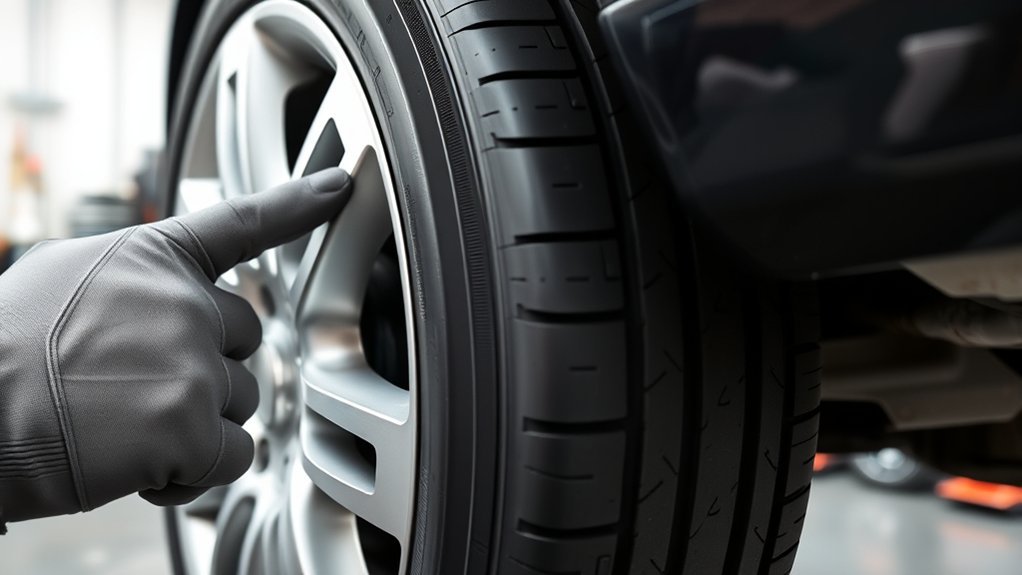
SL on a tire means Standard Load. It tells you the tire is built for normal passenger-car use, not reinforced extra-load service. For many P-metric SL tires, the tire reaches its assigned maximum load at about 35 psi, but you should always follow the tire sidewall, the driver-door tire placard, and the vehicle owner’s manual before choosing pressure or replacement tires.
Quick Answer
SL means Standard Load. An SL tire is a normal passenger tire designed to carry the standard load for its size. It is not the same as XL, RF, or HL, which are reinforced markings for higher-load service. Match the tire’s load index and speed rating to your vehicle’s required specifications.
Key Takeaways
- SL means Standard Load, the normal passenger-tire load category for everyday driving.
- Many P-metric SL tires reach their assigned maximum load at 35 psi, but some metric systems and tire designs use different maximum-load pressures.
- The load index is the exact number that tells you how much weight one tire can carry when properly inflated.
- The speed rating is the letter that tells you the tire’s tested speed capability under specified load and inflation conditions.
- XL, RF, and HL tires are reinforced designs for higher load capacity, but they are not automatically better for every vehicle.
- Never install a tire with a lower load index or speed rating than your vehicle manufacturer requires.
Warning: Do not choose tires by the SL or XL label alone. Check the driver-door tire placard, owner’s manual, tire sidewall, and the tire’s load index. Overloading a tire or using a lower-rated replacement can cause heat buildup, poor handling, tire damage, or tire failure.
What Does SL Mean on a Tire?
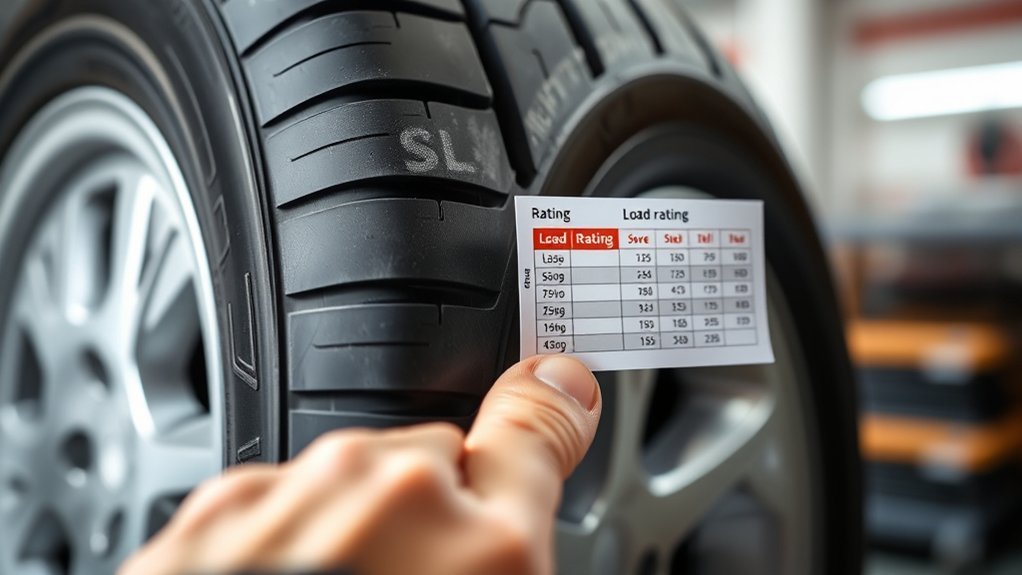
SL on a tire stands for Standard Load. It means the tire is built for the standard load capacity assigned to that tire size. You will most often see SL on passenger cars, small crossovers, and vehicles that do not need reinforced tires for frequent heavy cargo, towing, or high-load service.
Some SL tires are marked with “SL” on the sidewall, but many standard-load passenger tires have no special load-range marking at all. That can be normal. The most important part is not the letters alone; it is the full service description, such as 205/55R17 91V. In that example, 91 is the load index and V is the speed rating.
For many P-metric passenger tires, SL load capacity is based on an industry-assigned maximum-load pressure of 35 psi. However, that does not mean every SL tire should be inflated to 35 psi, and it does not always equal the tire’s molded maximum inflation pressure. Your correct cold tire pressure comes from the vehicle placard, not from a guess based on the SL label.
Note: If the sidewall says “Max Load” and “Max Pressure,” that is the tire’s limit under specific conditions. It is not always the pressure your vehicle should use for daily driving.
SL Tires vs. XL Tires
The biggest difference between SL and XL tires is load capacity at higher inflation pressure. SL tires are standard-load tires. XL tires, also called Extra Load or sometimes Reinforced, are built with stronger construction so they can carry more load than the standard version of the same size when inflated correctly.
| Feature | SL Tire | XL Tire |
| Meaning | Standard Load | Extra Load / Reinforced |
| Best for | Normal passenger use, commuting, light cargo | Heavier vehicles, frequent cargo, some SUVs, EVs, or towing setups when specified |
| Pressure note | Many P-metric SL tires use 35 psi as assigned maximum-load pressure | Many P-metric XL tires use 41 psi; many Euro-metric XL/RF tires use 42 psi |
| Ride feel | Usually lighter and more comfortable | Can feel firmer, especially on lighter vehicles |
[Products Worth Considering]
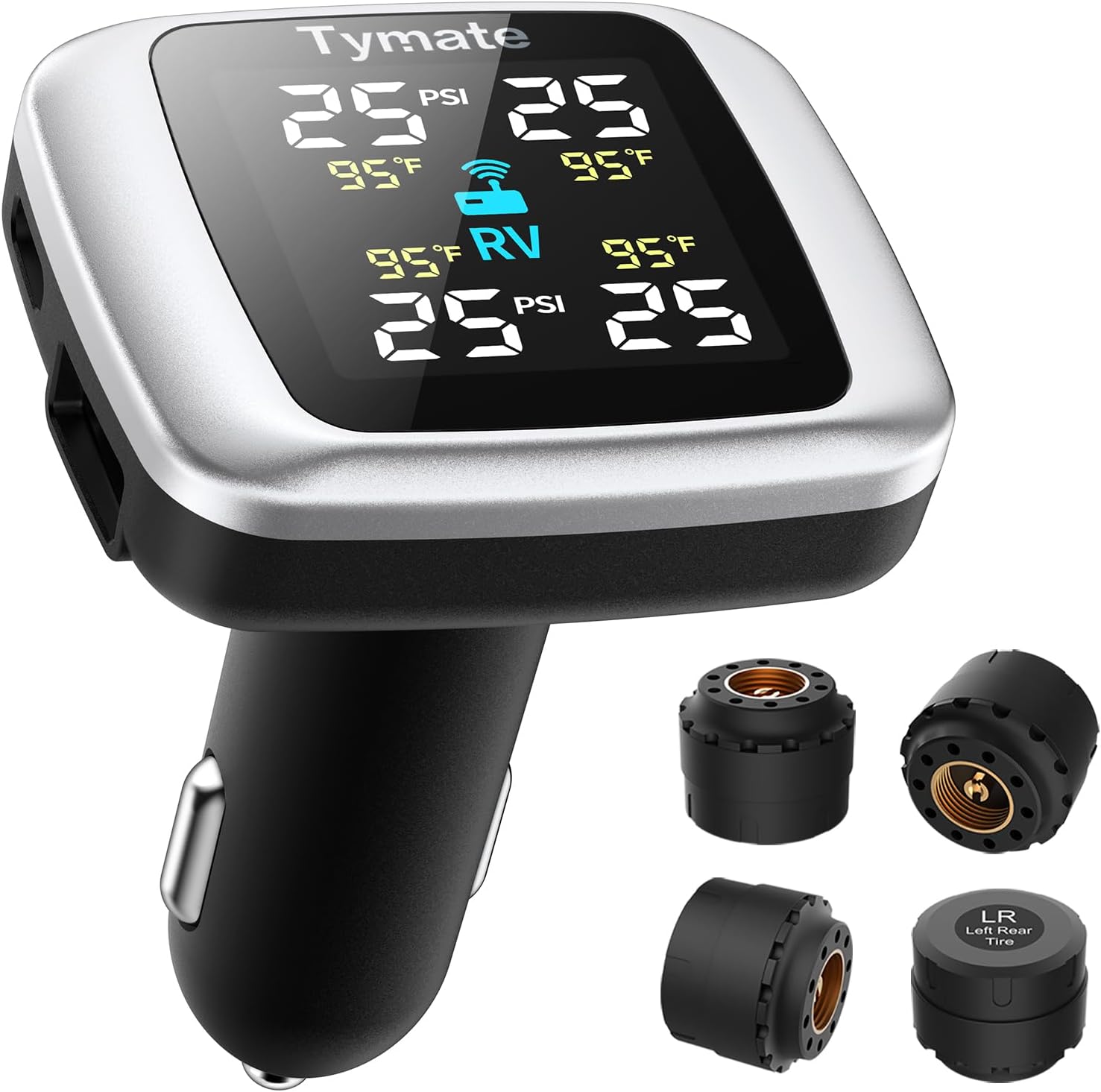
Tymate TM7 is a wireless tire pressure monitoring system that delivers real-time pressure and temperature readings for safer driving. It includes four external sensors, a bright color LCD display with adjustable backlight, and six alarm modes for high/low pressure, fast leakage, high temperature, and sensor signal or battery issues. The system covers a wide 0–144 PSI range and plugs into your vehicle’s cigarette lighter socket for quick DIY setup.
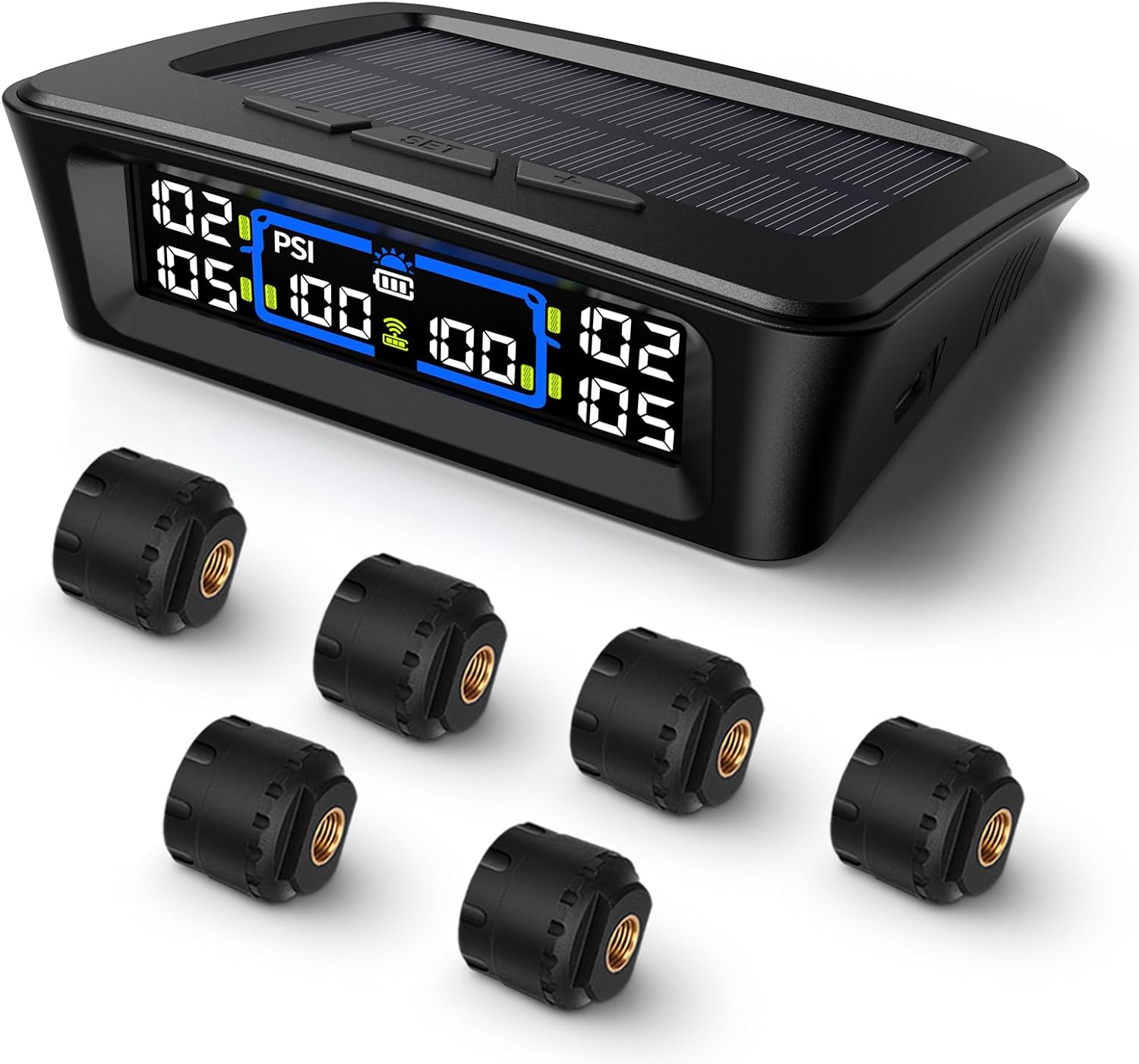
The Tymate TM12 RV TPMS delivers real-time tire pressure and temperature monitoring with a stable 433Hz display for safer long-distance driving. It supports simultaneous monitoring across vehicle and trailer zones, includes six alarm modes for pressure, temperature, leakage, battery, and signal loss, and features easy DIY installation with auto calibration. Power is supplied via USB-C charging or solar recharging, with a wide 0–144 PSI range and up to 50 ft signal coverage for RVs and towable trailers.
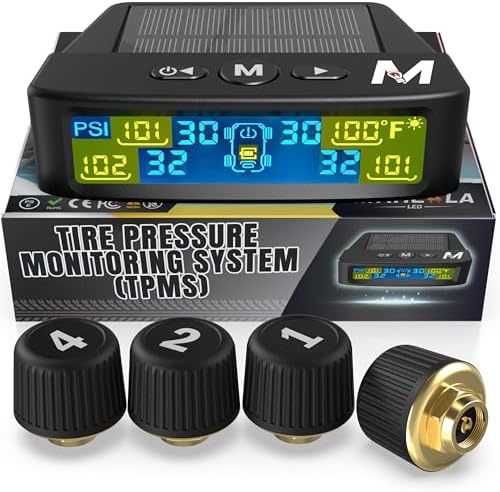
Marcala’s TPMS set of four sensors helps you monitor tire pressure and temperature in real time while driving, with updates every second. The bright color LCD uses auto-dimming for easy viewing, powered by dual solar and USB charging, and offers six alarm modes. Built for trailers, RVs, campers, trucks, and towing setups, the sensors support monitoring 1-4 wheels up to 98 PSI with IP67 waterproof protection.
SL Tire Basics
An SL tire is the normal load option for many passenger vehicles. It is designed to carry the standard load for its size when used at the correct inflation pressure. That makes it a good fit for normal commuting, highway driving, and everyday passenger-car use.
SL tires are often lighter than reinforced tires, which can help ride comfort and efficiency. That does not mean every SL tire is the same. You still need to compare the tire’s size, load index, speed rating, tread type, and vehicle fitment. Understanding treadwear ratings can also help you choose a tire that fits your mileage expectations.
XL Tire Advantages
XL tires have reinforced construction that lets them support more load at higher inflation pressure than the standard-load version of the same size. They can be useful for heavier vehicles, vehicles that regularly carry passengers or cargo, some electric vehicles, and some towing or hauling setups when the vehicle manufacturer allows or requires that rating.
- Higher load-carrying capacity than the SL version of the same size
- Stronger construction for heavier loads
- Better support under full passenger or cargo load
- Often more stable when the vehicle is loaded near its rated capacity
The tradeoff is that XL tires can cost more, weigh more, and feel firmer. If your vehicle only calls for SL tires and you do not carry heavy loads, an XL tire may not provide a noticeable benefit. Understanding the difference between all-season and all-terrain tires can also help you match the tire to your actual driving conditions.
How Tire Load Index Ratings Work
The load index is a number on the tire sidewall that tells you the maximum weight one tire can support when it is properly inflated. It appears near the end of the tire size code, usually right before the speed-rating letter. For example, in 205/55R17 91V, the load index is 91.
The load index is more precise than the SL label. SL tells you the tire’s load category. The load index tells you the actual rated load capacity for that tire. That is why two SL tires can have different load capacities if they are different sizes or have different load-index numbers.
Always choose a replacement tire with a load index that meets or exceeds the value listed on your vehicle’s tire placard or owner’s manual. If you choose a lower load index, the tire may not safely support the vehicle’s weight, passengers, cargo, and driving forces.
Pro Tip: When comparing tires online, filter by vehicle first, then confirm the load index and speed rating manually. Do not assume the right size automatically means the right load rating.
Load Range vs. Load Index: Do Not Mix Them Up
Load range and load index sound similar, but they are not the same thing.
- Load range is the category, such as SL, XL, C, D, E, or F.
- Load index is the number, such as 91, 95, 100, or 116, that corresponds to a specific maximum load per tire.
For passenger tires, you usually see SL, XL, RF, or HL. For light-truck tires, you often see load ranges such as C, D, E, or F. This is why a pickup, SUV, van, or trailer tire can look similar in size but have a very different load rating.
What Tire Speed Ratings Mean
The speed rating is the letter next to the load index. It tells you the maximum speed capability of the tire under specified test conditions, when the tire is properly inflated, properly loaded, and undamaged. In 205/55R17 91V, the speed rating is V.
Common speed ratings include:
- T: up to 118 mph
- H: up to 130 mph
- V: up to 149 mph
- W: up to 168 mph
- Y: up to 186 mph
You should match or exceed the vehicle manufacturer’s required speed rating unless a tire professional or the manufacturer gives a specific exception, such as certain winter-tire applications. Selecting tires with the proper load index and speed rating helps preserve handling, braking, and heat resistance.
Speed Rating Basics
Speed ratings are not just about how fast you plan to drive. They also reflect heat resistance and performance under load. A tire with too low a speed rating may not handle heat and stress the way your vehicle was designed to expect, especially during long highway drives, hot weather, or heavy loading.
Matching Speed Limits
Even if legal speed limits are lower than the tire’s speed rating, you should still use the rating specified by the vehicle manufacturer. The vehicle’s suspension, braking, stability control, and tire pressure recommendations were developed around a specific tire size and service description.
When XL Tires Are the Better Choice
XL tires can be the better choice when your vehicle calls for extra load capacity or when the manufacturer allows an XL option for a heavier-use setup. This often applies to heavier SUVs, minivans, electric vehicles, performance vehicles, or vehicles that regularly carry passengers, cargo, roof loads, or trailer tongue weight.
XL tires may help when:
- Your door placard or owner’s manual lists an XL tire.
- You regularly drive with heavy passenger or cargo loads.
- You tow within the vehicle’s rated limits and the manufacturer approves the tire fitment.
- You drive a vehicle with higher curb weight, such as some EVs or larger crossovers.
- You need a tire with the same size but a higher load index.
They are not automatically the right upgrade for every car. On a lighter vehicle, XL tires may ride more firmly and may not improve real-world tread life. If you drive rough roads or want more off-road strength, all-terrain tires may matter more than the SL/XL label alone.
[Products Worth Considering]

TIRESHIELD PRO RV tire covers in a set of four deliver year-round protection against UV rays, cracking, fading, water, and snow. The StormLock-System helps keep the covers securely fastened through high wind, while heavy-duty, double-stitched construction supports long-lasting performance. Designed for universal fit, they’re intended for RV, camper, truck, car, and trailer tires within the 26–28.75 inch diameter range, with easy wipe-clean care and storage in the included bag.

The 22800 wheel stud installer makes replacing wheel studs quick and secure, saving time and effort during tire service. It uses a ratchet or impact wrench to pull new studs firmly into place, helping when existing studs are too long. Compatible with most automotive wheels and light-duty truck wheel studs, it’s designed for easy, tool-assisted installation.

The Tymate TM2 RV tire pressure monitoring system keeps you informed with a color LCD display, automatic backlight, and solar charging for dependable operation. It supports up to 10 tire positions with four pre-paired sensors, while offering multiple alarm modes for fast leak detection, pressure extremes, temperature alerts, and low-signal warnings. Built-in monitoring uses accurate readings and reliable 433.92MHz communication to help protect your RV, trailer, truck, or SUV.
Can You Replace SL Tires With XL Tires?
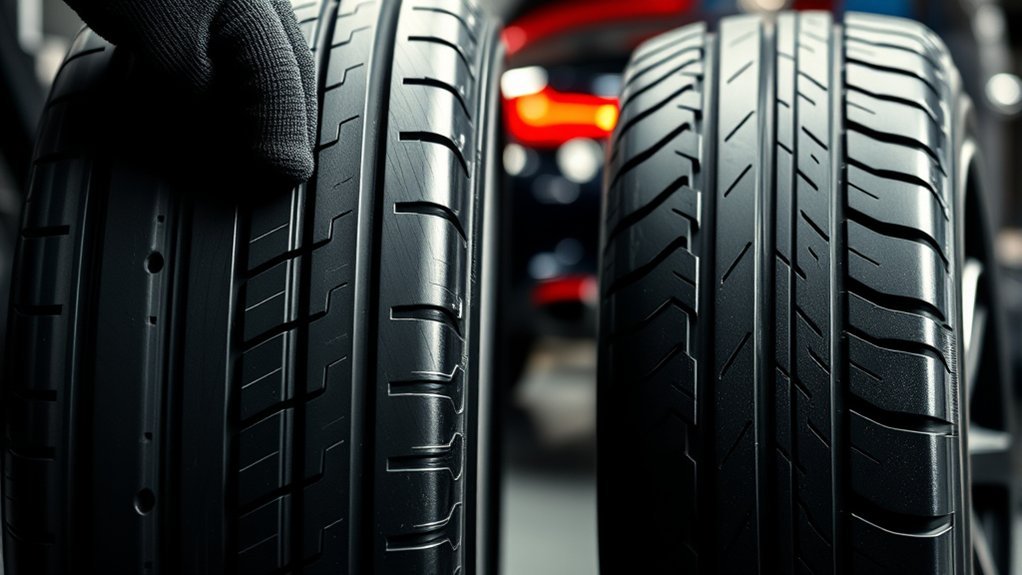
In many cases, yes, you can replace SL tires with XL tires if the size, load index, speed rating, rim fitment, and vehicle manufacturer guidance allow it. Moving from SL to XL can add load capacity, but the replacement tire still needs to match the vehicle correctly.
Do not make the opposite swap if your vehicle requires XL, RF, HL, LT, or another higher-load tire. A standard-load tire may not have enough capacity for the vehicle’s weight and intended use.
Before switching from SL to XL, check:
- The exact tire size on the driver-door placard
- The minimum load index
- The required speed rating
- The recommended cold tire pressure
- Whether the tire is P-metric, Euro-metric, LT, or another type
- Whether your vehicle manufacturer allows the substitution
Note: XL tires should not be inflated higher just because they can handle more pressure. Use the vehicle manufacturer’s recommended cold pressure unless a tire professional provides a correct load-inflation adjustment for your specific setup.
[Products Worth Considering]

Vigorder rubber cement glue delivers superior adhesion and cures quickly within about 30 seconds for seamless rubber bonding. Once cured, it helps provide a strong, durable, waterproof seal that holds up to vehicle weight, pressure, and heat. Suitable for cars, motorcycles, trucks, bicycles, and off-road tires, it’s designed for emergency patch and maintenance repairs.

Secure your vehicle during transport with this 4-pack of heavy-duty tire tie down straps designed for trailers and hauling. The ratchet system with flat hooks and D-rings helps you tension the straps quickly, while the wheel-friendly design protects tires. With high break strength and corrosion-resistant hardware, these straps provide reliable, confidence-inspiring tie-down security for cars, trucks, and UTVs.

Keep RV, trailer, or truck dual-axle tires protected with waterproof, UV-resistant covers that help guard against sunlight, snow, rust, and dirt. The dual tire covers are easy to install with a rope/bungee fastener for a stable fit that won’t easily slip. Designed for 27–30 inch diameter wheels, they help maintain tire condition through harsh weather.
Where to Find Tire Ratings on the Sidewall
You can find tire ratings molded into the sidewall. Look for the long size and service-description code. It may look like this:
205/55R17 91V SL
- 205 = section width in millimeters
- 55 = aspect ratio
- R = radial construction
- 17 = wheel diameter in inches
- 91 = load index
- V = speed rating
- SL = Standard Load, if shown
The sidewall may also list maximum load, maximum pressure, DOT tire identification, tire construction details, and UTQG grades such as treadwear, traction, and temperature. Understanding treadwear ratings can help you compare longevity, but it does not replace the load index or speed rating.
How to Read the Sidewall Markings
Start with the tire size, then read the service description. The size tells you whether the tire fits the wheel and vehicle. The service description tells you how much load and speed capability the tire is rated for.
For a tire marked 225/60R18 100H:
- 225 means the tire is 225 mm wide.
- 60 means the sidewall height is 60% of the tire width.
- R means radial.
- 18 means it fits an 18-inch wheel.
- 100 is the load index.
- H is the speed rating.
If the tire also says XL, RF, or HL, it is a higher-load or reinforced version. If it says SL or has no load-range marking on a typical passenger tire, it is generally standard load. Understanding all-season tire performance can help you choose the right category once the required size and ratings are confirmed.
SL vs. LT Tires
SL and LT are not interchangeable labels. SL is a standard-load passenger-tire category. LT means Light Truck, a tire type designed for heavier-duty truck, van, towing, and cargo applications.
LT tires often use load ranges such as C, D, E, or F, and they may require much higher inflation pressures than passenger tires. They can also ride firmer and weigh more. If your vehicle came with P-metric or Euro-metric passenger tires, do not switch to LT tires unless the vehicle manufacturer or a qualified tire professional confirms the fitment, pressure, and load requirements.
Are SL Tires Good for Towing?
SL tires can be acceptable for towing only when the vehicle manufacturer allows them and the full loaded setup stays within every limit. That includes the vehicle’s towing capacity, payload rating, axle ratings, trailer tongue weight, tire load index, tire pressure, and speed rating.
SL tires are not a good choice for heavy towing if the load pushes the tire near or beyond its rated capacity. If you tow often or carry heavy cargo, check whether the vehicle calls for XL, LT, or another higher-load tire. When in doubt, use the tire and loading placard, owner’s manual, and a tire professional instead of guessing.
Frequently Asked Questions
What load range is SL?
SL is Standard Load. It is the normal load category for many passenger tires. The SL label does not tell you the exact weight capacity by itself; the exact capacity comes from the tire’s load index and the tire’s maximum load information on the sidewall.
What is the difference between SL and LT tires?
SL tires are standard-load passenger tires. LT tires are Light Truck tires built for heavier-duty use, often with load ranges such as C, D, E, or F. LT tires may carry more load, but they can require different pressures and may change ride feel, handling, and fitment. Use LT tires only when your vehicle requires them or a qualified tire professional confirms the swap.
Are SL tires OK for towing?
Sometimes, but only for towing setups that stay within the vehicle manufacturer’s limits. Check the tire placard, owner’s manual, load index, cold tire pressure, trailer tongue weight, payload, and axle ratings. For frequent or heavy towing, your vehicle may need XL, LT, or another higher-load tire.
Should I get a 10-ply or 12-ply tire?
Choose by load requirement, not by the ply number alone. Modern “10-ply” and “12-ply” labels are strength-equivalent ratings, not usually literal ply counts. A 10-ply-rated tire is commonly Load Range E, while a 12-ply-rated tire is commonly Load Range F. Use the load range and load index your vehicle or trailer requires.
Can I replace SL tires with XL tires?
Usually yes, if the XL tire is the correct size and meets or exceeds the required load index and speed rating. The ride may feel firmer, and the correct inflation pressure still comes from the vehicle placard or a proper load-inflation calculation. Do not replace required XL tires with SL tires.
Is SL better than XL?
Neither is automatically better. SL is usually better for standard passenger-car use when the vehicle calls for it. XL is better when the vehicle needs extra load capacity. The best tire is the one that matches your vehicle’s required size, load index, speed rating, pressure, and driving conditions.
Conclusion
SL on a tire means Standard Load. It is a normal passenger-tire load category, not a special heavy-duty rating. To choose the right tire, look beyond the SL label and confirm the tire size, load index, speed rating, pressure requirements, and vehicle placard. If your vehicle requires XL, LT, RF, HL, or a higher load index, do not downgrade to SL. When the markings match the manufacturer’s specs, you can drive with a safer, more confident fit.
Sources
- NHTSA TireWise — tire safety, tire ratings, and where to find correct tire size information.
- Tire Industry Association: Tire Replacement — replacement tire guidance and warning against lower load indexes.
- U.S. Tire Manufacturers Association: Replacing Tires — size, load index, and speed rating replacement guidance.
- Michelin: Tire Load Rating & Speed Rating — load index and speed rating definitions.
- Continental Tires: Reinforced Tires — XL, reinforced, RF, and HL load-marking explanation.
- Tire Rack: Load Ranges / Ply Ratings — SL, XL, P-metric, Euro-metric, and ply-rating pressure notes.