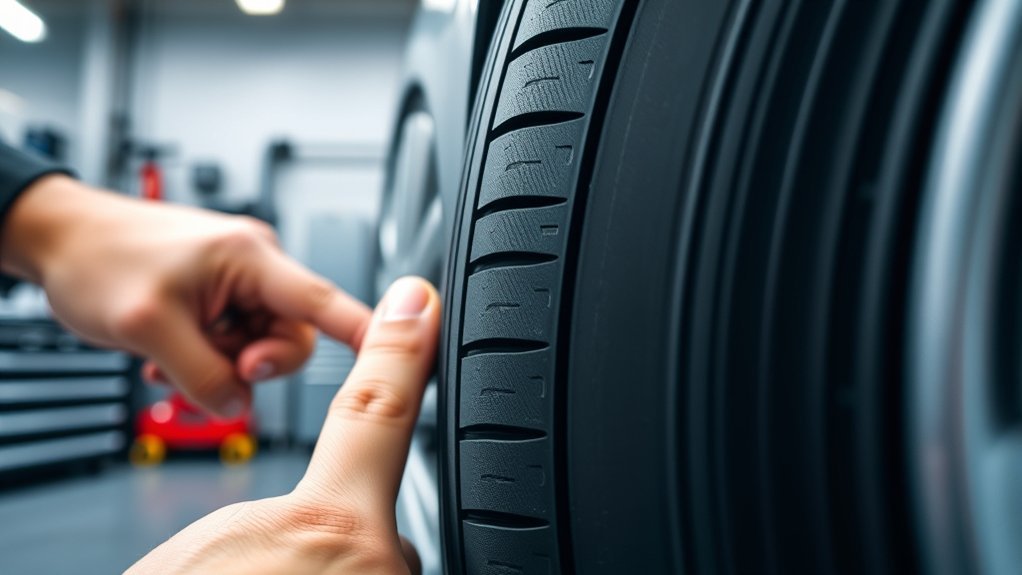
A tire marked 94H is telling you two things at once: how much weight the tire can carry and the maximum speed category it was built to handle. The 94 load index equals 1,477 pounds per tire when the tire is properly inflated, and the H speed rating equals 130 mph under controlled conditions. Before you buy a 94H tire, check your driver’s door placard or owner’s manual and make sure the replacement tire matches or exceeds the original tire size, load index, and speed rating.
Quick Answer
A 94H tire has a load index of 94 and a speed rating of H. Load index 94 means the tire can carry up to 1,477 pounds when properly inflated. H means the tire is rated up to 130 mph, but only when used within legal speeds, correct load, proper pressure, and good tire condition.
Key Takeaways
- 94 is the tire’s load index, equal to 1,477 pounds per tire when properly inflated.
- H is the speed rating, equal to 130 mph under controlled rating conditions.
- Together, 94H is the tire’s service description: load capacity plus speed capability.
- Your replacement tires should match or exceed the vehicle manufacturer’s required load index and speed rating.
- Do not mix tire ratings unless a tire professional confirms it is safe for your vehicle and use case.
At a Glance
| Time Required | 2–5 minutes to check the sidewall and vehicle placard |
| Difficulty | Easy |
| Tools Needed | Tire sidewall, driver’s door placard, owner’s manual, tire pressure gauge |
| Cost | Free to check; replacement cost depends on tire size, brand, and category |
What Does 94H Mean on a Tire?
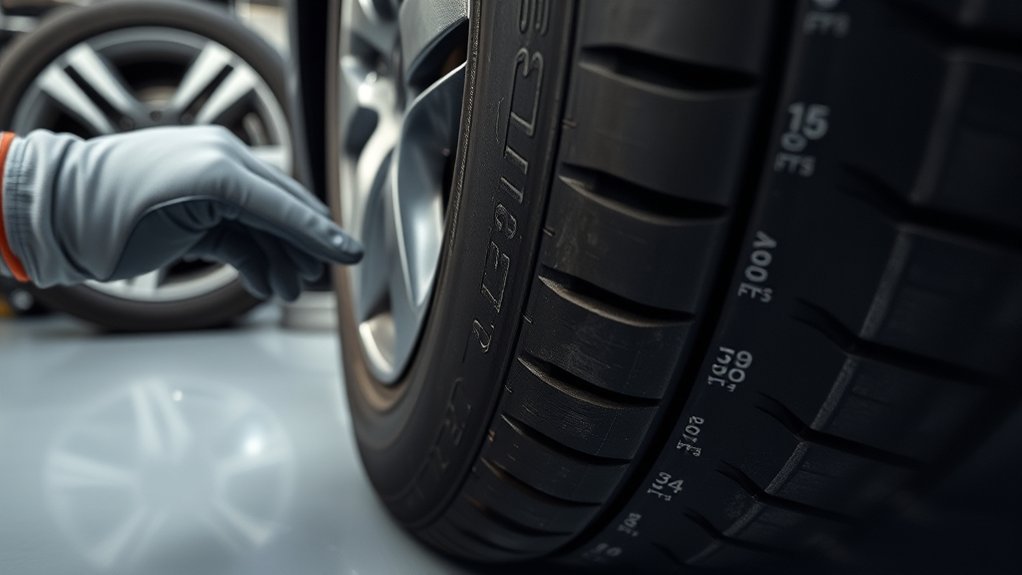
A tire marked 94H uses a two-part service description. The number 94 is the load index, which means the tire can carry up to 1,477 pounds when properly inflated. The letter H is the speed symbol, which means the tire is rated for up to 130 mph in controlled test conditions. You may see this code after the tire size, such as 225/60R16 94H.
Read 94H as a limit, not a performance promise. It does not mean you should load the vehicle to the edge of its capacity or drive at 130 mph. It means the tire was built to meet that load and speed category when the tire is correctly inflated, undamaged, properly installed, and used within the vehicle manufacturer’s specifications. If you also compare all-season tire performance, remember that the 94H code is only one part of the decision.
94H means 1,477 pounds of rated load capacity per tire and a 130 mph speed category, but your vehicle placard still decides whether that tire is the right fit.
How to Read Tire Size on the Sidewall
Most passenger tires use a sidewall code such as 225/60R16 94H. The first part tells you the tire size, and the last part tells you the service description. Read it from left to right:
- 225 means the tire is about 225 millimeters wide from sidewall to sidewall.
- 60 is the aspect ratio, so the sidewall height is 60% of the tire width.
- R means radial construction, which is the common construction type on modern passenger vehicles.
- 16 means the tire fits a 16-inch wheel.
- 94H means load index 94 and speed rating H.
This full code matters because a tire can have the same 94H rating but still be the wrong size for your wheel or vehicle. Always compare the complete size and service description with the door placard, not just the 94H marking. Understanding load index specifications also helps you avoid buying a tire that fits the wheel but falls short of the vehicle’s required load capacity.
Note: A tire’s size, load index, speed rating, load range, inflation pressure, tread type, and seasonal rating all work together. Do not judge fitment from one number alone.
How the 94 Load Index Works
The 94 load index means one tire can support up to 1,477 pounds at the correct inflation pressure. Since most passenger vehicles use four tires, the tire set has a combined rated tire capacity that is higher than the weight carried by each axle, but you should never use that math alone to approve a tire. The vehicle’s gross weight rating, axle ratings, cargo load, passenger load, and recommended tire pressure still matter.
Load index numbers usually rise as capacity rises. A tire with a load index of 95 carries more than a 94. A tire with a load index of 91 carries less than a 94. The safest replacement rule is simple: match or exceed the original equipment load index listed by the vehicle manufacturer.
| Load Index | Max Load Per Tire | What It Means |
|---|---|---|
| 91 | 1,356 lb / 615 kg | Lower than 94; do not use if your car requires 94 or higher. |
| 94 | 1,477 lb / 670 kg | Common passenger-car load index. |
| 95 | 1,521 lb / 690 kg | Slightly higher capacity than 94. |
| 98 | 1,653 lb / 750 kg | Higher capacity, often seen on larger vehicles or certain XL tires. |
Do not confuse load index with tread life, warranty length, or ride comfort. A tire can have a high load index and still wear quickly if it has a soft performance compound, poor alignment, low pressure, or heavy use. That is why tread life and warranty offerings should be compared separately from load capacity.
Load Index vs. Load Range, XL, and LT Markings
The load index is the number in the service description, such as the 94 in 94H. You may also see markings such as SL, XL, or LT elsewhere on the tire. These are related to load construction and inflation, but they are not the same as the load index.
- SL means Standard Load on many passenger tires.
- XL means Extra Load, which is built to carry more load at higher inflation pressure than a comparable standard-load tire.
- LT means Light Truck. Some LT tires show two load indexes, such as 104/101, because the rating changes for single-wheel versus dual-wheel use.
If your original tire is XL or LT, do not replace it with a standard passenger tire just because the size looks close. Match the full specification shown on the placard or in the owner’s manual.
[Products Worth Considering]

The 22800 wheel stud installer makes replacing wheel studs quick and secure, saving time and effort during tire service. It uses a ratchet or impact wrench to pull new studs firmly into place, helping when existing studs are too long. Compatible with most automotive wheels and light-duty truck wheel studs, it’s designed for easy, tool-assisted installation.

ETENWOLF’s tire pressure gauge helps you quickly and accurately check tire PSI across cars, trucks, motorcycles, bikes, and more. It’s manually calibrated to ANSI B40.1 Grade A for reliable readings, includes a large glow dial for easy nighttime viewing, and features a 360-degree swivel chuck for use at any valve angle. The gauge also works consistently in extreme hot or cold weather.

Keep your tires properly inflated with this analog VONDIOR tire pressure gauge, designed for fast, easy readings without batteries. The swiveling, two-axis hose and large glow dial help you measure at any tire angle with instant visibility. Built with a protective rubber shield, it supports durable, low-maintenance use for cars and trucks.
What the H Speed Rating Means
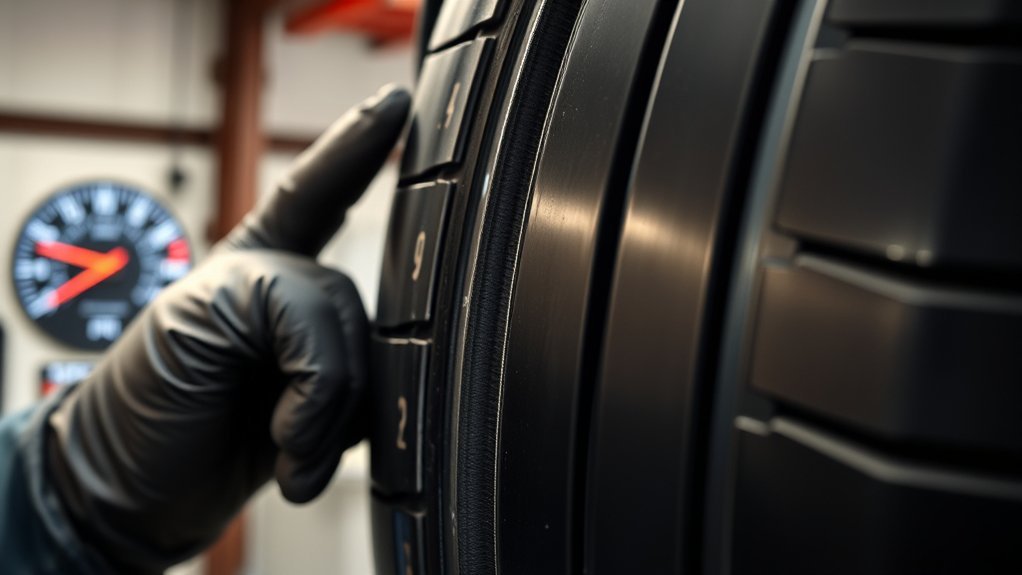
The H speed rating means the tire is rated up to 210 km/h, or about 130 mph, under controlled rating conditions. Speed ratings are standardized letter symbols that help compare a tire’s tested speed capability when the tire is correctly loaded, inflated, and in good condition. H sits above S and T, but below V, W, and Y in common passenger-car speed ratings.
Warning: A speed rating is not permission to drive at that speed. Always obey posted speed limits. The rating assumes proper inflation, correct load, sound tire condition, suitable road conditions, and correct installation.
| Speed Rating | Maximum Speed Category | Common Use |
|---|---|---|
| S | 112 mph / 180 km/h | Some older or comfort-focused passenger tires |
| T | 118 mph / 190 km/h | Touring and economy tires |
| H | 130 mph / 210 km/h | Many sedans, coupes, crossovers, and touring tires |
| V | 149 mph / 240 km/h | Performance-oriented vehicles and tires |
| W | 168 mph / 270 km/h | High-performance tires |
A higher speed rating can come with stronger heat resistance and sharper response, but it does not automatically mean better winter traction, longer tread life, or a smoother ride. Always compare the speed rating with the tire category, tread design, UTQG information, and your vehicle’s required spec. If you are comparing how tire performance affects handling, use speed rating as one clue, not the whole answer.
94H vs. Other Tire Ratings
A 94H tire balances a moderate-to-strong passenger-car load rating with a common touring or performance-touring speed rating. It usually suits daily driving well when the vehicle originally calls for that rating. The key is not whether 94H sounds “good,” but whether it matches the tire placard.
| Rating | Load Capacity | Speed Category | Main Difference |
|---|---|---|---|
| 94T | 1,477 lb | 118 mph | Same load, lower speed category than 94H. |
| 94H | 1,477 lb | 130 mph | Balanced daily-use rating for many vehicles. |
| 94V | 1,477 lb | 149 mph | Same load, higher speed category than 94H. |
| 95H | 1,521 lb | 130 mph | Higher load, same speed category as 94H. |
If your vehicle requires 94H, a 94V may be acceptable if the tire is the correct size and type, but a 94T may not be acceptable because it has a lower speed rating. A 95H may meet or exceed the load index, but it still must match the correct size, construction, load type, and fitment requirements. Tires like the Crosswind HP010 and other all-season options should still be checked against your exact vehicle spec before purchase.
[Products Worth Considering]
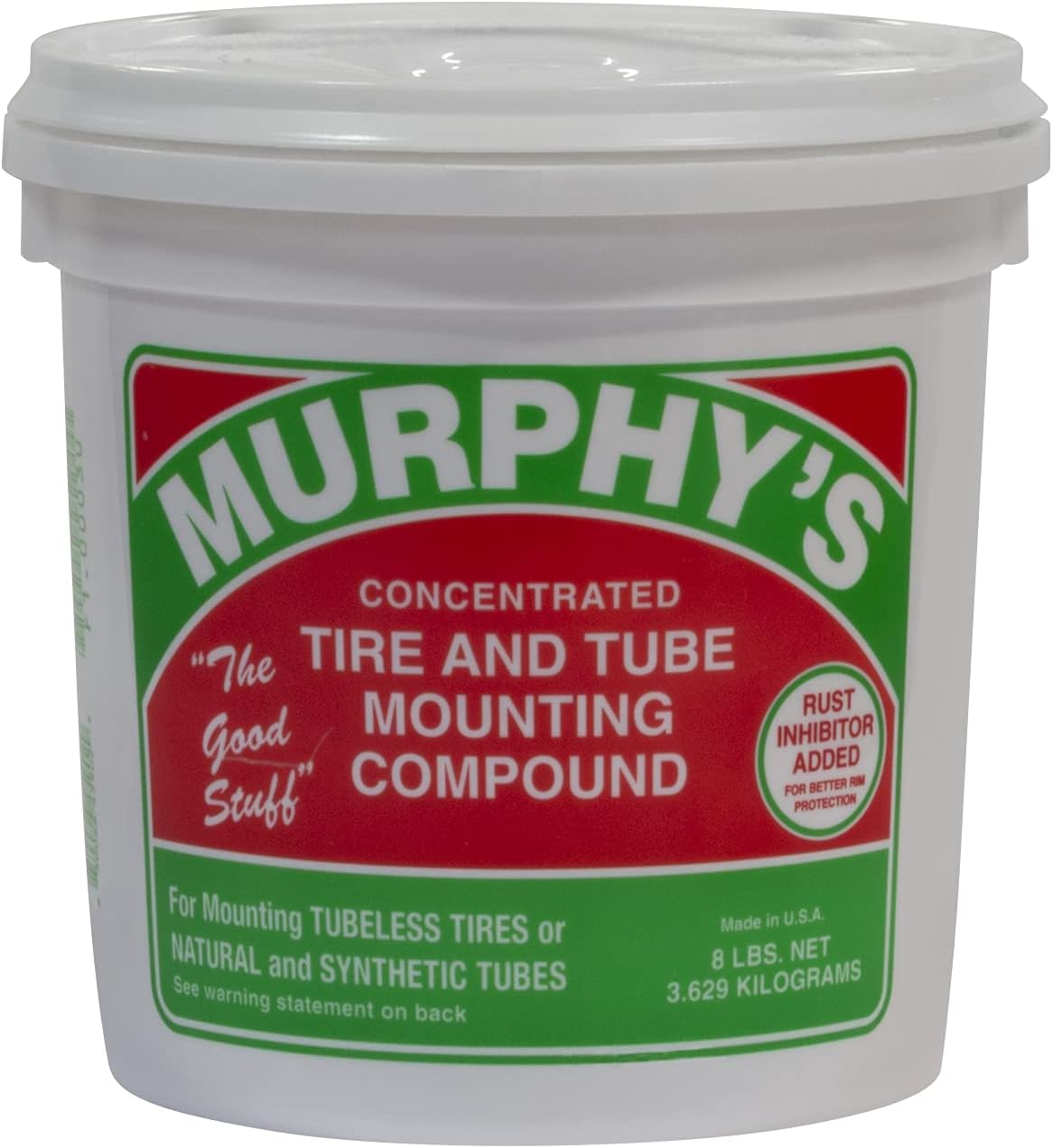
A concentrated tire and tube mounting compound designed to help simplify mounting rubber tires and tubes on passenger, semi truck, construction, and OTR applications. Its ultra-thick formula packs beads effectively and includes rust inhibitors to help protect against corrosion during use.

The Topeak SmartGauge D2 delivers precise digital tire pressure readings for bikes, motorcycles, and sports equipment up to 250 psi (17 bar). Its rotating SmartHead works with both Presta and Schrader valves, so you can check pressure quickly without adapters. The LCD display makes it easy to read results in psi, bar, or kg/cm² with an included CR2032 battery for immediate use.

This manual duck head tire changer kit makes tire installation and removal simpler by letting you embed the duck head into the tire with applied pressure. The integrated design and durable steel construction help reduce friction and improve efficiency and safety during use. Suitable for 16–21 inch wheels, it’s convenient for cars, trucks, SUVs, and ATV tires, with 24-hour after-sales support.
How to Know If 94H Fits Your Vehicle
To know whether a 94H tire fits your vehicle, compare the full tire code with the information on the driver’s door placard and in the owner’s manual. Use this checklist before you buy:
- Find the required tire size, such as 225/60R16 or 215/55R17.
- Find the required load index, such as 94, 95, or another number.
- Find the required speed rating, such as H, V, or T.
- Check the load type, such as SL, XL, or LT if listed.
- Match the tire category, such as all-season, summer, winter, or all-weather, based on the vehicle and climate.
- Confirm cold inflation pressure for front and rear tires.
- Install matching tires as a set whenever possible, especially on AWD vehicles.
If the placard calls for 94H and the replacement tire is the same size, same load type, and at least 94H, it is usually in the correct rating range. If either the load index or speed rating is lower than the original equipment specification, do not install it without written manufacturer or tire-professional guidance. This keeps your optimal performance tied to verified fitment instead of guesswork.
Pro Tip: Take a photo of your door placard before shopping. It helps you compare tire size, pressure, load index, and speed rating without walking back to the car.
[Products Worth Considering]
This flat-free TICONN wheelbarrow tire features durable polyurethane foam construction that never needs inflation, helping prevent punctures and reducing maintenance on rough outdoor terrain. With a 300 lb max load capacity and stable steel rim design, it supports safer transport for yard work and hauling tasks. An adapter kit with ball bearings and nylon spacers is included for easier fit and customization across common wheelbarrow and cart axle setups.

This tire inflator with pressure gauge delivers long-lasting performance with a durable rubber-protected gauge and sturdy build. The longer hose and 360 swivel air chuck help you seal the valve securely and keep your hands free while measuring, inflating, or deflating. It’s battery-free for reliable use and provides ±2 PSI accuracy in the mid-range for most typical tires, with universal compatibility for 1/4 NPT compressor outputs.

Measure tire tread depth quickly and accurately with this LUMITECO dial gauge that reads in 1/32" increments up to 14/32". The color-coded green/yellow/red zones make it easy to judge tire wear and know when replacement is needed. A rugged, compact design with a protective pouch helps keep the gauge ready for use on cars, trucks, motorcycles, and more.
Why Load Ratings Matter for Safety
Load ratings matter because every tire supports part of the vehicle’s weight, plus passengers, cargo, fuel, accessories, and any tongue weight from a trailer. If the tires are under-rated, underinflated, overloaded, or damaged, they can run hotter and flex more than intended. That raises the risk of rapid wear, sidewall damage, or tire failure.
- Use the load index listed by the vehicle manufacturer as the minimum requirement.
- Do not reduce the load index to save money or improve ride softness.
- Check pressure when tires are cold, not after a long drive.
- Do not assume a higher load index increases the vehicle’s legal payload or towing rating.
- Replace tires with severe wear, cracking, bulges, puncture damage, or age-related deterioration.
A higher load index can help only when it is part of a correct tire fitment. It does not override the vehicle’s axle ratings, suspension limits, wheel ratings, or towing limits. If you haul heavy cargo or tow, use the owner’s manual and tire placard first, then confirm the tire choice with a qualified installer. Understanding the importance of all-season tires is also useful, but seasonal performance should be considered separately from load capacity.
Why Speed Ratings Matter for Handling
Speed ratings matter because they reflect a tire’s ability to manage heat and stress at speed. An H-rated tire is built for a higher speed category than S or T, which often lines up with firmer construction and more responsive handling. Still, the speed symbol alone does not tell you everything about grip, braking, snow traction, ride comfort, or tread life.
If your vehicle was engineered around H-rated tires, dropping to T-rated tires can change steering feel, heat margin, and high-speed stability. Moving to V-rated tires may improve response on some vehicles, but it may also change ride comfort, noise, tread life, and cost. For winter driving, a tire with Three-Peak Mountain Snowflake certification may matter more than moving to a higher speed symbol, especially in snow and ice.
Can You Mix Different Tire Ratings?
You should avoid mixing different tire speed ratings, load indexes, sizes, construction types, or seasonal categories. Matching all four tires gives the most predictable braking, steering, traction, and stability. If your vehicle has AWD or 4WD, mismatched tires can also stress the drivetrain.
If you have no choice because of an emergency replacement, remember this rule: the vehicle’s practical limit is controlled by the lowest-rated tire in the set. Treat the mismatch as temporary and replace the set correctly as soon as possible. If you are shopping from tire fitment and load rating lists, confirm that all four tires match the same service description unless your vehicle manufacturer specifies a staggered setup.
Mixing Speed Ratings
Mixing speed ratings can change how the vehicle responds in quick lane changes, hard braking, and wet-road maneuvers. A lower speed-rated tire may have different heat resistance, sidewall stiffness, and tread design from the others. Even when the size is the same, the behavior may not be the same.
- Use four matching speed ratings whenever possible.
- Never install a speed rating below the vehicle manufacturer’s required minimum without expert guidance.
- If different ratings are temporarily installed, drive conservatively and treat the lowest rating as the limit.
- Do not mix summer, all-season, and winter tires on the same vehicle unless the manufacturer specifically allows it.
- Replace mismatched emergency tires with a matched set as soon as practical.
Load Rating Mismatch
Different load indexes can also create a safety issue. The lower-rated tire becomes the weak point. If one tire has a 94 load index and another has a 91 load index, the 91-rated tire cannot carry as much weight as the 94-rated tire. That matters most when the vehicle is loaded with passengers, cargo, or trailer tongue weight.
| Tire Pair | Risk | Result |
|---|---|---|
| 94 + 94 | Low when size and tire type also match | Rated capacity is consistent across the axle. |
| 94 + 91 | Load mismatch | The lower-rated tire limits safe load margin. |
| Different tire categories | Grip mismatch | Handling and braking can become less predictable. |
Where to Check Your Vehicle Placard
You can usually find the vehicle tire placard on the driver’s door jamb, door edge, B-pillar, glove box door, fuel filler area, or inside the owner’s manual. The placard lists the recommended tire size and cold inflation pressure. Many vehicles also show the required load and speed rating in the owner’s manual or tire section. Check this information before replacing tires, especially if the previous owner installed a different size.
The placard gives you the vehicle manufacturer’s baseline, while the tire sidewall tells you what is currently installed. The correct replacement must satisfy both the wheel fitment and the vehicle requirement. A tire specifications overview can help you compare choices, but the placard should be the final check.
Placard Locations
- Driver’s door jamb or B-pillar
- Driver’s door edge
- Glove compartment or glove box door
- Fuel filler door on some vehicles
- Owner’s manual tire section
Door Jamb Label
The door jamb label is the first place to check. It usually lists the original tire size and recommended cold tire pressure for front and rear tires. Some vehicles use different front and rear pressures, so do not assume all four tires use the same pressure.
Glove Box Sticker
If you do not see the placard on the door jamb, check the glove box door or inner panel. Older vehicles and some specialty models may place tire information there. If the sticker is missing, use the owner’s manual or contact the vehicle manufacturer or dealer with the VIN.
Common Mistakes to Avoid With 94H Tires
- Buying by size only: A tire can match the wheel size but still have the wrong load index or speed rating.
- Dropping below the OE rating: Do not replace 94H with 91H or 94T unless the manufacturer or a qualified tire professional confirms it is acceptable.
- Ignoring XL or LT markings: Load type matters, not just the load index number.
- Assuming higher is always better: A higher speed rating may cost more or ride differently without improving what you need most.
- Mixing tire categories: A winter tire, summer tire, and all-season tire can behave very differently even if the numbers match.
- Using sidewall max pressure as the normal pressure: Use the vehicle placard pressure unless a professional setup requires otherwise.
Frequently Asked Questions
Which is better, T or H speed rating?
H has a higher speed category than T: H is rated up to 130 mph, while T is rated up to 118 mph. That does not automatically make H the better tire for every vehicle. The better choice is the rating your vehicle manufacturer requires, along with the right size, tire type, load index, and climate performance.
Which is better, S or H speed rating?
H has more speed capability than S. An S-rated tire is rated up to 112 mph, while an H-rated tire is rated up to 130 mph. Use H if your vehicle calls for H or higher. Do not switch to S if your placard or owner’s manual requires H.
Which speed rating is better, S or T?
T has a higher speed category than S. T is rated up to 118 mph, while S is rated up to 112 mph. Still, the correct answer depends on the vehicle’s required rating. Never choose a lower speed rating than the manufacturer specifies just because it is cheaper.
Which is better, 95H or 95V?
Both 95H and 95V have the same load index of 95, so they carry the same rated load. The difference is speed rating: H is rated up to 130 mph, while V is rated up to 149 mph. Choose the one that matches or exceeds your vehicle’s required speed rating, while also considering ride comfort, tread life, tire category, and cost.
Can I replace 94H with 94V?
Usually, 94V meets or exceeds 94H for speed capability while keeping the same load index. It still must match the correct tire size, load type, vehicle fitment, and tire category. If your vehicle has AWD, staggered sizing, or special OE tire requirements, confirm before buying.
Can I replace 94H with 91H?
Do not replace 94H with 91H if your vehicle requires a 94 load index. A 91 load index carries less weight than a 94. Even though the H speed rating matches, the lower load index can reduce safety margin when the vehicle is loaded.
Conclusion
A 94H tire rating is not a mystery code. It means the tire has a 94 load index, rated for 1,477 pounds per tire, and an H speed rating, rated for 130 mph under controlled conditions. The smart move is to check the full sidewall size, compare it with the vehicle placard, and choose a tire that matches or exceeds the original load and speed requirements. If the numbers do not match, do not guess. Ask a tire professional before installing it.
Sources
- Tire Rack — What Is Load Index? — supports load index meaning and 94 = 1,477 lb / 670 kg.
- NHTSA — Tires — supports general tire safety, tire maintenance, and safety-check context.
- eCFR 49 CFR § 571.110 — supports U.S. tire selection, rims, and placard-related regulatory context for passenger cars.
- Michelin — Tire Speed Rating — supports speed-rating definitions and replacement guidance.