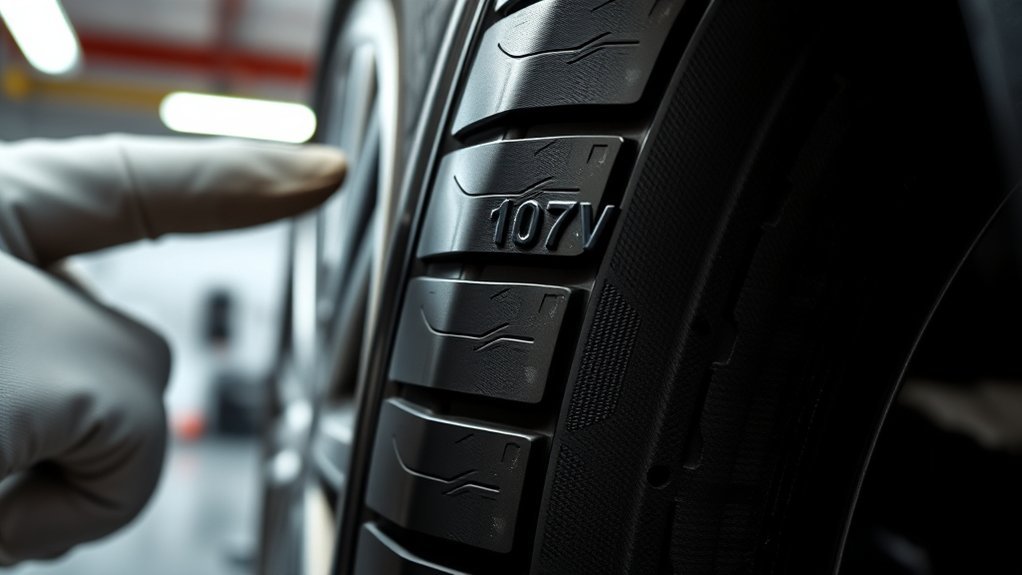
A tire marked 107V is showing its service description, not its tire size. The number 107 is the load index, and the letter V is the speed rating. Together, they tell you the tire’s rated weight capacity and speed category when the tire is properly inflated, correctly loaded, undamaged, and used in the right size for your vehicle.
Quick Answer
107V means the tire has a 107 load index, rated for up to 2,149 pounds (975 kg) per tire, and a V speed rating, rated up to 149 mph (240 km/h) under controlled test conditions. For replacements, match the tire size and meet or exceed your vehicle’s required load and speed ratings.
Key Takeaways
- 107V is a tire service code: 107 is the load index, and V is the speed rating.
- Load index 107 means the tire can support up to 2,149 pounds (975 kg) per tire when used correctly.
- Speed rating V means the tire is rated up to 149 mph (240 km/h) under specified test conditions.
- 107V is not the tire size. It usually appears after the size, such as 235/55R19 107V.
- When replacing tires, match the vehicle’s required size, load index, speed rating, tire type, and inflation guidance.
What Does 107V Mean on a Tire?
When you see 107V on a tire, read it as two separate ratings:
| Code | What it means | Rating |
|---|---|---|
| 107 | Load index | Up to 2,149 lb (975 kg) per tire |
| V | Speed rating | Up to 149 mph (240 km/h) |
The 107 tells you how much weight the tire is rated to carry. The V tells you the tire’s tested speed category. These ratings are part of the tire’s service description, which usually appears near the end of the full sidewall marking. For example, in 235/55R19 107V, the tire size is 235/55R19, while 107V is the load-and-speed service description.
You should not treat 107V as a performance upgrade by itself. It is a compatibility code. The right tire is the one that matches your vehicle’s required size and meets or exceeds the load and speed ratings listed by the vehicle manufacturer.
What Does Load Index 107 Mean?
Load index 107 means the tire can support a maximum load of 2,149 pounds (975 kg) per tire when it is properly inflated and used within its intended conditions. This does not mean you can simply multiply 2,149 by four and load the vehicle to that number. Your vehicle’s payload, axle ratings, tire pressure, and gross vehicle weight rating still control how much weight you can safely carry.
Warning: Do not install a tire with a lower load index than your vehicle requires unless the vehicle manufacturer or a qualified tire professional confirms it is approved. A tire with too little load capacity can overheat, wear faster, handle poorly, or fail under heavy load.
Load index is especially important on SUVs, crossovers, vans, and light trucks because these vehicles often carry passengers, cargo, or towing tongue weight. If your original tire is rated 107V, a lower load index such as 102, 103, or 104 may not be acceptable even if the tire physically fits the wheel.
Also remember that load index depends on correct inflation. Use the tire pressure listed on the vehicle’s Tire and Loading Information Label or in the owner’s manual. The pressure molded on the tire sidewall is usually a maximum tire pressure, not the everyday pressure your vehicle manufacturer recommends.
What Does the V Speed Rating Mean?
The V speed rating means the tire is rated for speeds up to 149 mph (240 km/h) under controlled test conditions. That number is a capability rating, not a recommendation to drive that fast. Road conditions, traffic laws, tire wear, tire damage, heat, load, and inflation pressure all matter.
Note: A speed rating only applies when the tire is in good condition, correctly inflated, not overloaded, and used within the tire maker’s limits. Damage, repairs, underinflation, or overloading can reduce the tire’s safe operating capability.
A V-rated tire has a higher speed rating than an H-rated tire. H is rated up to 130 mph (210 km/h), while V is rated up to 149 mph (240 km/h). That does not automatically make V “better” for every vehicle. The best speed rating is the one your vehicle requires, or a higher rating approved for your tire size and driving needs.
Where Can You Find Tire Load and Speed Codes?
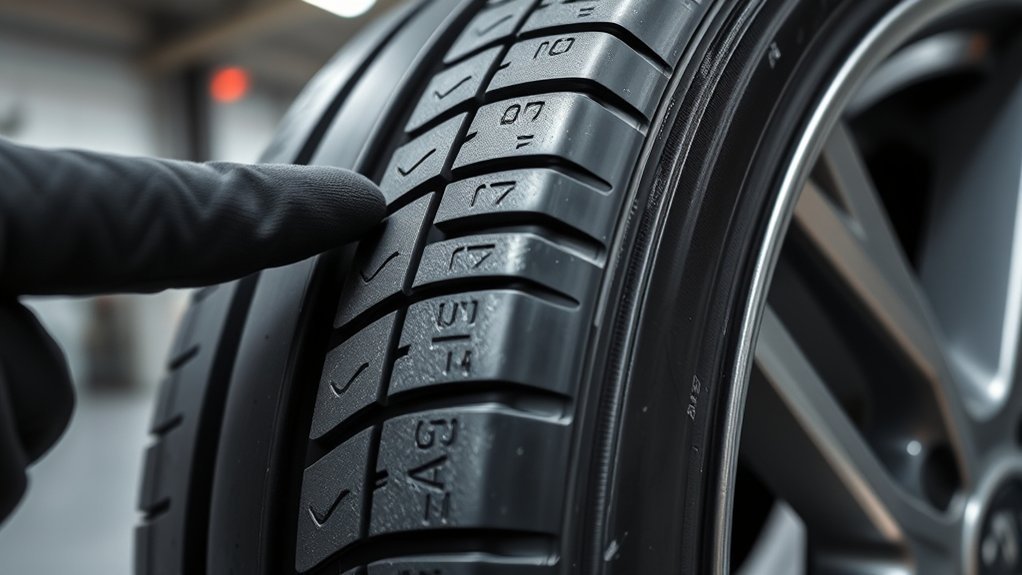
You can usually find the load index and speed rating on the tire sidewall, right after the tire size. The code appears as a number followed by a letter, such as 107V, 103H, or 111W.
| Location | What you’ll find | How to use it |
|---|---|---|
| Tire sidewall | Full tire size and service description | Read the current tire’s size, load index, and speed rating. |
| Driver-door tire placard | Vehicle tire size and recommended cold inflation pressure | Use this as the main replacement reference. |
| Owner’s manual | Approved tire sizes, pressures, and special fitment notes | Check for alternate sizes, towing notes, winter tire notes, or staggered fitments. |
If the sidewall says 107V but the placard or manual lists a different requirement, follow the vehicle manufacturer’s information or ask a tire professional. Previous owners may have installed a different tire, so the tire already on the vehicle is not always the final authority.
[Products Worth Considering]

Steelman white tire marking crayons provide high-contrast, semi-permanent marks for repairing and inspecting tires and equipment. They write on wet or dry, smooth or coarse surfaces including rubber, metal, glass, and wood, making them ideal for puncture location and damage outlining. The lead- and zinc-free crayons resist weather and fading yet wipe away when you no longer need the marks.

The 22800 wheel stud installer makes replacing wheel studs quick and secure, saving time and effort during tire service. It uses a ratchet or impact wrench to pull new studs firmly into place, helping when existing studs are too long. Compatible with most automotive wheels and light-duty truck wheel studs, it’s designed for easy, tool-assisted installation.
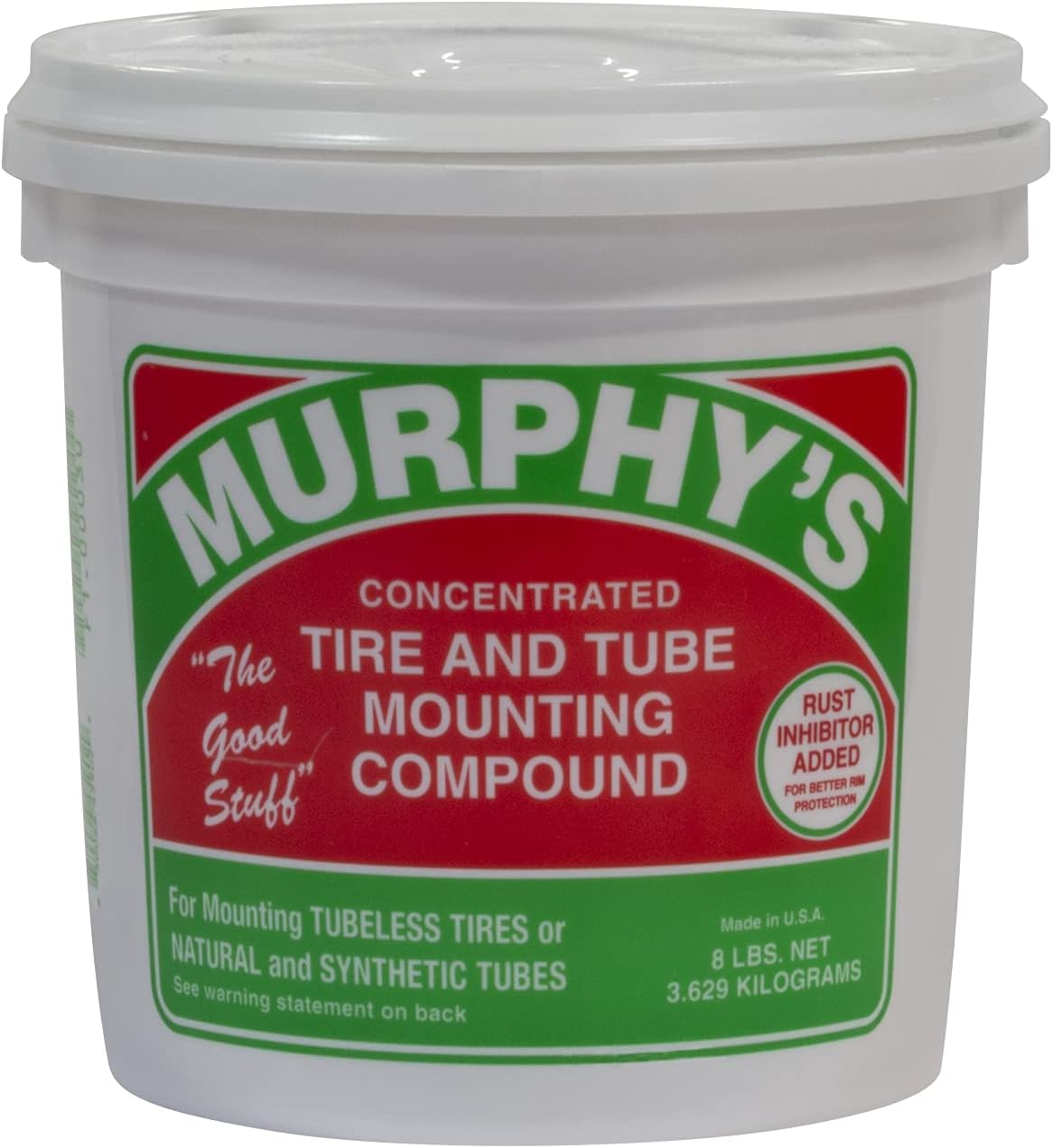
A concentrated tire and tube mounting compound designed to help simplify mounting rubber tires and tubes on passenger, semi truck, construction, and OTR applications. Its ultra-thick formula packs beads effectively and includes rust inhibitors to help protect against corrosion during use.
Can You Replace 107V Tires With Another Rating?
Yes, you can replace 107V tires with another rating, but the replacement should usually meet or exceed the original load index and speed rating required for your vehicle. A higher load index or speed rating is often acceptable when the tire also matches the required size, load range, construction, and clearance. A lower rating can be unsafe or unsuitable.
Before replacing a 107V tire, check all of these items together:
- Tire size: Match the size on the vehicle placard or approved owner’s manual size.
- Load index: Use 107 or higher unless the manufacturer allows another rating.
- Speed rating: Use V or higher unless the manufacturer allows a lower rating for a specific use, such as some winter tire applications.
- Tire type: Match passenger, metric, LT, run-flat, EV-rated, all-season, summer, winter, or all-terrain requirements as needed.
- Load range / XL marking: Do not assume 107V automatically means XL. Check the sidewall and vehicle requirements.
- Axle matching: Avoid mixing different sizes, load ratings, speed ratings, tread patterns, or tire types on the same axle.
- Inflation pressure: Set pressure based on the vehicle placard or manual, not by guessing from the sidewall maximum.
Pro Tip: If you are shopping online, search by your vehicle first, then confirm the full sidewall size and service description before buying. A tire can have the right wheel diameter but still have the wrong load index, speed rating, or load range.
[Products Worth Considering]

AstroAI AIRUN H is a compact 12V tire inflator designed for fast, convenient inflation with an easy-to-read digital pressure gauge. Set your target pressure with programmable controls and let the auto shut-off turn off the pump when the preset is reached. It also includes a backlit screen and LED flashlight for nighttime use, with a ToughUltra durability design for longer service life.

Monitor tire tread wear with a smart, color-coded depth gauge that shows clear condition ranges at a glance. The bar is range marked for fast, easy readings, helping you maintain safer traction and performance. Each gauge is portable with a pocket clip, and the set includes 20 units for daily use and sharing.

This car emergency kit keeps essential roadside tools organized in a durable, portable bag so you can respond quickly during common driving emergencies. It includes battery jumper cables, a bright LED headlight, first aid supplies, a tire pressure gauge, and safety essentials like gloves and an emergency poncho. Designed for trunk or storage use, it helps you be prepared for dead batteries, minor malfunctions, and unexpected roadside issues.
How Does 107V Compare With Other Tire Ratings?
The easiest way to compare tire ratings is to separate the number from the letter. The number affects load capacity. The letter affects speed rating.
| Rating | Load capacity | Speed rating | Main difference |
|---|---|---|---|
| 103H | 1,929 lb (875 kg) | 130 mph (210 km/h) | Lower load and lower speed rating than 107V. |
| 103V | 1,929 lb (875 kg) | 149 mph (240 km/h) | Same speed rating as 107V, but lower load capacity. |
| 107V | 2,149 lb (975 kg) | 149 mph (240 km/h) | Higher load capacity with V speed rating. |
| 111W | 2,403 lb (1,090 kg) | 168 mph (270 km/h) | Higher load and speed rating, if approved for the vehicle and size. |
A higher rating is not useful if the tire is the wrong size, wrong type, or wrong load range for your vehicle. Fitment always comes first.
[Products Worth Considering]
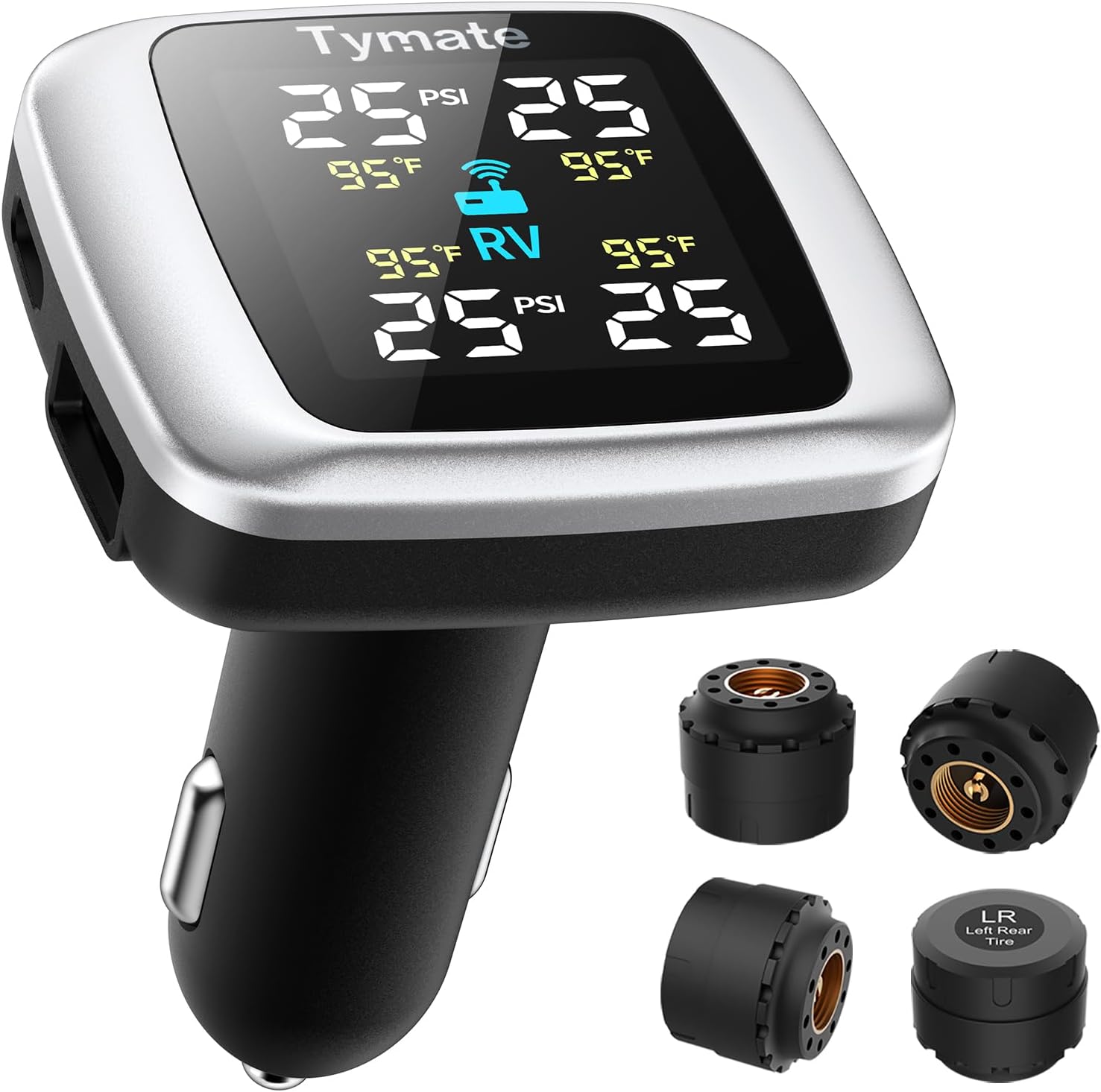
Tymate TM7 is a wireless tire pressure monitoring system that delivers real-time pressure and temperature readings for safer driving. It includes four external sensors, a bright color LCD display with adjustable backlight, and six alarm modes for high/low pressure, fast leakage, high temperature, and sensor signal or battery issues. The system covers a wide 0–144 PSI range and plugs into your vehicle’s cigarette lighter socket for quick DIY setup.

Measure tire tread depth quickly and accurately with this LUMITECO dial gauge that reads in 1/32" increments up to 14/32". The color-coded green/yellow/red zones make it easy to judge tire wear and know when replacement is needed. A rugged, compact design with a protective pouch helps keep the gauge ready for use on cars, trucks, motorcycles, and more.

ETENWOLF’s tire pressure gauge helps you quickly and accurately check tire PSI across cars, trucks, motorcycles, bikes, and more. It’s manually calibrated to ANSI B40.1 Grade A for reliable readings, includes a large glow dial for easy nighttime viewing, and features a 360-degree swivel chuck for use at any valve angle. The gauge also works consistently in extreme hot or cold weather.
Frequently Asked Questions
What tire rating is better, H or V?
V has a higher speed rating than H. An H-rated tire is rated up to 130 mph (210 km/h), while a V-rated tire is rated up to 149 mph (240 km/h). That does not mean V is automatically better for every driver. Use the speed rating your vehicle requires, or a higher rating approved for your tire size and vehicle.
What is the difference between 103H and 107V tires?
The difference is both load capacity and speed rating. A 103H tire is rated for 1,929 lb (875 kg) per tire and up to 130 mph (210 km/h). A 107V tire is rated for 2,149 lb (975 kg) per tire and up to 149 mph (240 km/h). Do not swap 107V tires for 103H tires unless your vehicle manufacturer or tire professional confirms the lower rating is approved.
What does V mean on a tire?
V is the tire’s speed rating. It means the tire is rated up to 149 mph (240 km/h) under controlled test conditions. It is not a recommended driving speed, and the rating assumes the tire is properly inflated, not overloaded, and in safe condition.
What is the difference between 103V and 107V tyres?
The speed rating is the same, but the load capacity is different. A 103V tire is rated for 1,929 lb (875 kg) per tire, while a 107V tire is rated for 2,149 lb (975 kg) per tire. Both have a V speed rating of 149 mph (240 km/h).
Can I use a 107H tire instead of a 107V tire?
A 107H tire has the same load index as 107V, but a lower speed rating. It may be unacceptable if your vehicle requires V-rated tires. Check the tire placard, owner’s manual, and tire manufacturer guidance before using a lower speed rating.
Is 107V the same as XL or Extra Load?
No. 107V tells you the load index and speed rating. XL or Extra Load is a separate sidewall marking that describes the tire’s load range and inflation capability. Some 107V tires may be XL, but you should check the full sidewall marking instead of assuming.
Conclusion
Now you know what 107V means on a tire: 107 is the load index, rated for 2,149 pounds (975 kg) per tire, and V is the speed rating, rated up to 149 mph (240 km/h). Use 107V as a compatibility code, not just a performance label. When replacing tires, confirm the full tire size, load index, speed rating, load range, and recommended inflation pressure from your vehicle placard or owner’s manual. If you are unsure, ask a qualified tire professional before buying or installing a different rating.
Sources
- Tire Rack — What Is Load Index? — supports the load index values for 103, 107, and nearby ratings.
- Tire Rack — How Do I Check a Tire’s Speed Rating? — supports H, V, W, and other tire speed rating values.
- NHTSA TireWise — supports tire buying, tire placard, tire pressure, maintenance, and safety guidance.