
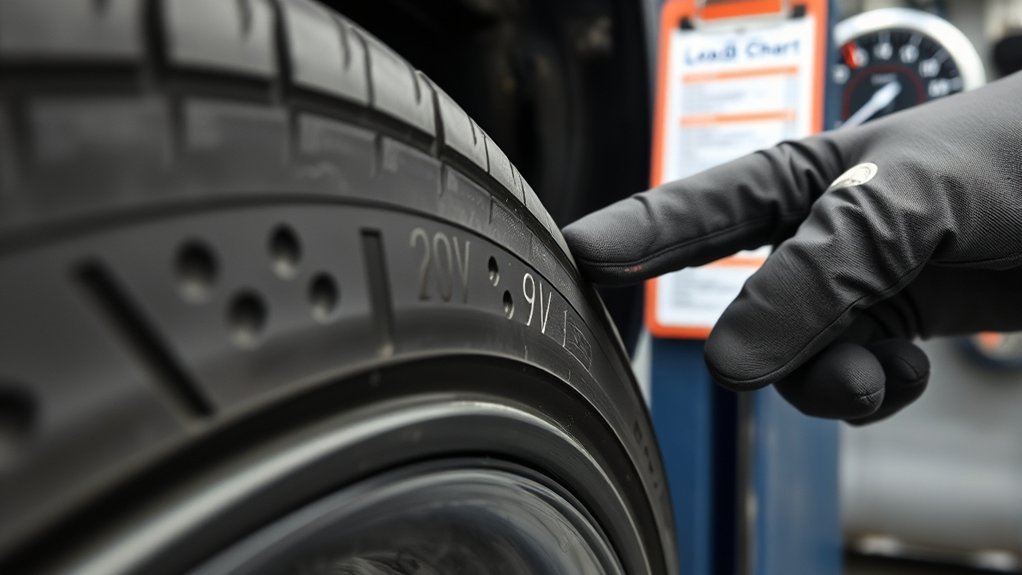
A tire marked 99V is showing its service description: the number tells you the tire’s load capacity, and the letter tells you its speed rating. In plain English, 99V means the tire can carry up to 1,709 pounds when properly inflated and is rated for up to 149 mph under specified test conditions. Those numbers matter because the tire must match your vehicle’s tire placard, owner’s manual, and real driving needs.
Quick Answer
A 99V tire has a load index of 99, meaning it can carry 1,709 lb or 775 kg per tire when properly inflated. The V is the speed rating, meaning the tire is designed for speeds up to 149 mph or 240 km/h under specified conditions.
Key Takeaways
- 99 is the load index, equal to 1,709 lb / 775 kg per tire when properly inflated.
- V is the speed rating, equal to 149 mph / 240 km/h under specified test conditions.
- You will usually see 99V after the tire size, such as 225/55R17 99V.
- A 99V tire is safe only when it meets or exceeds the rating listed on your vehicle’s tire placard or owner’s manual.
- Avoid mixing tires with different load indexes, speed ratings, sizes, tread patterns, or construction unless the vehicle or tire manufacturer allows it.
What Does 99V Mean on a Tire?
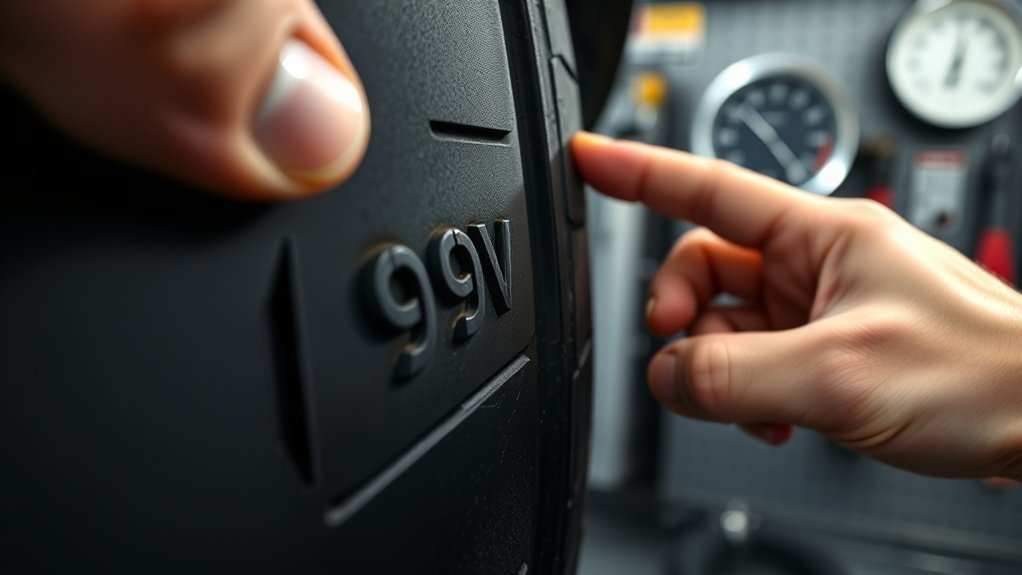
A tire marked 99V combines two ratings into one short code. The 99 is the tire’s load index, and the V is the tire’s speed rating. Together, they describe how much weight the tire can carry and the maximum sustained speed it is designed to handle when used correctly.
| Code | Meaning | Rating |
| 99 | Load index | 1,709 lb / 775 kg per tire |
| V | Speed rating | 149 mph / 240 km/h |
| 99V | Service description | Load capacity plus speed capability |
This does not mean every 99V tire fits every vehicle. You still need the correct tire size, load range, construction, pressure, and vehicle-approved specification.
What the Load Index Number Means
The load index is a standardized number that corresponds to the maximum load one tire can carry at the proper inflation pressure. A load index of 99 equals 775 kg, or about 1,709 pounds, per tire.
For example, four 99-load-index tires have a combined rated capacity of 6,836 pounds, but that does not mean your vehicle can safely carry that much cargo. Your vehicle’s suspension, axle ratings, tire pressure, and manufacturer limits still control the safe carrying capacity.
Note: Load index is not the same as tire pressure. A 99-rated tire only reaches its rated load capacity when it is inflated according to the vehicle or tire manufacturer’s specifications.
What the V Speed Rating Means
The V speed rating means the tire is designed to carry its maximum rated load at speeds up to 149 mph or 240 km/h under specified conditions. You will often see V-rated tires on sedans, coupes, sporty crossovers, and performance-oriented passenger vehicles.
Warning: A V rating is not permission to drive 149 mph. It is a laboratory-tested tire capability, not a legal-speed recommendation. Road conditions, tire age, tread depth, inflation pressure, heat, load, and local speed laws all matter.
Speed ratings also affect more than top speed. They can influence steering response, ride feel, heat resistance, treadwear, and cost. That is why the best speed rating is not always the highest one; it is the one that matches your vehicle’s original specification.
Where to Find Tire Ratings on the Sidewall
You will usually find the load index and speed rating at the end of the tire size code on the sidewall. This final part is often called the service description.
Example:
225/55R17 99V
- 225 = tire width in millimeters
- 55 = aspect ratio
- R = radial construction
- 17 = wheel diameter in inches
- 99 = load index
- V = speed rating
You can also check your vehicle’s Tire and Loading Information Label, usually located on the driver-side door edge or door post, and your owner’s manual. Those sources tell you the tire size and rating the vehicle manufacturer designed the vehicle to use.
How to Check if 99V Matches Your Vehicle
Before buying a 99V tire, confirm that the full tire specification matches your vehicle, not just the last three characters.
- Check the tire placard. Look for the factory tire size, load index, speed rating, and recommended cold tire pressure.
- Compare the full size. A 225/55R17 99V and a 235/45R18 99V have the same service description, but they are not the same size.
- Match or exceed the load index. Do not install a lower load index than the vehicle manufacturer recommends.
- Match or exceed the speed rating. A lower speed rating can reduce the vehicle’s safe operating limit and change handling.
- Check special markings. If the original tire is marked XL, Extra Load, HL, run-flat, or has another special designation, the replacement should match the required specification.
Pro Tip: If your vehicle placard lists 99V, a replacement marked 99V is usually the minimum target. If it lists 101V, 99V is not enough. If it lists 99H, 99V may be acceptable because V is a higher speed rating than H, but the full tire size and type must still match.
[Products Worth Considering]

The Topeak SmartGauge D2 delivers precise digital tire pressure readings for bikes, motorcycles, and sports equipment up to 250 psi (17 bar). Its rotating SmartHead works with both Presta and Schrader valves, so you can check pressure quickly without adapters. The LCD display makes it easy to read results in psi, bar, or kg/cm² with an included CR2032 battery for immediate use.
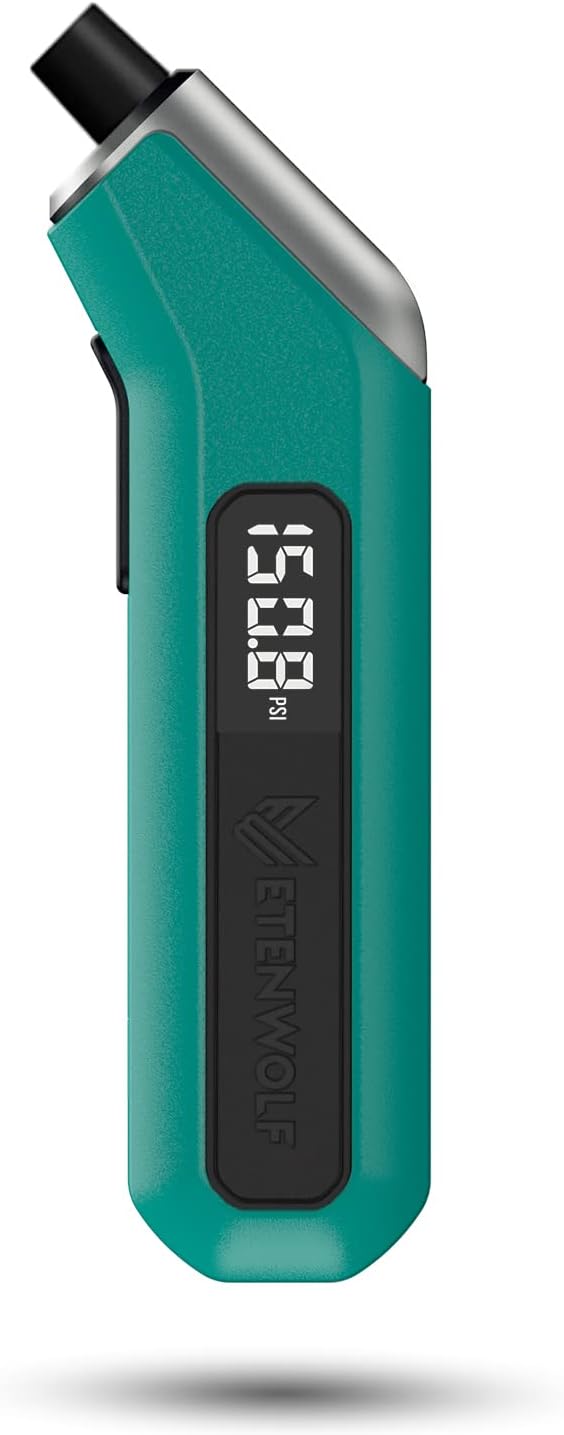
ETENWOLF T300 is a calibrated digital tire pressure gauge designed for reliable readings across low and high pressure ranges. It includes thermal compensation for stable performance in extreme cold or heat, an LED light for visibility, and an auto shut-off to help preserve battery life. Ideal for pickups, RVs, and heavy-duty vehicles, it delivers accurate PSI measurements with sturdy durability.
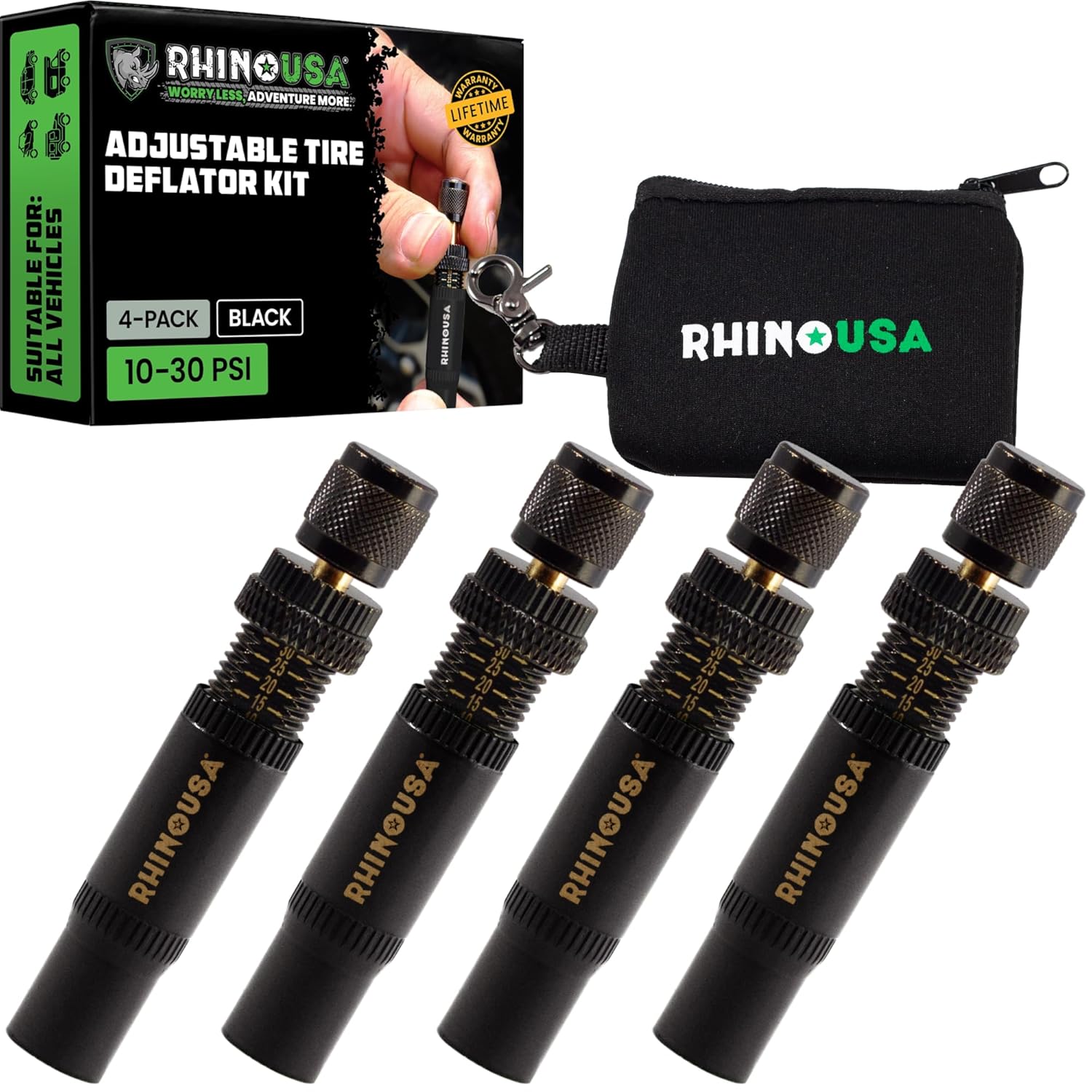
Use the Rhino USA adjustable tire deflators to air down all four tires at once by screwing one deflator onto each valve stem, letting you step away while the tires reach your preset pressure. Each deflator independently adjusts across a 10–30 PSI range with laser-etched indicators for quick setup and verification, making it ideal for beach, sand, and rocky off-road trails.
Can You Use a Different Load Index?
You can usually use a higher load index if the tire is the correct size and type for your vehicle, but you should avoid using a lower one. A tire with a lower load index may not safely support the vehicle when it is loaded with passengers, cargo, fuel, and accessories.
For example, if your vehicle requires a 99 load index, moving to a 101 load index may be acceptable when the tire is otherwise compatible. Moving down to 95 would reduce the tire’s rated load capacity and may create safety, handling, and durability problems.
Also pay attention to XL or Extra Load markings. An XL tire is reinforced to carry more load at higher inflation pressure than a standard-load tire of the same size. If your vehicle came with XL tires, do not replace them with standard-load tires unless the vehicle manufacturer allows it.
[Products Worth Considering]

This Rhino USA tire pressure gauge with inflator combines an analog dial, locking chuck, and bleed valve in one no-battery tool for inflating, checking, and bleeding in a single connection. It fits standard 1/4" NPT air compressor fittings and is built for reliable shop, roadside, and fleet use on cars, trucks, motorcycles, SUVs, RVs, and trailers. A lifetime replacement helps keep your tire maintenance routine covered.

Measure tyre tread depth precisely with a digital gauge that reads in both MM and inches, helping you monitor safe driving conditions. The large LCD screen is easy to operate, and the compact tool fits for cars, trucks, and motorcycles. It provides high accuracy with a 0-25.4mm range and includes a 1-year warranty for added peace of mind.

The SAFELIFE dial tire tread depth gauge measures tread depth in 1/32 inch increments with clear, easy-to-read 2-inch dial face. Color zones using a traffic light system help you quickly judge whether tread is low, marginal, or ample for safer driving. Built with a durable zinc cast body and a metal detect probe for precise, comfortable use across cars, motorcycles, trucks, and buses.
Can You Change Speed Ratings?
You can install a tire with an equal or higher speed rating than the original equipment tire, as long as the tire size, load index, construction, and vehicle requirements also match. For example, moving from 99H to 99V may be acceptable because V has a higher speed rating than H.
Installing a lower speed rating is not recommended unless the tire manufacturer or vehicle manufacturer specifically allows it, such as with certain winter tires. If lower-rated tires are installed, the vehicle’s maximum safe speed becomes limited to the lowest-rated tire on the vehicle, and handling may change.
| Rating | Maximum Speed | Compared With 99V |
| 99H | 130 mph / 210 km/h | Same load index, lower speed rating |
| 99V | 149 mph / 240 km/h | Baseline for this article |
| 99W | 168 mph / 270 km/h | Same load index, higher speed rating |
| 99Y | 186 mph / 300 km/h | Same load index, much higher speed rating |
[Products Worth Considering]

Monitor tire tread wear with a smart, color-coded depth gauge that shows clear condition ranges at a glance. The bar is range marked for fast, easy readings, helping you maintain safer traction and performance. Each gauge is portable with a pocket clip, and the set includes 20 units for daily use and sharing.

Accurately measure tire tread depth with a calibrated gauge marked from 0 to 1 inch in 1/32 inch increments. The color-coded bar helps you quickly identify tread condition ranges, supporting safe driving for trucks, motorcycles, automobiles, and passenger vehicles.

Measure tire tread depth quickly and accurately with this LUMITECO dial gauge that reads in 1/32" increments up to 14/32". The color-coded green/yellow/red zones make it easy to judge tire wear and know when replacement is needed. A rugged, compact design with a protective pouch helps keep the gauge ready for use on cars, trucks, motorcycles, and more.
Can You Mix Different Tire Ratings?
Mixing different tire ratings is not ideal. For predictable braking, steering, and stability, all four tires should usually share the same size, type, construction, load index, and speed rating unless the vehicle manufacturer designed the vehicle for a staggered setup.
If tires with different speed ratings are mixed, the vehicle’s safe speed capability is limited by the lowest-rated tire. If mixing cannot be avoided, follow the vehicle owner’s manual, match tires on the same axle, and consult a qualified tire professional.
Warning: Do not mix tires casually on AWD or 4WD vehicles. Even small differences in size, tread depth, or rolling circumference can stress drivetrain components and interfere with ABS, traction control, or stability systems.
What 99V Does Not Tell You
The 99V code is useful, but it does not describe the whole tire. You still need to check the rest of the sidewall and the vehicle placard.
- Tire size: 99V does not tell you the tire width, aspect ratio, or wheel diameter.
- Treadwear: 99V does not tell you how long the tire will last.
- Traction and temperature grades: These are separate UTQG ratings found elsewhere on many passenger tires.
- DOT date code: 99V does not tell you when the tire was manufactured.
- Season type: A 99V tire could be summer, all-season, touring, performance, or another category.
- Load range: 99V does not automatically mean the tire is XL, Extra Load, or High Load.
- Recommended pressure: Always use the cold tire pressure listed on the vehicle placard unless a qualified professional gives vehicle-specific guidance.
Why Load and Speed Ratings Matter for Safety
Load and speed ratings matter because they define the tire’s operating limits. If a tire is overloaded, underinflated, damaged, aged, or driven beyond its rating, it can build excess heat and become more likely to fail.
NHTSA reported 511 deaths in tire-related crashes in 2024, which is a reminder that tire selection, pressure, tread condition, and maintenance are safety issues, not just buying details.
The safest approach is simple: choose tires that match the vehicle manufacturer’s size, load index, speed rating, and special markings; keep them properly inflated; inspect them regularly; and replace them when they are worn, damaged, or too old for safe service.
Frequently Asked Questions
What tire rating is better, H or V?
V has a higher maximum speed rating than H: 149 mph for V versus 130 mph for H. That does not automatically make V the better choice for every vehicle. The better rating is the one that matches or exceeds the vehicle manufacturer’s specification.
What does 99 V mean on a tire?
99 V means the tire has a 99 load index and a V speed rating. The load index equals 1,709 lb / 775 kg per tire, and the V rating equals 149 mph / 240 km/h under specified conditions.
What is the difference between 99Y and 99V tires?
Both have the same 99 load index, so both are rated for 1,709 lb / 775 kg per tire. The difference is speed rating: V is rated up to 149 mph, while Y is rated up to 186 mph.
What does V mean on a tire?
V is the tire’s speed rating. It means the tire is designed to handle speeds up to 149 mph / 240 km/h when it is properly inflated, correctly loaded, undamaged, and used under specified conditions.
Can I use 99V instead of 99H?
Often, yes, because 99V has the same load index and a higher speed rating than 99H. Still, the full tire size, type, load range, construction, and vehicle requirements must match. Check the tire placard or owner’s manual before buying.
Can I use 99V instead of 99W?
Do not use 99V if your vehicle specifically requires 99W unless the vehicle or tire manufacturer allows it. Both have the same load index, but W has a higher speed rating than V. Installing a lower speed rating can reduce the vehicle’s safe speed capability and may affect handling.
Conclusion
When you see 99V on a tire, you are reading the tire’s load and speed service description. The 99 means the tire can carry 1,709 pounds / 775 kg per tire when properly inflated, and the V means it is rated for up to 149 mph / 240 km/h under specified conditions. Use 99V only when it matches or exceeds your vehicle’s required tire size, load index, speed rating, and special markings. When in doubt, check the tire placard, owner’s manual, or a qualified tire professional before you buy.
Sources
- Michelin: Tire Load Rating and Speed Rating — backs the load index chart, including load index 99 as 775 kg, and the V speed rating as 240 km/h / 149 mph.
- Michelin USA: Tire Load Rating & Speed Rating Explained — backs the definition of speed rating and advice to meet or exceed the vehicle manufacturer’s rating.
- NHTSA TireWise — backs the tire placard guidance and tire-safety context.
- Tire Industry Association: Reading a Tire Sidewall — backs the explanation of service description, load index, speed symbol, DOT code, and UTQG basics.
- U.S. Tire Manufacturers Association: Replacing Tires — backs replacement tire guidance for size, load index, and speed rating.
- Michelin USA: Mixing Tires — backs the recommendation to avoid mixing different tire ratings and specifications.
