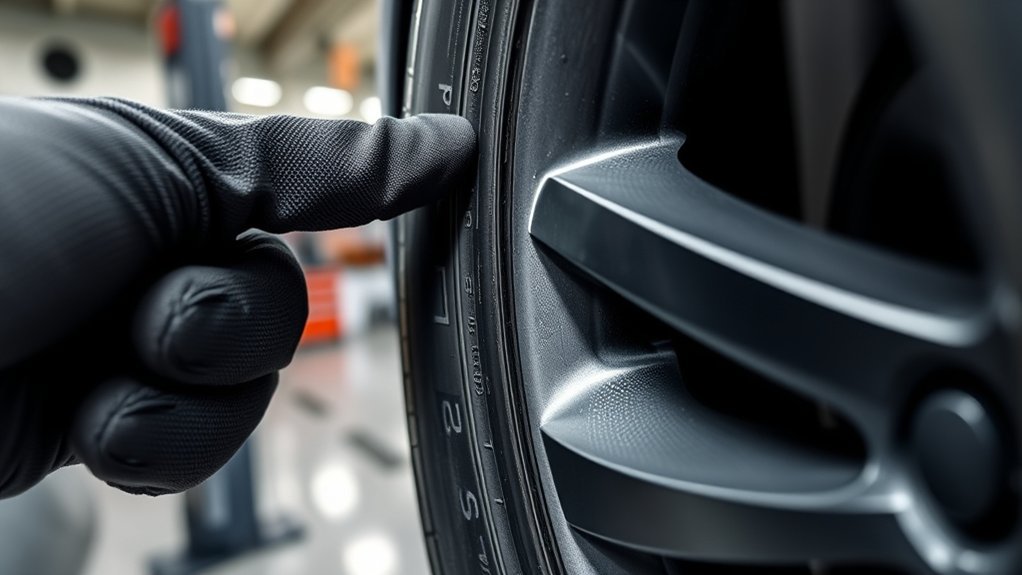
A tire marked 99W is showing its service description: 99 is the tire’s load index, and W is the tire’s speed rating. In plain English, 99 means the tire can carry 1,709 pounds (775 kg) per tire when properly inflated, and W means it is rated for up to 168 mph (270 km/h) under controlled test conditions.
Quick Answer
On a tire, 99W means the tire has a 99 load index and a W speed rating. The 99 load index equals 1,709 lb (775 kg) per tire when properly inflated. The W speed rating means the tire is tested for up to 168 mph (270 km/h), but it is not a recommendation to drive that fast.
Key Takeaways
- 99 is the load index, which equals 1,709 lb (775 kg) per tire at the correct inflation pressure.
- W is the speed rating, which equals 168 mph (270 km/h) under controlled test conditions.
- 99W is not the tire size. It is the service description that usually appears after the size, such as 245/45R18 99W.
- Replacement tires should meet or exceed the load index and speed rating listed on your vehicle’s tire placard or owner’s manual.
- A higher tire rating does not increase your vehicle’s legal payload, axle rating, or towing capacity.
What Does 99W Mean on a Tire?
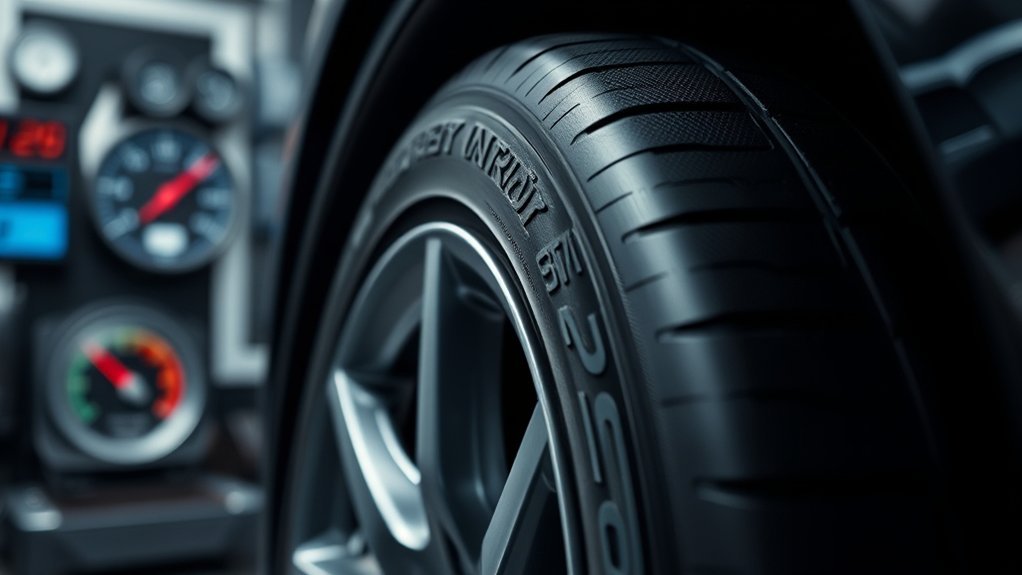
A tire marked 99W combines two ratings in one short code. The 99 tells you the tire’s maximum load capacity, and the W tells you the tire’s maximum tested speed capability.
You’ll usually see this code after the tire size. For example:
| Example Marking | 245/45R18 99W |
| 245/45R18 | Tire size |
| 99 | Load index: 1,709 lb / 775 kg per tire |
| W | Speed rating: 168 mph / 270 km/h |
According to Michelin, the load rating is a numerical code for how much weight one tire can support when properly inflated, while the speed rating is the letter beside it in the service description. That means 99W is a safety and fitment code, not a style label.
Warning: A W rating does not mean it is safe or legal to drive 168 mph. Speed ratings are based on controlled test conditions. Real-world limits can be lower if the tire is underinflated, overloaded, damaged, repaired, worn, or driven in poor weather.
Tire Load Index 99 Explained
A load index of 99 means one tire can carry up to 775 kg, or about 1,709 lb, when the tire is in good condition and inflated to the correct pressure. Four tires with the same 99 load index can support a combined tire load rating of 6,836 lb, but that does not mean your vehicle can carry that much cargo.
Your vehicle’s actual carrying limit is controlled by the manufacturer’s GVWR, GAWR, suspension, wheels, brakes, and tire pressure requirements. A tire with a higher load index may add tire capacity, but it does not raise the vehicle’s legal or mechanical payload rating.
Load Index Meaning
The load index is the number in the tire’s service description that translates to a specific maximum load per tire. For passenger tires, it is commonly shown as a two- or three-digit number after the tire size, such as 91, 95, 99, or 102.
For example, Bridgestone’s load index chart lists:
- 95 = 690 kg per tire
- 98 = 750 kg per tire
- 99 = 775 kg per tire
- 100 = 800 kg per tire
When replacing tires, choose a load index that meets or exceeds the number listed on the vehicle’s tire placard or in the owner’s manual.
99 Load Capacity
For a tire marked 99W, the load capacity is:
- 775 kg per tire
- 1,709 lb per tire
- Only valid when the tire is properly inflated
This rating matters most when your vehicle is loaded with passengers, luggage, tools, cargo, or towing tongue weight. If the load index is too low, the tire may run hotter, flex more than designed, wear faster, and become more likely to fail.
Note: If your original tires are marked XL or Extra Load, replace them with tires that meet the same load requirement. A standard-load tire in the same size may not have enough capacity for the vehicle.
Tire Speed Rating W Explained
The W speed rating means the tire is designed to handle speeds up to 168 mph (270 km/h) under specified test conditions. Continental Tire lists W as 168 mph, and Bridgestone lists W as 270 km/h.
That rating is about the tire’s tested capability, not your safe driving speed. A tire’s real-world speed capability depends on inflation pressure, load, road surface, temperature, wear, alignment, and whether the tire has been damaged or repaired.
Common passenger-car speed ratings include:
| Speed Rating | Maximum Rated Speed | Common Use |
|---|---|---|
| H | 130 mph / 210 km/h | Sedans, coupes, touring tires |
| V | 149 mph / 240 km/h | Sport sedans, performance touring tires |
| W | 168 mph / 270 km/h | High-performance cars, some sporty SUVs |
| Y | 186 mph / 300 km/h | Ultra-high-performance vehicles |
Some tires also include ZR in the size, such as 245/40ZR18 97W. The ZR part signals a high-speed tire construction, but the final service description letter, such as W or Y, gives the more specific speed rating.
[Products Worth Considering]

These universal tire valve stem caps help protect valve cores from dust, debris, and moisture while helping maintain stable tire pressure. The corrosion-resistant metal construction and sealed design provide reliable protection in road grime, mud, and winter conditions. Twist-on installation makes them quick to fit on cars, SUVs, trucks, and motorcycles.

Milton S-921 pencil tire pressure gauge helps you maintain optimal tire pressure for passenger cars with accurate readings in PSI and kPa. It features a built-in deflator valve for convenient pressure adjustments, plus a single chuck head and nylon indicator bar for easy use on the go. Built from durable plated brass and designed for reliable performance, it’s a practical road trip and cold-weather maintenance tool.
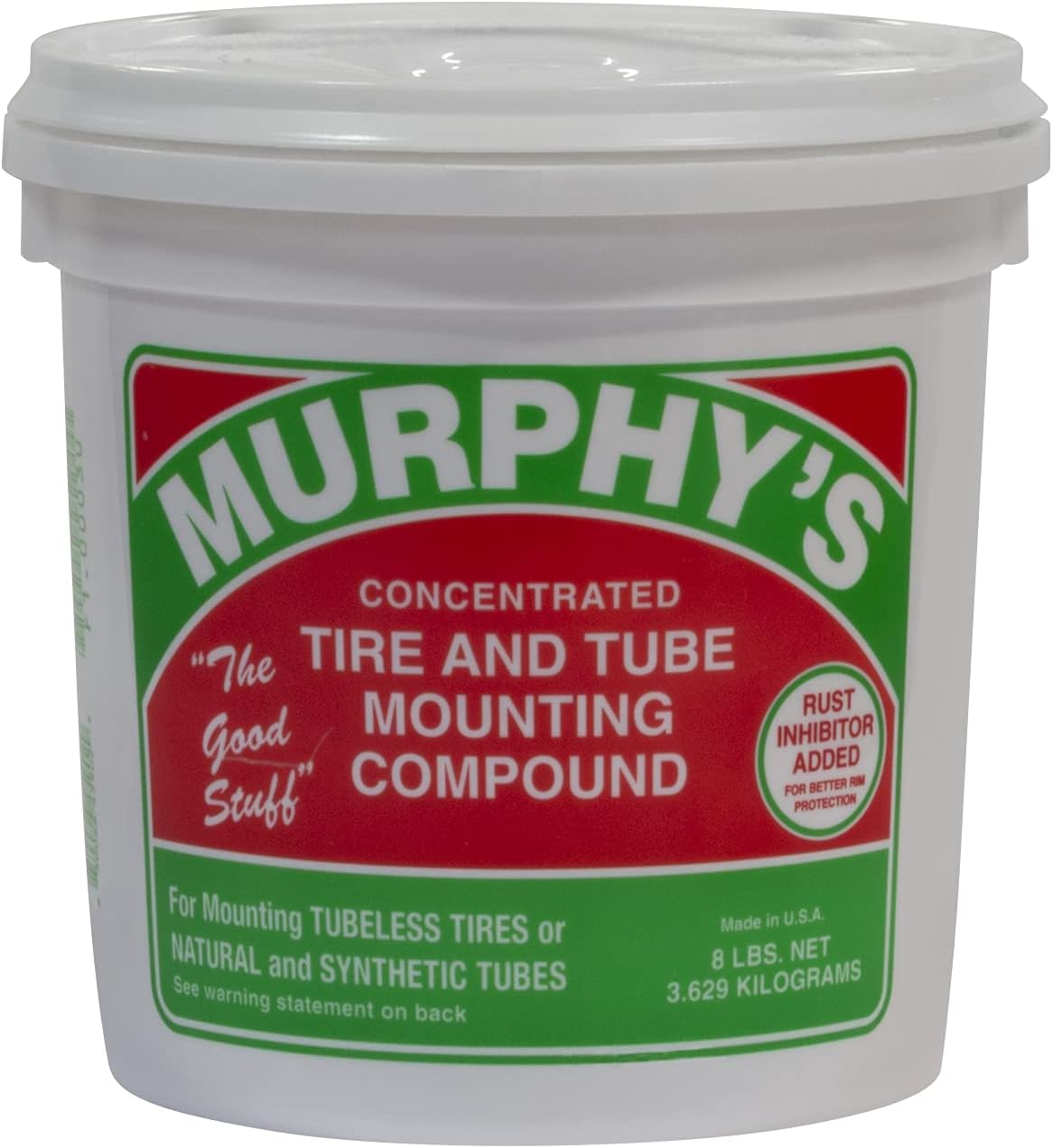
A concentrated tire and tube mounting compound designed to help simplify mounting rubber tires and tubes on passenger, semi truck, construction, and OTR applications. Its ultra-thick formula packs beads effectively and includes rust inhibitors to help protect against corrosion during use.
Is 99W the Right Fit for Your Vehicle?
A 99W tire is the right fit only if it matches your vehicle’s required size, load index, speed rating, load range, and tire type. Start with the tire placard, usually on the driver’s door jamb, and then check the owner’s manual.
The National Highway Traffic Safety Administration says drivers should use the owner’s manual or Tire and Loading Information Label to find the correct tire size. That same placard also helps you confirm the proper cold tire pressure and load limits for the vehicle.
- Use 99W if your vehicle calls for 99W or a lower minimum rating that 99W safely exceeds.
- Do not use 99W if the tire size, load range, or construction type does not match the vehicle’s requirements.
- Ask a tire professional if your vehicle uses staggered sizes, run-flat tires, XL tires, EV-specific tires, or unusual load requirements.
Pro Tip: Take a photo of your door-jamb tire placard before shopping. It gives you the original tire size, cold inflation pressure, and load information you need to compare replacement tires.
[Products Worth Considering]

Protect tire valves from water, dust, and sand to help prevent leaks and support safe driving. These universal stem caps install quickly by hand and feature durable aluminum alloy construction with an inner sealing ring for better air retention. Compatible with cars, SUVs, trucks, motorcycles, and bicycles for everyday convenience.

Vigorder rubber cement glue delivers superior adhesion and cures quickly within about 30 seconds for seamless rubber bonding. Once cured, it helps provide a strong, durable, waterproof seal that holds up to vehicle weight, pressure, and heat. Suitable for cars, motorcycles, trucks, bicycles, and off-road tires, it’s designed for emergency patch and maintenance repairs.
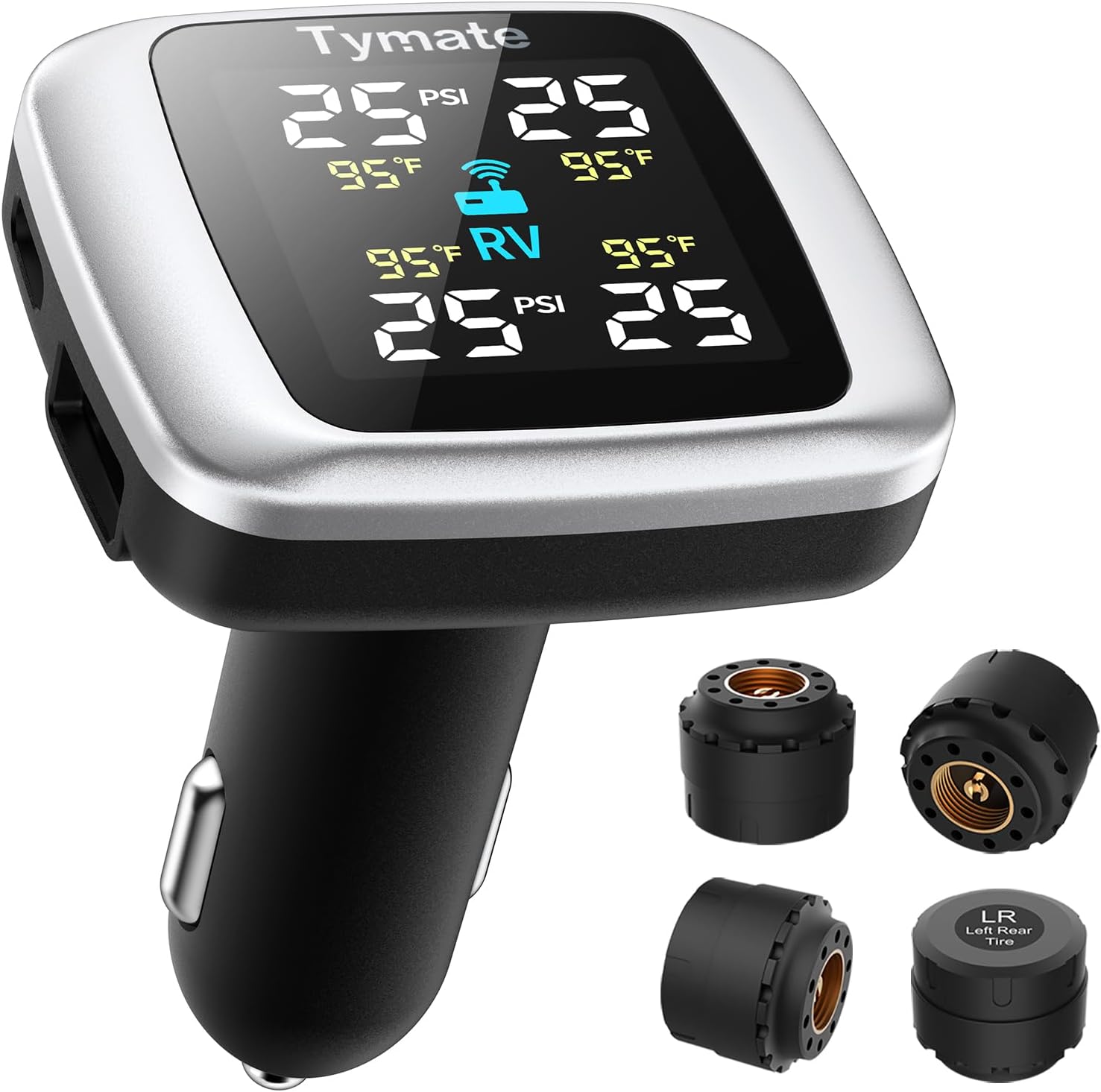
Tymate TM7 is a wireless tire pressure monitoring system that delivers real-time pressure and temperature readings for safer driving. It includes four external sensors, a bright color LCD display with adjustable backlight, and six alarm modes for high/low pressure, fast leakage, high temperature, and sensor signal or battery issues. The system covers a wide 0–144 PSI range and plugs into your vehicle’s cigarette lighter socket for quick DIY setup.
Can You Use a Higher or Lower Rating?
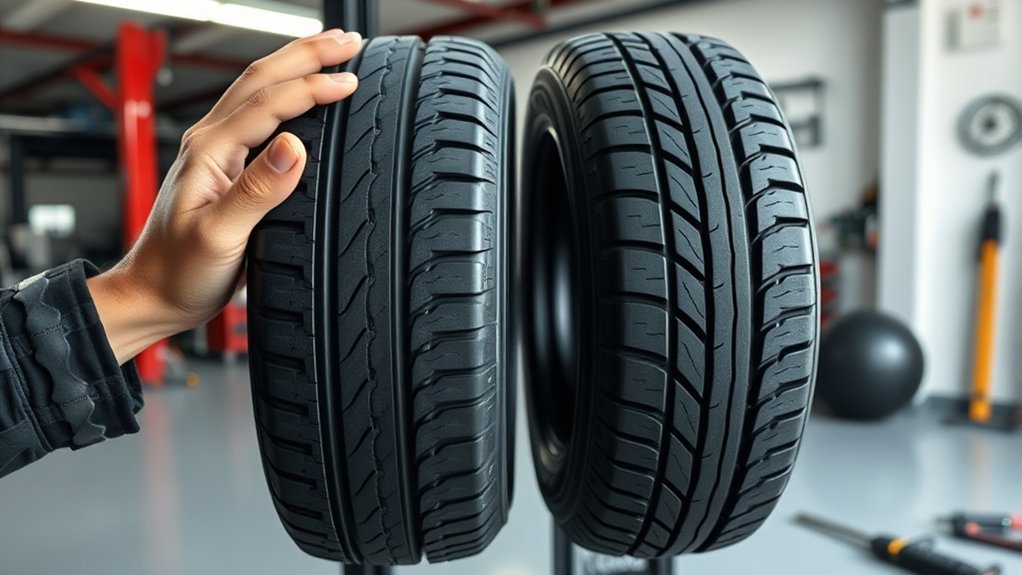
You can usually use a tire with a higher load index or higher speed rating than the original tire, as long as the size, fitment, load range, and inflation requirements are correct. You should not use a lower load index or lower speed rating unless the vehicle manufacturer or tire manufacturer specifically allows it for that application.
[Products Worth Considering]

Measure tire tread depth quickly and accurately with this LUMITECO dial gauge that reads in 1/32" increments up to 14/32". The color-coded green/yellow/red zones make it easy to judge tire wear and know when replacement is needed. A rugged, compact design with a protective pouch helps keep the gauge ready for use on cars, trucks, motorcycles, and more.
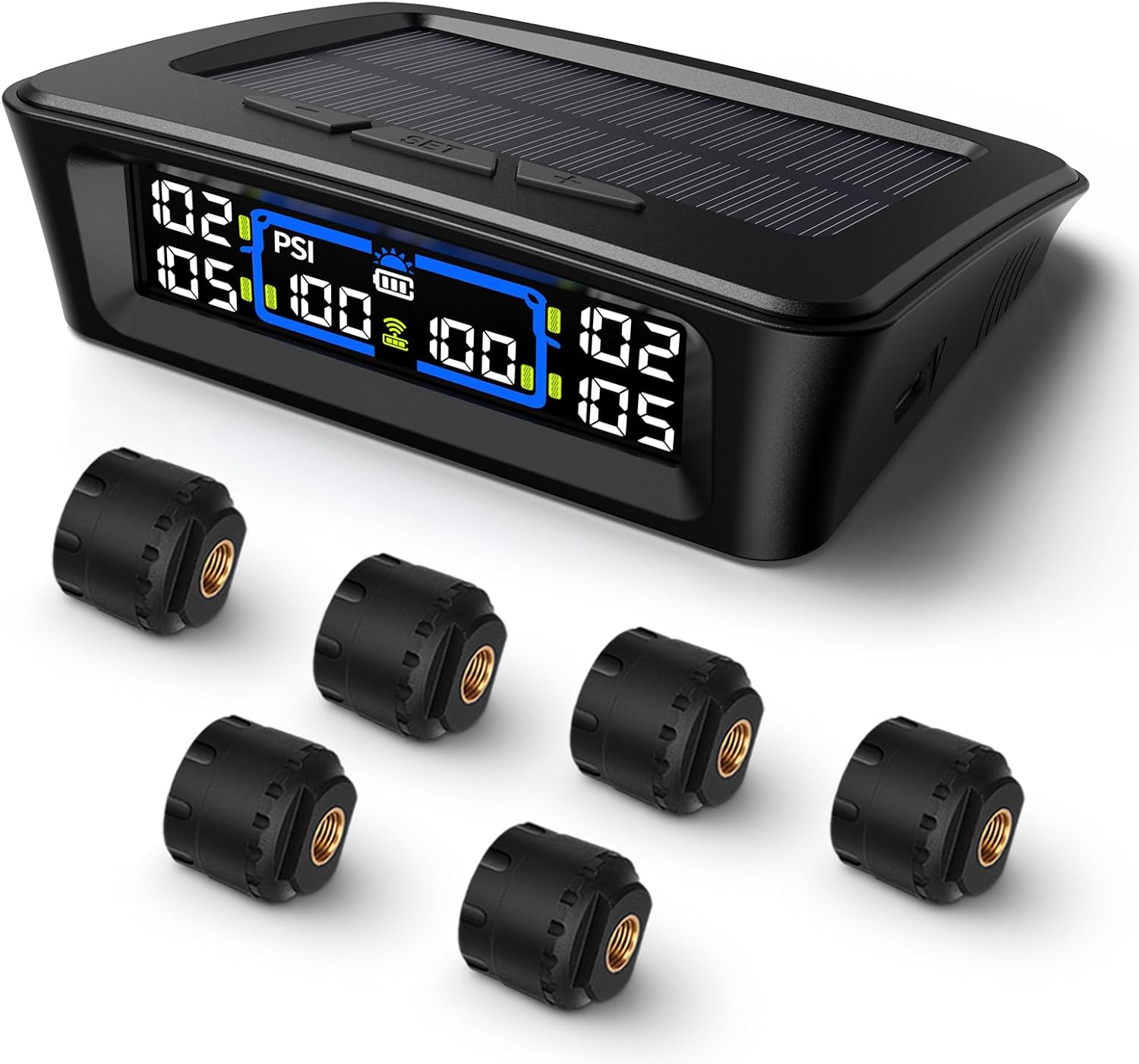
The Tymate TM12 RV TPMS delivers real-time tire pressure and temperature monitoring with a stable 433Hz display for safer long-distance driving. It supports simultaneous monitoring across vehicle and trailer zones, includes six alarm modes for pressure, temperature, leakage, battery, and signal loss, and features easy DIY installation with auto calibration. Power is supplied via USB-C charging or solar recharging, with a wide 0–144 PSI range and up to 50 ft signal coverage for RVs and towable trailers.

This manual duck head tire changer kit makes tire installation and removal simpler by letting you embed the duck head into the tire with applied pressure. The integrated design and durable steel construction help reduce friction and improve efficiency and safety during use. Suitable for 16–21 inch wheels, it’s convenient for cars, trucks, SUVs, and ATV tires, with 24-hour after-sales support.
Higher Ratings Are Usually Fine
A higher rating can be acceptable when all other specifications match. For example, if your vehicle originally came with a 95V tire, a correctly sized 99W tire may meet or exceed both the load and speed requirement.
Still, there are limits:
- A higher load index does not increase your vehicle’s payload rating.
- A higher speed rating does not make the car safe to drive above legal speed limits.
- A higher-rated tire may ride differently because of construction, sidewall stiffness, tread design, or compound.
Lower Ratings Are Risky
Using a lower load index or lower speed rating can reduce the tire’s safety margin. A tire that cannot carry the required load may run hotter and flex more than designed. A tire with a lower speed rating may not have the heat resistance or construction the vehicle manufacturer expected.
| Change | Usually Safe? | Why |
|---|---|---|
| Higher load index | Yes, if fitment is correct | Adds tire capacity but does not raise vehicle payload rating |
| Higher speed rating | Yes, if all tires match properly | Meets or exceeds the vehicle’s minimum speed requirement |
| Lower load index | No | May not carry the vehicle’s required load |
| Lower speed rating | Usually no | May not meet the manufacturer’s heat and speed requirement |
Match OE For Best Fit
The safest replacement choice is a tire that matches the original equipment specification or meets the vehicle manufacturer’s approved alternative. That means checking:
- Tire size
- Load index
- Speed rating
- Load range, such as SL or XL
- Season/type, such as all-season, summer, winter, run-flat, or EV-specific
- Cold inflation pressure
Winter tires can be a special case in some markets because some winter tires have lower speed ratings than the original summer or all-season tires. If you use them, follow the tire maker’s and vehicle maker’s instructions and never exceed the winter tire’s rating.
How Do You Read a Tire Sidewall?
A tire sidewall includes more than the 99W code. It tells you the tire’s size, construction, wheel diameter, load capacity, speed capability, DOT date code, and sometimes extra markings such as XL, M+S, 3PMSF, or run-flat branding.
| Marking | Meaning | Example |
|---|---|---|
| 245 | Section width in millimeters | 245 mm |
| 45 | Aspect ratio | Sidewall height is 45% of width |
| R | Radial construction | Most modern passenger tires |
| 18 | Wheel diameter | 18-inch wheel |
| 99 | Load index | 1,709 lb / 775 kg |
| W | Speed rating | 168 mph / 270 km/h |
Where Can You Find Tire Ratings?
You can find tire ratings in three main places:
- On the tire sidewall: Look after the tire size for the load index and speed rating, such as 99W.
- On the vehicle tire placard: Usually on the driver’s door jamb or door edge.
- In the owner’s manual: This may list approved sizes and ratings for different trims or wheel packages.
Check the placard first when replacing tires. The tire on the vehicle may not be original, especially if you bought the car used, changed wheels, or installed aftermarket tires.
Tire pressure matters as much as the sidewall code. NHTSA recommends checking tire pressure at least once a month when tires are cold, because underinflated tires are difficult to spot visually.
Frequently Asked Questions
Which tire rating is better, Y or W?
A Y speed rating is higher than a W speed rating. W is rated up to 168 mph, while Y is rated up to 186 mph. That does not automatically make Y the better tire for every vehicle. The best tire is the one that matches your vehicle’s required size, load index, speed rating, tire type, and driving conditions.
What is the difference between 95H and 99V?
95H has a lower load index and lower speed rating than 99V. A 95 load index equals 690 kg per tire, while a 99 load index equals 775 kg per tire. H is rated up to 130 mph, while V is rated up to 149 mph. Use the rating your vehicle manufacturer requires or a correct replacement that exceeds it.
Which is better, 95H or 95V?
Both have the same load index, so both carry the same rated load when properly inflated. The difference is speed rating: H is rated up to 130 mph, and V is rated up to 149 mph. A 95V tire has the higher speed rating, but braking, ride comfort, tread life, wet grip, and snow traction depend on the tire’s design and compound, not the speed letter alone.
Can I replace 99W tires with 99V tires?
Only if your vehicle allows a V speed rating. The load index is the same, but V is lower than W. If your placard or owner’s manual requires W, stay with W or use a higher approved rating. If the vehicle requires only V and the size/load range match, 99V may be acceptable.
Does 99W mean the tire is safe at 168 mph?
No. It means the tire earned a W speed rating under controlled test conditions. Real driving conditions can reduce a tire’s safe capability. Underinflation, overloading, damage, repairs, worn tread, heat, poor alignment, and road conditions all matter. Always obey posted speed limits and follow the vehicle manufacturer’s tire requirements.
Conclusion
Now you know that 99W is not random. The 99 means the tire can carry 1,709 lb (775 kg) per tire when properly inflated, and the W means it is rated for up to 168 mph (270 km/h) under controlled test conditions. Before buying replacement tires, check the tire placard and owner’s manual so the size, load index, speed rating, and inflation pressure match your vehicle.
Also remember that ratings only work when the tire is maintained correctly. Check cold tire pressure monthly, inspect tread and sidewalls, and replace tires that are damaged, badly worn, or too old for safe use.
Sources
- Michelin — Tire Load Rating & Speed Rating Explained — supports load index definition, speed rating definition, and replacement guidance.
- Bridgestone — Speed and Load Rating Charts — supports load index 99 = 775 kg and W = 270 km/h.
- Continental Tire — How To Read Your Tire Sidewall — supports sidewall-code placement and W = 168 mph.
- NHTSA TireWise — Tire Safety Ratings and Awareness — supports tire placard, owner’s manual, tire pressure, and tire maintenance guidance.