
A Toyota 4Runner tire rarely fails without warning. Low pressure, excess load, impact damage, worn tread, aging rubber, or an improper repair can weaken a tire until heat and road stress trigger a rapid loss of air. Because a blowout can affect steering and stability, prevention starts with the correct cold pressure, regular inspections, and prompt attention to vibration, bulges, cuts, or recurring pressure loss.
This guide explains why 4Runner tires blow out, how to reduce the risk, and what to do if a tire fails while you are driving.
Quick Answer
The most common 4Runner tire blowout causes are underinflation, overloading, impact damage, worn or aging tires, excessive heat, and improper repairs. Check cold pressure against the driver-door placard, stay within the vehicle’s payload limits, inspect the tread and sidewalls monthly, and replace any tire with a bulge, exposed cords, severe cracking, or unrepairable damage.
Key Takeaways
- Use the cold PSI on your 4Runner’s Tire and Loading Information label, not the maximum pressure molded into the tire sidewall.
- Underinflation, excessive load, and sustained speed can combine to create damaging heat inside a tire.
- A TPMS warning is not an early-warning gauge. Check every tire, including the spare, with an accurate gauge at least monthly.
- Replace tires at 2/32 inch of tread or sooner when damage, irregular wear, age, or poor performance makes them unsafe.
- During a blowout, hold the wheel firmly, avoid abrupt braking or steering, stabilize the vehicle, then slow down and pull off the road safely.
Understanding 4Runner Tire Blowouts: Risks and Prevention
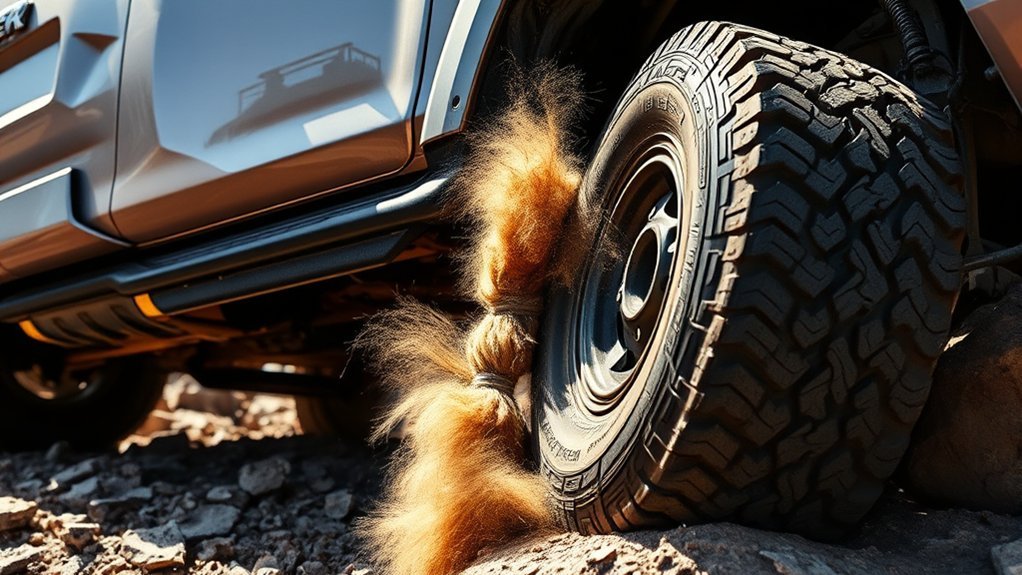
A blowout is a rapid loss of inflation pressure. It may follow an obvious puncture, but it can also result from damage that developed over time. Underinflation allows the sidewall to flex more than intended. Overloading adds stress. Impact damage can break internal cords even when the outside of the tire looks acceptable.
Your 4Runner’s weight, high center of gravity, cargo capacity, towing use, and possible off-road driving make tire condition especially important. A failed front tire may pull at the steering wheel, while a rear-tire failure may feel like the body of the vehicle is moving sideways. Either failure can become harder to control if you brake or steer abruptly.
NHTSA reported 511 deaths in tire-related crashes in 2024, which shows why pressure checks, damage inspections, and correct loading deserve regular attention.
Warning: Do not drive on a tire with a sidewall bulge, exposed cords, a deep cut, tread separation, or repeated rapid pressure loss. Install the spare only in a safe location, or call roadside assistance.
Common Causes of 4Runner Tire Blowouts
Most blowouts involve one or more of the following conditions. A tire may survive one short period of stress but fail later after the internal structure has already been weakened.
| Cause | How It Damages the Tire | What to Check |
|---|---|---|
| Underinflation | Increases sidewall flex and heat buildup. | Cold PSI, leaks, valve stems, and TPMS warnings. |
| Overloading | Places more load on the casing and increases heat. | Payload label, passengers, cargo, accessories, and trailer tongue weight. |
| Road or trail impact | Can cut rubber, bend a wheel, or break internal cords. | Bulges, cuts, vibration, wheel damage, and pressure loss. |
| Worn or aging tire | Reduces available rubber and may weaken structural materials. | Tread depth, DOT date code, cracking, and irregular wear. |
| Improper repair or installation | May leave internal damage untreated or create an air leak. | Repair location, bead damage, valve condition, and mounting quality. |
| Excessive heat and speed | Raises tire temperature and magnifies existing weaknesses. | Pressure, load, speed rating, towing load, and long-distance use. |
How Tire Underinflation Leads to Blowouts
An underinflated tire bends more at the sidewall as it rolls. That repeated flexing creates heat and can damage the cords and rubber layers inside the tire. The risk grows during long highway drives, hot weather, towing, or heavy loading.
Check pressure when the tires are cold, normally before driving or after the vehicle has been parked for at least three hours. Use the PSI listed on the driver-side Tire and Loading Information label or in the Toyota owner’s manual for your model year. The pressure printed on the tire sidewall is a maximum tire specification, not the normal inflation target for your 4Runner.
Temperature changes can move a borderline tire below the TPMS warning threshold. However, the warning light normally appears only after a tire is significantly underinflated. A monthly manual check remains necessary even when the light is off.
Pro Tip: Keep a quality tire-pressure gauge in the glove box. Check all road tires and the spare on the same cold morning so you can compare readings under similar conditions.
[Products Worth Considering]
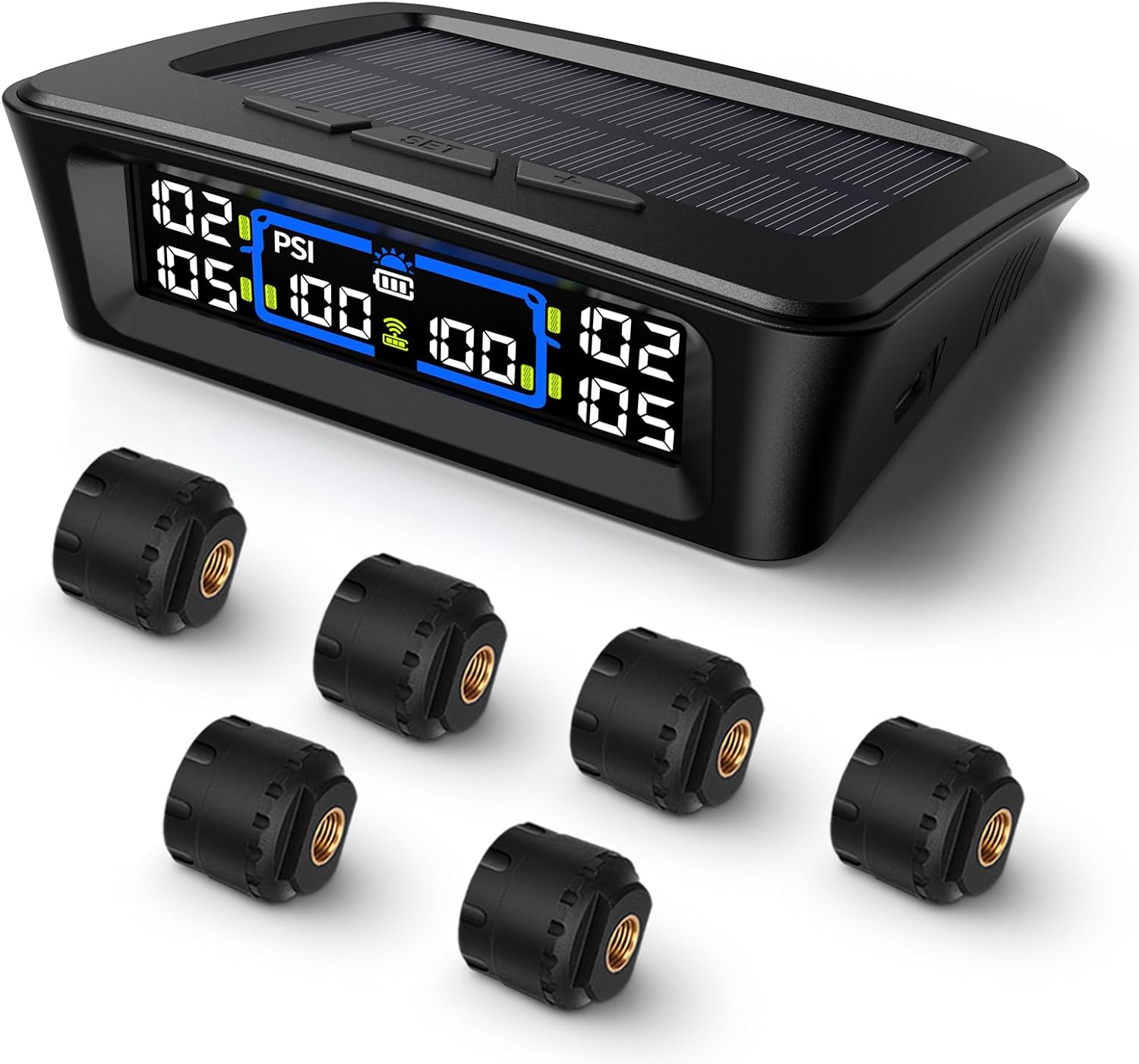
The Tymate TM12 RV TPMS delivers real-time tire pressure and temperature monitoring with a stable 433Hz display for safer long-distance driving. It supports simultaneous monitoring across vehicle and trailer zones, includes six alarm modes for pressure, temperature, leakage, battery, and signal loss, and features easy DIY installation with auto calibration. Power is supplied via USB-C charging or solar recharging, with a wide 0–144 PSI range and up to 50 ft signal coverage for RVs and towable trailers.

Monitor tire tread wear with a smart, color-coded depth gauge that shows clear condition ranges at a glance. The bar is range marked for fast, easy readings, helping you maintain safer traction and performance. Each gauge is portable with a pocket clip, and the set includes 20 units for daily use and sharing.

Milton S-921 pencil tire pressure gauge helps you maintain optimal tire pressure for passenger cars with accurate readings in PSI and kPa. It features a built-in deflator valve for convenient pressure adjustments, plus a single chuck head and nylon indicator bar for easy use on the go. Built from durable plated brass and designed for reliable performance, it’s a practical road trip and cold-weather maintenance tool.
What Are the Risks of Overloading Your 4Runner’s Tires?
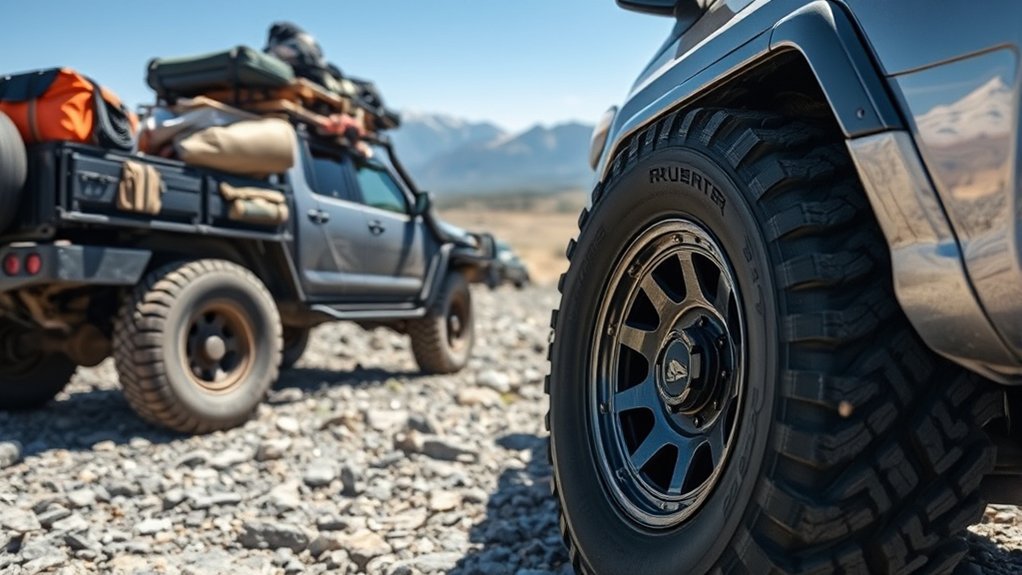
Overloading does not simply make the ride feel heavier. It increases the force carried by the tires, suspension, brakes, and axles. That extra load creates more flex and heat, reduces the vehicle’s safety margin, and may make steering and braking less predictable.
Use the Vehicle Load Label
Do not calculate payload from the tire sidewall alone. Check the Tire and Loading Information label and the certification label on your 4Runner. The allowable occupant-and-cargo weight varies by model year, trim, seating configuration, and equipment. Include passengers, luggage, roof cargo, recovery gear, aftermarket accessories, and trailer tongue weight in the total.
Reduced Handling and Braking Stability
Excess load can increase stopping distance and make sudden lane changes harder to control. Poor weight distribution may also overload one axle or one side of the vehicle. Place heavy cargo low and as close to the center of the vehicle as practical, secure it, and do not exceed the vehicle’s GVWR or axle ratings.
Increased Heat Buildup
Heat becomes more dangerous when overloading is combined with low pressure or sustained highway speed. Never raise pressure above the vehicle or tire limits in an attempt to compensate for an overloaded vehicle. Reduce the load instead, then set cold pressure according to the placard and the instructions for your model year.
How Road and Trail Hazards Cause Tire Blowouts
Potholes, curbs, rocks, sharp metal, and trail debris can damage the tread, sidewall, wheel, or internal cords. Some failures happen immediately. Others begin as hidden impact damage and appear later as a bulge, vibration, slow leak, or tread separation.
| Hazard | Possible Damage | Recommended Response |
|---|---|---|
| Pothole or curb strike | Pinch damage, sidewall bulge, bent wheel, alignment change | Stop when safe and inspect; get vibration, pulling, or a bulge checked professionally. |
| Nail or screw | Tread puncture and gradual air loss | Do not remove it roadside unless necessary; have the tire demounted and inspected. |
| Sharp rock or trail debris | Tread cut, sidewall cut, or exposed cords | Replace a tire with severe sidewall or cord damage. |
| Deep sand or aired-down driving | Heat, bead unseating, or sidewall damage if pressure is too low for speed and load | Drive slowly, follow tire and vehicle guidance, and reinflate before normal-speed pavement driving. |
Note: A sidewall puncture or bulge is generally not a routine repair. Have a qualified tire professional inspect the tire from the inside before deciding whether any puncture is repairable.
How Worn, Damaged, or Aging Tires Increase Blowout Risk
Low tread reduces wet-road grip, while cuts, exposed cords, bulges, and irregular wear may indicate structural damage. Tire age also matters because rubber and internal materials change with time, heat, sunlight, storage, and use.
Tread Depth and Wear Indicators
NHTSA says tires should be replaced when tread reaches 2/32 inch. Check several grooves across the tire because one shoulder may wear faster than the center. Built-in treadwear bars and a tread-depth gauge provide a clearer check than looking at the tire from a distance.
Tire Age and the DOT Date Code
Do not replace every tire automatically at five years or 50,000 miles. Service life depends on the tire maker, vehicle maker, use, storage, climate, maintenance, and condition. NHTSA notes that some manufacturers recommend replacement at six to ten years regardless of tread. Find the last four digits of the DOT Tire Identification Number to identify the week and year of manufacture, then follow the tire maker’s and Toyota’s guidance.
Damage and Irregular Wear
Replace or professionally inspect a tire when you see a bulge, deep crack, exposed cord, tread separation, repeated pressure loss, or severe uneven wear. Feathering, one-sided wear, or cupping can point to alignment, balance, suspension, or pressure problems that should be corrected before a replacement tire is damaged in the same way.
Why Speed, Heat, and Towing Matter
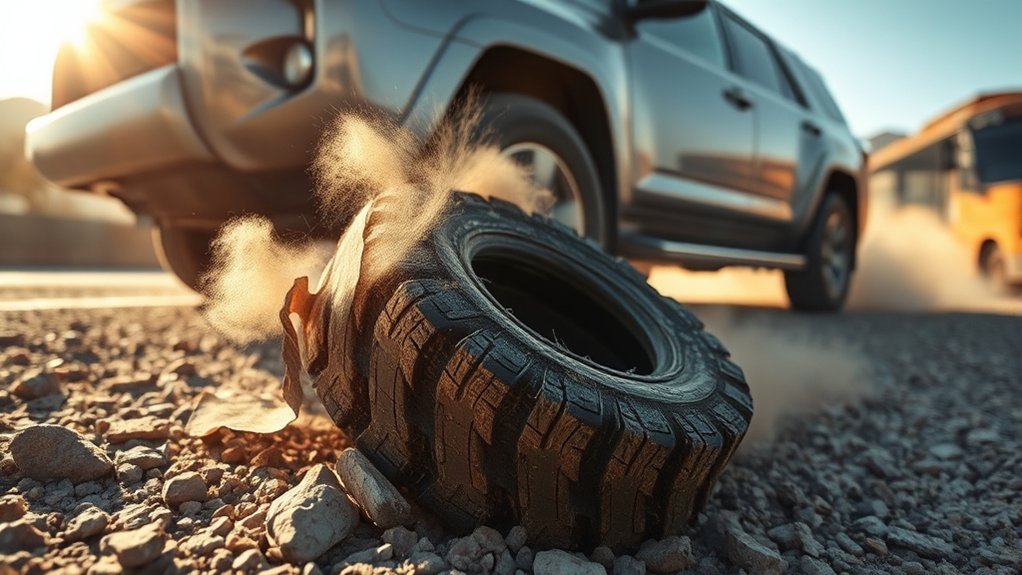
Sustained speed creates heat even in a healthy tire. The danger rises when the tire is underinflated, overloaded, damaged, worn, or operated beyond its speed rating. Towing adds axle load and trailer tongue weight, so pressure and payload checks should happen before the trip, not after the tires are already hot.
Do not rely on an unsupported universal speed percentage to estimate blowout risk. Instead, obey posted limits, follow the tire’s rating and Toyota’s towing instructions, reduce speed in severe heat or rough conditions, and stop if you notice vibration, pulling, a new thumping sound, or a pressure warning.
How Seasonal Temperature Changes Affect Tire Pressure
Cold weather lowers inflation pressure, which can trigger a warning or leave a tire underinflated. Driving then warms the tire and raises the reading. Hot weather does not mean you should bleed air from a properly set tire after driving. Releasing air while the tire is hot can leave it underinflated when it cools.
Check and adjust pressure when the tires are cold. Recheck after major seasonal changes and before long trips. If one tire loses pressure faster than the others, inspect it for a puncture, valve leak, bead leak, or wheel damage instead of repeatedly adding air.
4Runner Tire Maintenance Checklist
A short routine catches most visible problems before they become emergencies.
| Maintenance Task | When | What to Do |
|---|---|---|
| Check cold pressure | At least monthly and before long trips | Use the driver-door placard; include the spare. |
| Inspect tread and sidewalls | Monthly and after a hard impact or trail trip | Look for cuts, bulges, cracks, nails, exposed cords, and irregular wear. |
| Measure tread depth | Monthly or at each service | Measure multiple grooves; replace at 2/32 inch or when damage or performance requires earlier replacement. |
| Rotate tires | At the interval in your model-year maintenance guide or tire warranty | Use the correct pattern for the drivetrain and tire type. |
| Check load | Before towing, overlanding, or carrying heavy cargo | Count people, cargo, accessories, roof load, and tongue weight. |
| Check tire age | During inspections and before buying used tires | Read the DOT date code and follow manufacturer replacement guidance. |
[Products Worth Considering]

Keep your tires properly inflated with this analog VONDIOR tire pressure gauge, designed for fast, easy readings without batteries. The swiveling, two-axis hose and large glow dial help you measure at any tire angle with instant visibility. Built with a protective rubber shield, it supports durable, low-maintenance use for cars and trucks.

This roadside assistance kit helps drivers and passengers in urgent situations after an accident or breakdown, providing practical support while waiting for help. It includes a lightweight, compact tire inflator for fast inflation of standard vehicle tires, plus reinforced jumper cable protection for safer handling. Ideal for winter weather, road trips, camping, and travel, with everything stowed neatly in a trunk bag.
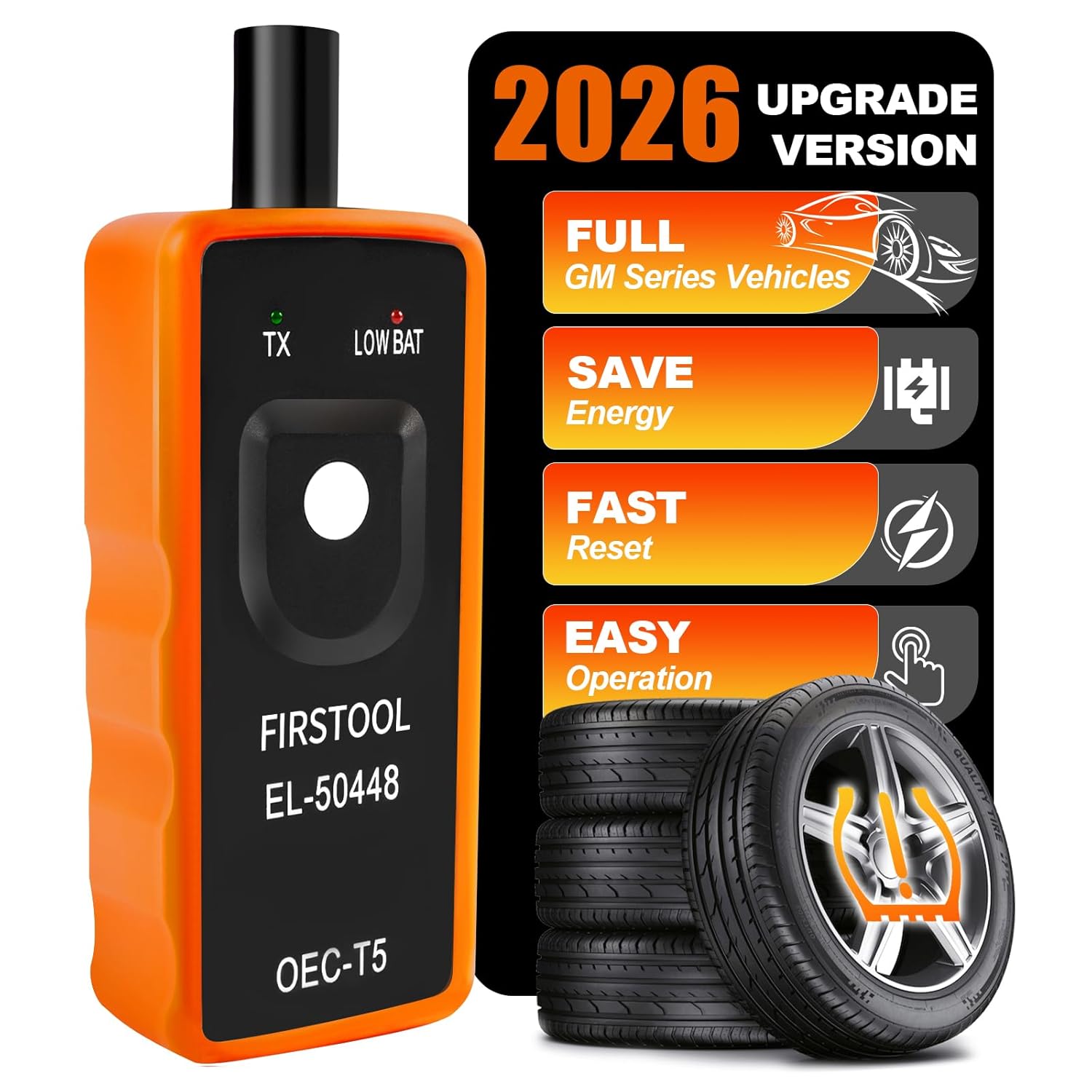
This TPMS relearn tool helps you quickly activate, match, and reset GM tire pressure sensors to keep the vehicle monitoring system working properly. It clears tire pressure alarms and dashboard warning lights after sensor replacement or tire rotation, and supports learning for common 315/433 MHz TPMS sensors. Designed for simple one-button operation, it can help you avoid unnecessary trips to repair shops.
Warning Signs Before a Tire Fails
- A steering-wheel shake, seat vibration, or rhythmic thumping that was not present before
- A tire that repeatedly needs air
- A sidewall bubble, bulge, deep cut, or visible cord
- Tread lifting from the casing or an out-of-round appearance
- Strong pulling after striking a pothole or curb
- A TPMS warning that stays on, returns, or flashes to indicate a system fault
Slow down smoothly and stop in a safe place if these symptoms appear. Do not continue at highway speed to “see if it clears up.”
What to Do If You Experience a Tire Blowout While Driving
Your first goal is to keep the 4Runner balanced and pointed where you want it to go. A sudden brake or steering input can make the vehicle harder to control.
- Hold the steering wheel with both hands. Keep the vehicle in its lane and look toward a safe path.
- Do not slam on the brakes. Avoid abruptly lifting off the accelerator or making a sharp steering correction.
- Stabilize the vehicle. Maintain speed briefly if needed and safe, then release the accelerator gradually.
- Slow down smoothly. Once the vehicle is stable, signal and move toward a safe shoulder or exit.
- Stop away from traffic. Turn on the hazard lights, set the parking brake, and keep occupants away from moving vehicles.
- Assess the location. Change the tire only when the surface is firm, level, and safely separated from traffic. Otherwise, call roadside assistance.
Warning: Never crawl under a vehicle supported only by the factory jack. Follow the jacking points and procedures in the owner’s manual, and do not attempt a roadside change where traffic makes the location unsafe.
[Products Worth Considering]

Accurately measure tire tread depth with a calibrated gauge marked from 0 to 1 inch in 1/32 inch increments. The color-coded bar helps you quickly identify tread condition ranges, supporting safe driving for trucks, motorcycles, automobiles, and passenger vehicles.

TireJect Off-Road Tire Sealant Kit provides 5-in-1 sealing to help fix tread punctures up to 3/8", sidewall punctures up to 3/8", bead leaks, slow leaks, and minor dry rot on low-speed tires. It permanently seals with liquid rubber, recycled tire particles, and Aramid fibers, making it ideal for flats caused by thorns, nails, and screws. The included dispensing cap attaches to the valve stem for a no-mess installation, along with a metal valve core remover tool and valve stem cap. This kit is for off-road use only.

The Topeak SmartGauge D2 delivers precise digital tire pressure readings for bikes, motorcycles, and sports equipment up to 250 psi (17 bar). Its rotating SmartHead works with both Presta and Schrader valves, so you can check pressure quickly without adapters. The LCD display makes it easy to read results in psi, bar, or kg/cm² with an included CR2032 battery for immediate use.
Frequently Asked Questions
Will insurance cover damage from a tire blowout?
Coverage depends on the cause, resulting damage, policy language, deductible, and the coverages you purchased. The National Association of Insurance Commissioners explains that collision and comprehensive coverage apply to different types of losses. Collision coverage may apply when the vehicle hits another vehicle, object, or pothole. A policy may not pay for the failed tire itself when the loss is ordinary wear, deterioration, or maintenance-related. Document the scene and contact your insurer for a policy-specific decision.
Can the TPMS prevent a blowout?
No. TPMS can warn you when a tire is significantly underinflated, but it cannot identify every cut, impact break, belt separation, overload condition, or sudden puncture. Use it as a warning system, not a replacement for monthly gauge checks and visual inspections.
How often should I check my 4Runner’s tire pressure?
Check all tires, including the spare, at least once a month when cold. Check again before long trips, towing, heavy loading, or after a large temperature change. Use the pressure on the driver-door placard or in the owner’s manual for your exact model year and tire setup.
Can a punctured 4Runner tire be repaired?
Some small punctures in the repairable tread area may be repairable after the tire is removed and inspected internally. Sidewall damage, large punctures, exposed cords, run-flat damage, or structural separation generally requires replacement. A plug inserted from the outside does not reveal hidden internal damage.
Should all four tires match on a 4Runner?
Use tires that meet Toyota’s size, load, and speed requirements. Matching size, construction, tread pattern, and similar tread depth helps preserve predictable handling and four-wheel-drive system operation. Review the owner’s manual and ask a qualified tire professional before mixing tires.
Conclusion
Most 4Runner tire blowouts are linked to preventable conditions such as low pressure, excess load, neglected damage, worn tread, or continued driving after a warning sign appears. Check cold pressure monthly, inspect after impacts and off-road trips, stay within the vehicle’s load limits, and follow the maintenance guidance for your model year. If a tire fails while driving, keep your inputs smooth, regain control first, then slow down and stop in a safe location.
Sources
- National Highway Traffic Safety Administration: TireWise — tire pressure, tread, aging, TPMS, blowout response, and tire-related crash data.
- National Highway Traffic Safety Administration: Summer Driving and Road Trip Tips — cold-pressure checks, placard guidance, and tire inspections.
- Toyota 4Runner Owner’s Manual: Maintenance Data — current-model tire sizes, cold inflation specifications, load information, and wheel data.
- U.S. Department of Energy: Fuel-Economy Maintenance Guidance — verified relationship between underinflation and fuel economy.
- National Association of Insurance Commissioners: Auto Insurance Coverage — collision, comprehensive, and policy-dependent coverage basics.