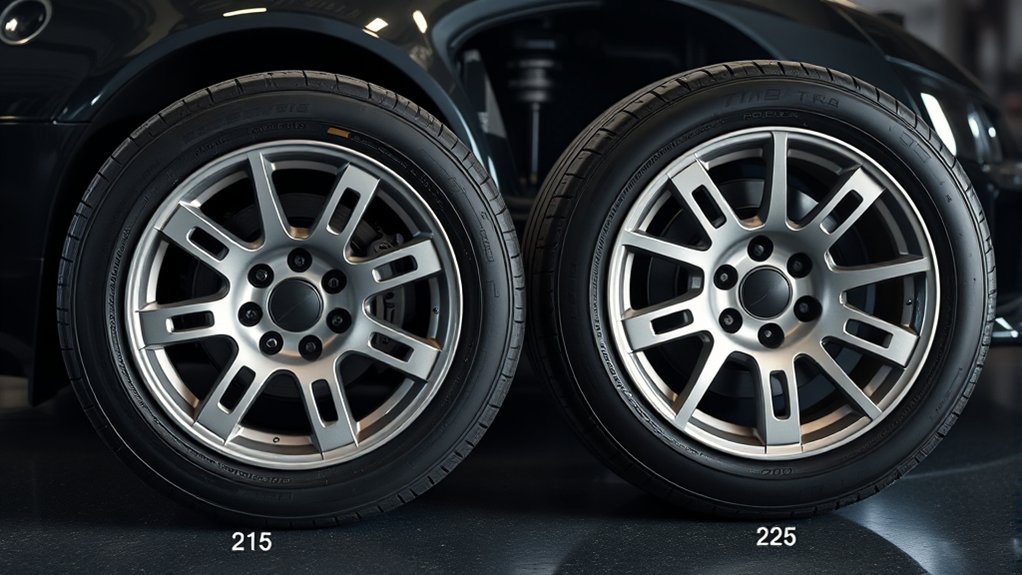
If you’re comparing 215 vs 225 tires, the first number tells you the tire’s nominal section width: a 225 is 10 mm, or about 0.39 inch, wider than a 215. That difference can affect clearance, steering feel, dry-road response, wet-weather behavior, weight, and efficiency, but width alone does not determine which tire performs better. You also need to compare the aspect ratio, wheel diameter, load index, speed rating, tire construction, and your vehicle manufacturer’s approved sizes.
Quick Answer
A 225 tire is nominally 10 mm wider than a 215 tire. A comparable 225 can offer a wider footprint and sharper dry-road response, while a 215 may provide more clearance and sometimes lower weight or better hydroplaning resistance. Neither size is automatically better—use only a size approved for your vehicle and wheel setup.
Key Takeaways
- The 215 and 225 numbers describe nominal section width, so a 225 is 10 mm wider than a 215.
- Width alone does not tell you overall diameter, sidewall height, tread width, load capacity, rolling resistance, or total grip.
- A wider tire can produce a shorter, wider footprint and may improve dry-road steering response and lateral grip when the rest of the tire design supports it.
- A narrower tire can provide more clearance and may resist hydroplaning better under otherwise similar conditions.
- Never change from 215 to 225 based on width alone. Confirm an approved tire size, rim-width range, load index, speed rating, overall diameter, and full suspension and body clearance first.
Warning: A 225 tire is not automatically a safe substitute for a 215 simply because it fits on the wheel. NHTSA recommends using the original tire size or another size recommended by the vehicle manufacturer. An incorrect replacement can affect load capacity, clearance, handling, speedometer readings, and electronic stability systems.
215 Vs 225 Tires: The Key Differences
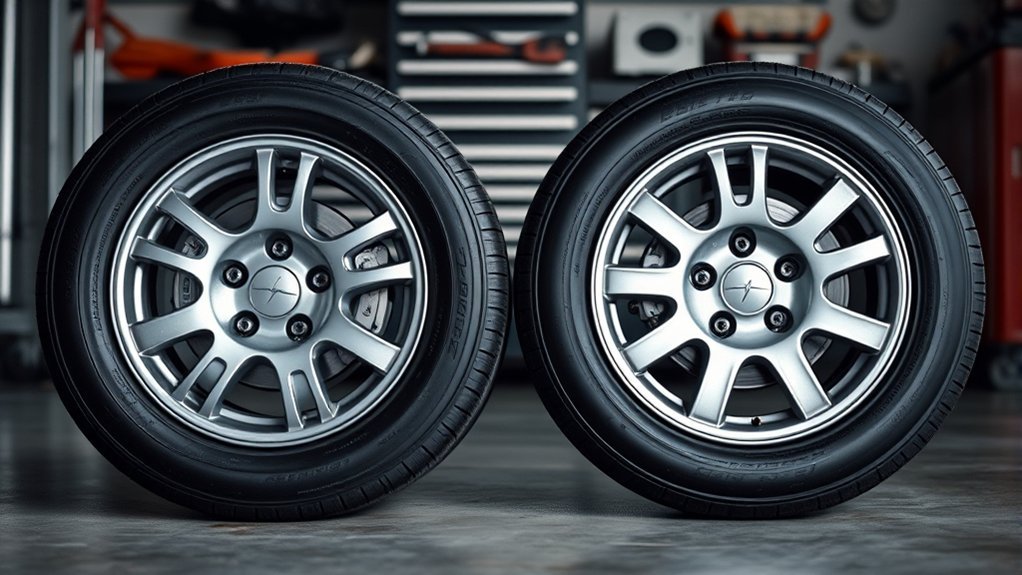
When you compare 215 and 225 tires, the basic dimensional difference is nominal section width. A 225 tire is nominally 10 mm wider from sidewall to sidewall than a 215 tire when each tire is measured under its specified conditions.
That does not mean every 225 has exactly 10 mm more tread touching the road. Section width, tread width, and the tire’s actual contact patch are different measurements. Tire Rack explains that footprint dimensions depend on factors including tire size, inflation pressure, load, and profile.
A wider performance-oriented tire can create a shorter, wider footprint that responds well to lateral steering inputs. That can contribute to strong dry grip and cornering stability, but tread compound, casing construction, temperature, wheel width, alignment, and tire pressure can matter as much as width.
A 215 tire may feel lighter or easier to package in a tight wheel well. Depending on the specific tire model, it may also weigh less. However, you should not assume that a 215 always has lower rolling resistance or that a 225 always consumes more fuel. Tire construction and compound can reverse that expectation.
| Comparison | 215 | 225 |
|---|---|---|
| Nominal section width | 215 mm | 225 mm |
| Width difference | Baseline | 10 mm wider |
| Vehicle clearance | Usually easier to package | Needs more lateral clearance |
| Dry-road response | Depends on tire design | Can provide a wider, more responsive footprint |
| Hydroplaning | Narrower width can be advantageous, all else equal | Greater width can increase susceptibility, depending heavily on tread and conditions |
| Fuel economy | May have an advantage in some comparable setups | May add weight or drag in some setups |
What Do 215 And 225 Mean On A Tire?
The width number is only one part of the tire code. Consider 215/55R17:
- 215 — nominal section width in millimeters.
- 55 — aspect ratio; the sidewall height is approximately 55% of the section width.
- R — radial construction.
- 17 — wheel diameter in inches.
A 225/55R17 therefore does more than add 10 mm of width compared with a 215/55R17. Because the aspect ratio remains 55%, the wider tire also gets a taller calculated sidewall.
Note: The first number is section width, not tread width. Two tires carrying the same 225 designation can have different measured dimensions, tread widths, weights, and performance characteristics because tire construction and the measuring rim differ.
215 Vs 225 Tires: Size, Width, And Fit
When you compare 215 and 225 tires, the nominal width difference is 10 mm, but the full tire code determines whether the replacement is taller, shorter, or almost the same diameter as the original.
You need to check wheel width, offset, inner and outer clearance, suspension travel, load capacity, speed rating, and the vehicle manufacturer’s approved tire specifications before changing sizes.
Tire Width Differences
A 215 tire is nominally 10 mm narrower than a 225 tire. In many comparable designs, changing width alters the shape of the contact patch rather than simply adding a fixed amount of total contact area.
A wider, lower-profile footprint can help a tire respond more directly to cornering forces. A narrower footprint can have advantages when it needs to cut through standing water or loose snow. The real result still depends strongly on tread pattern, compound, pressure, temperature, vehicle weight, and road conditions.
That is why you should compare the actual tires you intend to buy instead of assuming every 225 will outgrip every 215.
Overall Size Impact
The full size determines overall diameter, ride height, circumference, revolutions per mile, and potential speedometer error.
For a standard metric tire, approximate sidewall height is:
Section width × aspect ratio ÷ 100
Approximate overall diameter is:
Wheel diameter + two sidewalls
For example, compare 215/55R17 with 225/55R17:
| Measurement | 215/55R17 | 225/55R17 |
|---|---|---|
| Nominal width | 215 mm | 225 mm |
| Calculated sidewall | 118.25 mm | 123.75 mm |
| Approx. diameter | 668.3 mm | 679.3 mm |
| Diameter change | Baseline | About +1.65% |
With that example, the 225 tire is both wider and taller because both sizes use the same 55 aspect ratio. If the speedometer were calibrated for the smaller tire, an indicated 60 mph would correspond to roughly 61 mph using the mathematical diameter difference, before accounting for real tire dimensions and normal speedometer calibration.
This is also why some approved wider fitments use a lower aspect ratio. Changing from a 215 to a 225 while reducing the profile can keep overall diameter closer to the original.
Fitment Considerations
Fitment starts with the vehicle manufacturer’s approved sizes. NHTSA recommends purchasing the original tire size or another size recommended by the vehicle manufacturer. The U.S. Tire Manufacturers Association also advises matching applicable size, load, and speed-rating requirements.
| Check | Why It Matters |
|---|---|
| Approved tire size | Preserves the vehicle’s intended tire specifications and system calibration |
| Wheel diameter | Must match the tire’s rim-diameter designation exactly |
| Approved rim-width range | Keeps the tire within the tire manufacturer’s mounting specifications |
| Wheel offset | Controls inner and outer tire position |
| Fender and liner clearance | Prevents rubbing at steering lock and suspension compression |
| Strut and suspension clearance | A wider tire moves its inner sidewall closer to surrounding components |
| Load index | Confirms adequate load-carrying capacity |
| Speed rating | Must satisfy manufacturer requirements for the intended application |
| Overall diameter | Can affect speedometer, odometer, gearing, clearance, ABS, and stability systems |
If your clearances are tight, the 215 may fit more easily. If you want to use a 225, confirm the complete tire specification rather than assuming the extra 10 mm will fit.
Will 215 Or 225 Tires Fit Your Vehicle?
Whether a 215 or 225 tire fits depends on much more than section width. Wheel diameter, rim width, offset, brake and suspension clearance, wheel-well space, overall diameter, load index, speed rating, and manufacturer approval all affect tire compatibility.
A tire that physically mounts to your wheel is not automatically an approved or safe replacement size for your vehicle.
Start with the Tire and Loading Information label on the vehicle and the owner’s manual. NHTSA’s tire-safety guidance recommends using the original tire size or another size recommended by the vehicle manufacturer.
Next, check the exact tire manufacturer’s specifications. Each individual size has an approved rim-width range, maximum load specification, and measured dimensions. A 225 from one product line can differ slightly in actual width from another 225.
Finally, verify clearance through the complete operating range: steering at full lock, suspension compression, loaded driving, and normal wheel travel.
Pro Tip: Compare complete sizes such as 215/55R17 and 225/50R17—not just “215” and “225.” A different aspect ratio may allow the wider tire to stay much closer to the factory overall diameter.
[Products Worth Considering]

Black Magic Tire Wet delivers a deep wet-look shine that makes tires appear dark, rich, and freshly detailed. Its long-lasting formula helps resist rain, dust, and road grime for weeks of glossy protection, not days. Apply by spraying onto clean, dry tires—no buffing or wiping required—with a low-sling design to reduce splatter on paint and wheels.

This universal wheel alignment tool helps you accurately restore tire tilt angles after tire or suspension repairs using an adjustable camber gauge. It features a powerful magnetic base that firmly attaches to brake rotors for stationary, slip-free readings, improving consistency during measurement. Built from durable PC plastic, it resists wear and corrosion and is compact enough for car, truck, RV, and motorcycle alignment tasks.
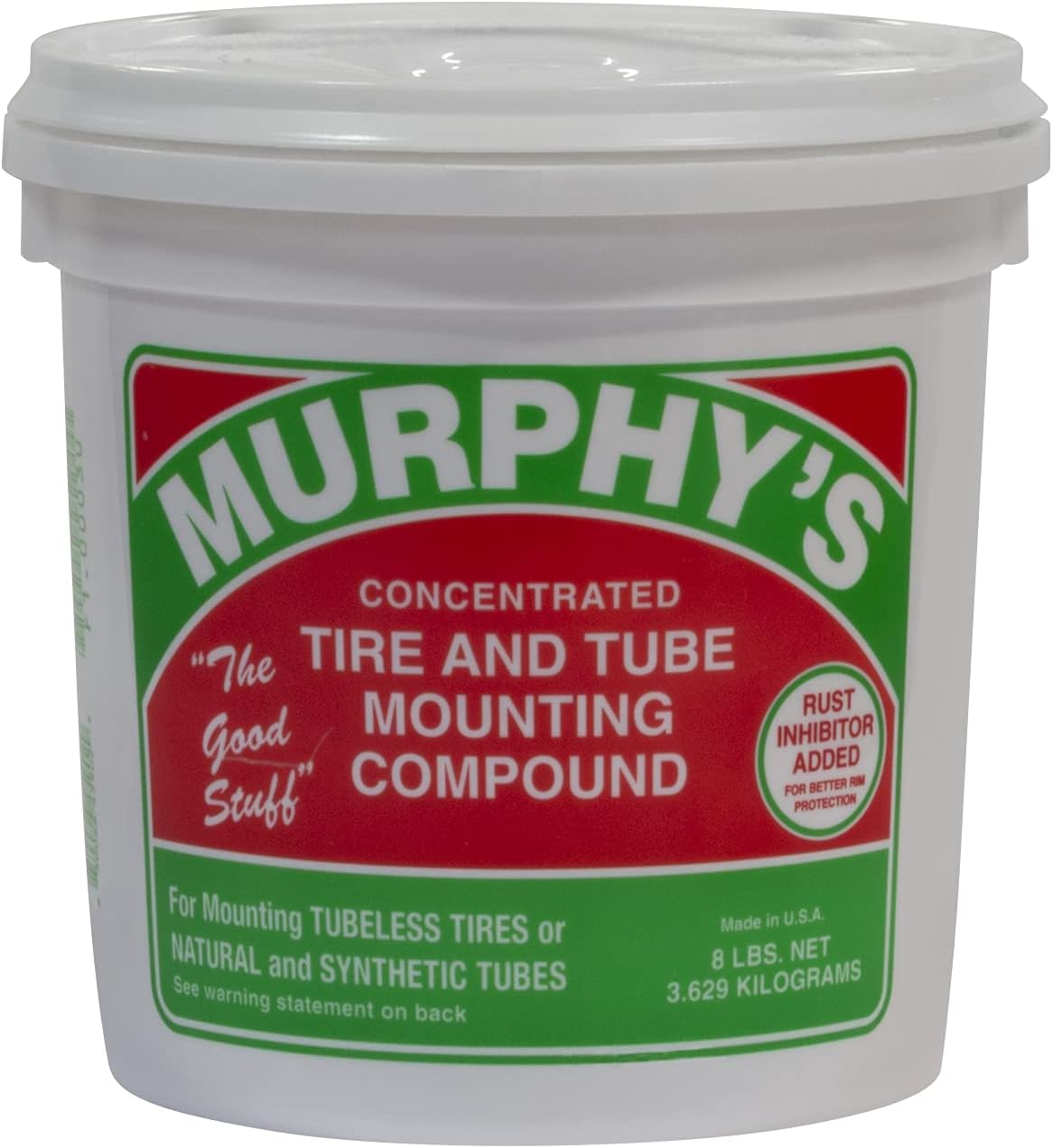
A concentrated tire and tube mounting compound designed to help simplify mounting rubber tires and tubes on passenger, semi truck, construction, and OTR applications. Its ultra-thick formula packs beads effectively and includes rust inhibitors to help protect against corrosion during use.
225 Tires For Grip, Stability, And Cornering
A properly matched 225 tire can provide a wider footprint and can feel more planted during cornering than a comparable narrower tire. Wider, shorter footprint shapes are commonly associated with responsive steering and lateral stability.
However, width is only one factor. A high-performance 215 can easily outperform a touring-oriented 225 if its compound, tread design, construction, temperature range, and vehicle setup are better suited to the conditions.
| Condition | 215 Tire | 225 Tire |
|---|---|---|
| Steering response | Depends on construction, profile, pressure, and wheel width | Can feel more planted when paired with an appropriate wheel and tire design |
| Dry lateral grip | Strong with the right compound and construction | Wider footprint can provide an advantage in comparable performance designs |
| Clearance | More lateral room | Requires extra inner and outer room |
A 225 is therefore worth considering when it is an approved fitment and you want the characteristics of the specific wider tire—not simply because “225” guarantees more grip.
[Products Worth Considering]

Keep your tires properly inflated with this analog VONDIOR tire pressure gauge, designed for fast, easy readings without batteries. The swiveling, two-axis hose and large glow dial help you measure at any tire angle with instant visibility. Built with a protective rubber shield, it supports durable, low-maintenance use for cars and trucks.
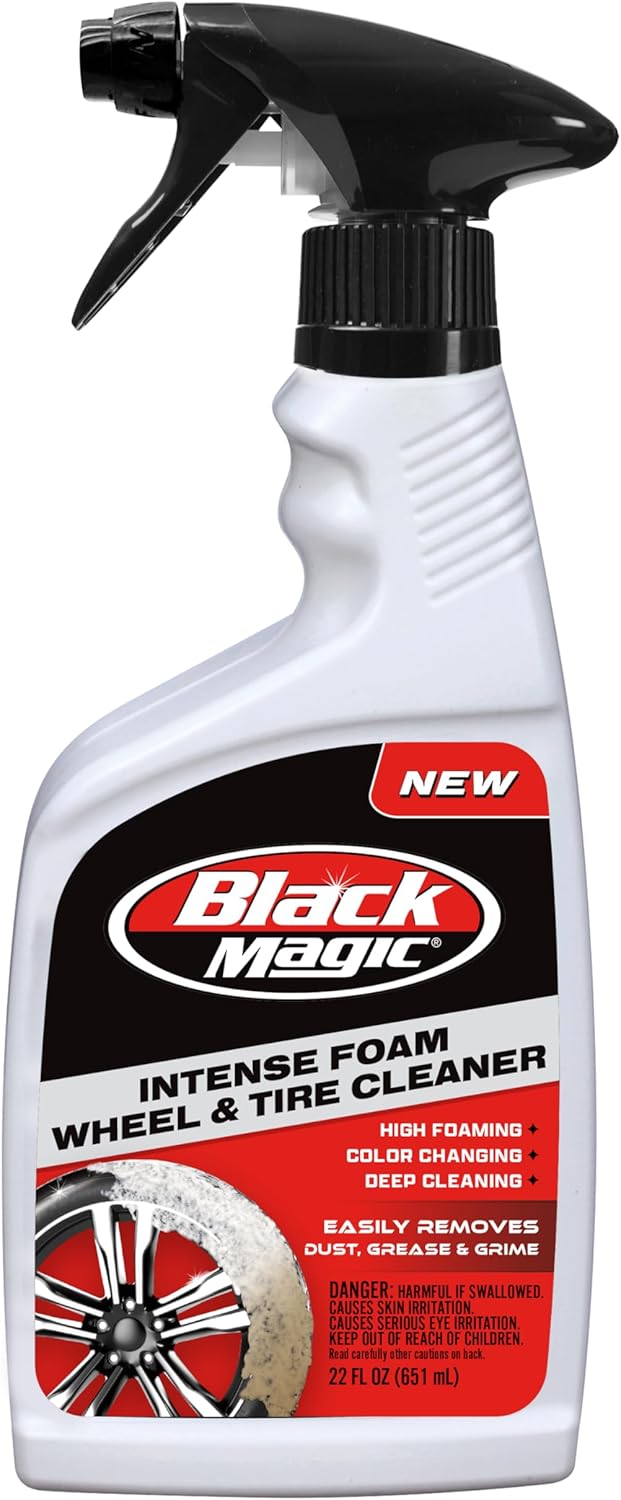
Black Magic Intense Foam Wheel & Tire Cleaner uses a high-foaming action to lift away dirt, grime, and brake dust without scrubbing. The color-changing formula helps show contaminants being dissolved as foam turns from white to brown. Safe for all wheel types and even wheel wells, it leaves a like-new, slick finish with a fresh cherry scent.

The Continental Grand Prix 5000 is an allround road bike tire engineered for faster rolling, improved ride comfort, and enhanced puncture protection. It features a Vectran Breaker cut-protection layer, Lazer Grip micro-profile tread for confident cornering control, and Active Comfort Technology to damp vibration for smoother rides. BlackChili compound optimizes grip and speed for everyday performance and long-lasting confidence.
215 Tires For Better Efficiency And Comfort
A 215 tire may make sense when you want to preserve factory-style fitment, maximize wheel-well clearance, or use a narrower tire for particular road and weather conditions.
A narrower package may also weigh less than a comparable wider package, which can reduce rotating and unsprung mass. But rolling resistance cannot be predicted from width alone. Continental notes that tire pressure and rubber compound are major influences and that greater width does not have a simple direct relationship with rolling resistance.
Ride comfort also depends on more than section width. Sidewall height, casing stiffness, tread construction, wheel diameter, vehicle suspension, and inflation pressure all influence how sharply bumps enter the cabin.
For example, if you compare a 215/55R17 with a 225/55R17, the 225 actually has a taller calculated sidewall because 55% of 225 mm is greater than 55% of 215 mm. That demonstrates why “narrower equals softer” is not a reliable rule.
Keep tire pressure at the specification appropriate for your vehicle and approved tire setup. Do not use the maximum pressure molded onto the tire sidewall as the normal operating pressure.
215 Vs 225 Tires In Rain And Snow
On wet roads, tire width can influence hydroplaning, but it is only one part of the equation. Tire Rack identifies water depth, vehicle speed, vehicle weight, tire width, tread depth, and tread design as important factors.
With otherwise comparable tires, a narrower 215 has less width over which it must clear water and may resist hydroplaning better than a wider 225. But a well-designed 225 with deep, effective water channels can still outperform a worn or poorly designed 215.
Snow performance is similarly conditional. A narrower tire can place more pressure on a smaller-width footprint and may cut through deeper loose snow more effectively. On compacted snow, however, compound, siping, tread pattern, temperature capability, and the use of a true winter tire are usually more important than a 10 mm width difference.
For winter driving, choosing the correct winter-rated tire in a manufacturer-approved size is more important than choosing 215 or 225 based solely on width.
How 215 Vs 225 Tires Affect Fuel Economy
A change from 215 to 225 can affect fuel economy, but there is no universal MPG difference that applies to every vehicle.
Potential changes come from several variables:
- Tire rolling-resistance compound
- Tire and wheel weight
- Inflation pressure
- Overall diameter
- Tread depth and design
- Casing construction
- Wheel alignment
- Vehicle speed and aerodynamics
Rolling Resistance Differences
It is tempting to assume that every 225 creates more rolling resistance than every 215, but that comparison is too simple.
Continental’s rolling-resistance guidance explains that inflation pressure and rubber compound strongly affect energy loss. Tire construction also matters.
So a low-rolling-resistance 225 can potentially roll more efficiently than a performance-focused 215. To make a useful comparison, look at two specific tire models in sizes approved for your vehicle.
Real-World MPG Impact
If the wider setup is heavier, uses a higher-rolling-resistance compound, changes the vehicle’s gearing through a larger diameter, or adds aerodynamic drag, fuel consumption can increase. If those variables remain close, the difference may be difficult to separate from everyday changes in traffic, weather, speed, and driving style.
There is therefore no reliable rule that moving from 215 to 225 will cost a specific number of MPG.
Speedometer, ABS, And AWD Effects
Changing section width does not automatically change speedometer accuracy. Changing overall tire circumference does.
If a replacement tire is taller than the original, it travels farther per revolution. The vehicle can therefore be moving slightly faster than the speedometer indicates if the system has not been calibrated for that circumference. A smaller overall diameter creates the opposite relationship.
Large enough circumference changes can also affect odometer readings, effective gearing, ABS, traction control, and electronic stability-control behavior. Michelin advises that changing tire size can affect speedometer accuracy, clearance, and vehicle electronic systems.
AWD and 4WD vehicles require extra care. Michelin advises against mixing sizes on four-wheel-drive vehicles unless the manufacturer specifically permits it, because mismatched rolling circumferences can affect the drivetrain.
Warning: Do not install 215 tires on one axle and 225 tires on the other unless your vehicle was designed for that staggered combination or the vehicle manufacturer specifically approves it. Matching nominal wheel diameter alone does not make mixed tire sizes compatible.
Which Tire Size Should You Choose?
Choose between 215 and 225 by starting with your vehicle’s approved tire sizes—not by deciding whether efficiency or grip sounds more appealing.
If both sizes are genuinely approved for your vehicle, then compare the specific tire models and your driving priorities.
- Consider the 215 when you want more lateral clearance, a narrower footprint, or the characteristics of a specific approved 215 tire.
- Consider the 225 when an approved wider setup gives you the dry-road response, footprint shape, or performance characteristics you want.
- Do not choose either size from width alone when the tires differ in aspect ratio, load index, speed rating, construction, or intended use.
Before buying, confirm all of the following:
- The size is approved by the vehicle manufacturer or has been properly validated as an alternate fitment.
- The wheel diameter matches the tire exactly.
- The wheel falls inside the tire manufacturer’s approved rim-width range.
- The load index satisfies the vehicle’s requirements.
- The speed rating satisfies the applicable manufacturer requirement.
- The tire clears the fender, liner, strut, suspension, and other components at full steering lock and suspension travel.
- The overall diameter and circumference are appropriate for the vehicle.
- The setup will not create an unacceptable mismatch on an AWD or 4WD drivetrain.
- You have the correct inflation guidance for the approved tire-and-vehicle combination.
The best choice is therefore not automatically 215 for commuting or 225 for performance. The better option is the approved tire that provides the characteristics you need while preserving safe load capacity, clearance, and vehicle-system operation.
[Products Worth Considering]

Adam’s Pro Tire Hex Grip applicators are molded foam sponges designed for precise, even tire dressing application. The ergonomic grip helps you spread product without overapplying, reducing sling that can splash onto paint and helping keep your hands clean during wheel and trim detailing. They’re durable, washable, and reusable for repeated detailing sessions.
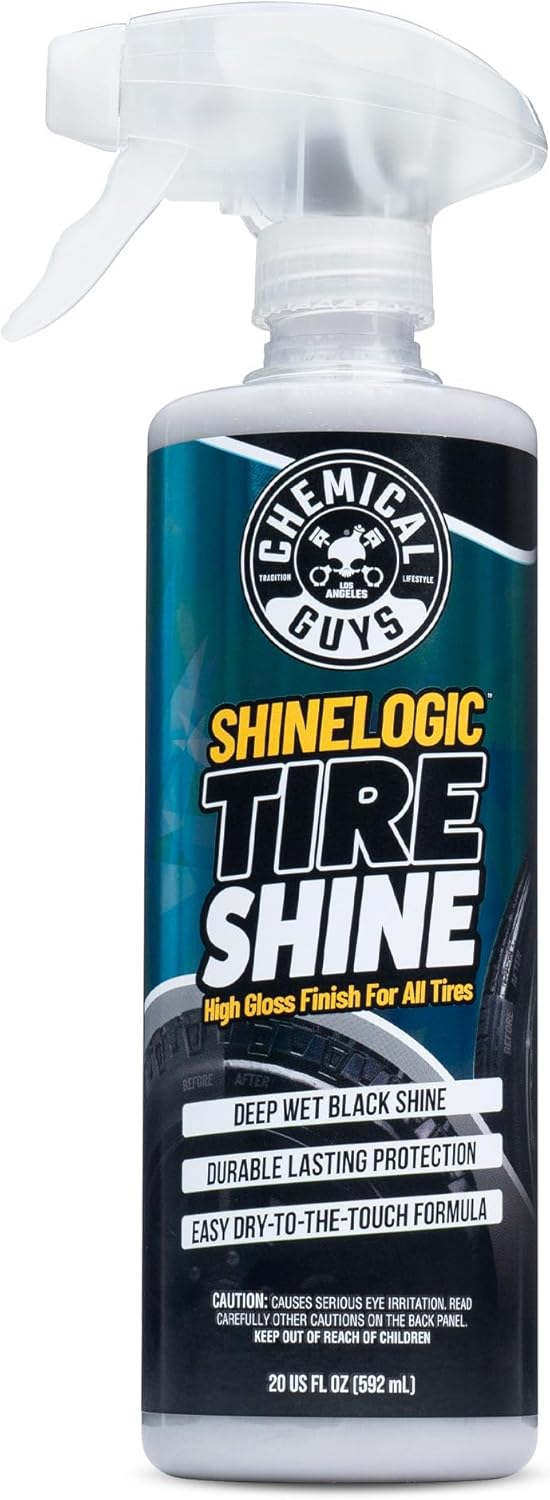
Chemical Guys ShineLogic Tire Shine delivers a deep wet black, high-shine finish for rubber tires with a sleek look. It’s designed for durable, one-step application with minimal drips, streaks, or runs, and it helps produce effortless, long-lasting shine. Choose aerosol or trigger spray for easy use on cars, trucks, motorcycles, RVs, and more.

Measure tire tread depth quickly and accurately with this LUMITECO dial gauge that reads in 1/32" increments up to 14/32". The color-coded green/yellow/red zones make it easy to judge tire wear and know when replacement is needed. A rugged, compact design with a protective pouch helps keep the gauge ready for use on cars, trucks, motorcycles, and more.
Frequently Asked Questions
Do 215 and 225 tires require different wheel sizes?
Not necessarily. Tires with the same rim-diameter designation, such as 215/55R17 and 225/55R17, both mount on 17-inch wheels. However, each specific tire also has an approved rim-width range. Your existing wheel must fall inside the tire manufacturer’s specified range for the exact size you want to install.
Can I replace 215 tires with 225 tires?
Only when the complete 225 size is suitable for your vehicle and wheel. Check manufacturer approval, rim width, load index, speed rating, overall diameter, and inner and outer clearance. The fact that a 225 is only 10 mm wider does not by itself make the substitution safe.
Can I mix 215 and 225 tires on the same vehicle?
Usually you should not. Use matching sizes unless the vehicle manufacturer designed or approved a staggered setup. Different rolling circumferences can change handling and may create additional concerns on AWD and 4WD vehicles.
Are 225 tires more expensive to replace than 215 tires?
Not always. A wider tire can use more material, but retail pricing depends on the exact size, brand, tire line, load and speed rating, production volume, and local availability. In some vehicles, a common 225 size may cost less than a less common 215 size.
How does tire pressure differ between 215 and 225 tires?
Do not choose inflation pressure from section width alone. For the manufacturer’s specified tire setup, use the recommended cold pressure on the vehicle’s Tire and Loading Information label or owner’s manual. If you are changing to an alternate size, confirm the correct application and pressure requirements rather than assuming the original PSI automatically applies.
Will 225 tires affect my speedometer accuracy?
Only if the new tire’s overall circumference differs from the size for which the vehicle is calibrated. Width by itself does not cause the error. For example, changing from 215/55R17 to 225/55R17 increases calculated overall diameter because the 55% sidewall becomes taller as section width increases.
Are 215 tires better in rain than 225 tires?
A narrower tire can have an advantage against hydroplaning when other variables are comparable, but width is not the only factor. Water depth, speed, vehicle load, tread depth, tread pattern, and tire compound all affect wet-road performance.
Do 225 tires always provide more grip than 215 tires?
No. A wider tire can create a footprint shape that favors dry lateral performance, but compound, tread design, temperature, pressure, construction, wheel width, and vehicle setup can outweigh a 10 mm difference. Compare the actual tires rather than width alone.
Conclusion
So, should you pick 215 or 225 tires? Start with your vehicle’s approved sizes. A 225 is nominally 10 mm wider and can provide the wider footprint and responsive dry-road feel some drivers want. A 215 provides more lateral clearance and can have advantages in standing water or loose snow under comparable conditions. Neither width automatically guarantees better fuel economy, comfort, braking, or grip.
Compare the complete tire size, not just 215 versus 225. Check rim compatibility, overall diameter, load index, speed rating, clearance, pressure requirements, and drivetrain considerations before switching. That approach gives you a tire that fits correctly and works with the vehicle as intended.
Sources
- National Highway Traffic Safety Administration — TireWise — tire-size selection, vehicle placard, inflation pressure, and tire-safety guidance.
- U.S. Tire Manufacturers Association — Replacing Tires — replacement-size, load-index, speed-rating, and tire-matching guidance.
- Michelin — Changing Tire Size or Specifications — alternate-size, vehicle compatibility, and tire-mixing guidance.
- Tire Rack — What Is a Tire Contact Patch? — contact-patch dimensions, load, inflation pressure, and footprint shape.
- Tire Rack — What Causes Tire Hydroplaning? — effects of width, speed, water depth, tread depth, vehicle weight, and tread design.
- Continental — Rolling Resistance of Car Tires — factors affecting rolling resistance, including pressure, compound, tread, and tire dimensions.