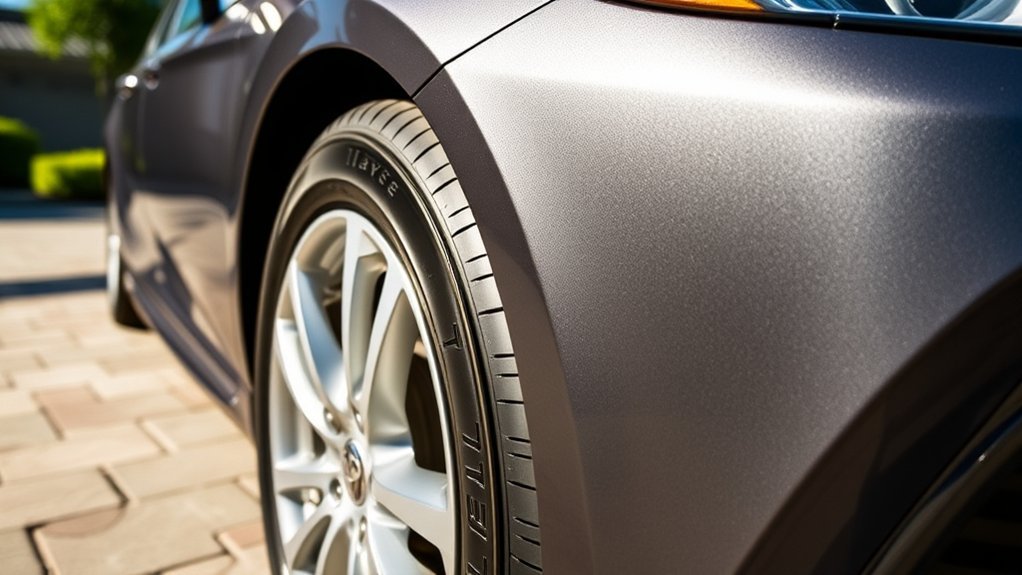
The right Toyota Camry SE tire size depends on the model year, wheel size, trim package, and market. Many older SE models use 215/55R17, many 2018 and newer SE models use 235/45R18, and 19-inch sizes such as 235/40R19 are usually tied to sportier 19-inch wheel trims such as XSE, TRD, or Nightshade—not the standard SE. Always confirm your exact size on the driver-side door placard before buying tires.
Quick Answer
For most recent Toyota Camry SE models, the common OEM tire size is 235/45R18. Many older Camry SE models use 215/55R17. The safest answer is the tire size printed on your driver-side door jamb Tire and Loading Information label, because it matches your exact car and factory wheels.
Key Takeaways
- Use the door jamb tire placard as the final authority for size and cold PSI.
- A standard 2026 Camry SE commonly uses 235/45R18; 235/40R19 is usually for 19-inch wheel trims, not the regular SE.
- Match the tire size, wheel diameter, load index, and speed rating before buying.
- Check tire pressure cold at least monthly and before long trips.
At a Glance
| Time Required | 5–10 minutes to verify tire size and pressure |
| Difficulty | Easy |
| Tools Needed | Door placard, owner’s manual, tire pressure gauge, tread depth gauge or penny |
| Cost | Free to check; about $5–$20 for a gauge; replacement tire cost varies by size and brand |
What You Need to Know About OEM Tire Specs

OEM tire specs are the factory tire details Toyota chose for a specific Camry model, trim, and wheel package. They include the tire size, load rating, speed rating, and recommended cold tire pressure. These details matter because your tires affect braking, steering response, ride comfort, fuel economy, traction control, ABS, and tire wear.
The best source is not a generic chart. It is the Tire and Loading Information label on the driver-side door jamb or door post. Toyota also tells owners to check the Specifications section of the Owner’s Manual or the tire information placard for recommended tire pressure.
You can also read the tire code molded into the sidewall of your current tires, but use caution: the tires on a used Camry may not be the original factory size. If the sidewall and door placard disagree, treat the placard as the safer starting point unless a tire professional confirms an approved alternate size.
Warning: Never mount a tire on the wrong wheel diameter. For example, a 235/40R19 tire fits a 19-inch wheel, not an 18-inch SE wheel. Also avoid lower load or speed ratings than the factory tire unless Toyota or a qualified tire professional confirms it is safe.
Toyota Camry SE Tire Size by Model Year
The table below gives common U.S.-market Camry SE tire sizes. Use it as a shopping starting point, not as a replacement for your door jamb label. Optional wheels, hybrid versions, regional equipment, previous-owner wheel swaps, and special trims can change the correct tire size.
| Camry SE model year | Common OEM tire size | Important note |
|---|---|---|
| 2025–2026 Camry SE | 235/45R18 | Standard SE uses 18-inch wheels; Nightshade and XSE use 19-inch wheels. |
| 2018–2024 Camry SE | 235/45R18 | One of the most common SE sizes for the eighth-generation Camry. |
| 2015–2017 Camry SE | 215/55R17 | XSE versions may use 18-inch tire sizes instead. |
| 2012–2014 Camry SE | 215/55R17 or 225/45R18 | Size can vary by engine and wheel package. Verify the placard. |
| 2007–2011 Camry SE | 215/55R17 | 215/60R16 is more common on non-SE configurations, not the usual SE size. |
Note: If your Camry has aftermarket wheels, the factory SE chart may not apply. Match the tire to the actual wheel diameter and confirm overall diameter, width, offset, clearance, and load rating before changing sizes.
How to Read a Camry SE Tire Size
A tire size such as 235/45R18 is easier to understand when you break it into parts:
- 235 = tire width in millimeters.
- 45 = sidewall height as a percentage of the tire width.
- R = radial construction.
- 18 = wheel diameter in inches.
You may also see a service description such as 94V. The number is the load index, and the letter is the speed rating. When replacing tires, choose a tire that matches the factory size and meets or exceeds the factory load and speed rating unless a qualified tire professional confirms another option is safe.
How to Confirm the Right Tire Size Before Buying
- Open the driver-side door. Look on the door jamb or door post for the Tire and Loading Information label.
- Write down the full tire size. Include the size and service description if listed, such as 235/45R18 94V.
- Check the owner’s manual. Use Toyota’s manual or specifications section to confirm tire and pressure information.
- Read your current tire sidewall. This helps confirm what is installed now, but it should not override the placard if the car has incorrect replacement tires.
- Match the wheel diameter. The final number in the tire size must match the wheel diameter exactly.
- Ask a tire professional if changing sizes. Plus-sizing or switching wheels can affect speedometer reading, clearance, ride comfort, and handling.
Pro Tip: Take a photo of your door placard before shopping. It helps you avoid mixing up SE, XSE, TRD, Hybrid, Nightshade, and optional wheel sizes.
[Products Worth Considering]

The SAFELIFE dial tire tread depth gauge measures tread depth in 1/32 inch increments with clear, easy-to-read 2-inch dial face. Color zones using a traffic light system help you quickly judge whether tread is low, marginal, or ample for safer driving. Built with a durable zinc cast body and a metal detect probe for precise, comfortable use across cars, motorcycles, trucks, and buses.

Monitor tire tread wear with a smart, color-coded depth gauge that shows clear condition ranges at a glance. The bar is range marked for fast, easy readings, helping you maintain safer traction and performance. Each gauge is portable with a pocket clip, and the set includes 20 units for daily use and sharing.

Measure tire tread depth quickly and accurately with this LUMITECO dial gauge that reads in 1/32" increments up to 14/32". The color-coded green/yellow/red zones make it easy to judge tire wear and know when replacement is needed. A rugged, compact design with a protective pouch helps keep the gauge ready for use on cars, trucks, motorcycles, and more.
How to Choose the Right Tires for Your Driving Conditions
After confirming the size, choose the tire type based on how and where you drive. Tire category matters as much as brand because a touring tire, performance tire, and winter tire can feel very different on the same Camry SE.
- Touring all-season tires: Best for daily commuting, quiet ride quality, long tread life, and balanced wet/dry traction.
- Performance all-season tires: Best if you want sharper steering and stronger grip without switching to dedicated summer tires.
- Winter tires: Best for regular snow, ice, and freezing temperatures. They use cold-weather rubber compounds and winter tread patterns.
- Summer tires: Best for warm-weather grip, but they are not suitable for snow or freezing temperatures.
- Grand-touring or comfort tires: Best if your priority is low road noise and a smoother ride.
Popular replacement brands for Camry drivers include Michelin, Continental, Goodyear, Bridgestone, Pirelli, Yokohama, and others. Do not choose by brand alone. Confirm the exact size, load index, speed rating, warranty, wet traction rating, road-noise reviews, and winter rating if you drive in snow.
[Products Worth Considering]

Keep your tires properly inflated with this analog VONDIOR tire pressure gauge, designed for fast, easy readings without batteries. The swiveling, two-axis hose and large glow dial help you measure at any tire angle with instant visibility. Built with a protective rubber shield, it supports durable, low-maintenance use for cars and trucks.

These universal tire valve stem caps help protect valve cores from dust, debris, and moisture while helping maintain stable tire pressure. The corrosion-resistant metal construction and sealed design provide reliable protection in road grime, mud, and winter conditions. Twist-on installation makes them quick to fit on cars, SUVs, trucks, and motorcycles.

Accurately measure tire tread depth with a calibrated gauge marked from 0 to 1 inch in 1/32 inch increments. The color-coded bar helps you quickly identify tread condition ranges, supporting safe driving for trucks, motorcycles, automobiles, and passenger vehicles.
Why Proper Tire Fitment Matters
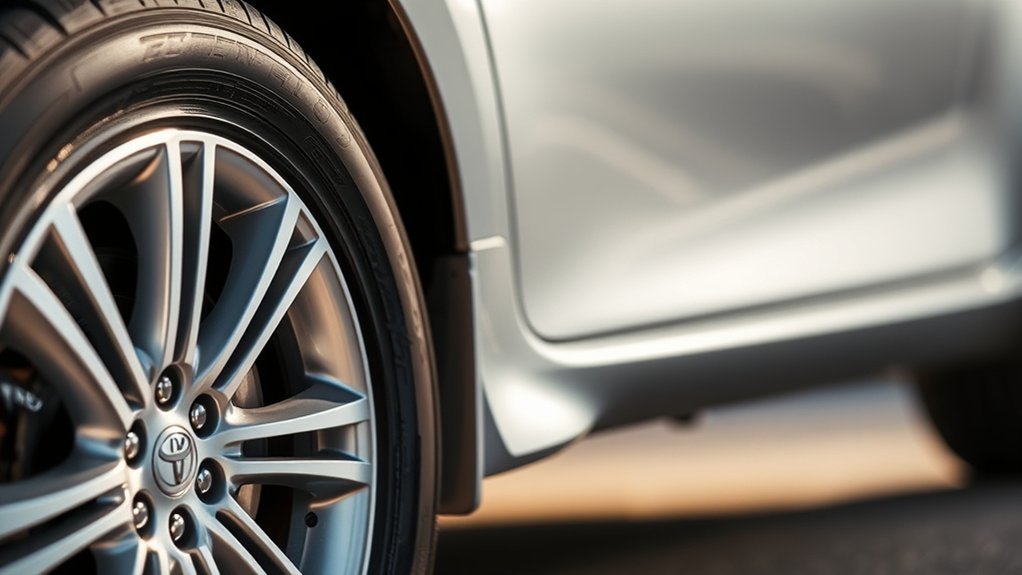
Proper tire fitment keeps the tire’s contact patch, sidewall height, load capacity, and rolling diameter within the range your Camry was designed to use. A wrong tire size can affect steering response, braking distance, ride comfort, fuel economy, traction-control behavior, and tire wear.
Mismatched tire sizes can also cause uneven wear or rubbing, especially if the tire is too wide, too tall, or mounted on wheels with the wrong offset. On all-wheel-drive vehicles, large differences in rolling diameter between tires can place extra stress on drivetrain components.
FuelEconomy.gov says keeping tires inflated to the proper pressure can improve gas mileage by 0.6% on average and up to 3% in some cases.
Best Aftermarket Tires for the Toyota Camry SE
The best aftermarket tire for a Toyota Camry SE depends on whether you value comfort, tread life, sporty handling, wet traction, or winter grip. Start with the correct size, then choose the category that fits your driving conditions.
[Products Worth Considering]

This 100-piece set of snap-in tubeless tire valve stems is designed for standard 0.453 in (11.5 mm) rim holes and helps maintain reliable, steady tire pressure. Made with ozone-resistant rubber and brass cores, the valves are built for durability and long-term use. Easy to install by hand, they support safe driving and are suitable for cars, light trucks, trailers, and more.

Steelman white tire marking crayons provide high-contrast, semi-permanent marks for repairing and inspecting tires and equipment. They write on wet or dry, smooth or coarse surfaces including rubber, metal, glass, and wood, making them ideal for puncture location and damage outlining. The lead- and zinc-free crayons resist weather and fading yet wipe away when you no longer need the marks.

These aluminum alloy tire valve stem caps with an O-ring seal help protect valve stems from corrosion while adding a clean, stylish look to your vehicle. The universal fit works across cars, trucks, motorcycles, bicycles, and more, making them an easy upgrade for everyday driving and off-road use. Installation is quick, and the included four-pack keeps all your tires dressed and protected.
Popular Tire Brands
Michelin, Continental, Goodyear, Bridgestone, Pirelli, Yokohama, Cooper, and General Tire all make replacement tires in common Camry sizes. Availability varies by tire size, so search using your exact placard size rather than only the model name.
Performance vs. Comfort
If you want a quiet daily-driver feel, look for a touring or grand-touring all-season tire with strong road-noise reviews and a longer treadwear warranty. If you want sharper steering and more grip, look for a performance all-season tire in the correct size and rating. Performance tires can improve response, but they may ride firmer and wear faster than comfort-focused touring tires.
Seasonal Tire Options
All-season tires are convenient for mild climates, but they are not the same as winter tires. If you regularly drive in snow or freezing temperatures, a dedicated winter tire can provide better cold-weather grip. If you live in a warm climate and want maximum dry and wet handling, a summer tire may feel sharper, but it should not be used in winter conditions.
Replacement Tire Checklist Before You Buy
- Confirm the size on the driver-side door placard.
- Match the wheel diameter exactly.
- Choose a tire with the correct load index and speed rating.
- Check whether you need all-season, winter, summer, touring, or performance tires.
- Replace tires in matching sets when possible.
- Install new valve stems or service the TPMS hardware if recommended.
- Ask for balancing after installation.
- Get an alignment check if your old tires show uneven wear.
Maintaining Tire Health: Tips for Longevity and Performance
Good tire maintenance helps your Camry SE ride better, stop safer, and get more life from each set of tires.
- Check tire pressure monthly. Check when the tires are cold, before driving or after the car has been parked for several hours.
- Rotate tires regularly. Many drivers rotate around every 5,000 to 7,500 miles, but follow your owner’s manual and tire warranty requirements.
- Inspect tread depth. Replace tires at 2/32 inch at the latest, and consider replacing earlier for heavy rain or winter driving.
- Watch for uneven wear. Feathering, cupping, inner-edge wear, or one tire wearing faster can point to alignment, suspension, inflation, or balancing problems.
- Do not overload the vehicle. The door placard lists load information for passengers and cargo.
How to Check and Maintain Tire Pressure
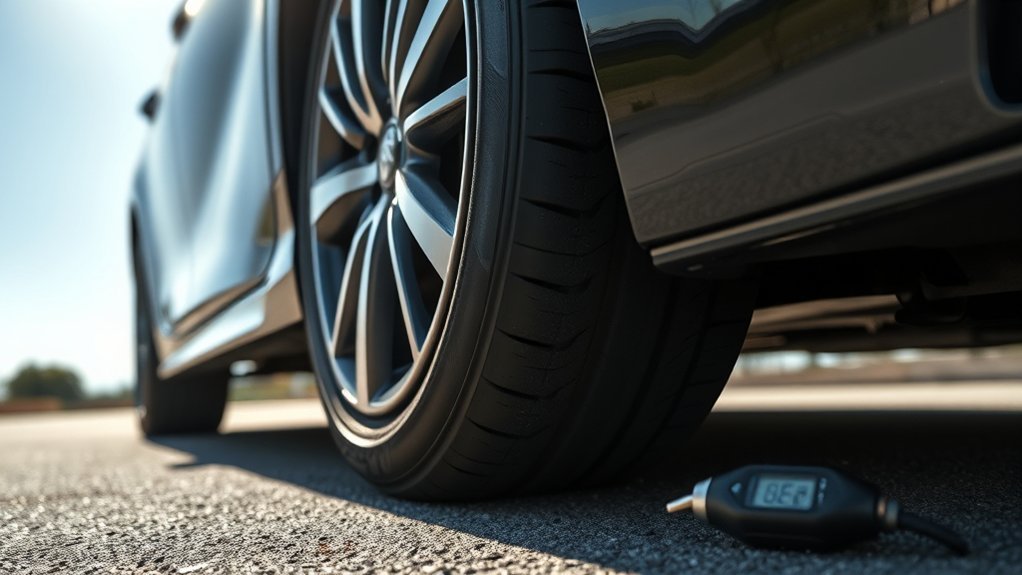
Tire pressure should be checked cold using a reliable gauge. Do not use the maximum PSI printed on the tire sidewall as your target. That number is not the same as Toyota’s recommended cold inflation pressure for your Camry.
Recommended Pressure Levels
Many Camry models fall in the low-to-mid 30 PSI range, but the exact number can vary by year, tire size, drivetrain, and wheel package. Use the driver-side door placard or Toyota owner’s manual for your vehicle’s correct cold PSI.
Checking Tire Pressure
- Park on level ground and let the tires cool.
- Find the recommended cold PSI on the door placard.
- Remove the valve cap.
- Press the gauge firmly onto the valve stem.
- Add or release air until the reading matches the placard.
- Recheck the pressure and reinstall the valve cap.
- Repeat for all four tires and check the spare if your Camry has one.
Importance of Regular Maintenance
Under-inflated tires can run hotter, wear faster, and reduce fuel economy. Over-inflated tires can ride harshly and wear unevenly in the center. A monthly pressure check is one of the easiest ways to protect your tires and keep your Camry SE driving the way it should.
Frequently Asked Questions
What tires come on a 2026 Toyota Camry SE?
A standard 2026 Toyota Camry SE commonly uses 235/45R18 tires on 18-inch wheels. The 235/40R19 size is generally tied to 19-inch wheel trims such as XSE or Nightshade, not the regular SE. Check your door placard before buying.
What tires come on a 2020 Camry SE?
The 2020 Toyota Camry SE commonly uses 235/45R18 tires. Still, verify the size on the driver-side door jamb label because previous owners may have changed wheels or installed a different tire size.
Where do I find the exact tire size for my Camry SE?
Open the driver-side door and read the Tire and Loading Information label on the door jamb or door post. You can also confirm it in the owner’s manual and compare it with the code printed on your current tire sidewall.
Can I put 19-inch XSE tires on a Camry SE?
Not on the original 18-inch SE wheels. A 19-inch tire requires a 19-inch wheel. Changing to 19-inch wheels also requires checking wheel offset, tire diameter, brake clearance, speedometer impact, and load rating.
What PSI should Toyota Camry SE tires be?
Use the cold PSI printed on your driver-side door placard or in your owner’s manual. Many Camry models are in the low-to-mid 30 PSI range, but the exact number can vary by year, tire size, and wheel package.
Should I replace all four Camry SE tires at once?
Replacing all four is best when the set is worn out or mismatched. If replacing only two, install the new pair on the rear axle unless your tire shop or owner’s manual gives different instructions. For all-wheel-drive models, keep tread depths closely matched.
Conclusion
Finding the right Toyota Camry SE tire size starts with the driver-side door placard, not guesswork. Use model-year charts only as a guide, then confirm the exact size, load index, speed rating, wheel diameter, and cold PSI for your car. With the right fitment and regular pressure, rotation, and tread checks, your Camry SE will ride smoother, handle better, and get more life from its tires.
Sources
- Toyota Support — Tire pressure recommendation — supports using the Owner’s Manual or Tire Information placard for tire pressure.
- Toyota 2026 Camry trims — supports current Camry trim lineup and 18-inch vs. 19-inch wheel distinctions.
- NHTSA TireWise — supports cold tire pressure and tire safety guidance.
- FuelEconomy.gov maintenance tips — supports the fuel-economy effect of proper tire inflation.
- U.S. Tire Manufacturers Association Tire Care Essentials — supports tread depth and tire inspection guidance.