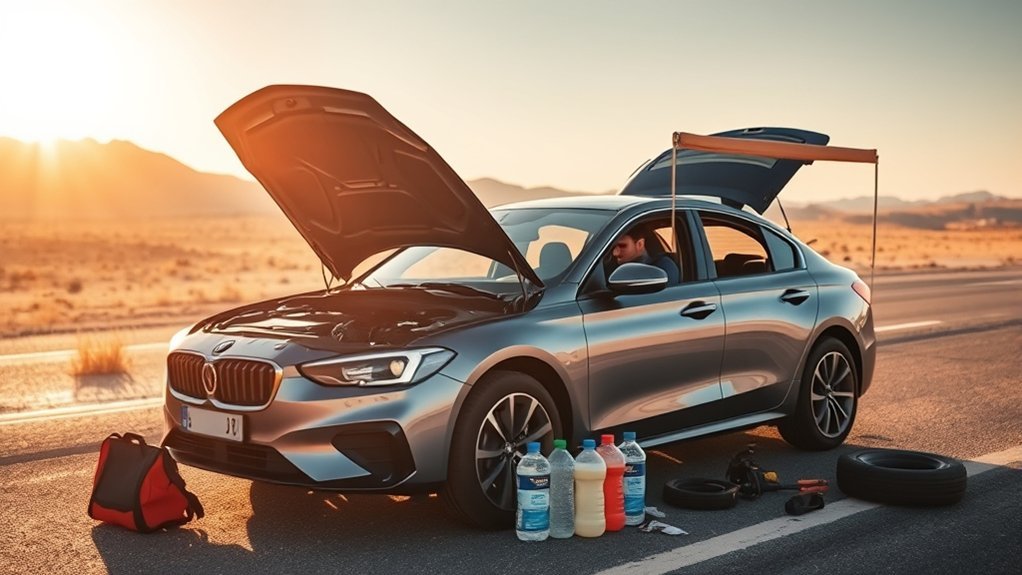
Before you drive in extreme heat, give your car a focused summer check. Inspect the cooling system, fluid levels, tires, battery, belts, hoses, and air conditioning before the hottest weather or a long trip. A few basic checks can expose leaks, damaged tires, a weak battery, or cooling problems before they leave you stranded.
Quick Answer
To prepare your car for extreme summer heat, check coolant only when the engine is cool, inspect oil and other fluids, set cold tire pressure to the door-placard specification, test the battery, inspect belts and hoses, confirm strong A/C airflow, and carry basic roadside supplies. Fix leaks or overheating signs before driving.
Key Takeaways
- Check coolant level, hoses, belts, radiator condition, and temperature warnings before extreme heat puts extra demand on the cooling system.
- Follow your vehicle’s maintenance schedule for oil, coolant, transmission fluid, and other service instead of relying on one universal mileage interval.
- Check tire pressure when the tires are cold and use the pressure listed on the vehicle placard or in the owner’s manual, not the tire sidewall.
- Inspect and test the battery, keep its connections clean and tight, and make sure the battery is securely mounted.
- Test the A/C, inspect the cabin air filter if equipped, and repair weak cooling before a long hot-weather drive.
- Schedule needed repairs before peak heat, and carry basic roadside supplies in case you are delayed or stranded.
At a Glance
| Time Required | About 15–30 minutes for basic visual checks; professional diagnosis or service takes longer. |
| Difficulty | Easy for basic inspection; leaks, electrical problems, refrigerant work, and overheating diagnosis may require a technician. |
| Tools Needed | Tire-pressure gauge, flashlight, clean rag or paper towel, gloves, and your owner’s manual. |
| Cost | Basic checks may cost nothing if you already have a pressure gauge; fluids, parts, testing, and professional service vary by vehicle. |
Start With the Cooling System
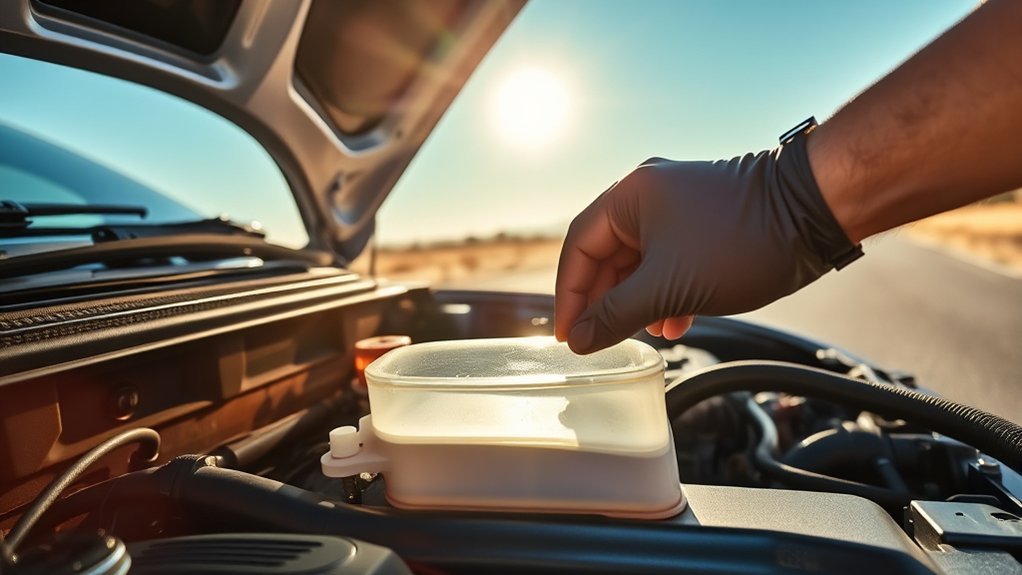
Before summer heat puts extra strain on your engine, inspect the cooling system. When the engine is completely cool, check the coolant reservoir and make sure the level is within the range specified by the manufacturer. Add only the coolant type and mixture listed in your owner’s manual.
Warning: Never remove a radiator cap or pressurized coolant cap while the engine is hot. Hot coolant can spray from the system and cause severe burns. Wait until the engine has fully cooled and follow your vehicle manufacturer’s procedure.
Look over accessible coolant hoses for cracks, bulges, soft areas, damaged clamps, or wet spots that could indicate a leak. Inspect the radiator or heat exchangers you can safely see for obvious damage or debris without reaching near hot or moving components.
If your vehicle uses a conventional radiator or expansion-tank pressure cap, damaged seals or an incorrect cap can affect cooling-system pressure. Do not test or replace one casually while the system is hot. If you see dried coolant residue, repeated coolant loss, or overheating, have the system inspected.
Watch your dashboard temperature gauge or temperature warning light while driving. If the gauge moves toward the hot zone, a warning appears, or you see steam, pull over somewhere safe as soon as possible and shut off the engine.
If traffic prevents you from stopping immediately, turning off the A/C can temporarily reduce engine load. Turning the cabin heater on may also remove some engine heat, but this is only a short-term measure while you reach a safe stopping place. Do not continue driving an overheating vehicle.
AAA advises allowing an overheated engine to cool before checking coolant and warns against opening the pressure cap while the system is hot. AAA’s overheating guidance also recommends pulling over safely when an overheating warning appears.
Follow the manufacturer’s maintenance schedule for coolant replacement or flushing. Coolant chemistry and service intervals vary widely, so one replacement interval does not fit every vehicle.
[Products Worth Considering]

Monitor tire tread wear with a smart, color-coded depth gauge that shows clear condition ranges at a glance. The bar is range marked for fast, easy readings, helping you maintain safer traction and performance. Each gauge is portable with a pocket clip, and the set includes 20 units for daily use and sharing.

Milton S-921 pencil tire pressure gauge helps you maintain optimal tire pressure for passenger cars with accurate readings in PSI and kPa. It features a built-in deflator valve for convenient pressure adjustments, plus a single chuck head and nylon indicator bar for easy use on the go. Built from durable plated brass and designed for reliable performance, it’s a practical road trip and cold-weather maintenance tool.
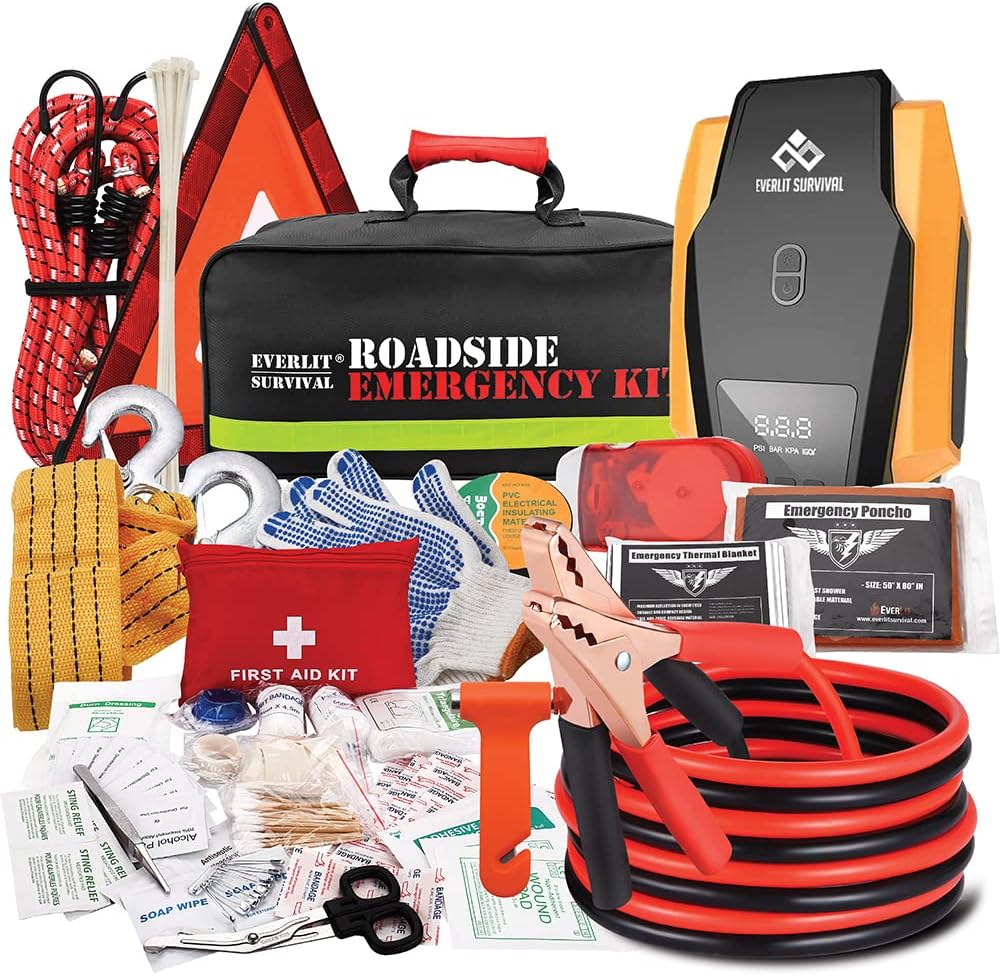
The Everlit Road Guardian emergency kit is designed for roadside breakdowns, combining essential safety gear and roadside tools in one compact bag. It includes a digital 12V auto tire inflator with preset and auto shutoff, plus 12-foot 8-gauge jumper cables to get you moving again. You also get a full 108-piece first aid kit, reflective warning tools, safety gloves, and emergency convenience items for safer travel.
Inspect Belts and Hoses
High temperatures can expose weaknesses in rubber components. Check visible accessory or serpentine belts for cracks, fraying, missing ribs, glazing, or other obvious damage. Inspect hoses for bulges, cracks, soft areas, and insecure connections.
NHTSA’s summer-driving guidance recommends inspecting belts and hoses as temperatures rise and replacing components that show obvious deterioration.
If you hear squealing, notice coolant under the vehicle, smell coolant, or see a damaged belt, have the problem diagnosed before a long trip. Never put your hands near a belt, fan, pulley, or other moving part while the engine is running.
Check Your Fluids Before Summer Heat
Before summer heat hits, check the essential fluids that are designed for owner inspection on your vehicle. Low fluid can signal a leak or another problem, so do more than simply top off a reservoir repeatedly.
Check engine oil and coolant at the proper level and use only the grade or specification required by the manufacturer. Also inspect the ground under the vehicle and the engine bay for fresh leaks.
Depending on your vehicle, other serviceable fluids may include brake fluid, transmission fluid, power-steering fluid, and windshield washer fluid. Many modern cars use electric power steering, and some transmissions do not have an owner-serviceable dipstick, so always check the owner’s manual before opening or adding fluid.
Essential Fluid Levels
Fluid checks are especially useful before a long summer trip because they may reveal a leak before the vehicle is placed under sustained heat and highway load.
- Engine oil: Check it using the procedure in your owner’s manual and use the specified viscosity and specification.
- Coolant: Check the reservoir only when it is safe to do so and investigate recurring coolant loss.
- Brake fluid: Check the reservoir visually where possible. An unexpectedly low level can require inspection rather than repeated topping off.
- Transmission fluid: Check only if your manufacturer provides an owner-check procedure.
- Power-steering fluid: Check only on vehicles equipped with a hydraulic power-steering system.
- Washer fluid: Keep enough available for insects, dust, and road grime that can reduce windshield visibility.
Note: A falling fluid level can be a symptom, not just a maintenance task. If coolant, oil, brake fluid, or another fluid repeatedly drops, find the cause instead of continually topping it off.
Oil And Coolant Checks
Engine oil and coolant deserve special attention in hot weather, but neither should follow a one-size-fits-all service interval.
Check the oil level as directed in your owner’s manual, and use the oil grade specified for your engine. Oil viscosity changes with temperature, but modern engines and oils are designed around manufacturer-defined specifications. Do not switch to a different oil simply because the weather is hot unless the manufacturer permits it.
For oil changes, follow the vehicle’s maintenance schedule or oil-life monitoring system. The Federal Trade Commission’s auto-repair guidance advises following the manufacturer’s maintenance schedule rather than automatically accepting a more frequent generic service schedule.
Check coolant only when the cooling system is safe to inspect. Use the coolant specification listed by the manufacturer, and look for wet connections, dried coolant residue, damaged hoses, or other evidence of leakage.
Keep Your Tires Properly Inflated
Check your tire pressure when the tires are cold. Driving and rising temperatures warm the tires and increase internal pressure, so a hot reading should not be treated the same as the manufacturer’s cold-pressure specification.
NHTSA recommends checking all tires, including the spare when applicable, at least once a month while the tires are cold. Use the recommended pressure on the vehicle’s tire-information placard or in the owner’s manual.
Check Pressure When Cool
For an accurate reading, check pressure before driving or after the vehicle has been parked long enough for the tires to cool. NHTSA defines cold tires for this purpose as tires on a vehicle that has not been driven for at least three hours.
- Use a reliable tire-pressure gauge.
- Find the recommended cold pressure on the driver’s-door-area placard or in the owner’s manual.
- Check front and rear specifications separately because some vehicles use different pressures.
- Check the spare tire too if your vehicle carries an inflatable spare.
- Repeat the check at least monthly and before long road trips.
For the most useful pressure reading, check your tires cold and compare them with the vehicle manufacturer’s specification.
Pro Tip: Do not bleed air from a normally inflated hot tire just because its pressure has risen above the cold specification. Let the tire cool, then recheck it against the vehicle placard.
Prevent Heat Blowouts
Hot pavement and sustained highway driving can add heat to a tire. Under-inflated tires flex more than properly inflated tires, which creates additional heat and increases the chance of tire damage or failure.
AAA notes that underinflated tires can overheat and that extremely hot road temperatures can make the problem more serious. Check pressure before a trip rather than assuming a tire is safe because it looks normal.
Inspect each tire for cuts, cracks, exposed cords, unusual wear, punctures, sidewall bubbles, or bulges. If a tire is visibly damaged, stop using it until a qualified tire professional determines whether it is safe.
Check tread condition at the same time. Uneven wear can also point to alignment, suspension, inflation, or rotation problems that should be addressed.
Protect Your Battery From Summer Heat
Summer heat can accelerate battery deterioration, while vibration can add further stress. AAA identifies time, heat, and vibration as important factors in automotive battery life.
During summer car maintenance, inspect accessible battery terminals for white, blue, or green corrosion. Make sure connections are secure and confirm that the battery hold-down keeps the battery firmly mounted.
- Check terminals and cable connections for corrosion or looseness.
- Make sure the battery is securely mounted.
- Keep any factory-installed battery heat shield or insulating cover in place.
- Have the battery tested if it is aging, slow to crank, or showing other signs of weakness.
Do not automatically add a universal battery blanket or insulation product. Battery location, ventilation, chemistry, and factory heat shielding vary by vehicle, so use only protection approved for your model.
If corrosion is severe, the case is swollen or cracked, you smell an unusual sulfur-like odor, or the battery repeatedly goes flat, have the battery and charging system checked rather than treating it as routine cleaning.
Check Your Air Conditioning Before Peak Heat
Your A/C is more than a comfort feature during severe summer heat. Test it before a long trip so you have time to repair weak cooling or airflow.
Start the vehicle and confirm that air flows strongly from the selected vents and becomes consistently cool. If airflow is weak, check the cabin air filter if your vehicle has one and the owner’s manual gives you an accessible replacement procedure.
Weak cooling can have several causes, including airflow problems, refrigerant loss, compressor faults, electrical problems, or control-system faults. If cooling performance has dropped noticeably, have the system diagnosed rather than repeatedly adding refrigerant without finding the cause.
AAA also recommends checking air-conditioning performance during extreme summer conditions and inspecting the cabin filter when equipped.
Shield Your Interior From Sun Damage
Your car’s interior can take a beating from direct sunlight, but a few habits can reduce heat exposure and slow fading, drying, and cracking.
Use windshield sun shades when you park in direct sun. When possible, choose shaded or covered parking. These steps reduce direct solar exposure to the dashboard, seats, steering wheel, and other cabin surfaces.
Use a windshield sun shade and shaded parking when available to reduce direct solar heating of interior surfaces.
UV-blocking window tint can provide another layer of protection, but tint limits vary by jurisdiction. Make sure any tint complies with the laws where the vehicle is registered and driven.
You can also use protective seat or dashboard covers if your vehicle sits outside for long periods. Clean leather, vinyl, plastic, and fabric with products suitable for those materials so you do not accidentally damage finishes.
Warning: Never leave a child, vulnerable person, or pet unattended in a parked vehicle. Cracking the windows does not prevent dangerous heat buildup. NHTSA warns that vehicle interiors can quickly reach deadly temperatures even when outside temperatures seem mild.
Wash and Detail Your Car for Summer
Keeping your car clean during summer is not only about appearance. Dirt, bird droppings, insects, tree sap, and other contaminants can stay on paint for long periods during hot, sunny weather.
- Wash after dirty or bug-heavy drives instead of allowing contamination to remain on the finish.
- Use automotive wash products rather than harsh household detergents.
- Use a clean, soft wash mitt or towel to reduce scratching.
- Clean seams, badges, wheel areas, and other places that trap dirt.
- Apply a suitable automotive wax or paint protectant according to its instructions if you want an added sacrificial layer over the finish.
When possible, wash a cool vehicle in shade rather than applying cleaner to extremely hot body panels. Rinse thoroughly and dry the surface with clean automotive towels.
Inside the car, regular cleaning helps preserve materials and keeps dust and grime under control, but cleaning alone will not prevent dangerous cabin temperatures. Shade and proper ventilation before driving are still important.
Schedule Summer Car Service Early
Book necessary summer car service before a major road trip or sustained heat wave if your own inspection finds a problem.
Ask for attention to the cooling system, coolant leaks, belts, hoses, tire condition, battery health, and air-conditioning performance when those items are due for service or showing symptoms.
Early inspection can expose worn tires, a weak battery, leaking coolant, or deteriorated belts before they become roadside failures. Appointment availability may also be better when you do not wait until the vehicle has already broken down.
Do not assume that a shop’s generic maintenance package is automatically required. Compare any recommended work with the maintenance schedule in your owner’s manual and ask why additional service is needed.
[Products Worth Considering]

This 9-piece detailing brush set helps you clean interior and exterior vehicle areas with versatile sizes and ergonomic handling. Stiff bristle brushes tackle heavy grime on tires, carpets, and floors, while smaller brushes are suitable for tight engine and cabin gaps. Designed for thorough car care across wheels, vents, seats, and hard-to-reach detailing spots.

Stay on top of tire pressure with a factory-calibrated digital gauge accurate to ±1 PSI and readable in 0.1 increments. It features a bright backlit LCD plus a illuminated nozzle for easy readings in low light, with auto-off power saving for longer battery life. Switch quickly between PSI, Bar, Kgf/cm², and KPA using a single button, and cover most everyday vehicles with a 0–150 PSI range.

The Airmoto portable tire inflator quickly and accurately fills car, truck, SUV, motorcycle, and bicycle tires up to 120 PSI with auto shut-off when your target pressure is reached. Its large LCD, multi-unit pressure display, and digital gauge make it easy to dial in settings and verify readings, while the built-in LED flashlight helps in low light. The included polyurethane hard carrying case and storage mesh pocket keep the inflator and accessories protected and organized.
Prepare an Extreme-Heat Roadside Kit
Even a well-maintained car can suffer a flat tire, electrical problem, collision, or unexpected delay. Before a long hot-weather trip, carry a basic roadside kit appropriate for your vehicle and route.
- Drinking water for you and your passengers.
- A fully charged phone and charging cable or power bank.
- Flashlight.
- First-aid kit.
- Reflective warning triangles or another appropriate roadside warning device.
- Tire-pressure gauge.
- The spare tire, jack, inflator, or tire-repair equipment supplied or recommended for your vehicle.
- Emergency contact and roadside-assistance information.
If the engine overheats, do not treat drinking water as a reason to immediately open the cooling system. Shut the engine down safely and let it cool before following the manufacturer’s coolant-check procedure.
[Products Worth Considering]

This AUTOWN flat tire repair kit is designed for quick, reliable puncture repairs using a plug kit and spiral probe tool to simplify installation. Built for durability and safe handling, it offers strong adhesion and flexibility to help maintain tire air tightness. With a portable storage case and a multi-vehicle approach, it’s suitable for cars, motorcycles, ATVs, tractors, lawn mowers, RVs, jeeps, and trucks.

The TYAMATE TM8 solar-powered wireless TPMS delivers real-time tire pressure and temperature monitoring with six alarm modes for safer driving. A vibrant color LCD display shows readings clearly while windshield mounting keeps it hands-free and easy to read. With a wide 0–87 PSI range, strong 433.92 MHz signal transmission, and quick sensor pairing, it’s ideal for RV, sedan, SUV, MPV, and truck use.

Formula 1 Tire Wax restores dull tires to a rich black look while helping protect against UV damage. Its thick, long-lasting water-resistant gel delivers a high-gloss shine that resists rain and washing. A foam applicator is included for easy, controlled application, and it can also refresh vinyl, rubber, and plastic trim.
Frequently Asked Questions
At What Temperature Should You Not Drive Your Car in Summer?
There is no universal outdoor-temperature cutoff such as 100°F that automatically makes a properly functioning car unsafe to drive. Pay attention to the vehicle’s temperature gauge or warning lights, tire condition, coolant level, weather alerts, and manufacturer guidance. If the engine begins overheating or the car has a known cooling-system problem, pull over safely and stop driving until the problem is addressed.
What Is the 30 60 90 Rule for Cars?
The phrase usually refers to service milestones around 30,000, 60,000, and 90,000 miles, not maintenance every 30, 60, and 90 days. It is only a shorthand, not a universal schedule. Your vehicle manufacturer’s maintenance schedule should determine when fluids, filters, spark plugs, belts, inspections, and other services are actually due.
How Do You Keep a Car Cool in 100-Degree Weather?
Park in shade or covered parking when practical, use a windshield sun shade, and allow trapped hot air to escape before settling in for the drive. Then use the vehicle’s A/C normally if the cooling system and A/C are working properly. Never leave children or pets unattended in a parked vehicle, even with the windows cracked.
What Is the $3000 Rule for Cars?
There is no universal automotive standard called the $3,000 rule. Some people use repair-cost thresholds as informal budgeting guides, but the better decision is to compare the repair cost with the vehicle’s current value, safety, reliability, expected future repairs, insurance costs, and the cost of replacing the vehicle. A $3,000 repair can make sense on one car and make little sense on another.
Should You Let Air Out of Hot Tires in Summer?
Normally, no. Tire pressure rises as the tire warms during driving. The pressure listed on the vehicle placard is generally a cold-pressure specification. If a tire was correctly inflated when cold, do not automatically bleed it down after driving. Let it cool and check it again against the vehicle specification.
Can You Open the Radiator Cap When the Car Overheats?
No. Do not remove a radiator or pressurized coolant cap while the engine is hot. The cooling system can contain extremely hot coolant under pressure, which may spray out and cause serious burns. Shut the engine off, let it cool fully, and follow your owner’s manual before inspecting or adding coolant.
Conclusion
Extreme summer heat puts extra demand on your car’s cooling system, tires, battery, A/C, belts, hoses, and fluids. Check these systems before peak heat and long trips, use the specifications in your owner’s manual, and repair leaks, damaged tires, weak batteries, or overheating problems promptly. A short inspection before you leave can reduce the chance of a preventable roadside breakdown.
Sources
- National Highway Traffic Safety Administration — Summer Driving Tips — belts, hoses, tire checks, and hot-car safety.
- National Highway Traffic Safety Administration — TireWise — cold tire-pressure checks, manufacturer specifications, tread inspection, and monthly checks.
- AAA — Extreme Heat Presents Invisible Danger to Motorists and Vehicles — cooling-system maintenance, fluids, batteries, tires, and A/C.
- AAA — What to Do if Your Car Is Overheating — safe response to an overheating warning and hot-coolant precautions.
- Federal Trade Commission — Auto Repair Basics — following manufacturer maintenance schedules rather than generic service intervals.
- Centers for Disease Control and Prevention — Infants and Children and Heat — dangerous heat buildup inside parked vehicles, including when windows are cracked.