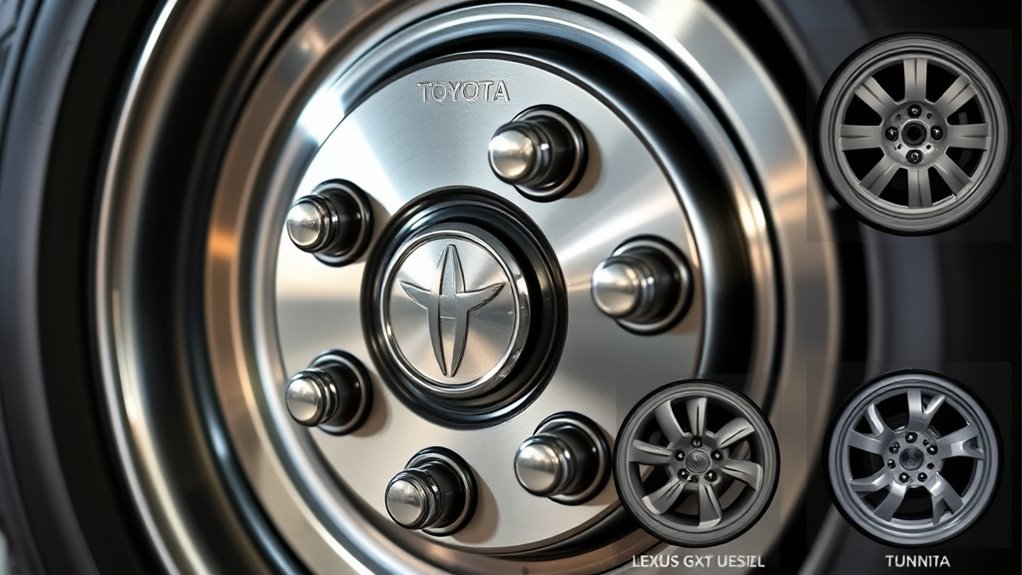
Finding wheels for a Toyota 4Runner takes more than matching six lug holes. Most model years use the familiar 6×139.7 mm pattern, but the center bore, offset, wheel width, brake clearance, load rating, lug-seat design, and tire size must also match your exact year and trim. Checking every measurement protects you from rubbing, vibration, damaged studs, poor handling, and an expensive return.
Quick Answer
Most Toyota 4Runners use a 6×139.7 mm six-lug pattern. That does not make every 6×139.7 wheel a direct fit. Match your exact model year and trim, then verify center bore, offset, width, diameter, brake clearance, load rating, lug-seat style, and TPMS compatibility before mounting.
Key Takeaways
- The 6×139.7 mm bolt pattern is common on 4Runners, but bolt pattern alone does not confirm compatibility.
- A same-generation 4Runner wheel with a verified Toyota part number is usually the safest replacement.
- Some Tacoma, FJ Cruiser, Tundra, Sequoia, and Lexus GX wheels are potential candidates, not guaranteed direct fits.
- The redesigned 2025–2026 sixth-generation 4Runner must be checked separately from 1984–2024 models.
- Always test brake, suspension, fender, hub, lug-nut, load-rating, tire, and TPMS compatibility before driving.
4Runner Bolt Pattern by Generation: 1984–2026
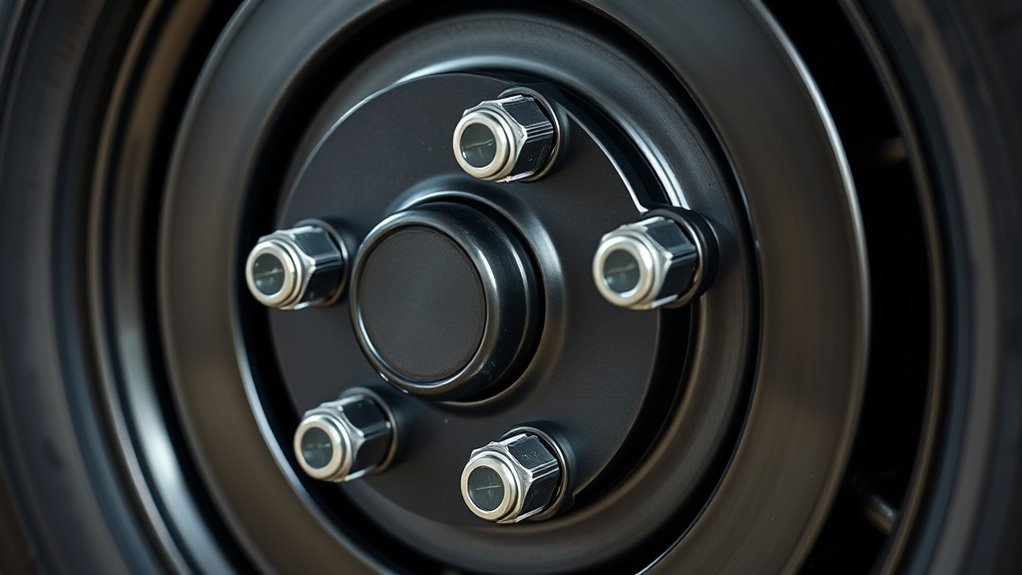
Toyota has used a six-lug wheel layout throughout the 4Runner’s history. The pattern is commonly specified as 6×139.7 mm, which is also written as 6×5.5 inches. The first number represents six wheel studs. The second number is the diameter of the circle passing through the center of those studs.
The bolt pattern remained consistent across the first five generations, but that does not mean every wheel from 1984 through 2024 is interchangeable. Brake size, hub design, offset, wheel width, tire diameter, and lug-nut design changed across years and trims.
The all-new 2025 model introduced the sixth-generation 4Runner. Toyota’s current lineup uses 17-, 18-, and 20-inch factory wheels depending on grade. Treat 2025–2026 fitment as a separate application and verify the exact Toyota wheel part number or VIN-specific specification before reusing a fifth-generation wheel.
| Model Years | Generation | Common Bolt Pattern | Fitment Guidance |
|---|---|---|---|
| 1984–1989 | First | 6×139.7 mm | Confirm wheel diameter, narrow-body clearance, hub opening, offset, and lug-seat design. |
| 1990–1995 | Second | 6×139.7 mm | Do not assume later wheels clear the brakes or position the tire correctly. |
| 1996–2002 | Third | 6×139.7 mm | Check hub bore, offset, wheel width, brake clearance, and tire diameter. |
| 2003–2009 | Fourth | 6×139.7 mm | Some Toyota and Lexus truck-platform wheels are candidates, but every measurement still needs verification. |
| 2010–2024 | Fifth | 6×139.7 mm | Toyota’s listed TRD wheel uses a six-lug layout, model-specific offset, brake clearance, and an approximately 106 mm hub opening. |
| 2025–2026 | Sixth | Six-lug; verify the exact application | Use VIN-specific Toyota parts data. Factory wheel diameters vary from 17 to 20 inches by grade. |
Note: Online fitment catalogs can contain incomplete or conflicting data. Confirm the stamped wheel specifications, Toyota part number, and VIN application before purchasing.
How to Confirm Your 4Runner’s Bolt Pattern Before Buying
Start by counting the lug nuts. A standard 4Runner wheel has six. On an even-numbered six-lug pattern, measure from the center of one stud to the center of the stud directly opposite it. A measurement close to 139.7 mm, or 5.5 inches, identifies a 6×139.7 pattern.
A digital caliper provides a more reliable result than estimating with a flexible tape. However, measuring the pattern is only the first step. Record the specifications from your original wheel or obtain them from a VIN-specific Toyota parts listing.
Before buying, confirm all of the following:
- Bolt pattern: The lug count and pitch-circle diameter must match exactly.
- Center bore: The wheel opening must fit over the vehicle hub.
- Wheel diameter: The wheel must clear the brake caliper and accept a suitable tire.
- Wheel width: The tire must be approved for the rim width, with adequate suspension and fender clearance.
- Offset and backspacing: These determine how far inward or outward the wheel sits.
- Load rating: Each wheel must support the required vehicle load.
- Lug-seat style: Flat, conical, and ball-style seats are not interchangeable.
- Stud and nut compatibility: Confirm the correct thread, shank, washer, and engagement.
- Brake clearance: Spoke shape can contact a caliper even when wheel diameter appears sufficient.
- TPMS compatibility: Confirm that the Toyota tire-pressure sensor can be installed and registered.
Pro Tip: Ask the seller for a clear photo of the casting marks on the rear of the wheel. These marks often show the diameter, width, offset, certification information, and manufacturer part number.
Toyota Trucks and SUVs With Potentially Compatible Wheels
Toyota truck-platform wheels are usually the best place to search after same-generation 4Runner wheels. Several Tacoma, FJ Cruiser, Tundra, Sequoia, Land Cruiser, and Lexus GX applications use six-lug designs. However, shared Toyota engineering does not make every wheel interchangeable.
[Products Worth Considering]

These M14x1.5 closed-end chrome lug nuts are a one-piece replacement designed for secure fitment on compatible GM, Ford, and select Chrysler/Dodge models. Featuring a 60-degree conical seat and anti-rust chrome plating, they help resist corrosion and maintain a bright look for everyday driving. Built for long-term durability, they include OEM-style part references and are backed by 12 months of support.

Upgrade your wheels with MIKKUPPA closed-end lug nuts designed for reliable fit and corrosion resistance. The one-piece, cold-forged and heat-treated steel construction helps resist rust and stripping, while the integrated finish delivers a durable black appearance. Built to OEM standards with a conical 60-degree seat, these nuts provide a secure solution for compatible Ford, Honda, Jeep, and Chevrolet models.

Upgrade your wheels with MIKKUPPA M12x1.5 mag seat lug nuts built for secure, corrosion-resistant performance. These closed-end chrome lug nuts are a direct replacement for select Toyota models, including Camry, Corolla, RAV4, Sienna, Avalon, Highlander, Matrix, Venza, and Prius. Triple-chromium plating and cold-forged, heat-treated steel help deliver strength for daily driving and replacement needs.
Toyota Donor-Wheel Candidates
- Same-generation Toyota 4Runner: Usually the strongest candidate when the trim, brake package, wheel part number, and tire size match.
- Six-lug Toyota Tacoma: Some applications may work, but older Tacoma models include different two-wheel-drive wheel configurations, and newer generations require separate verification.
- Toyota FJ Cruiser: Many wheels are commonly cross-shopped with fourth- and fifth-generation 4Runners, but offset, width, brake clearance, and lug nuts still need checking.
- First-generation Toyota Tundra and Sequoia: Some wheels may be usable, but larger diameter or different-offset wheels can change tire position and clearance.
- Newer TNGA-F Toyota vehicles: A shared platform does not guarantee identical wheel hubs, offsets, brake packages, or lug hardware.
Wheel Fitment Details That Must Match
| Specification | What It Controls | What Can Go Wrong |
|---|---|---|
| Center bore | Whether the wheel can pass over and center on the hub | A bore that is too small will not mount; an oversized bore may require a suitable hub-centric ring. |
| Offset | How far inward or outward the wheel sits | The tire may rub the upper control arm, body mount, fender liner, or outer fender. |
| Width | The supported tire-width range and inner/outer clearance | An unsuitable wheel can distort tire shape or create rubbing. |
| Diameter and spoke profile | Brake-caliper and rotor clearance | The barrel or spokes may contact the brake caliper. |
| Load rating | How much weight the wheel is designed to support | An under-rated wheel can bend, crack, or fail under vehicle and cargo loads. |
| Lug-seat design | How the lug nut clamps and centers the wheel | The wrong nut may bottom out, damage the seat, or provide insufficient clamping force. |
Toyota’s official accessory information explains that a correctly designed wheel accounts for weight, offset, and brake clearance. Use that standard when evaluating any donor or aftermarket wheel.
Lexus SUVs With Potential 4Runner Wheel Compatibility
The Lexus GX is closely related to Toyota’s body-on-frame SUV platforms, making certain GX wheels useful candidates for some 4Runner generations. The GX 470 and GX 460 are commonly considered before wheels from larger Lexus LX models.
Do not assume that all Lexus GX or LX wheels share an identical offset, center bore, width, load rating, or brake-clearance profile with every 4Runner. Specifications can change by year, trim, wheel diameter, and market.
Before using a Lexus wheel, confirm:
- The complete Lexus wheel part number
- The original Lexus model year and trim
- Center-bore diameter
- Wheel width and offset
- Brake-caliper clearance
- Lug-nut seat type
- Wheel load rating
- Tire diameter and load index
An oversized center bore may sometimes be centered with a properly sized hub-centric ring. A center bore smaller than the 4Runner hub cannot be corrected with a ring. Machining an OEM wheel changes the part and should not be treated as a normal direct-fit solution.
[Products Worth Considering]

The SEESII cordless impact wrench delivers high tightening and loosening power for fast wheel bolt and industrial bolt work. Its brushless motor and variable-speed 3 forward/2 reverse modes help you control precision installs and stubborn nut removal. A dual-battery system with rapid charging and an included storage case make it ready for home, car, and jobsite use.

The Trivd Frol 1/2" air impact wrench delivers high performance torque up to 1500 ft-lbs with a twin hammer impact mechanism for strong, balanced blows. It features an ergonomic grip, compact lightweight design, and quick-stop control with 3 forward speeds up to 8000 RPM plus a reverse speed. Built for demanding automotive repair and tire shop work, the rear exhaust helps keep debris away from the surface.

These aluminum alloy tire valve stem caps with an O-ring seal help protect valve stems from corrosion while adding a clean, stylish look to your vehicle. The universal fit works across cars, trucks, motorcycles, bicycles, and more, making them an easy upgrade for everyday driving and off-road use. Installation is quick, and the included four-pack keeps all your tires dressed and protected.
Nissan and Infiniti Wheels: Which Ones Share the Pattern?
Nissan applications must be separated by vehicle family. Nissan’s official NISMO wheel listing identifies a 6×139.7 mm application for the Titan and Armada. The same listing distinguishes the Frontier and Xterra as using Nissan’s smaller lug pattern.
Therefore, Frontier or Xterra wheels should not be described as direct 4Runner replacements. Titan, Armada, and related Infiniti wheels may share the 6×139.7 pitch-circle diameter, but you still need to verify the center bore, offset, width, load rating, spoke clearance, and lug-seat design.
A wheel advertised as “six-lug Nissan” is not enough information. Obtain the Nissan part number and complete specifications before purchasing.
Why Other 6×139.7 Wheels Are Not Automatic Fits
Some GM, Isuzu, Nissan, and other truck wheels use a six-lug 139.7 mm pattern. That shared PCD only confirms that the stud circle may align. It does not confirm that the wheel will slide over the hub or sit in the correct position.
For example, an official GM wheel for certain Sierra and Yukon applications lists a 6×139.7 pattern but an inside diameter of approximately 77.89 mm. Toyota’s listed fifth-generation TRD 4Runner wheel identifies an approximately 106 mm hub diameter. The smaller GM opening cannot pass over the referenced Toyota hub, so it is not a direct fit despite the shared bolt pattern.
Model names such as Hummer, Isuzu Trooper, Isuzu Rodeo, Dodge Durango, and Jeep Wrangler cover multiple generations with different wheel systems. Never add one to a compatibility list without checking the exact year, wheel part number, lug count, PCD, center bore, offset, width, and lug hardware.
A matching 6×139.7 stamp means the lug circle may align. It does not mean the wheel is safe, centered, clear of the brakes, or correctly positioned.
Why Hub Bore and Offset Matter Alongside the Bolt Pattern
The bolt pattern, hub bore, offset, width, and brake clearance work together. None should be treated as optional. The bolt pattern secures the wheel around the studs, while the hub opening determines whether the wheel physically fits over the hub.
Hub Bore Basics
The center bore is the opening in the middle of the wheel. If it is smaller than the vehicle hub, the wheel will not seat against the mounting surface. Do not force it into place or rely on the lug nuts to pull it over the hub.
If the wheel bore is larger than the vehicle hub, a correctly sized, heat-resistant hub-centric ring may help center the wheel during installation. The ring does not correct an incompatible bolt pattern, bad offset, wrong lug-seat design, insufficient load rating, or brake interference.
Clean rust, dirt, paint buildup, and corrosion from the hub and wheel-mounting surfaces before test fitting. The wheel must sit fully and evenly against the hub face.
How Offset Changes Wheel Position
Offset measures the relationship between the wheel’s mounting surface and its centerline. A more positive offset generally moves the wheel inward. A lower or negative offset moves it outward.
Too much inward movement can reduce clearance around the upper control arm, tie-rod end, suspension components, and inner fender. Too much outward movement can increase fender contact, steering kickback, bearing load, and the amount of road debris thrown against the body.
Wheel width also changes the inner and outer position. Two wheels with the same offset but different widths do not place both edges in the same location. Compare offset and width together rather than using one measurement alone.
Brake, Load, and Lug-Nut Safety
A wheel can have the correct bolt pattern, bore, and offset yet still contact the brake caliper because spoke shape and barrel clearance vary. Perform a physical test fit without a tire when possible, then rotate the wheel by hand to check clearance.
Confirm that the wheel’s load rating is adequate for the vehicle, passengers, cargo, accessories, and intended use. This is especially important for towing, overlanding equipment, rooftop loads, and off-road driving.
Use lug nuts designed for the wheel’s seat. Toyota wheels may use flat-seat nuts with washers, while some aftermarket wheels use conical seats. A visually similar nut is not automatically compatible.
Best Places to Find Used and New 4Runner Wheels
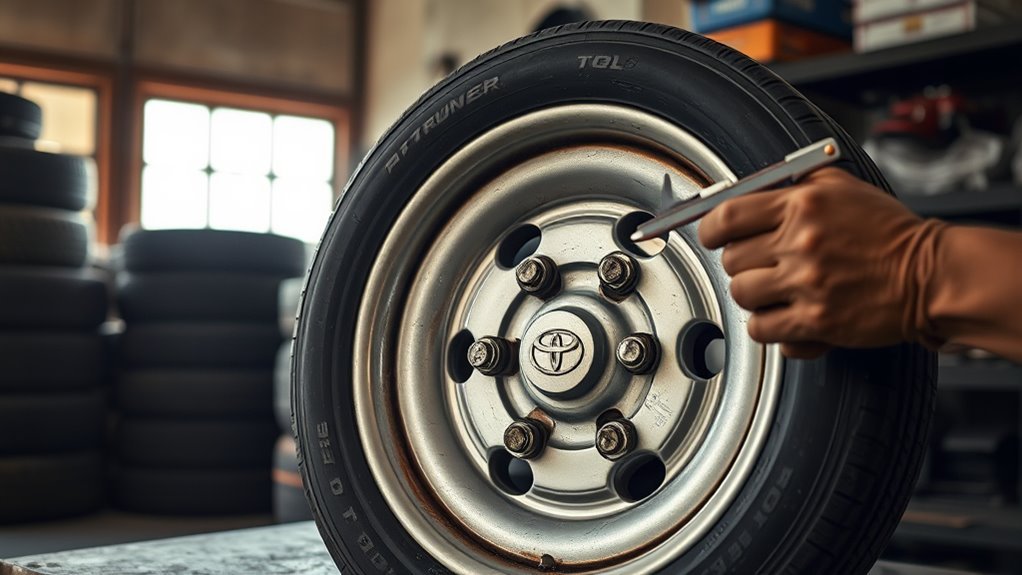
The safest search starts with an OEM wheel for your exact model year and trim. Toyota dealer parts departments and Toyota’s online parts catalog can check compatibility by VIN and part number.
Other useful sources include established wheel retailers, local tire shops, professional salvage yards, 4Runner owner groups, and online marketplaces. Marketplace listings can offer good value, but seller-provided compatibility claims should be independently verified.
When buying used wheels, request photos of the front, rear, barrel, mounting pad, lug seats, and casting marks. Inspect each wheel for:
- Cracks around the spokes, barrel, and lug holes
- Bends, flat spots, or visible runout
- Elongated or damaged lug holes
- Corrosion on the mounting pad or bead seat
- Weld repairs or evidence of straightening
- Heavy curb damage
- Missing or damaged TPMS hardware
- Incorrect or mixed part numbers within the set
A wheel-repair or tire shop can check radial and lateral runout before tires are installed. This is particularly valuable for wheels purchased from a salvage yard or private seller.
[Products Worth Considering]

This professional wheel and rim cleaning brush set lifts brake dust, grime, and dirt with soft, scratch-free microfiber and synthetic wool fibers. The rim brush bends up to 360 degrees for easy access to hard-to-reach areas around spokes, lips, and faces. Ideal for thorough cleaning of car, truck, motorcycle, bicycle, RV, and more wheel and tire surfaces.

This 1/2-inch drive breaker bar delivers powerful leverage for loosening and tightening stubborn lug nuts and automotive fasteners. The 180-degree flex head helps you reach tight spaces at the angle you need, making tire and brake jobs easier. A spring-loaded ball detent design holds 1/2-inch sockets securely while the chrome-moly head provides durable strength for everyday use.

The 22800 wheel stud installer makes replacing wheel studs quick and secure, saving time and effort during tire service. It uses a ratchet or impact wrench to pull new studs firmly into place, helping when existing studs are too long. Compatible with most automotive wheels and light-duty truck wheel studs, it’s designed for easy, tool-assisted installation.
Wheel Swap Mistakes That Can Damage Your 4Runner
- Buying by bolt pattern alone: The wheel may have the wrong center bore, offset, width, load rating, or lug seat.
- Using the wrong lug nuts: Incorrect seats or shank lengths can prevent proper clamping.
- Ignoring brake clearance: The spokes or barrel can touch a caliper even when the wheel diameter looks adequate.
- Installing oversized tires without checking movement: A tire may clear while parked but rub during steering, braking, suspension compression, or articulation.
- Using spacers as a universal correction: Spacers affect stud engagement, wheel position, bearing load, and legal or inspection requirements.
- Skipping TPMS service: Sensors may need to be transferred, replaced, registered, or assigned to a second wheel set.
- Lubricating studs or lug seats: Oil or grease can alter clamping force and produce incorrect torque.
- Using an impact wrench for final tightening: Final tightening should follow the vehicle manual’s torque value and sequence.
- Failing to recheck the installation: Inspect for rubbing, vibration, unusual noise, and loose hardware after the initial drive.
Warning: Do not drive on a wheel that does not sit completely flush against the hub, uses the wrong lug-seat design, contacts the brakes or suspension, or lacks sufficient stud engagement. Have a qualified wheel and tire technician inspect uncertain fitment.
Your Next Step: Match the Wheel to Your Exact 4Runner
Begin with your model year, trim, drivetrain, original wheel size, and VIN. Then record the complete specification from the original wheel or a VIN-verified Toyota parts listing.
Use this final process before purchasing or driving:
- Confirm the wheel’s manufacturer and part number.
- Confirm the 6×139.7 mm pattern for the exact application.
- Measure or verify the center bore.
- Compare diameter, width, offset, and backspacing.
- Confirm the load rating.
- Check the lug-nut seat and required hardware.
- Verify brake-caliper and suspension clearance.
- Choose a tire size approved for the wheel width and vehicle load.
- Check clearance at full steering lock and through suspension movement.
- Transfer or install compatible TPMS sensors and complete any required registration.
- Torque the wheel nuts in the correct sequence using the specification for your vehicle and wheel type.
- Perform a short test drive, then inspect for rubbing, vibration, noise, or movement.
Modified suspension, lifts, body-mount changes, larger brakes, and oversized tires can change the answer. Fitment that works on a stock 4Runner may not work on a modified one, and the reverse can also be true.
Frequently Asked Questions
What wheels fit a Toyota 4Runner?
The safest choice is a wheel listed for your exact 4Runner model year, trim, and brake package. Most 4Runners use a 6×139.7 mm pattern, but the center bore, diameter, width, offset, load rating, brake clearance, lug-seat design, tire size, and TPMS compatibility must also match.
Will Tacoma wheels fit a 4Runner?
Some six-lug Tacoma wheels may fit certain 4Runner generations, but the swap is not universal. Check both model years, wheel part number, center bore, width, offset, brake clearance, load rating, lug nuts, and tire size. Older Tacoma two-wheel-drive applications may use a different lug arrangement.
Will Silverado or Sierra wheels fit a 4Runner?
Usually not as a direct swap. Some Silverado and Sierra wheels share the 6×139.7 mm pattern, but official GM examples have a much smaller center opening than a fifth-generation 4Runner wheel. The wheel may not pass over the Toyota hub even though the lug circle aligns.
Can hub-centric rings make any six-lug wheel fit?
No. A ring can help center a wheel whose bore is larger than the vehicle hub. It cannot enlarge a bore that is too small or correct the wrong bolt pattern, offset, width, lug seat, load rating, brake clearance, or stud engagement.
Can I reuse my original 4Runner lug nuts?
Only when the replacement wheel is designed for the same lug-nut seat, shank, washer, thread, and engagement. Many Toyota OEM wheels and aftermarket wheels require different nut designs. Use the hardware specified by the wheel manufacturer and confirm the correct vehicle torque procedure.
Conclusion
Most Toyota 4Runners use a 6×139.7 mm bolt pattern, which gives you many possible OEM and aftermarket choices. However, the pattern is only the starting point. A safe wheel must also match the hub, offset, width, diameter, brakes, load requirements, lug hardware, tires, and TPMS system.
Start with a VIN-verified Toyota wheel specification, compare every measurement, and test fit the wheel before mounting tires or driving. That process is more reliable than choosing a wheel because it came from another six-lug truck or SUV.
Sources
- Toyota USA Newsroom: 2025 Toyota 4Runner – confirms the introduction of the sixth-generation 4Runner.
- Toyota USA Newsroom: 2026 Toyota 4Runner – confirms current-generation information and factory wheel and tire packages.
- Toyota 2026 4Runner Specifications – supports current factory wheel diameters and grade-specific equipment.
- Toyota Genuine TRD Pro Wheel – provides Toyota wheel dimensions, six-lug information, hub data, and lug-seat details.
- Nissan NISMO Titan and Armada Wheel – confirms the 6×139.7 Titan/Armada application and distinguishes the smaller Frontier/Xterra pattern.
- GM Genuine Sierra and Yukon Wheel – provides an official example of a 6-lug GM wheel with a substantially smaller center opening.