Here is how to remove corrosion from aluminum alloy wheels and rims: wash the wheel, identify its finish, then match the method to the damage. Light oxidation on bare or polished aluminum comes off with aluminum polish. Pitting needs wet sanding before polishing. Corrosion creeping under a clear coat or paint can only be fixed by stripping and refinishing the wheel.
That last point is where most DIY attempts go wrong. People scrub hard at white spots under the clear coat, scratch the finish and change nothing, because the corrosion is sealed under the coating.
This guide shows you how to diagnose your wheel finish, the tools you need, step-by-step methods for light, moderate and severe corrosion, how to fix bead-seat corrosion that causes slow leaks, and how to stop corrosion from coming back.
Key Takeaways
- Identify the finish first: bare/polished, clear-coated, painted, chrome or powder-coated.
- Bare aluminum: clean, then polish. Pitting needs wet sanding from about 400 to 2000 grit first.
- Clear-coated wheels with spider-web white lines (filiform corrosion) must be stripped, cleaned and recoated.
- Bead-seat corrosion causes slow leaks; a tire shop must dismount the tire to clean and seal it.
- Prevent it with regular washing, a wheel sealant and quick touch-up of chips.
In this guide:
- Why Aluminum Wheels Corrode
- Step 1: Identify Your Wheel Finish
- Tools and Supplies
- Removing Light Oxidation
- Removing Pitting From Bare Aluminum
- Fixing Corrosion Under Clear Coat
- Bead-Seat Corrosion and Slow Leaks
- How to Prevent Wheel Corrosion
- FAQ

Why Aluminum Alloy Wheels Corrode
Aluminum does not rust like steel, but it does oxidize. When bare aluminum meets water and air, it forms a dull, white aluminum oxide layer. Road salt, brake dust and acidic cleaners speed up the process.
Most factory wheels are protected by paint, clear coat or powder coat. Once a curb rash, rock chip or harsh cleaner breaks that coating, moisture gets underneath. Corrosion then spreads in thread-like lines under the coating, a pattern engineers call filiform corrosion. It is common enough that SAE International publishes a dedicated test procedure (J2635) for it on painted aluminum wheels.
Corrosion also forms where the tire bead meets the rim. According to MOTOR magazine, aluminum oxide in the bead area is a common cause of slow leaks and underinflated tires on alloy wheels.
Products Worth Considering

This metal-free wheel and tire cleaning brush uses dense, fluffy synthetic wool to safely clean rims, spokes, fenders, and engine areas without worrying about damaging surfaces. Its flexible, comfortable design helps you reach detailed areas while maintaining durability, and the extra absorbent fibers work well with wheel spray cleaners for faster cleanup. Reusable and washable performance helps prevent grime and build-up for cleaner vehicles and easier maintenance at home.

This 3-piece wheel and tire brush set makes it easy to clean light, medium, and heavy dirt from wheels, rims, tires, and exterior surfaces. It includes both soft and stiff bristle options for gentle scrubbing and tough grime removal, helping lift brake dust and road buildup. The long-handle design supports comfortable cleaning across cars, trucks, SUVs, RVs, motorcycles, and more, with simple care instructions to restore brush shape.

This professional wheel and rim brush kit makes it easy to lift brake dust, grime, and dirt from wheels and tires without scratching finishes. The brushes feature soft, metal-free wool heads and a flexible 360-degree rim brush design for reaching hard-to-clean areas. Includes multiple brush types plus accessories for thorough car, motorcycle, and general vehicle detailing.
Step 1: Identify Your Wheel Finish
The right method depends entirely on the finish. Use this quick test on a clean wheel:
| Finish | How to Recognize It | Corrosion Fix |
|---|---|---|
| Bare / polished aluminum | Polish on a rag turns black right away | Polish; sand first if pitted |
| Clear-coated (machined or polished) | Shiny, but polish leaves no black residue; white spider lines under the surface | Strip clear, sand, polish, re-clear |
| Painted (silver, black, gunmetal) | Solid color, bubbles or flaking near chips | Strip, treat, prime and repaint |
| Powder-coated | Thick, even finish, often satin or gloss colors | Media blast and re-powder coat |
| Chrome-plated | Mirror finish; pitting shows as dark dots and peeling | Rechrome or replace |
Warning: Do not use aluminum polish, steel wool or sandpaper on a clear-coated or painted wheel to chase corrosion under the coating. You will haze the finish and the corrosion will stay.
Tools and Supplies
Gather what fits your repair level:
- Cleaning: pH-neutral wheel cleaner, car soap, soft wheel brushes, microfiber towels, iron remover.
- Light oxidation: aluminum or metal polish, polishing cloths, a foam polishing ball for a cordless drill.
- Pitting: wet/dry sandpaper in 400, 600, 800, 1000, 1500 and 2000 grit, a spray bottle of water.
- Clear coat removal: wheel-safe chemical stripper, plastic scraper, nitrile gloves, eye protection.
- Protection: wheel sealant or ceramic wheel coating, or a clear coat spray for refinished wheels.
Avoid regular steel wool on aluminum. Tiny steel fibers can embed in the metal and leave rust-colored stains later. Use non-woven abrasive pads or sandpaper instead.

How to Remove Corrosion From Aluminum Alloy Wheels and Rims: Light Oxidation
Light oxidation looks like a dull, chalky haze on bare or polished aluminum. It usually comes off in 20 to 40 minutes per wheel.
- Wash the wheel with car soap and a soft brush. Rinse and dry fully.
- Remove brake dust with a pH-neutral wheel cleaner or iron remover. Rinse again.
- Test a small area with aluminum polish to confirm the finish is bare metal.
- Polish in sections with a cloth or drill-mounted foam ball at low to medium speed.
- Wipe off the black residue with a clean microfiber towel, flipping it often.
- Repeat until the haze is gone and the metal reflects evenly.
- Seal the wheel with a wheel sealant or ceramic coating.
For routine cleaning between polishing sessions, see our wheel cleaning and care guide.

Removing Pitting From Bare Aluminum
Pitting means the corrosion has eaten small craters into the metal. Polish alone will not level it, so you need to sand first.
- Remove the wheel from the vehicle and, ideally, the tire too. It makes the work far easier.
- Start with 400 grit wet sandpaper on the pitted area. Keep the surface wet.
- Sand until the pits disappear, feathering the edges into the surrounding metal.
- Step up through the grits: 600, 800, 1000, 1500 and 2000. Sand at a 90-degree angle to the previous grit so you can see when the old scratches are gone.
- Polish with aluminum polish until you reach the shine you want.
- Protect the bare metal with sealant or a clear coat made for wheels.

Pro Tip: Deep pits near the bead seat or lug holes can weaken the wheel. If pits are deeper than a fingernail can catch easily, or there are cracks, have a wheel specialist inspect it before you spend hours sanding.
Fixing Corrosion Under Clear Coat or Paint
White, spider-web lines under a shiny finish mean the clear coat has failed and corrosion has spread beneath it. This is the most common corrosion on factory machined and polished wheels.
Here is the only lasting fix:
- Remove the tire and all wheel weights and the TPMS sensor if possible.
- Apply a wheel-safe chemical stripper in a well-ventilated area, following the label exactly.
- Scrape off the lifted clear coat with a plastic scraper. Repeat on stubborn areas.
- Neutralize and wash the wheel as the stripper label directs.
- Sand out the corrosion as described in the pitting section.
- Refinish with a wheel-grade clear coat, paint or powder coat. Alternatively, leave it bare and maintain it with polish and sealant.
Machined-face wheels need a lathe to restore their fine grooves, so they are best sent to a professional refinisher. Professional wheel refinishing often costs about $100 to $200 per wheel. For a tougher long-term finish, powder coating is popular; our guide on how much it costs to powder coat wheels breaks down pricing.
Warning: Chemical strippers can burn skin and release harmful fumes. Wear gloves and eye protection, work outdoors, and keep strippers away from tires, brake parts and painted bodywork.
Products Worth Considering

Suds Lab WB Premium Detailing Wheel Brush delivers a scratch-free clean using ultra-soft microfiber bristles that lift brake dust, dirt, and grime without swirling. The ergonomic non-slip handle helps you deep-clean rims, wheels, and tires with reduced hand fatigue while reaching tight contours. It’s reusable and machine washable for long-term detailing, and works across cars, trucks, SUVs, and motorcycles plus multi-purpose cleaning tasks.
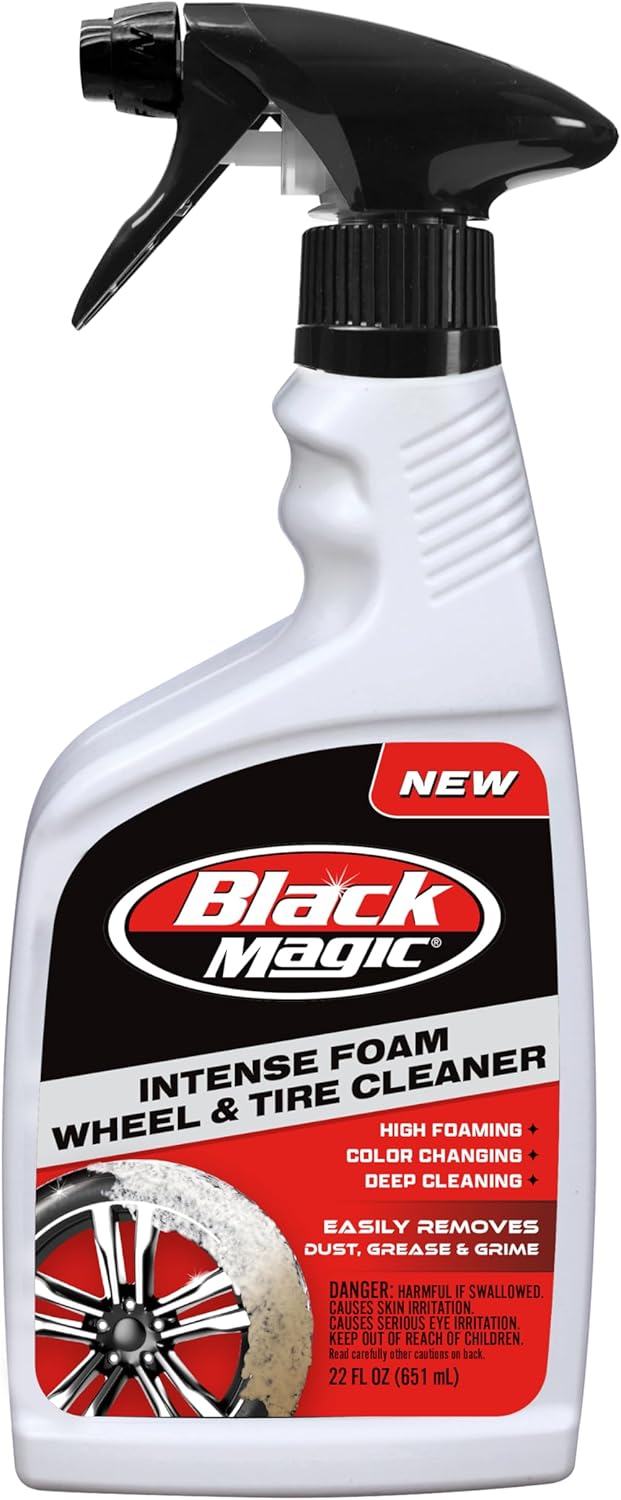
Black Magic Intense Foam Wheel & Tire Cleaner uses a high-foaming action to lift away dirt, grime, and brake dust without scrubbing. The color-changing formula helps show contaminants being dissolved as foam turns from white to brown. Safe for all wheel types and even wheel wells, it leaves a like-new, slick finish with a fresh cherry scent.

This oesee 8-piece wheel care kit helps you clean, scrub, and dry wheels safely with purpose-built brushes and towels. The scratch-free microfiber wheel brush lifts brake dust and grime, while the stiff pro-grip tire brush removes tire browning and embedded dirt. A twist loop microfiber drying towel and an applicator help achieve a streak-free finish and cleaner, more even product application.
Bead-Seat Corrosion and Slow Leaks
If a tire keeps losing a few psi every week and there is no nail, corrosion at the bead seat is a likely cause. Oxide builds up where the tire bead seals against the rim and breaks the airtight seal.
The fix requires a tire shop:
- The shop dismounts the tire.
- A technician cleans the bead seat to bare metal with a wire brush, abrasive disc or emery cloth.
- They apply bead sealer and remount and balance the tire.
Expect to pay roughly $20 to $50 per wheel for this service. If your TPMS light keeps coming on from a slow leak, our guide on TPMS issues on one tire can help rule out other causes.

How to Prevent Aluminum Wheel Corrosion
Prevention takes far less time than repair. Build these habits:
- Wash wheels every two weeks, weekly in salty winter conditions.
- Use pH-neutral cleaners. Strong acid cleaners can attack clear coat and bare aluminum.
- Apply a wheel sealant or ceramic coating every few months to repel brake dust and salt.
- Touch up chips and curb rash quickly before moisture gets under the coating.
- Consider dedicated winter wheels if you drive on salted roads. Inexpensive steel wheels take the abuse instead.
- Dry wheels after washing so water does not sit in lug holes and crevices.
Curb damage is a frequent starting point for corrosion. Learn when a damaged alloy wheel can be repaired before it gets worse.
Aluminum Wheel Corrosion FAQ
Can vinegar remove corrosion from aluminum wheels?
Diluted white vinegar can loosen light oxidation on bare aluminum, but rinse it off quickly and thoroughly. Do not soak coated wheels in vinegar, since acid can damage clear coat. For best results, follow vinegar or any cleaner with aluminum polish and a sealant.
What causes white spots on aluminum rims?
White spots are aluminum oxide, a form of corrosion. On bare wheels it sits on the surface and polishes off. On clear-coated wheels it forms under the coating, often in spider-web lines, and requires stripping and refinishing to remove.
Is it safe to drive on corroded alloy wheels?
Surface corrosion is mostly cosmetic. However, bead-seat corrosion can cause slow leaks and underinflation, and deep pitting near the bead or lug holes can weaken a wheel. Check pressures often and have badly corroded wheels inspected.
Can I use WD-40 on aluminum wheels?
WD-40 can help loosen grime and displace water, and some people use it for light cleaning. It does not remove oxidation or protect long term. Follow it with a proper wheel cleaner, then polish and seal. See our guide on cleaning alloy wheels with WD-40.
How much does it cost to fix corroded alloy wheels?
DIY polishing costs about $20 to $60 in supplies. Bead-seat cleaning at a tire shop runs about $20 to $50 per wheel. Full professional refinishing usually costs around $100 to $200 per wheel, more for machined faces.
Does polishing remove corrosion permanently?
No. Polishing removes existing oxidation, but bare aluminum will oxidize again without protection. Seal the wheel after polishing and repeat the polish when it starts to look dull.
Bottom Line
Learning how to remove corrosion from aluminum alloy wheels and rims starts with one question: what finish is on the wheel? Bare aluminum responds to polish, and pitting needs sanding first. Corrosion under clear coat or paint needs stripping and refinishing, while bead-seat corrosion needs a tire shop to clean and seal the rim.
Start with a gentle wash and a test spot, work up to stronger methods only if needed, and finish every repair with a sealant. Then keep up regular washes, especially in winter, and your wheels will stay bright and leak-free for years.
Sources
- MOTOR Magazine: Trouble Shooter on alloy rim corrosion
- SAE J2635: Filiform corrosion test procedure for painted aluminum wheels
Products Worth Considering

This wheel brush kit delivers pro-level cleaning at home, lifting dirt, grime, and brake dust to help restore wheel appearance. It includes multiple brush styles and applicator pads for tackling different wheel surfaces, with gentle, metal-free bristles designed to reduce scratching risk. The flat and double-ended brushes are built for comfort and reach, making wheel care easier for cars, trucks, and RVs.

This 7-piece car wheel brush kit delivers gentle, scratch-free cleaning with extra-soft, metal-free brush heads designed to lift brake dust, dirt, and grime. The brushes bend up to 360 degrees for hard-to-reach wheel areas, while the included tire shine applicator pad helps apply tire dressing evenly with less build-up. An organizer bag is included for convenient storage, making it ideal for regular wheel and tire detailing.

These universal tire valve stem caps help protect your valve core from dust, debris, moisture, and corrosion, supporting more stable tire pressure. The aluminum alloy design resists long-term wear, while the sealing construction helps help prevent air leakage. They twist on easily for quick installation and help safeguard driving safety across cars, SUVs, trucks, and motorcycles.