Your Toyota Tacoma does not have one universal tire-pressure setting for every year, trim, wheel, and tire package. Many Tacomas use a cold pressure near 30 PSI, but others require 32 or 35 PSI. The correct number for your truck is printed on the Tire and Loading Information label inside the driver’s door area.
Quick Answer
Use the cold tire pressure printed on your Tacoma’s driver-side door-jamb label, not a generic 30 PSI recommendation or the maximum pressure molded into the tire. Depending on the model year and factory tire size, a Tacoma may call for about 30, 32, or 35 PSI.
Key Takeaways
- The driver-side Tire and Loading Information label is the primary pressure reference for your exact Tacoma.
- Check pressure when the tires are cold, ideally before driving or after the truck has been parked for at least three hours.
- Do not bleed air from a warm tire simply because its reading is higher than the cold specification.
- TPMS is a warning system, not a replacement for a monthly check with an accurate gauge.
- A tire that repeatedly loses air needs inspection for a puncture, valve leak, bead leak, or wheel damage.
Recommended Tire Pressure for Your Toyota Tacoma
The safest answer is the pressure printed on your truck’s door-jamb label. Toyota changes tire sizes and recommended cold pressures across generations, trims, cab configurations, and wheel packages. Replacement tires or aftermarket wheels can add another variable, so a trim name alone is not enough to identify the correct PSI.
For example, the 2024 Toyota Tacoma owner’s manual lists several factory combinations:
| Factory Tire Size | Example Recommended Cold Pressure | Important Note |
|---|---|---|
| 245/70R17 | 35 PSI | Some spare configurations require a different pressure. |
| 265/70R17 | 30 PSI | Confirm the label because equipment and spare type can differ. |
| 265/65R18 | 32 PSI | This example does not apply automatically to every 18-inch Tacoma tire. |
Note: The table shows examples from one model year. Your truck’s label and owner’s manual take priority, especially if you own an older Tacoma, a hybrid model, or a truck with nonfactory tires or wheels.
Where to Find the Correct PSI
Open the driver’s door and look for the Tire and Loading Information label on the door edge, doorjamb, or B-pillar. It normally lists the original tire size, seating and load information, and the recommended cold pressure for the front and rear tires. Your owner’s manual provides the same type of model-specific information.
Do not use the PSI molded into the tire sidewall as your everyday target. That figure is generally the tire’s maximum cold inflation pressure for its rated load, not Toyota’s recommended pressure for your Tacoma. The National Highway Traffic Safety Administration also directs drivers to the vehicle placard or owner’s manual.
How to Check and Adjust Your Tacoma’s Tire Pressure
You can check and correct all four road tires in a few minutes. Include the spare during routine maintenance because its required pressure may be different from the road tires.
At a Glance
| Time Required | About 5 to 10 minutes |
| Difficulty | Easy |
| Tools Needed | Accurate tire-pressure gauge and an air compressor or inflator |
| Cost | Usually free if you already own a gauge and inflator |
[Products Worth Considering]

This multi-function tire valve stem removal tool set makes it fast to remove, install, bleed, and clean valve cores for easier tire maintenance. It includes valve core removers, a 4-way spool tool, replacement valve caps, and spare cores to handle replacements and repairs with confidence. Universal compatibility suits cars, trucks, motorcycles, bicycles, and more for roadside convenience.

These aluminum alloy tire valve stem caps with an O-ring seal help protect valve stems from corrosion while adding a clean, stylish look to your vehicle. The universal fit works across cars, trucks, motorcycles, bicycles, and more, making them an easy upgrade for everyday driving and off-road use. Installation is quick, and the included four-pack keeps all your tires dressed and protected.

Upgrade your Toyota’s wheels with durable aluminum alloy valve stem caps that help protect valve cores from corrosion and direct exposure to road grime, clay, water, and snow. Rubber rings improve sealing to help prevent air leakage and maintain stable tire pressure for safer driving. These caps are easy to install or remove without tools and add a unique, stylish look to your car.
Best Time to Check
Measure the pressure when the tires are cold. A practical cold reading means the Tacoma has been parked for at least three hours or has traveled only a very short distance at low speed. Driving heats the tires and naturally raises the reading.
Warning: Do not release air from a warm tire just to bring it down to the cold placard number. You may leave the tire underinflated after it cools. Recheck and fine-tune the pressure when the tire is cold.
Tools for Accurate Measurement
Use a digital, dial, or quality pencil-style gauge that reads in PSI. A portable compressor is convenient, but its built-in gauge may not match your handheld gauge. Choose one reliable gauge as your reference and replace it if it is damaged or produces inconsistent readings.
Step-by-Step Pressure Check
- Find the specification. Read the front, rear, and spare pressures on the door-jamb label or in the owner’s manual.
- Park safely. Stop on level ground, set the parking brake, and wait for the tires to cool if you have been driving.
- Remove the valve cap. Keep it somewhere clean so dirt cannot enter the valve.
- Press the gauge firmly onto the valve. A brief hiss is normal, but reseat the gauge if air continues escaping.
- Compare the reading with the placard. Check each tire because pressure can differ from wheel to wheel.
- Add or release air. Inflate in short bursts, or press the valve core briefly if the cold pressure is too high.
- Measure again. Repeat until the tire matches the specified cold pressure.
- Reinstall the valve cap. Check for visible damage, bulges, cuts, nails, or unusual tread wear while you are at the wheel.
Pro Tip: Keep a trusted gauge in the glove box and check all tires at least once a month, before long trips, and after a major temperature change.
Temperature, Load, Towing, and Off-Road Use
Ambient temperature affects pressure even when a tire has no leak. Goodyear notes that tire pressure can change by roughly 1 to 2 PSI for each 10°F change in temperature. A cold morning may trigger a warning that disappears after driving, but you should still check the tires with a gauge and adjust them to the cold specification.
Heavy cargo and trailer tongue weight increase the load on the truck, but you should not guess at a higher pressure. Stay within the Tacoma’s payload, axle, wheel, and tire ratings. Follow any load-specific instructions in the owner’s manual or placard. Ask Toyota or a qualified tire professional for guidance when using replacement LT tires, a different load range, or nonfactory wheels.
Some drivers lower pressure temporarily for slow off-road travel on sand or rough trails. That is a specialized technique, not a new highway setting. Lower pressure reduces load capacity and can increase heat, sidewall flex, bead damage, and handling risk. Reinstate the correct road pressure before returning to normal-speed pavement.
[Products Worth Considering]
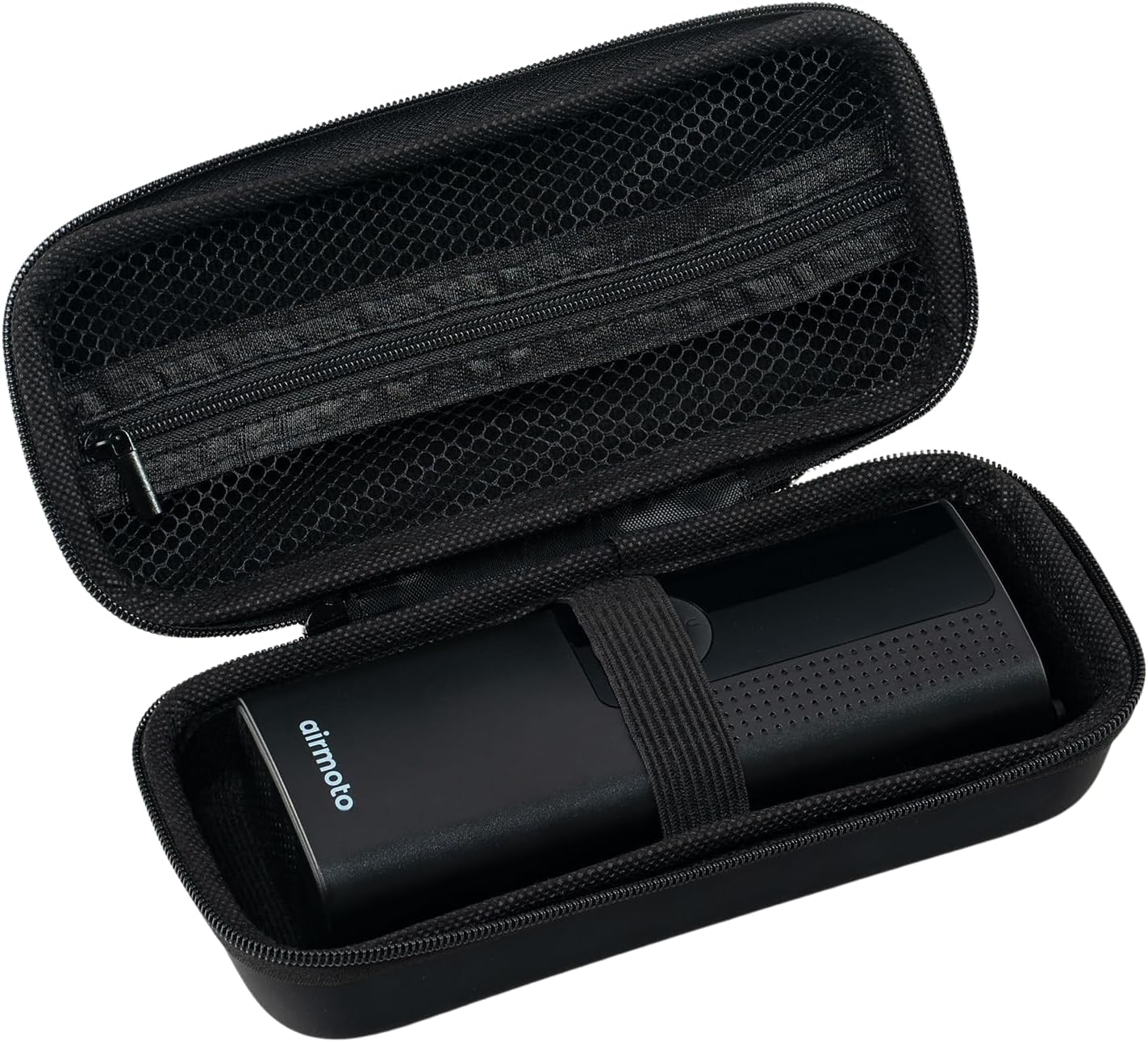
Protect and organize your Airmoto tire inflator with a purpose-designed carrying case made for a precise fit. The durable polyurethane shell and soft interior help guard against cuts, tears, and road wear, while a mesh pocket stores connectors and accessories. This travel box measures 7.5*3.5*2.8 inches and can work with most handheld portable air compressor models; this listing includes the case only.

Upgrade your Toyota tire setup with these corrosion-resistant, leak-proof valve stem caps designed to help protect the valve core from water, snow, and road grime. The caps feature a snug rubber seal and durable copper alloy construction to resist rust and oxidation while maintaining stable tire pressure. Ideal for replacing worn original caps and keeping your wheels looking clean and stylish.
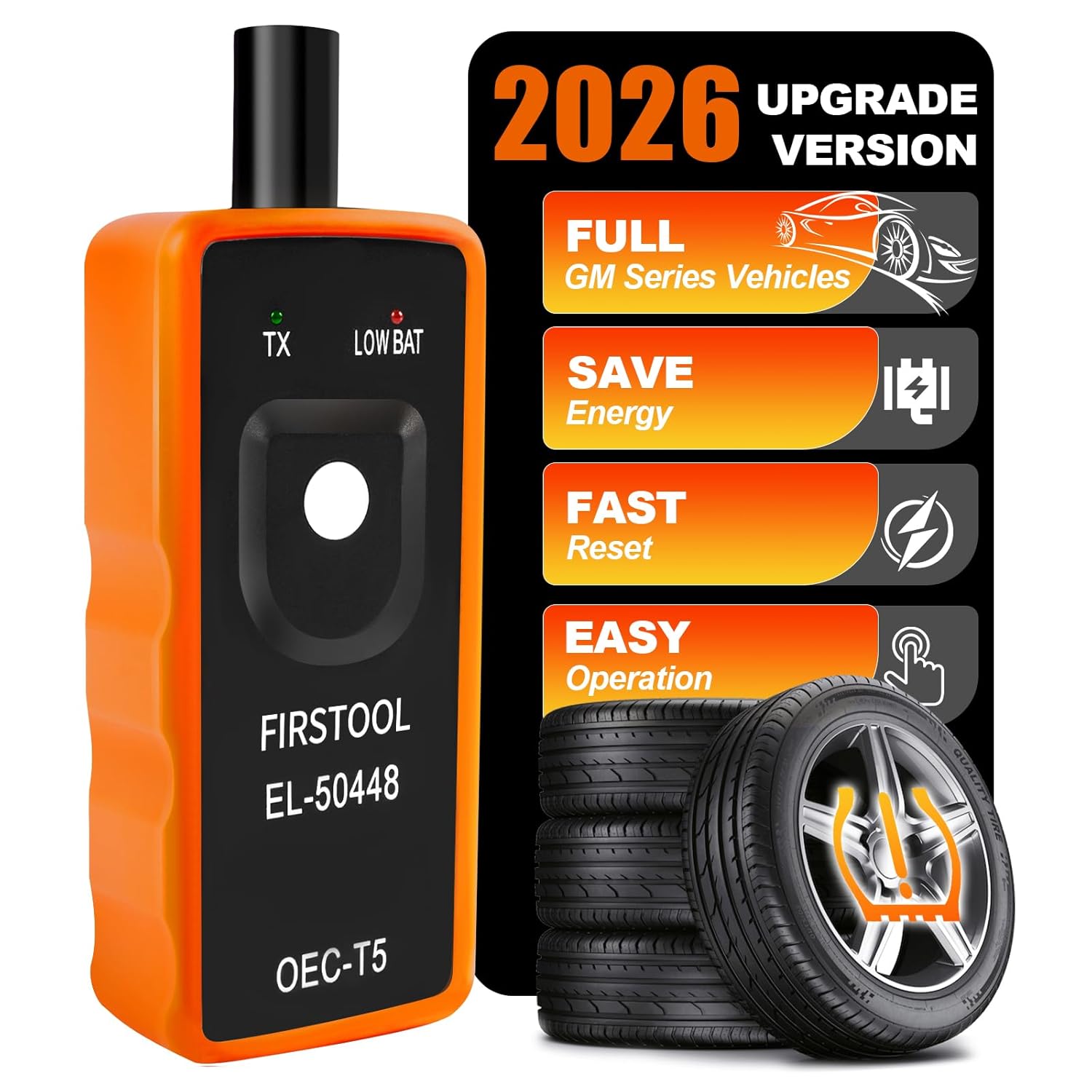
This TPMS relearn tool helps you quickly activate, match, and reset GM tire pressure sensors to keep the vehicle monitoring system working properly. It clears tire pressure alarms and dashboard warning lights after sensor replacement or tire rotation, and supports learning for common 315/433 MHz TPMS sensors. Designed for simple one-button operation, it can help you avoid unnecessary trips to repair shops.
Effects of Improper Tire Pressure on Performance
Incorrect pressure changes the tire’s contact with the road and the amount of heat it generates. Both underinflation and overinflation can shorten tire life and reduce the predictable handling Toyota intended.
Correct cold pressure supports safe handling, even tread wear, fuel efficiency, and the tire’s ability to carry its rated load.
- Underinflation: Increases sidewall flex, heat buildup, rolling resistance, and shoulder wear. Severe underinflation can contribute to tire failure.
- Overinflation: Can create a firmer ride, reduce impact absorption, and concentrate wear toward the center of the tread.
- Uneven pressure: Can make the Tacoma pull, feel unstable, or respond differently during braking and cornering.
- Incorrect spare pressure: Can leave the spare unusable when you need it, especially when a compact spare requires much more pressure than the road tires.
Benefits of Maintaining Correct Tire Pressure
Keeping each tire at the specified cold pressure helps your Tacoma steer, brake, and ride consistently. It also reduces unnecessary rolling resistance and heat while giving the tread a better chance to wear evenly.
Pressure maintenance cannot prevent every puncture or blowout, but it removes one avoidable source of stress. It also helps you spot a slow leak early. A tire that loses several PSI while the others remain stable is giving you useful diagnostic information.
Common Tire Pressure Myths for Tacoma Owners

Every Tacoma Should Use 30 PSI
This is false. Some factory combinations use 30 PSI, but others use 32 or 35 PSI. Different generations may use other values. Read the label on your exact truck rather than copying a number from another Tacoma.
The Sidewall Number Is the Recommended Pressure
The sidewall number is not your normal vehicle target. It identifies a tire limit associated with its rated load. Toyota’s placard accounts for the truck’s original tire, wheel, axle, ride, handling, and load requirements.
TPMS Means You Do Not Need a Gauge
TPMS normally warns only after pressure has fallen significantly. The system may not warn about a small but meaningful loss, and it may not react immediately to sudden air loss. NHTSA recommends a manual monthly check even when TPMS is fitted.
Hot Tires Should Match the Cold Placard Number
Pressure normally rises while driving. A warm tire may read several PSI above the label without being overfilled. Do not bleed it down unless you have a verified procedure for compensating for temperature. A cold recheck is the safest routine method.
Understanding the Tacoma TPMS Warning
A solid low-pressure warning usually means one or more tires are significantly underinflated. Slow down, avoid hard cornering or braking, and inspect the tires as soon as you can stop safely. Use a gauge because a tire can look normal while being low.
If the warning flashes for about a minute and then stays on, the system may have a malfunction. This can happen after sensor, tire, or wheel changes if the transmitters are not registered correctly. A Toyota dealer or qualified tire shop can test the sensors and complete the required registration or initialization.
Some newer Tacomas can display individual tire readings through the vehicle display or connected features, depending on equipment and service availability. Treat those readings as useful monitoring data, not a substitute for the placard and a physical gauge.
Troubleshooting Repeated Pressure Loss
A small seasonal drop across all four tires may be temperature-related. One tire that keeps losing pressure usually needs closer inspection. Do not keep topping it up indefinitely without finding the cause.
- Puncture: A nail or screw can create a slow leak that may be repairable if it is in an approved tread area.
- Valve leak: A damaged valve stem, valve core, or TPMS seal can release air.
- Bead leak: Corrosion, dirt, or wheel damage can prevent the tire bead from sealing.
- Wheel damage: A bent or cracked wheel may leak after a pothole or trail impact.
- Tire damage: Bulges, exposed cords, deep cuts, or sidewall punctures require immediate professional evaluation.
Warning: Do not drive on a visibly flat tire or a tire with a sidewall bulge, exposed cords, or rapid air loss. Install the spare if it is safe to do so, or arrange roadside assistance.
[Products Worth Considering]

Monitor tire tread wear with a smart, color-coded depth gauge that shows clear condition ranges at a glance. The bar is range marked for fast, easy readings, helping you maintain safer traction and performance. Each gauge is portable with a pocket clip, and the set includes 20 units for daily use and sharing.

These universal tire valve stem caps help protect valve cores from dust, debris, and moisture while helping maintain stable tire pressure. The corrosion-resistant metal construction and sealed design provide reliable protection in road grime, mud, and winter conditions. Twist-on installation makes them quick to fit on cars, SUVs, trucks, and motorcycles.

The JACO FlowPro Tire Inflator measures, inflates, and airs down tires up to 100 PSI with battery-free operation and ±2% accuracy after calibration. It features a glowing pressure dial for night visibility, a heavy-duty steel build with a hybrid hose, and a precision push-to-inflate thumb trigger. The patented Lightning Air Chuck locks on for a secure seal, and the kit includes quick-connect hardware for easy inline use with your air compressor.
Additional Resources for Tacoma Tire Maintenance
Use Toyota’s manual and warranty portal to select your exact Tacoma model year. The owner’s manual is the best source for tire pressure, spare specifications, TPMS procedures, tire rotation, wheel registration, and load-related instructions.
NHTSA’s tire-safety guidance covers pressure checks, tread inspection, tire age, TPMS warnings, and what to do after a blowout. For replacement tires or wheel changes, confirm size, load index, speed rating, and TPMS compatibility with a qualified tire professional.
Frequently Asked Questions
Is 30 PSI correct for every Toyota Tacoma?
No. Some Tacomas specify 30 PSI, while other factory combinations use 32, 35, or another value. Read the Tire and Loading Information label on your driver-side door area.
How often should I check my Tacoma’s tire pressure?
Check it at least once a month, before long trips, and after a large weather change. Measure when the tires are cold and include the spare.
Can I rely on a gas-station air pump?
You can use it to add air, but its gauge may be inaccurate or damaged. Double-check each tire with your own trusted gauge before leaving.
Should I lower pressure when the tires are hot?
Usually no. Pressure rises normally as the tires warm. Recheck the tires after they cool and adjust them to the cold placard value.
Why does the TPMS light return after I add air?
The tire may still be below the specified cold pressure, have a slow leak, or need time and driving for the system to update. A flashing light followed by steady illumination can indicate a TPMS malfunction.
What pressure should I use with aftermarket tires?
Do not assume the sidewall maximum or the old factory number is automatically correct. A qualified tire professional should calculate a safe cold pressure that supports the Tacoma’s axle loads and the replacement tire’s load capacity.
Conclusion
Your Tacoma’s correct tire pressure is the cold value on its driver-side Tire and Loading Information label. A generic 30 PSI answer can be wrong for your year or wheel package. Check the tires monthly with a reliable gauge, avoid bleeding warm tires, inspect repeated pressure loss, and treat TPMS as a warning aid rather than your only maintenance tool.
Sources
- Toyota 2024 Tacoma Owner’s Manual, Maintenance Data — factory tire sizes and example cold inflation pressures.
- Toyota Manuals and Warranties — model-year-specific owner’s manuals and maintenance guidance.
- NHTSA TireWise — cold-pressure checks, placard guidance, TPMS limitations, tread, and tire safety.
- Goodyear: As Temperature Drops, So Does Tire Inflation — the approximate relationship between ambient temperature and tire pressure.