
Disclosure: As an Amazon Associate, we earn from qualifying purchases. If you click a link on this page and make a purchase, we may receive a small commission at no extra cost to you.
A small puncture or torn rubber part can leave you choosing between a quick DIY fix and a safer professional repair. ATLASBOND Tire Repair Glue is a 50 mL black, rubber-based adhesive made for tires, tire plugs, shoes, and other rubber items. Its low-viscosity liquid, pointed nozzle, and listed 30-second cure make it easy to apply, but those features do not turn it into a complete or permanent passenger-tire repair. This review explains where the product is useful, where it falls short, and when you should stop and call a tire professional.
Quick Verdict
Rating: 7.2/10, recommended with important safety caveats
Best For: Small, non-structural rubber bonding jobs and use as directed within a compatible patch or plug repair system
Bottom Line: The precise nozzle, fast initial cure, flexible black finish, and included scraper make this a practical budget adhesive. You should not treat glue alone as a permanent repair for a road-going car, truck, or motorcycle tire.
Key Specifications
| Specification | Detail |
|---|---|
| Brand | ATLASBOND |
| Model | LTJ0303 |
| Part number | LTJ1126D |
| Product type | Liquid rubber-based repair adhesive |
| Color | Black |
| Volume | 50 mL, 1.76 fl oz |
| Viscosity | Low |
| Listed cure time | 30 seconds |
| Water resistance | Waterproof |
| Compatible materials | Rubber, tire plugs, car tires, and shoes, subject to the safety limits below |
| Included accessories | One bottle, scraper, and pointed nozzle |
| Best use | Small non-structural rubber repairs and adhesive support for a suitable repair component |
ATLASBOND Tire Repair Glue

What Is the ATLASBOND Tire Repair Glue?
ATLASBOND LTJ0303 is a black liquid adhesive formulated for rubber bonding and filling. The 50 mL bottle uses a pointed nozzle to place a small amount of glue into a narrow crack, around a compatible plug, or across a prepared rubber surface. A small scraper is included for basic cleaning and spreading.
The product listing describes the cured material as flexible, waterproof, heat resistant, and weather resistant. Those traits can help a bond survive normal flexing and moisture, especially on low-risk rubber items. For road tires, however, safe repair depends on the location and size of the damage, the tire’s internal condition, and the repair method, not just the adhesive.
Who Should Buy It?
Best For
- DIY users who need a small bottle for non-structural rubber bonding
- RC hobbyists repairing small rubber tires or filling minor surface gaps
- Drivers who want adhesive for a compatible repair kit, while still arranging a professional tire inspection
Skip If
- Your tire has sidewall, shoulder, bead, belt, bulge, or structural damage
- You need a certified permanent repair for a passenger vehicle or motorcycle
- The puncture is large, the tire was driven while flat, or internal damage may be present
Before You Buy: Do not use glue alone to repair a road-tire sidewall or shoulder, and do not assume a sealed leak means the tire is structurally safe. Passenger and light-truck puncture repairs should be limited to qualifying tread-area damage and inspected from inside the tire by a trained technician.
[Products Worth Considering]

This screw-in tire plug kit offers quick, DIY tire repairs for punctures from nails, screws, and sharp debris. Simply screw the vacuum tire mending nail into the puncture for a fast roadside fix, designed to create a strong, air-tight seal. It fits most tubeless tires for cars, trucks, motorcycles, and more, helping you avoid costly replacements until professional service is available.

Vigorder rubber cement glue delivers superior adhesion and cures quickly within about 30 seconds for seamless rubber bonding. Once cured, it helps provide a strong, durable, waterproof seal that holds up to vehicle weight, pressure, and heat. Suitable for cars, motorcycles, trucks, bicycles, and off-road tires, it’s designed for emergency patch and maintenance repairs.

This chemical vulcanizing cement cures rubber at room temperature, creating a strong bond for reliable tire patch and plug repairs. The fast-drying formula helps reduce vulcanization time, while the built-in brush makes application quick and even. Suitable for car, motorcycle, and bicycle tires, it supports repairs for tubeless tires, outer tires, and inner tubes.
Materials, Build, and Application Control
The rubber-based liquid has low viscosity, so it can flow into small gaps more easily than a thick paste. That helps when you need a thin, even coating, but it also makes over-application possible. The pointed nozzle gives you better control than an open bottle, while the black color helps the cured adhesive blend with dark rubber.
The included scraper adds value because surface preparation affects adhesion. It can help remove loose material or spread the product, but it is not a substitute for the tools needed to remove a road tire from its wheel, inspect the inner liner, or install an approved combination repair.
Bonding, Flexibility, and Water Resistance
The main selling point is a flexible bond rather than a hard, brittle joint. That is useful on rubber parts that bend during use. The waterproof claim also makes the product more practical for shoes, RC tires, and other items exposed to damp conditions.
Flexibility does not prove that a repair can carry vehicle loads, heat, and repeated high-speed deformation safely. On a car or motorcycle tire, the surrounding cords, belts, inner liner, and sidewall structure matter. A surface that looks sealed can still hide internal damage.
Fast Cure Time and Ease of Use
The listed full cure time is 0.5 minutes, or about 30 seconds. That is convenient for small bench repairs and quick positioning, but you should still follow the bottle directions and avoid loading the bond until it has set as instructed. Temperature, surface contamination, glue thickness, and the materials being joined can affect the result.
Application is simple: clean and dry the area, remove loose debris, apply a controlled amount, spread it evenly if needed, and allow it to cure. The compact bottle is easy to store in a toolbox, though 50 mL may run out quickly if you perform frequent or large repairs.
Pro Tip: Mark the bottle’s opening date and keep the cap and nozzle clean. Before an important repair, test a small amount on scrap rubber to confirm that the adhesive still flows and cures properly.
How It Performs in Real Use
Small Rubber Items and Shoes
For a separated shoe edge, loose rubber trim, or similar non-structural job, the pointed nozzle and black finish are useful. You can apply a narrow bead without covering a large visible area. Clean, dry surfaces give the adhesive the best chance to bond.
RC Tires
RC tires place less safety-critical load on a repair than road-going vehicle tires. The low-viscosity formula can help secure a small rubber edge or fill a minor gap. You should still keep the adhesive away from moving bearings, foam inserts, and surfaces that must remain flexible or removable.
Bicycle Tire or Tube Repairs
Use the product only if it matches the patch or repair method you are using. Some bicycle patches require their own vulcanizing fluid, while tubeless systems may need a specific plug or sealant. A cut casing, damaged bead, or compromised sidewall usually calls for tire replacement rather than glue.
Car, Truck, and Motorcycle Tires
This is the most important limitation. Glue applied from the outside does not provide the internal inspection or combination patch-and-stem repair used for a qualifying tread puncture. Fit the spare, use roadside assistance, or have the tire removed and inspected rather than relying on a glued surface repair for continued driving.
How to Use It More Safely
- Identify the item and damage. Do not attempt a DIY road-tire repair on the sidewall, shoulder, bead, bulge, exposed cords, or a large cut.
- Read the label. Confirm that the adhesive is compatible with the rubber and any patch or plug you plan to use.
- Prepare the surface. Clean and dry the area, then remove loose rubber and debris without enlarging the damage.
- Apply a small amount. Use the pointed nozzle and spread only enough adhesive to cover the intended bond area.
- Allow the bond to cure. Follow the product directions rather than treating the 30-second listing as permission to drive immediately.
- Inspect and test cautiously. For non-vehicle items, apply light load first. For a road tire, have a trained professional inspect it before returning it to service.
Work in a well-ventilated area, wear suitable gloves and eye protection, and keep the bottle away from children, heat, sparks, and open flame. Store it tightly closed and follow all warnings printed on the container.
What Buyers Say
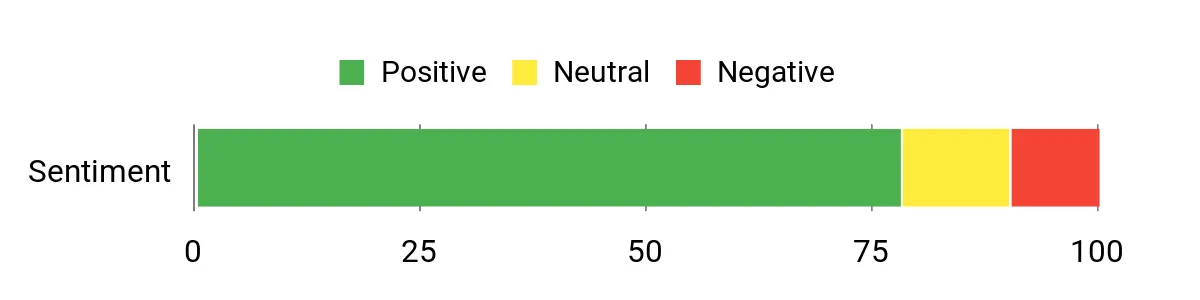
Buyer feedback is generally favorable about the product’s controlled nozzle, quick set, and flexible black finish. The main concern is also the most important one: results depend on surface preparation and damage type, and an adhesive-only fix should not be confused with a complete tire repair.
Overall Sentiment: Positive, with safety and application caveats
Pros and Cons
Pros
- Low-viscosity liquid reaches narrow gaps and spreads easily
- Pointed nozzle supports controlled application
- Black, flexible cured finish suits many rubber items
- Waterproof and heat-resistant claims support outdoor use
- Includes a scraper and 50 mL bottle in one compact kit
Cons
- Not a complete permanent repair for a road-going tire
- Cannot make sidewall, shoulder, bulge, or structural damage safe
- Fast cure leaves less time to reposition parts, and the small bottle may not suit frequent use
Is It Worth the Price?
ATLASBOND sits in the budget repair-supply range and gives you a bottle, scraper, and pointed nozzle in one small package. It offers strong value when you need controlled adhesive application for shoes, RC tires, rubber trim, or another low-risk bonding task.
The value is weaker if your main goal is repairing a passenger-car or motorcycle tire. You may still need a proper plug-and-patch unit, tire removal, balancing, or complete tire replacement. In that situation, the glue is an accessory, not the whole solution.
[Products Worth Considering]

This chemical vulcanizing cement promotes rubber vulcanization at room temperature, helping create durable tire repairs without heat. The included brush makes application easy, and the quick-drying formula with accelerators helps the repair cure faster for reliable patch or plug sealing. It’s suitable for cars, motorcycles, and bikes, supporting repairs for both inner tubes and outer tires.

Mosconly tire repair glue and nail kit delivers an elastic, waterproof bond for quick sidewall puncture repairs. The adhesive cures securely to help prevent peeling, flaking, and tearing, while the included nails support a strong, seamless repair. Designed for easy roadside use, it works on car, motorcycle, bike, and other tire types, with full curing within 24 hours.

ZEHXI’s 60 pack screw-in tire plug kit uses high-grade rubber plugs with sealing threads to help repair minor punctures quickly without removing the tire. The set includes two plug sizes, so you can match different puncture openings and keep repairs organized in a transparent case. A handy screwdriver is included for fast installation, helping drivers get more mileage from existing tires while being ready for flat-tire emergencies.
How It Compares to Alternatives
Slime 1051-A Rubber Cement is aimed at use with tire plugs or patches, so it may be easier to match with a familiar repair system. Visbella Tire Repair Glue is a closer black-rubber alternative for surface repairs. A professional combination patch-and-stem repair remains the safer comparison for a qualifying tread puncture on a passenger or light-truck tire.
ATLASBOND makes the most sense when you value a black finish, low viscosity, a pointed nozzle, and broad rubber compatibility. Choose a repair-system-specific cement when your patch or plug manufacturer calls for it.
[Products Worth Considering]
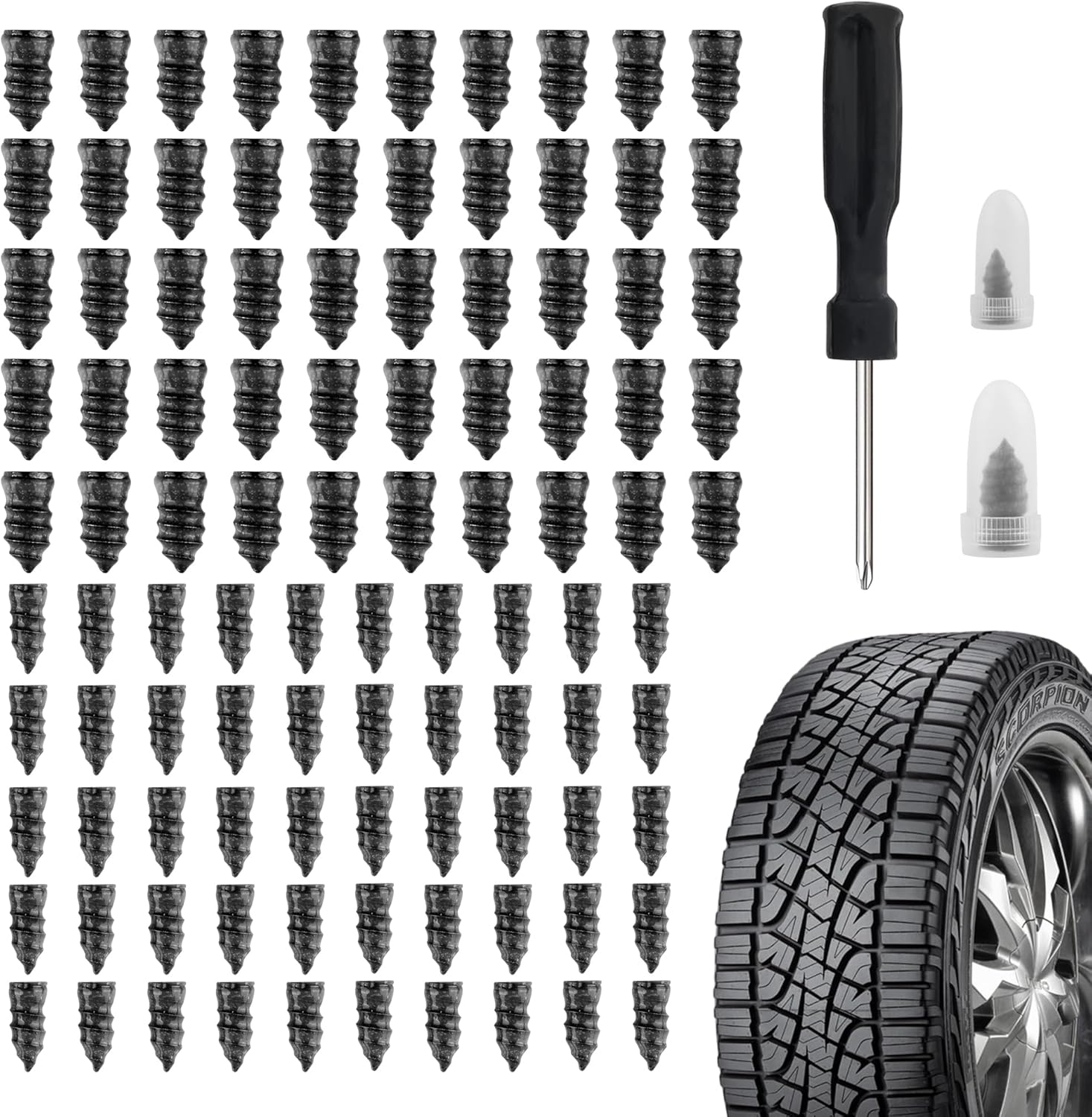
Salior’s tire plug kit provides a fast, reliable self-service fix for punctured or leaking tires without the need for flaring tools. Choose the correct plug size, then screw the nail into the puncture using the included screwdriver for an enhanced seal. The set is durable and convenient for on-the-go maintenance across multiple vehicle types.

This tire repair kit provides fast emergency puncture repair without removing the tire from the rim, helping you get back on the road quickly. Its screw plug system is designed for punctures in both tread and sidewall and includes a complete patch plug tool set with essential accessories. A portable storage bag makes it easy to carry for cars, trucks, SUVs, motorcycles, and heavy-duty applications.

This screw-in tire plug kit provides a fast, no-tire-removal fix for tubeless flat tires by aligning and screwing the plugs into the puncture. Built for a reliable, airtight seal, the thick rubber plugs create a durable repair that helps prevent slow leaks. The kit includes two plug sizes for handling different puncture widths and comes in a compact case for quick roadside use.
Frequently Asked Questions
Can ATLASBOND Tire Repair Glue permanently fix a car tire?
Do not rely on glue alone as a permanent car-tire repair. A qualifying tread puncture should be inspected from inside the tire and repaired with an approved combination method by a trained technician.
Can it repair a tire sidewall or shoulder?
No adhesive should be used to declare sidewall or shoulder damage safe for road use. These areas flex heavily and may contain hidden cord damage, so the tire should be inspected and usually replaced.
What comes in the package?
The listing includes one 50 mL bottle of black tire repair glue, one scraper, and one pointed nozzle. The nozzle controls placement, while the scraper helps with basic surface preparation and spreading.
Does it really cure in 30 seconds?
The product listing gives a full cure time of 0.5 minutes. Actual results can vary with temperature, surface condition, glue thickness, and materials, so follow the label and avoid immediate heavy loading.
Can I use it on bicycle tires or tubes?
Only use it when it is compatible with the patch, tube, tire, or tubeless repair system. Many repair products require a specific vulcanizing fluid or sealant, and damaged casings, beads, or sidewalls may need replacement.
What surfaces need preparation?
Rubber should be clean, dry, and free of loose material, oil, dirt, and old adhesive. Test a small hidden area first when appearance or material compatibility matters.
Who should skip this product?
Skip it when you need a complete professional tire repair, when the damage is structural, or when the repair material manufacturer requires a different cement. It is also a poor fit for large projects because the bottle holds only 50 mL.
Why Buyers Choose ATLASBOND
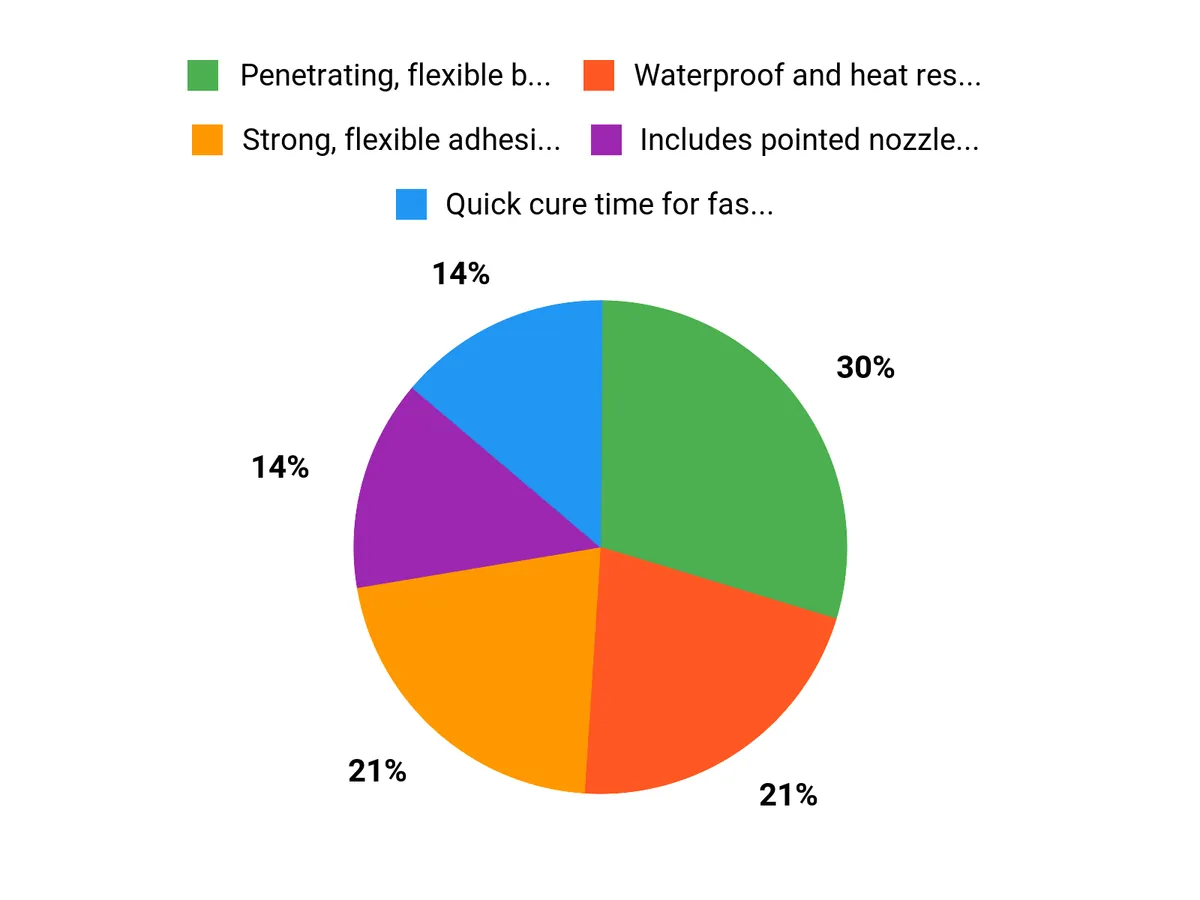
Buyers choose this product for its compact size, black finish, flexible rubber-based formula, and precise nozzle. It is most convincing as a general rubber adhesive or repair-kit component, not as proof that a damaged road tire is safe to drive.
The Bottom Line
ATLASBOND Tire Repair Glue is worth considering for small, non-structural rubber repairs and for compatible patch or plug systems that specifically call for rubber cement. Its low viscosity, quick cure, black color, and included tools are useful, but drivers and riders should skip adhesive-only road-tire repairs and seek professional inspection for punctures or structural damage.