Disclosure: As an Amazon Associate, we earn from qualifying purchases. If you click a link on this page and make a purchase, we may receive a small commission at no extra cost to you.
A damaged tire creates a difficult choice: try a low-cost repair, or replace the tire before the damage becomes dangerous. LOCBONDSO Tire Repair Glue is a 50-gram black rubber adhesive sold for minor cracks, scratches, bicycle tubes, RC tires, and other rubber repairs. It offers a flexible, water-resistant bond, but it is not a safe substitute for professional inspection or replacement when a road-going car or motorcycle tire has a punctured, cut, bulging, or structurally damaged sidewall. This review explains where the glue may be useful, where it should not be used, and what you need for a careful application.
Quick Verdict
Rating: 7/10, recommended with caveats
Best For: Bicycle inner-tube patches, RC tires, and minor non-structural rubber repairs
Bottom Line: The 1.76-ounce tube gives you an affordable, flexible adhesive for small rubber repairs when the surface is prepared well and allowed to cure fully. Its biggest limitation is safety and scope: do not treat it as a structural sidewall repair for highway-use car or motorcycle tires.
Key Specifications
| Specification | Detail |
|---|---|
| Brand | LOCBONDSO |
| Model | Tire repair glue 2409 |
| Product type | Flexible black rubber repair adhesive |
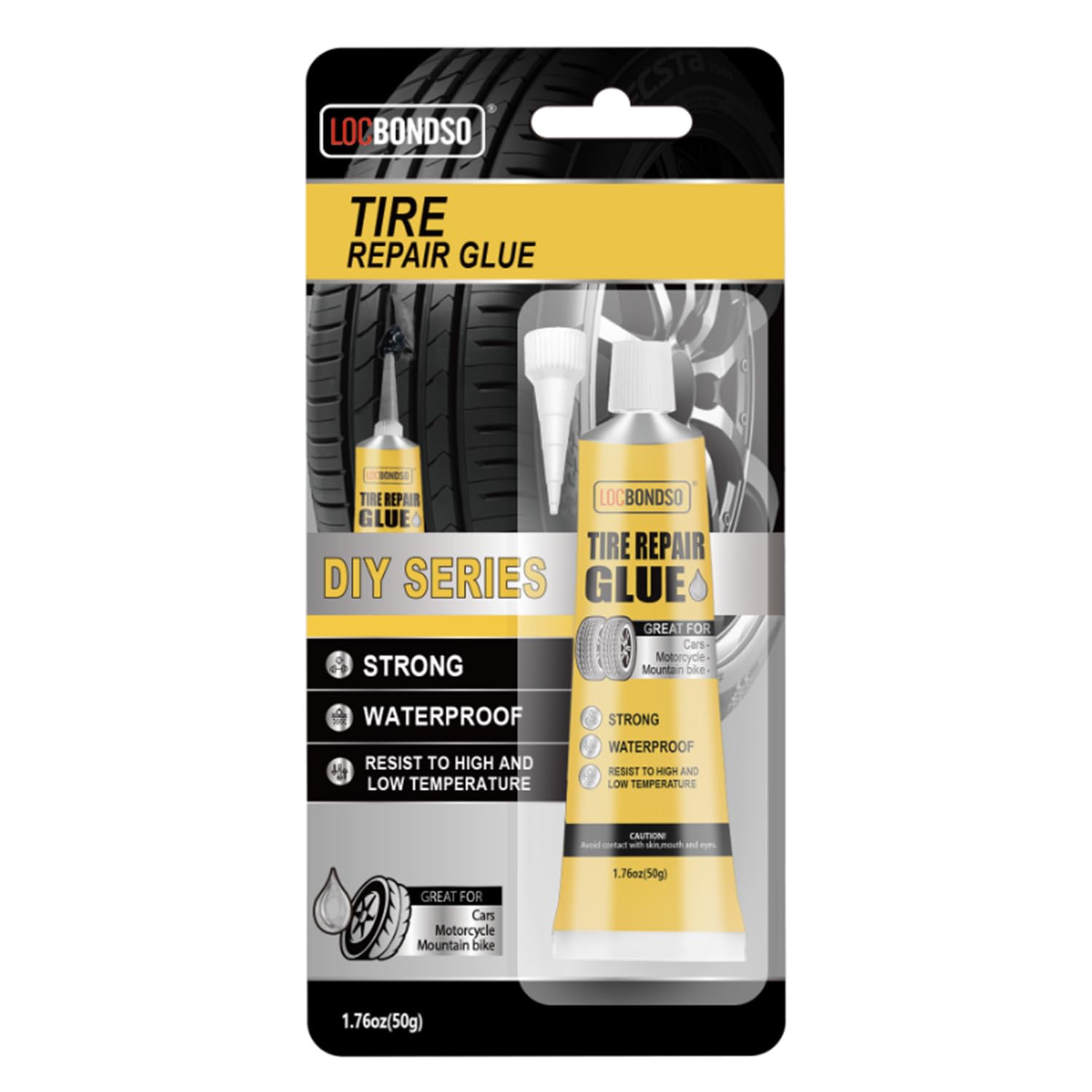
| Net weight | 50 g (1.76 oz) |
| Listed package dimensions | 19.71 x 9.4 x 2.69 cm |
| Color | Black |
| Listing claims | Flexible, waterproof, heat resistant, and resistant to peeling |
| Suggested surfaces | Rubber products, bicycle tubes, RC tires, and minor non-structural tire-surface damage |
| Cure guidance | Allow up to 24 hours before use, following the product directions |
| Critical safety note | Not a structural repair for punctured or damaged sidewalls on road-going car or motorcycle tires |
At a Glance
|
Feature |
Verdict |
|---|---|
|
Ease of Use |
Simple to dispense, but cleaning, roughening, pressure, and curing all affect the bond. |
|
Effectiveness |
Most useful for compatible patches and small rubber repairs, not structural tire damage. |
|
Value |
A budget-friendly 50-gram tube for occasional DIY use. |
|
Limitations |
The opened tube may dry out, and a poor surface or rushed cure can weaken adhesion. |
LOCBONDSO Tire Repair Glue
What Is the LOCBONDSO Tire Repair Glue?
LOCBONDSO model 2409 is a 50-gram tube of black adhesive intended to bond flexible rubber. The listing describes a high-strength polymer-composite formula that remains elastic after curing and resists water, heat, and peeling. That flexibility matters because rigid household glue can crack when a tube or tire flexes.
The product is best understood as an adhesive, not a complete tire-repair system. For an inner tube, you still need a compatible patch and a repair method suited to that tube. For RC tires or other rubber goods, the glue can bond a small split or loose seam. For a road tire, the location and severity of damage matter more than the adhesive claim.
Before You Buy: Do not use this glue to make a punctured, cut, bulging, or cord-damaged sidewall on a road-going car or motorcycle tire safe to drive. Sidewall damage can weaken the tire structure and should be inspected by a qualified tire professional, with replacement often required.
Who Should Buy It?
Best For
- Cyclists who already have compatible tube patches and need replacement adhesive
- RC hobbyists repairing small tire seams, splits, or loose rubber
- DIY users fixing minor, non-structural rubber damage around the home or workshop
Skip If
- Your car or motorcycle tire has sidewall air loss, exposed cords, a cut, a bulge, or impact damage
- You need a complete kit with patches, tools, and clear vehicle-specific repair instructions
- You need a fast repair and cannot allow the adhesive to cure fully
Adhesion and Flexibility
The main selling point is a bond that stays flexible after curing. That makes the glue more appropriate for rubber than brittle super glue, especially where the repaired surface bends during use. The black color can also blend into dark rubber better than clear or amber cement.
Adhesion depends heavily on preparation. Dust, oil, old sealant, mold-release residue, moisture, and smooth rubber can all reduce contact. A thin, even layer on a clean and lightly roughened surface is more dependable than a thick bead applied over contamination.
Water and Heat Resistance
LOCBONDSO markets the cured adhesive as waterproof, heat resistant, and resistant to peeling. Those traits can help with bicycle tubes, RC tires, and outdoor rubber items exposed to moisture or friction. They do not prove that a repaired highway tire has regained its original load, speed, or impact capability.
Heat resistance also does not remove the need for a full cure. Using the item too early can shift the patch or tear the adhesive layer before it develops strength.
Compatibility and Repair Scope
The product listing names bicycles, cars, motorcycles, tractors, and rubber products, but those categories do not all carry the same safety risk. A bicycle inner tube, an RC tire, and a passenger-car radial tire have very different structures and operating loads.
For bicycle tubes, use the glue only with a patch that is compatible with the tube material. For RC tires, it can suit small separations that do not involve a high-risk vehicle. For tractor, ATV, UTV, or other off-road tires, follow the tire maker’s guidance and treat any sidewall repair as application-specific. A product label that mentions a vehicle type does not replace a professional inspection.
What People Say
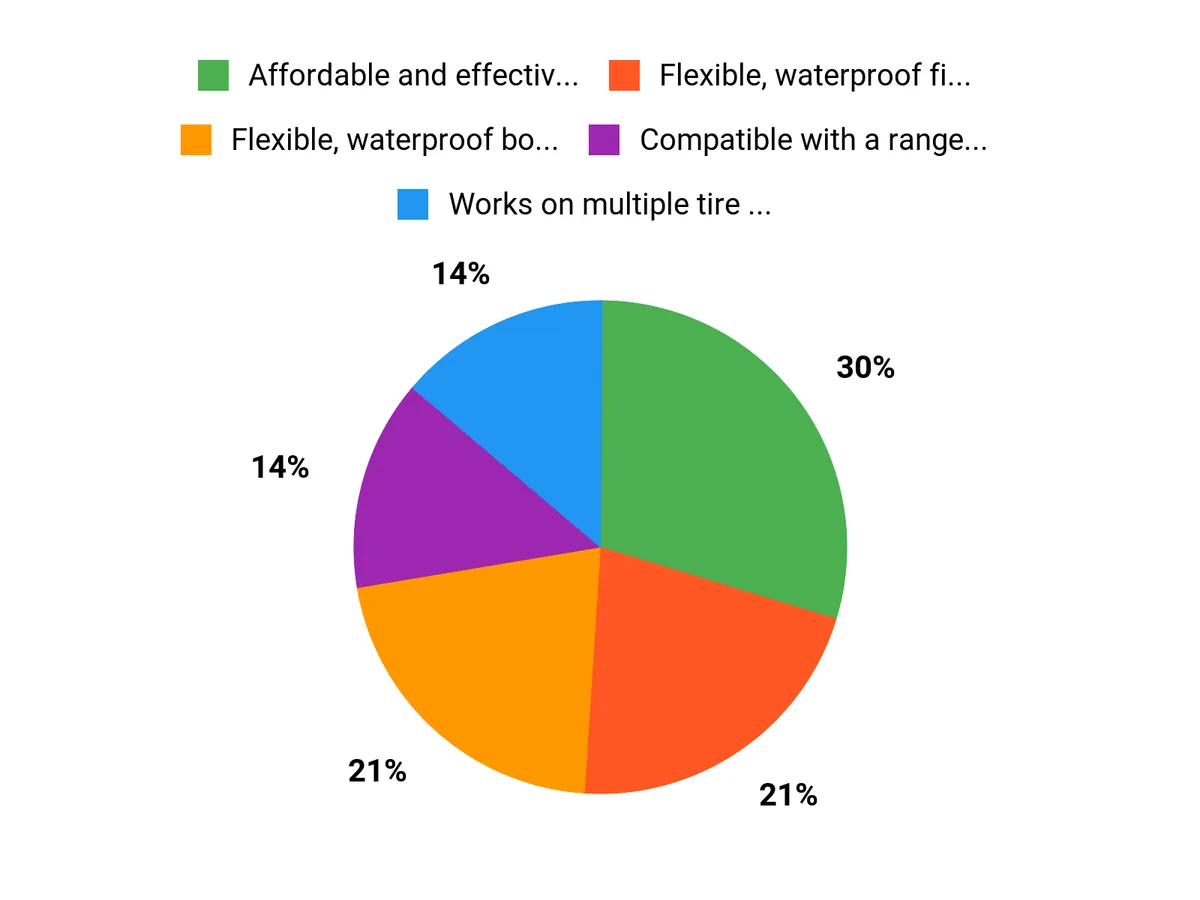
Buyer feedback summarized in the original review is generally positive about the glue’s flexible finish and ability to bond small rubber patches after careful cleaning. The repeated complaints are also practical: the tube may dry between uses, and adhesion becomes inconsistent when the surface is dirty, oily, wet, or covered with sealant residue.
Overall Sentiment: Positive, with preparation and storage caveats

How It Performs in Real Use
Bicycle Inner-Tube Patches
The glue is most practical when you already have a proper rubber patch but need fresh adhesive. Remove the tube, find the leak, clean and roughen the area, then follow the patch and adhesive directions. Carrying a spare tube is still the faster roadside option because this adhesive may require extended curing.
RC Tire Seams and Small Splits
RC tires place less public-road safety responsibility on the repair, and the black flexible bond suits small seams or loose tread rubber. Apply a small amount so you do not create a heavy, stiff spot that changes wheel balance or tire shape.
Minor Cosmetic Rubber Damage
For shallow surface scratches or small non-structural splits that are not leaking air and do not expose reinforcement, the glue can help seal the surface and reduce further peeling. Stop using the item if the damage continues to grow or the rubber is carrying a safety-critical load.
Car, Motorcycle, and Highway Tire Damage
This is where the product needs the strongest caveat. A sidewall flexes constantly and contains structural cords that carry load. Do not drive on a tire because an exterior glue layer appears to stop a leak. Install the spare, arrange roadside help, or have the tire inspected before returning it to service.
How to Use It Correctly
- Confirm the repair is appropriate. Do not attempt a DIY structural sidewall repair on a road-going tire. For tubes and other rubber items, check that the damage is small and the patch material is compatible.
- Clean and dry the surface. Remove dirt, oil, moisture, and old sealant. Use only a cleaner that is safe for the rubber and follow the product instructions.
- Lightly roughen the area. Create a uniform bonding surface without thinning or cutting the rubber.
- Apply a thin coat. Too much adhesive can slow curing and squeeze out around the patch.
- Press the repair firmly. Use steady pressure or an appropriate clamp without deforming the item.
- Allow the full cure. The original directions call for up to 24 hours before use. Keep the repair dry and undisturbed during that period.
- Inspect before use. Check for lifting edges, bubbles, leaks, or continuing damage. Do not use a safety-critical item if the repair is uncertain.
Pro Tip: Before opening the tube, prepare the patch, cleaning supplies, roughening tool, and clamp. Closing the cap immediately after dispensing reduces air exposure and may help keep the remaining adhesive usable.
Storage and Maintenance
Adhesive tubes commonly become less useful after opening because air reaches the product in the nozzle and cap. Wipe the tip, replace the cap tightly, and store the tube upright in a cool, dry place away from direct sun, heat, sparks, and open flame. Follow any storage warnings printed on the package.
Before relying on an older tube, squeeze out a small test amount. If the glue is hardened, separated, stringy, or difficult to spread, replace it rather than risk a weak bond.
Compatibility and Safety
Use the uncured adhesive in a ventilated area. Avoid skin and eye contact, keep it away from children, and keep it away from ignition sources. The article does not establish a specific chemical composition or safety certification, so the package label and safety directions should control.
For passenger-car and motorcycle tires, repairable punctures are generally limited to the tread area and require professional inspection from inside the tire. Sidewall punctures, bulges, exposed cords, and structural cuts should not be covered with glue and returned to road use.
Pros and Cons
Pros
- Flexible black bond is better suited to moving rubber than brittle household glue
- 50-gram tube provides enough adhesive for multiple small repairs when stored well
- Listing claims water, heat, and peeling resistance after curing
- Useful across bicycle tubes, RC tires, and non-structural rubber items
- Low-cost way to replace dried cement in an existing patch kit
Cons
- Not a safe structural sidewall repair for road-going car or motorcycle tires
- Does not include patches, tools, or a complete vehicle-tire repair system
- Opened adhesive can dry out, and the full cure is slow for roadside use
Is It Worth the Price?
LOCBONDSO Tire Repair Glue sits in the budget repair category. It offers strong value when you need a medium-size tube of flexible black adhesive for bicycle patches, RC tires, or occasional rubber repairs. It may also cost less than replacing a complete patch kit when only the cement has dried out.
The value drops if you need a true roadside system, because the package does not replace patches, tire-removal tools, inflation equipment, or professional inspection. It is also poor value when used to delay replacement of a structurally damaged road tire, where the safety risk is much greater than the cost of the adhesive.
How It Compares to Alternatives
For bicycle inner tubes, the Park Tool VP-1 Vulcanizing Patch Kit is a more complete choice because it includes patches and vulcanizing fluid. Slime also sells rubber cement and patch kits designed to work as a paired repair system. LOCBONDSO makes more sense when you already have suitable patches or need a larger tube of black flexible adhesive.
For off-road UTV and trail-tire damage, GlueTread offers dedicated external sidewall patch kits, but those products are designed for off-road use and still should not be confused with an approved highway-tire repair. For passenger-car tread punctures, professional internal inspection and a proper patch-plug repair are the safer comparison.
Why Customers Choose
Customers choose this glue because one compact tube can handle several types of small rubber repair. The dark color, flexible finish, and claimed resistance to water and heat make it more suitable for rubber than common rigid adhesives. The main buying decision is not simply whether the glue can bond rubber, but whether the damaged item is safe and appropriate to repair.
Frequently Asked Questions
Can it safely repair a car or motorcycle tire sidewall?
No exterior glue should be treated as a structural repair for a punctured, cut, bulging, or cord-damaged sidewall on a road-going tire. Use a spare or roadside service and have the tire inspected by a qualified professional.
What repairs suit this glue best?
It is best suited to compatible bicycle inner-tube patches, RC tire seams, and small non-structural rubber repairs. The damaged surface should be clean, dry, stable, and free of exposed reinforcement.
Is the glue enough to repair a bicycle tube?
Usually, no. You need a compatible patch, and you should follow the patch and tube maker’s instructions. A spare tube remains the quickest option during a ride.
How long should it cure?
The original product guidance calls for up to 24 hours before use. Keep the repair under suitable pressure and do not flex, inflate, or load it until the adhesive has cured as directed.
Will tire sealant or slime affect the bond?
Residue can prevent the adhesive from contacting the rubber evenly. Clean the area with a rubber-safe method and follow the tube, tire, sealant, and adhesive instructions before applying a patch.
How can you keep the tube from drying out?
Prepare the repair before opening the tube, dispense only what you need, wipe the tip, and replace the cap immediately. Store it in a cool, dry place and test older adhesive before relying on it.
Does waterproof and heat resistant mean the repair is road safe?
No. Those are adhesive-performance claims, not proof that a damaged tire has regained its original structural strength, load rating, or speed capability. Road-tire safety depends on the damage location, size, internal condition, and approved repair method.
Who should skip this product?
Skip it when you need a complete patch kit, an immediate roadside repair, or a fix for structural tire damage. It is also a poor choice when the repair surface cannot be cleaned, clamped, or left undisturbed for the full cure.
The Bottom Line
LOCBONDSO Tire Repair Glue is worth considering for cyclists with compatible patches, RC hobbyists, and DIY users repairing small non-structural rubber damage. Its flexible black bond and 50-gram size are useful, but the slow cure and limited repair scope make it unsuitable as a quick or structural fix for damaged road-tire sidewalls.
Ready to Buy?
Check the latest price, package details, and product directions before you decide.