

Disclosure: As an Amazon Associate, we earn from qualifying purchases. If you click a link on this page and make a purchase, we may receive a small commission at no extra cost to you.
A tire puncture repair is only as dependable as the materials and method behind it. Vereclue Chemical Vulcanizing Cement gives you an 8.5 fl oz can of clear, rubber-based adhesive with a built-in brush, but it is only one part of a complete repair setup. Its main strengths are controlled application and a short 3 to 5 minute wait before seating a compatible patch. Its main limitation is more important: it does not make an unsafe puncture repairable, and it should not be treated as a permanent plug-only fix for a passenger-vehicle tire.
TL;DR
|
Feature |
Verdict |
|---|---|
|
Overall Verdict |
Recommended with caveats for buyers who already have compatible patches, repair tools, and a safe repair procedure. |
|
Ease of Use |
The brush-top can helps you apply a thin, even coat without pouring excess cement. |
|
Working Time |
The listing directs you to wait 3 to 5 minutes before applying the patch, then allow the repair to cure before use. |
|
Compatibility |
Designed for rubber repair materials used with car, motorcycle, and bicycle tires, including inner tubes and compatible patch systems. |
Quick Verdict
Rating: 7.5/10, recommended with caveats
Best For: DIY users and repair technicians who need a brush-on cement for a compatible patch or plug-patch system.
Bottom Line: The 8.5 fl oz can, low-viscosity liquid, and built-in brush make controlled application straightforward. You still need the correct patch, tools, surface preparation, curing time, and a puncture that is safe to repair.
| Specification | Detail |
|---|---|
| Brand | Vereclue |
| Product type | Chemical vulcanizing cement for compatible rubber repairs |
| Volume | 8.5 fl oz |
| Item form | Clear, low-viscosity liquid |
| Base | Rubber-based |
| Container | One can with brush attached inside the cap |
| Application wait | 3 to 5 minutes before seating a compatible patch |
| Compatibility | Rubber repair applications for car, motorcycle, and bicycle tires, including compatible inner-tube and tire patch materials |
| Water resistance | Listed as not water resistant |
| Package contents | One 8.5 fl oz can; patches, plugs, rollers, reamers, and other repair tools are not included |
| Storage and handling | Cap tightly, store in a cool place, keep away from fire, use with ventilation, and keep out of children’s reach |
Chemical Vulcanizing Cement
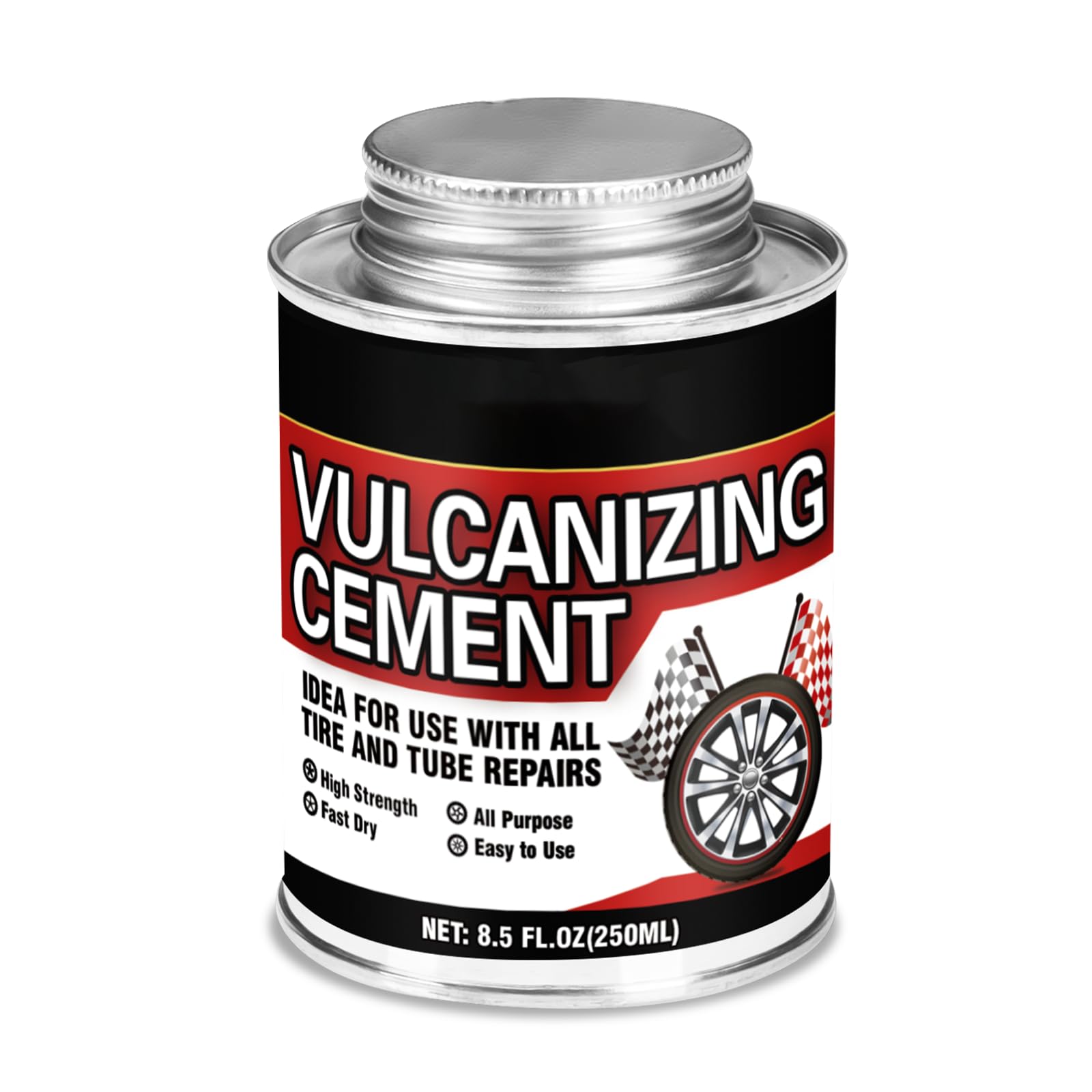
Vereclue Chemical Vulcanizing Cement comes in an 8.5 fl oz brush-top can. The clear, rubber-based liquid is designed for use with compatible tire patches and repair materials for car, motorcycle, and bicycle applications.
View Product on Amazon →What Is the Vereclue Chemical Vulcanizing Cement?
This product is a liquid rubber cement intended to help compatible patches and repair units bond to prepared rubber surfaces. The formula works at room temperature, so it does not require a heated curing machine for the basic application described by the listing.
The can holds 8.5 fl oz and includes a brush inside the cap for applying a thin, even layer. It is not a complete tire repair kit and does not include patches, plugs, a roller, buffing tools, or tire-removal equipment.
Who Should Buy It?
Best For
- You already own compatible patches, plugs, or plug-patch repair units.
- You repair bicycle inner tubes or other supported rubber items and want a larger brush-top can.
- You understand tire inspection and preparation, or you are supplying a trained repair technician.
Skip If
- You need a complete kit with patches, tools, and instructions matched as one system.
- Your tire has sidewall, shoulder, belt-edge, large, angled, or structural damage.
- You want an outside-in plug to serve as a permanent passenger-tire repair.
Before You Buy: Vulcanizing cement does not determine whether a tire is repairable. The U.S. Tire Manufacturers Association says passenger and light-truck puncture repairs should be limited to the tread area, generally no larger than 1/4 inch (6 mm), with the tire removed for inspection and both the injury channel and inner liner properly sealed. A plug alone or an outside-in repair is not an acceptable permanent repair. Review the USTMA tire repair guidance.
Feature-by-Feature Review
[Products Worth Considering]

TP-M13W combination repair unit kit includes wrapped stems with matching patches for fast, reliable tire repairs. It’s suitable for both radial and bias ply tires and is designed for chemical or heat vulcanization. Gray vulcanizing gum with blue backing helps create a strong bond, with the stem portion wrapped for added effectiveness.

This chemical vulcanizing cement promotes rubber vulcanization at room temperature, helping create durable tire repairs without heat. The included brush makes application easy, and the quick-drying formula with accelerators helps the repair cure faster for reliable patch or plug sealing. It’s suitable for cars, motorcycles, and bikes, supporting repairs for both inner tubes and outer tires.

This chemical vulcanizing cement cures rubber at room temperature, creating a strong bond for reliable tire patch and plug repairs. The fast-drying formula helps reduce vulcanization time, while the built-in brush makes application quick and even. Suitable for car, motorcycle, and bicycle tires, it supports repairs for tubeless tires, outer tires, and inner tubes.
Brush-Top Can and Application Control
The brush is the product’s clearest convenience feature. You can spread a small amount over prepared rubber without handling a separate applicator. A thin coat also makes it easier to judge when the surface has reached the correct tack.
The 8.5 fl oz size is better suited to repeated repairs than a small single-use tube. The tradeoff is storage: the cap must be cleaned and tightened after each use so the remaining cement does not thicken, evaporate, or leak.
Low-Viscosity, Clear Formula
The listing describes a clear, low-viscosity, rubber-based liquid. It spreads across a prepared surface and leaves less visible residue than a dark adhesive.
Low viscosity does not remove the need for careful preparation. Dirt, mold-release residue, moisture, loose rubber, or trapped air can weaken the repair even when the cement itself applies smoothly.
Three to Five Minute Tack Time
Vereclue instructs you to apply a thin coat and wait 3 to 5 minutes before seating the patch. That is a short working pause, not permission to inflate or drive immediately. The listing also tells you to let the cement solidify before use, but it does not provide a precise drive-ready time for every patch system.
Your safest approach is to follow both the cement label and the instructions supplied with the patch or repair unit. Different rubber compounds, temperatures, humidity levels, and repair materials can change how quickly the surface becomes ready.
Compatibility and Missing Components
The cement is marketed for automobile, motorcycle, and bicycle tire repairs, including tubeless tires, outer tires, and inner tubes. That broad label does not mean every patch, plug, tire construction, or repair method is compatible. Check the repair-unit instructions and tire manufacturer’s policy before mixing products from different systems.
The package contains the cement only. You still need the correct patch or plug-patch unit, surface-preparation tools, a roller when required, and safe tire-handling equipment. For passenger and light-truck tires, proper inspection requires demounting the tire from the wheel.
What People Say
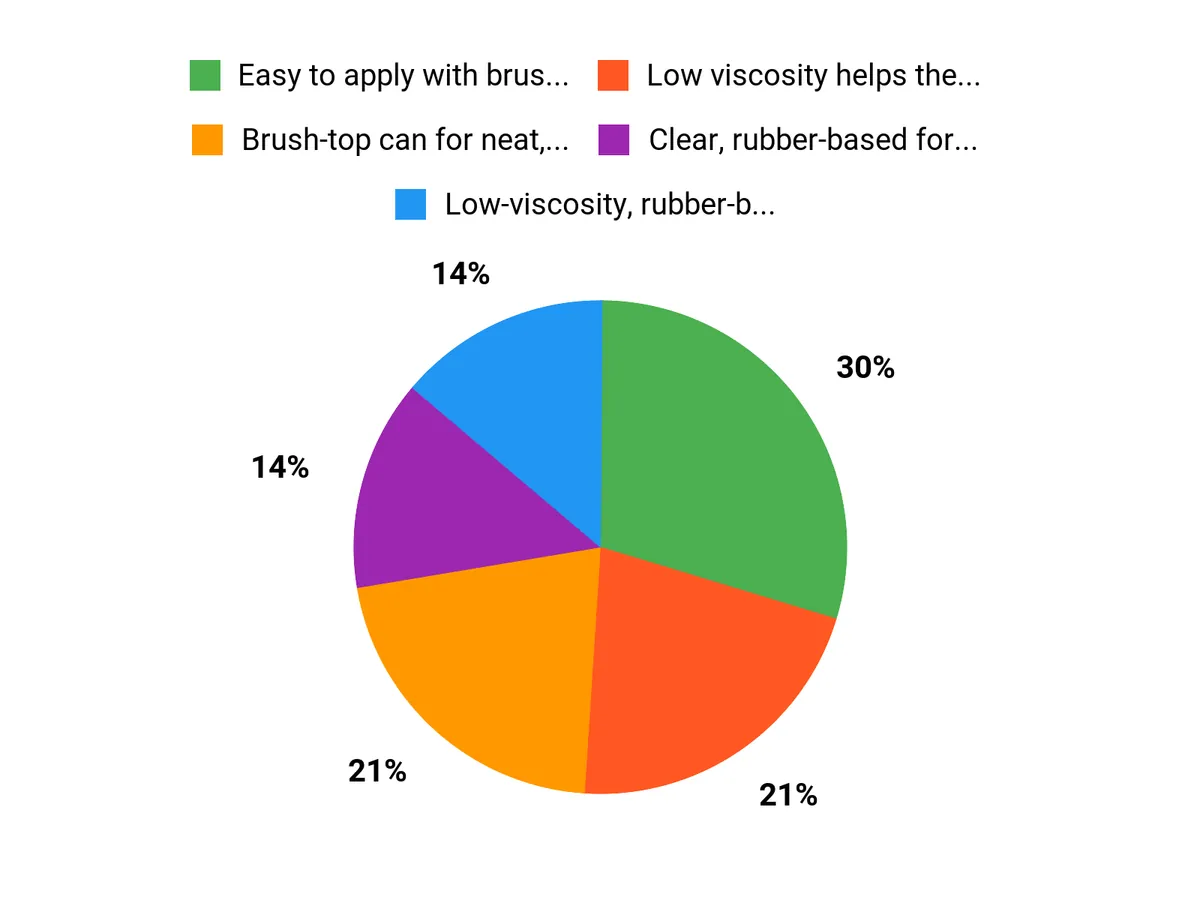
Buyer feedback focuses on easy brush application and a firm bond when the surface and patch are prepared correctly. Technique still matters: poor preparation, trapped air, or an incompatible repair unit can undermine the result.
Overall Sentiment: Positive, with results dependent on correct preparation and compatible materials.

Pros and Cons
Pros
- Built-in brush supports thin, controlled coverage.
- 8.5 fl oz can provides more material than a small patch-kit tube.
- Clear, low-viscosity liquid spreads easily on prepared rubber.
- Listing gives a clear 3 to 5 minute wait before patch placement.
- Marketed for compatible car, motorcycle, bicycle, tubeless-tire, and inner-tube repair materials.
Cons
- Not a complete kit, so patches and repair tools cost extra.
- Listed as not water resistant, making a complete, properly sealed repair especially important.
- Cannot make sidewall, shoulder, large, or structurally damaged tires safe to repair.
Durability and Bond Quality
A vulcanizing cement can support a durable bond when it is paired with the right repair material and applied to clean, dry, properly prepared rubber. The brush and low-viscosity liquid help with coverage, but they cannot correct contamination, a poor patch fit, insufficient rolling pressure, or damage outside the repairable zone.
The listing identifies the product as not water resistant. For a tire repair, that means you should not depend on exposed cement as the final moisture barrier. The repair unit must seal the inner liner or tube correctly, and the injury channel must be filled when the tire type and repair standard require it.
How It Performs in Real Use
For Bicycle Inner Tubes
The brush can be convenient when you repair several compatible inner-tube patches and do not want to squeeze cement from a tiny tube. Clean and lightly prepare the area, use only the amount required by the patch instructions, wait until the cement reaches the stated tack, and press the patch without trapping air.
For Motorcycle Tire or Tube Repairs
The listing includes motorcycle applications, but motorcycle tire policies vary by manufacturer, tire type, speed rating, damage location, and repair method. Use the cement only with an approved repair unit and follow the tire maker’s instructions. When the repairability is uncertain, have a motorcycle-tire professional inspect it.
For Passenger-Car and Light-Truck Tires
This cement is best viewed as a shop or trained-DIY supply, not as proof that an on-wheel plug is permanent. A proper repair requires tire removal, internal inspection, a repairable tread puncture, a filled injury channel, and an inner-liner patch or combination unit. Sidewall and shoulder damage should not be patched with this product.
For Garage Storage and Occasional Use
An 8.5 fl oz can may cover multiple jobs if you protect the remaining liquid. Close it promptly and store it upright in a cool, ventilated place away from flames, sparks, heat, and children.
How to Use It Correctly
- Confirm the damage is repairable. Do not use cement to cover sidewall, shoulder, large, angled, overlapping, or structural damage.
- Follow the repair system. Use a patch or repair unit approved for the tire or tube and follow its preparation instructions.
- Clean and prepare the rubber. The area should be dry and free of dirt, loose rubber, and contamination before light buffing.
- Brush on a thin coat. Cover only the prepared bonding area without flooding it.
- Wait 3 to 5 minutes. The listing says the surface should no longer look wet or stringy before the patch is applied.
- Seat the patch evenly. Remove trapped air and use the pressure or roller method specified by the patch maker.
- Allow the repair to cure. Do not inflate, load, or drive on the repair until the cement and repair-unit instructions say it is ready.
Pro Tip: Before opening the can, arrange the patch, roller, cleaning materials, and other tools in reach. This prevents the prepared surface from collecting dust while you search for a missing part.
Compatibility and Safety
The listing instructs you to keep the cement away from fire, use good ventilation, avoid prolonged skin contact and vapor inhalation, tighten the cap, and store it in a cool place away from children. These repair materials can release vapors and may be flammable.
Wear suitable gloves, avoid smoking or sparks, and do not use the cement in a closed vehicle. Do not use a leaking or damaged can, and follow the label and local disposal rules.
Frequently Asked Questions
How do you apply Vereclue vulcanizing cement?
Clean and prepare the rubber according to the patch instructions, then brush on a thin, even coat. Wait 3 to 5 minutes before placing the compatible patch, remove trapped air, and allow the completed repair to cure before use.
Does the can include tire patches or plugs?
No. The package is listed as one 8.5 fl oz can of cement. You need to supply compatible patches, plugs or plug-patch units, preparation tools, and any required roller or tire-removal equipment.
Can it permanently repair a passenger-car tire plug?
Cement does not turn an outside-in plug into a proper permanent repair. Industry guidance calls for removing and inspecting the tire, filling the injury channel, and sealing the inner liner with a patch or combination repair unit when the puncture is within repair limits.
Can you use it on a tire sidewall?
Do not use it to justify a sidewall or shoulder repair on a passenger or light-truck tire. Those areas flex heavily and fall outside standard puncture-repair zones, so the tire should be evaluated for replacement.
Will it work with bicycle inner-tube patches?
The listing includes bicycle tires and inner tubes, but patch compatibility still matters. Confirm that the patch maker allows chemical vulcanizing cement, then follow that patch system’s preparation and curing directions.
How long should you wait before using the repaired tire or tube?
The product listing gives a 3 to 5 minute wait before patch placement, then says to allow the cement to solidify before use. Because it does not state one drive-ready time for every repair system, follow the patch instructions and do not inflate or load the repair early.
Is the cement waterproof?
The listed water-resistance level is not water resistant. The completed patch or repair unit must create the proper seal, so do not leave cement exposed and assume it will serve as a waterproof coating.
How should you store the opened can?
Clean the rim, tighten the cap, keep the can upright, and store it in a cool place with good ventilation. Keep it away from flames, sparks, heat, direct sun, and children, and follow the label for shelf-life or disposal guidance.
Why You’d Choose It
You would choose Vereclue Chemical Vulcanizing Cement for the practical brush-top can, the 8.5 fl oz quantity, and the clear, low-viscosity liquid. It makes the most sense when you already have a compatible repair system and need replacement cement rather than a full kit.
You should choose something else when you need matched patches and tools, manufacturer-backed repair instructions, or a professional assessment of a passenger, light-truck, or motorcycle tire.
Is It Worth the Price?
This is a value-focused consumable rather than a complete repair solution. The larger can may offer better value than repeatedly buying small tubes if you perform several compatible repairs and can store it correctly between uses.
It is less compelling for a one-time repair because you still need the patch, tools, and safe inspection process. It is also not worth buying as a shortcut around professional tire service when the puncture location, size, or internal damage is uncertain.
[Products Worth Considering]

Vigorder rubber cement glue delivers superior adhesion and cures quickly within about 30 seconds for seamless rubber bonding. Once cured, it helps provide a strong, durable, waterproof seal that holds up to vehicle weight, pressure, and heat. Suitable for cars, motorcycles, trucks, bicycles, and off-road tires, it’s designed for emergency patch and maintenance repairs.

Mosconly tire repair glue and nail kit delivers an elastic, waterproof bond for quick sidewall puncture repairs. The adhesive cures securely to help prevent peeling, flaking, and tearing, while the included nails support a strong, seamless repair. Designed for easy roadside use, it works on car, motorcycle, bike, and other tire types, with full curing within 24 hours.

This self-service tire repair nail kit includes 60 pieces (30 small + 30 large) to help seal punctures quickly without needing an auto shop visit. The nails are designed to fit different hole sizes and provide a tight connection with sealing glue to help prevent air and water intrusion. Suitable for cars, motorcycles, trucks, and other vehicles, it’s an easy, efficient way to patch roadside tire damage.
How It Compares to Alternatives
Products such as PREMA PFC-8 and Xtra Seal 14-008 are worth comparing when you prefer cement from a dedicated tire-repair system with matching patches and procedures. A complete bicycle patch kit may be a better choice for occasional riders because it bundles a small cement tube, patches, and surface-preparation material.
Vereclue makes the most sense when you want a larger brush-top can and already know which compatible repair units you will use. Buyers starting from scratch should compare the total cost of cement, patches, tools, and professional inspection rather than judging the can alone.
[Products Worth Considering]

Steelman white tire marking crayons provide high-contrast, semi-permanent marks for repairing and inspecting tires and equipment. They write on wet or dry, smooth or coarse surfaces including rubber, metal, glass, and wood, making them ideal for puncture location and damage outlining. The lead- and zinc-free crayons resist weather and fading yet wipe away when you no longer need the marks.

Wykodra tire plugs provide quick vulcanizing repairs for tubeless tires, helping you seal punctures and get back on the road. The industrial-strength rubber creates a long-lasting, leak-resistant bond and is designed for emergency fixes without removing the tire. Choose between two standard plug sizes with color-matched options for small to larger damage across many vehicles and off-road uses.

This 60-piece tire repair nail kit provides a fast, do-it-yourself way to seal punctures on tubeless car, motorcycle, and SUV tires without removing the tire. Simply align, twist clockwise, and finish in seconds for a reliable sealing effect that helps prevent water intrusion. The kit includes tire glue and durable rubber-and-steel repair nails for strong adhesion and long-lasting repairs.
The Bottom Line
Vereclue Chemical Vulcanizing Cement earns a 7.5/10 for controlled brush application, a useful 8.5 fl oz quantity, and clear 3 to 5 minute patch-placement guidance. Buy it when you already have compatible repair materials and understand the correct procedure; skip it when you need a complete kit or are trying to repair sidewall, shoulder, large, or structurally unsafe tire damage.
Ready to Buy?
Check the latest price, label details, and package information before you decide.
