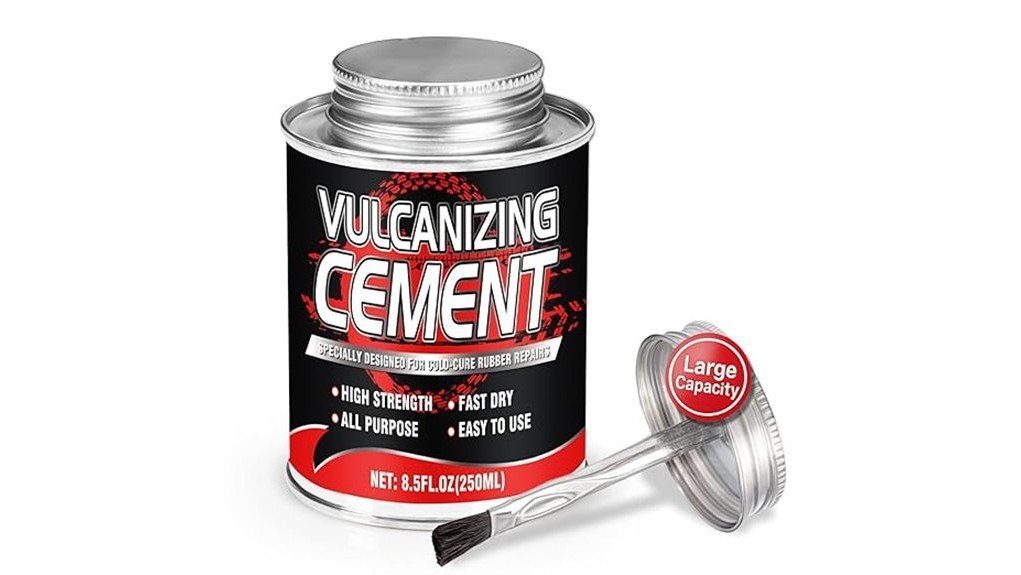
Vigorder Chemical Vulcanizing Cement Review
A small tire puncture is only worth repairing when the tire or tube is still safe and the repair materials match the job. Vigorder Chemical Vulcanizing Cement is a brush-on rubber cement made for patch and plug work on car, motorcycle, and bicycle tires. It gives you an 8.5 fl oz / 250 ml can with a built-in brush, so it is better suited to repeated garage use than a tiny single-use tube.
This review helps you decide whether the Vigorder LHJ01 cement belongs in your tire repair supplies. Its main strength is simple room-temperature application with no heat required, but it is not a complete repair kit and it should never be used to fix unsafe sidewall or shoulder damage.
Quick Verdict
Rating: 8.2/10, Recommended with caveats
Best For: Drivers, riders, and cyclists who already have compatible patches, plugs, and repair tools.
Bottom Line: Vigorder Chemical Vulcanizing Cement is a practical buy if you need a brush-on rubber cement for small, safe repair jobs. Skip it if you need a full tire repair kit or if the tire damage is outside the safe tread repair area.
Key Specs
| Specification | Detail |
|---|---|
| Brand | Vigorder |
| Model | LHJ01 |
| Part Number | LHJ03 |
| ASIN | B0FJM2P5KG |
| Product Type | Chemical vulcanizing cement / rubber tire repair glue |
| Design | Brush-top can for thin, controlled application |
| Volume | 8.5 fluid ounces / 250 ml |
| Material / Color | Rubber / clear |
| Package Quantity | 1 can |
| Item Weight | 0.28 kilograms |
| Included Component | Vulcanizing cement, 250 ml |
| Compatibility | Listed for car, motorcycle, and bicycle tires, including tubeless tires, outer tires, and inner tubes |
| Application Note | Apply a thin, even layer and wait 3 to 5 minutes before placing the patch or plug |
| Warranty Listing | Amazon product information lists “3 Year Manufacturer.” Check the current seller terms before buying. |
| Safety Note | Use only on repairable tire or tube damage. Do not use for sidewall, shoulder, large, or internally damaged tire repairs. |
What Is Vigorder Chemical Vulcanizing Cement?
Vigorder Chemical Vulcanizing Cement is a clear rubber bonding cement for tire repair work. It is designed to help compatible patches or plugs bond to prepared rubber at room temperature. The Amazon listing says no heat is required.
The brush cap is the main convenience feature. Instead of squeezing cement from a small tube, you can brush a thin layer over the prepared repair area, wait the listed 3 to 5 minutes, then place the patch or plug according to your repair kit instructions.
This product is the cement only. You still need the correct patch, plug, scraper, buffer, reamer, or other tire repair tools for the job you are doing.
Who Should Buy It?
Best For
- Garage users who patch safe tire punctures often enough to want more than a tiny tube of cement
- Motorcycle, bicycle, and car owners who already have compatible patch or plug supplies
- Emergency repair kits where a brush-top 8.5 fl oz can is easier to use than small squeeze tubes
Skip If
- You need a complete kit with patches, plugs, tools, and tire prep supplies included
- The tire has sidewall damage, shoulder damage, visible cord damage, or a large puncture
- You want a one-time bicycle tube repair and do not need a larger can for future use
Before You Buy: This cement does not make every tire safe to repair. Passenger car tire punctures should stay within the safe tread repair area, and the tire should be inspected for internal damage when safety matters.
[Products Worth Considering]

Get back on the road fast with this compact tire plug repair kit for tubeless tires. It includes self-vulcanizing rubber plugs, T-handle rasp and insert tools, and a storage box that fits in your glove compartment for easy access. Also included are a 4-way valve steam tool set with valve cores and caps for added roadside convenience.

This chemical vulcanizing cement promotes rubber vulcanization at room temperature, helping create durable tire repairs without heat. The included brush makes application easy, and the quick-drying formula with accelerators helps the repair cure faster for reliable patch or plug sealing. It’s suitable for cars, motorcycles, and bikes, supporting repairs for both inner tubes and outer tires.

This chemical vulcanizing cement cures rubber at room temperature, creating a strong bond for reliable tire patch and plug repairs. The fast-drying formula helps reduce vulcanization time, while the built-in brush makes application quick and even. Suitable for car, motorcycle, and bicycle tires, it supports repairs for tubeless tires, outer tires, and inner tubes.
Key Features
Room-Temperature Vulcanizing
The listing describes this as a chemical vulcanizing cement that cures rubber materials at room temperature. That matters because you do not need a heat tool for normal use. It is still important to let the cement and patch cure as directed before putting the tire or tube back into service.
Built-In Brush Applicator
The brush-top design helps you apply a thin, even coat. That is useful because too much cement can create a messy repair and may not improve the bond. A controlled coat is easier to manage on bicycle tubes, small rubber patches, and prepared tire repair areas.
8.5 fl oz / 250 ml Can
The larger can is one of the main reasons to choose this product over a small tube. It makes more sense for a garage shelf, shop drawer, or repeated repair use. The tradeoff is storage: once opened, the cap must be sealed tightly so the cement does not thicken or cure around the brush.
Broad Tire Compatibility
The listing says it can be used with car, motorcycle, and bicycle tires. It also lists tubeless tires, outer tires, and inner tubes. That makes it flexible, but compatibility still depends on the patch or plug system you use with it.
Compatibility and Safety
Use Vigorder Chemical Vulcanizing Cement only as part of a proper repair process. For bicycle inner tubes, that usually means cleaning and drying the tube, roughening the patch area if your patch instructions require it, applying cement, waiting for tack time, and pressing the patch firmly into place.
For passenger vehicle tires, be more cautious. External plugs and quick fixes can help in some situations, but a safe repair often requires removing the tire and checking the inside for damage. Do not use this cement on sidewalls, shoulders, long cuts, damaged cords, or tires that have been driven flat.
Store the can in a cool, dry place away from direct sunlight, heat, sparks, and open flame. Follow the product label and repair kit directions, and replace the cement if the brush hardens or the contents no longer spread smoothly.
How to Use It Correctly
Start with a clean, dry repair area. Remove loose debris, moisture, and dirt before applying the cement. If your patch kit calls for roughening the rubber, do that before brushing on the cement.
Apply a thin, even layer with the built-in brush. The listing says to wait 3 to 5 minutes before sticking the patch or plug. Press the repair component firmly into place, then allow the glue to fully cure before using the tire or tube.
Pro Tip: Do not treat thicker cement as better. A clean surface, correct tack time, firm pressure, and the right patch or plug matter more than using a heavy coat.
How It Performs in Real Use
For Garage Tire Repair Supplies
This cement is most useful when you already keep tire repair tools nearby. The 8.5 fl oz can gives you more working volume than small tube-style cement, and the brush makes repeat use easier.
For Bicycle Inner Tube Patches
For bicycle tubes, the brush can help cover the patch area cleanly. The can is larger than most cyclists need for one repair, but it can be handy for a family garage, repair bench, or frequent rider who patches tubes instead of replacing them every time.
For Motorcycle and Car Tire Patch Work
The listing supports motorcycle and car tire use, but the repair location matters. Use it only with compatible repair materials and only when the tire is otherwise repairable. If the puncture is near the shoulder or sidewall, replacement or professional inspection is the safer choice.
For Emergency Backup Use
It can fit into a larger emergency tire repair setup, but it is not the whole setup by itself. You still need the right repair parts and tools, and you need enough time for proper preparation and cure before relying on the repair.
What Buyers Are Saying
Based on Amazon customer reviews at review time, feedback is generally positive but not perfect.
- Praise: Several reviewers mention good adhesive quality for rubber and tire patch work.
- Praise: Some buyers like the brush applicator and say the cement is easy to apply.
- Watch-out: Adhesion feedback is mixed, with some buyers reporting patches coming loose or weaker hold than expected.
Pros and Cons
Pros
- Works at room temperature with no heat required, according to the listing
- Built-in brush helps with thin, controlled application
- 8.5 fl oz / 250 ml size suits repeated garage or repair bench use
- Listed for car, motorcycle, bicycle, tubeless tire, outer tire, and inner tube repairs
- Clear rubber cement is easy to see while applying without adding a dark residue
Cons
- Not a complete tire repair kit with patches, plugs, and tools included
- Buyer feedback on adhesion is mixed, so surface prep and correct use matter
- Not suitable for sidewall damage, shoulder damage, large punctures, or unsafe tire injuries
Is It Worth the Price?
Vigorder Chemical Vulcanizing Cement sits in the budget utility category because it is a single can of cement, not a full repair system. It can be a strong value if you already own compatible tire patches, plugs, and prep tools.
You get the most value from it if you patch tires or tubes more than once and want a brush-on applicator with enough cement for repeated jobs. It is less appealing if you only need one quick bicycle tube repair or if you still need to buy all the other repair parts.
The honest limitation is simple: cement quality cannot make up for an unsafe tire injury, poor surface prep, or the wrong repair method. Buy it as a repair supply, not as a substitute for proper tire inspection.
[Products Worth Considering]

Vigorder rubber cement glue delivers superior adhesion and cures quickly within about 30 seconds for seamless rubber bonding. Once cured, it helps provide a strong, durable, waterproof seal that holds up to vehicle weight, pressure, and heat. Suitable for cars, motorcycles, trucks, bicycles, and off-road tires, it’s designed for emergency patch and maintenance repairs.
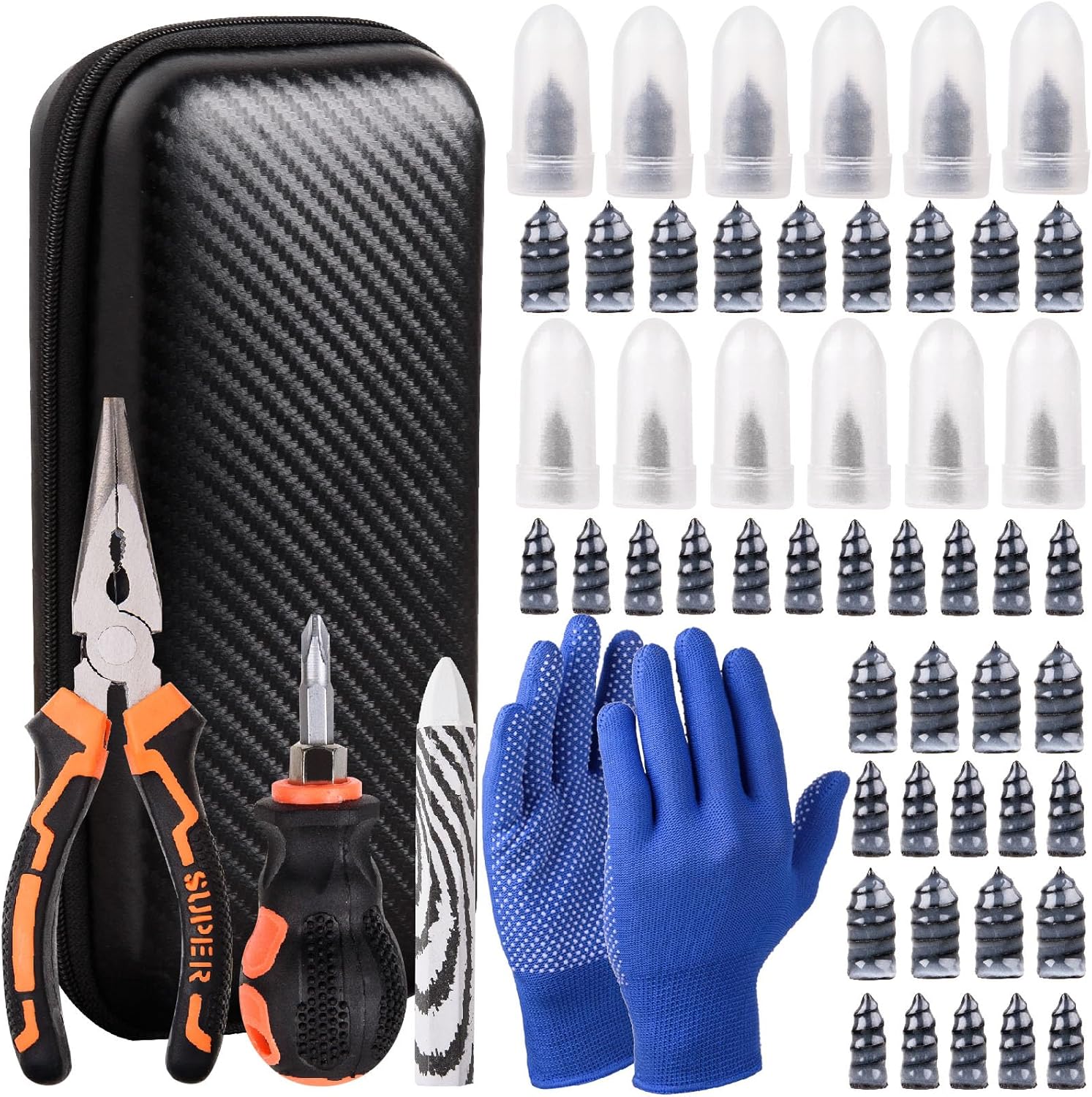
This tire sidewall puncture repair kit fixes flats fast without removing the tire, helping you get back on the road in minutes. It includes self-tapping repair nails, essential tools, gloves, and a portable storage bag for convenient roadside use. Designed for tubeless tires, it helps create a tight, leak-resistant seal for cars, motorcycles, trucks, SUVs, and ATVs.

Mosconly tire repair glue and nail kit delivers an elastic, waterproof bond for quick sidewall puncture repairs. The adhesive cures securely to help prevent peeling, flaking, and tearing, while the included nails support a strong, seamless repair. Designed for easy roadside use, it works on car, motorcycle, bike, and other tire types, with full curing within 24 hours.
How It Compares to Alternatives
X-tra Seal Chemical Vulcanizing Cement, Slime Rubber Cement, and Rema Tip Top Vulcanizing Fluid are common alternatives to compare. Slime may be easier to find in small consumer repair kits, while Rema Tip Top is often associated with bicycle tube patching.
The Vigorder cement makes the most sense if you want an 8.5 fl oz brush-top can for repeated tire and tube repair use. If you want a compact travel kit with patches and tools included, a complete patch kit may be easier than buying cement by itself.
[Products Worth Considering]

Rhino USA’s 86-piece tire repair kit provides everything you need for quick, emergency flat repairs, including a reamer and plug insertion tool plus 60 reusable tire plugs. The heavy-duty, metal-handled design helps you fix punctures from nails and screws on tubeless tires for cars, trucks, motorcycles, ATVs, UTVs, and more. A high-visibility compact case stores easily for on-the-go use, with illustrated instructions to help you complete repairs with confidence.

This tire repair screw set includes self-tapping plugs and a screwdriver to help you quickly complete tubeless tire repairs for many vehicle types. The set provides two rubber screw diameters for different puncture needs and uses a sealant-coated screw tip to help prevent air leakage and water entry. It’s designed for secure fixing with wear-resistant metal-and-rubber construction.

The AUTOWN 31-piece flat tire repair kit helps you quickly fix punctures and get back on the road. It includes a T-handle and spiral probe for easy plug insertion, plus a portable storage case for convenient carry. Designed for multiple vehicle types, this kit supports repairs for cars, motorcycles, ATVs, tractors, and more with reliable sealing.
Frequently Asked Questions
Is Vigorder Chemical Vulcanizing Cement a complete tire repair kit?
No. This listing is for the vulcanizing cement, not a full kit. You still need compatible patches, plugs, prep tools, and the right repair method for your tire or tube.
Can I use it on bicycle inner tubes?
Yes, the listing says it supports inner tube repairs, including bicycle use. Use it with a compatible patch, clean and dry the tube first, and follow the patch kit instructions.
How long should I wait before applying the patch or plug?
The Amazon listing says to brush on a thin, even layer and wait 3 to 5 minutes before applying the patch or plug. After that, allow the glue to fully cure before using the tire or tube.
Can I use it on punctures near the tire sidewall?
No. Do not use this cement to repair sidewall or shoulder tire damage. Puncture repairs should stay within the safe tread repair area, and questionable tires should be inspected by a qualified tire professional.
Why would a patch fail after using vulcanizing cement?
Common causes include dirt, moisture, poor surface prep, applying too much cement, using the wrong patch, or not waiting for the correct tack time. The tire or tube also has to be safe and suitable for repair.
How should I store the can after opening?
Seal the can tightly after each use. Store it in a cool, dry place away from direct sunlight, heat, sparks, and open flame, and replace it if the cement hardens or no longer spreads correctly.
Who should skip this product?
Skip it if you need a full repair kit, if your tire has unsafe damage, or if you only need one small patch and do not want to store a larger can. It is best for buyers who already understand basic patch or plug repair steps.
The Bottom Line
Vigorder Chemical Vulcanizing Cement is a useful brush-on rubber cement for small, safe tire and tube repair jobs when you already have compatible patches, plugs, and tools. Its best strengths are the 8.5 fl oz / 250 ml volume, built-in brush, and room-temperature use.
Skip it if the tire damage is on the sidewall or shoulder, if the tire may have internal damage, or if you need a complete kit instead of cement alone. Overall, it is recommended with caveats for careful buyers who will use it within proper repair limits.