
Tire Repair Glue Review: Quick and Effective Solutions
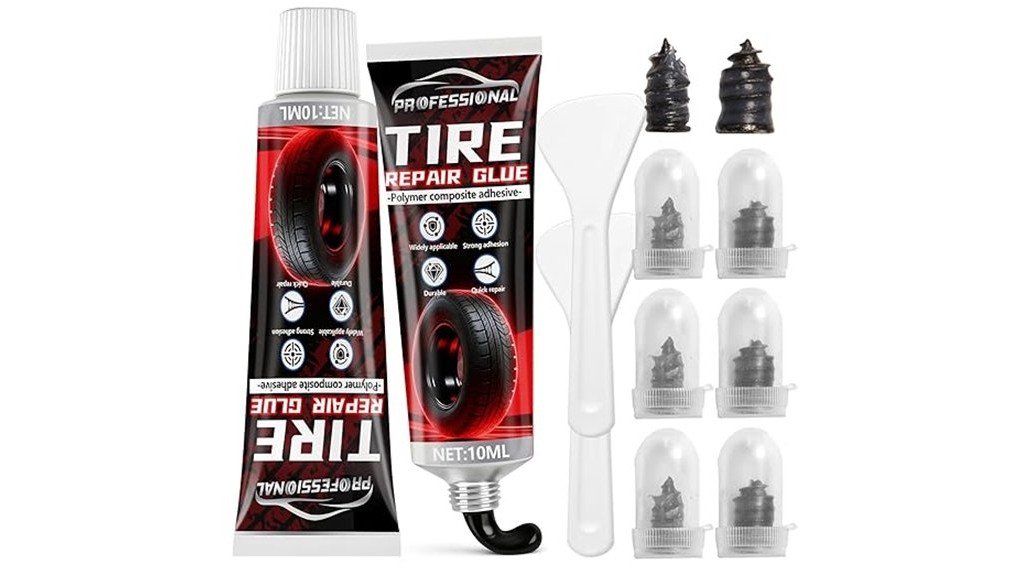
Mosconly Tire Repair Glue Review
A small tire leak can leave you deciding between a quick roadside fix and a safer professional repair. Mosconly Tire Repair Glue is a compact 20 ml black rubber cement and tire repair nail kit made for minor rubber sealing jobs and emergency tire leaks. It includes two nail sizes, which helps you match the repair piece to the puncture opening instead of forcing one size into every situation.
This review explains what the kit can do, where its limits are, and why road-tire safety matters. The short version is simple: Mosconly Tire Repair Glue can be useful as a temporary emergency helper, but it should not replace a proper tire inspection for passenger or light-truck tires used on public roads.
Quick Verdict
Rating: 8.1/10, recommended with caveats
Best For: Drivers, riders, and DIY users who want a small emergency kit for minor rubber leaks and short-term sealing.
Bottom Line: Mosconly Tire Repair Glue is easy to store, includes two nail sizes, and uses a waterproof black rubber cement formula. The tradeoff is that it is not a certified permanent repair for unsafe road-tire damage, especially sidewall, shoulder, large, or structural tire injuries.
[Products Worth Considering]

This tire repair kit provides fast emergency puncture repair without removing the tire from the rim, helping you get back on the road quickly. Its screw plug system is designed for punctures in both tread and sidewall and includes a complete patch plug tool set with essential accessories. A portable storage bag makes it easy to carry for cars, trucks, SUVs, motorcycles, and heavy-duty applications.

This tire repair patch tool kit helps you quickly seal small punctures using upgraded mushroom plugs and a built-in roller system that presses for even penetration. The tungsten buffing wheel and HSS twist drill bits prepare the damaged surface for stronger adhesion, while the crown-angle friendly plugs are designed to keep water and debris out. Ideal for puncture repairs on many vehicle types, from cars and trucks to bikes and scooters.

Use this tire repair rubber screw kit for fast, self-service flat fixes on the road. Choose the matching short or long nail size and twist it into the puncture without removing the tire from the rim. Compact storage keeps the emergency set organized for cars, motorcycles, electric bikes, and bicycles, helping you seal tubeless leaks quickly and reliably.
Key Specs
| Specification | Detail |
|---|---|
| Brand | Mosconly |
| Model / Style | ltjs-02-20ml / tire repair glue and nail kit |
| ASIN | B0FRS52D1X |
| Product Type | Black rubber cement tire repair glue with repair nails |
| Color | Black |
| Volume | 20 milliliters |
| Item Form | Liquid |
| Material | Rubber |
| Compatible Material | Rubber |
| Claimed Features | Waterproof, weather resistant, high elasticity, quick repair, and portable use |
| Quick Repair Claim | About 30 minutes for quick repair according to the listing |
| Full Cure Time | 24 hours |
| Number of Pieces | 10 |
| Included Components | Tire repair glue and tire repair nails |
| Claimed Compatibility | Cars, bicycles, trucks, motorcycles, remote control cars, rubber trim, seals, and similar rubber components |
| Amazon Rating at Review Time | 4.4 out of 5 from 113 global ratings |
| Safety Note | Best treated as an emergency helper, not a permanent road-tire repair for structural damage |
What Is the Mosconly Tire Repair Glue?
Mosconly Tire Repair Glue is a black liquid rubber cement kit designed for quick tire and rubber repair tasks. The listing identifies it as a 20 ml tire repair glue and nail kit with two nail sizes, which gives you more flexibility when dealing with small puncture openings.
The glue is listed as waterproof, weather resistant, high viscosity, and compatible with rubber. The product page also markets it for cars, bicycles, trucks, motorcycles, remote control cars, rubber trim, seals, and similar rubber components.
That broad compatibility does not mean every tire injury is safe to repair. For a public-road vehicle, the safer way to view this kit is as an emergency item that may slow air loss long enough to get to a safer place or a tire shop.
Before You Buy: Do not treat this glue as a permanent fix for passenger or light-truck tire sidewall damage, shoulder damage, exposed cords, bulges, deep cuts, or repeated air loss. Those issues need replacement or a professional tire inspection.
Who Should Buy It?
Best For
- Drivers who want a compact emergency tire repair item in the car.
- Bike, motorcycle, truck, or small utility tire owners dealing with minor rubber leaks.
- DIY users who want two repair nail sizes for small and wider puncture openings.
Skip If
- You need a certified permanent repair for a road tire used at highway speed.
- Your tire has sidewall damage, shoulder damage, a bulge, exposed cord, or a deep cut.
- You drove on a flat or badly underinflated tire before finding the leak.
Feature-by-Feature Review
20 ml Black Liquid Rubber Cement
The verified listing shows a 20 ml liquid adhesive in black. That small size makes the kit easy to store in a glove box, motorcycle bag, bike repair pouch, garage drawer, or compact tool kit.
The tradeoff is capacity. A 20 ml tube makes sense for small emergency sealing jobs, but it may feel limited if you expect a large workshop-size tire repair supply.
Two Repair Nail Sizes
The product title and listing mention two nail sizes. This matters because puncture openings are not always the same width, and matching the repair nail to the opening can make placement easier.
You should still avoid forcing a repair nail into damage that is too large, ragged, or close to the sidewall area of a road tire. If the puncture looks severe, do not rely on glue as the main safety solution.
30-Minute Quick Repair Claim
The listing says the rubber cement can complete quick repairs in about 30 minutes, with a complete repair time of 24 hours. That means the product may help in a minor emergency, but the full cure time still matters before the repair is placed under heavier load.
For vehicle tires, the safer move is to use the repair only as a short-term aid and then have the tire checked. A tire can hide internal damage after being driven low on air, even when the outside puncture looks small.
Waterproof and Weather-Resistant Claims
Mosconly lists the glue as waterproof and weather resistant. That is helpful for rubber surfaces that may face rain, road spray, or outdoor storage after the adhesive cures.
Those claims do not remove the need for correct surface prep. Dirt, water, oily residue, and loose rubber can weaken the bond, so the surface should be clean and dry before you apply adhesive.
Portable Emergency Format
The kit is small, simple, and easy to keep nearby. That makes it more useful as an emergency backup than as a full shop-level repair system.
For a car or truck, pair it with a tire pressure gauge, portable inflator, and the correct spare-tire plan. Glue alone cannot tell you whether the tire casing is safe for continued driving.
How It Performs in Real Use
For Small Tread-Area Leaks
For a small, simple tread-area leak, Mosconly Tire Repair Glue may help slow air loss as a temporary measure. You still need to monitor pressure afterward and avoid assuming the tire is safe just because the leak slows down.
For Sidewall or Shoulder Damage
This is where you should be very cautious. The listing markets sidewall rubber repair, but passenger and light-truck road tires with sidewall or shoulder damage should not be treated as safely repairable with a surface glue-and-nail kit.
For Bikes, Motorcycles, and Utility Tires
The listing mentions bicycles, motorcycles, trucks, and remote control cars. For smaller rubber repair tasks, the compact tube and two nail sizes may be useful, but tire type, speed, load, and damage location still matter.
For Travel and Emergency Backup
The kit makes the most sense as a small item you keep for unexpected leaks. It is easier to store than a large repair kit, but you should not expect it to replace a spare tire, a plug-patch repair, or a technician’s inspection.
Pro Tip: After using any emergency tire repair product, check tire pressure before driving, again after a short distance, and again after the full 24-hour cure window. Repeated pressure loss means the repair did not solve the problem.
How to Use It Correctly
Start by cleaning and drying the rubber around the puncture. Remove loose dirt, moisture, and debris because they can weaken the adhesive bond.
Select the repair nail size that best fits the opening. Apply rubber cement to the puncture area, tighten the nail as directed by the listing, then apply more adhesive around the surface for reinforcement.
Allow the adhesive to cure fully before putting the repair under more load. The listing mentions quick repair in about 30 minutes, but also gives a 24-hour full cure time, so the longer window is the safer reference point.
[Products Worth Considering]
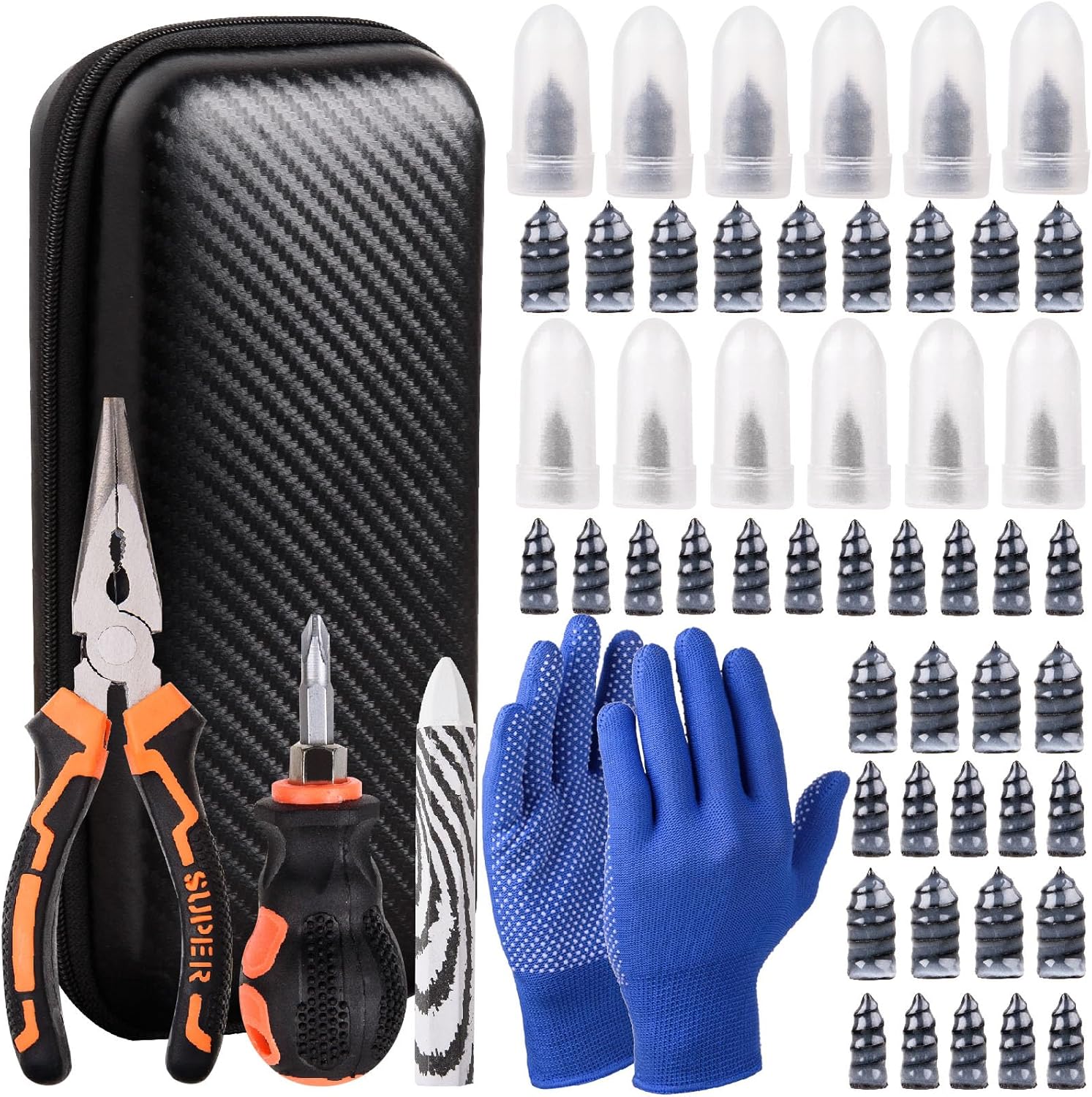
This tire sidewall puncture repair kit fixes flats fast without removing the tire, helping you get back on the road in minutes. It includes self-tapping repair nails, essential tools, gloves, and a portable storage bag for convenient roadside use. Designed for tubeless tires, it helps create a tight, leak-resistant seal for cars, motorcycles, trucks, SUVs, and ATVs.
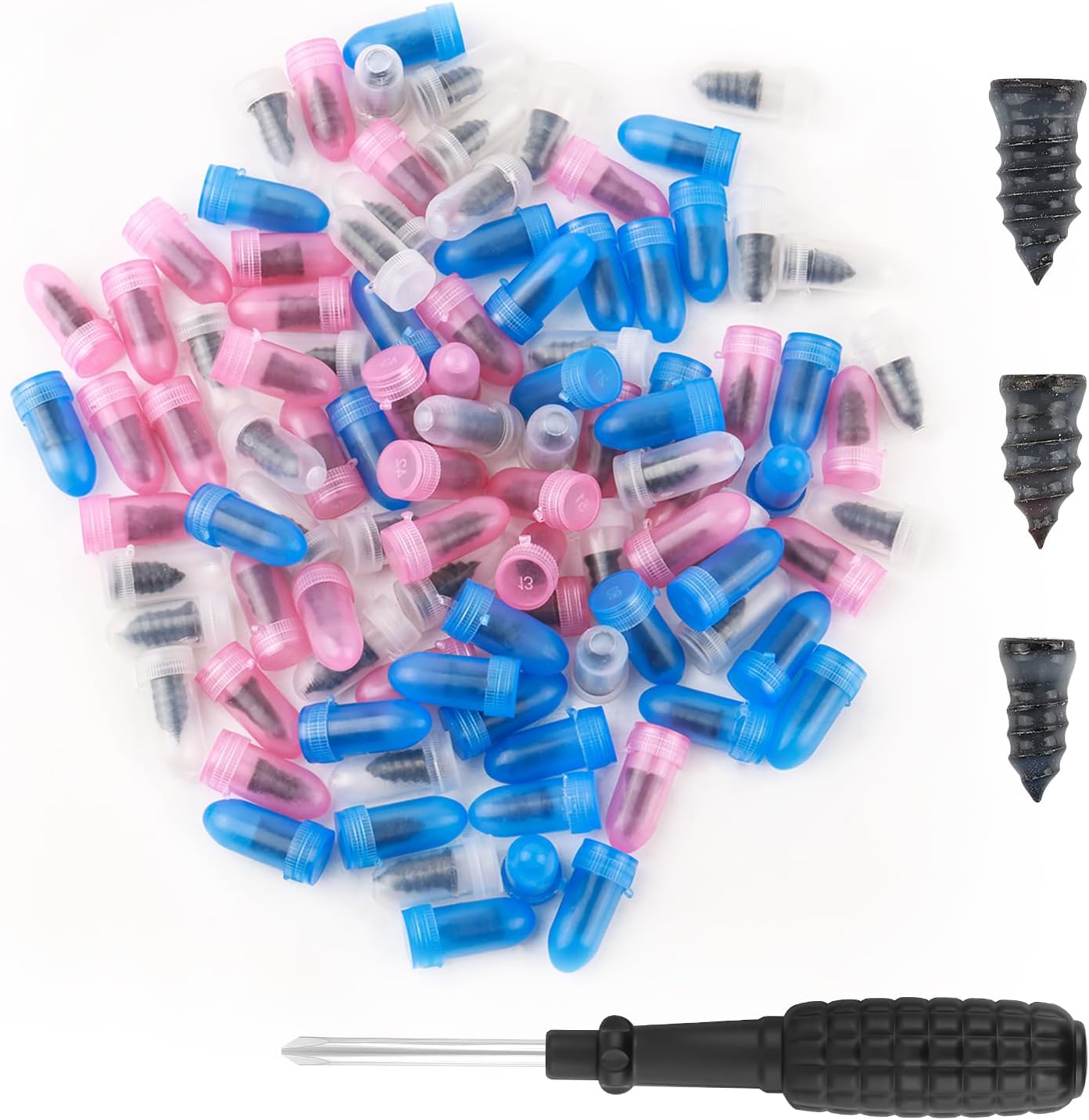
This 100-piece tire repair screw plug kit provides a fast, self-service solution for punctures on the road. Choose the correct plug size, insert it into the break, and screw it in to help seal the puncture and temporarily restore tire pressure. Thickened threads and rubber-wrapped plugs improve bite and sealing while remaining compact and easy to carry.
Common Mistakes to Avoid
- Using the glue on a wet, dirty, oily, or loose rubber surface.
- Relying on it for a sidewall or shoulder repair on a road tire.
- Driving normally before checking pressure and allowing cure time.
- Trying to fix exposed cord, bulges, deep cuts, or a tire that was driven flat.
- Assuming a sealed puncture means the tire has no internal damage.
Compatibility and Safety
Mosconly Tire Repair Glue is marketed for rubber tire and rubber component repair, including cars, bicycles, trucks, motorcycles, remote control cars, rubber trim, and seals. That makes the product versatile, but compatibility should not be confused with roadworthiness.
For passenger and light-truck tires, a proper permanent repair usually involves removing the tire, inspecting the inside, filling the puncture channel, and sealing the inner liner with a suitable repair unit. A surface glue-and-nail kit does not give you that internal inspection.
Skip DIY repair if you see sidewall damage, shoulder damage, a puncture larger than about 1/4 inch or 6 mm, exposed cords, a bulge, a deep cut, or ongoing pressure loss. In those cases, replacement or professional service is the safer choice.
What Buyers Are Saying
Buyer Feedback Snapshot
Based on Amazon customer reviews at review time, this kit is consistently well-reviewed for simple, quick repair jobs.
- Praise: Several reviewers mention that the glue is easy to apply and useful for quick tire fixes.
- Praise: Buyers often point to strong adhesion, leak prevention, and good bonding on black rubber.
- Praise: Some buyers like the compact size and the two nail-size options for small emergency kits.
- Watch-out: A small number of buyers expected more material, so check the 20 ml size before buying.
Pros and Cons
Pros
- Verified 20 ml black liquid rubber cement kit with 10 pieces.
- Two nail sizes help you match small and wider puncture openings.
- Listing states waterproof, weather-resistant, and high-elasticity performance.
- Compact format is easy to store in a vehicle, bike bag, garage drawer, or tool kit.
- Buyer feedback is positive for ease of use, adhesion, and quick fixes.
Cons
- Not a substitute for a professional tire inspection or proper internal repair.
- Sidewall and shoulder damage on road tires should not be treated as safely repairable.
- The 20 ml size may feel small if you expect a larger repair supply.
- Warranty length is not clearly stated, so do not rely on unverified warranty claims.
Is It Worth the Price?
Mosconly Tire Repair Glue is worth considering if you want a small emergency kit and understand its limits. It gives you glue, repair nails, two nail sizes, and a compact format for minor leaks or rubber repair jobs.
The value is strongest for buyers who want a low-bulk backup item for a car, bike bag, motorcycle kit, garage drawer, or travel tool pouch. It is not the best fit if you need a full tire repair kit, a shop-grade plug-patch repair, or a replacement for a damaged road tire.
For public-road tires, safety matters more than saving money. Use this as a short-term helper and get the tire checked if the vehicle will be driven at speed.
How It Compares to Alternatives
Visbella Tire Repair Glue and Bellisinno Tire Repair Glue are similar glue-and-nail style options for small rubber repair tasks. They are worth comparing if you want the same general format but want to check package size, included pieces, or seller support before buying.
CKAuto Tire Plug Repair Kit is a more traditional plug-style emergency kit for tread punctures. It may be a better comparison if you want a fuller tire-plug setup, while Mosconly makes more sense if you want a smaller glue-focused kit for emergency sealing.
Frequently Asked Questions
What type of damage is Mosconly Tire Repair Glue best for?
It is best viewed as an emergency helper for minor rubber leaks and small puncture sealing tasks. It is not a full professional tire repair system, and it should not be used to ignore serious tire damage.
Can Mosconly Tire Repair Glue fix sidewall punctures?
The listing markets the product for sidewall rubber repair, but road-tire safety guidance is stricter. For passenger and light-truck tires used on public roads, sidewall and shoulder damage should not be treated as a safe permanent repair.
How long does it take to cure?
The listing says quick repairs can be completed in about 30 minutes, with a full cure time of 24 hours. For best results, allow the full cure time before putting the repair under more load.
What vehicles or tires is it marketed for?
The listing mentions cars, bicycles, trucks, motorcycles, and remote control cars. Treat that as seller-stated compatibility, not a guarantee that every tire type, tire injury, or driving situation is safe to repair.
Is the 20 ml size enough?
The 20 ml size is enough for a compact emergency kit, but it is not a large workshop supply. If you expect to handle repeated repairs, check the size carefully before buying.
Do you still need a tire shop after using it?
Yes, if the tire is used on a public road. A technician can inspect the inside of the tire and check for hidden damage that glue cannot reveal.
Can it repair valve-stem or bead leaks?
The listing describes tire and rubber repair use, but it does not verify valve-stem or bead repair as a primary use. Valve-stem leaks often need valve replacement, and bead leaks may need tire removal and wheel inspection.
How should leftover glue be stored?
Seal the container tightly after use. Store it in a cool, dry place away from direct sunlight, heat, and moisture, and do not use glue that has dried out, separated, or become contaminated.
The Bottom Line
Mosconly Tire Repair Glue is a practical small kit for emergency tire and rubber repair tasks. It is a good fit if you want a compact 20 ml rubber cement and repair nail kit for minor leaks, but it is not the right choice for unsafe road-tire damage or a permanent repair after serious air loss.
Buy it for backup use, small rubber sealing jobs, and short-term emergency support. Skip it if your tire has sidewall damage, shoulder damage, exposed cords, bulges, deep cuts, or pressure loss that keeps coming back.

Related Articles
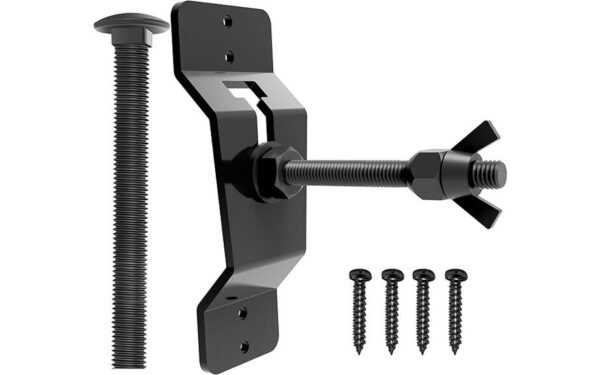
Wall Mount Spare Tire Carrier Mount Review
I review the wall mount spare tire carrier’s fit, strength, and stability—see what could make or break your trailer setup.
Read More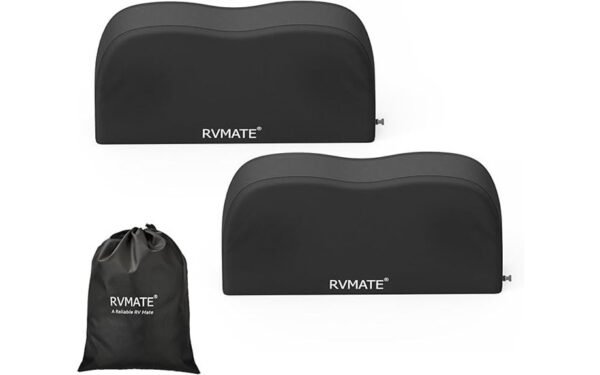
RVMATE Dual Axle Wheel Covers Review
Just how well do RVMATE Dual Axle Wheel Covers protect your tires—and are they really worth buying?
Read More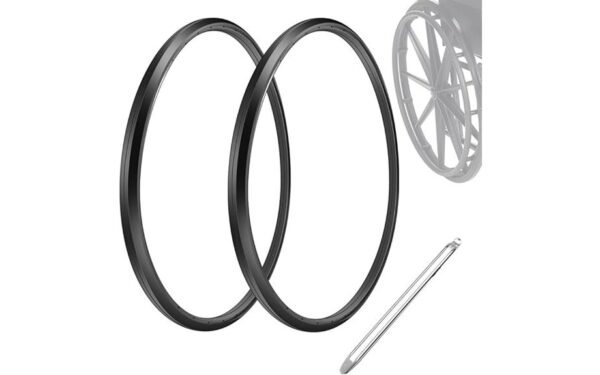
Migeek Wheelchair Rear Wheel Tire Review
Migeek Wheelchair Rear Wheel Tire Review reveals a flat-free 24-inch option with hidden tradeoffs in comfort and durability—see what really stands out.
Read More