Normal tire pressure for SUV models is usually 32 to 36 psi for standard P-metric tires, measured cold. Many compact and midsize SUVs, such as the Toyota RAV4, call for about 35 psi. However, the right number for your SUV is on the tire placard inside the driver’s door jamb, and SUVs on light truck (LT) tires often need much more.
It is easy to assume bigger vehicles need more air, or to fill to the number on the tire sidewall. Both mistakes are common, and both can hurt handling, braking and tire life.
This guide covers typical SUV tire pressures by size, where to find your exact number, how to check pressure correctly, how load and weather change it, and what happens when pressure is wrong.
Key Takeaways
- Typical SUV pressure: about 32-36 psi cold on P-metric tires.
- Your exact pressure is on the door jamb placard or in the owner’s manual.
- Never inflate to the sidewall number. That is the tire’s maximum, not a target.
- Check pressure cold, at least monthly and before long trips.
- Pressure drops about 1 psi for every 10°F drop in temperature.
In this guide:
- Normal Tire Pressure for SUV by Size
- Where to Find Your SUV’s Pressure
- How to Check SUV Tire Pressure
- Adjusting for Load, Towing and Weather
- What Happens if Pressure Is Wrong
- FAQ
Normal Tire Pressure for SUV by Size
These ranges show what most manufacturers recommend. Use them as a guide, then confirm with your door placard.
| SUV Type | Typical Cold Pressure | Examples |
|---|---|---|
| Compact crossover | 32-36 psi | RAV4, CR-V, CX-5, Forester |
| Midsize SUV | 33-36 psi | Highlander, Explorer, Grand Cherokee |
| Full-size SUV (P-metric tires) | 35-38 psi | Tahoe, Expedition, Sequoia |
| SUV on LT (light truck) tires | Often 40-80 psi | Lifted or heavy-duty builds |
Most passenger vehicles fall in the 30-35 psi range, according to Discount Tire, while SUVs and trucks can run slightly higher. Front and rear pressures are sometimes different, so check both lines on the placard.
Looking for model-specific numbers? See our guides to Honda CR-V tire pressure and Ford F-150 tire pressure.
Products Worth Considering

Milton S-921 pencil tire pressure gauge helps you maintain optimal tire pressure for passenger cars with accurate readings in PSI and kPa. It features a built-in deflator valve for convenient pressure adjustments, plus a single chuck head and nylon indicator bar for easy use on the go. Built from durable plated brass and designed for reliable performance, it’s a practical road trip and cold-weather maintenance tool.
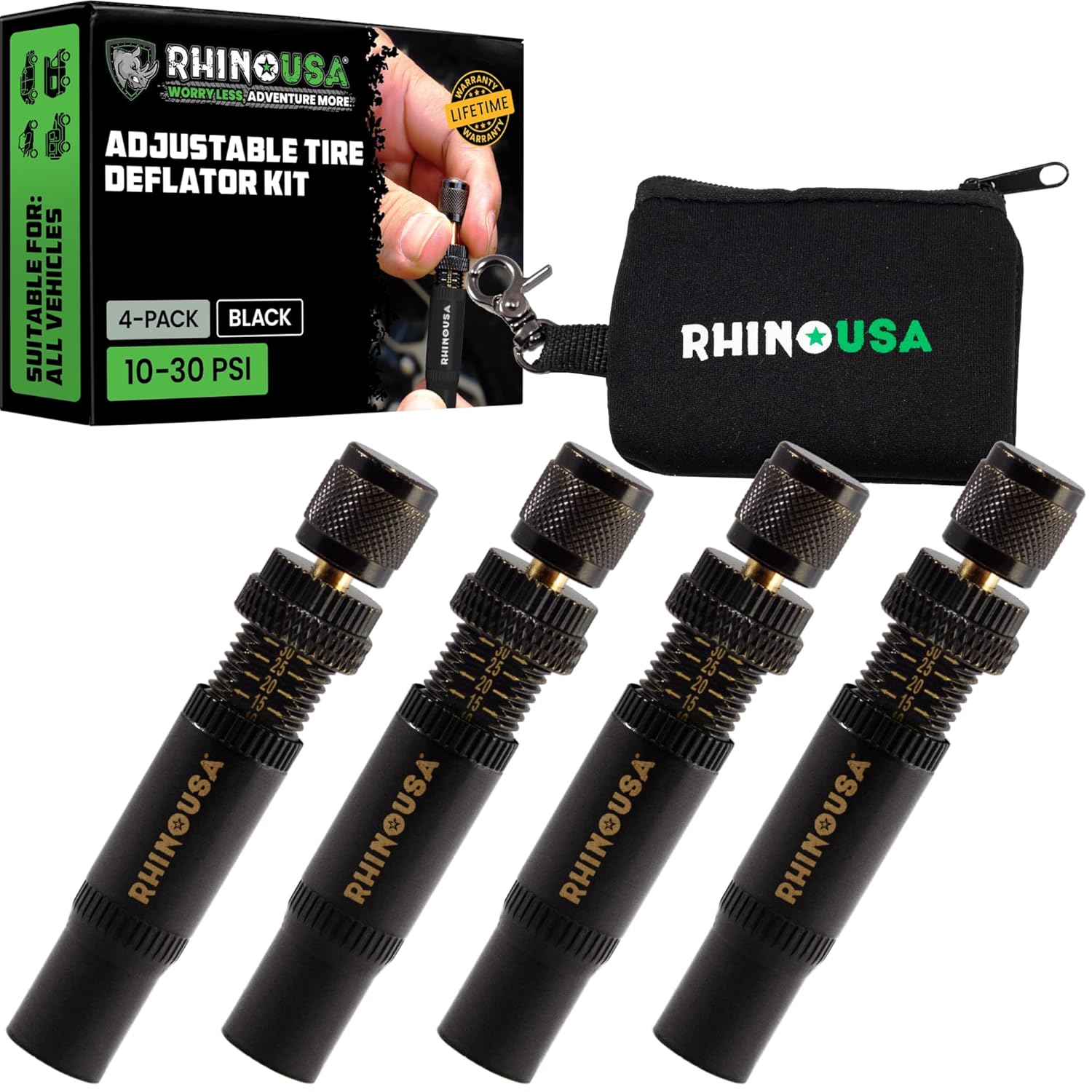
Use the Rhino USA adjustable tire deflators to air down all four tires at once by screwing one deflator onto each valve stem, letting you step away while the tires reach your preset pressure. Each deflator independently adjusts across a 10–30 PSI range with laser-etched indicators for quick setup and verification, making it ideal for beach, sand, and rocky off-road trails.
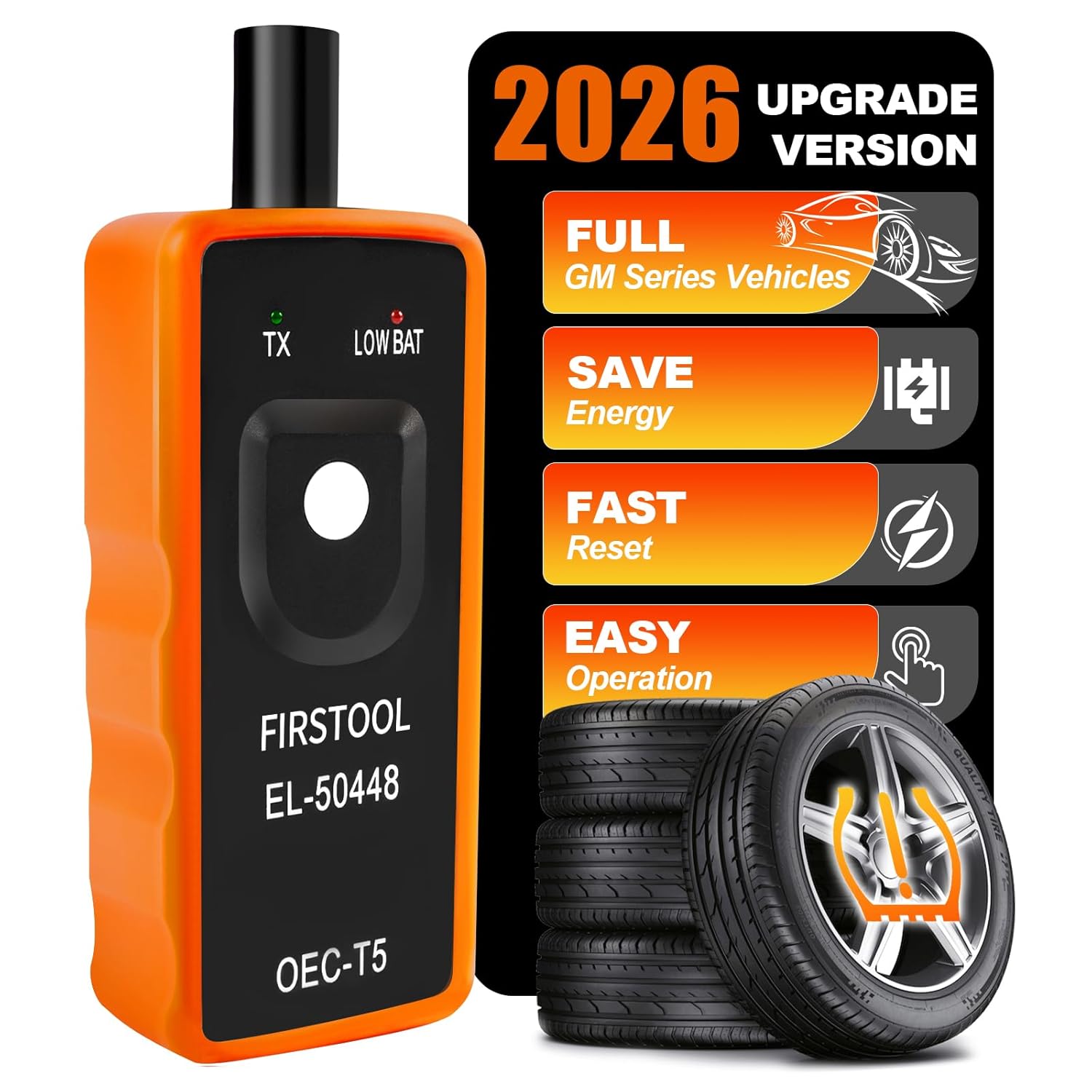
This TPMS relearn tool helps you quickly activate, match, and reset GM tire pressure sensors to keep the vehicle monitoring system working properly. It clears tire pressure alarms and dashboard warning lights after sensor replacement or tire rotation, and supports learning for common 315/433 MHz TPMS sensors. Designed for simple one-button operation, it can help you avoid unnecessary trips to repair shops.
Where to Find Your SUV’s Recommended Pressure
- Driver’s door jamb: the tire and loading information placard lists the recommended cold pressure and original tire size.
- Owner’s manual: look under tires or specifications.
- Fuel filler door or glovebox: some older vehicles place the label there.

Warning: The “Max Press” number on the tire sidewall is the most air the tire can safely hold, often 44 to 51 psi. It is not the recommended pressure for your SUV. Read our guide on whether to fill tires to max psi.
How to Check SUV Tire Pressure
Checking takes about five minutes. Follow these steps:
- Check cold. Do it before driving or after the SUV has sat for at least three hours.
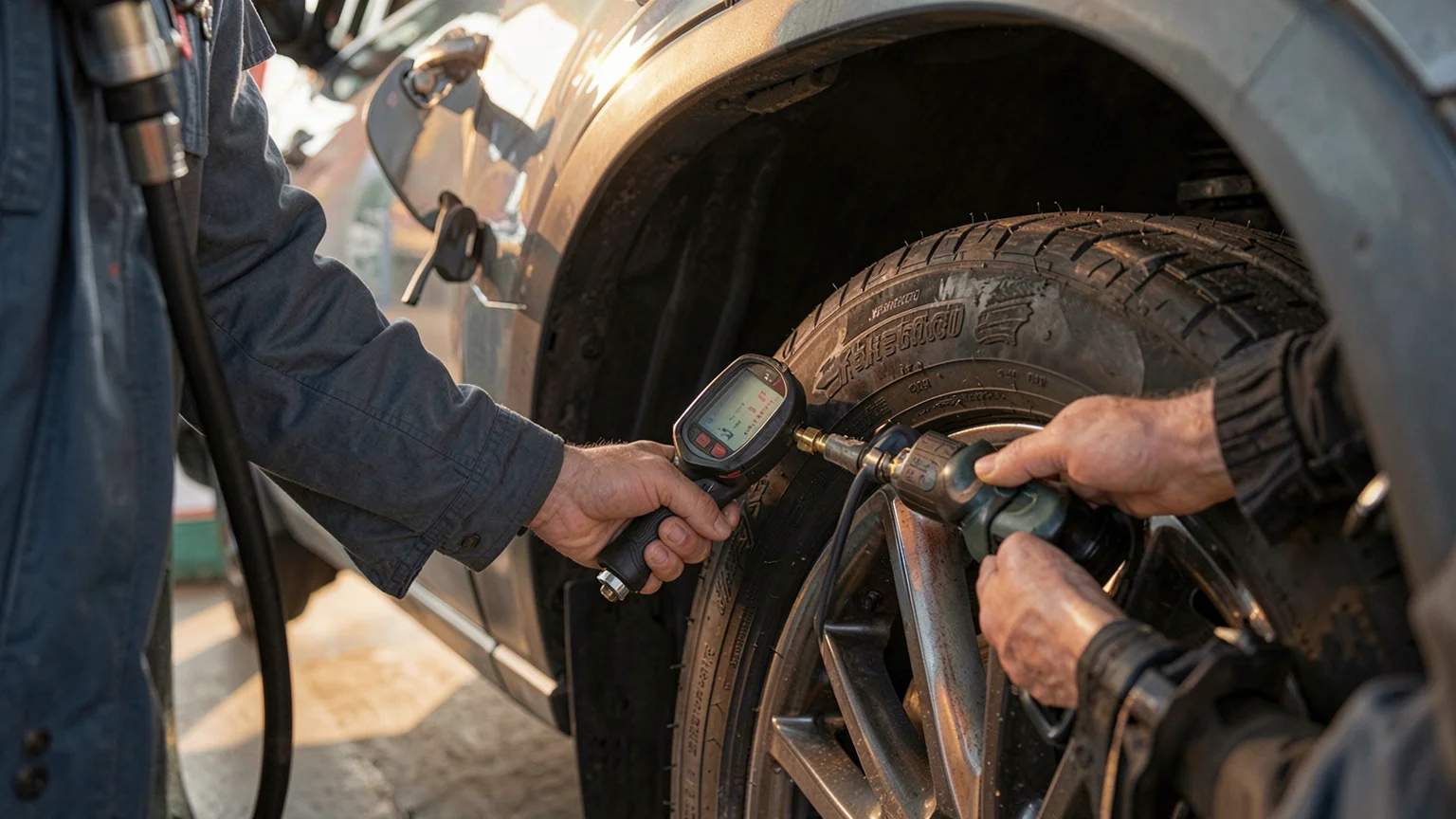
- Remove the valve cap and press a quality gauge firmly onto the valve stem.
- Read the pressure and compare it to the placard.
- Add air with a compressor or inflator in short bursts, rechecking as you go.
- Let air out by pressing the valve pin briefly if you overfill.
- Repeat on all four tires, and the spare if it is full-size.
- Replace the caps to keep dirt out of the valves.
Tires checked hot can read 4-6 psi higher than cold, according to Honda, so never let air out of hot tires to match the placard.

Adjusting for Load, Towing and Weather
Heavy loads and towing
Some SUVs list a second, higher pressure for full loads. If you carry a full family plus cargo or tow a trailer, use that figure. Never exceed the sidewall maximum.

Cold weather
Tire pressure drops about 1 psi for every 10°F drop in temperature. A tire set to 35 psi on a 70°F afternoon can read around 31 psi on a 30°F morning. Recheck when seasons change. Our guide on winter tire pressure explains more.
Off-road driving
Off-roaders sometimes air down for traction on sand or rocks. Only do this at low speeds and reinflate before returning to pavement.
What Happens if SUV Tire Pressure Is Wrong?
| Problem | Underinflated | Overinflated |
|---|---|---|
| Tread wear | Outer edges wear faster | Center wears faster |
| Handling | Sluggish, more body roll | Twitchy, less grip |
| Braking | Longer stopping distances | Reduced contact patch |
| Fuel economy | Worse | Slightly better, but less safe |
| Safety risk | Heat build-up and possible blowout | Harsher ride and impact damage |
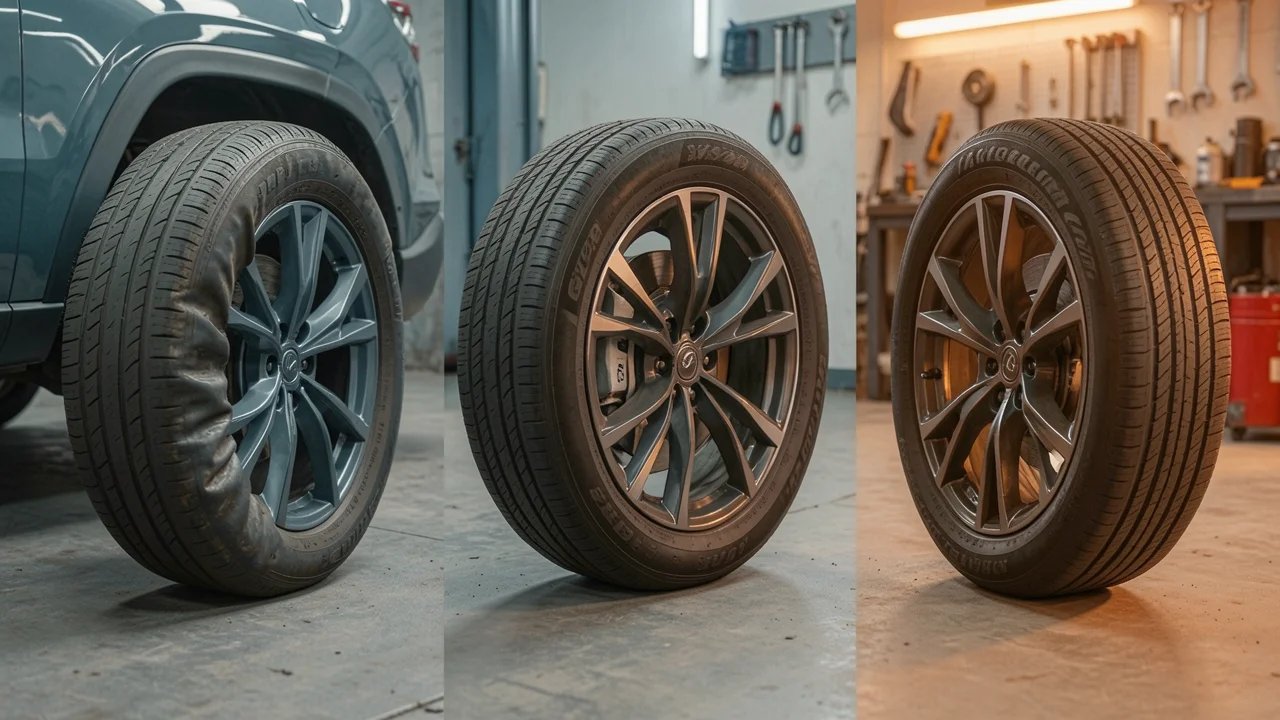
The TPMS warning light typically comes on when a tire is about 25% below the recommended pressure, which means you could be well under spec before it warns you. Read more about what happens when tire pressure is too low.
Products Worth Considering

This ALL-TOP auto-stop tire deflator valve kit lets you air down off-road tires quickly without watching pressure, automatically stopping when your preset PSI is reached. Each valve is individually calibrated for reliable performance with an acceptable +/- 2 PSI tolerance. The adjustable deflator range covers 10 to 30 PSI and includes four valves plus valve caps and a zipper pouch for easy setup on trucks, SUVs, RVs, UTVs, and powersports.

These universal tire valve stem caps help protect valve cores from dust, debris, and moisture while helping maintain stable tire pressure. The corrosion-resistant metal construction and sealed design provide reliable protection in road grime, mud, and winter conditions. Twist-on installation makes them quick to fit on cars, SUVs, trucks, and motorcycles.

This digital tire pressure gauge with built-in inflator helps you accurately check and adjust tire pressure for safer driving and better fuel efficiency. It supports multiple units (PSI, KPA, BAR, KG/CM²) and reads within 1% for reliable results. The 3-in-1 design inflates, deflates, and measures, with a quick-connect air chuck and compatible hose setup for cars, trucks, SUVs, RVs, and motorcycles.
SUV Tire Pressure FAQ
What is the normal tire pressure for an SUV?
The normal tire pressure for SUV models is usually 32 to 36 psi, measured cold, on standard P-metric tires. Your SUV’s exact pressure is on the placard inside the driver’s door jamb. SUVs on LT tires often need much higher pressures.
Is 40 psi too high for an SUV?
For most SUVs on P-metric tires, yes, 40 psi is above the recommended pressure. It can make the ride harsh and reduce grip. Some full-size SUVs and LT tires do call for 40 psi or more, so follow your placard. See our guide on whether 40 psi is good tire pressure.
Is 30 psi too low for an SUV?
If your placard says 35 psi, 30 psi is underinflated and should be corrected. A few vehicles do specify around 30 psi, so always compare to your door label rather than a general rule.
Should front and rear SUV tires have the same pressure?
Often, but not always. Some SUVs list different front and rear pressures to balance weight and handling. Check both values on the door placard.
How often should I check my SUV’s tire pressure?
Check at least once a month and before long trips or heavy loads. Many experts recommend every two weeks, especially when temperatures change quickly.
Do I need to change pressure with new tires?
If your new tires are the same size and type as the originals, use the placard pressure. If you switch to LT tires or a different load range, ask your installer for the correct pressure from a load inflation table.
Bottom Line
The normal tire pressure for SUV owners to aim for is usually 32 to 36 psi cold, but your door jamb placard is the final word. Check pressure monthly with a good gauge, adjust for heavy loads and winter temperatures, and never inflate to the sidewall maximum.
Correct pressure gives you safer braking, better handling, longer tread life and better fuel economy, all for five minutes of effort. Keep a gauge in your glovebox and make it a habit.
Sources
Products Worth Considering

Keep your tires properly inflated with this analog VONDIOR tire pressure gauge, designed for fast, easy readings without batteries. The swiveling, two-axis hose and large glow dial help you measure at any tire angle with instant visibility. Built with a protective rubber shield, it supports durable, low-maintenance use for cars and trucks.

The Big Rig Defense Tire Thumper is a truck tire pressure checker that lets you quickly check multiple tires by giving them a firm whack. Listen for a reassuring thump and feel the stick bounce when a tire is fully inflated, helping you get back on the road safely. It features a comfortable, glove-friendly handle and a secure wrist strap for confident use on busy routes.

These aluminum alloy tire valve stem caps with an O-ring seal help protect valve stems from corrosion while adding a clean, stylish look to your vehicle. The universal fit works across cars, trucks, motorcycles, bicycles, and more, making them an easy upgrade for everyday driving and off-road use. Installation is quick, and the included four-pack keeps all your tires dressed and protected.