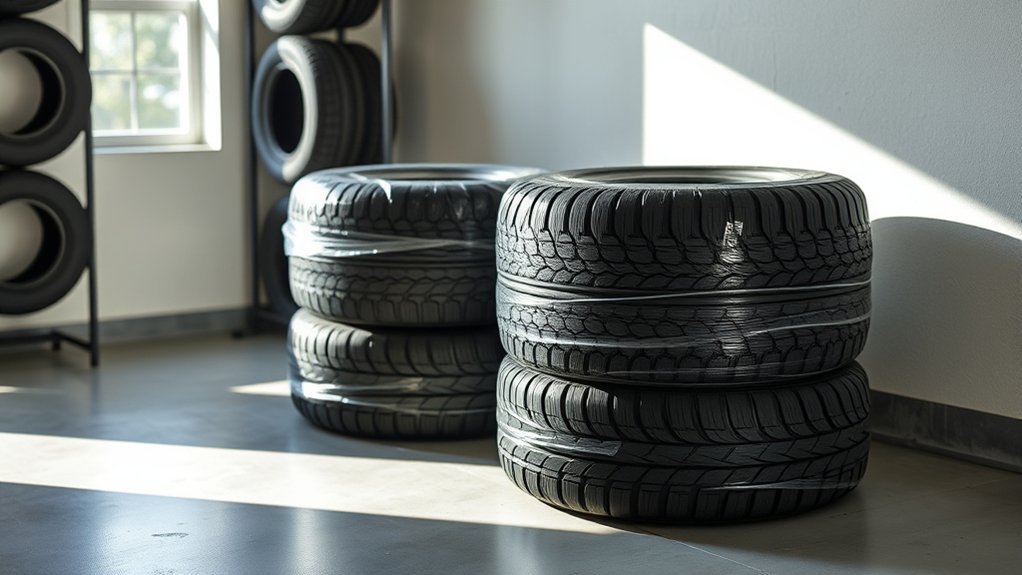
Storing seasonal tires for your Toyota Tacoma the right way helps prevent cracking, flat spots, pressure problems, and surprise replacement costs when it is time to swap sets again. Start with clean, dry tires, inspect the tread and sidewalls, label each tire position, then store the set in a cool, dry, dark space away from sunlight, moisture, ozone, and chemicals.
Quick Answer
Clean and dry your Tacoma tires, inspect tread depth and sidewalls, mark each tire’s position, and store them indoors in a cool, dry, dark place. Keep mounted tires stacked or hung, store unmounted tires upright, use covers, avoid ozone sources, and check cold pressure before reinstalling.
Key Takeaways
- Store Tacoma seasonal tires only after they are clean, dry, labeled, and inspected for tread wear, cracks, bulges, punctures, and uneven wear.
- Use a cool, dry, dark indoor space whenever possible, and keep tires away from sunlight, standing water, petroleum products, and ozone sources such as motors or compressors.
- Mounted tires can be stacked or hung, while unmounted tires should stand upright and be rotated slightly every month.
- Do not rely on a generic pressure number. Before driving, set the tires to the cold inflation pressure shown on your Tacoma’s door placard or owner’s manual.
At a Glance
| Time Required | 30 to 60 minutes for a full set, plus drying time |
| Difficulty | Easy, as long as the tires are already off the truck |
| Tools Needed | Mild soap, water, soft brush, towel, tread-depth gauge, tire-pressure gauge, labels or masking tape, tire covers or bags |
| Cost | $0 to $60 for basic home-storage supplies; professional tire storage varies by shop or dealer |
Why Proper Tire Storage Is Essential for Your Tacoma
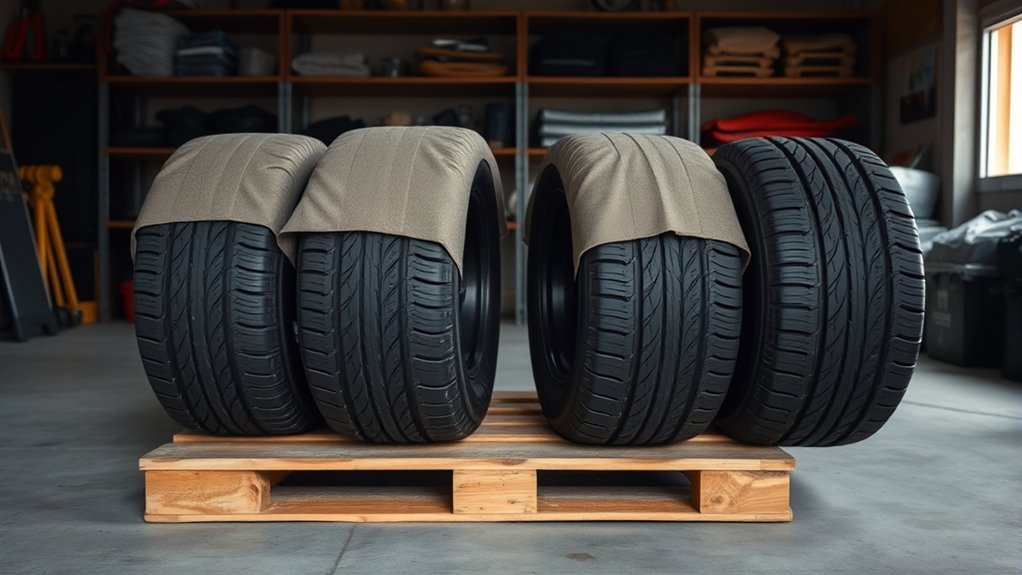
Proper tire storage matters because seasonal tires sit unused for months. During that time, heat, sunlight, moisture, ozone, and chemical exposure can dry out rubber, speed up cracking, or make the tire harder to inspect before the next swap. Good storage will not stop tire aging completely, but it can reduce avoidable damage.
For a Toyota Tacoma, storage also affects convenience. If you mark tire positions, protect the tread, and check the tires before they go away, the next seasonal changeover is faster and safer. You will know which tires need rotation, which ones need inspection, and whether the set is still ready for towing, commuting, gravel roads, snow, or daily driving.
Warning: Do not store a tire that has sidewall bulges, exposed cords, deep cuts, repeated air loss, or tread worn to the wear bars. Have it inspected by a qualified tire technician before using it again.
Step 1: Label and Clean Your Tires Before Storage
Before cleaning, mark each tire with its last position on the truck: LF for left front, RF for right front, LR for left rear, and RR for right rear. Use masking tape, a tire crayon, or labeled tire bags. This small step helps you or your tire shop rotate the set correctly when it goes back on the Tacoma.
Next, clean the tires so brake dust, road salt, mud, and gravel do not sit on the rubber all season. Use these simple cleaning steps:
- Rinse loose dirt first: Remove mud and stones from the tread grooves before scrubbing.
- Use mild soap and water: A soft brush works well on the tread blocks and sidewalls.
- Avoid harsh chemicals: Skip petroleum-based tire shine, solvents, bleach, and strong degreasers because they can affect rubber compounds.
- Dry each tire fully: Let water drain from the tread and wheel barrel before you cover or bag the tires.
If the tires are mounted on rims, clean the wheels at the same time. Dirt and salt around the bead seat, valve stem, and wheel finish can cause corrosion or slow leaks later.
Pro Tip: Take a quick photo of each tire after labeling it. You will have a record of tread wear, tire position, and any visible damage before storage.
Step 2: Inspect for Damage, Wear, and Age
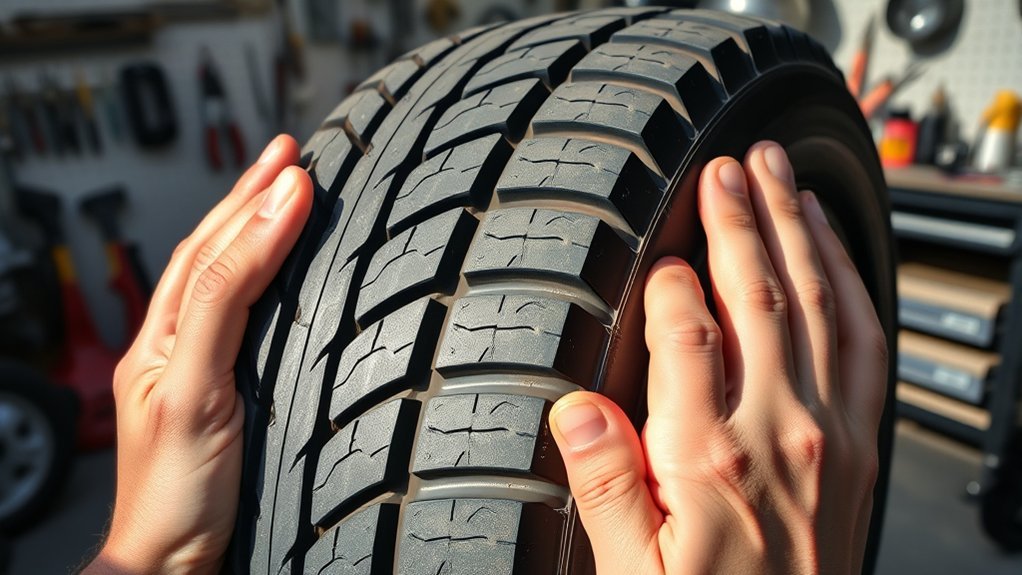
Inspect every tire before storage, not after. If you find a problem now, you have time to repair or replace the tire before the next season starts.
Visual Damage Check
Look closely at the tread, shoulders, and sidewalls. Check for:
- Cuts, cracks, or punctures: Small tread punctures may be repairable, but sidewall damage usually is not.
- Bulges or blisters: These can signal internal damage and should be inspected right away.
- Exposed cords or deep gouges: Do not reuse a tire with structural damage.
- Debris in the grooves: Remove stones, glass, and metal pieces before storage.
- Uneven wear: Feathering, cupping, one-edge wear, or center wear can point to alignment, balance, inflation, or suspension issues.
Tread Wear Assessment
Use a tread-depth gauge if you have one. It is clearer than a coin test and gives you a number you can track. In the United States, tires are commonly considered worn out at 2/32 inch of tread, and many tires have wear bars that become flush with the tread at that point. For winter driving, do not wait until the wear bars if snow and slush traction already feels weak.
Measure the tread in several places across each tire. If the inner edge, outer edge, or center is much lower than the rest, note it on your tire label and plan an alignment or pressure check before the next season.
Check the DOT Date Code
Find the DOT code on the tire sidewall. The last four digits show the week and year the tire was made. For example, a code ending in 2422 means the tire was made in the 24th week of 2022. If a tire is older, cracked, weather-checked, or has an unclear history, have it inspected before you rely on it for highway driving, towing, or winter roads.
Step 3: Choose the Right Storage Location
Choose an indoor spot that stays cool, dry, and dark. A basement, insulated garage, storage room, or indoor tire rack is better than a shed that gets hot in summer and damp in winter.
[Products Worth Considering]

The Kurgo Seasonal Tire Tote helps protect your car interior, clothes, and garage from tire grime, brake dust, and residue during seasonal tire changes. Its universal design fits most passenger tires between 22" and 31" in diameter, making storage and transport simpler with less mess. Built for rugged, repeated use, it’s machine washable for easy care and comes with a lifetime warranty.

These aluminum alloy tire valve stem caps with an O-ring seal help protect valve stems from corrosion while adding a clean, stylish look to your vehicle. The universal fit works across cars, trucks, motorcycles, bicycles, and more, making them an easy upgrade for everyday driving and off-road use. Installation is quick, and the included four-pack keeps all your tires dressed and protected.

Monitor tire tread wear with a smart, color-coded depth gauge that shows clear condition ranges at a glance. The bar is range marked for fast, easy readings, helping you maintain safer traction and performance. Each gauge is portable with a pocket clip, and the set includes 20 units for daily use and sharing.
Ideal Storage Environment
The best tire-storage space has steady temperature, low moisture, and no direct sunlight. Keep the tires away from windows, wet floors, standing water, and chemicals. If the floor is concrete, place the tires on a shelf, rack, clean pallet, or thick mat instead of directly on damp concrete.
Avoid Temperature Fluctuations
Large temperature swings can make storage harder on rubber. Avoid attics, outdoor sheds, shipping containers, and areas beside heaters. If your garage gets very hot or very cold, tire bags and covers can help, but they do not replace a stable indoor location.
Keep Away From Sunlight and Ozone
Direct sunlight and UV exposure can dry and crack rubber over time. Ozone can also age rubber, so do not store tires beside electric motors, air compressors, furnaces, generators, welders, or battery chargers. Keep them away from gasoline, oil, grease, pesticides, solvents, and pool chemicals.
Note: Outdoor storage should be a last resort. If you must store tires outside for a short time, keep them covered, elevated, dry, and shaded, and never leave them sitting in mud, snow, or pooled water.
Step 4: Storing Your Tires: Rims or No Rims?
The right storage position depends on whether your Tacoma tires are mounted on wheels. Mounted tires have wheel support, so they can be stacked or hung. Unmounted tires should stand upright because stacking can press on the sidewalls and make flat spots more likely.
| Tire Status | Recommended Storage Method | Additional Tips |
|---|---|---|
| Mounted Tires | Stack flat or hang from proper wheel hooks | Keep clean, dry, covered, and away from sunlight |
| Unmounted Tires | Store upright | Rotate each tire slightly once a month |
| Outdoor Storage | Avoid when possible; use only short term | Elevate, cover, shade, and keep water out |
| Monthly Check | Inspect covers and storage area | Look for moisture, pests, leaks, or chemical exposure |
| Before Reinstalling | Inspect and set cold pressure | Use the Tacoma door placard or owner’s manual |
[Products Worth Considering]

Steelman white tire marking crayons provide high-contrast, semi-permanent marks for repairing and inspecting tires and equipment. They write on wet or dry, smooth or coarse surfaces including rubber, metal, glass, and wood, making them ideal for puncture location and damage outlining. The lead- and zinc-free crayons resist weather and fading yet wipe away when you no longer need the marks.

Upgrade your Toyota’s wheels with durable aluminum alloy valve stem caps that help protect valve cores from corrosion and direct exposure to road grime, clay, water, and snow. Rubber rings improve sealing to help prevent air leakage and maintain stable tire pressure for safer driving. These caps are easy to install or remove without tools and add a unique, stylish look to your car.

These universal tire valve stem caps help protect valve cores from dust, debris, and moisture while helping maintain stable tire pressure. The corrosion-resistant metal construction and sealed design provide reliable protection in road grime, mud, and winter conditions. Twist-on installation makes them quick to fit on cars, SUVs, trucks, and motorcycles.
Step 5: Use Protective Covers for Added Safety
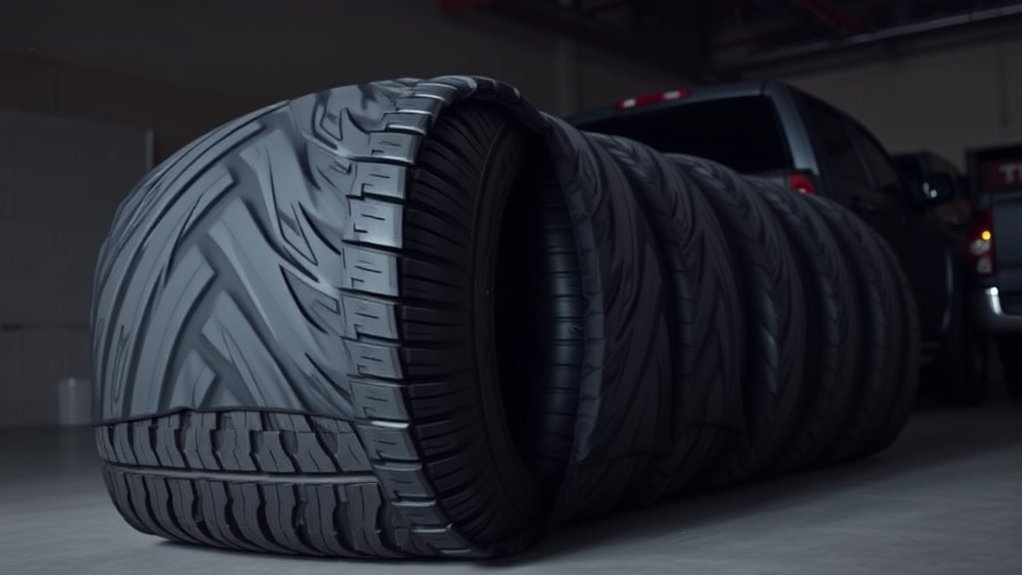
Protective covers help keep dust, dirt, sunlight, and moisture away from your seasonal tire set. Use covers only after the tires are fully dry. Trapping moisture inside a bag or cover can lead to mildew, corrosion on wheels, and a bad smell when you open the set months later.
A clean, dry, covered tire is easier to inspect, easier to reinstall, and less likely to suffer avoidable storage damage.
Choose covers based on your storage setup:
- Breathable fabric covers: Good for indoor storage because they block dust while allowing some airflow.
- Tire bags: Useful when each tire is dry and you want to reduce dirt transfer in a garage or storage room.
- Water-resistant covers: Helpful for short-term outdoor storage, but they must be secured so water does not pool inside.
- Correct sizing: Covers should fit snugly without crushing sidewalls or pulling against valve stems.
Step 6: Check Pressure, TPMS, and Reinstall Readiness
Before the tires go back on your Tacoma, inspect them again and set the cold tire pressure to the value listed on the driver-side door placard or in your Toyota owner’s manual. Do not use the maximum pressure printed on the tire sidewall as your everyday inflation target.
If your seasonal set uses separate wheels, make sure the TPMS sensors are working and registered to the truck. Some Tacoma setups may need a relearn, sensor registration, or tire-shop scan tool after a wheel swap. If the TPMS light stays on after the tires are installed and inflated correctly, have the system checked before long driving.
Use this reinstall checklist:
- Confirm there are no cracks, bulges, exposed cords, or punctures.
- Measure tread depth and compare all four tires.
- Set cold tire pressure to the Tacoma placard value.
- Confirm wheel direction if the tires are directional.
- Ask your shop to torque lug nuts to the Toyota specification for your model year.
- Check for vibration, pulling, or TPMS warnings during the first drive.
For general tire-safety guidance, the National Highway Traffic Safety Administration tire safety page is a useful reference for pressure, tread, and inspection basics.
Step 7: When to Consider Professional Tire Storage Options
Professional tire storage is worth considering if you do not have a dry indoor space, if you live in a condo or apartment, or if your garage has high heat, high moisture, or chemical exposure. Many tire shops and Toyota dealers offer seasonal storage, but the quality of the service matters.
Before paying for storage, ask these questions:
- Are the tires stored indoors and away from sunlight?
- Is the space dry and temperature-stable?
- Are mounted and unmounted tires stored differently?
- Will the shop inspect tread depth, damage, and tire age before reinstalling?
- Can they handle Tacoma TPMS registration if your second wheel set needs it?
A good storage service can save space and reduce the risk of damage from poor home storage. It is not a substitute for tire inspection, but it can make seasonal changeovers easier.
[Products Worth Considering]

Measure tyre tread depth precisely with a digital gauge that reads in both MM and inches, helping you monitor safe driving conditions. The large LCD screen is easy to operate, and the compact tool fits for cars, trucks, and motorcycles. It provides high accuracy with a 0-25.4mm range and includes a 1-year warranty for added peace of mind.

This professional wheel and rim brush kit makes it easy to lift brake dust, grime, and dirt from wheels and tires without scratching finishes. The brushes feature soft, metal-free wool heads and a flexible 360-degree rim brush design for reaching hard-to-clean areas. Includes multiple brush types plus accessories for thorough car, motorcycle, and general vehicle detailing.
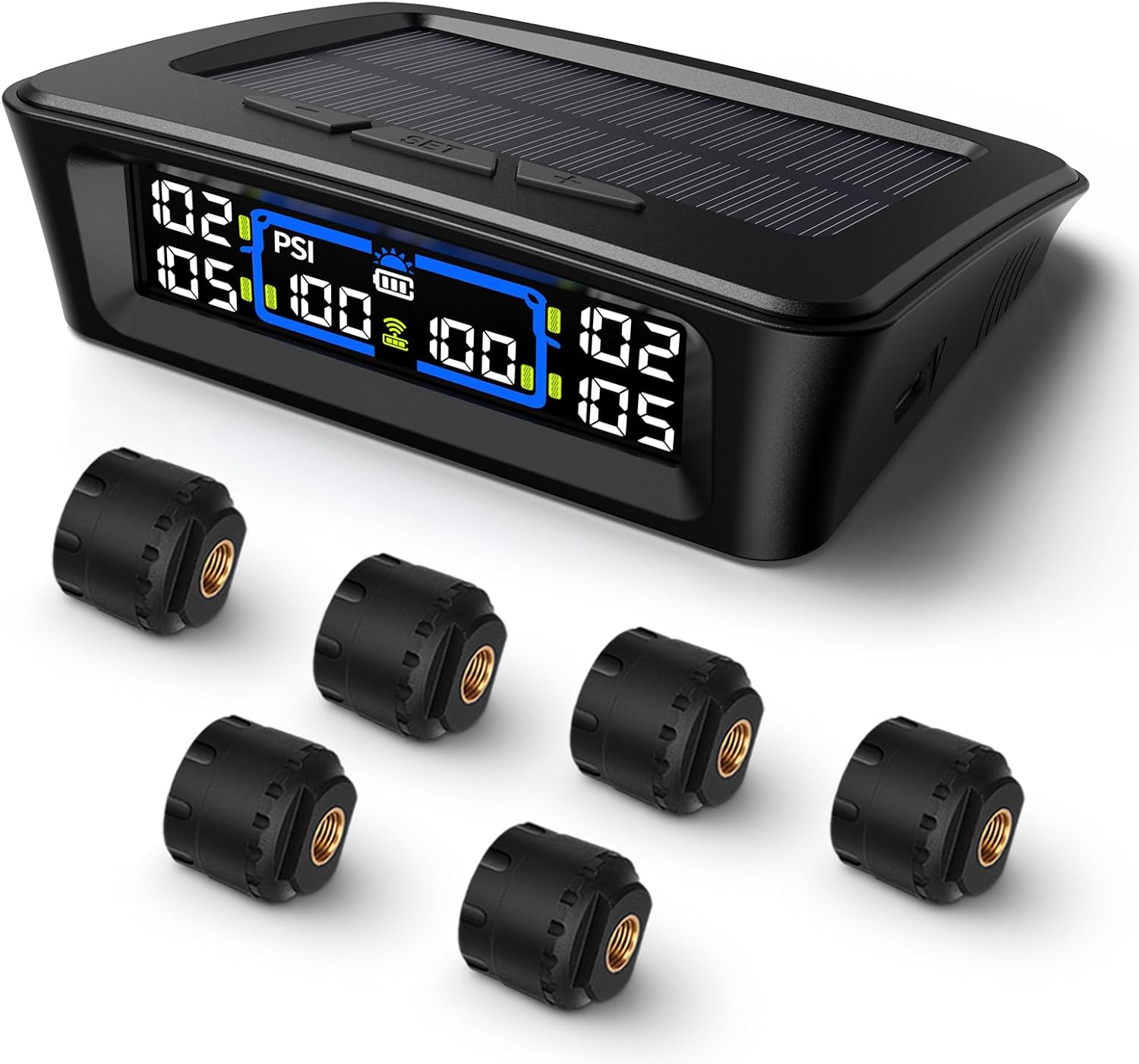
The Tymate TM12 RV TPMS delivers real-time tire pressure and temperature monitoring with a stable 433Hz display for safer long-distance driving. It supports simultaneous monitoring across vehicle and trailer zones, includes six alarm modes for pressure, temperature, leakage, battery, and signal loss, and features easy DIY installation with auto calibration. Power is supplied via USB-C charging or solar recharging, with a wide 0–144 PSI range and up to 50 ft signal coverage for RVs and towable trailers.
Frequently Asked Questions
Is it better to store winter tires upright or flat?
Store unmounted winter tires upright and rotate them slightly once a month. If the tires are mounted on wheels, you can stack them flat or hang them from proper wheel hooks. Do not hang unmounted tires because the sidewall can distort.
Is it better to store tires over-inflated or under-inflated?
Do not intentionally store Tacoma tires severely over-inflated or under-inflated. If the tires are mounted on wheels, keep them near normal pressure during storage and always reset them to the cold inflation pressure on the Tacoma door placard before driving.
Where should I store all-season tires during winter?
Store all-season tires in a cool, dry, dark indoor place such as a basement, storage room, or clean garage. Keep them off damp floors and away from sunlight, heaters, air compressors, furnaces, gasoline, oil, and solvents.
Can I store Tacoma tires outside?
Outdoor storage is not ideal. If it is your only option, keep the tires elevated, shaded, covered, and protected from standing water. Use outdoor storage only as a short-term solution because sunlight, moisture, and temperature swings can shorten tire life.
Should I wash tires before putting them in storage?
Yes. Wash them with mild soap and water, remove stones from the tread, and dry them completely before covering or bagging them. Avoid tire shine, solvents, and petroleum-based cleaners before storage.
Conclusion
Storing seasonal tires for your Toyota Tacoma is simple, but the details matter. Clean and dry the tires, label their positions, inspect tread and sidewalls, keep them away from heat, sunlight, moisture, ozone, and chemicals, then store them in the right position based on whether they are mounted or unmounted. Before the next season, check tread depth, tire age, TPMS status, lug-nut torque, and cold pressure so your Tacoma is ready for the road.
Sources
- National Highway Traffic Safety Administration: Tires — supports tire safety checks, inflation, tread, and inspection guidance.
- Toyota Owners: Warranty and Owner’s Manuals — supports checking the Tacoma owner’s manual and tire placard for model-specific instructions.
- U.S. Tire Manufacturers Association — supports tire-industry safety and care resources from major tire manufacturers.
- NHTSA Recalls — supports checking vehicle and tire recalls before reinstalling a stored tire set.