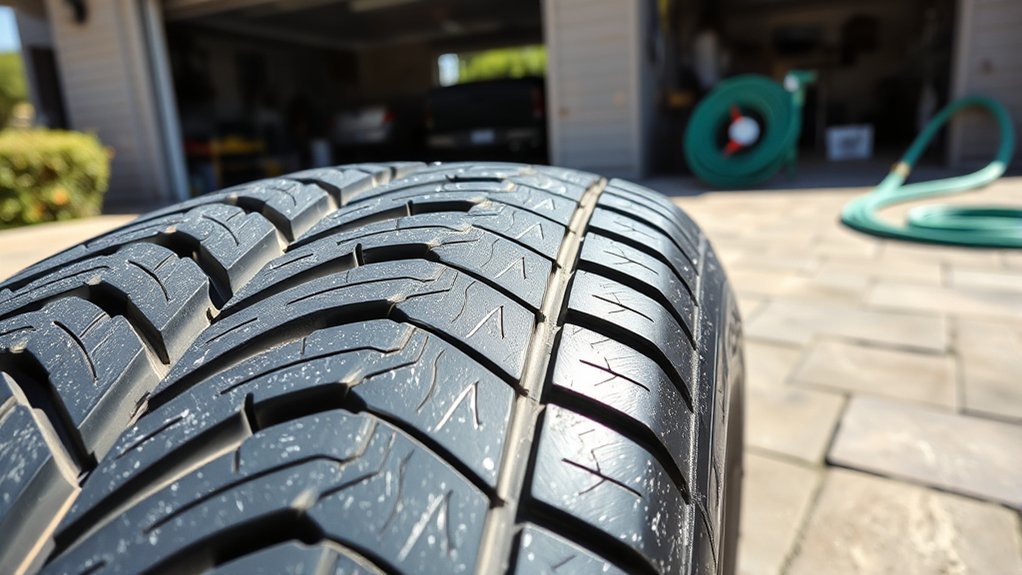
Toyota Tacoma tires can develop dry rot when rubber is exposed to too much sun, heat, ozone, poor storage, age, or underinflation. The best prevention plan is simple: keep the tires clean, dry, shaded, properly inflated, and off the ground or unloaded during long storage. This matters even more if your Tacoma sits for weeks at a time, spends time off-road, or is parked in a hot climate.
Quick Answer
To prevent Toyota Tacoma tire dry rot, store the truck or tires in a cool, dry, dark place; keep tires clean and fully dry; use UV-resistant covers; avoid ozone and petroleum chemicals; maintain the cold tire pressure listed on the door placard; and inspect sidewalls monthly for cracks.
Key Takeaways
- Sunlight, heat, ozone, poor storage, low use, and low tire pressure can speed up tire aging and cracking.
- Clean Tacoma tires with mild soap and water, remove stones and mud, then dry them fully before storage.
- Use the Tacoma’s driver-door Tire and Loading Information label or Toyota owner manual for the correct cold tire pressure, not the maximum PSI printed on the tire sidewall.
- For long storage, reduce load on the tires with rated jack stands, tire cradles, or by removing the wheels.
- Dry rot cannot be reversed. If you see deep cracks, bulges, vibration, or repeated pressure loss, have the tires inspected before driving.
At a Glance
| Time Required | 20–45 minutes for cleaning and storage prep; 5 minutes for monthly inspection |
| Difficulty | Easy for cleaning and inspection; moderate if lifting the truck for long-term storage |
| Tools Needed | Mild soap, water, soft brush, microfiber towel, tire-pressure gauge, tire covers or storage bags, wheel chocks, rated jack stands or tire cradles for long storage |
| Cost | $0–$20 for basic cleaning; $20–$80+ for tire covers, storage bags, or cradles |
Warning: Never drive on tires with deep sidewall cracks, bulges, exposed cords, repeated pressure loss, or vibration after storage. Also, never leave your Tacoma supported by a hydraulic jack alone; use properly rated jack stands on a level surface and follow Toyota-approved lift points.
What Tire Dry Rot Looks Like on a Toyota Tacoma
Tire dry rot is rubber aging that often shows up as small cracks in the sidewall, tread grooves, or shoulder area. On a Tacoma, check more carefully if the truck sits outside, carries heavy loads, spends time on rocky trails, or keeps a full-size spare under the bed where it may be ignored for years.
Look for these warning signs during a monthly tire check:
- Fine cracks on the sidewall or between tread blocks
- Rubber that looks faded, chalky, brittle, or unusually hard
- Bulges, cuts, exposed cords, or uneven tread wear
- Slow pressure loss even after the valve stem is checked
- Vibration, thumping, or pulling after the truck has been parked for a long time
The National Highway Traffic Safety Administration explains that tire aging is affected by service, storage, and environmental conditions. It also notes that sunlight, warmer climate, poor storage, poor maintenance, and infrequent use can contribute to tire aging.
How to Keep Your Toyota Tacoma Tires Out of Direct Sunlight
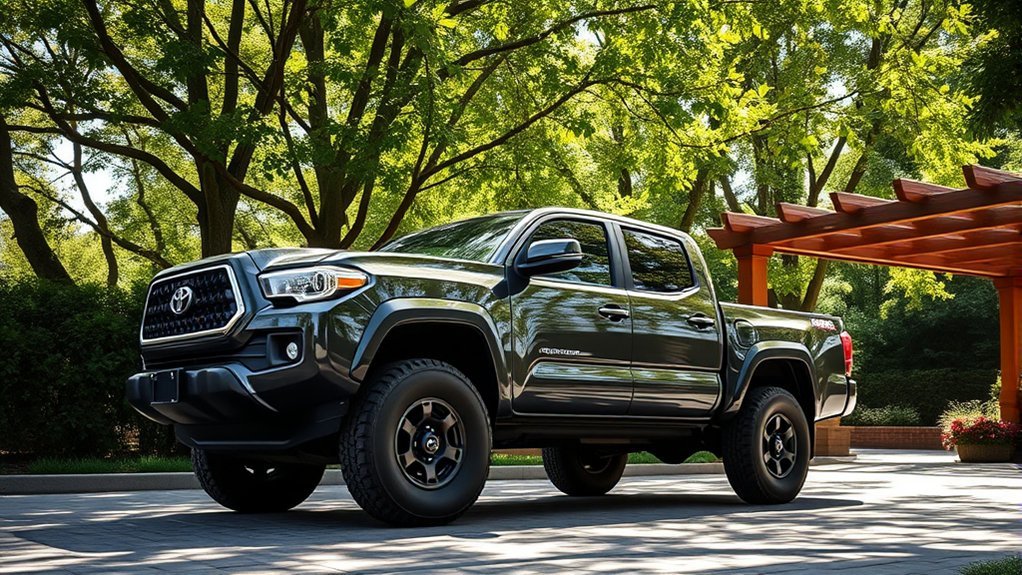
Direct sunlight and heat are two of the easiest dry-rot risks to control. Park your Tacoma in a garage, carport, or shaded area whenever you can. If the truck must sit outside, use UV-resistant tire covers or an opaque vehicle cover that shields the sidewalls from sun exposure.
Do not rely on a thin clear tarp. Clear plastic can trap heat and still allow light through. If you cover tires outdoors, use an opaque waterproof cover with some ventilation so the tires do not sit in a hot, damp “steam bath.” The U.S. Tire Manufacturers Association tire storage bulletin recommends protecting outdoor-stored tires with an opaque waterproof covering that includes vent openings.
Pro Tip: If your Tacoma is parked outside for long periods, cover the spare tire too. A full-size spare can age even when it has plenty of tread because it may sit unused for years.
Why Cleaning Tires Matters Before Long-Term Storage
Cleaning your tires before storage removes mud, salt, brake dust, gravel, and road film that can hold moisture or hide cracks. This is especially important for Tacoma owners who drive on trails, beaches, salted winter roads, or construction sites.
- Rinse off heavy debris: Spray mud and sand from the tread, sidewalls, and bead area.
- Use mild soap and water: Scrub with a soft brush. Avoid petroleum-based cleaners, gasoline, solvents, oils, and harsh tire dressings before storage.
- Remove stones from tread grooves: Trapped stones can hide punctures and create pressure points.
- Dry completely: Let the tires air-dry and wipe them with a clean towel before bagging or covering.
- Inspect while cleaning: Look for cracks, cuts, bulges, exposed cords, nails, and uneven wear.
Michelin’s tire storage guidance recommends cleaning wheels and tires with water, drying them well, and removing stones or debris from tire grooves before storage.
Ideal Storage Conditions for Tire Longevity
There is no single magic temperature that guarantees a tire will not dry rot. A better rule is to store Tacoma tires in a cool, dry, clean, dark indoor space with mild, stable conditions. A finished garage, basement storage area, or climate-controlled storage room is better than a sunny driveway, metal shed, or damp corner of a garage.
Keep stored tires away from:
- Direct sunlight and weather exposure
- Hot pipes, heaters, flames, sparks, and generators
- Electric motors and ozone-producing equipment
- Gasoline, oil, grease, solvents, and petroleum-based products
- Damp concrete, sharp metal edges, nails, or rough pallet surfaces
The USTMA recommends indoor storage to protect tires from sunlight, ozone, and other damaging conditions, and it advises storing tires in a clean, dry, well-ventilated area with mild temperatures. If your Tacoma tires must be stored outdoors for a short time, raise them off the ground and cover them with an opaque, vented, waterproof cover.
Note: A hot storage shed can age tires faster than a shaded indoor room. If the space feels too hot for comfortable work, it is not an ideal long-term tire storage location.
[Products Worth Considering]

Black Magic Tire Wet delivers a deep wet-look shine that makes tires appear dark, rich, and freshly detailed. Its long-lasting formula helps resist rain, dust, and road grime for weeks of glossy protection, not days. Apply by spraying onto clean, dry tires—no buffing or wiping required—with a low-sling design to reduce splatter on paint and wheels.

This professional wheel and rim brush kit makes it easy to lift brake dust, grime, and dirt from wheels and tires without scratching finishes. The brushes feature soft, metal-free wool heads and a flexible 360-degree rim brush design for reaching hard-to-clean areas. Includes multiple brush types plus accessories for thorough car, motorcycle, and general vehicle detailing.

These aluminum alloy tire valve stem caps with an O-ring seal help protect valve stems from corrosion while adding a clean, stylish look to your vehicle. The universal fit works across cars, trucks, motorcycles, bicycles, and more, making them an easy upgrade for everyday driving and off-road use. Installation is quick, and the included four-pack keeps all your tires dressed and protected.
How Airtight Bags Reduce Tire Dry Rot Risk
Airtight or sealed plastic tire bags do not make tires last forever, but they can reduce exposure to ozone, oxygen, dust, and humidity when used correctly. The key is to bag only clean, dry tires. If you seal a wet tire in a bag, you trap moisture inside with it.
Use this simple method:
- Wash each tire and remove stones from the tread.
- Let the tire dry fully, including the tread grooves and sidewall lettering.
- Place each tire in a thick plastic tire bag or contractor-grade plastic bag.
- Press out as much air as practical without damaging the tire.
- Tape the bag closed and store it away from heat, sun, ozone, and chemicals.
- Label each bag by position, such as “front left” or “rear right,” so you can rotate correctly when reinstalling.
Sealed bags are most useful for off-vehicle storage. If the tires are still mounted on your Tacoma, UV-resistant tire covers and proper parking conditions are usually more practical.
[Products Worth Considering]

This oesee 8-piece wheel care kit helps you clean, scrub, and dry wheels safely with purpose-built brushes and towels. The scratch-free microfiber wheel brush lifts brake dust and grime, while the stiff pro-grip tire brush removes tire browning and embedded dirt. A twist loop microfiber drying towel and an applicator help achieve a streak-free finish and cleaner, more even product application.

The Kurgo Seasonal Tire Tote helps protect your car interior, clothes, and garage from tire grime, brake dust, and residue during seasonal tire changes. Its universal design fits most passenger tires between 22" and 31" in diameter, making storage and transport simpler with less mess. Built for rugged, repeated use, it’s machine washable for easy care and comes with a lifetime warranty.

Monitor tire tread wear with a smart, color-coded depth gauge that shows clear condition ranges at a glance. The bar is range marked for fast, easy readings, helping you maintain safer traction and performance. Each gauge is portable with a pocket clip, and the set includes 20 units for daily use and sharing.
How to Store Tacoma Tires Mounted, Unmounted, or on the Vehicle
The best storage method depends on whether the tires are mounted on wheels and whether they stay on the truck.
- Tires mounted on wheels and removed from the Tacoma: Clean, dry, bag, and store them stacked flat or hung from the wheel. Avoid hanging by the tire rubber.
- Unmounted tires: Store them in a clean, dry place according to the tire manufacturer’s guidance. Keep them away from chemicals, sharp surfaces, and direct sunlight. If stored upright, rotate them slightly from time to time to reduce pressure on one spot.
- Tires left on the Tacoma: Inflate to the recommended cold pressure, park on a clean level surface, and move the truck periodically. For long-term storage, remove vehicle weight from the tires with properly rated jack stands or use tire cradles.
If you are unsure how to lift your Tacoma safely, check the Toyota Tacoma owner manual and follow the lift-point and tire-pressure guidance for your exact model year and trim.
[Products Worth Considering]

These aluminum alloy tire valve stem caps protect the valve core from corrosion and help prevent air leakage for more stable tire pressure. The rubber ring design helps support a secure, safe seal while adding a stylish look to your Honda wheels. Easy to install by hand, these caps are ideal for everyday driving and weather exposure.

This 7-piece car wheel brush kit delivers gentle, scratch-free cleaning with extra-soft, metal-free brush heads designed to lift brake dust, dirt, and grime. The brushes bend up to 360 degrees for hard-to-reach wheel areas, while the included tire shine applicator pad helps apply tire dressing evenly with less build-up. An organizer bag is included for convenient storage, making it ideal for regular wheel and tire detailing.

Upgrade your Toyota’s wheels with durable aluminum alloy valve stem caps that help protect valve cores from corrosion and direct exposure to road grime, clay, water, and snow. Rubber rings improve sealing to help prevent air leakage and maintain stable tire pressure for safer driving. These caps are easy to install or remove without tools and add a unique, stylish look to your car.
Tips to Prevent Flat Spots on Tires During Storage
Flat spots happen when one area of a tire carries vehicle weight for too long. Minor flat spotting may fade after driving, but severe storage damage can be permanent. Use the table below for Tacoma tire storage longer than a few weeks.
| Tip | Description | Purpose |
|---|---|---|
| Use rated jack stands for long storage | If the Tacoma will sit for months, lift it safely and support it with stands rated for the vehicle weight. | Removes load from the tires. |
| Move the truck periodically | If the truck stays on its tires, roll it a short distance every few weeks when practical. | Changes the contact patch. |
| Maintain cold tire pressure | Use the pressure listed on the Tacoma’s driver-door label or owner manual. | Reduces sidewall stress and deformation. |
| Use tire cradles or pads | Place storage cradles under the tires if the vehicle cannot be lifted. | Spreads the load over a wider area. |
| Avoid damp or dirty surfaces | Park on clean concrete, sealed flooring, wood boards, or tire pads instead of mud or damp ground. | Limits moisture, staining, and contamination. |
Toyota Tacoma Tire Pressure and Inspection Checklist
For dry-rot prevention, pressure matters because underinflated tires flex more and build more heat during driving. Check pressure when the tires are cold, meaning the truck has not been driven for at least three hours. Use the recommended pressure on the Tacoma’s Tire and Loading Information label on the driver-side door area or in the owner manual. Do not use the maximum PSI molded into the tire sidewall as your target pressure.
Use this monthly checklist:
- Check all four tires and the spare with an accurate tire-pressure gauge.
- Inspect both sidewalls where visible; turn the front wheels to see inner sidewall areas.
- Look for cracks in tread grooves and around sidewall lettering.
- Check tread depth and uneven wear.
- Read the tire’s DOT date code. The last four digits show the week and year the tire was made.
- Check for vibration or thumping on the first drive after long storage.
- Have a tire professional inspect any tire with cracks, bulges, exposed cords, or repeated pressure loss.
Tread depth alone does not prove a tire is safe. Low-mileage Tacoma tires and spare tires can age out before they wear out.
Frequently Asked Questions
Why do my tires keep getting dry rot?
Tacoma tires can keep dry rotting because of sunlight, heat, ozone exposure, long periods of sitting, poor storage, age, underinflation, or harsh chemicals. If the truck sits outside or is driven only occasionally, inspect the sidewalls and spare tire more often.
Can tire dry rot be repaired?
No. Tire dressings may make rubber look darker, but they do not reverse internal aging or structural cracking. If cracks are deep, widespread, or paired with pressure loss, bulges, or vibration, replace the tire or have it inspected before driving.
How often should I inspect stored Tacoma tires?
Inspect stored tires about once a month. Check pressure, sidewall cracks, tread cracks, flat spots, moisture inside covers or bags, and the condition of the spare. Recheck pressure before driving after storage.
Should I use tire shine before storing my Tacoma tires?
Skip petroleum-based tire shine before storage. Clean with mild soap and water, rinse well, and dry completely. If you use any protectant, make sure it is tire-safe and follow the tire manufacturer’s directions.
How old is too old for Toyota Tacoma tires?
There is no single age that fits every tire because storage, climate, use, pressure, load, and damage all matter. NHTSA notes that some vehicle and tire manufacturers recommend replacing tires that are six to 10 years old regardless of tread. Check the DOT date code and follow the tire and vehicle manufacturer’s guidance.
Conclusion
To prevent dry rot on Toyota Tacoma tires, focus on the habits that slow rubber aging: shade the tires, keep them clean and dry, avoid heat and ozone, maintain correct cold pressure, reduce tire load during long storage, and inspect them monthly. Tire covers and sealed bags help, but they work only when the tires are clean, dry, and stored in the right environment. If cracks are deep or the tire is aging out, replacement is safer than trying to hide the damage with tire dressing.
Sources
- NHTSA TireWise — tire aging, pressure checks, TPMS limitations, DOT date codes, and replacement guidance.
- Michelin: Storing My Tires — cleaning, drying, indoor storage, ozone avoidance, sealed bags, and long-term parked-vehicle guidance.
- U.S. Tire Manufacturers Association Tire Storage Recommendations — indoor storage, sunlight and ozone protection, raised storage, and outdoor cover guidance.
- USTMA Tire Facts — tire service life, storage conditions, inspection, and DOT Tire Identification Number guidance.
- Toyota Tacoma Owner Manual: Tire Inflation Pressure — Tacoma-specific owner guidance for tire inflation pressure.