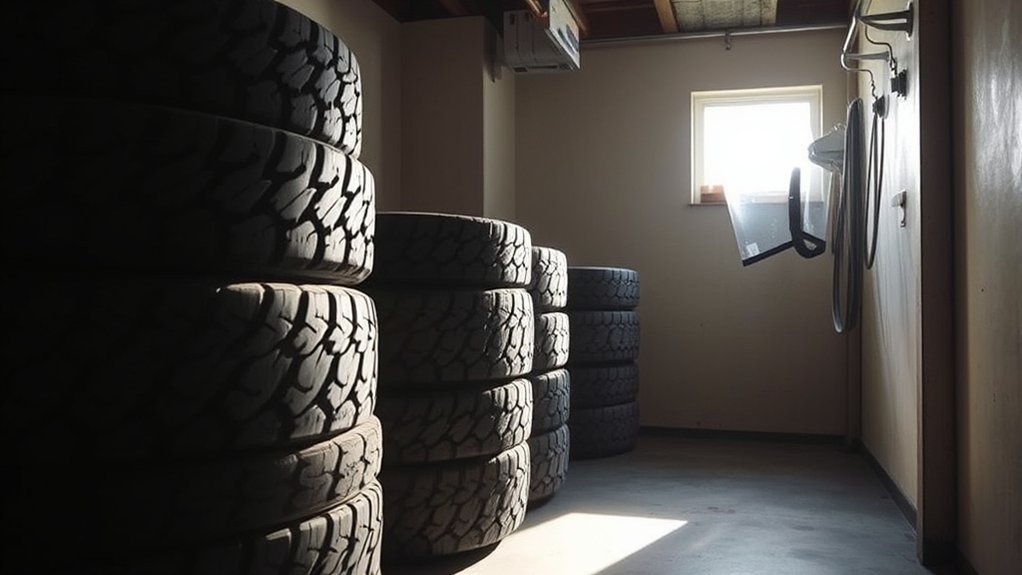
Truck tire dry rot can start quietly, even when the tread still looks usable. Heat, sunlight, ozone, poor storage, low pressure, and long periods of sitting can harden the rubber and cause sidewall cracks. You can slow that damage with smart storage, gentle cleaning, regular pressure checks, and fast replacement when cracks, bulges, or air loss appear.
Quick Answer
To prevent dry rot on truck tires, keep them clean, dry, properly inflated, shaded from direct sun, and away from ozone sources like compressors, furnaces, and battery chargers. Store loose tires indoors in airtight bags when possible, inspect them monthly, and replace any tire with deep cracks, bulges, exposed cords, or repeated pressure loss.
Key Takeaways
- Dry rot is rubber aging that shows up as cracking, brittleness, discoloration, or sidewall weathering.
- Direct sunlight, heat, ozone, chemical exposure, low tire pressure, and long storage periods can speed tire aging.
- Clean tires with mild soap and water, dry them fully, and avoid harsh cleaners or petroleum-heavy products.
- Store loose tires indoors, away from sunlight, moisture, motors, fuel, solvents, and heat sources.
- Check tire pressure, tread, sidewalls, DOT date code, and visible damage at least once a month.
At a Glance
| Time Required | 20 to 45 minutes for a monthly check; 30 to 60 minutes before long-term storage |
| Difficulty | Easy for inspection and cleaning; ask a tire professional if you see cracks, bulges, vibration, or air loss |
| Tools Needed | Tire pressure gauge, mild soap, water, soft brush, microfiber towels, tire covers or airtight bags, tire rack or clean pallet |
| Cost | Low if you already have cleaning supplies and a gauge; optional covers, bags, or racks add cost |
Warning: Do not keep driving on a tire with deep sidewall cracks, bulges, exposed cords, repeated pressure loss, or severe weathering. Tire damage can lead to air loss, tread separation, or a blowout, especially on loaded trucks.
What Tire Dry Rot Is and Why It Matters
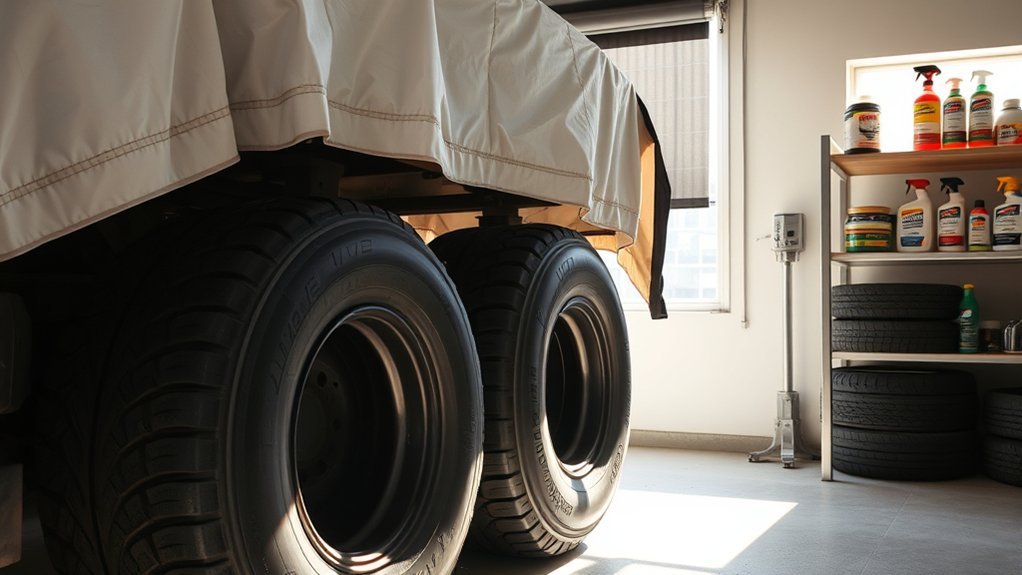
Tire dry rot is a common term for rubber aging and sidewall weathering. As the rubber loses flexibility, tiny surface cracks can form on the sidewall, tread shoulder, or between tread blocks. The tire may also look faded, dry, brittle, or rough.
Dry rot matters because your tires carry the truck’s weight, braking force, steering load, and cargo load. The National Highway Traffic Safety Administration warns that poor tire maintenance, low air pressure, and failure to rotate tires can lead to flats, blowouts, or tread separation.
Truck tires can dry rot even when you do not drive much. Low-mileage trucks, work trucks parked outdoors, collector vehicles, trailers, RVs, and spare tires often age before the tread wears out.
Step-by-Step Checklist to Prevent Dry Rot
Use this checklist once a month and before long trips, towing, hauling, or storing your truck.
Inspect the Sidewalls and Tread
- Look for hairline cracks, deep cracks, splits, bulges, cuts, exposed cords, or uneven wear.
- Check between tread blocks and around the bead area where the tire meets the wheel.
- Look at both the outer and inner sidewalls when possible.
- Check the spare tire too, especially if it sits under the truck and faces road grime.
Also check tread depth. NHTSA says tires are not safe once tread reaches 2/32 inch, and treadwear indicators help show when the tire has reached that limit.
Check Cold Tire Pressure
Check pressure when the tires are cold, meaning the truck has not been driven for at least three hours. Use the pressure listed on the driver-side door placard or in the owner’s manual, not the maximum pressure printed on the tire sidewall.
Low pressure makes the tire flex more than it should. That extra flex creates heat, which can speed wear and weaken the tire over time. Overinflation can also cause uneven wear and a harsher ride.
Note: A tire pressure monitoring system helps, but it does not replace monthly gauge checks. TPMS lights usually appear only after pressure drops significantly.
Read the DOT Date Code
Find the DOT Tire Identification Number on the tire sidewall. The last four digits show the week and year the tire was made. For example, “2322” means the tire was made in the 23rd week of 2022.
Age does not automatically mean a tire is unsafe, but older tires need closer inspection. Many vehicle and tire manufacturers recommend replacing tires that are six to 10 years old, even when tread remains. Follow your truck owner’s manual and the tire maker’s guidance.
Essential Long-Term Storage Practices for Tires
Good storage slows dry rot by reducing heat, sunlight, moisture, oxygen exposure, ozone, and chemical contact. The Continental tire storage guide recommends cleaning tires before storage, drying them completely, keeping them out of direct sunlight, and storing them in a cool, dry, moderately ventilated place.
[Products Worth Considering]

The Kurgo Seasonal Tire Tote helps protect your car interior, clothes, and garage from tire grime, brake dust, and residue during seasonal tire changes. Its universal design fits most passenger tires between 22" and 31" in diameter, making storage and transport simpler with less mess. Built for rugged, repeated use, it’s machine washable for easy care and comes with a lifetime warranty.

Rubber Care delivers a beautiful dark black satin/matte finish on tires and other rubber or plastic surfaces, drying to the touch without oily shine. Its ceramic aircraft-grade formula helps repel dirt and brake dust residue, keeping surfaces cleaner longer. Triple nano ceramic polymer technology provides best-in-industry UV protection, restoring and protecting rubber while also working on weather stripping and de-ice boot care.

Accurately measure tire tread depth with a calibrated gauge marked from 0 to 1 inch in 1/32 inch increments. The color-coded bar helps you quickly identify tread condition ranges, supporting safe driving for trucks, motorcycles, automobiles, and passenger vehicles.
Clean and Dry Before Storage
Wash the tires with mild soap, water, and a soft brush. Remove brake dust, road salt, mud, oil film, and grime. Rinse well, then dry each tire fully before you bag, stack, or store it.
Do not store wet tires in plastic bags. Trapped moisture can encourage mold, corrosion on wheels, and surface deterioration.
Bag or Cover Loose Tires
For loose off-season tires, place each dry tire in a large airtight plastic bag when possible. Remove as much air as you can and seal the bag. This helps reduce air exposure and keeps dust and grime away from the rubber.
If you store tires outside temporarily, use tire covers and keep them off the ground. Indoor storage is still better. Outdoor storage exposes tires to sunlight, heat, moisture, and temperature swings.
Store Mounted and Unmounted Tires Correctly
- Unmounted tires: Store them upright on a clean tire rack or clean floor surface. Avoid hanging unmounted tires because that can distort the bead area.
- Mounted tires on wheels: Stack them flat or hang them from strong wheel hooks. Keep the stack stable and not too high.
- Tires on a parked truck: Park on a clean, level surface. If the truck will sit for weeks, reduce cargo load, move it slightly once a month, and check pressure before driving.
Pro Tip: Label each tire before removing it, such as front left or rear right. That makes it easier to rotate the tires correctly when you reinstall them.
Why UV Rays, Heat, and Ozone Damage Tires
UV rays, heat, oxygen, and ozone can all speed rubber aging. You cannot stop tire aging completely, but you can slow it by controlling where the tires sit and what they touch.
Direct Sunlight and Heat
Sunlight and heat dry and age rubber faster. Tires stored in direct sun, on black asphalt, near reflective surfaces, or in hot sheds can age faster than tires stored indoors.
Choose a shaded, cool, dry, stable location. A basement, climate-controlled garage, or clean indoor storage room is better than an attic, open carport, or outdoor wall that gets afternoon sun.
Ozone and Chemical Exposure
Ozone can attack rubber and contribute to cracking. Keep tires away from equipment with electric motors or contact brushes, including compressors, generators, furnaces, sump pumps, central vacuum systems, and some battery chargers.
Also keep tires away from gasoline, oil, solvents, grease, pesticides, and strong cleaners. These chemicals can stain rubber, dry it out, or weaken it.
Effective Cleaning Methods for Your Tires
Clean truck tires regularly, especially after winter driving, off-road use, construction-site work, or towing on salted roads. Use mild soap, warm water, and a soft brush or cloth.
- Rinse loose dirt first so you do not grind grit into the rubber.
- Scrub the sidewall, tread shoulder, and lettering gently.
- Rinse until no soap remains.
- Dry the tire fully with clean towels before applying any product or storing it.
Avoid harsh degreasers, petroleum solvents, bleach, abrasive pads, and heavy silicone shine products. They can strip protective compounds from the rubber or leave residue that attracts dirt.
Choosing the Right Tire Dressing to Prevent Dry Rot
Tire dressing is optional. It can improve appearance and may add surface UV protection when the truck is in use, but it is not a cure for dry rot. It also cannot make cracked or aged tires safe again.
If you use a dressing, choose a water-based product made for automotive tires. Apply a thin, even coat to clean, dry sidewalls only. Do not spray dressing on tread, brake parts, wheels, or the floor where it can create a slip hazard.
Do not apply gloss products before long-term storage unless the tire manufacturer recommends it. Continental notes that tire compounds are already designed to resist ozone cracking and environmental stress, and dressing products before storage can hinder rather than help tire life.
[Products Worth Considering]

This oesee 8-piece wheel care kit helps you clean, scrub, and dry wheels safely with purpose-built brushes and towels. The scratch-free microfiber wheel brush lifts brake dust and grime, while the stiff pro-grip tire brush removes tire browning and embedded dirt. A twist loop microfiber drying towel and an applicator help achieve a streak-free finish and cleaner, more even product application.

Add style while helping protect your tire valve stems with handmade crystal rhinestone caps and a durable plastic insert. These caps resist corrosion and help keep out rain, snow, and muddy water, extending tire life. Textured non-slip design makes them easy to grip for quick install and removal when checking tire pressure.
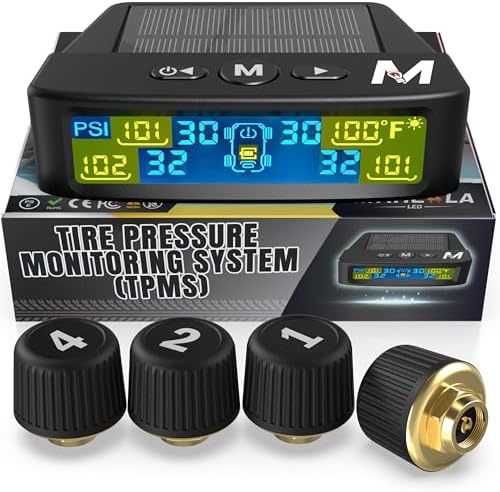
Marcala’s TPMS set of four sensors helps you monitor tire pressure and temperature in real time while driving, with updates every second. The bright color LCD uses auto-dimming for easy viewing, powered by dual solar and USB charging, and offers six alarm modes. Built for trailers, RVs, campers, trucks, and towing setups, the sensors support monitoring 1-4 wheels up to 98 PSI with IP67 waterproof protection.
Conduct Regular Maintenance Checks
Regular checks help you catch dry rot before it turns into a road hazard. Build this into your monthly truck routine.
- Check pressure: Use a gauge on cold tires, including the spare.
- Inspect sidewalls: Look for cracking, bulges, cuts, scuffs, and bead damage.
- Check tread: Look for low tread, uneven wear, cupping, cuts, stones, nails, or exposed cords.
- Watch performance: Pay attention to vibration, pulling, noise, or repeated pressure loss.
- Rotate on schedule: Follow your owner’s manual. If the manufacturer recommends rotation, NHTSA lists 5,000 to 8,000 miles as common guidance.
- Get professional inspections: Ask a tire shop to inspect aging, cracks, repairs, and load condition at least once a year.
Do not rely only on how the tire looks from a distance. Tire aging can be hard to judge visually, and the inner sidewall may hide damage you cannot see during a quick walkaround.
Selecting the Best Storage Location for Your Tires
The best tire storage spot is clean, dry, shaded, stable, and away from heat or ozone. Use the table below to choose a safer location.
| Storage Choice | Best Use | Avoid |
| Climate-controlled room | Best long-term option for loose tires | Direct sunlight, heaters, fuel cans, solvents |
| Basement | Good if dry, clean, and away from equipment | Damp corners, sump pumps, furnace rooms |
| Garage | Acceptable if temperature and moisture stay moderate | Compressors, battery chargers, open flames, chemical shelves |
| Outdoor storage | Temporary use only with covers and raised storage | Bare ground, black asphalt, standing water, full sun |
[Products Worth Considering]

Monitor tire tread wear with a smart, color-coded depth gauge that shows clear condition ranges at a glance. The bar is range marked for fast, easy readings, helping you maintain safer traction and performance. Each gauge is portable with a pocket clip, and the set includes 20 units for daily use and sharing.

Black Magic Tire Wet delivers a deep wet-look shine that makes tires appear dark, rich, and freshly detailed. Its long-lasting formula helps resist rain, dust, and road grime for weeks of glossy protection, not days. Apply by spraying onto clean, dry tires—no buffing or wiping required—with a low-sling design to reduce splatter on paint and wheels.

P&S Dressed Tire Finish is a premium, water-based tire dressing that delivers a deep, rich high-gloss look without the greasy residue. Its polymer blend is designed to mimic the durability and shine of traditional solvent-based dressings while staying non-hazardous and eco-friendly. Apply with a brush or spray bottle for even coverage and a professional, factory-fresh finish.
When Dry Rot Means Replacement
Prevention helps only before the tire becomes unsafe. Replace the tire or have it inspected before driving if you notice any of these warning signs:
- Deep cracks in the sidewall, tread shoulder, or between tread blocks
- Bulges, bubbles, or sidewall separation
- Exposed cords or fabric
- Cracks that spread around the bead area
- Repeated air loss without a simple repairable puncture
- Vibration, thumping, or pulling after storage
- Severe weathering on an older tire, even with usable tread
Also check age. NHTSA notes that some vehicle and tire manufacturers recommend replacing tires that are six to 10 years old, regardless of treadwear. If your truck tows, hauls, sits outside, or works in hot climates, do not stretch old tires just because the tread looks deep.
Your tires are the only parts of the truck touching the road. If cracking, age, or pressure loss makes you doubt a tire, treat that doubt as a safety warning.
Frequently Asked Questions
How often should I inspect my tires for dry rot?
Inspect truck tires at least once a month and before long trips, towing, hauling, or off-road driving. Check pressure, tread, both sidewalls, valve stems, and the spare tire.
Can tires dry rot if they are not used?
Yes. Tires can age while parked or stored because rubber changes over time. Sunlight, heat, ozone, poor storage, and low use can all contribute to cracking and sidewall weathering.
What temperature is best for tire storage?
Choose a cool, dry, stable indoor space. Avoid hot attics, outdoor sunlight, freezing storage swings, heaters, furnaces, and black asphalt. A climate-controlled room or dry basement is usually better than a shed or open garage.
Are there specific brands of tire protectants recommended?
Use criteria instead of chasing a brand. Choose a water-based tire product made for automotive rubber, follow the label, and avoid petroleum-heavy solvents or slippery overspray. Do not apply dressing before storage unless your tire manufacturer recommends it.
How do I know if my tires are dry rotting?
Look for small cracks, deep cracks, faded rubber, brittleness, rough sidewalls, or cracking around the tread shoulder. If cracks are deep, spreading, or paired with air loss, bulges, or vibration, have the tire inspected before driving.
Should I cover truck tires if the truck parks outside?
Yes, tire covers help block sunlight and reduce UV exposure. They are not perfect, though. Keep the truck on a clean, well-drained surface, check pressure monthly, and move it occasionally if it sits for long periods.
Can dry-rotted tires be repaired?
No reliable repair can reverse dry rot. A plug or patch may fix some tread punctures, but it does not restore aged, cracked rubber. Replace tires with serious cracking, bulges, exposed cords, or structural damage.
Conclusion
You can prevent truck tire dry rot from getting worse by controlling the basics: clean the tires gently, dry them fully, store them indoors when possible, block sunlight, avoid ozone and chemicals, and keep pressure at the truck maker’s recommended level.
Do not wait for a crack to become a failure. Inspect your tires monthly, read the DOT date code, and ask a tire professional to check any tire that looks brittle, cracked, bulged, or unable to hold pressure. Good tire care saves money, but safe replacement matters more than squeezing extra miles from damaged rubber.
Sources
- NHTSA TireWise — tire pressure, tread depth, tire aging, inspection, replacement warning signs, and tire-safety context.
- Continental: How to Correctly Store Your Tires — cleaning before storage, no dressing before storage, airtight bags, sunlight, ozone, chemical exposure, and storage position.
- Tire Rack: Tire Storage Guidance — manufacturer-specific storage guidance, inspection after storage, and cracking replacement cautions.