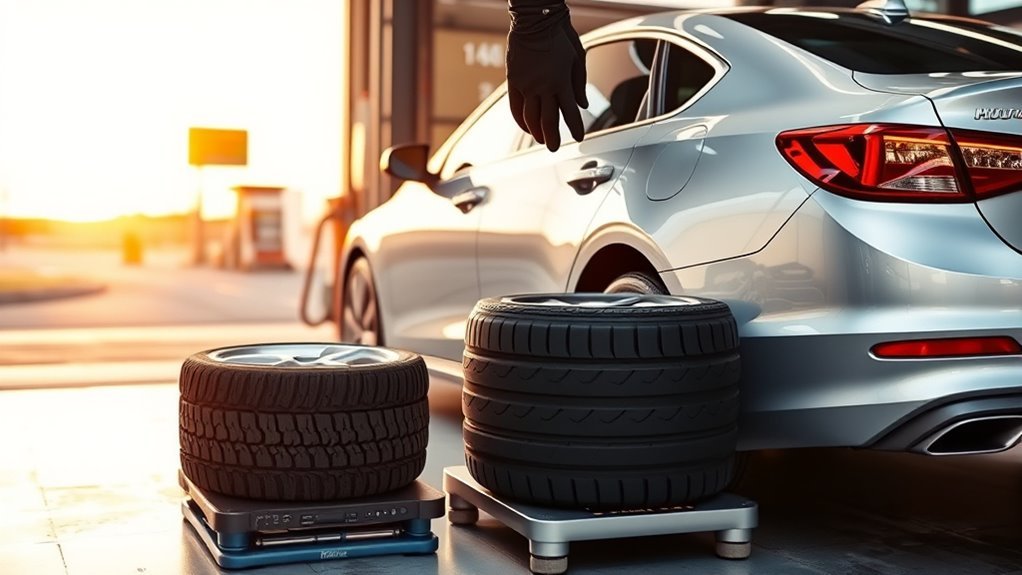
Changing the wheels on a Hyundai Sonata can improve how the car feels, but the fuel-economy gain is usually modest. The best MPG setup is not simply “the lightest rim.” It is the lightest safe wheel-and-tire package that keeps the factory tire diameter close, uses a low-rolling-resistance tire, carries the correct load rating, and stays properly inflated.
Quick Answer
Lighter wheels can slightly improve Hyundai Sonata MPG, especially in stop-and-go driving, because the engine has less rotating mass to accelerate. The bigger MPG factor is usually tire rolling resistance, pressure, and width. Expect small gains, not a dramatic jump, unless the old setup was heavy, wide, sticky, or under-inflated.
Key Takeaways
- For MPG, tire rolling resistance and tire pressure usually matter more than rim weight alone.
- A lighter wheel-and-tire assembly can improve acceleration response and braking feel because it reduces rotating and unsprung mass.
- Do not change to a tire with the wrong load index, speed rating, offset, diameter, or brake clearance just to save weight.
- Current U.S.-market Sonata factory sizes include 16, 17, 18, and 19-inch packages depending on trim; older Sonata years may differ.
- Fuel savings alone rarely pay for expensive lightweight wheels. Buy them for the combined benefit: MPG, ride, steering feel, braking response, and appearance.
Will Lighter Wheels Improve a Hyundai Sonata’s MPG?
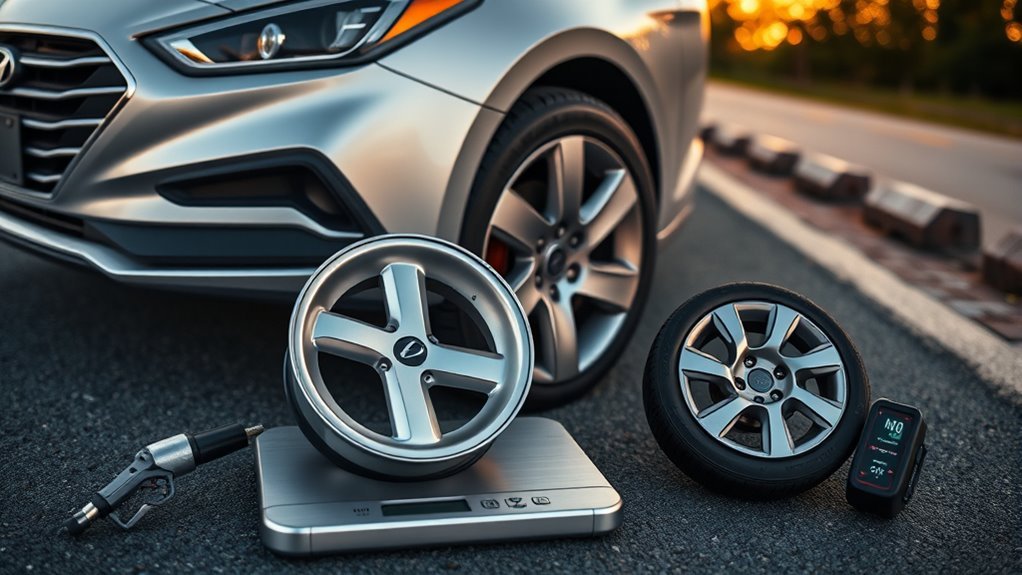
Yes, lighter wheels can help, but the gain is usually small. A wheel-and-tire package affects fuel economy in three main ways: total mass, rotational inertia, and tire rolling resistance.
Reducing weight helps most when the car repeatedly accelerates from low speeds. That is why a lighter wheel-and-tire package may feel sharper around town even when highway MPG barely changes. At steady highway speed, tire rolling resistance, aerodynamic drag, alignment, and inflation pressure become more important than a few pounds of rim weight.
The U.S. Department of Energy notes that an extra 100 pounds in a vehicle can reduce MPG by about 1%, while NHTSA estimates that a 10% reduction in tire rolling resistance can improve vehicle fuel economy by about 1–2%. That means a low-rolling-resistance tire on a moderately light wheel can be a better economy choice than an ultra-light wheel paired with a sticky performance tire.
Note: There is no universal rule that 1 pound removed from a wheel equals a fixed number of pounds removed from the car body for MPG. Wheel weight matters, but the actual result depends on tire construction, tire width, driving cycle, pressure, alignment, and vehicle speed.
[Products Worth Considering]

This metal-free wheel and tire cleaning brush uses dense, fluffy synthetic wool to safely clean rims, spokes, fenders, and engine areas without worrying about damaging surfaces. Its flexible, comfortable design helps you reach detailed areas while maintaining durability, and the extra absorbent fibers work well with wheel spray cleaners for faster cleanup. Reusable and washable performance helps prevent grime and build-up for cleaner vehicles and easier maintenance at home.

Keep your tires properly inflated with this analog VONDIOR tire pressure gauge, designed for fast, easy readings without batteries. The swiveling, two-axis hose and large glow dial help you measure at any tire angle with instant visibility. Built with a protective rubber shield, it supports durable, low-maintenance use for cars and trucks.

This professional wheel and rim cleaning brush set lifts brake dust, grime, and dirt with soft, scratch-free microfiber and synthetic wool fibers. The rim brush bends up to 360 degrees for easy access to hard-to-reach areas around spokes, lips, and faces. Ideal for thorough cleaning of car, truck, motorcycle, bicycle, RV, and more wheel and tire surfaces.
Current Hyundai Sonata Factory Wheel and Tire Sizes
Before changing sizes, start with the factory range for your model year and trim. Hyundai’s 2025 Sonata product guide lists these U.S.-market wheel and tire packages for the gasoline trims, with the hybrid listed separately on 17-inch wheels.
| Factory size | Common 2025 Sonata use | Approx. outside diameter | MPG / ride note |
|---|---|---|---|
| 205/65R16 | SE gasoline trim | 26.5 in | Usually the comfort-and-economy choice because it is narrower and has more sidewall. |
| 215/55R17 | SEL gasoline and 2025 hybrid trims | 26.3 in | Good balance of MPG, tire price, comfort, and steering response. |
| 235/45R18 | SEL Convenience gasoline trim | 26.3 in | More grip and sharper response, but wider tires can cost more and may add rolling resistance. |
| 245/40R19 | N Line gasoline trim | 26.7 in | Sportiest factory-style setup; typically gives up some ride comfort and efficiency for grip and appearance. |
These outside-diameter numbers are approximate because tire dimensions vary by brand and model. The key point is that factory plus-size packages keep overall diameter close. That protects speedometer accuracy, stability-control calibration, ABS behavior, and gearing.
Warning: Do not choose wheels only by diameter and bolt pattern. Confirm load index, speed rating, wheel offset, center bore, brake clearance, lug-seat type, TPMS compatibility, and fender clearance before installing any non-factory setup.
How Unsprung Weight Affects Acceleration, Braking, and Ride
Unsprung weight is the mass that moves with the suspension instead of being supported by it. On a Sonata, that includes the wheels, tires, brake hardware, hubs, and parts of the suspension links. Reducing unsprung weight can help the suspension control the tire more easily over bumps.
Wheel and tire weight also affects rotational inertia. A heavy wheel-and-tire assembly takes more energy to spin up and slow down. That can make launch response feel softer and can add work for the brakes. This is why a lighter package may feel more responsive even when the MPG change is hard to see tank to tank.
| Change | Likely effect |
|---|---|
| Lighter wheel with similar tire | Sharper acceleration response, easier braking work, and a small MPG benefit in city driving. |
| Lighter wheel but heavier or stickier tire | The tire may erase the wheel-weight benefit. |
| Wider performance tire | Better grip, but usually more rolling resistance, road noise, and replacement cost. |
| Narrower touring tire | Usually better MPG and ride comfort, with less ultimate cornering grip. |
How Tire Diameter and Width Change Rolling Resistance
Rolling resistance is the energy lost as a tire flexes and returns to shape while rolling. The National Academies explains that tire rolling resistance depends on construction, dimensions, materials, load, alignment, temperature, and inflation pressure.
Width matters because a wider tire often has a larger contact patch and more tread material. That can improve cornering and braking grip, but it may raise rolling resistance and weight. Diameter matters if the outside tire diameter changes enough to alter gearing and speedometer accuracy. On factory-style Sonata sizes, the outside diameter usually stays close, so the bigger MPG difference usually comes from tire width, weight, tread compound, and rolling-resistance rating.
Inflation pressure is the easiest variable to control. FuelEconomy.gov says keeping tires inflated to the proper pressure can improve gas mileage by 0.6% on average, up to 3% in some cases, and that under-inflated tires can lower gas mileage by about 0.2% for every 1 psi drop in the average pressure of all tires.
Pro Tip: Check tire pressure cold, using the pressure on the Sonata’s driver-door placard or owner’s manual. Do not use the maximum pressure printed on the tire sidewall as your normal setting.
How Tire Size Alters Aerodynamics and Highway RPM
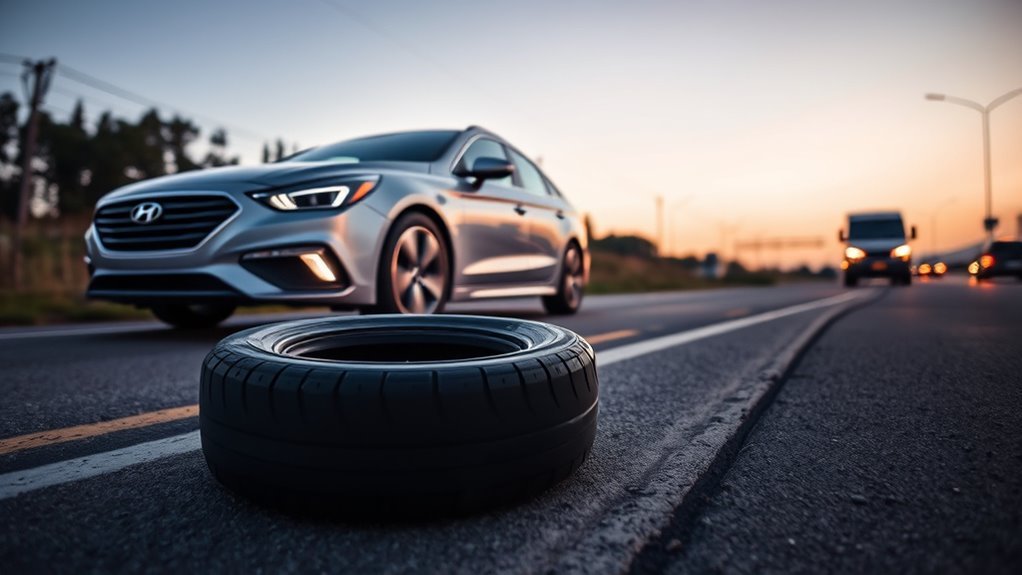
Changing wheel diameter alone does not determine highway RPM. The real factor is the tire’s outside diameter. If you move from a 17-inch wheel to an 18-inch wheel but use a shorter sidewall tire with nearly the same outside diameter, highway RPM barely changes.
A much taller tire can lower engine RPM at a given road speed, but that is not automatically better. It can move the engine and transmission away from their most efficient operating range, affect shift behavior, and cause speedometer error. A much shorter tire can raise RPM and make the car feel more eager, but it can also hurt highway economy.
A wider tire may also create slightly more aerodynamic drag around the wheel opening and more road contact losses. On a Sonata used for commuting, these small effects add up most when the tire is also heavier, stickier, under-inflated, or misaligned.
Real Trade-Offs: Acceleration, Braking, Handling, and MPG
The best wheel choice depends on what you want the Sonata to do. A lighter 16 or 17-inch setup with an efficient touring tire usually favors MPG, ride comfort, and tire cost. An 18 or 19-inch setup with a wider performance tire usually favors steering response, grip, and appearance.
Acceleration Versus Wheel Mass
Reducing total wheel-and-tire weight helps most during acceleration. The effect is easier to feel in city driving than at steady freeway speed. If your current package is heavy and you switch to a lighter wheel without choosing a heavier tire, the car may feel more responsive from a stop.
The tire can cancel the benefit. A lightweight wheel paired with a heavy ultra-high-performance tire may weigh the same as, or more than, a stock setup. Always compare the complete assembly weight, not just rim weight.
Braking and Unsprung Weight
A lighter rotating assembly gives the brakes less spinning mass to slow down. That can improve brake feel and reduce work during repeated stops. However, braking distance also depends heavily on tire grip. A narrow low-rolling-resistance tire may save fuel but may not stop as aggressively as a wider performance tire in dry conditions.
For daily driving, the safest goal is balance: choose a tire with the correct load rating, strong wet braking ratings, and reasonable rolling resistance.
Handling, Grip, and MPG
Wider tires can improve cornering grip and steering response, especially on 18 and 19-inch wheel packages. The trade-off is usually a firmer ride, more road noise, higher tire cost, and possible MPG loss. Narrower tires usually ride better and roll more efficiently, but they give up some ultimate grip.
For fuel economy, a low-rolling-resistance tire at the correct pressure can matter more than saving a few pounds on the rim.
How to Estimate the MPG Benefit Before Buying Wheels
Use a simple process before spending money on lightweight wheels.
- Weigh your current setup. Remove one wheel-and-tire assembly and weigh it, or ask a tire shop to weigh it during service.
- Find the new wheel weight. Use the wheel maker’s listed weight for the exact diameter, width, and offset.
- Find the new tire weight. Tire weight varies a lot by model, even in the same size.
- Compare complete assembly weight. A 5 lb lighter rim does not help if the new tire is 5 lb heavier.
- Compare tire category. Touring and low-rolling-resistance tires usually favor MPG; summer performance tires usually favor grip.
- Keep outside diameter close. Stay near the factory tire diameter unless a fitment expert confirms the change.
- Track MPG over several tanks. One tank can be distorted by wind, traffic, fuel blend, temperature, and driving style.
A realistic expectation is a small MPG change, often less than what you can gain or lose from tire pressure, alignment, traffic, and driving speed. The performance feel may be more noticeable than the fuel savings.
Typical Weights: Stock vs Lightweight Rims and Full Tire Packages
Hyundai publishes wheel and tire sizes for the Sonata, but not every factory wheel weight. Aftermarket wheel makers often publish rim weight, but that number is only half the story. The tire can be just as important.
[Products Worth Considering]

The Continental Grand Prix 5000 is an allround road bike tire engineered for faster rolling, improved ride comfort, and enhanced puncture protection. It features a Vectran Breaker cut-protection layer, Lazer Grip micro-profile tread for confident cornering control, and Active Comfort Technology to damp vibration for smoother rides. BlackChili compound optimizes grip and speed for everyday performance and long-lasting confidence.

These M14x1.5 closed-end chrome lug nuts are a one-piece replacement designed for secure fitment on compatible GM, Ford, and select Chrysler/Dodge models. Featuring a 60-degree conical seat and anti-rust chrome plating, they help resist corrosion and maintain a bright look for everyday driving. Built for long-term durability, they include OEM-style part references and are backed by 12 months of support.

The UYYE TPMS relearn tool helps activate and relearn tire pressure monitor sensors quickly, typically in minutes. It supports TPMS learn mode resetting using a simple three-step process: enter learn mode, position the tool near the valve stem, and press the learn button. Designed for specific GM models, it streamlines sensor programming and reduces trips to dealers or tire shops.
Stock Rim and Tire Weights
Do not assume every stock Sonata wheel weighs the same. A 16-inch alloy, 17-inch alloy, 18-inch alloy, and 19-inch N Line alloy can differ in rim width, design, strength, and tire weight. The most accurate method is to weigh the complete assembly currently on your car.
Lightweight Wheel Package Options
For a daily-driven Sonata, the best lightweight choices are usually flow-formed or well-made cast wheels from a reputable brand. Forged wheels can be lighter and stronger, but they cost much more. A wheel that is too light, too cheap, or not properly rated for the vehicle is not a good economy upgrade.
| Priority | Best direction | Trade-off |
|---|---|---|
| Best MPG and comfort | 16 or 17-inch factory-style size with an efficient touring tire | Less aggressive appearance and less ultimate grip. |
| Balanced daily driving | 17 or 18-inch lightweight wheel with a quality all-season tire | Moderate cost; MPG depends heavily on tire choice. |
| Handling and appearance | 18 or 19-inch wheel with a performance tire | Firmer ride, higher tire cost, and possible MPG loss. |
Unsprung Weight Impact Estimates
Reducing unsprung weight can improve suspension response and road feel, but avoid exaggerated formulas. The real-world benefit depends on where the weight is removed, how the wheel is designed, how heavy the tire is, and how the car is driven.
If the new package saves 4–6 lb per corner while keeping a similar tire type, you may notice quicker response and a small efficiency benefit. If the new package is wider, stickier, or heavier overall, MPG may stay the same or drop.
Costs and Long-Term Ownership: Tire Prices, Lifespan, Mounting
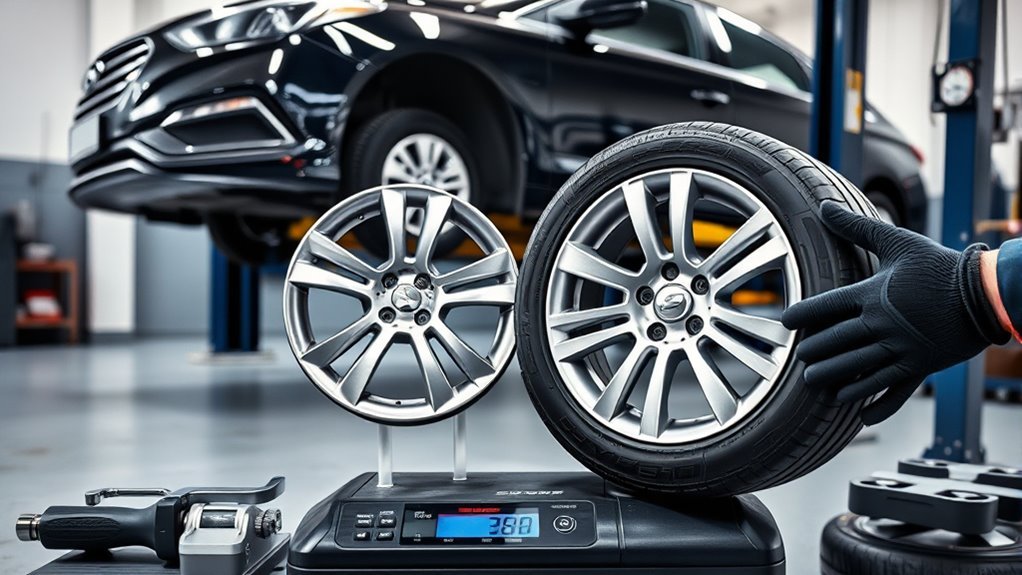
Larger Sonata tires often cost more than smaller touring sizes, but exact prices change constantly. Instead of relying on one fixed price, compare the total cost per mile.
Use this formula:
Total tire cost per mile = tire set price + mounting + balancing + disposal + alignment allowance, divided by expected tread life.
Then compare fuel cost separately:
Fuel cost difference = annual miles ÷ actual MPG, compared with the same miles at the expected new MPG.
For many drivers, the fuel savings from lighter wheels alone will not repay the cost of premium lightweight rims. The upgrade makes the most sense when you also value ride quality, steering feel, braking response, or appearance.
[Products Worth Considering]

Adam’s Pro Tire Hex Grip applicators are molded foam sponges designed for precise, even tire dressing application. The ergonomic grip helps you spread product without overapplying, reducing sling that can splash onto paint and helping keep your hands clean during wheel and trim detailing. They’re durable, washable, and reusable for repeated detailing sessions.
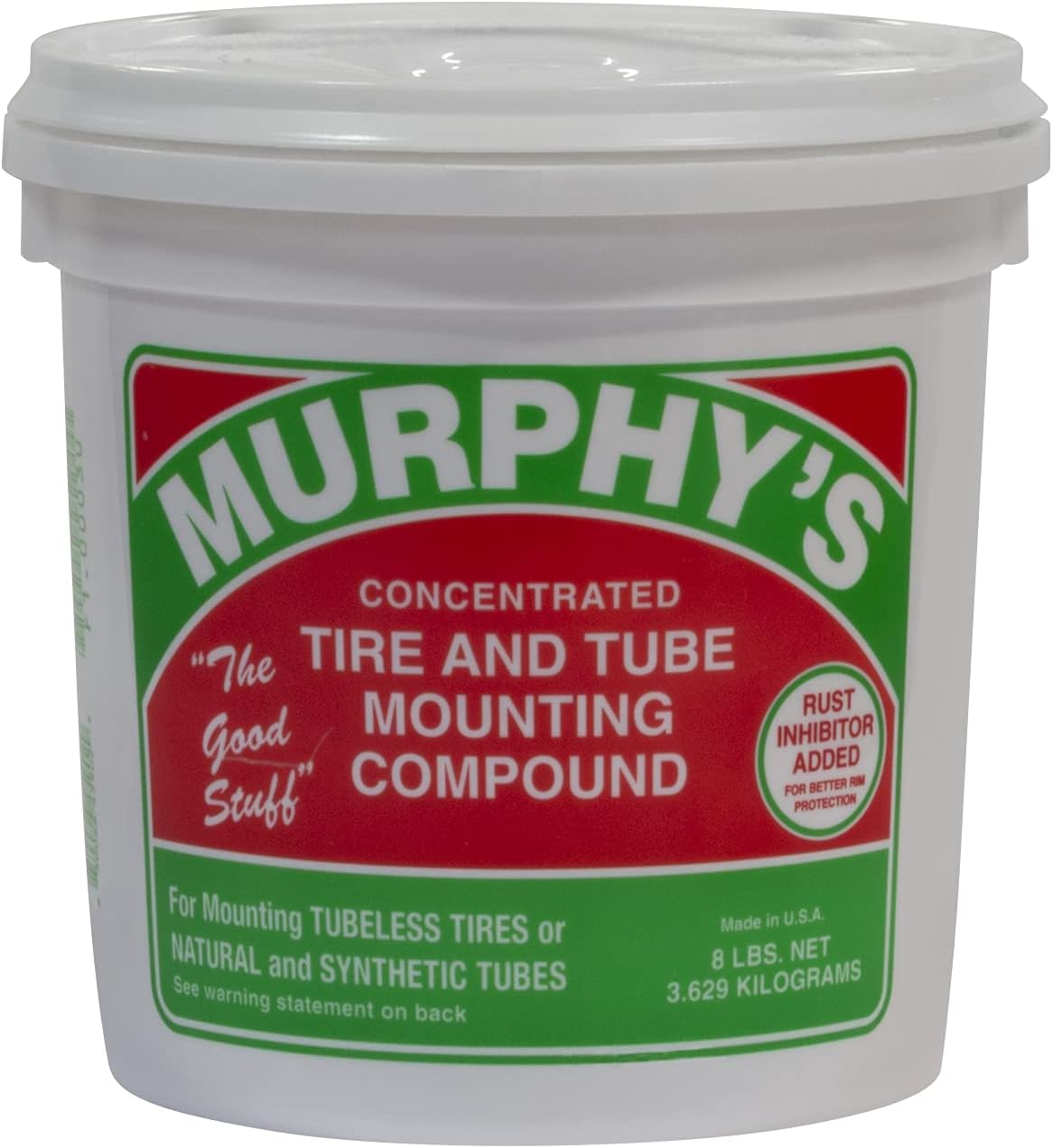
A concentrated tire and tube mounting compound designed to help simplify mounting rubber tires and tubes on passenger, semi truck, construction, and OTR applications. Its ultra-thick formula packs beads effectively and includes rust inhibitors to help protect against corrosion during use.
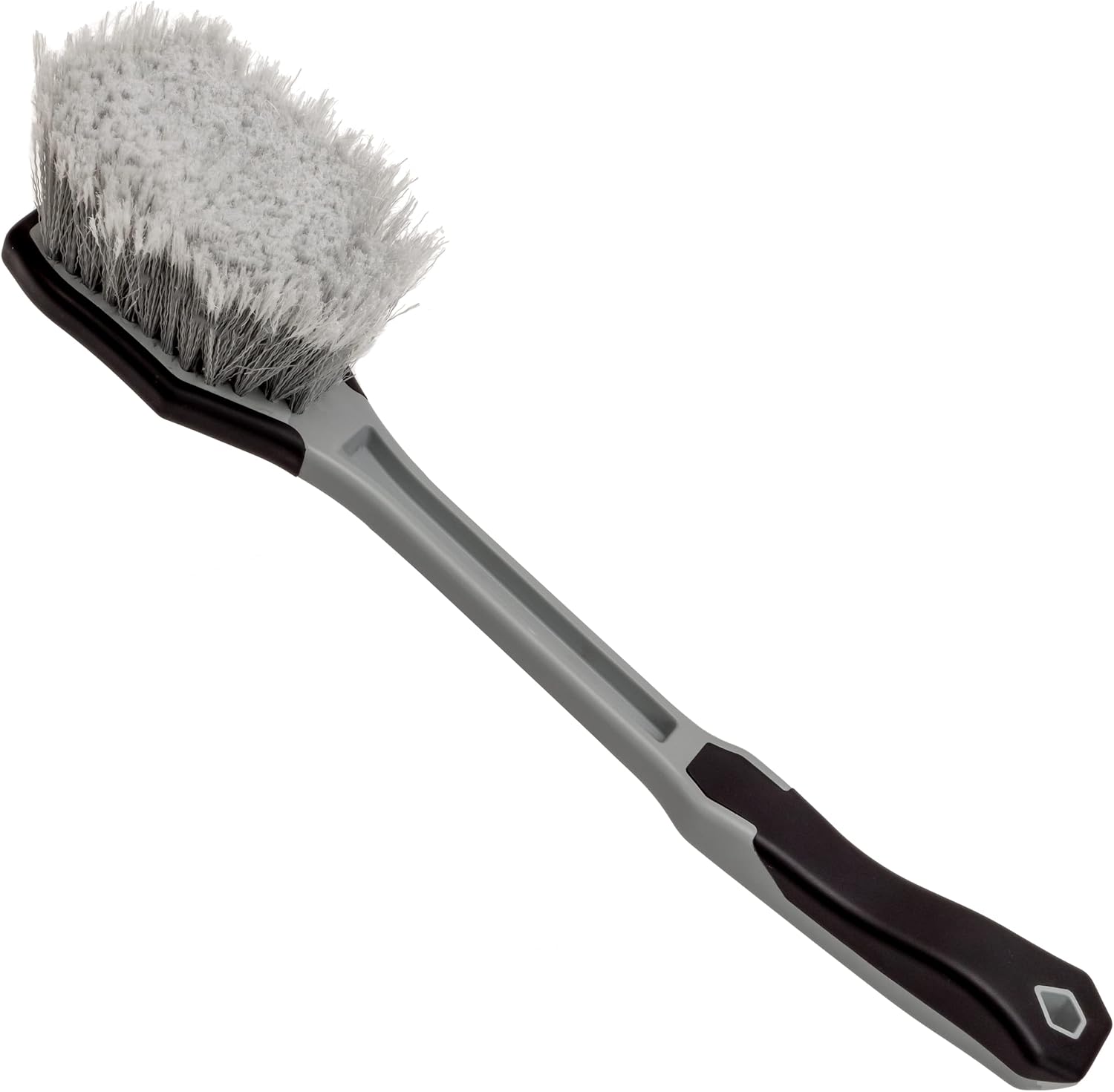
Clean grills, fenders, fender flares, bumpers, and wheel wells with a long-handled brush built for detailed car washing. The soft, triple-flagged bristles and dense scrub coverage help lift dirt gently while making coverage fast and easy. Use it with your favorite car wash soap for tires and exterior surfaces, and it also works for bike, motorcycle, boat, or RV cleaning.
Decision Checklist: Prioritize Economy, Handling, or Appearance
Use this checklist before buying wheels for your Sonata:
- For economy: choose a factory-style diameter, moderate width, low-rolling-resistance touring tire, and the lightest reputable wheel that fits safely.
- For handling: choose a wider tire with strong wet and dry braking ratings, but accept higher cost and possible MPG loss.
- For comfort: avoid very low-profile tires; 16 and 17-inch packages usually ride better on rough roads.
- For appearance: 18 and 19-inch wheels fill the wheel wells better, but they can add cost, weight, and impact harshness.
- For safety: match or exceed the factory load index and speed rating, and confirm brake clearance and offset.
Note: If your Sonata is leased, still under warranty, or insured with declared modifications, confirm wheel and tire changes before installing them. A poor fitment can cause rubbing, vibration, TPMS issues, uneven wear, or denied damage claims.
Frequently Asked Questions
How much does 200 pounds affect gas mileage?
As a general vehicle-weight estimate, 200 extra pounds can reduce MPG by about 2%, based on the Department of Energy’s rule of thumb that 100 pounds can reduce MPG by about 1%. Wheel weight is more complicated because wheels also rotate, so do not use this body-weight estimate as an exact wheel-weight formula.
Does 10 pounds per tire make a difference?
Yes, 10 pounds per corner can be felt in acceleration response, braking effort, and ride control. For MPG, the result depends on whether the heavier tire also has higher rolling resistance, more width, or a stickier compound. A heavier low-rolling-resistance tire may still beat a lighter performance tire for fuel economy.
Is downsizing Sonata wheels good for MPG?
Downsizing can help if the smaller package is lighter, uses a narrower efficient tire, and keeps the outside tire diameter close to factory spec. It can also improve ride comfort and lower tire replacement cost. Do not downsize if the wheel will not clear the brakes or if the tire load rating is too low.
Will 19-inch Sonata wheels hurt MPG?
They can. A 19-inch package usually uses a wider, lower-profile tire that may weigh more and create more rolling resistance than a 16 or 17-inch touring setup. The difference depends on the exact wheel weight, tire model, tire pressure, alignment, and driving style.
Should I buy lightweight wheels just to save fuel?
Usually no. Fuel savings alone rarely repay the cost of high-end lightweight wheels. They make more sense if you also want better steering feel, sharper acceleration response, improved ride control, or a specific appearance.
Conclusion
Lighter wheels can improve a Hyundai Sonata’s responsiveness and may slightly improve MPG, but the biggest real-world economy gains usually come from choosing the right tire and maintaining it correctly. For the best daily-driver setup, keep the tire diameter close to factory spec, avoid unnecessary width, choose a low-rolling-resistance tire with the correct load rating, and check pressure regularly.
If you want the most efficient Sonata setup, a lighter 16 or 17-inch factory-style package with quality touring tires is usually the smart choice. If you want sharper handling and a sportier look, 18 or 19-inch wheels can be worth it, but expect more tire cost, a firmer ride, and possible MPG loss.
Sources
- FuelEconomy.gov — Driving More Efficiently — supports the general vehicle-weight impact on MPG.
- FuelEconomy.gov — Keeping Your Vehicle in Shape — supports tire-pressure and MPG guidance.
- NHTSA TireWise — supports tire rolling resistance and fuel-economy guidance.
- National Academies — Tires and Passenger Vehicle Fuel Economy — explains rolling resistance factors and fuel-consumption effects.
- Hyundai 2025 Sonata Product Guide — supports current U.S.-market Sonata wheel and tire sizes.