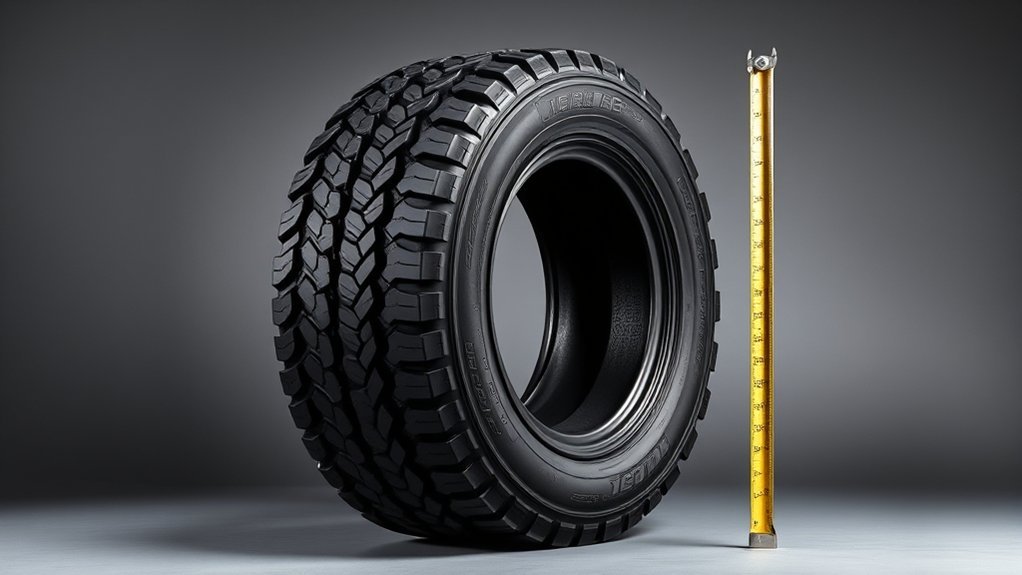
A 295/70R18 tire is a large light-truck tire size that measures about 34.3 inches tall and 11.6 inches wide on paper. It fits an 18-inch wheel and is common on trucks and SUVs that need more ground clearance, stronger sidewalls, and an aggressive stance. Before you buy, you still need to check clearance, wheel width, load rating, tire pressure, and speedometer changes because real-world fitment varies by tire model and vehicle setup.
Quick Answer
A 295/70R18 tire is about 34.3 inches tall, 11.6 inches wide, and fits an 18-inch wheel. Its sidewall is about 8.1 inches tall, and its circumference is about 107.6 inches. It is close to a 35-inch tire, but it is not usually a true 35.
Key Takeaways
- A 295/70R18 tire is about 34.3 inches tall, or about 870 mm in overall diameter.
- Its 295 mm section width equals about 11.6 inches.
- The 70 aspect ratio creates an 8.1-inch sidewall on each side of the wheel.
- It fits an 18-inch wheel, and many models work with 7.5- to 10-inch-wide rims.
- This size often comes as an LT load range E tire, but you must confirm the exact load index and service description before buying.
- A 295/70R18 can affect clearance, gearing, MPG, speedometer accuracy, and spare tire fit.
295/70R18 Specs at a Glance
The numbers below are standard calculated dimensions for the 295/70R18 size. Actual mounted height and width can vary slightly by brand, tread design, wheel width, air pressure, and load.
| Overall Diameter | About 34.3 inches / 870 mm |
| Section Width | 295 mm / about 11.6 inches |
| Sidewall Height | About 8.13 inches |
| Wheel Diameter | 18 inches |
| Circumference | About 107.6 inches |
| Revolutions per Mile | About 589 |
| Common Wheel Width Range | Often 7.5 to 10 inches, but confirm the exact tire maker’s spec |
How Tall Is a 295/70R18 Tire?
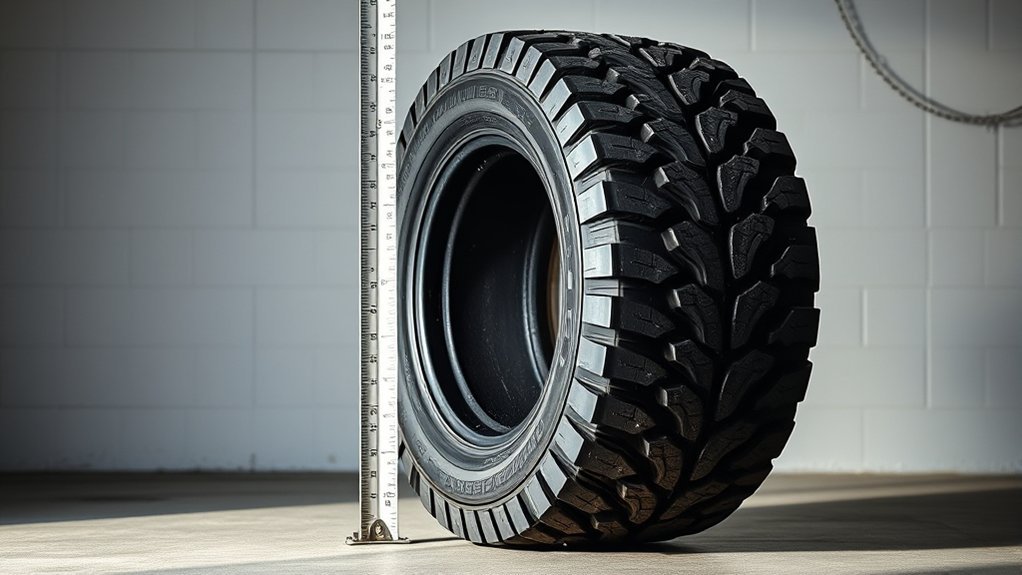
A 295/70R18 tire is about 34.3 inches tall overall. In metric terms, that is about 870 mm. This is the number most people mean when they ask how tall a 295/70R18 tire is.
The size also has a circumference of about 107.6 inches and turns about 589 times per mile. That matters because tire height affects your speedometer, odometer, gearing, braking feel, and how much room you need inside the wheel well.
You can verify the standard dimensions with a tire-size calculator such as TireSize.com’s 295/70R18 reference page. Just remember that real tire height can vary by manufacturer and by tread type. A mud-terrain tire with deep lugs may measure slightly different from an all-terrain tire in the same size.
Note: Tire size math gives you a close estimate. The mounted tire can measure a little taller or shorter once it is installed, inflated, loaded, and sitting under your truck.
What Does 295/70R18 Mean?
The code 295/70R18 tells you the tire’s width, sidewall ratio, construction, and wheel diameter. Tire sizing can look confusing at first, but each part has a clear meaning.
- 295 means the tire has a nominal section width of 295 mm, or about 11.6 inches.
- 70 means the sidewall height is 70% of the tire’s section width.
- R means the tire uses radial construction.
- 18 means the tire fits an 18-inch wheel.
Tire Rack explains that the three-digit number is the section width in millimeters, the two-digit number is the sidewall aspect ratio, the letter R means radial construction, and the final number is the wheel diameter the tire is designed to match. You can read their tire-code explanation here: Tire Rack: How to Read Tire Size on the Sidewall.
How to Calculate 295/70R18 Height
You can calculate the approximate height with a simple formula:
Overall diameter = wheel diameter + 2 × sidewall height
Here is the math for a 295/70R18:
- Section width: 295 mm
- Sidewall height: 295 × 0.70 = 206.5 mm
- Sidewall height in inches: 206.5 ÷ 25.4 = about 8.13 inches
- Overall diameter: 18 + 8.13 + 8.13 = about 34.26 inches
Rounded, that gives you a 34.3-inch tire.
How Wide Is a 295/70R18 Tire?
A 295/70R18 tire has a section width of 295 mm, which equals about 11.6 inches. Section width is measured across the widest part of the tire’s sidewalls, not only across the tread face.
Section Width Explained
Section width affects clearance, steering feel, wheel choice, and how close the tire sits to suspension parts. A wider tire can add traction and stance, but it can also create rubbing if your wheel offset, fender space, or suspension travel is not right.
| Spec | Metric | Imperial |
|---|---|---|
| Section width | 295 mm | 11.6 in |
| Aspect ratio | 70% | 8.13 in sidewall |
| Wheel diameter | 18 in | 18 in wheel fitment |
Width in Inches
At about 11.6 inches wide, a 295/70R18 tire is wider than many factory half-ton truck tire sizes. That extra width can improve the tire’s footprint, especially on loose dirt, gravel, snow, and trails. On pavement, it may also add weight, steering effort, and rolling resistance.
This is why you should compare the new tire’s width with your current tire size before buying. A tire that looks perfect from the side may still rub inside the fender liner or near the upper control arm.
Fitment and Clearance Basics
Measuring 11.6 inches wide and about 34.3 inches tall, a 295/70R18 tire needs more space than many stock tires. Check clearance at full steering lock in both directions, and check again with the suspension compressed. Rubbing often happens during reverse turns, driveway angles, off-road flex, or when the truck is loaded.
Warning: Do not assume a 295/70R18 fits just because another owner runs the same size. Wheel offset, lift height, alignment, tire brand, mud flaps, fender liners, and suspension parts can all change the result.
Will a 295/70R18 Tire Fit Your Truck?
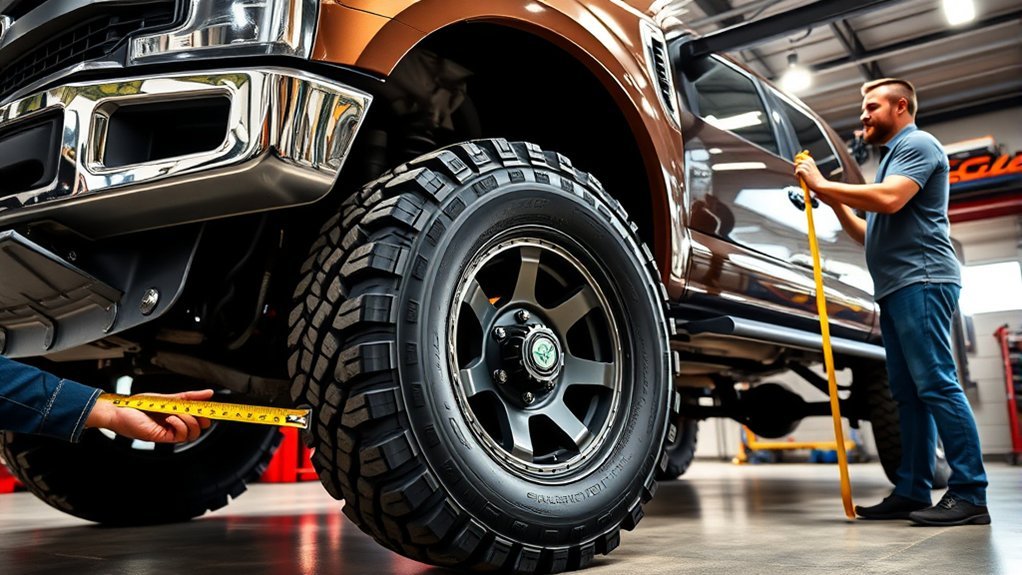
A 295/70R18 tire may fit many full-size trucks and some SUVs, but fitment depends on your exact vehicle, wheel specs, suspension, and tire model. This size is common on upgraded trucks because it gives a tall stance without always requiring a full 35-inch tire setup.
[Products Worth Considering]

This 12-inch LUMITECO dual head tire pressure gauge features an integrated straight-on chuck and a 30° reverse chuck to reach hard-to-access dual wheel valves. Its 10–150 PSI / 1–10 BAR range with a clear, two-sided scale helps you quickly check tire pressure for safer, smoother driving. Heavy-duty construction and a simple no-battery design make it a reliable tool for trucks, cars, RVs, and motorcycles.

Keep your tires properly inflated with this analog VONDIOR tire pressure gauge, designed for fast, easy readings without batteries. The swiveling, two-axis hose and large glow dial help you measure at any tire angle with instant visibility. Built with a protective rubber shield, it supports durable, low-maintenance use for cars and trucks.
This TPMS relearn tool helps you quickly activate, match, and reset GM tire pressure sensors to keep the vehicle monitoring system working properly. It clears tire pressure alarms and dashboard warning lights after sensor replacement or tire rotation, and supports learning for common 315/433 MHz TPMS sensors. Designed for simple one-button operation, it can help you avoid unnecessary trips to repair shops.
Fitment Checklist
Before mounting a 295/70R18, check these areas:
- Wheel width: Many 295/70R18 tires are listed for 7.5- to 10-inch-wide wheels, but confirm the exact tire maker’s approved rim width.
- Wheel offset and backspacing: Too much backspacing can push the tire toward suspension parts. Too little can push it into the fender.
- Upper control arms: Wide tires can contact aftermarket or factory control arms.
- Fender liners and mud flaps: These are common rub points during turns.
- Front bumper and rear cab mount area: Some trucks rub here with taller tires.
- Brake clearance: Confirm the wheel and tire setup clears the brakes.
- Suspension compression: Check clearance when the truck is loaded or flexed.
- Spare tire location: A 34.3-inch spare may not fit cleanly under every truck.
- Alignment: A poor alignment can make rubbing worse and wear the tires faster.
Lift Kit Considerations
Some trucks can clear a 295/70R18 with no lift, some need a leveling kit, and others need trimming or a suspension lift. A small level can help the front fenders, but it does not solve every problem. Width and offset often matter as much as height.
If your current setup is close to rubbing, test fit one tire before buying a full set. Ask the installer to turn the steering wheel fully left and right, roll the truck forward and backward, and inspect the inner and outer clearance.
Pro Tip: Measure your current tire’s actual height and width while it is mounted. Then compare the difference to a 295/70R18. This gives you a clearer fitment picture than the size code alone.
How Does 295/70R18 Compare to 285/75R18?
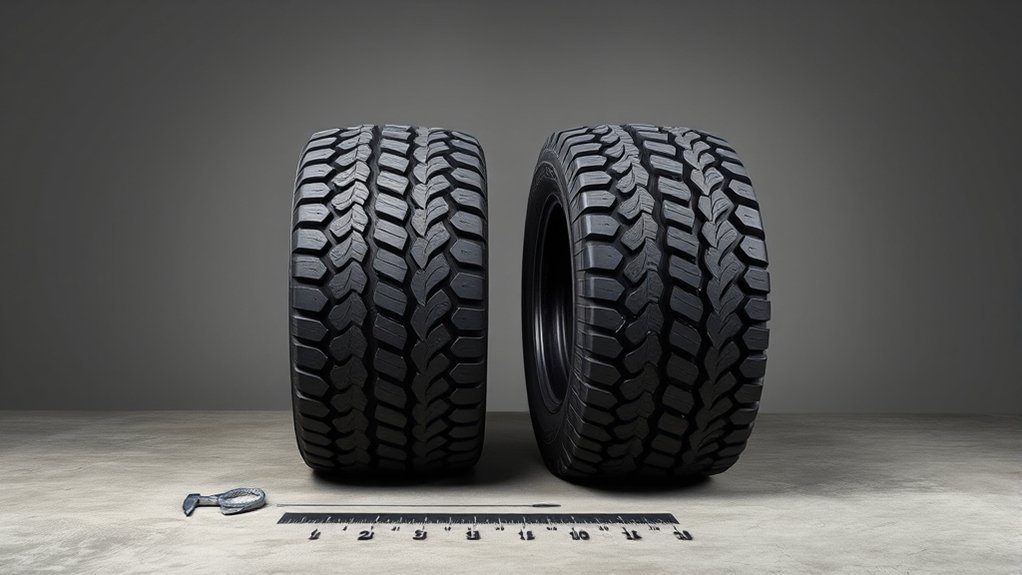
A 295/70R18 is slightly shorter and wider than a 285/75R18. The 295/70R18 measures about 34.3 inches tall and 11.6 inches wide. The 285/75R18 measures about 34.8 inches tall and 11.2 inches wide.
| Size | Diameter | Width | Best For |
|---|---|---|---|
| 295/70R18 | About 34.3 in | About 11.6 in | Wider stance and broad footprint |
| 285/75R18 | About 34.8 in | About 11.2 in | Slightly taller sidewall and narrower width |
Choose the 295/70R18 if you want a wider look and a little more footprint. Choose the 285/75R18 if you want a slightly taller tire with a narrower shape that may be easier to clear on some setups. Either way, confirm the exact tire specs because real measurements vary by brand.
What Trucks and SUVs Run 295/70R18?
A 295/70R18 is most common on full-size pickups, heavy-duty trucks, and off-road-focused SUVs. You may see it on modified or properly optioned versions of trucks such as the Ford F-Series, Chevrolet Silverado, GMC Sierra, Ram trucks, Toyota Tundra, Nissan Titan, Toyota Land Cruiser, Lexus GX, and similar platforms.
That does not mean the size fits every trim. Factory wheel size, offset, suspension height, brake package, fender shape, and payload rating all matter. Always compare the tire’s load index with your vehicle’s gross axle weight ratings and the tire placard.
Load Range, Load Index, and Service Description
Many 295/70R18 tires are LT tires with load range E, but you should not rely on size alone. Look at the full sidewall service description. For example, a tire may show something like LT295/70R18 129/126Q E. That code gives you more than the size:
- LT means light truck construction.
- 129/126 is the load index for single and dual use, if listed.
- Q, R, or S is the speed rating.
- E is the load range, often tied to a 10-ply rating category.
For towing, hauling, and overlanding, load rating matters as much as tire height. A tire with the wrong load index can be unsafe even if the size physically fits.
Do 295/70R18 Tires Change Ride Quality and MPG?
Yes. Moving to a 295/70R18 can change ride quality, fuel economy, steering feel, and acceleration. The taller sidewall may soften sharp impacts, especially on broken pavement or rough trails. The larger diameter can also help ground clearance.
The tradeoff is weight and rolling resistance. Many 295/70R18 LT tires are heavier than stock tires. That can reduce MPG, slow acceleration, increase braking distance, and make steering feel heavier. Aggressive tread patterns may also add road noise.
You may notice these changes most if you drive a lighter half-ton truck, carry heavy loads, or move from a highway tire to an all-terrain or mud-terrain tire.
Speedometer, Gearing, and Odometer Impact
A taller tire travels farther per revolution. If your truck came with a smaller tire, switching to 295/70R18 can make the speedometer read lower than your actual road speed. Your odometer may also record fewer miles than you truly drive.
The larger rolling diameter can also change effective gearing. You may feel slower throttle response, more transmission shifting, or less low-speed pull when towing. Many modern trucks can be recalibrated with a scan tool, dealer update, or aftermarket programmer. Check what is legal and supported for your vehicle before changing settings.
What Tire Pressure Should You Run?
There is no single correct PSI for every 295/70R18 tire. The right pressure depends on your vehicle, axle load, tire load index, wheel setup, and how you use the truck. Start with the tire and loading information label on the driver’s door jamb or your owner’s manual, then adjust only when you have a load-based reason to do so.
The NHTSA TireWise tire safety guide says proper tire pressure affects safety, durability, and fuel consumption. It also says to check pressure when tires are cold, meaning the vehicle has not been driven for at least three hours.
Use these rules:
- Check pressure when the tires are cold.
- Use an accurate tire-pressure gauge, not only the TPMS warning light.
- Check pressure at least monthly and before long trips.
- Do not use the maximum PSI on the tire sidewall as your normal daily pressure unless a load chart or vehicle maker calls for it.
- For towing or heavy payloads, use the tire maker’s load-inflation data or ask a qualified tire shop.
- Watch tread wear. Center wear can suggest too much pressure, while shoulder wear can suggest too little pressure or poor alignment.
What Are the Best 295/70R18 Tire Brands and Prices?
The best 295/70R18 tire depends on how you drive. Prices change often by retailer, rebate, load rating, and tire type, so treat any price as a shopping snapshot, not a permanent number. In this size, many current options fall in the $300 to $450-plus range per tire, with some budget models lower and some premium models higher.
Here are common categories to compare:
- All-terrain tires: Best for daily driving, gravel, snow, mild trails, and mixed use. Examples include Falken Wildpeak A/T4W, Toyo Open Country A/T III, BFGoodrich All-Terrain T/A KO3, Yokohama Geolandar A/T4, and Nitto Recon Grappler A/T.
- Hybrid all-terrain tires: More aggressive than a standard A/T, but usually more street-friendly than a mud tire. Mickey Thompson Baja Boss A/T is a common example with a 50,000-mile LT-size treadwear warranty.
- Mud-terrain tires: Best for mud, rocks, and trail use, but they can be louder, heavier, and less efficient on pavement.
- Highway or all-season LT tires: Best for towing, long road trips, and quiet daily driving when off-road traction is not the priority.
For a current all-terrain example, Falken’s Wildpeak A/T4W is positioned as an all-terrain, all-weather tire and lists a 60,000-mile limited tread life warranty for LT sizes. For a more aggressive hybrid A/T example, Mickey Thompson’s Baja Boss A/T lists LT295/70R18 sizing with load range E, 34.5-inch outer diameter, 11.7-inch section width, and 7.5- to 10-inch approved rims.
[Products Worth Considering]

These M14x1.5 closed-end chrome lug nuts are a one-piece replacement designed for secure fitment on compatible GM, Ford, and select Chrysler/Dodge models. Featuring a 60-degree conical seat and anti-rust chrome plating, they help resist corrosion and maintain a bright look for everyday driving. Built for long-term durability, they include OEM-style part references and are backed by 12 months of support.

Upgrade your 2024-2026 Tesla Model 3 Highland with REEVAA all-weather mud flaps designed for seamless fit along the original body lines. The set of four delivers strong splash protection against mud, gravel, and road debris while using OEM-grade durable materials. Installation is non-destructive with original hole positions and snap-in clips, and the aerodynamic design helps minimize impact on efficiency.

This professional wheel and rim cleaning brush set lifts brake dust, grime, and dirt with soft, scratch-free microfiber and synthetic wool fibers. The rim brush bends up to 360 degrees for easy access to hard-to-reach areas around spokes, lips, and faces. Ideal for thorough cleaning of car, truck, motorcycle, bicycle, RV, and more wheel and tire surfaces.
How to Choose the Right 295/70R18
Use this checklist before buying:
- Match the load rating to your truck, towing needs, and payload.
- Confirm wheel width with the tire maker’s approved rim range.
- Check tire weight because heavier tires can affect MPG and braking.
- Pick the tread type based on how you actually drive.
- Look at warranty if most of your miles are on pavement.
- Check 3PMSF rating if winter traction matters where you live.
- Ask about road noise if you commute often.
- Test fit if possible before buying a full set.
[Products Worth Considering]

AstroAI’s calibrated digital tire pressure gauge delivers precise readings across a 0–150 PSI range, with high clarity from a backlit LCD. Built for everyday road use, it features one-button operation, an anti-slip ergonomic grip, and support for multiple pressure units plus auto shutoff. Powered by AAA batteries, it’s an all-weather essential for checking tire health and TPMS warnings.

AstroAI’s heavy-duty digital tire pressure gauge delivers quick, accurate readings with 0.1 increments and a secure valve-stem seal. It features a green backlit LCD and built-in flashlight for easy use in low light, plus an ergonomic non-slip stainless-steel design. The wide 0–230 PSI range works across common vehicle tires, with unit selection and an auto shut-off to save battery.

This heavy-duty tire pressure gauge combines measurement, inflation, and deflation in one compact tool for quick roadside and garage use. Its dual-head chuck helps reach inner and outer dual-wheel positions, while the clear indicator bar makes readings easy to see. Built for durability, it supports a wide pressure range and works across cars, trucks, RVs, SUVs, and motorcycles.
Frequently Asked Questions
Is 295 the same as 35-inch tires?
No. A 295/70R18 is close to a 35-inch tire, but it is usually about 34.3 inches tall. Some tire models may measure a bit taller or shorter, but you should not call it a true 35-inch tire without checking the exact manufacturer’s specs.
Is a 295 tire a 33?
No. A 295/70R18 is much closer to a 34-inch tire than a 33-inch tire. Its calculated height is about 34.3 inches. A true 33-inch tire is usually about 32.5 to 33 inches tall, depending on the model.
Is a 295/70R18 a 35-inch tire?
It is a near-35 size, but not usually a true 35. Most 295/70R18 tires are listed around 34.3 inches tall. In casual truck forums, some people group it with 35-inch setups, but for clearance and gearing you should use the exact measured or manufacturer-listed diameter.
Is a 295/70R18 wider than a 285/75R18?
Yes. A 295/70R18 is about 11.6 inches wide, while a 285/75R18 is about 11.2 inches wide. The 285/75R18 is slightly taller, but the 295/70R18 has the wider section width.
What rim width do you need for 295/70R18?
Many 295/70R18 tires are approved for 7.5- to 10-inch-wide rims, but the exact approved range can vary by tire model. Always check the manufacturer’s spec sheet before mounting the tire.
Do you need a lift for 295/70R18 tires?
Maybe. Some trucks clear 295/70R18 tires with stock suspension, some need a leveling kit, and others need trimming or more lift. Wheel offset, fender shape, tire brand, and alignment can change the result.
Will 295/70R18 tires hurt MPG?
They can. A 295/70R18 LT tire is often taller, wider, and heavier than a factory tire. That can increase rolling resistance and reduce fuel economy, especially with aggressive all-terrain or mud-terrain tread.
Conclusion
A 295/70R18 tire is a tall, wide truck tire size that measures about 34.3 inches in diameter and 11.6 inches in width. It gives you a strong stance, more sidewall, and useful off-road capability, but it also demands careful fitment checks.
Before you buy, confirm the tire’s real manufacturer specs, approved wheel width, load rating, pressure needs, and clearance on your exact vehicle. Measure twice, test fit when possible, and recalibrate if the larger tire changes your speedometer. The size looks simple on the sidewall, but your truck setup decides whether it works well in real life.
Sources
- TireSize.com 295/70R18 reference — backs up diameter, width, circumference, revolutions per mile, and common wheel-width range.
- TireSize.com 285/75R18 reference — backs up the comparison with 285/75R18.
- Tire Rack sidewall tire-size guide — explains section width, aspect ratio, radial construction, and wheel diameter.
- NHTSA TireWise tire safety guide — supports tire pressure, cold-pressure checks, tire maintenance, TPMS, and safety guidance.
- Falken Wildpeak A/T4W — current all-terrain example and LT-size warranty reference.
- Mickey Thompson Baja Boss A/T — current hybrid all-terrain example and LT295/70R18 manufacturer spec reference.