
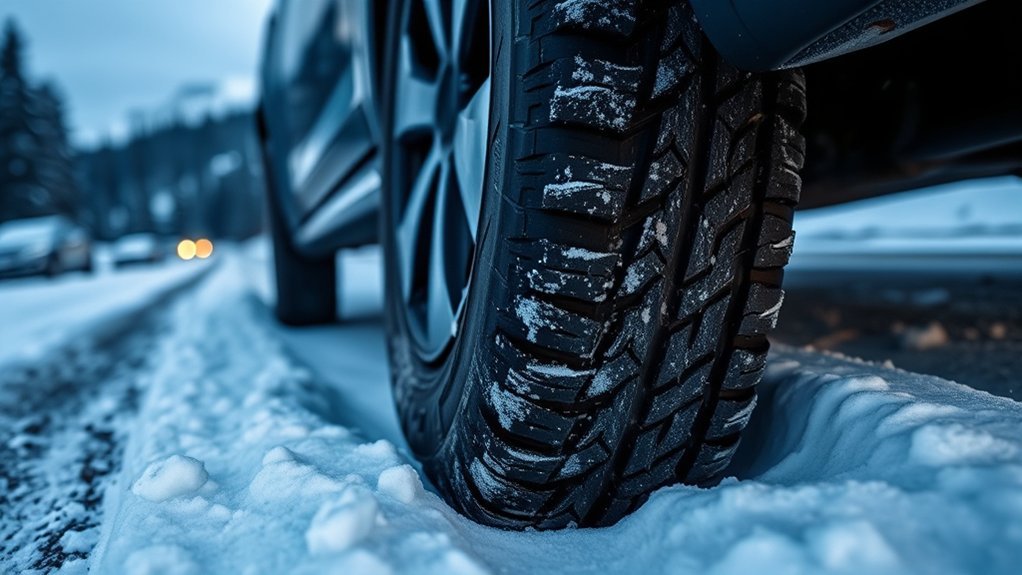
Winter tires often last about 4 to 6 winter seasons, but the calendar alone does not tell you when they are finished. Mileage, tread depth, tire age, pressure, alignment, driving style, warm-weather use, and off-season storage all affect their usable life. For winter safety, inspect them before every season instead of assuming a certain number of years guarantees good grip.
Quick Answer
Winter tires often last about 4 to 6 winter seasons, but tread depth, age, mileage, damage, and storage matter more than the calendar. For snow-covered roads, replace them before tread falls below about 5/32 inch (4 mm). Also follow your tire or vehicle manufacturer’s age limit; several manufacturers use 10 years as a maximum.
Key Takeaways
- Many winter tires provide roughly 4 to 6 seasons of seasonal use, but actual life depends on mileage, maintenance, road conditions, storage, and tire design.
- For snow-covered roads, about 5/32 inch (4 mm) is a more useful winter-performance threshold than the standard 2/32-inch wear bars.
- Standard tread-wear bars and the penny test indicate roughly 2/32 inch, so they should not be your only tools for judging winter traction.
- Age matters even when tread remains. Follow the tire and vehicle manufacturer’s limits; several major manufacturers recommend removing tires from service by 10 years.
- Correct pressure, regular rotation, gentle driving, timely seasonal changeovers, and cool, dry storage can reduce premature wear.
What Is a Winter Tire?
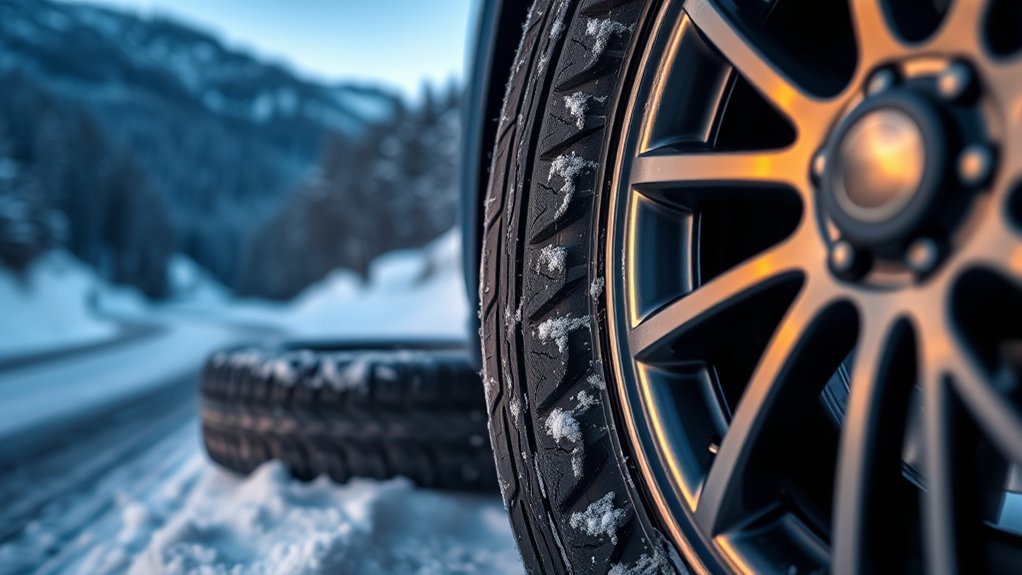
A winter tire is designed specifically for cold temperatures, snow, slush, and ice. Its tread compound stays more flexible in low temperatures than many summer or conventional all-season compounds, helping the tire maintain useful grip when the road gets cold.
Winter tires also use deeper grooves, specialized tread patterns, and many small cuts called sipes. These features create extra biting edges and help manage snow, slush, and water around the contact patch.
When shopping for winter tires, look for the three-peak mountain snowflake (3PMSF) symbol. Transport Canada explains that tires carrying this symbol meet specific snow-traction performance requirements for severe snow conditions.
Winter tires combine cold-flexible compounds, deeper grooves, and biting edges to maintain traction when temperatures fall and winter roads become slippery.
For predictable handling, fit winter tires on all four wheels. Mixing winter tires with summer or conventional all-season tires can create a large difference in front-to-rear grip. Transport Canada recommends installing winter tires in sets of four and using tires with compatible size, construction, load rating, and tread characteristics.
How Long Do Winter Tires Last?
Many winter tires last about 4 to 6 seasons in normal seasonal use. Current Michelin Canada guidance uses that range while emphasizing that mileage, tire design, maintenance, storage, vehicle type, and driving style can shorten or extend actual life.
How long your winter tires last therefore depends more on their condition than on reaching a fixed number of seasons. A lightly driven set can remain usable longer than a heavily driven one, but you should not treat figures such as eight or nine seasons as a target.
| Metric | Practical Guideline |
|---|---|
| Typical seasonal lifespan | About 4–6 seasons for many winter tires, depending on use and care |
| Snow-road tread guideline | Avoid using tires below about 5/32 inch (4 mm) on snow-covered roads |
| Standard wear bars | Typically correspond to about 2/32 inch (1.6 mm), which is too late for good winter-snow performance |
| Age limit | Follow the tire and vehicle manufacturer’s guidance; several major manufacturers specify removal by 10 years |
Inspect tread depth, damage, pressure, and tire age before each winter. If the tire reaches its winter-performance tread limit, suffers structural damage, or exceeds the manufacturer’s age limit, replace it even if it has not reached the expected number of seasons.
What Shortens Winter Tire Life?
High mileage, hard acceleration, heavy braking, aggressive cornering, poor alignment, incorrect inflation, and frequent driving on warm, dry pavement can all shorten winter tire life.
Winter compounds are designed for colder conditions. Once temperatures stay consistently above roughly 7°C (45°F), changing back to suitable all-season or summer tires helps avoid unnecessary warm-weather wear. The 7°C point is a practical seasonal-change guideline rather than a precise temperature at which a winter tire suddenly becomes unsafe.
Warm-weather use can reduce tire lifespan because winter compounds and tread patterns are optimized for colder conditions rather than sustained warm pavement.
Maintenance also matters. Underinflation can increase flexing, heat buildup, and irregular wear. Misalignment may wear one shoulder much faster than the rest of the tread. Failing to rotate tires when the vehicle manufacturer recommends it can also create large tread-depth differences between positions.
Finally, poor off-season storage exposes rubber to heat, direct sunlight, ozone, moisture, and chemicals that can accelerate aging.
[Products Worth Considering]

This professional wheel and rim brush kit makes it easy to lift brake dust, grime, and dirt from wheels and tires without scratching finishes. The brushes feature soft, metal-free wool heads and a flexible 360-degree rim brush design for reaching hard-to-clean areas. Includes multiple brush types plus accessories for thorough car, motorcycle, and general vehicle detailing.

The SAFELIFE dial tire tread depth gauge measures tread depth in 1/32 inch increments with clear, easy-to-read 2-inch dial face. Color zones using a traffic light system help you quickly judge whether tread is low, marginal, or ample for safer driving. Built with a durable zinc cast body and a metal detect probe for precise, comfortable use across cars, motorcycles, trucks, and buses.

Measure tire tread depth quickly and accurately with this LUMITECO dial gauge that reads in 1/32" increments up to 14/32". The color-coded green/yellow/red zones make it easy to judge tire wear and know when replacement is needed. A rugged, compact design with a protective pouch helps keep the gauge ready for use on cars, trucks, motorcycles, and more.
How Tread Depth Affects Safety?
Tread depth has a major effect on how well a winter tire handles snow and slush. Deep grooves need enough volume to manage winter precipitation and maintain useful contact with the road.
For snow-covered roads, Transport Canada advises against using tires with less than 4 mm of tread, which is about 5/32 inch. This is a winter-performance recommendation, not a universal legal minimum for every location.
Warning: Standard tread-wear bars and the penny test generally correspond to about 2/32 inch. A winter tire can therefore be too worn for dependable snow performance well before those standard indicators say the tire is completely worn out.
Tread Depth And Grip
As tread becomes shallower, a winter tire has less space to manage snow and slush. Braking, acceleration, and cornering performance can decline even though the tire remains above an ordinary legal wear limit.
That is why a tread-depth gauge is more useful than a visual guess. Measure several grooves across the width of each tire and check more than one point around the circumference. Uneven readings can reveal alignment, inflation, suspension, or rotation problems.
Legal tread requirements vary by country, state, province, and vehicle type. Do not assume a value quoted for one jurisdiction applies everywhere.
Replacement At Wear Bars
Built-in tread-wear indicator bars remain useful because they show when a tire has reached approximately the ordinary 2/32-inch wear limit. However, they should not be your primary winter-snow replacement guide.
NHTSA explains that standard wear bars become flush with the tread at about 2/32 inch. That is far below Transport Canada’s 4 mm (about 5/32-inch) snow-road recommendation.
- Use a tread-depth gauge for an accurate winter check.
- Measure several grooves and several locations on each tire.
- Plan replacement around 5/32 inch if you expect snow-covered roads.
- Do not wait for standard 2/32-inch wear bars when dependable snow traction is required.
- Inspect the entire set before every winter season.
The traditional penny test can tell you when tread is around the ordinary 2/32-inch level, but it cannot reliably confirm that you still have the roughly 5/32 inch desirable for snow-covered roads.
When to Replace Winter Tires?
Replace winter tires when their remaining tread is no longer adequate for the winter conditions you drive in, when age exceeds the applicable manufacturer limit, or when physical damage makes continued service unsafe.
You should also replace or professionally inspect a tire if you notice bulges, deep cuts, exposed cords, severe cracking, tread separation, repeated pressure loss, or unusual vibration.
[Products Worth Considering]

Accurately measure tire tread depth with a calibrated gauge marked from 0 to 1 inch in 1/32 inch increments. The color-coded bar helps you quickly identify tread condition ranges, supporting safe driving for trucks, motorcycles, automobiles, and passenger vehicles.

Measure tyre tread depth precisely with a digital gauge that reads in both MM and inches, helping you monitor safe driving conditions. The large LCD screen is easy to operate, and the compact tool fits for cars, trucks, and motorcycles. It provides high accuracy with a 0-25.4mm range and includes a 1-year warranty for added peace of mind.

The Kurgo Seasonal Tire Tote helps protect your car interior, clothes, and garage from tire grime, brake dust, and residue during seasonal tire changes. Its universal design fits most passenger tires between 22" and 31" in diameter, making storage and transport simpler with less mess. Built for rugged, repeated use, it’s machine washable for easy care and comes with a lifetime warranty.
Tread Depth Limits
For drivers who regularly face snow-covered roads, approximately 5/32 inch (4 mm) is a sensible replacement-planning point. Transport Canada specifically says not to use tires with less than 4 mm of tread in snow-covered or severe snow conditions.
Do not confuse this with the ordinary 2/32-inch wear-bar threshold. NHTSA’s general passenger-tire guidance identifies 2/32 inch as the point at which a tire is worn out, but winter traction can become inadequate earlier.
- Check tread depth with a gauge.
- Use roughly 5/32 inch as a snow-performance planning threshold.
- Know that standard wear bars indicate about 2/32 inch.
- Check the applicable law where you drive.
- Measure all four tires, not just one.
Tire Age Limits
Tread depth is only part of the replacement decision. Rubber and internal tire components also age with time, even when mileage is low.
NHTSA does not impose one universal 10-year rule. Instead, it notes that some vehicle and tire manufacturers recommend replacing tires that are six to 10 years old regardless of tread wear. Tire-maker guidance can be more specific.
For example, Continental recommends removing tires from service after 10 years, even when they appear usable. Bridgestone gives similar 10-year guidance and recommends professional inspection after five years.
Always follow whichever age limit is more restrictive: the tire manufacturer’s guidance or the vehicle manufacturer’s recommendation.
Wear And Damage
Even a winter tire with plenty of tread may need replacement when damage affects its structure or ability to hold pressure.
- Cuts or deep cracks in the sidewall
- Bulges, bubbles, or blisters
- Exposed cord or belt material
- Tread separation or chunking
- Severe uneven tread wear
- Repeated or unexplained pressure loss
A tread-depth gauge is preferable to the penny test when judging winter suitability. If you can see all of Lincoln’s head during a penny test, the tire is around the ordinary 2/32-inch replacement level and is already well below a desirable snow-driving tread depth.
When you are unsure about a cut, puncture, bulge, or unusual wear pattern, have the tire inspected by a qualified tire professional before continuing to use it.
How Tire Age Affects Safety?
Tires age even when they are driven very little. Heat, oxygen, sunlight, ozone, service conditions, and time can change rubber and other tire materials. As a winter tire ages, it may no longer provide the cold-weather performance it delivered when newer.
You can determine the manufacture date from the DOT Tire Identification Number on the sidewall. The final four digits give the production week and year. For example, 2724 means the tire was manufactured in the 27th week of 2024.
NHTSA advises drivers to check tire age and notes that some tire and vehicle manufacturers recommend replacement between six and 10 years. Continental, for example, advises removing tires more than 10 years old from service.
Do not rely only on visible cracking. A tire can age without displaying an obvious external defect. If your tires are several years old, combine the date-code check with tread measurements, pressure checks, performance observations, and professional inspection where recommended by the manufacturer.
How to Make Winter Tires Last Longer
Good maintenance cannot make a tire last forever, but it can prevent avoidable wear and help the set deliver more consistent winter performance.
Start with tire pressure. Check all four tires when they are cold and use the pressure specified on the vehicle’s door placard or in the owner’s manual, not the maximum pressure molded into the tire sidewall.
USTMA recommends checking pressure at least monthly and rotating tires according to the vehicle manufacturer’s instructions. If no rotation interval is given, USTMA uses approximately 5,000 to 8,000 miles as general guidance.
- Check pressure at least monthly and before long trips.
- Measure tread depth at several points on all four tires.
- Rotate according to the vehicle owner’s manual.
- Correct alignment problems that cause uneven wear.
- Avoid hard acceleration, heavy braking, and unnecessary wheelspin.
- Remove winter tires when sustained warmer weather makes them unnecessary.
- Inspect sidewalls and tread for cuts, cracking, bulges, and abnormal wear.
- Store the tires properly during the off-season.
Pro Tip: Keep a simple record of each tire’s tread depth when you remove and reinstall the set. Comparing measurements from one season to the next makes uneven or unusually fast wear much easier to spot.
Do not rely on TPMS alone for routine inflation checks. A tire-pressure warning system is designed to alert you after meaningful pressure loss and does not replace a monthly check with an accurate gauge.
Why Winter Tire Storage Matters
Proper winter tire storage helps slow unnecessary aging during the months when the tires are off the vehicle. Heat, direct sunlight, ozone, moisture, and certain chemicals can all harm tire materials over time.
Before storage, clean dirt, brake dust, road salt, and other debris from the tires and let them dry completely. Store them in a cool, dry, dark location away from direct sunlight, fuels, solvents, lubricants, and ozone-producing equipment.
Good storage cannot stop tire aging, but it can reduce avoidable exposure to heat, sunlight, ozone, moisture, and chemicals.
How to Store Mounted and Unmounted Winter Tires
Storage position depends on whether the tires remain mounted on wheels. Current Michelin guidance recommends keeping unmounted tires standing upright, while mounted tire-and-wheel assemblies can be stacked horizontally or hung.
If you place tires in individual storage bags, make sure the tires are completely dry first. Keep the bags and tires away from direct sunlight, strong heat sources, electric motors, generators, fuels, oils, and solvents.
Note: Storage slows avoidable deterioration but does not reset the tire’s age. Continue using the original manufacture date when judging age-related replacement.
Signs Your Winter Tires Need Replacing
Check your winter tires before installation each season and continue watching their condition throughout winter. Replacement may be necessary because of tread wear, age, damage, or a noticeable loss of performance.
- Tread near or below 5/32 inch: plan replacement if you expect regular snow-covered roads.
- Standard wear bars are flush: the tire is around 2/32 inch and is worn out.
- Cracks, cuts, exposed material, or bulges: have the tire professionally inspected and replace it when structural safety is in doubt.
- Severe uneven wear: correct the underlying pressure, alignment, suspension, or rotation problem.
- Age beyond the manufacturer’s limit: replace even if substantial tread remains.
- Reduced winter grip: unexplained loss of traction or longer stopping distances deserves inspection.
- Repeated pressure loss or vibration: investigate before continuing to drive.
[Products Worth Considering]

Monitor tire tread wear with a smart, color-coded depth gauge that shows clear condition ranges at a glance. The bar is range marked for fast, easy readings, helping you maintain safer traction and performance. Each gauge is portable with a pocket clip, and the set includes 20 units for daily use and sharing.

Steelman white tire marking crayons provide high-contrast, semi-permanent marks for repairing and inspecting tires and equipment. They write on wet or dry, smooth or coarse surfaces including rubber, metal, glass, and wood, making them ideal for puncture location and damage outlining. The lead- and zinc-free crayons resist weather and fading yet wipe away when you no longer need the marks.

The Continental Grand Prix 5000 is an allround road bike tire engineered for faster rolling, improved ride comfort, and enhanced puncture protection. It features a Vectran Breaker cut-protection layer, Lazer Grip micro-profile tread for confident cornering control, and Active Comfort Technology to damp vibration for smoother rides. BlackChili compound optimizes grip and speed for everyday performance and long-lasting confidence.
Frequently Asked Questions
Are 12 Year Old Winter Tires Safe?
You should not continue using 12-year-old winter tires when the tire or vehicle manufacturer specifies a 10-year maximum. Continental and Bridgestone, for example, recommend removing tires from service by 10 years even when tread remains. At 12 years, replace the tires rather than relying on appearance alone.
What Is the 7 7 Rule for Winter Tires?
The 7-and-7 rule is a seasonal changeover guideline, not a tread-depth or tire-age rule. It generally means installing winter tires after temperatures stay below about 7°C (45°F) for seven days and changing back after temperatures remain above about 7°C for seven days. Local weather and legal requirements still take priority.
What Is the 3 Tire Rule?
There is no recognized winter-tire safety standard saying three worn tires trigger replacement of all four. The safer principle is to use four compatible winter tires with similar traction characteristics. If only two tires are replaced, follow the vehicle and tire manufacturer’s instructions; the pair with better tread is generally placed on the rear axle to improve directional stability.
Can Winter Tires Last 10 Years?
A lightly used tire may still show tread near 10 years old, but you should not plan on a decade of service. NHTSA notes that manufacturer age recommendations commonly fall between six and 10 years, while several tire manufacturers specify removal at 10 years. Tread wear, damage, or degraded performance can require replacement much earlier.
What Tread Depth Is Too Low for Winter Tires?
For snow-covered roads, about 5/32 inch (4 mm) is a useful replacement threshold. Transport Canada advises against using tires with less than 4 mm of tread in snow-covered or severe snow conditions. Standard wear bars at about 2/32 inch should not be used as your only winter-performance guide.
How Do I Read the Tire Manufacture Date?
Check the DOT Tire Identification Number on the sidewall. The final four digits identify the production week and year. For example, 2724 means the tire was produced during the 27th week of 2024. Check both sidewalls if you cannot see the complete code from the outside of the vehicle.
Should I Replace All Four Winter Tires at Once?
Replacing all four is preferred because similar tires and tread depths give more balanced braking, steering, and cornering grip. If you replace only two, follow your vehicle and tire manufacturer’s instructions and place the better pair on the rear axle unless your specific vehicle manufacturer requires another arrangement.
Sources
- Transport Canada — Using Winter Tires — supports the 7°C guideline, 3PMSF marking, four-tire installation, and 4 mm snow-road tread guidance.
- NHTSA — TireWise — supports tire-pressure checks, 2/32-inch tread guidance, wear bars, the penny test, DOT age codes, and manufacturer-specific age recommendations.
- Michelin Canada — Winter Tire Lifespan — supports the approximate 4–6-season lifespan and factors affecting winter-tire longevity and storage.
- Continental — Replacing Tires — supports tire-age decoding, maintenance factors, and the manufacturer’s 10-year removal recommendation.
- U.S. Tire Manufacturers Association — Tire Care Essentials — supports monthly cold-pressure checks, tread inspection, rotation, and alignment guidance.
- Mitsubishi Motors Canada — Winter Tires in Canada — supports the commonly used 7-and-7 seasonal tire-change guideline.
Conclusion
Winter tires often last about 4 to 6 seasons, but tread condition, mileage, age, damage, and maintenance matter more than a simple calendar rule. If you drive on snow-covered roads, plan replacement before tread falls below roughly 5/32 inch (4 mm), even though standard wear bars sit much lower at about 2/32 inch.
Check pressure monthly, rotate tires as recommended, remove them when warmer weather returns, and store them properly during the off-season. Also check the DOT manufacture date and follow the age limit specified by your tire and vehicle manufacturers. Think of a winter tire like a snow shovel: it may still look usable after its working edge has worn down, but its ability to handle winter conditions can already be greatly reduced.
