
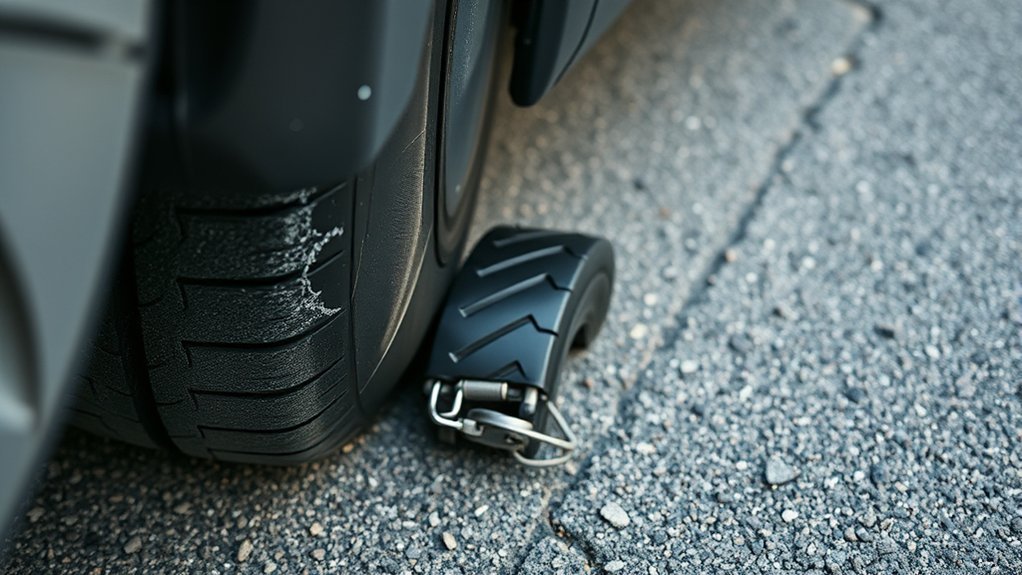
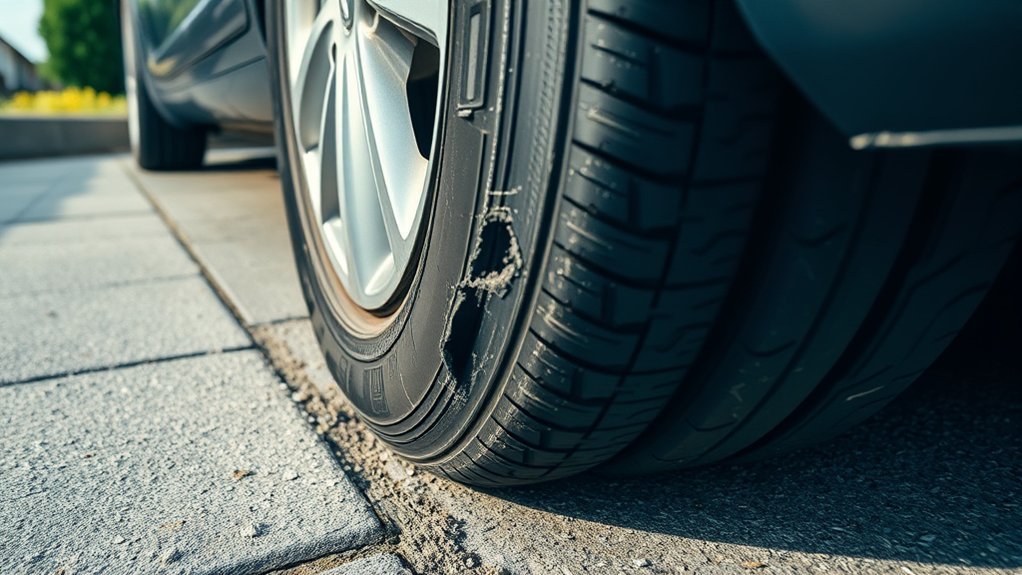
A slashed tire usually shows a clean, straight cut or gash, most often in the sidewall. The edges may look smooth, and you may see exposed cords, rubber fibers, or a wide opening that lets air escape quickly. A blowout usually looks more torn or shredded, while a normal puncture often leaves a small hole in the tread. If you see matching cuts on more than one tire, document everything before you move the vehicle.
Quick Answer
A slashed tire usually has a sharp, clean, straight cut in the sidewall or tread, often with fast air loss and sometimes exposed inner cords. A nail puncture is usually smaller and rounder, while a blowout often leaves ragged, torn rubber instead of a neat slice.
Key Takeaways
- A slashed tire often has a clean, straight sidewall cut with smooth edges.
- Exposed cords, deep gashes, or frayed rubber mean the tire is unsafe and needs replacement.
- A blowout usually looks torn, shredded, or ruptured instead of neatly cut.
- A normal puncture usually appears as a small tread hole from a nail, screw, or sharp debris.
- Do not drive on a slashed tire. Photograph the damage, check the other tires, and call roadside help or a tire shop.
At a Glance
| Time Required | 5 to 10 minutes for a safe visual inspection |
| Difficulty | Easy, if the vehicle is parked in a safe place |
| Tools Needed | Phone camera, flashlight, tire pressure gauge, gloves if available |
| Cost | Inspection is free; replacement, towing, or mobile service varies by tire size and location |
What a Slashed Tire Looks Like
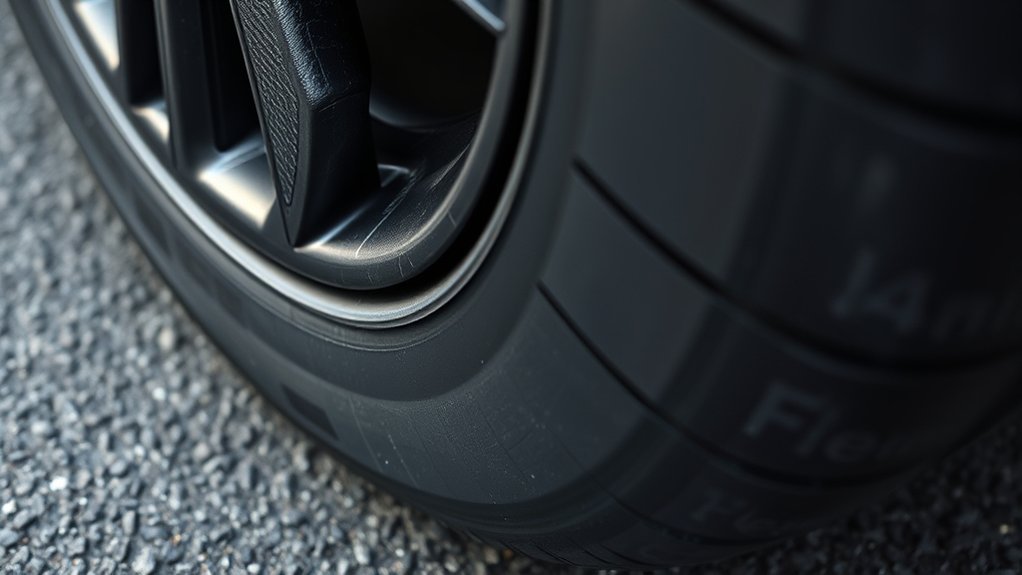
A slashed tire usually has a longer cut than a normal puncture. The cut may look straight, smooth, and deliberate, especially when it appears on the sidewall. Instead of a tiny round hole, you may see an elongated opening, a narrow slice, or a gash that spreads when the tire loses air.
Check for exposed cords, missing rubber, frayed edges, or a cut deep enough to reach the tire casing. If the tire went flat within seconds, that also supports the possibility of a slash, although fast air loss can also happen during some blowouts or severe road-damage events.
Look at all four tires. Intentional damage often affects more than one tire, while a random nail puncture usually affects one tread area. Also check the ground nearby for glass, blades, metal, or other sharp objects. Do not touch anything that could be evidence if you plan to file a report.
Warning: Do not inspect a tire from a live traffic lane or drive on a visibly slashed sidewall. Move only if you can do so safely, turn on your hazard lights, and call roadside assistance if the vehicle is not safe to move.
How a Slashed Tire Differs From a Blowout or Flat
The easiest way to compare tire damage is to study the shape, location, and air-loss pattern. A slash often creates a clean sidewall cut. A blowout usually causes torn, ragged, or shredded rubber after sudden pressure loss. A normal flat often comes from a nail, screw, valve-stem leak, bead leak, or small tread puncture.
The National Highway Traffic Safety Administration explains that poor tire maintenance can lead to flats, blowouts, or tread separation, and that a blowout is a rapid loss of tire air pressure that can affect control. That matters because a blowout can look dramatic without showing a neat cut.
| Damage Type | What It Usually Looks Like | Common Clue |
| Slashed tire | Clean, straight cut or gash, often in the sidewall | Fast air loss, matching cuts, or exposed cords |
| Nail or screw puncture | Small round hole, usually in the tread | Slow leak or object still stuck in the tire |
| Blowout | Ragged rupture, shredded rubber, or separated tread | Sudden loss of control, loud noise, torn tire body |
What Clean Sidewall Cuts Mean
Clean sidewall cuts are serious because the sidewall flexes, carries pressure, and helps the tire keep its shape. A deep sidewall slice is not the same as a small tread puncture. Once the sidewall is cut, the tire may no longer hold air safely, and a patch or plug will not restore its original strength.
A clean sidewall slice is a structural tire problem, not a simple leak. Treat it as unsafe until a tire professional confirms the next step.
- Look for a smooth, straight, or knife-like cut.
- Compare it with irregular puncture marks or road-debris tears.
- Check whether the tire lost pressure quickly.
- Inspect the rim for scrape marks from driving on the flat tire.
- Replace the tire if the cut reaches the sidewall structure or exposes cords.
Do not patch or gamble on a clean sidewall cut. If you need mobility, use the spare only if your vehicle has one and it is safe to install. Otherwise, call a mobile tire service or tow truck.
What Exposed Cords and Fraying Mean
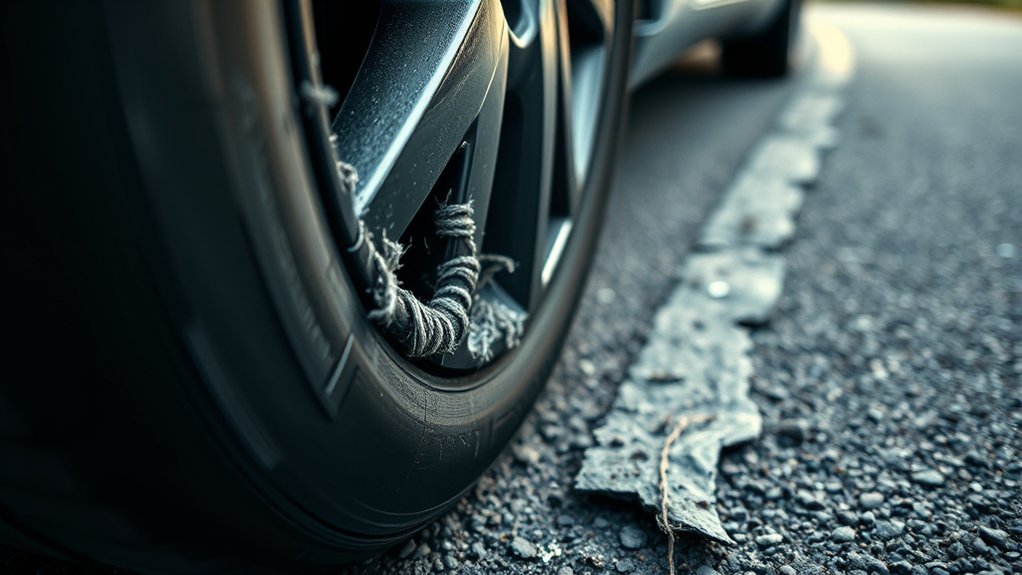
If you can see exposed tire cords, the tire has severe structural damage. Cords are part of the tire’s internal reinforcement, so visible cords mean the protective rubber has been cut, worn away, or torn open. You should not drive on that tire.
NHTSA recommends regular tire inspections for treadwear and tire damage, and its tire guidance says tires are not safe once tread reaches 2/32 inch. Exposed cords are an even more urgent warning because they show the tire structure is already compromised.
Exposed Cords Warning
Exposed cords mean the tire’s outer layer has been breached. A slash, curb impact, severe abrasion, underinflation damage, or advanced wear can expose those internal layers. Once you see cords, stop using the tire and arrange replacement.
- Inspect the tread edge and sidewall from a safe position.
- Look for visible fabric, steel, or cord-like material.
- Check whether the cut reaches the carcass.
- Do not add air and drive normally.
- Have the tire replaced before returning to regular driving.
Fraying Sidewall Damage
Fraying sidewall damage looks fuzzy, split, peeled, or stringy. It can happen after a sharp impact, a deep cut, prolonged low-pressure driving, or rubbing against a curb. Fraying is not cosmetic if it reaches the tire structure. The tire may fail suddenly because the damaged area can no longer flex and hold pressure normally.
Replace Tire Immediately
Treat exposed cords, sidewall fraying, or deep cuts as an immediate replacement issue. Temporary sealants, plugs, and patches are not meant to restore a sliced or structurally damaged sidewall.
- Exposed cords mean internal reinforcement is compromised.
- Frayed edges can signal tread or sidewall separation.
- Visible sidewall cuts are usually unsafe to repair.
- Driving on the tire can damage the rim.
- Reduced traction can undermine steering and braking control.
Signs Your Tire Was Slashed
You can spot a slashed tire by looking for deliberate-looking cuts instead of ordinary wear or small tread punctures. The strongest clues are a clean sidewall slice, quick deflation, exposed cords, and similar damage on more than one tire.
Clean Cut Marks
Clean cut marks are one of the clearest signs of possible tire slashing. The damage often appears as a smooth-edged line, not a jagged tear or tiny hole.
- Look for straight cut marks with even edges.
- Check the outer sidewall and the area near the rim.
- See whether the tire went flat within seconds or minutes.
- Look for exposed cords or missing rubber inside the cut.
- Treat the tire as unsafe until a professional inspects it.
Sidewall Damage Clues
Sidewall damage deserves extra attention because sidewall punctures and cuts are usually more serious than small tread punctures. If you see a long sidewall slice with smooth edges, a sharp object may have caused it. If you see a ragged tear, scrape, or crushed area, road debris, a curb impact, or driving on a flat may be more likely.
Check from several angles, but do not crawl under the vehicle. If several tires have similar cuts, photograph every tire before arranging service. Repeated damage often supports a vandalism report.
How to Inspect a Possible Slashed Tire Safely
Before you decide what caused the damage, make sure the inspection itself is safe. Tire damage can distract you, especially on the roadside, but traffic is the bigger danger.
- Park safely first. Pull away from traffic if you can do so without driving far on the damaged tire.
- Turn on hazard lights. Make your vehicle visible before you step out.
- Photograph before touching. Take wide photos of the vehicle and close photos of each tire.
- Check all four tires. Similar cuts on multiple tires may suggest intentional damage.
- Look for the damage pattern. A straight sidewall slice points more toward slashing than a small tread puncture.
- Do not drive normally. Use a safe spare or call for towing/mobile tire service.
Pro Tip: Take one photo from several feet away, one close-up of the cut, one photo showing the tire position on the vehicle, and one photo of the surrounding area. This helps a tire shop, insurer, or police officer understand the scene.
[Products Worth Considering]

This 12-inch LUMITECO dual head tire pressure gauge features an integrated straight-on chuck and a 30° reverse chuck to reach hard-to-access dual wheel valves. Its 10–150 PSI / 1–10 BAR range with a clear, two-sided scale helps you quickly check tire pressure for safer, smoother driving. Heavy-duty construction and a simple no-battery design make it a reliable tool for trucks, cars, RVs, and motorcycles.

These aluminum alloy tire valve stem caps protect the valve core from corrosion and help prevent air leakage for more stable tire pressure. The rubber ring design helps support a secure, safe seal while adding a stylish look to your Honda wheels. Easy to install by hand, these caps are ideal for everyday driving and weather exposure.
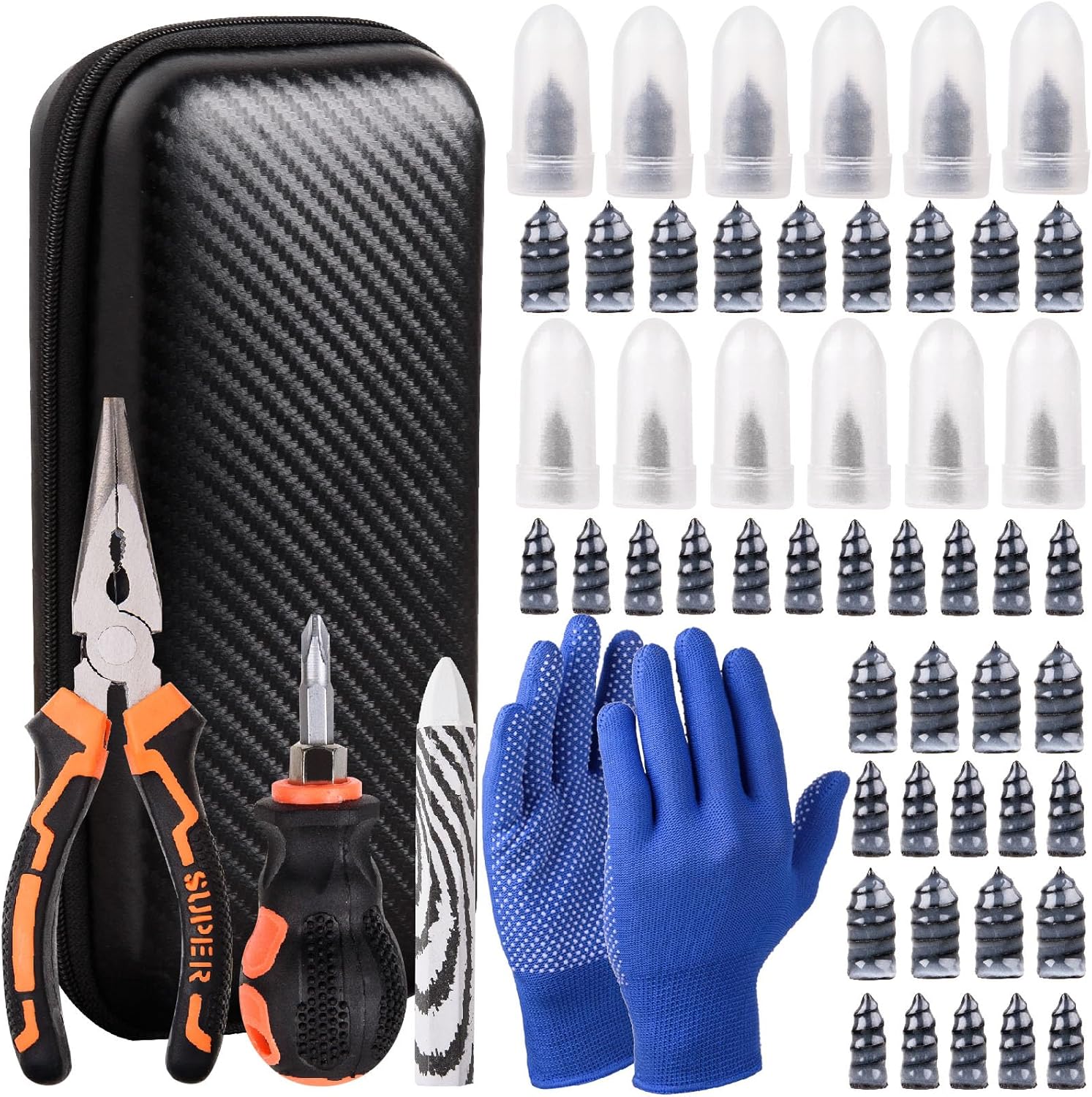
This tire sidewall puncture repair kit fixes flats fast without removing the tire, helping you get back on the road in minutes. It includes self-tapping repair nails, essential tools, gloves, and a portable storage bag for convenient roadside use. Designed for tubeless tires, it helps create a tight, leak-resistant seal for cars, motorcycles, trucks, SUVs, and ATVs.
Common Causes of Tire Cuts and Slashes
Tire cuts and slashes can come from several causes. The shape and location of the damage usually give you the best clues.
- Vandalism: Often leaves a clean, deliberate-looking sidewall cut.
- Nails or screws: Usually create smaller holes in the tread area.
- Glass or metal debris: Can cut tread or sidewall, but the damage may look less uniform.
- Curb strikes: Often leave scuffs, abrasions, bulges, or torn sidewall rubber.
- Underinflation damage: Can weaken the sidewall and cause heat-related failure or separation.
- Age or wear: Can cause cracking, exposed cords, or tread damage, especially when maintenance has been poor.
Do not assume every cut is vandalism. A clean sidewall gash is suspicious, but a tire technician can often tell whether the damage came from a sharp object, road hazard, impact, or low-pressure driving.
Can You Drive on a Slashed Tire?
No, you should not drive on a slashed tire. A cut tire can lose air quickly, reduce traction, damage the rim, and make steering or braking unpredictable. If the sidewall is cut, exposed, or frayed, treat the tire as unsafe.
| Condition | Risk | Best Action |
| Slashed sidewall | Rapid air loss and structural failure | Do not drive; replace the tire |
| Low pressure from a cut | Rim damage and poor control | Stop use and call for help |
| Small tread puncture | Slow leak or pressure loss | Have a tire shop inspect repairability |
If you have a temporary spare, follow your owner’s manual and the spare tire’s speed and distance limits. If you are not sure the spare is safe, call roadside assistance instead.
What to Do After Finding a Slashed Tire
Act quickly, but do not rush the safety steps. A slashed tire can turn into a bigger repair bill if you drive on it, and possible vandalism needs clear documentation.
- Photograph the tire, rim, valve stem, nearby ground, and full vehicle position.
- Check the other tires for matching cuts or pressure loss.
- Write down the time, date, location, and anything unusual you noticed.
- Look for nearby cameras, lights, witnesses, or other damaged vehicles.
- File a police report if you suspect vandalism or need documentation for insurance.
- Call your insurer and ask whether your policy covers vandalism-related tire damage.
- Arrange towing, a safe spare installation, or mobile tire replacement.
Note: Insurance coverage depends on your policy, deductible, and local rules. A police report, photos, and tire-shop invoice can make the claim easier to review.
Do not move sharp objects, wipe the tire, or throw away damaged parts before you take photos. If the tire shop replaces the tire, ask whether they can note the visible damage pattern on your invoice.
[Products Worth Considering]

The Gurduenon scissor car jack tire changing kit is designed for quick flat-tire replacement with a lifting capacity of 2.5 tons and a scissor-lift range sized for many vehicles. The complete emergency set includes a ratchet wrench, lug wrench, gloves, a pencil tire pressure gauge, and a storage bag for convenient trunk or garage use. Universal compatibility makes it suitable for cars, SUVs, and other vehicles roadside assistance needs.

ETENWOLF’s tire pressure gauge helps you quickly and accurately check tire PSI across cars, trucks, motorcycles, bikes, and more. It’s manually calibrated to ANSI B40.1 Grade A for reliable readings, includes a large glow dial for easy nighttime viewing, and features a 360-degree swivel chuck for use at any valve angle. The gauge also works consistently in extreme hot or cold weather.

TireJect Off-Road Tire Sealant Kit provides 5-in-1 sealing to help fix tread punctures up to 3/8", sidewall punctures up to 3/8", bead leaks, slow leaks, and minor dry rot on low-speed tires. It permanently seals with liquid rubber, recycled tire particles, and Aramid fibers, making it ideal for flats caused by thorns, nails, and screws. The included dispensing cap attaches to the valve stem for a no-mess installation, along with a metal valve core remover tool and valve stem cap. This kit is for off-road use only.
How to Prevent Tire Slashing
You cannot fully prevent intentional vandalism, but you can reduce the risk. Park in well-lit, visible areas when possible. Choose monitored lots, driveways with lighting, or spots near cameras. If your vehicle sits for long periods, motion-activated lighting or visible cameras can make it a less attractive target.
Check your tires regularly for cuts, sidewall scrapes, punctures, bulges, and uneven wear. NHTSA recommends checking tire pressure at least once a month when tires are cold and inspecting tread regularly. Good maintenance will not stop vandalism, but it helps you spot new damage faster and avoid confusing old wear with fresh cuts.
If vandalism happens more than once, vary where you park, report the incidents, and ask neighbors or property management about camera coverage. Keep photos and service records so you can show when the damage appeared.
[Products Worth Considering]

These universal tire valve stem caps help protect your valve core from dust, debris, moisture, and corrosion, supporting more stable tire pressure. The aluminum alloy design resists long-term wear, while the sealing construction helps help prevent air leakage. They twist on easily for quick installation and help safeguard driving safety across cars, SUVs, trucks, and motorcycles.

Upgrade your Toyota’s wheels with durable aluminum alloy valve stem caps that help protect valve cores from corrosion and direct exposure to road grime, clay, water, and snow. Rubber rings improve sealing to help prevent air leakage and maintain stable tire pressure for safer driving. These caps are easy to install or remove without tools and add a unique, stylish look to your car.

ETENWOLF T300 is a calibrated digital tire pressure gauge for accurate readings from 3 to 200 PSI across light and heavy-duty vehicles. It includes thermal compensation for reliable performance in extreme cold or heat, with an auto shut-off to extend battery life and an LED for easier reading. The sturdy design supports rugged everyday use, making it ideal for pickups, RVs, and industrial applications.
Frequently Asked Questions
How can you tell if a tire has been slashed?
You can tell a tire may have been slashed by looking for a clean, straight cut, especially in the sidewall. You may also see exposed cords, fast air loss, or similar cuts on multiple tires. A tire shop can help confirm whether the damage looks like a sharp-object cut, road hazard, impact, or wear-related failure.
What does it look like when someone slashed a tire?
A slashed tire often looks like a sharp slice or gash in the rubber. The cut may be longer than a nail puncture, with smooth edges and quick deflation. If the cut is deep, you may see inner cords, rubber fibers, or an opening in the sidewall.
What happens if you slash a tire?
Slashing a tire can cause rapid air loss and structural damage. The vehicle may become unsafe to drive, and the tire usually needs replacement if the sidewall or internal cords are damaged. If the act was intentional, it may also lead to police involvement, restitution, fines, or criminal charges depending on local law.
Is slashing one tire a felony?
It depends on local law, the value of the damage, intent, prior offenses, and whether other conduct happened at the same time. In some places, tire slashing may be treated as a misdemeanor vandalism or criminal-mischief offense. In others, higher damage amounts or added circumstances can raise the charge. Check local law or speak with a qualified legal professional for case-specific guidance.
Can a slashed tire be repaired?
A slashed sidewall usually cannot be repaired safely because the sidewall structure is damaged. Small punctures in the tread may sometimes be repairable after professional inspection, but deep cuts, exposed cords, and sidewall gashes usually mean replacement.
Should you call the police for a slashed tire?
Call the police non-emergency line if you suspect vandalism, see damage on multiple tires, notice other damaged vehicles nearby, or need a report for insurance. Take photos first if it is safe, and avoid disturbing the scene more than necessary.
Conclusion
A slashed tire usually looks like a clean, sharp cut in the sidewall or tread, often with fast air loss and possible exposed cords. A blowout tends to look ragged or shredded, while a normal puncture is usually smaller and found in the tread. If you suspect a slash, do not drive on the tire. Photograph the damage, check the other tires, contact a tire professional, and file a report if vandalism seems likely.
Sources
- NHTSA TireWise — supports tire maintenance, tire-pressure checks, tread-safety guidance, and blowout response.
- 49 CFR § 575.104, Uniform Tire Quality Grading Standards — supports accurate wording about treadwear, traction, and temperature ratings.
- NHTSA Recalls — supports checking tire and vehicle recalls when tire defects or repeated failures are suspected.

