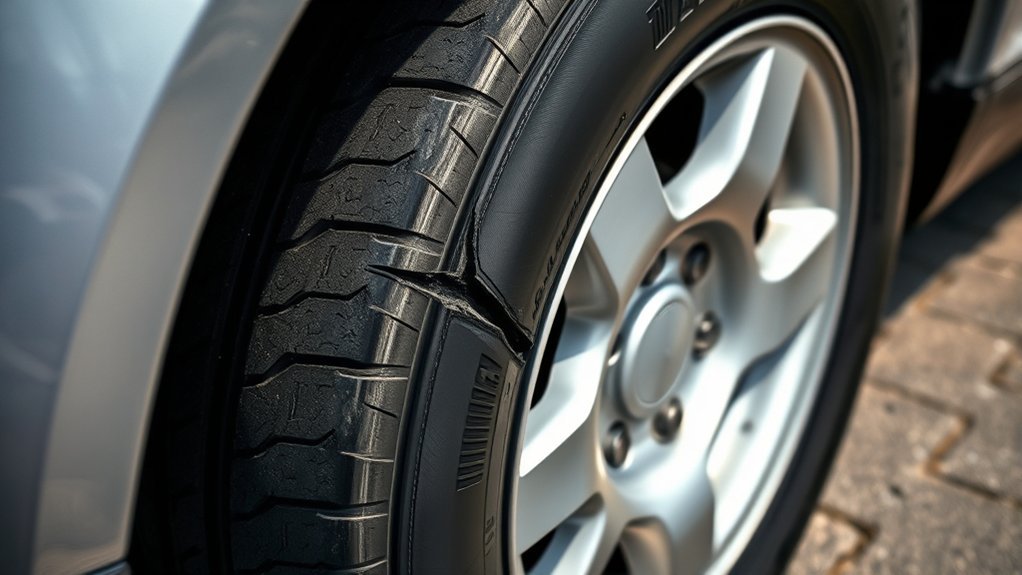
A slashed tire usually has a clean, sharp cut in the rubber, often on the sidewall, rather than a small round hole from a nail or screw. You may see exposed cords, a long slit, or a tire that lost air very quickly. Appearance alone cannot prove vandalism, but a clean sidewall cut, no embedded object, and similar damage on more than one tire are strong warning signs.
Quick Answer
A slashed tire usually looks like a clean, straight slit or gash, most often on the sidewall. It may expose cords and lose air quickly. A puncture usually leaves a smaller, rounder hole, often in the tread, sometimes with a nail or screw still stuck in it.
Key Takeaways
- A slashed tire usually has clean, straight cuts or gashes, often on the sidewall.
- Exposed cords, deep grooves, or sidewall damage mean the tire is unsafe to drive on.
- Fast air loss can support a slashing suspicion, but it is not proof by itself.
- Multiple clean cuts or damage on more than one tire may point to vandalism.
- Sidewall slashes and long cuts are generally not repairable; the tire should be professionally inspected and replaced.
At a Glance
| Time Required | 5–10 minutes to inspect and photograph; longer if you need police, roadside assistance, or a tire shop. |
| Difficulty | Easy visual check, but repairability should be confirmed by a trained tire technician. |
| Tools Needed | Phone camera, flashlight, tire pressure gauge, gloves, and roadside assistance if the tire is flat. |
| Cost | Inspection may be free or low-cost; replacement cost depends on tire size, brand, vehicle type, and insurance deductible. |
Warning: Do not drive on a tire with a sidewall slit, exposed cords, or severe air loss. Driving on a flat or underinflated tire can damage the tire internally, damage the wheel, and increase the risk of losing control.
Key Signs of Tire Slashing
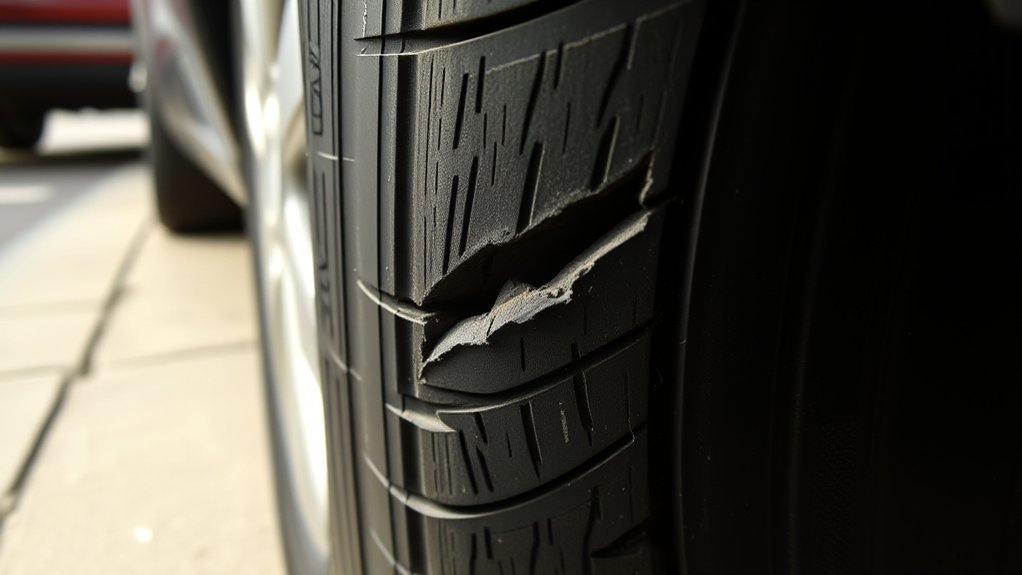
The strongest sign of tire slashing is a visible cut or gash with clean, sharp edges. This looks different from many road-hazard punctures, which often leave a smaller, rougher hole in the tread. Slashed tires often show damage on the sidewall, where the rubber is easier to cut and where damage is usually unsafe to repair.
Look for these signs:
- Clean, straight cuts or long slits in the rubber
- Damage on the sidewall rather than the center tread
- Exposed fabric or steel cords beneath the rubber
- Very fast air loss, especially with no nail or screw present
- Similar cuts on more than one tire
- Nearby signs of vandalism, such as keyed paint, broken glass, or camera footage
Do not touch or remove sharp objects around the vehicle if you may file a police report. Photograph the scene first, then move only what you must for safety.
What a Slashed Tire Looks Like
A slashed tire usually looks like a narrow knife cut, a long slit, or an elongated gash. The edges may look smoother and more deliberate than a tear from debris. The tire may be completely flat because the cut created a large opening for air to escape.
Clean Cut Marks
Clean cut marks usually have smooth edges and a controlled shape. They may look straight, angled, or slightly curved depending on how the blade or sharp object contacted the tire. If the cut is deep enough to show cords, the tire has lost structural strength and should be taken out of service.
A single clean cut can happen from vandalism, but it can also happen from sharp metal, road debris, or collision damage. That is why the surrounding evidence matters. A clean cut on more than one tire is more suspicious than one isolated tire injury.
Sidewall Gashes
Sidewall gashes are one of the clearest signs of a tire that is no longer safe. The sidewall flexes constantly while driving, so cuts here can lead to sudden failure. The U.S. Tire Manufacturers Association says tire repairs should be limited to the tread area only, and a puncture injury should be no greater than 1/4 inch or 6 mm in diameter.
- Clean, linear cuts on the sidewall
- Rubber split without a rough puncture pattern
- Visible cords beneath the outer rubber
- Multiple slashes on one or more tires
- Damage that does not match normal tread punctures
Rapid Deflation Signs
Rapid deflation can support a slashing suspicion, especially if the tire went flat within seconds and there is a visible cut on the sidewall. A small tread puncture from a nail often leaks more slowly, though this is not always true. Valve damage, bead leaks, pothole impact, or sharp debris can also cause fast air loss.
Treat rapid deflation as a safety issue first. Avoid driving, turn on your hazard lights if you are near traffic, and call roadside assistance or install the spare only if you can do so safely.
Slashed Tire vs. Puncture: Quick Comparison
| Sign | More Like Slashing | More Like Puncture |
|---|---|---|
| Shape | Straight slit, clean gash, or long cut | Small round or jagged hole |
| Location | Often on the sidewall | Often in the tread area |
| Object present | Usually no nail or screw in the cut | Nail, screw, glass, or debris may still be embedded |
| Air loss | Often very fast if the cut is deep | Often slower, depending on hole size |
| Repair outlook | Usually replacement, especially if sidewall or long cut | May be repairable if small and in the approved tread area |
Clean Cuts in the Rubber
Clean cuts in the rubber usually have straight edges and smooth surfaces. That can point to deliberate slashing, especially when the cut is on the sidewall and there is no embedded road debris. The opening may be narrow, long, and controlled rather than torn or chewed up.
Check for:
- Straight, even edges
- Smooth cut surfaces
- Long or angled openings
- Multiple cuts close together
- No nail, screw, or glass in the tread
If you see several clean cuts, document the damage before moving the vehicle. Photograph each tire, the ground nearby, the parking location, and any other damage to the vehicle.
Sidewall Damage and Exposed Cords
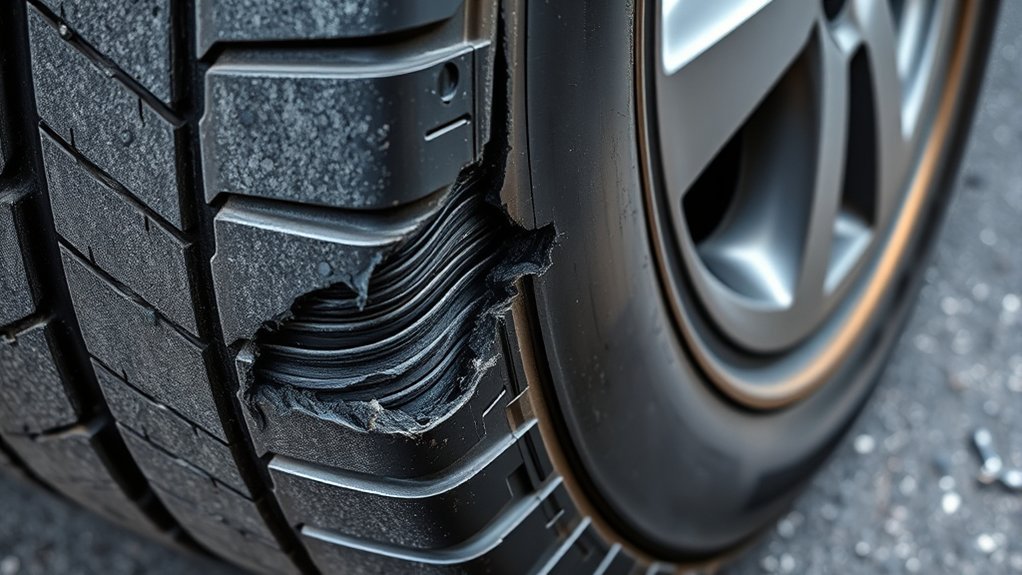
Once you notice a possible slash, inspect the sidewall for gashes, cuts, bubbles, or exposed cords. Cords are the internal reinforcement that helps the tire carry weight and hold shape. If they are visible, cut, or separated, the tire is unsafe.
Unlike a small tread puncture, sidewall damage usually cannot be patched safely. Tire Rack notes that sliced or punctured sidewalls, long straight cuts, and irregular gashes are not repairable because they can compromise the tire’s strength and durability.
Note: Tire sealant and plug kits are for some temporary tread-puncture situations. They are not a safe fix for a sidewall slash, exposed cords, or a long cut.
Flat Tire With No Nail or Screw
If your tire is flat but you cannot find a nail, screw, or other embedded object, check the sidewall and shoulder area for a slash or cut. Use a flashlight and look slowly around the whole tire. Do not put your fingers inside the cut because sharp cords, glass, or metal may be present.
- Inspect the sidewall for straight gashes
- Look for rapid air loss or a tire that will not hold pressure
- Check whether a valve stem is cracked, cut, or missing
- Compare all four tires for similar damage
- Photograph the tire before changing it if vandalism is possible
If the tire is flat and the sidewall is cut, do not drive to “test it.” Use a spare, tow truck, or mobile tire service instead.
Was It Vandalism or a Puncture?
A flat tire with no visible nail or screw raises the question of cause: vandalism or an ordinary road hazard. The best clue is the damage pattern. Vandalism often leaves a clean, deliberate-looking cut. A puncture usually leaves a smaller hole, often in the tread, sometimes with the object still embedded.
Vandalism becomes more likely when you see:
- Similar cuts on two or more tires
- Damage on the vehicle body, windows, mirrors, or fuel door
- No matching road-hazard pattern on the tread
- Security-camera footage or witness reports
- A sharp object nearby that appears intentionally placed
Still, avoid making a final conclusion from appearance alone. A tire shop can inspect the tire, and police or your insurer may consider photos, location, camera footage, and other evidence.
How to Check a Suspected Slashed Tire Safely
- Park safely and stay visible. If you are near traffic, turn on hazards and move away from the roadway.
- Do not drive on the damaged tire. A flat or sidewall-damaged tire can fail suddenly and may damage the wheel.
- Photograph before touching anything. Take wide shots of the vehicle, then close-ups of each tire and cut.
- Check the tread and sidewall. Look for a nail, screw, valve damage, bead damage, sidewall slit, or exposed cords.
- Compare all tires. Similar cuts on multiple tires are more suspicious than a single puncture.
- Look for nearby evidence. Note cameras, witnesses, broken glass, footprints, or other vehicle damage, but avoid disturbing anything unnecessary.
- Call for help. Contact roadside assistance, a tire shop, your insurer, or police depending on the situation.
Pro Tip: Take one photo from far enough away to show where the vehicle was parked, then take close-ups of the cut with a coin or key nearby for scale.
[Products Worth Considering]

Accurately measure tire tread depth with a calibrated gauge marked from 0 to 1 inch in 1/32 inch increments. The color-coded bar helps you quickly identify tread condition ranges, supporting safe driving for trucks, motorcycles, automobiles, and passenger vehicles.

Measure tire tread depth quickly and accurately with this LUMITECO dial gauge that reads in 1/32" increments up to 14/32". The color-coded green/yellow/red zones make it easy to judge tire wear and know when replacement is needed. A rugged, compact design with a protective pouch helps keep the gauge ready for use on cars, trucks, motorcycles, and more.

The SAFELIFE dial tire tread depth gauge measures tread depth in 1/32 inch increments with clear, easy-to-read 2-inch dial face. Color zones using a traffic light system help you quickly judge whether tread is low, marginal, or ample for safer driving. Built with a durable zinc cast body and a metal detect probe for precise, comfortable use across cars, motorcycles, trucks, and buses.
What Else Can Damage a Tire
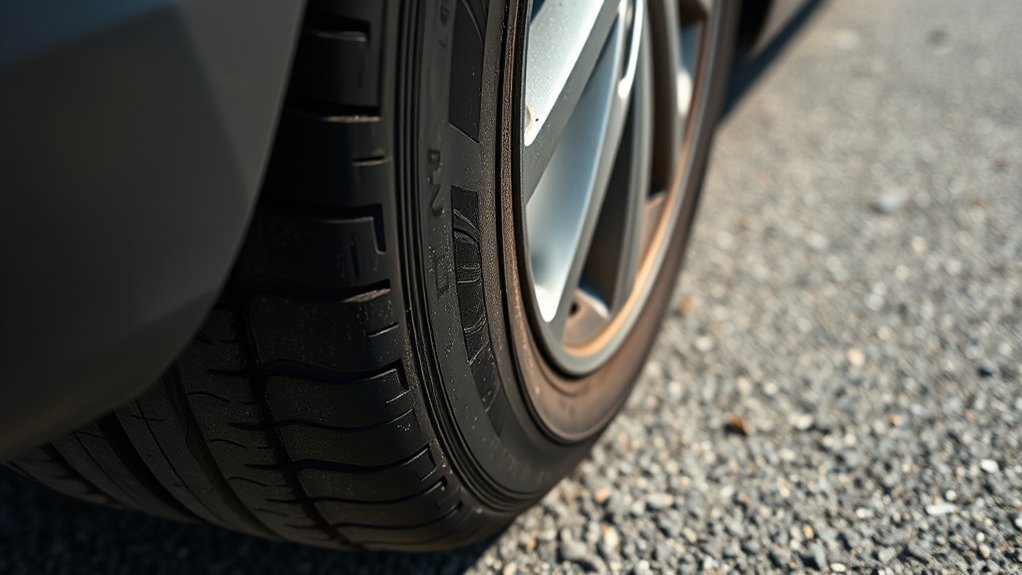
Not every cut is vandalism. Tires can fail from impact, wear, pressure problems, road debris, or previous damage. A sharp piece of metal on the road can slice rubber, and a pothole can bruise or split a sidewall.
- Nails or screws can cause small tread punctures and slow leaks.
- Curbs and potholes can bruise sidewalls, bend wheels, or cause sudden air loss.
- Worn tread reduces rubber thickness and raises puncture risk.
- Low pressure creates heat and flexing that can weaken the tire.
- Road debris can tear tread, shoulder, or sidewall areas.
According to NHTSA tire-safety guidance, poor tire maintenance can contribute to flats, blowouts, and tread separation, and tire-related crashes remain a serious road-safety issue.
What to Do After Finding Slashed Tires
After you find suspected slashed tires, focus on safety, documentation, and repair. Do not drive on the tire, and do not throw the damaged tire away until your insurer, police, or tire shop has told you it is no longer needed.
Document the Damage
Take clear photos from multiple angles. Include close-ups of each cut, a full view of each tire, the vehicle’s location, and any other damage. If your phone records timestamps and location data, keep the original files.
- Photograph each tire, even the undamaged ones
- Capture sidewall slashes and exposed cords
- Record date, time, and exact location
- Look for nearby cameras or witnesses
- Save tow, tire shop, and replacement receipts
Contact Authorities Promptly
If vandalism is likely, contact the police or use your local non-emergency reporting system. Ask for a case number. This can help document the incident and may be requested by your insurance company.
When you report it, provide the location, time discovered, number of tires damaged, photos, witness names if available, and any camera locations. Avoid exaggerating what you know. Say “suspected vandalism” if you are not certain.
Call Your Insurer and a Tire Shop
Vandalism is commonly handled under comprehensive auto coverage, not liability coverage. The Insurance Information Institute explains that comprehensive coverage applies to damage from non-collision events such as theft, vandalism, fire, hail, and other hazards. Your deductible, policy terms, and repair cost determine whether a claim makes sense.
Call a tire shop or roadside service for replacement guidance. If more than one tire is damaged, ask whether your vehicle needs matching tire tread depth, especially on all-wheel-drive vehicles.
Can You Fix a Slashed Tire?
In most cases, no. A slashed tire should usually be replaced, especially if the cut is on the sidewall, shoulder, or is long enough to damage cords or belts. A patch or plug cannot restore the strength of a sliced sidewall.
A small puncture in the approved tread area may be repairable if the tire is removed from the wheel and inspected from the inside. USTMA guidance says repairs should be limited to the tread area, the puncture injury should be no larger than 1/4 inch or 6 mm, and a plug alone is not an acceptable repair. A proper repair uses both a plug or stem and an inner liner patch.
Replace the tire if you see:
- A sidewall cut or shoulder-area injury
- Exposed cords, belts, or fabric
- A long straight cut or irregular gash
- Damage from driving while flat
- Multiple injuries close together
- Any damage the tire technician says is outside the repairable area
[Products Worth Considering]

Monitor tire tread wear with a smart, color-coded depth gauge that shows clear condition ranges at a glance. The bar is range marked for fast, easy readings, helping you maintain safer traction and performance. Each gauge is portable with a pocket clip, and the set includes 20 units for daily use and sharing.

This tire repair kit provides fast emergency puncture repair without removing the tire from the rim, helping you get back on the road quickly. Its screw plug system is designed for punctures in both tread and sidewall and includes a complete patch plug tool set with essential accessories. A portable storage bag makes it easy to carry for cars, trucks, SUVs, motorcycles, and heavy-duty applications.
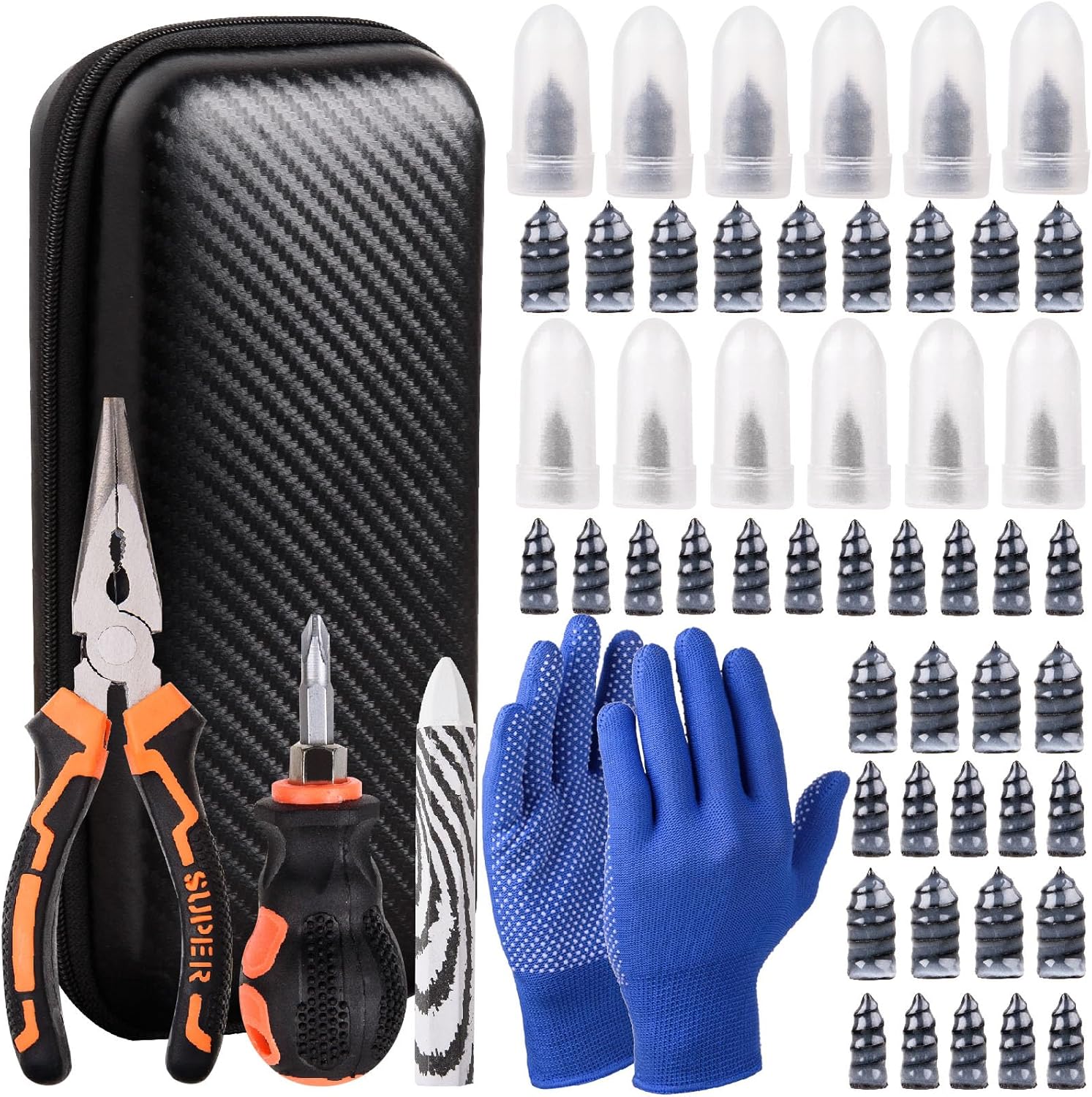
This tire sidewall puncture repair kit fixes flats fast without removing the tire, helping you get back on the road in minutes. It includes self-tapping repair nails, essential tools, gloves, and a portable storage bag for convenient roadside use. Designed for tubeless tires, it helps create a tight, leak-resistant seal for cars, motorcycles, trucks, SUVs, and ATVs.
How to Prevent Tire Slashing
You cannot prevent every act of vandalism, but you can reduce the risk by increasing visibility and making your vehicle harder to target unnoticed.
| Action | Benefit |
|---|---|
| Park in well-lit areas | Improves visibility and discourages vandals |
| Park near entrances or cameras | Increases witness presence and evidence quality |
| Use motion-activated lighting | Draws attention to suspicious activity |
| Install a security camera | May deter damage and record useful evidence |
| Inspect tires regularly | Helps catch cuts, bulges, low pressure, and tread damage early |
| Review comprehensive coverage | Helps you understand deductibles and vandalism claim steps before an incident |
Also keep your tires properly inflated and check tread condition. NHTSA tire safety guidance recommends checking tire pressure, using the vehicle manufacturer’s recommended pressure, and replacing unsafe tires promptly.
[Products Worth Considering]

This self-service tire repair nail kit includes 60 pieces (30 small + 30 large) to help seal punctures quickly without needing an auto shop visit. The nails are designed to fit different hole sizes and provide a tight connection with sealing glue to help prevent air and water intrusion. Suitable for cars, motorcycles, trucks, and other vehicles, it’s an easy, efficient way to patch roadside tire damage.

Mosconly tire repair glue and nail kit delivers an elastic, waterproof bond for quick sidewall puncture repairs. The adhesive cures securely to help prevent peeling, flaking, and tearing, while the included nails support a strong, seamless repair. Designed for easy roadside use, it works on car, motorcycle, bike, and other tire types, with full curing within 24 hours.

The JACO FlowPro Tire Inflator measures, inflates, and airs down tires up to 100 PSI with battery-free operation and ±2% accuracy after calibration. It features a glowing pressure dial for night visibility, a heavy-duty steel build with a hybrid hose, and a precision push-to-inflate thumb trigger. The patented Lightning Air Chuck locks on for a secure seal, and the kit includes quick-connect hardware for easy inline use with your air compressor.
Frequently Asked Questions
How can you tell if a tire has been slashed?
Look for a clean, straight slit or gash, especially on the sidewall. Exposed cords, sudden air loss, no embedded nail or screw, and similar damage on more than one tire can support a slashing suspicion. A tire shop can inspect the damage more reliably than appearance alone.
Is slashing one tire a felony?
It depends on the state or country, the value of the damage, the intent, and whether other property was damaged. In some places it may be treated as misdemeanor vandalism; in others, the dollar amount or circumstances can raise the charge. Check local law or ask the responding police agency.
Is it safe to drive with a slit in your tire?
No. A slit can lead to sudden deflation, loss of control, and wheel damage. If the sidewall is cut, cords are exposed, or the tire is flat, use a spare, call roadside assistance, or tow the vehicle to a tire shop.
Can a tire shop prove a tire was slashed?
A tire shop can describe the damage pattern and whether it looks like a cut, puncture, impact break, or road-debris injury. However, proving vandalism usually depends on the full evidence, including photos, police report, camera footage, witnesses, and surrounding damage.
Does insurance cover slashed tires?
It may, if you have comprehensive coverage and the insurer treats the damage as vandalism. You may need a police report or case number, and your deductible still applies. If the replacement cost is lower than your deductible, filing a claim may not make sense.
Should I remove a nail, blade, or sharp object from the tire?
Not right away. If vandalism is possible, photograph the object and surrounding area first. Removing an object can worsen air loss and may disturb evidence. Let a tire technician, roadside provider, or police officer guide the next step.
Conclusion
A slashed tire usually shows a clean slit, sidewall gash, exposed cords, or rapid air loss with no obvious nail or screw. Multiple similar cuts or damage on more than one tire can point toward vandalism, but a professional inspection and good documentation matter. Do not drive on a tire with a sidewall cut or exposed cords. Photograph the damage, report suspected vandalism, check your insurance coverage, and replace the tire if the structure is compromised.
Sources
- U.S. Tire Manufacturers Association — Tire Repair Basics — backs up tread-only repair limits, 1/4-inch / 6 mm puncture guidance, and plug-plus-patch repair requirements.
- Tire Rack — Can All Damaged Tires Be Repaired? — backs up sidewall damage, long cuts, flat-driving damage, and replacement guidance.
- National Highway Traffic Safety Administration — Tire Safety — backs up tire pressure, tire maintenance, and tire-safety context.
- Insurance Information Institute — Auto Insurance Basics — backs up comprehensive coverage for vandalism and other non-collision damage.
- AAA — Does Car Insurance Cover Vandalism? — backs up vandalism coverage considerations, police-report expectations, deductibles, and slashed tire examples.