
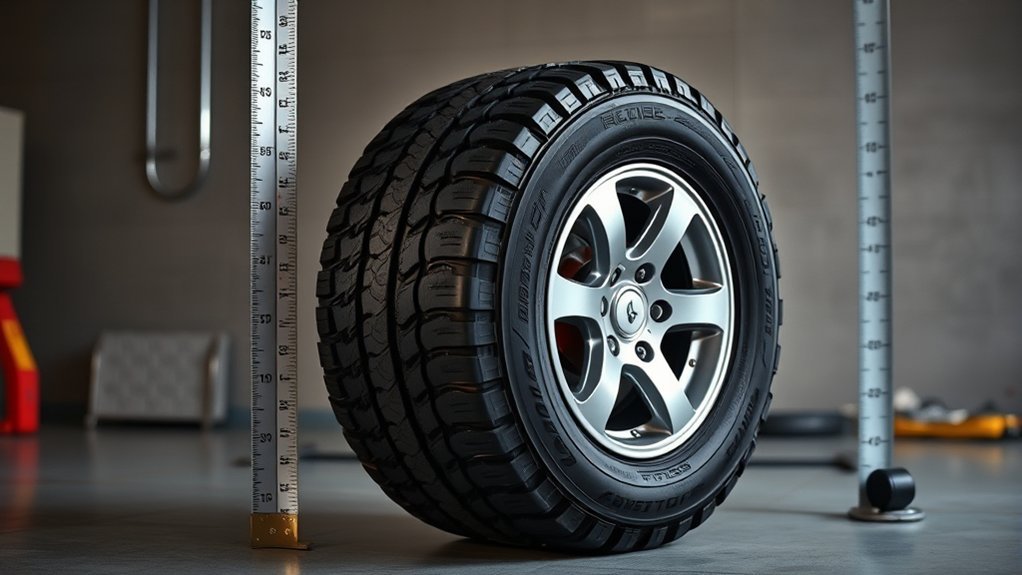
A 315/70R17 tire is a large metric truck and SUV tire size that calculates to about 34.36 inches tall and 12.40 inches wide on a 17-inch wheel. It is often grouped with “35-inch” tires, but it is not a true 35 by the numbers. Before you buy, check your wheel width, offset, brake clearance, suspension travel, and the tire maker’s spec sheet for the exact model you plan to run.
Quick Answer
A 315/70R17 tire is about 34.36 inches tall, 12.40 inches wide, and has an 8.68-inch sidewall by nominal tire-size math. It is close to a 35-inch tire, but actual mounted height varies by brand, tread, wheel width, inflation pressure, and vehicle load.
Key Takeaways
- A 315/70R17 tire calculates to about 34.36 inches tall, 12.40 inches wide, and 107.95 inches around.
- The 315 means 315 mm section width, the 70 means the sidewall is 70% of that width, R means radial, and 17 means a 17-inch wheel.
- It is close to a 35-inch tire, but it is not the same as a true 35×12.50R17.
- Fitment depends on the vehicle, lift or level, wheel offset, backspacing, fender clearance, brake clearance, and suspension travel.
- Do not assume every 315/70R17 tire has the same load range, snow rating, tread depth, or real mounted diameter.
315/70R17 Size Breakdown
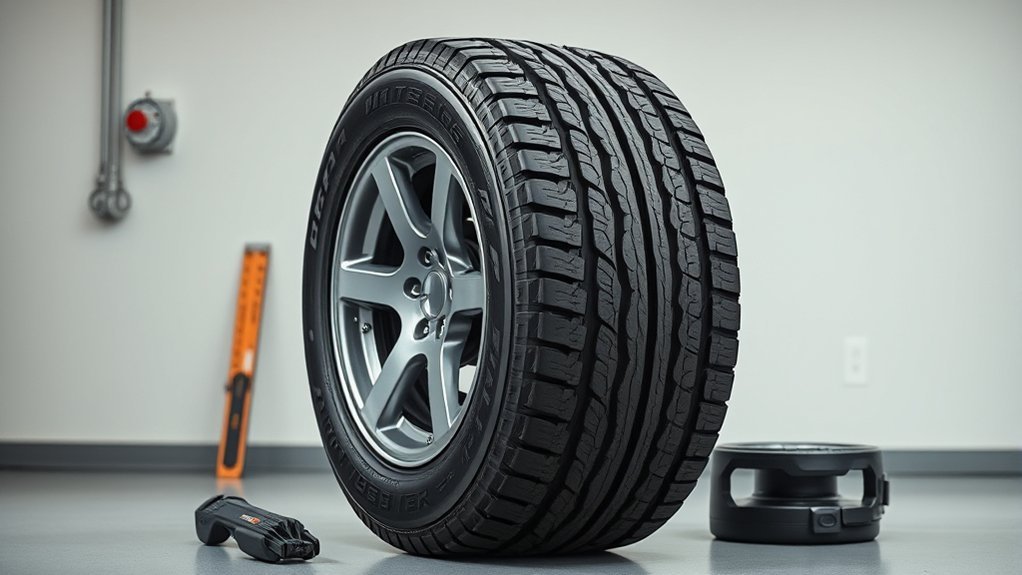
The 315/70R17 size code tells you the tire’s basic shape before you ever look at the tread pattern or brand. Here is what each part means:
- 315 means the tire’s nominal section width is 315 millimeters, or about 12.40 inches.
- 70 means the sidewall height is 70% of the section width.
- R means radial construction, the common construction type for modern light-truck tires.
- 17 means the tire is made for a 17-inch wheel.
The basic diameter formula is: wheel diameter + 2 × sidewall height. For this size, the sidewall is 315 × 0.70 = 220.5 mm. Convert that to inches and you get about 8.68 inches of sidewall. Add two sidewalls to the 17-inch wheel and the calculated diameter is about 34.36 inches.
A 315/70R17 is best treated as a “near-35-inch” tire, not an exact 35-inch tire.
Pro Tip: Use the calculated size for planning, but use the tire manufacturer’s spec sheet for final fitment. Real mounted diameter can change with tread design, wheel width, air pressure, and vehicle weight.
315/70R17 Dimensions in Inches
These are the nominal 315/70R17 dimensions in inches. They are useful for comparing tire sizes, estimating clearance, and checking speedometer change, but they are not a promise that every tire model will measure exactly the same.
| Nominal section width | 315 mm, about 12.40 inches |
| Aspect ratio | 70% |
| Sidewall height | About 8.68 inches |
| Wheel diameter | 17 inches |
| Calculated overall diameter | About 34.36 inches |
| Calculated circumference | About 107.95 inches |
| Estimated revolutions per mile | About 587 revs per mile |
Actual specs can vary. One 315/70R17 all-terrain tire may measure slightly shorter or taller than another 315/70R17 mud-terrain tire. This is why the spec sheet matters when clearance is tight.
What Vehicles Fit 315/70R17 Tires?
315/70R17 tires are most common on modified full-size pickups, heavy-duty pickups, off-road SUVs, and trail builds that have enough room for a tire over 34 inches tall. You may see them on vehicles such as the Ford F-150, Ford Super Duty, Chevrolet Silverado, GMC Sierra, Ram 1500, Ram 2500, Toyota Tundra, Jeep Wrangler, and Jeep Gladiator, but fitment depends on trim, suspension, wheel specs, and modifications.
Do not assume this size fits because another owner runs it. A different wheel offset, bumper, fender liner, mud flap, control arm, or lift height can change the result.
Warning: Test clearance before regular driving. Check for rubbing at full steering lock, during suspension compression, in reverse, and with the vehicle loaded. A tire that clears in the driveway can still rub on the road or trail.
[Products Worth Considering]

The Topeak SmartGauge D2 delivers precise digital tire pressure readings for bikes, motorcycles, and sports equipment up to 250 psi (17 bar). Its rotating SmartHead works with both Presta and Schrader valves, so you can check pressure quickly without adapters. The LCD display makes it easy to read results in psi, bar, or kg/cm² with an included CR2032 battery for immediate use.

Protect your spare wheel with a waterproof, dustproof tire cover made to resist sun and harsh weather. The elastic band design makes it easy to install and remove without tools, while reinforced stitching helps it keep its shape. Available in multiple sizes, it fits common RV, trailer, Jeep, SUV, and truck spare tires.

The SAFELIFE dial tire tread depth gauge measures tread depth in 1/32 inch increments with clear, easy-to-read 2-inch dial face. Color zones using a traffic light system help you quickly judge whether tread is low, marginal, or ample for safer driving. Built with a durable zinc cast body and a metal detect probe for precise, comfortable use across cars, motorcycles, trucks, and buses.
315/70R17 Fitment Checklist
- Wheelwell clearance: Check the front and rear of the fender opening, inner liner, pinch weld, body mount, and mud flaps.
- Suspension clearance: Check upper control arms, sway bar, shock body, coil bucket, and leaf-spring area where applicable.
- Brake clearance: Make sure the 17-inch wheel clears your brake calipers before mounting the tire.
- Wheel offset and backspacing: A different offset can help or hurt clearance. More poke can clear suspension parts but may increase fender rubbing.
- Load rating: Match the tire’s load index and load range to your truck, payload, towing needs, and placard guidance.
- Speed rating: Make sure the tire’s speed rating matches how you use the vehicle.
- Spare tire storage: A 315/70R17 spare may not fit in the factory spare location on every vehicle.
- TPMS and recalibration: Larger tires may require TPMS transfer or replacement and a speedometer recalibration.
For the correct original tire size and recommended cold inflation pressure, check your owner’s manual or the Tire and Loading Information Label on the driver’s side door edge or post. NHTSA TireWise also recommends using the vehicle label or owner’s manual rather than the pressure molded on the tire sidewall.
315/70R17 vs. Similar Tire Sizes
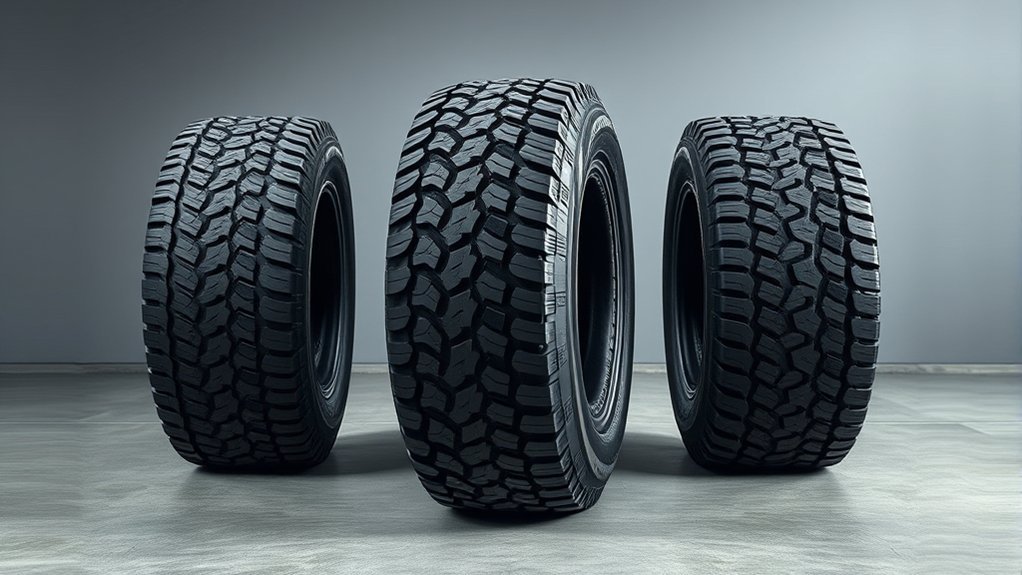
Compared with common 17-inch truck tire sizes, 315/70R17 sits near the upper end of the “35-inch class” without reaching a full 35 inches by calculation. The table below uses nominal math for metric sizes. Flotation sizes such as 35×12.50R17 are listed by their named size, and their real measured diameter still varies by manufacturer.
| Tire Size | Approx. Diameter | Approx. Width | How It Compares |
| 265/80R17 | 33.69 in | 10.43 in | Narrower and slightly shorter |
| 305/70R17 | 33.81 in | 12.01 in | Close, but a little smaller |
| 285/75R17 | 33.83 in | 11.22 in | Similar height, narrower stance |
| 315/70R17 | 34.36 in | 12.40 in | Near-35-inch metric size |
| 35×12.50R17 | Named as 35 in | Named as 12.50 in | Usually slightly taller by label, but actual size varies |
[Products Worth Considering]

This digital tire pressure gauge with built-in inflator helps you accurately check and adjust tire pressure for safer driving and better fuel efficiency. It supports multiple units (PSI, KPA, BAR, KG/CM²) and reads within 1% for reliable results. The 3-in-1 design inflates, deflates, and measures, with a quick-connect air chuck and compatible hose setup for cars, trucks, SUVs, RVs, and motorcycles.

The Big Rig Defense Tire Thumper is a truck tire pressure checker that lets you quickly check multiple tires by giving them a firm whack. Listen for a reassuring thump and feel the stick bounce when a tire is fully inflated, helping you get back on the road safely. It features a comfortable, glove-friendly handle and a secure wrist strap for confident use on busy routes.

This spare tire tool kit is designed for the 2004 to 2018 Ford F-150 to help you loosen and tighten wheel lug nuts and manage the spare tire and provided jack functions from underneath the vehicle. It includes the lug nut wrench and extension pieces plus a convenient storage carrying case for organized transport. The jack itself is not included.
Speedometer and Gearing Impact
A taller tire travels farther with each rotation. That can make your speedometer read low if your truck is calibrated for a smaller tire. For example, if your original tire was about 33 inches tall and you move to a 34.36-inch tire, an indicated 60 mph may be closer to about 62.5 mph. The exact change depends on the old tire’s real diameter and your vehicle calibration.
Larger tires can also change effective gearing. You may notice slower acceleration, more frequent transmission shifting, or different towing feel, especially if you move up from a much smaller stock tire.
Best Uses for 315/70R17 Tires
315/70R17 tires make the most sense when you want more ground clearance, a wider footprint, and a tougher truck or SUV stance without jumping all the way to a 37-inch setup. They are popular for trail driving, overlanding, hunting rigs, work trucks, lifted daily drivers, and vehicles that need more sidewall for rough roads.
The tall sidewall can help absorb impacts from rocks, washboard roads, potholes, and ruts. The wider section width can add traction on loose dirt, gravel, sand, and snow, depending on the tread design and tire compound.
For winter driving, look at the actual tire model. Some 315/70R17 all-terrain tires carry the Three-Peak Mountain Snowflake symbol, while others only carry M+S or no severe-snow marking at all. If snow and ice matter, choose a tire with the rating and compound built for those conditions.
Note: Load Range E is often described as “10-ply rated,” but modern tires are not usually built with 10 physical plies. Always compare the actual load index, load range, maximum pressure, and manufacturer load table.
What to Check Before Buying 315/70R17 Tires
Before buying 315/70R17 tires, check more than just height and width. A safe tire upgrade should match your vehicle, wheels, load needs, and daily driving conditions.
- Manufacturer specs: Confirm the tire’s real overall diameter, section width, tread depth, approved rim width, load index, and speed rating.
- Vehicle placard: Compare the upgrade with the original tire size on your Tire and Loading Information Label.
- Cold tire pressure: Use the pressure recommended for your vehicle and tire setup. NHTSA advises checking tire pressure monthly with a gauge.
- Tread depth and wear: Replace tires before they become unsafe. NHTSA says tires are not safe and should be replaced when tread is worn to 2/32 inch.
- Recall status: After buying tires, register them and check NHTSA recalls for tire safety notices.
- Professional install: Have larger tires balanced properly and ask the installer to inspect clearance after mounting.
[Products Worth Considering]

Measure tire tread depth quickly and accurately with this LUMITECO dial gauge that reads in 1/32" increments up to 14/32". The color-coded green/yellow/red zones make it easy to judge tire wear and know when replacement is needed. A rugged, compact design with a protective pouch helps keep the gauge ready for use on cars, trucks, motorcycles, and more.

Upgrade your ride with a 2-pack set of 26x1.95 folding mountain bike tires built for dependable traction on mud, rocks, and trail surfaces. A reinforced puncture-resistant layer helps protect against sharp debris, while included butyl inner tubes provide strong sealing and shock absorption. Ready for fast swaps with included tire levers and universal sizing for most bikes.

Accurately measure tire tread depth with a calibrated gauge marked from 0 to 1 inch in 1/32 inch increments. The color-coded bar helps you quickly identify tread condition ranges, supporting safe driving for trucks, motorcycles, automobiles, and passenger vehicles.
Frequently Asked Questions
Is a 315/70R17 a 35-inch tire?
A 315/70R17 is close to a 35-inch tire, but it is not a true 35 by nominal math. It calculates to about 34.36 inches tall. Many people group it with 35-inch tires because it is close in real-world fitment, but exact measured height depends on the tire model.
Are 315 tires the same as 33s?
No. A 315/70R17 is taller and wider than most 33-inch tire setups. It calculates to about 34.36 inches tall and 12.40 inches wide, so it usually needs more clearance than a typical 33-inch tire.
Is a 315 tire equal to a 35?
A 315 tire is not automatically equal to a 35. The second number matters. A 315/70R17 is about 34.36 inches tall, while other 315 sizes can be shorter or taller depending on aspect ratio and wheel diameter.
Is a 315 tire the same as a 37?
No. A 315/70R17 is about 34.36 inches tall, not 37 inches. A true 37-inch tire is much taller and usually needs more lift, more trimming, different gearing, and stronger supporting parts.
Will 315/70R17 tires fit on stock wheels?
Maybe, but you should not assume they will. The wheel must meet the tire manufacturer’s approved rim-width range, and it must clear the brakes, suspension, and body. Stock wheel offset can also cause rubbing with a wide 315 tire.
Do 315/70R17 tires affect speedometer accuracy?
Yes, they can. If your vehicle is calibrated for a smaller tire, a 315/70R17 can make the speedometer read lower than your real speed. Recalibration may be needed after upsizing.
Conclusion
A 315/70R17 tire is a tall, wide upgrade that calculates to about 34.36 inches tall and 12.40 inches wide. It is close enough to sit in the 35-inch conversation, but it is not an exact 35. That small difference still matters when you are checking fender clearance, wheel offset, gearing, spare-tire storage, and speedometer accuracy. Match the tire to your exact wheel, vehicle, load needs, and driving conditions, and you will get a setup that works on-road and off-road without unnecessary guesswork.
Sources
- NHTSA TireWise — tire size, pressure, tread, maintenance, and safety guidance.
- NHTSA Tire Buyers’ FAQ — choosing tire type and checking the owner’s manual or Tire and Loading Information Label.
- NHTSA New Tire Purchase Guide — tire registration, manufacture date, monthly pressure checks, and owner’s manual guidance.
- NHTSA Recalls — tire recall search and recall-alert information.
- Tire Code Reference — tire code structure, nominal width, aspect ratio, radial construction, rim diameter, and tire-geometry formula.
