
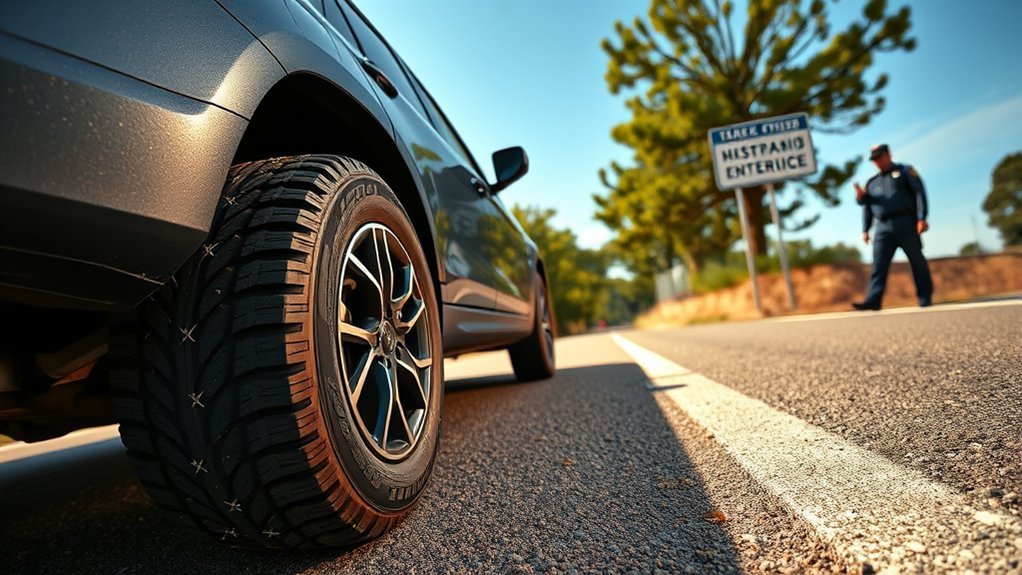
Driving on studded tires in summer can be legal in one jurisdiction and illegal in another. Many states and provinces allow studs only during a fixed winter season, so the calendar matters as much as the weather. Even where summer use is permitted, studded winter tires are generally a poor warm-weather choice because they wear faster and may provide less precise braking and handling on dry pavement.
Quick Answer
You can drive on studded tires in summer only if the laws where you are driving permit it. Washington and Oregon, for example, normally prohibit them after March 31, while British Columbia allows them through April 30. Even where legal, warm pavement increases winter-tire wear and can reduce dry-road braking and handling performance.
Key Takeaways
- Summer use of studded tires is not governed by one nationwide rule; check every state or province where you will drive.
- Washington and Oregon normally allow studs from November 1 through March 31, British Columbia from October 1 through April 30, and Quebec from October 15 through May 1 for covered vehicles.
- Winter-tire compounds wear more quickly in warm weather, and studded tires can have longer braking distances on dry and wet pavement than season-appropriate tires.
- A common tire-performance guideline is to switch away from winter tires once temperatures stay consistently above about 45°F (7°C), but an earlier legal deadline takes priority.
- For warm weather, properly sized summer, all-season, or all-weather tires are usually the better choice.
Note: This article provides general information, not legal advice. Studded-tire laws and seasonal dates can change. Check the official transportation agency or current law for every jurisdiction where you plan to drive.
Are Studded Tires Legal in Summer?

Studded tires may or may not be legal in summer depending on the state, province, territory, and sometimes the type of vehicle involved. Many cold-weather jurisdictions use fixed seasonal dates instead of deciding legality based on the day’s temperature or road conditions.
That means snow in the forecast does not automatically make studs legal after a statutory deadline. Likewise, warm weather during the permitted season does not necessarily make them illegal before the deadline.
Here are several current examples:
| Jurisdiction | Typical Studded-Tire Period | Current Guidance |
|---|---|---|
| Washington | November 1–March 31 | WSDOT said the 2026 deadline was March 31 and warned of a potential $137 fine beginning April 1. |
| Oregon | November 1–March 31 | ODOT states that studded tires are legal only during this period unless the authorized season is changed. |
| British Columbia | October 1–April 30 | B.C. says using studs outside this period may result in a fine. |
| Quebec | October 15–May 1 | The province permits studs during this period on passenger vehicles, taxis, and qualifying commercial vehicles. |
These examples show why you should not rely on a general list from memory. Check the current official rule before each season and before crossing into another jurisdiction.
Warning: Do not assume an out-of-state license plate gives you an exemption. Washington specifically states that its studded-tire dates apply to visitors and that there is no individual or out-of-state waiver.
Why Studded Tires Wear Out Faster in Summer
Studded tires are winter tires. Their tread compounds are designed to remain flexible in cold temperatures, while their metal studs are intended to add grip on hard-packed snow or ice.
Those same features are disadvantages during prolonged warm-weather driving. Warm pavement makes a winter-tire compound flex and wear faster than it would during its intended season.
Warm Weather Accelerates Tread Wear
Winter tire compounds are formulated for cold conditions. When they are used through warm spring and summer weather, the tread stays softer than a tire designed for warm pavement.
Michelin’s winter-tire guidance notes that the compound that provides cold-weather grip wears faster on hot summer roads. That means using your studded winter tires all summer can leave you with less usable tread when winter returns.
The exact rate of wear depends on the tire, vehicle, temperature, inflation pressure, alignment, road surface, mileage, and driving style, so avoid claims that a particular set will lose a fixed percentage of its life.
Metal Studs Also Wear on Bare Pavement
On snow and ice, studs have a useful surface to bite into. On bare pavement, they repeatedly contact asphalt or concrete instead.
This creates extra noise and contributes to wear of both the studs and the road surface. It is one reason many transportation agencies restrict their use to the winter season.
WSDOT has estimated that studded tires cause roughly $20 million to $29 million in damage to Washington’s state-owned roads each year.
That pavement impact is not merely theoretical. Transportation research has documented wheel-path wear and rutting associated with repeated studded-tire traffic.
How Studded Tires Affect Hot-Weather Grip
Studded tires are optimized for winter rather than warm, dry roads. In summer, their softer tread blocks can reduce steering precision and emergency-maneuver stability compared with tires designed for warm conditions.
Warm Tread Is Less Precise
A flexible winter compound works well when temperatures are low. On hot pavement, however, that flexibility can make tread blocks move more under acceleration, braking, and cornering loads.
The result is generally less crisp response than you would get from a properly matched summer or all-season tire.
Metal Studs Are Not Designed for Dry-Pavement Grip
Metal studs are most useful on ice. They do not provide the same benefit on dry summer asphalt.
Michelin identifies additional noise, legal restrictions, and increased braking distances on dry and wet roads among the trade-offs of studded winter tires. For summer driving, the tire’s warm-weather compound and tread design matter more than the presence of studs.
Braking Can Be Worse on Warm Roads
Do not assume a winter tire is safer simply because it has more aggressive tread or metal studs. A tire optimized for snow and ice can require more distance to stop on warm dry pavement than a tire engineered for that surface.
If you unexpectedly have to drive a short distance on legal studded tires during warm weather, leave additional following distance, avoid aggressive cornering, and arrange a seasonal tire change promptly.
Check Local Studded Tire Rules Before You Drive
The safest way to check studded-tire legality is to use the official transportation department, motor-vehicle agency, provincial government, or current statute for the place where you will actually drive.
- Check the legal start and removal dates. Do not rely only on weather conditions.
- Check the entire route. A tire that is legal at home may be restricted after you cross a state or provincial border.
- Look for equipment limits. Some jurisdictions regulate stud protrusion, vehicle class, or how studs are installed.
- Check exceptions carefully. Do not assume visitors, mountain travelers, or emergency trips automatically qualify.
- Check separate chain requirements. Studded tires may not satisfy a posted requirement to install chains.
For example, Washington states that studded tires do not count as chains when chains are required on a roadway. Drivers still need to comply with the posted chain requirement.
Pro Tip: Check the rules for your destination and every jurisdiction you will pass through before a road trip. Save the official transportation-agency page on your phone rather than relying on an old third-party tire-law chart.
When to Remove Studded Tires
There are two different triggers for removing studded winter tires: the legal deadline and the temperature.
If your jurisdiction sets a removal date, follow that date even if another snowstorm is possible. If there is no earlier legal deadline, a common tire-industry guideline is to change away from winter tires when temperatures remain consistently above about 45°F (7°C).
| Check | What to Do |
|---|---|
| Legal deadline approaching | Schedule the tire change before the final permitted day |
| Temperatures consistently above about 45°F/7°C | Move to an appropriate warm-weather tire if local conditions allow |
| Tread or studs visibly damaged | Have the tires professionally inspected before storing them |
| Long interstate or interprovincial trip | Verify stud laws for the entire route |
After removal, inspect the tread and sidewalls before storage. Clean off road salt and dirt and store the tires in a cool, dry place away from direct sunlight, heat sources, petroleum products, and solvents.
[Products Worth Considering]

Steelman white tire marking crayons provide high-contrast, semi-permanent marks for repairing and inspecting tires and equipment. They write on wet or dry, smooth or coarse surfaces including rubber, metal, glass, and wood, making them ideal for puncture location and damage outlining. The lead- and zinc-free crayons resist weather and fading yet wipe away when you no longer need the marks.

The Trivd Frol 1/2" air impact wrench delivers high performance torque up to 1500 ft-lbs with a twin hammer impact mechanism for strong, balanced blows. It features an ergonomic grip, compact lightweight design, and quick-stop control with 3 forward speeds up to 8000 RPM plus a reverse speed. Built for demanding automotive repair and tire shop work, the rear exhaust helps keep debris away from the surface.

Milton S-921 pencil tire pressure gauge helps you maintain optimal tire pressure for passenger cars with accurate readings in PSI and kPa. It features a built-in deflator valve for convenient pressure adjustments, plus a single chuck head and nylon indicator bar for easy use on the go. Built from durable plated brass and designed for reliable performance, it’s a practical road trip and cold-weather maintenance tool.
Fines for Driving on Studded Tires
There is no single studded-tire fine that applies everywhere. Penalties depend on the jurisdiction and the exact violation.
One verified example is Washington. In its March 30, 2026 notice, WSDOT stated that drivers had to remove studded tires by the end of March 31 or risk a $137 fine. The agency also noted that Washington State Patrol, rather than WSDOT, handles enforcement.
Other jurisdictions may use different penalties, so avoid assuming that a warning, fixed dollar amount, inspection consequence, or repeat-offense schedule applies unless the current law actually says so.
If the permitted season has already ended, do not assume that driving to a tire shop is automatically exempt. Check the local rule and ask the tire shop about lawful options if necessary.
Switch to Summer or All-Season Tires
When warm weather arrives, use a tire designed for those conditions. Depending on your climate and vehicle, that may be a dedicated summer tire, an all-season tire, or an all-weather tire.
Before installing a replacement set, confirm:
- The correct tire size listed on the vehicle placard or owner’s manual.
- An appropriate load index and speed rating.
- Adequate tread depth and no cuts, bulges, exposed cords, or other damage.
- Correct cold inflation pressure based on the vehicle manufacturer’s specification.
- Proper rotation direction or inside/outside orientation if the tire uses a directional or asymmetric design.
Do not select tire pressure from the maximum-pressure number molded into the tire sidewall. Use the vehicle manufacturer’s recommended cold pressure unless the manufacturer specifies otherwise for your application.
[Products Worth Considering]

The Kurgo Seasonal Tire Tote helps protect your car interior, clothes, and garage from tire grime, brake dust, and residue during seasonal tire changes. Its universal design fits most passenger tires between 22" and 31" in diameter, making storage and transport simpler with less mess. Built for rugged, repeated use, it’s machine washable for easy care and comes with a lifetime warranty.
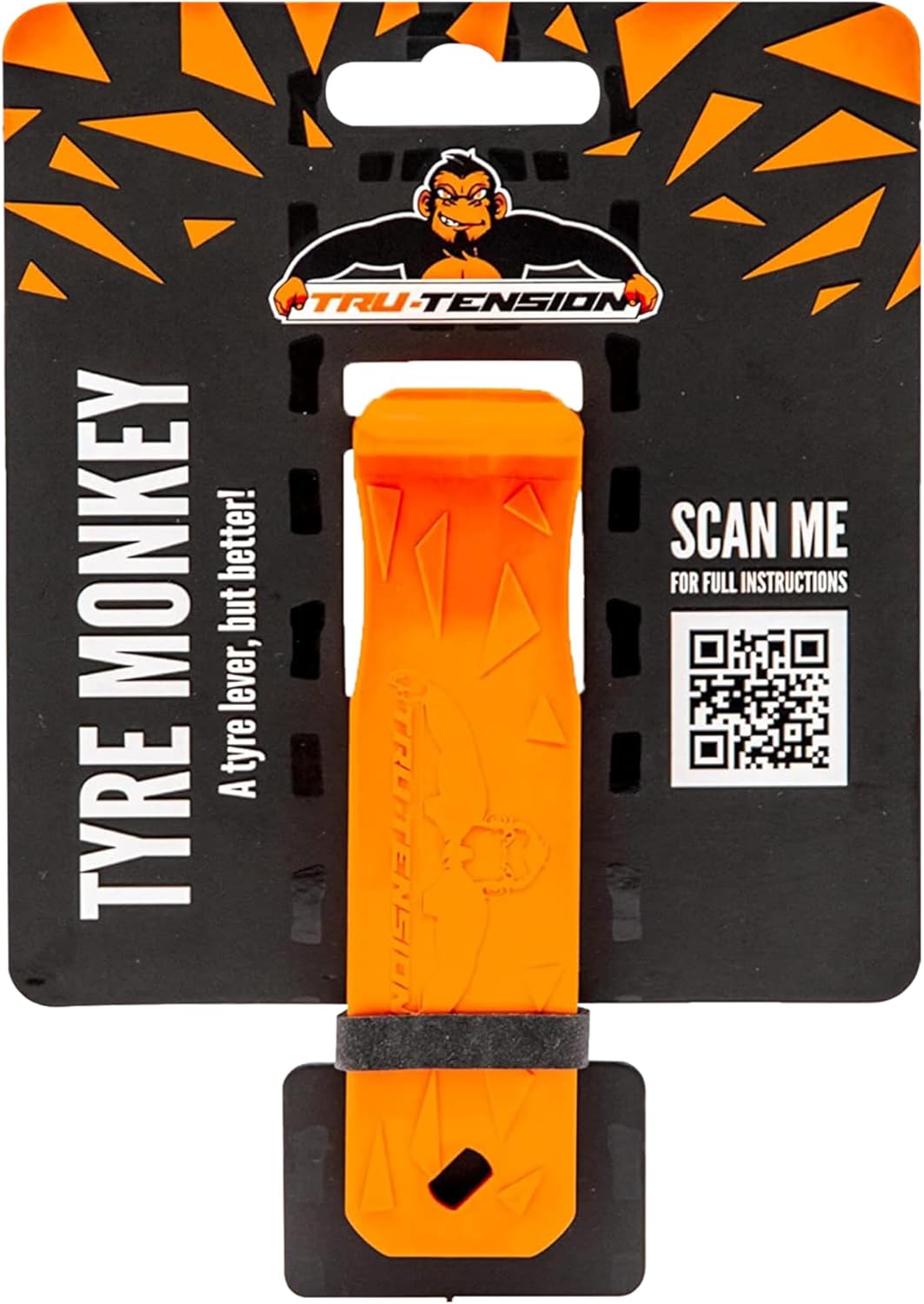
The Tru-Tension Tyre Monkey is a revolutionary bicycle tyre lever that makes removing and fitting tires fast and easy. Its innovative geometry helps keep your hand at a 90-degree angle to the wheel to reduce the risk of hitting spokes, and the design is optimized to use only one tool instead of multiple conventional levers. Compact and durable, it’s built for convenient carry and reliable tire changes on the go.

This 1/2-inch drive breaker bar delivers powerful leverage for loosening and tightening stubborn lug nuts and automotive fasteners. The 180-degree flex head helps you reach tight spaces at the angle you need, making tire and brake jobs easier. A spring-loaded ball detent design holds 1/2-inch sockets securely while the chrome-moly head provides durable strength for everyday use.
Best Alternatives for Warm-Weather Driving
Your best replacement depends on climate and driving needs rather than simply choosing the tire with the most aggressive tread.
- Summer tires: A strong choice for warm climates and drivers who prioritize dry and wet handling. They are not intended for snow, ice, or freezing conditions.
- All-season tires: A practical year-round option in many moderate climates where severe winter conditions are uncommon.
- All-weather tires: Useful for drivers who want broader cold-weather capability without maintaining separate summer and winter sets. Check the specific tire’s ratings and markings.
- Studless winter tires: A winter-season alternative where studs are restricted or where you want snow-and-ice capability without metal studs. They should still be removed when warm weather returns if they are dedicated winter tires.
If you tow or regularly carry heavy loads, choose tires that meet the vehicle’s required load capacity rather than simply buying a tire described as heavy-duty or performance-oriented.
[Products Worth Considering]

Monitor tire tread wear with a smart, color-coded depth gauge that shows clear condition ranges at a glance. The bar is range marked for fast, easy readings, helping you maintain safer traction and performance. Each gauge is portable with a pocket clip, and the set includes 20 units for daily use and sharing.
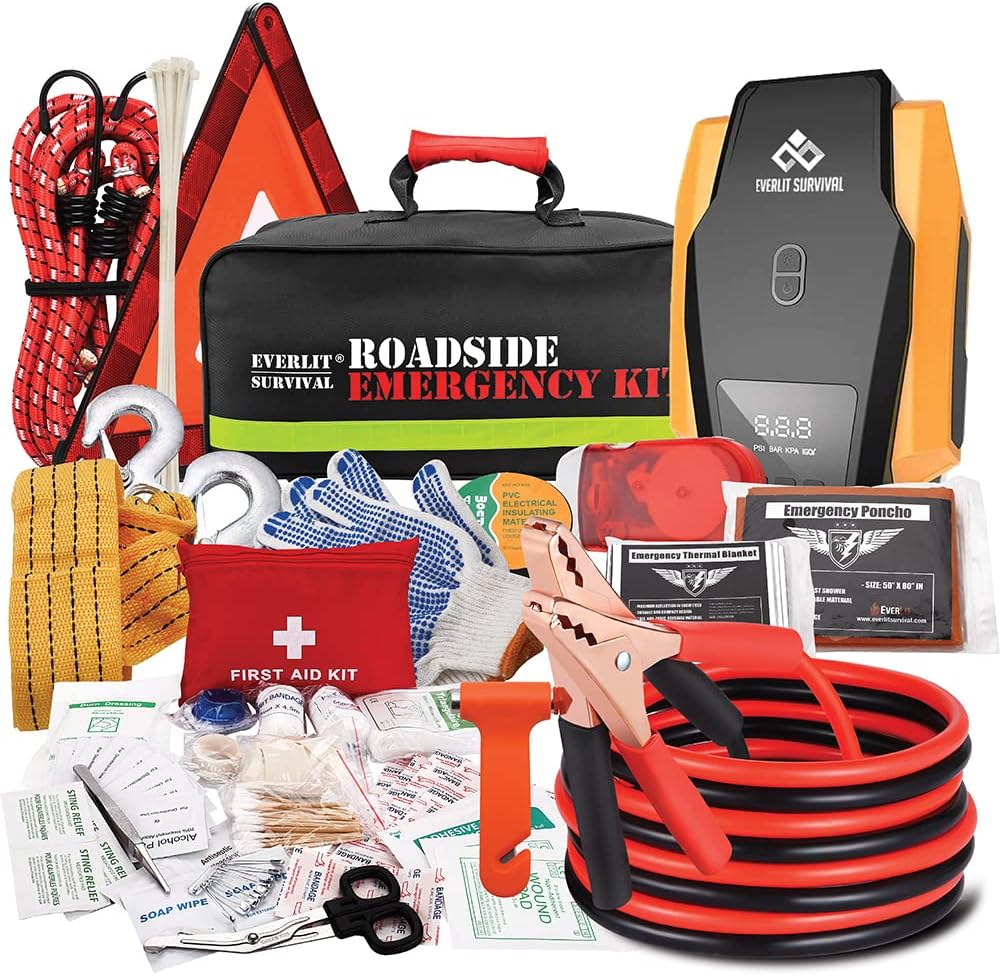
The Everlit Road Guardian emergency kit is designed for roadside breakdowns, combining essential safety gear and roadside tools in one compact bag. It includes a digital 12V auto tire inflator with preset and auto shutoff, plus 12-foot 8-gauge jumper cables to get you moving again. You also get a full 108-piece first aid kit, reflective warning tools, safety gloves, and emergency convenience items for safer travel.

The UYYE TPMS relearn tool helps activate and relearn tire pressure monitor sensors quickly, typically in minutes. It supports TPMS learn mode resetting using a simple three-step process: enter learn mode, position the tool near the valve stem, and press the learn button. Designed for specific GM models, it streamlines sensor programming and reduces trips to dealers or tire shops.
Should Studded Tires Be on All Four Wheels?
When studded tires are legal and appropriate, fitting the vehicle consistently is important for predictable traction. British Columbia’s transportation guidance recommends using studded tires on all four wheels for even traction.
Mixing dramatically different traction levels between the front and rear axles can upset handling, especially during braking and cornering on ice. Follow your vehicle and tire manufacturer’s installation instructions as well as local law.
Frequently Asked Questions
Do Studded Tires Damage Dry Pavement?
Yes. Repeated metal-stud contact contributes to pavement wear and rutting. WSDOT has estimated tens of millions of dollars in annual damage to Washington’s state-owned roads from studded tires, which is one reason seasonal restrictions exist.
Can Studded Tires Void My Vehicle Warranty?
Simply installing an aftermarket tire does not automatically void an entire U.S. vehicle warranty. The FTC explains that warranty coverage can be denied for damage caused by a defective or improperly installed aftermarket part. Always use the correct tire size and specifications and follow your vehicle manufacturer’s requirements.
Are Studded Tires Louder Than All-Season Tires?
Usually, yes. Metal studs striking bare asphalt or concrete create additional road noise, particularly when the road is clear of snow and ice.
How Do I Store Studded Tires in Summer?
Clean and dry the tires, inspect them for damage, and store them in a cool, dry location away from direct sunlight, strong heat, petroleum products, and solvents. Mark their wheel positions if you plan to rotate them when they are reinstalled.
Can I Use Studded Tires on a Track?
Do not assume so. A race track, autocross site, or driving facility can impose its own tire rules to protect the surface and participants. Check the facility’s regulations before arriving with studded tires.
Are Studded Tires Legal Year-Round?
There is no universal U.S. or Canadian rule. Many jurisdictions use fixed winter-only dates, while laws and exceptions differ elsewhere. Check the current law for the specific state or province where you will drive rather than assuming studs are legal year-round.
Should Studded Tires Be Installed on All Four Wheels?
For balanced traction, using the same winter-tire type on all four positions is generally preferable when permitted and appropriate. British Columbia specifically recommends studded tires on all four wheels. Follow your vehicle and tire manufacturer’s instructions and local law.
Sources
- Washington State Department of Transportation — Washington’s 2026 studded-tire dates, visitor rules, enforcement, and potential fine.
- Oregon Department of Transportation — Oregon’s legal studded-tire season and traction-tire guidance.
- Government of British Columbia — B.C. studded-tire dates, stud limits, and four-wheel guidance.
- Gouvernement du Québec — Quebec’s current studded-tire period and covered vehicle classes.
- Michelin Winter Tire Buying Guide — warm-weather wear, winter-tire performance, and studded-tire trade-offs.
- Federal Trade Commission — U.S. warranty guidance concerning aftermarket parts and related damage.
Conclusion
You should not treat studded tires as an automatic year-round tire. Whether they are legal in summer depends on the jurisdiction, and many states and provinces impose firm spring removal dates. Check the official rule anywhere you plan to drive rather than relying on weather alone.
Even where studs remain legal, warm pavement works against the soft compound and winter-focused design. Once temperatures remain around or above 45°F (7°C) and winter conditions have passed, summer, all-season, or appropriate all-weather tires normally provide a better match for warm-road braking, handling, wear, and noise. Most importantly, if your local studded-tire deadline arrives first, follow the law and remove them on time.
