
City driving puts a tire through frequent braking, tight turns, potholes, rain, and long stretches of stop-and-go traffic. For most Honda Accord commuters, a quiet touring all-season tire is the best starting point, but the right choice still depends on your exact model year, trim, factory tire size, local winter weather, and budget.
Quick Answer
For most Honda Accord city commuters, choose a touring all-season tire that matches the door-jamb size, load index, and speed rating. Prioritize wet braking, ride comfort, low noise, and treadwear coverage. In places with regular snow or ice, choose a 3PMSF-rated all-weather tire or a dedicated winter set instead.
Key Takeaways
- Touring all-season tires usually give Accord commuters the best balance of wet grip, comfort, noise control, and tread life in moderate climates.
- Honda Accord tire sizes vary by year and trim. Always verify the driver-door placard or owner’s manual before ordering.
- For the 2026 Accord, Honda lists 225/50R17 94V and 235/40R19 96V fitments, depending on trim.
- A mileage warranty is not a guaranteed lifespan; pressure, alignment, rotation, road damage, and driving style all affect wear.
- Frequent snow, ice, or sustained cold may justify a 3PMSF-rated all-weather tire or four dedicated winter tires.
Why Touring All-Season Tires Usually Work Best in the City

A touring all-season tire is designed to balance dry-road handling, rain performance, comfort, noise, and tread life. That mix suits most Accord owners who drive on paved roads in mild or moderate climates. It also avoids the sharper ride and faster wear that can come with some performance-focused tires.
Do not assume that every all-season tire has low rolling resistance, a symmetrical tread, or a fixed 50,000-to-70,000-mile life. Those details vary by model. Compare the tire’s published warranty, wet-traction design, noise features, and efficiency claims rather than relying only on the “all-season” label.
For an urban Accord, the best tire is usually the one that stops confidently in rain, stays comfortable over broken pavement, and wears evenly—not the one with the most aggressive tread.
[Products Worth Considering]

Measure tyre tread depth precisely with a digital gauge that reads in both MM and inches, helping you monitor safe driving conditions. The large LCD screen is easy to operate, and the compact tool fits for cars, trucks, and motorcycles. It provides high accuracy with a 0-25.4mm range and includes a 1-year warranty for added peace of mind.

Accurately measure tire tread depth with a calibrated gauge marked from 0 to 1 inch in 1/32 inch increments. The color-coded bar helps you quickly identify tread condition ranges, supporting safe driving for trucks, motorcycles, automobiles, and passenger vehicles.

Monitor tire tread wear with a smart, color-coded depth gauge that shows clear condition ranges at a glance. The bar is range marked for fast, easy readings, helping you maintain safer traction and performance. Each gauge is portable with a pocket clip, and the set includes 20 units for daily use and sharing.
Check Your Honda Accord Tire Size Before Comparing Models
There is no single tire size for every Honda Accord. Size changes by model year, body style, trim, wheel package, and market. The safest source is the Tire and Loading Information label on the driver-side doorjamb. You can also confirm the specification in the owner’s manual or with a fitment tool that asks for the full year and trim.
For example, Honda lists two factory fitments for the 2026 Accord: 225/50R17 94V and 235/40R19 96V, depending on trim. Older Accords use several other sizes, so these numbers should not be applied to a different year without verification.
| Marking to Match | Why It Matters |
|---|---|
| Tire size | Controls fit on the wheel and affects clearance, gearing, speedometer accuracy, and handling. |
| Load index | The replacement must meet the vehicle manufacturer’s load requirement. Do not choose a lower rating just because the tire’s advertised maximum load sounds adequate. |
| Speed rating | Match the placard or follow qualified tire-dealer guidance. A lower rating can change handling and limits. |
| SL or XL construction | Some Accord fitments require Extra Load construction. Match the complete specification, not only the first three size numbers. |
| Cold inflation pressure | Use the door-jamb pressure for your vehicle and tire position, not the maximum pressure molded on the tire sidewall. |
Warning: Do not order tires from the model name alone. Confirm the full year, trim, wheel size, load index, speed rating, and any XL requirement. Incorrect fitment can affect clearance, braking, handling, TPMS operation, and load capacity.
What Matters Most for Honda Accord City Commuting
Wet Braking and Hydroplaning Resistance
City rain creates painted lines, metal covers, puddles, and oily intersections. Look for a tire designed for wet braking and water evacuation. UTQG traction grades can provide limited context, but they do not replace current braking tests or a full comparison of tread design and compound.
Ride Comfort and Road Noise
A grand-touring or standard-touring tire is usually a better match for commuting than an ultra-high-performance tire. A taller sidewall can also soften pothole impacts. On Accords offered with both 17-inch and 19-inch wheels, the 17-inch package generally has more sidewall, while the 19-inch package favors a sharper look and response. Changing wheel size requires a properly engineered package with correct clearance, diameter, load rating, and TPMS compatibility.
Treadwear Warranty and Real-World Longevity
Current touring tires may carry limited treadwear warranties from about 60,000 to 85,000 miles, but the warranty is not a promise that every driver will reach that mileage. Frequent hard braking, poor alignment, underinflation, rough pavement, and missed rotations can shorten tire life. Read the warranty terms because proof of rotation and even wear may be required for a claim.
Pothole and Curb Durability
No passenger tire is immune to pothole damage. Inspect for sidewall bubbles, cuts, bent wheels, vibration, or a new steering pull after a hard impact. A bulge can indicate damaged internal cords and should be inspected promptly.
Efficiency
Rolling resistance varies by tire model, not simply by season category. A low-rolling-resistance design may help efficiency, but pressure maintenance often matters more in daily use. Correct inflation also supports safer handling and more even wear.
Best Honda Accord Tires for City Driving
The models below are current manufacturer offerings suited to common Accord commuting priorities. Availability depends on the exact year, trim, and tire size. This is a category-based shortlist, not a claim that one model wins every independent test or fits every Accord.
| Best For | Current Tire | Why It Fits City Use | Important Limitation |
|---|---|---|---|
| Best overall touring choice | Michelin Defender2 | Designed for long tread life, all-season road use, and a quiet, comfortable ride; backed by an 80,000-mile limited treadwear warranty. | It is a conventional all-season tire, not a dedicated severe-winter tire. |
| Best value-focused touring choice | General AltiMAX RT45 | A current replacement for the older RT43, with wet-road, comfort, wear-monitoring, and low-noise features plus up to a 75,000-mile limited warranty. | Warranty mileage varies by size and speed rating. |
| Best for maximum mileage coverage | Goodyear Assurance MaxLife 2 | A commuter-focused all-season tire with an 85,000-mile limited tread-life warranty and a built-in wear gauge. | Drivers who prioritize sporty steering response may prefer a performance-oriented category. |
| Best balanced wet-weather touring option | Continental TrueContact Tour 54 | Designed for dry, wet, and light-snow use, with an emphasis on wet braking, tread life, efficiency, and ride comfort. | Confirm that your exact Accord size and required rating are offered. |
| Best one-set option for moderate snow | Michelin CrossClimate2 | Carries the Three-Peak Mountain Snowflake symbol for severe-snow qualification and has a 60,000-mile limited warranty. | It remains a compromise for drivers who regularly face deep snow, glare ice, or severe winter storms. |
Note: The General AltiMAX RT43 and generic “Michelin Defender” references are no longer precise enough for a current buying guide. Shop by the exact current model name and confirm the required size and service description before purchase.
[Products Worth Considering]

The SAFELIFE dial tire tread depth gauge measures tread depth in 1/32 inch increments with clear, easy-to-read 2-inch dial face. Color zones using a traffic light system help you quickly judge whether tread is low, marginal, or ample for safer driving. Built with a durable zinc cast body and a metal detect probe for precise, comfortable use across cars, motorcycles, trucks, and buses.
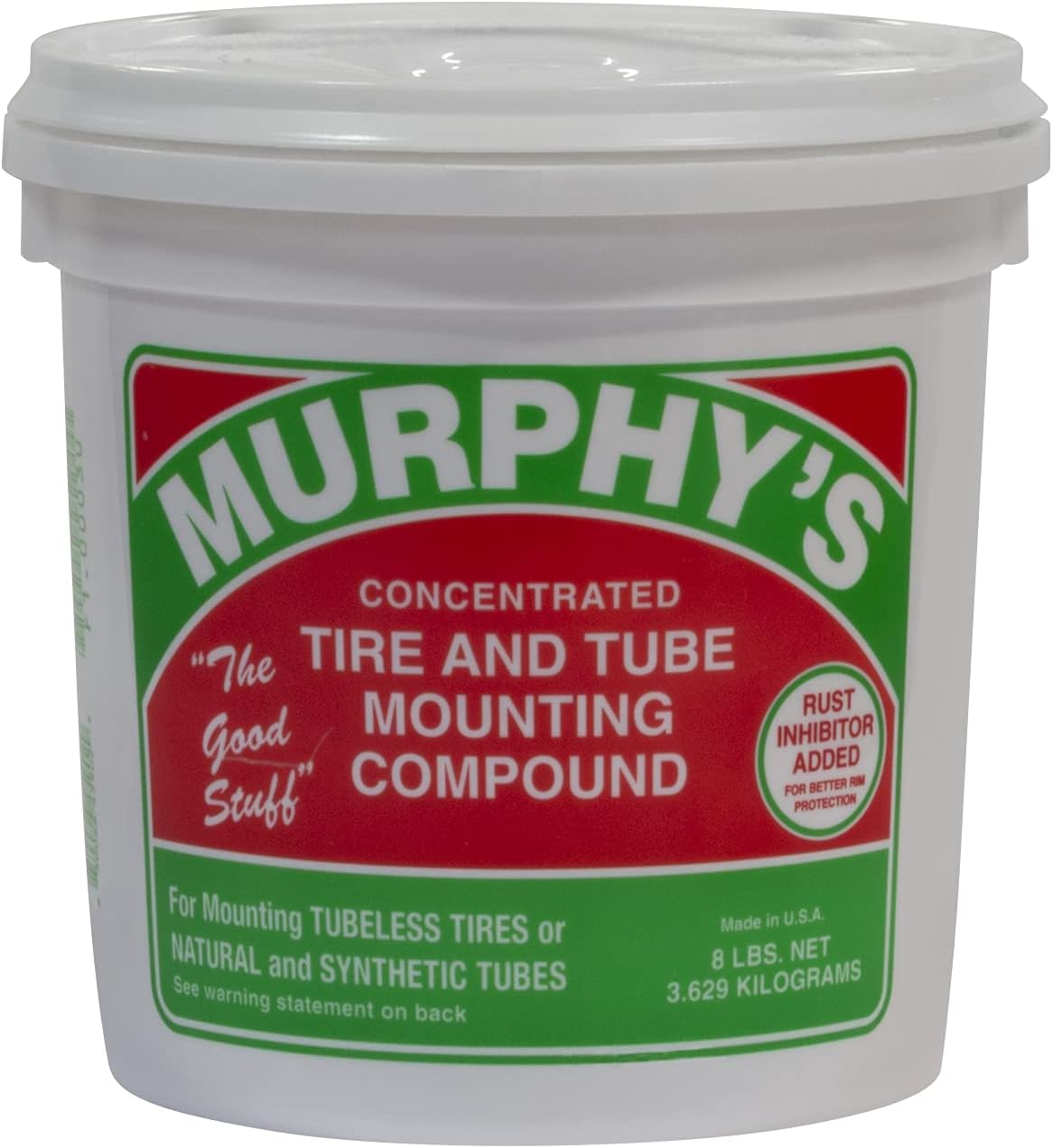
A concentrated tire and tube mounting compound designed to help simplify mounting rubber tires and tubes on passenger, semi truck, construction, and OTR applications. Its ultra-thick formula packs beads effectively and includes rust inhibitors to help protect against corrosion during use.

Vigorder rubber cement glue delivers superior adhesion and cures quickly within about 30 seconds for seamless rubber bonding. Once cured, it helps provide a strong, durable, waterproof seal that holds up to vehicle weight, pressure, and heat. Suitable for cars, motorcycles, trucks, bicycles, and off-road tires, it’s designed for emergency patch and maintenance repairs.
All-Season, All-Weather, Winter, or Summer Tires?
| Tire Type | Best Use | City-Commuting Tradeoff |
|---|---|---|
| Touring all-season | Mild or moderate climates with rain and occasional light snow. | Usually the best balance of comfort, noise, wear, and year-round convenience. |
| 3PMSF all-weather | Areas with regular cold and moderate snow where one set is preferred. | More winter capability than a typical all-season tire, but not the same as a dedicated winter tire in severe conditions. |
| Dedicated winter | Frequent snow, ice, freezing rain, or sustained cold. | Best cold-weather grip, but requires seasonal changeover and storage. Install four, not only two. |
| Summer or performance | Warm climates and drivers who prioritize steering, cornering, and dry-road response. | May ride firmer, wear faster, and should not be used in snow or freezing conditions unless the manufacturer specifically allows it. |
The National Highway Traffic Safety Administration notes that winter tires are more effective than all-season tires in deep snow. A Three-Peak Mountain Snowflake symbol identifies a tire that meets a severe-snow traction standard, but it does not guarantee dedicated-winter performance on ice.
Pro Tip: Base the decision on the worst conditions you must drive through, not the average day. A driver who can stay home during rare snow may be well served by touring all-season tires; an essential worker who must drive before roads are cleared may need winter tires.
[Products Worth Considering]

Measure tire tread depth quickly and accurately with this LUMITECO dial gauge that reads in 1/32" increments up to 14/32". The color-coded green/yellow/red zones make it easy to judge tire wear and know when replacement is needed. A rugged, compact design with a protective pouch helps keep the gauge ready for use on cars, trucks, motorcycles, and more.

Steelman white tire marking crayons provide high-contrast, semi-permanent marks for repairing and inspecting tires and equipment. They write on wet or dry, smooth or coarse surfaces including rubber, metal, glass, and wood, making them ideal for puncture location and damage outlining. The lead- and zinc-free crayons resist weather and fading yet wipe away when you no longer need the marks.
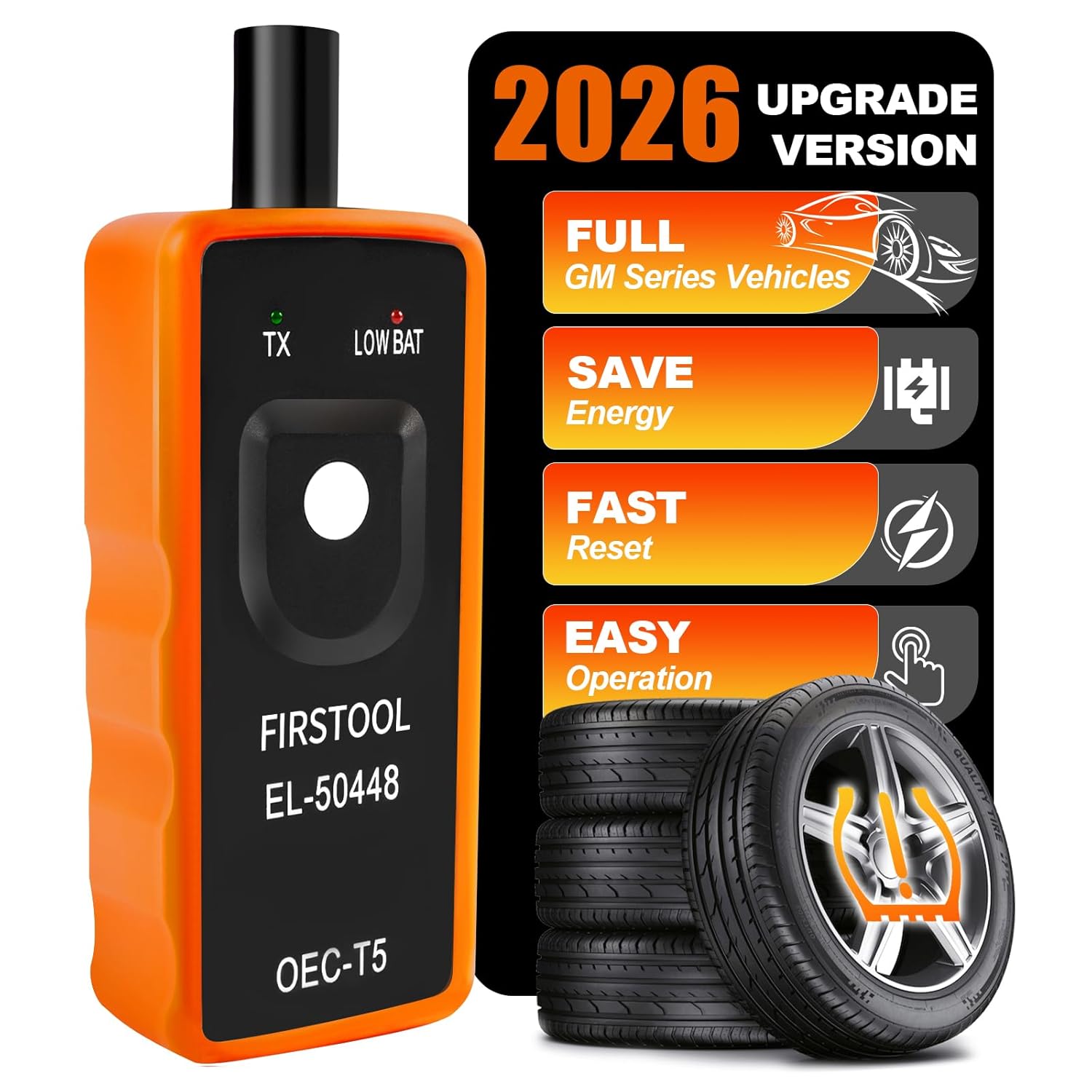
This TPMS relearn tool helps you quickly activate, match, and reset GM tire pressure sensors to keep the vehicle monitoring system working properly. It clears tire pressure alarms and dashboard warning lights after sensor replacement or tire rotation, and supports learning for common 315/433 MHz TPMS sensors. Designed for simple one-button operation, it can help you avoid unnecessary trips to repair shops.
How Tire Maintenance Improves Commuting Safety

Maintenance has a direct effect on braking, steering, ride quality, efficiency, and tread life. Check pressure when the tires are cold—after the car has been parked for at least three hours or driven less than one mile—and use the value on the driver-door label. Honda also advises monthly pressure checks and regular inspection for cuts, bulges, cracks, foreign objects, and uneven wear.
| Maintenance Task | Practical Schedule | What to Do |
|---|---|---|
| Check cold pressure | At least monthly and before long trips | Set front and rear tires to the door-jamb specification. Do not use the sidewall maximum as the target. |
| Inspect tread and sidewalls | Monthly and after a major pothole strike | Look for wear bars, embedded objects, cuts, cracks, bulges, exposed cord, and uneven wear. |
| Rotate tires | When Honda Maintenance Minder code 1 appears, or as required by the tire warranty | Use the correct pattern for directional or non-directional tires and keep service records. |
| Check alignment | When the car pulls, the steering wheel is off-center, or wear becomes uneven | Have the suspension and alignment inspected rather than rotating away the symptom. |
| Balance tires | When vibration appears or a tire is removed and reinstalled | Check both tire balance and wheel damage, especially after hitting a pothole. |
| Calibrate or relearn TPMS | After pressure adjustment, rotation, or replacement when your model requires it | Follow the procedure in the owner’s manual because Accord TPMS design and steps vary by model year. |
Warning: Stop driving and seek professional help if a tire has a sidewall bulge, exposed cord, rapid pressure loss, severe vibration, or major impact damage. A temporary sealant kit is not suitable for sidewall damage or a large puncture.
When to Replace Honda Accord Tires
Replace a tire when the tread reaches the wear bars, the tread is below 2/32 inch, damage exposes cords, a sidewall bulge appears, or the tire cannot hold pressure. Replacement may be wise earlier if wet-weather grip has clearly declined, even when the tire has not reached the legal minimum.
Age matters too. Honda recommends annual professional inspection once tires reach five years old and removal from service after 10 years from the manufacture date, regardless of visible tread. Check the last four digits of the DOT Tire Identification Number to identify the production week and year.
Can You Replace Only One or Two Tires?
Four matching tires provide the most consistent handling. When replacing fewer than four, match the vehicle manufacturer’s size and required load and speed ratings, and keep the tires on each axle as similar as possible in type, construction, and tread pattern.
If only two tires are replaced, the U.S. Tire Manufacturers Association recommends installing the new pair on the rear axle. The deeper rear tread helps reduce the risk of oversteer and loss of stability on wet roads. A single replacement should be selected and positioned by a qualified tire professional after comparing tread depth and vehicle requirements.
Frequently Asked Questions
How does tire pressure affect Honda Accord city commuting?
Correct cold pressure supports predictable handling, braking, efficiency, comfort, and even wear. Underinflation can increase heat and shoulder wear, while overinflation can create a harsher ride and uneven center wear. Use the driver-door label, not the sidewall maximum.
What tire size is recommended for a Honda Accord?
The correct size depends on the year and trim. The 2026 Accord uses 225/50R17 94V or 235/40R19 96V, depending on trim, but older models use other sizes. Check the driver-door placard or owner’s manual for your exact car.
How often should Honda Accord tires be rotated?
Follow Honda Maintenance Minder code 1 and the tire maker’s warranty schedule. Many drivers will see rotation intervals near 5,000 to 8,000 miles, but the vehicle reminder and warranty terms should control. Rotate sooner if uneven wear appears.
Can I mix tire brands on my Honda Accord?
A matched set is best because tread design, compound, and handling can differ. If mixing is unavoidable, the tires must still meet Honda’s size, load, and speed requirements, and the pair on each axle should be closely matched. Have a qualified tire professional approve the combination.
How long do all-season tires last?
There is no universal mileage. Current touring-tire warranties often range from roughly 60,000 to 85,000 miles, but real life depends on alignment, pressure, rotation, road quality, climate, load, and driving style. Replace tires for wear, damage, declining performance, or age even if the warranty mileage has not been reached.
Are all-weather tires better than all-season tires for an Accord?
They are better suited to regular cold and moderate snow because they carry the Three-Peak Mountain Snowflake symbol. A conventional touring all-season tire may be quieter, less costly, or longer-wearing in mild climates. Dedicated winter tires remain the stronger choice for frequent ice and severe winter storms.
Are 17-inch or 19-inch Accord tires better for city roads?
The factory 17-inch setup generally provides more sidewall cushion and may be more forgiving over potholes. The 19-inch setup can feel more responsive but may ride firmer and leave less sidewall between the wheel and the road. Do not change wheel size without a verified compatible wheel-and-tire package.
Conclusion
For most Honda Accord city drivers, a touring all-season tire is the practical choice because it balances rain performance, comfort, noise, and tread life. The Michelin Defender2, General AltiMAX RT45, Goodyear Assurance MaxLife 2, and Continental TrueContact Tour 54 are current options worth comparing, while the Michelin CrossClimate2 suits drivers who need stronger snow capability from one set. Verify the full fitment first, then protect the investment with correct pressure, rotation, alignment, and damage checks.
Sources
- Honda: 2026 Accord Sedan Features and Specifications — current factory wheel and tire sizes by trim.
- Honda: Checking Tires — cold-pressure method, inspection guidance, and current Accord pressure examples.
- Honda: Tire Service Life — five-year inspections and 10-year removal guidance.
- NHTSA TireWise — tire selection, maintenance, tread, rotation, and seasonal-tire guidance.
- U.S. Tire Manufacturers Association: Replacing Tires — replacement fitment and rear-axle placement when buying two tires.
- Michelin: Summer, Winter, and All-Season Tires — climate-based tire-category differences and 3PMSF context.