
Hybrid-Terrain vs Mud-Terrain Tires: The New Middle Ground Explained
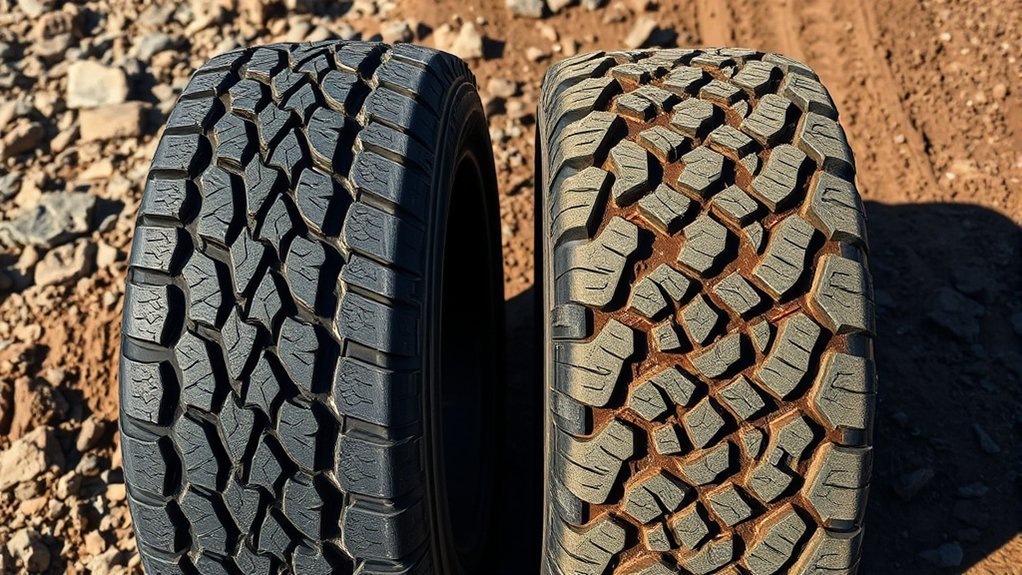
Hybrid-terrain tires blend the rugged attributes of mud-terrain tires with the comfort of all-terrain options. They feature unique tread designs for enhanced traction and are durable, offering a smoother ride on various surfaces. Unlike mud-terrain tires, which excel in deep mud but compromise comfort, hybrids provide versatile performance, making them ideal for mixed terrains. With benefits like reduced road noise and extended tread life, you’ll want to explore how these tires can fit your driving needs perfectly.
Understanding Hybrid-Terrain Tires: Features and Benefits
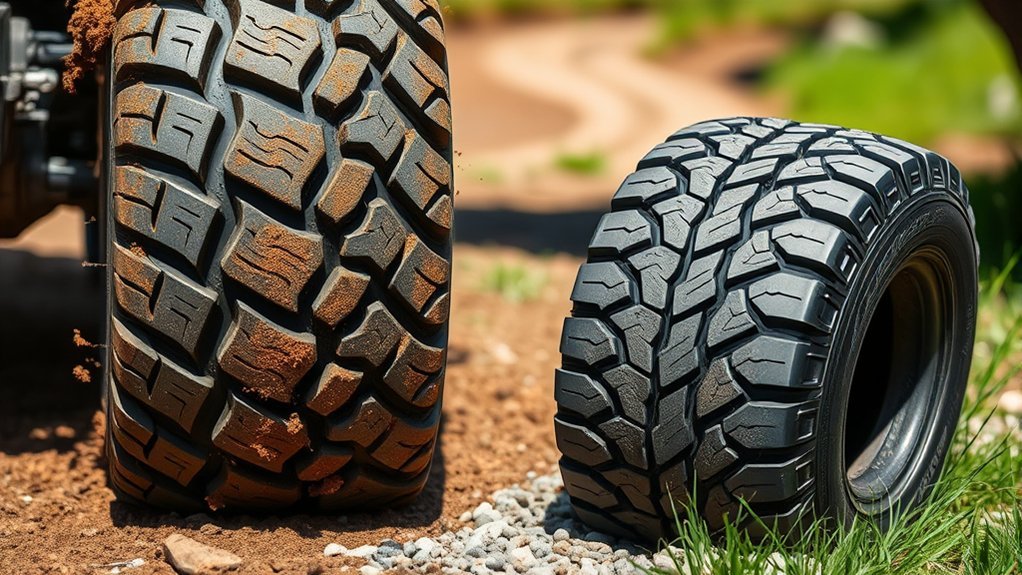
When you’re on the hunt for a tire that balances on-road comfort with off-road capability, hybrid-terrain tires might just be your best bet. These tires combine the best features of all-terrain and mud-terrain tires, offering versatility that caters to various driving conditions. With a unique tread design featuring larger lugs and voids, they provide enhanced traction across diverse terrains while ensuring a quieter ride on highways.
One standout feature is their Three-Peak Mountain Snowflake rating, which signifies impressive snow performance in severe winter conditions. This means you can confidently tackle winter roads without compromising grip. Additionally, the reinforced sidewalls boost durability, allowing them to handle frequent load variations and rough paths. Popular models like the Nitto Ridge Grappler and General Grabber ATX exemplify this balance, making seamless shifts between paved and unpaved surfaces a breeze. Embrace the freedom of exploring any terrain with these reliable tires.
Hybrid-Terrain vs Mud-Terrain Tires: Key Differences
Hybrid-terrain tires offer a unique blend of versatility, but understanding how they stack up against mud-terrain tires can help you make an informed choice. The balanced tread design of hybrid tires merges all-terrain and mud-terrain attributes, providing on-road comfort alongside off-road capability. In contrast, mud-terrain tires feature large, aggressively spaced tread blocks, excelling in deep mud and loose sand but sacrificing ride comfort and producing significant road noise.
When it comes to tire durability, hybrid tires generally have reinforced sidewalls, enhancing durability while keeping road noise moderate. Mud-terrain tires, with their thicker sidewalls, are built for extreme off-road conditions but may wear faster due to softer rubber compounds. While hybrid-terrain tires offer a smoother ride and extended tread life across diverse terrains, mud-terrain tires shine in challenging environments, making them less suitable for daily commuting. Choose wisely based on your driving needs!
On-Road vs Off-Road Performance of Hybrid Tires
While you may prioritize comfort on paved roads, hybrid tires also deliver impressive off-road performance. Their intermediate tread designs strike a balance between on-road comfort and off-road capability, making them perfect for mixed-use driving. On smooth highways, you might notice a firmer feel and slightly more road noise compared to all-season tires, but that’s a small trade-off for enhanced grip on gravel and uneven terrains.
Hybrid tires channel water effectively through larger grooves, providing solid wet traction. They’re engineered with more open voids than standard tires, boosting their ability to tackle loose surfaces while still maintaining decent performance on asphalt. This versatility means you won’t need to frequently switch tires when facing varied road conditions. Whether you’re cruising down the highway or venturing off the beaten path, hybrid tires adapt seamlessly to your driving needs, offering peace of mind wherever the journey takes you.
Understanding Costs Before Choosing Hybrid Tires
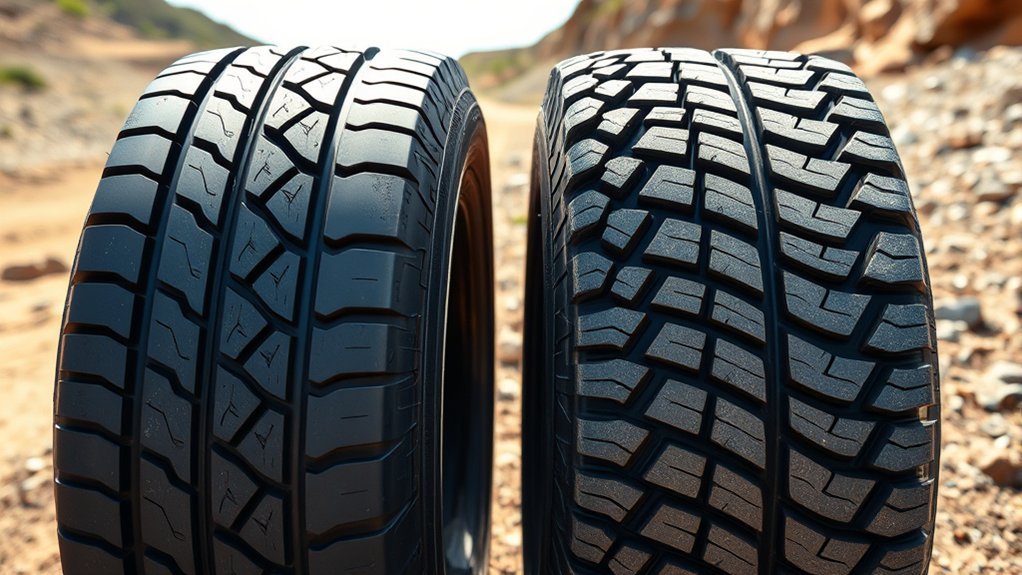
Before you immerse yourself in the decision-making process, it’s essential to evaluate the costs associated with hybrid tires. Understanding the financial implications can lead to significant long-term savings. Here’s a quick cost comparison:
- Price Range: Hybrid tires typically cost between $250 and $450, whereas mud-terrain tires can be pricier, ranging from $250 to $550.
- Tread Life: Hybrid tires often last up to 60,000 miles, compared to mud-terrain tires’ average of 30,000 to 50,000 miles.
- Versatility: Their adaptability allows you to avoid frequent tire changes, reducing overall expenses.
- Warranty: Many brands offer warranties up to 60,000 miles, outpacing mud-terrain options.
Investing in hybrid-terrain tires not only meets diverse driving needs but also minimizes costs over time. This balance of performance and savings makes hybrid tires a compelling choice for the discerning driver.
Essential Factors for Choosing the Right Hybrid Tire for Your Vehicle
Choosing the right hybrid tire for your vehicle can greatly enhance your driving experience, especially when traversing varied terrains. Start by examining tread patterns; hybrid tires often feature larger voids than all-terrain options, providing superior traction on loose surfaces while ensuring a quieter ride compared to mud-terrain tires. If you frequently encounter winter driving conditions, look for tires with a Three-Peak Mountain Snowflake (3PMSF) rating, which guarantees enhanced grip on snow and ice.
Next, evaluate the rubber compounds used in hybrid tires. They’re designed to balance durability and comfort, often resulting in a longer tread life than mud-terrain alternatives. Finally, consider your specific driving needs; hybrid tires are perfect for those who navigate mixed terrains regularly, offering stability and adaptability, so you won’t need to change tires as often. This thoughtful selection process can truly liberate your driving adventures!
Situations Where Hybrid Tires Outshine Mud-Terrain Tires
When traversing diverse terrains, hybrid tires shine in situations where versatility is key. They excel in various conditions, making them the go-to choice for adventurous drivers like you. Here are four scenarios where hybrid tires outperform mud-terrain tires:
- Trail Conditions: Hybrid tires provide superior grip on mixed surfaces, shifting seamlessly from pavement to gravel.
- Weather Performance: Their larger grooves enhance wet traction, minimizing the risk of hydroplaning during rainy conditions.
- Noise Levels: With a variable pitch tread design, hybrid tires reduce road noise, ensuring a quieter ride on highways.
- Handling Stability: Reinforced sidewalls offer a balance of durability and flexibility, improving handling on unpredictable terrains.
Frequently Asked Questions
Are Hybrid Tires Good in Mud?
Hybrid tires can perform well in mud, thanks to their tread design, but they won’t match dedicated mud-terrain tires in deep conditions. For mixed terrains, they offer a solid performance comparison without sacrificing comfort.
Which Is Better, Mud Terrain or All-Terrain Tires?
All-terrain tires shine like a versatile chameleon, blending tire performance with off-road capability. They offer a smoother ride and longer tread life, making them better for daily adventures than the more aggressive mud terrains.
Conclusion
In the quest for the perfect tire, hybrid-terrain options offer a compelling middle ground that blends versatility with performance. While mud-terrain tires excel in extreme conditions, hybrid tires empower you to tackle both on-road and off-road challenges seamlessly. Choosing the right tire isn’t just about specifications; it’s about enhancing your driving experience and safety. So, when you’re ready to venture beyond the pavement, consider hybrid tires—they might just elevate your adventures to a whole new level.

Related Articles
Radial vs Bias-Ply Tires for Trucks: Construction Differences That Matter
Just when you think all tires are the same, discover how construction differences between radial and bias-ply tires can impact your truck's performance.
Read More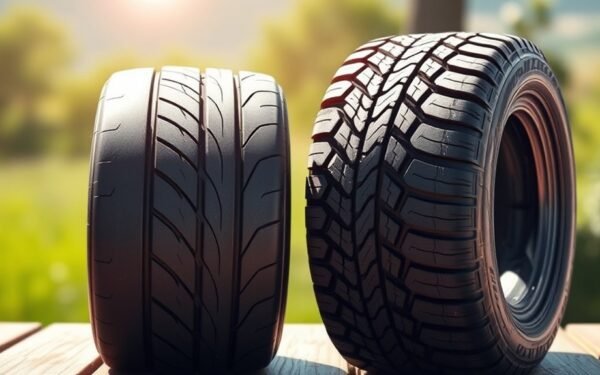
Highway vs All-Terrain Tire Lifespan: How Many More Miles Do HTs Last?
Highway tires outlast all-terrain options significantly, but what factors truly impact their lifespan? Discover the surprising details behind tire durability.
Read More
33 Vs 35-Inch Tires on a Tundra: Clearance, MPG, and Looks Compared
Discover the crucial differences between 33 and 35-inch tires for your Tundra, from clearance to MPG, and what modifications might be necessary.
Read More