
Hyundai Sonata Tire Noise: Causes and Quiet Fixes

Highway tire roar can turn your Hyundai Sonata from a calm commuter into a tiring ride. The noise often comes from tire tread design, uneven wear, tire pressure, wheel alignment, or rough pavement. This guide explains the most common causes and the practical checks you can do before you replace parts or buy new tires.
Quick Answer
Loud tire noise in a Hyundai Sonata at highway speeds usually comes from uneven tire wear, low or high tire pressure, aggressive tread patterns, worn bearings, or rough road surfaces. Start with tire pressure, tread inspection, rotation history, and wheel alignment before you replace tires. If the sound changes while turning or comes with vibration, have a technician inspect the wheel bearings, suspension, and alignment.
Key Takeaways
- Check tire pressure first because poor inflation can make road noise worse.
- Inspect tread wear for cupping, feathering, or uneven patterns that point to alignment or suspension issues.
- Choose touring or comfort-focused tires if you want less cabin noise on highways.
- Get professional help when tire noise comes with vibration, pulling, grinding, or steering changes.
What’s in This Article
- Identifying Common Causes of Tire Noise in the Sonata
- How Tire Design Affects Noise Levels
- The Role of Vehicle Maintenance in Noise Reduction
- How Road Conditions Affect Tire Noise in the Hyundai Sonata
- Simple Ways to Reduce Tire Noise
- When to Replace Tires for Less Noise
- When to Seek Professional Assistance for Tire Noise
- Tips for Choosing Quieter Tires for Your Sonata
- Understanding the Impact of Environmental Factors on Tire Noise
- Frequently Asked Questions
Identifying Common Causes of Tire Noise in the Sonata
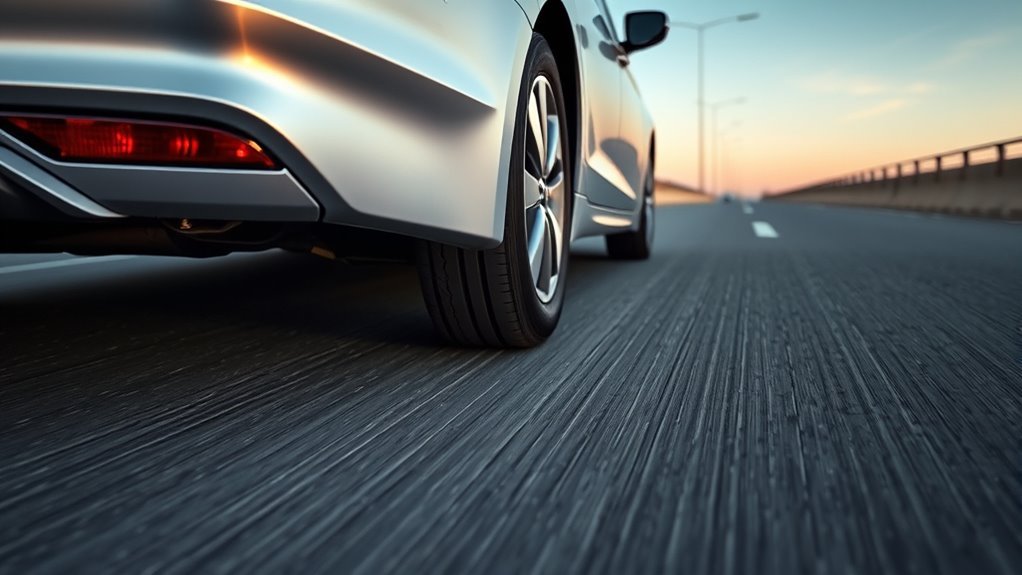
When your Hyundai Sonata makes loud tire noise at highway speeds, start with the parts that touch the road. Tire type, tread wear, pressure, alignment, and pavement texture can all change cabin noise.
Some drivers notice more road noise with certain tire brands or tire models, especially on rough surfaces. Aggressive tread patterns and stiff sidewalls can increase sound because they create more contact noise as the tire rolls.
Higher speeds can also make small tire problems easier to hear. A mild hum around town can become a loud drone once you reach highway speed.
Check tire pressure, tread depth, and wear patterns before you assume the car has a major mechanical issue. Regular inspections and rotations help reduce uneven wear and keep your Sonata quieter.
How Tire Design Affects Noise Levels
Tire design plays a major role in how much road noise reaches your cabin. Tread pattern, rubber compound, sidewall stiffness, and tire category all affect sound.
Performance tires often trade some comfort for sharper handling. Touring and grand touring tires usually focus more on comfort, stable wear, and lower road noise.
Tread Pattern Influence
A tire’s tread pattern affects how air moves through the grooves. Some patterns trap and release air as the tire rolls, which can create a humming or roaring sound.
Aggressive tread patterns, often found on performance or all-terrain tires, can increase noise because they contact the road in larger blocks. Uniform tread designs often create a smoother, quieter ride.
Tread depth and groove spacing also matter. A tire with uneven tread wear can make more noise than the same tire did when new.
Rubber Compound Effects
The rubber compound affects both grip and comfort. Harder compounds can last longer in some conditions, but they may pass more vibration into the cabin.
Softer compounds can help absorb small road impacts. They may also reduce noise when the tread pattern supports quiet operation.
Use the table below as a simple guide, not a strict rule. Actual noise depends on the tire model, road surface, vehicle condition, and tire wear.
| Tire Feature | Typical Noise Level | Common Tradeoff |
|---|---|---|
| Harder compound | Higher | May favor tread life |
| Softer compound | Lower | May wear faster on some roads |
| Aggressive tread | Higher | May improve grip in some conditions |
| Smooth touring tread | Lower | May feel less sporty |
The Role of Vehicle Maintenance in Noise Reduction
Good maintenance can reduce tire noise before it turns into a bigger repair. Tire pressure, rotation, balancing, and alignment all help the tires wear evenly.
Even wear keeps the tire surface smooth as it meets the road. Uneven wear can create a rhythmic hum, thump, or roar that grows louder with speed.
Regular Tire Maintenance
Follow a simple tire care routine to reduce noise and extend tire life. These checks also help you catch safety issues early.
- Check tire pressure monthly and before long trips.
- Rotate tires every 5,000 to 8,000 miles, or follow your owner’s manual.
- Balance tires when you feel vibration or after tire installation.
- Inspect tread for cupping, feathering, cracks, bulges, or embedded objects.
If your Sonata starts making new tire noise after a rotation, note which tires moved to the front. That clue can help a technician find the noisy tire faster.
Proper Wheel Alignment
Proper wheel alignment helps each tire meet the road at the correct angle. When alignment drifts, the tires can scrub across the pavement and wear unevenly.
Misalignment can create humming, whining, or feathered tread wear. You may also notice the vehicle pulling to one side or the steering wheel sitting off-center.
Schedule an alignment check if you hit a pothole, replace suspension parts, or see uneven tire wear. You should also check alignment when tire noise appears with steering changes.
How Road Conditions Affect Tire Noise in the Hyundai Sonata
Road conditions can make the same tires sound quiet on one highway and loud on another. Coarse asphalt, concrete, bridge joints, and worn pavement can all raise cabin noise.
Four road and vehicle factors often shape what you hear:
- Road surface material: Rough concrete and worn asphalt can make tire noise louder.
- Tire design: Hard compounds, stiff sidewalls, and large tread blocks can send more sound into the cabin.
- Road texture: Coarse surfaces can create a rumble or drone at highway speeds.
- Cabin insulation: Less sound insulation around doors, floors, and wheel wells can let in more road noise.
Listen for changes as the pavement changes. If the noise drops on smooth asphalt, the road surface likely contributes to the sound.
Simple Ways to Reduce Tire Noise
You can often reduce tire noise with a few basic checks. Start with tire pressure because it costs nothing and takes only a few minutes.
Use the pressure listed on the driver’s door jamb, not the maximum pressure printed on the tire sidewall. Both low and high pressure can make the ride harsher and noisier.
Next, rotate the tires if they have gone too long between rotations. A regular rotation pattern helps prevent one pair of tires from developing louder wear than the others.
Consider a road-force balance if you feel vibration along with noise. This type of balancing can help identify tire or wheel issues that a standard balance may miss.
You can also add sound-deadening material in the cabin, doors, trunk, or wheel well areas. This may reduce road noise, but it will not fix worn tires, bad bearings, or alignment problems.
Pro tip: Drive the same stretch of road before and after tire service so you can compare the noise fairly.
[Products Worth Considering]

The GOOLOO A6 Gear delivers rapid, cordless inflation with a powerful 21,000 RPM motor and up to 160 PSI, inflating car tires in under a minute. Its 7500mAh battery provides up to 45 minutes of operation and fast Type‑C charging, while preset modes and multi‑unit options ensure precise control for cars, bikes, and balls. Integrated LED flashlight and smart auto shut‑off add safety and convenience for emergencies.

The Milton 555e digital tire inflator delivers fast, accurate pressure readings with a backlit display and multiple unit options, making tire inflation quick and easy. Its durable 20" EPDM rubber hose and grip‑head chuck provide reliable connection, while the ±1 PSI accuracy ensures precise inflation for cars, bikes, and trucks.

The CRAFTSMAN 3-in-1 tire inflator combines a high‑pressure air compressor, car vacuum, and dust blower into one compact tool, delivering up to 160 PSI for quick tire inflation and powerful suction for interior cleaning. Its dual power options—20 V cordless battery or 12 V car plug—provide flexibility for roadside emergencies or garage use, while the LCD display and LED light ensure precise control and visibility in low‑light conditions.
When to Replace Tires for Less Noise

Replacing worn or damaged tires can make your Sonata much quieter. Use tread depth, wear pattern, age, and road feel to decide when replacement makes sense.
- Tread depth: Replace tires when they reach the legal wear limit or when wet-weather grip drops.
- Uneven wear: Replace tires with severe cupping, feathering, or bald spots after fixing the cause.
- Damage: Replace tires with sidewall bulges, deep cuts, exposed cords, or repeated air loss.
- Age: Ask a tire professional to inspect older tires, even when tread depth still looks acceptable.
Don’t replace tires without checking alignment and suspension first. New tires can become noisy again if the original wear problem remains.
Warning: Replace any tire with a bulge, exposed cord, or sidewall damage before you drive at highway speed.
[Products Worth Considering]

The AIRSURE portable tire inflator delivers 150 PSI, inflating tires three times faster than standard pumps while featuring a real‑time LCD display and auto shut‑off for safety. It includes a USB charging port and LED light for emergencies, and works with cars, bikes, motorcycles, and sports balls, making it a versatile companion for road trips and outdoor adventures.

The BLACK+DECKER 20V Cordless Inflator offers versatile power options—120V AC, 12V car, and 20V battery—to inflate tires, sport balls, and large inflatables quickly. Its digital gauge and automatic shutoff ensure precise pressure control, while the high‑volume hose speeds up inflating bigger items. Includes multiple adapters for ball needles, Presta valves, and large hoses, making it a complete solution for home, road, and outdoor use.
When to Seek Professional Assistance for Tire Noise
Get professional help when tire noise continues after you check pressure, tread, and rotation history. A technician can inspect the tires, wheels, bearings, brakes, suspension, and alignment.
Pay close attention to sounds that change while turning. A growl or grind that gets louder when weight shifts can point to a wheel bearing or suspension issue.
| Signs to Seek Help | Recommended Action |
|---|---|
| Loud, persistent tire noise | Schedule a tire and road-noise inspection |
| Vibrations felt in the vehicle | Inspect tire balance, wheels, suspension, and alignment |
| Vehicle pulling to one side | Get a professional alignment check |
| Grinding or growling while turning | Inspect wheel bearings and related parts |
Describe the sound, speed range, and road type when you visit the shop. Clear details help the technician reproduce the problem.
Tips for Choosing Quieter Tires for Your Sonata
Quieter tires can improve your Sonata’s highway comfort. Look for touring, grand touring, or comfort-focused tires that list ride comfort and low noise as key features.
Choose tires for your driving habits, road conditions, and comfort goals, not brand name alone.
- Read tire test results and owner reviews: Focus on noise, wet grip, tread life, and ride comfort.
- Choose an appropriate tread pattern: Smooth touring designs often sound quieter than aggressive patterns.
- Match the correct size and load rating: Use the size and rating listed for your Sonata.
- Keep the tire set matched: Mixing tire models can create uneven sound and handling.
- Maintain proper pressure: Correct inflation helps the tire perform as designed.
If you drive mostly on rough highways, ask the tire shop about models known for low road noise. A comfort-focused tire can help more than extra cabin insulation alone.
Understanding the Impact of Environmental Factors on Tire Noise

Outside conditions can change tire noise from one drive to the next. Temperature, pavement type, rain, and traffic all affect what you hear inside the cabin.
Cold weather can lower tire pressure, which may make the ride feel harsher. Check pressure when the tires are cold, especially after a sharp temperature change.
Wet roads can also sound louder because water changes tire-road contact. Some tread patterns clear water well but create more audible spray and slap on certain surfaces.
City driving can make road noise feel worse because the sound bounces off barriers, trucks, and nearby buildings. On open highways, the same tires may sound less harsh.
Frequently Asked Questions
How Much Does It Cost to Replace a Wheel Bearing on a Hyundai Sonata?
Wheel bearing replacement cost varies by model year, parts quality, labor rate, and whether the shop replaces the hub assembly. Many repairs cost several hundred dollars, but you should ask a local shop for an estimate based on your exact Sonata.
Does Wheel Bearing Noise Go Away at Higher Speeds?
Wheel bearing noise usually does not disappear because you drive faster. It often grows louder with speed and may change when you turn left or right.
Can Bad Alignment Make My Hyundai Sonata Tires Loud?
Bad alignment can make tires wear unevenly, which can create humming, roaring, or whining sounds. If your Sonata pulls to one side or the tread looks feathered, schedule an alignment check.
Why Does My Sonata Get Louder on Concrete Highways?
Concrete highways often have a coarse texture and expansion joints that can increase tire noise. If the sound drops on smooth asphalt, your tires and road surface likely create the noise together.
Will Sound-Deadening Material Fix Tire Noise?
Sound-deadening material can reduce some cabin noise, but it will not fix worn tires, poor alignment, bad bearings, or damaged suspension parts. Inspect the tires and mechanical parts first, then consider insulation if the car checks out.
Conclusion
A quieter Hyundai Sonata starts with healthy tires, correct pressure, even wear, and proper alignment. Check the basics first, then look at tire design, road conditions, and possible bearing or suspension issues. If the noise comes with vibration, pulling, grinding, or sudden changes, schedule a professional inspection. With the right diagnosis, you can bring back a calmer ride and make highway driving feel less tiring.

Related Articles

Danger of Using Summer Tires in Winter on a Hyundai Sonata
Potentially perilous, using summer tires in winter on your Hyundai Sonata can compromise safety—discover the hidden dangers that await you on icy roads.
Read More
Can You Mix Nitrogen and Air in Hyundai Sonata Tires? Answered
Discover the implications of mixing nitrogen and air in your Hyundai Sonata tires—are the benefits worth the risks? Explore the answer inside!
Read More
How to Tell If Hyundai Sonata Tires Are Too Old to Use Safely
Understand how to assess the age of your Hyundai Sonata tires and discover crucial signs of deterioration that could compromise your safety on the road.
Read More