
How Does TPMS Work on a Hyundai Sonata? Complete Explanation
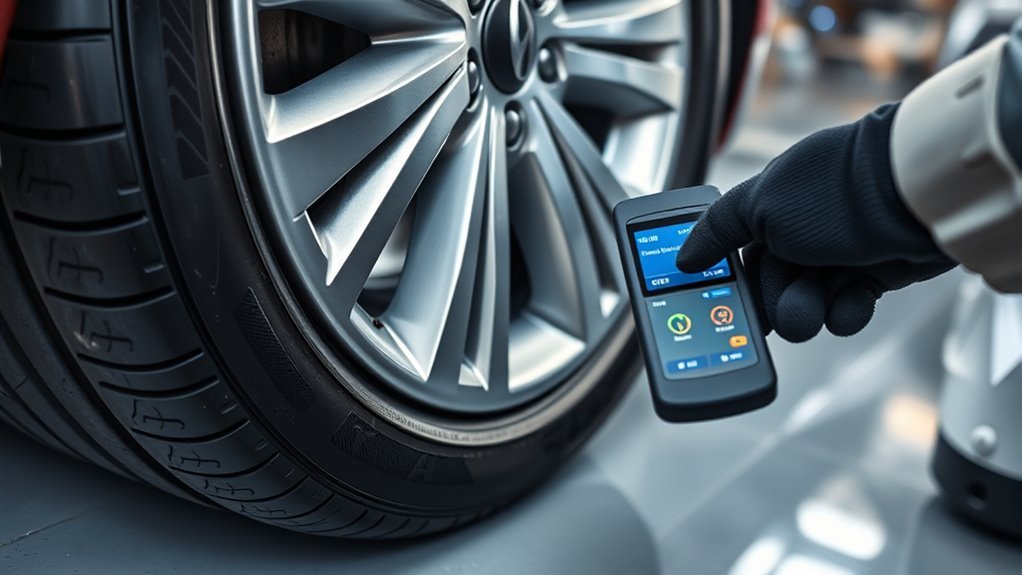
Your Hyundai Sonata TPMS helps warn you when one or more tires are significantly under-inflated or when the monitoring system has a fault. The exact setup depends on the Sonata’s model year, market, trim, and instrument cluster, so the safest approach is to identify your system first, check tire pressure with a gauge, and then follow the reset or relearn procedure in your owner’s manual.
Quick Answer
A Hyundai Sonata TPMS warning usually means at least one tire is low, but a light that blinks for about a minute and then stays on points to a system fault. Check all four tires cold, inflate them to the driver-door placard pressure, then drive or reset the system as your owner’s manual directs.
Key Takeaways
- Do not rely on a blanket “year rule.” Sonata TPMS type can vary by model year, market, trim, and cluster display.
- A solid low-pressure light usually means a tire needs air; a blinking-then-solid TPMS light usually means a malfunction or sensor issue.
- Always set pressure when tires are cold, using the recommended pressure on the driver-side door placard.
- Temporary spare tires are usually not monitored by TPMS, so check the spare manually.
- If the warning stays on after correct inflation and a proper reset or drive cycle, have the system scanned by a qualified technician.
At a Glance
| Time Required | 5–20 minutes for a basic pressure check and drive cycle; longer if a sensor scan or tire repair is needed. |
| Difficulty | Easy for pressure checks; moderate for reset menus; professional help recommended for sensor registration or faults. |
| Tools Needed | Accurate tire pressure gauge, air compressor, owner’s manual, and possibly a TPMS scan/relearn tool. |
| Cost | Usually free to add air; shop diagnosis, tire repair, or sensor replacement may add cost. |
Who Should Read This Guide (Hyundai Sonata Owners, Technicians)
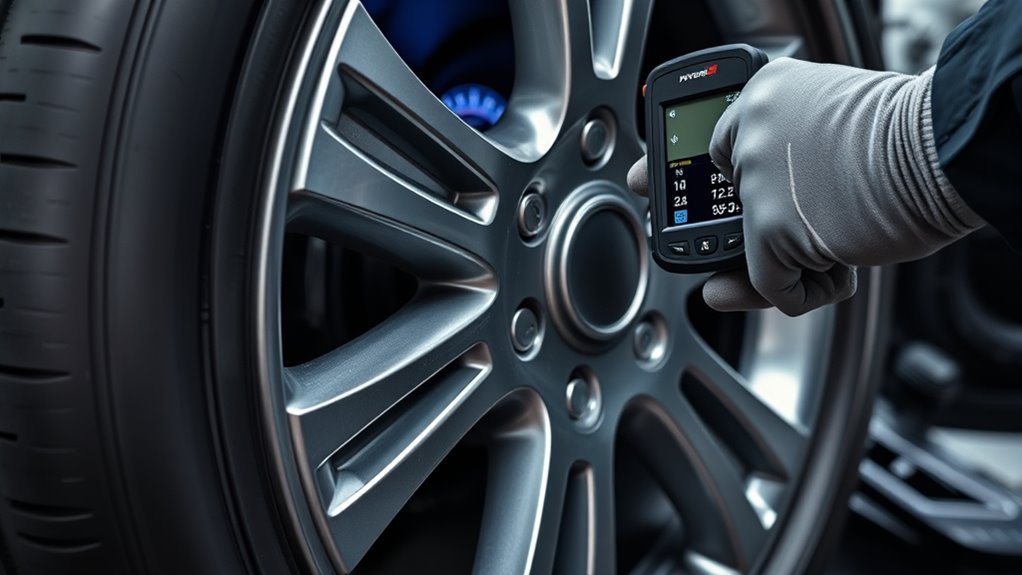
This guide is for Hyundai Sonata owners who want a clear answer before visiting a shop, and for technicians or service writers who need to explain TPMS warnings accurately. You will learn what the warning light means, how direct and reset-style systems differ, what to check before resetting the system, and when a sensor or receiver fault needs professional diagnosis.
Note: TPMS is a warning system, not a replacement for manual tire care. The U.S. federal TPMS standard defines TPMS as a system that detects significant under-inflation and turns on a low-pressure telltale, but you are still responsible for checking tire pressure regularly with a gauge.
[Products Worth Considering]

EVOULTES heavy duty tire inflator with an integrated gauge delivers accurate pressure readings from 10–120 PSI, helping you inflate, deflate, and check tires in one tool. The 16.5-inch extended dual-head air chuck with swivel base reaches hard-to-access dual wheel valves on trucks and RVs. A brass trigger core and side-mounted air release valve make operation smooth, with standard 1/4" NPT threading and quick-connect compatibility for easy setup.

This portable cordless tire inflator delivers up to 160 PSI with fast 17 L/min airflow to help you quickly top up tires and get back on the road. It features dual power mode, running on a 21V rechargeable battery or a 12V DC adapter for convenient roadside use. An automatic shut-off with digital pressure gauge helps prevent overinflation, and a built-in LED light improves visibility in low-light conditions.

The JACO FlowPro Tire Inflator measures, inflates, and airs down tires up to 100 PSI with battery-free operation and ±2% accuracy after calibration. It features a glowing pressure dial for night visibility, a heavy-duty steel build with a hybrid hose, and a precision push-to-inflate thumb trigger. The patented Lightning Air Chuck locks on for a secure seal, and the kit includes quick-connect hardware for easy inline use with your air compressor.
What the Hyundai Sonata TPMS Does
The Sonata TPMS monitors tire-pressure conditions and warns you when pressure is low enough to create a safety concern. Under FMVSS No. 138, a compliant TPMS must warn the driver when one or more tires, up to a total of four, are at least 25% below the vehicle manufacturer’s recommended cold inflation pressure or the applicable minimum activation pressure, whichever is higher.
When the light comes on, treat it as a real tire-pressure warning until you prove otherwise. Hyundai owner-manual guidance says low tire pressure can reduce stability, increase stopping distance, and cause the tire to overheat and fail if you keep driving on a significantly under-inflated tire.
A TPMS light should start with a tire-pressure check, not a reset. Resetting before correcting pressure can teach the system the wrong baseline.
Hyundai Sonata TPMS: Direct vs Reset-Style Systems
There are two practical categories Sonata owners need to understand: direct TPMS systems with wheel-mounted pressure sensors, and reset-style TPMS procedures that require the driver to save the current tire-pressure baseline after correcting pressure. Some Hyundai manual pages describe wheel-mounted tire pressure sensors, while other Hyundai reset instructions tell the driver to store current pressures through the cluster menu. That is why the owner’s manual for your exact Sonata matters.
Direct TPMS Features
A direct TPMS uses a pressure sensor mounted inside each road wheel, usually near or behind the valve stem. The sensor transmits pressure data to the vehicle. On display-equipped Sonata models, the cluster may show individual tire positions or pressure values after the vehicle has been driven for a few minutes.
Direct TPMS is useful because it measures pressure instead of only inferring a problem from wheel behavior. However, the sensors are still service items. Their internal batteries are sealed, and when a battery, valve stem, seal, or sensor body fails, the usual repair is sensor replacement and relearn or registration.
Reset-Style TPMS Features
Some Hyundai systems require a reset after tire pressure is corrected. In Hyundai’s reset procedure, you first adjust all tires to the recommended cold pressure, then use the steering-wheel or cluster controls to select the tire-pressure menu and store the current pressure. After reset, the system compares future tire behavior against that saved baseline.
This type of system is sensitive to incorrect baseline pressure. If you reset it while one tire is low, the warning may not work correctly. Always inflate all four road tires first, then reset.
Which Sonata Model Years Use Which TPMS?
Do not use a simple “2006–2010 indirect, 2011+ direct” rule. That claim is too broad. For example, professional service information for the 2008–2010 Hyundai Sonata describes a system that monitors the four road tires with wheel-mounted RF tire pressure sensors, a receiver, sensor IDs, and a relearn process. Later Sonata models may show individual pressure information, while some Hyundai owner-manual pages also include reset-style TPMS instructions.
| What you see | What it usually means |
| Cluster shows individual tire pressure or tire position. | Likely a direct sensor system. |
| Owner’s manual tells you to store or reset tire pressure after inflation. | A reset-style procedure is required after pressure changes, rotation, or tire service. |
| A shop scan tool reads four sensor IDs. | The vehicle uses direct wheel sensors that may need relearn after replacement. |
| No pressure display, but a low-pressure and TPMS malfunction lamp exist. | Check the manual or scan the system; the light alone does not prove the TPMS type. |
Pro Tip: Before buying sensors online, confirm the part number by VIN or have a tire shop read the existing sensor IDs. Similar Sonata years can use different sensor frequencies, stems, or relearn procedures.
What the TPMS Warning Light Means
The warning pattern matters. A solid low tire pressure light usually means one or more tires are significantly under-inflated. A TPMS light that blinks for about one minute and then stays on usually points to a system malfunction, such as a dead sensor battery, missing sensor, incompatible wheel, damaged sensor, receiver issue, or interference.
- Solid low-pressure light: Stop when safe, check all four tires cold, and inflate to the door-jamb placard pressure.
- Blinking for about one minute, then solid: The system likely has a malfunction and should be scanned if pressure is correct.
- Light after cold weather: Temperature drops can lower tire pressure. Recheck and adjust pressure when the tires are cold.
- Light after installing a spare: Temporary spares usually do not have TPMS sensors, so the warning may stay on until the repaired original wheel is reinstalled.
Warning: If the vehicle feels unstable, a tire looks damaged, or pressure drops again after inflation, do not keep driving normally. Slow down, avoid hard cornering, and move to a safe place for inspection or roadside help.
Step-by-Step Fix for a Hyundai Sonata TPMS Light
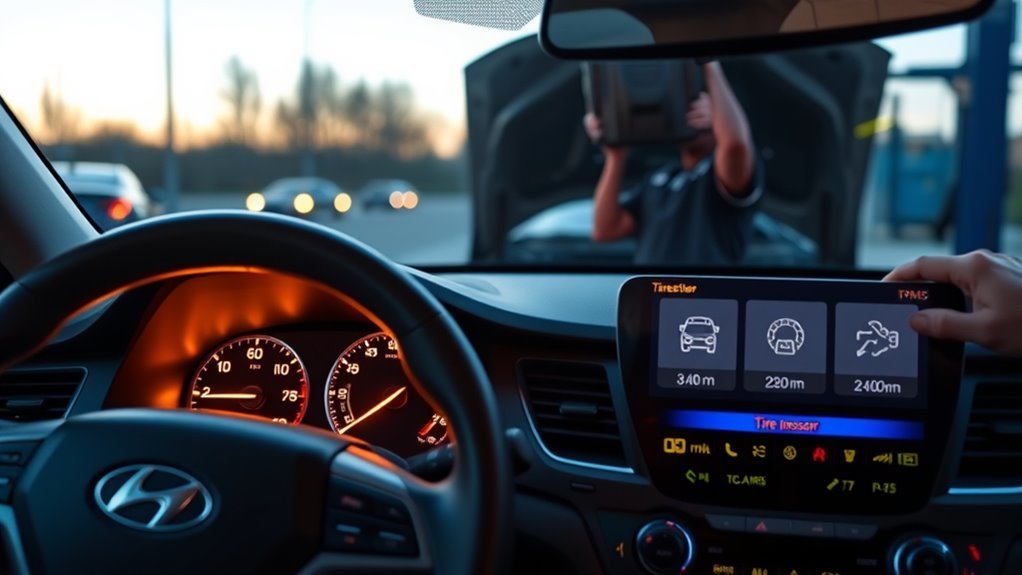
- Park safely and let the tires cool. Cold pressure means the vehicle has been parked for about three hours or has been driven less than about one mile.
- Find the correct pressure. Use the tire placard on the driver-side door pillar, not the maximum pressure printed on the tire sidewall.
- Check all four road tires with a gauge. Add air until each tire matches the recommended cold pressure.
- Inspect for damage. Look for nails, sidewall bulges, cracked valve stems, bead leaks, or a tire that loses air again.
- Check the spare manually. If your Sonata has a temporary spare, it may require a higher pressure than the road tires and is usually not monitored by TPMS.
- Use the correct reset or drive cycle. Some direct systems clear after several minutes of driving once pressure is corrected. Reset-style systems require you to store the corrected pressure through the cluster menu.
- Watch the warning pattern. If the light blinks for about one minute and then stays on, or if it stays on after correct pressure and reset, schedule a TPMS scan.
[Products Worth Considering]

The AstroAI L7 Air Tire Inflator refills car tires quickly with up to 150PSI max pressure and a fast 1-minute inflation claim. It includes 5 preset modes for car, motorcycle, bicycle, balls, and manual use, along with an auto shutoff to help prevent overinflation. Designed for convenience, it features a digital gauge with unit switching, a top LED light with multiple modes, and USB-C/USB ports for backup power.
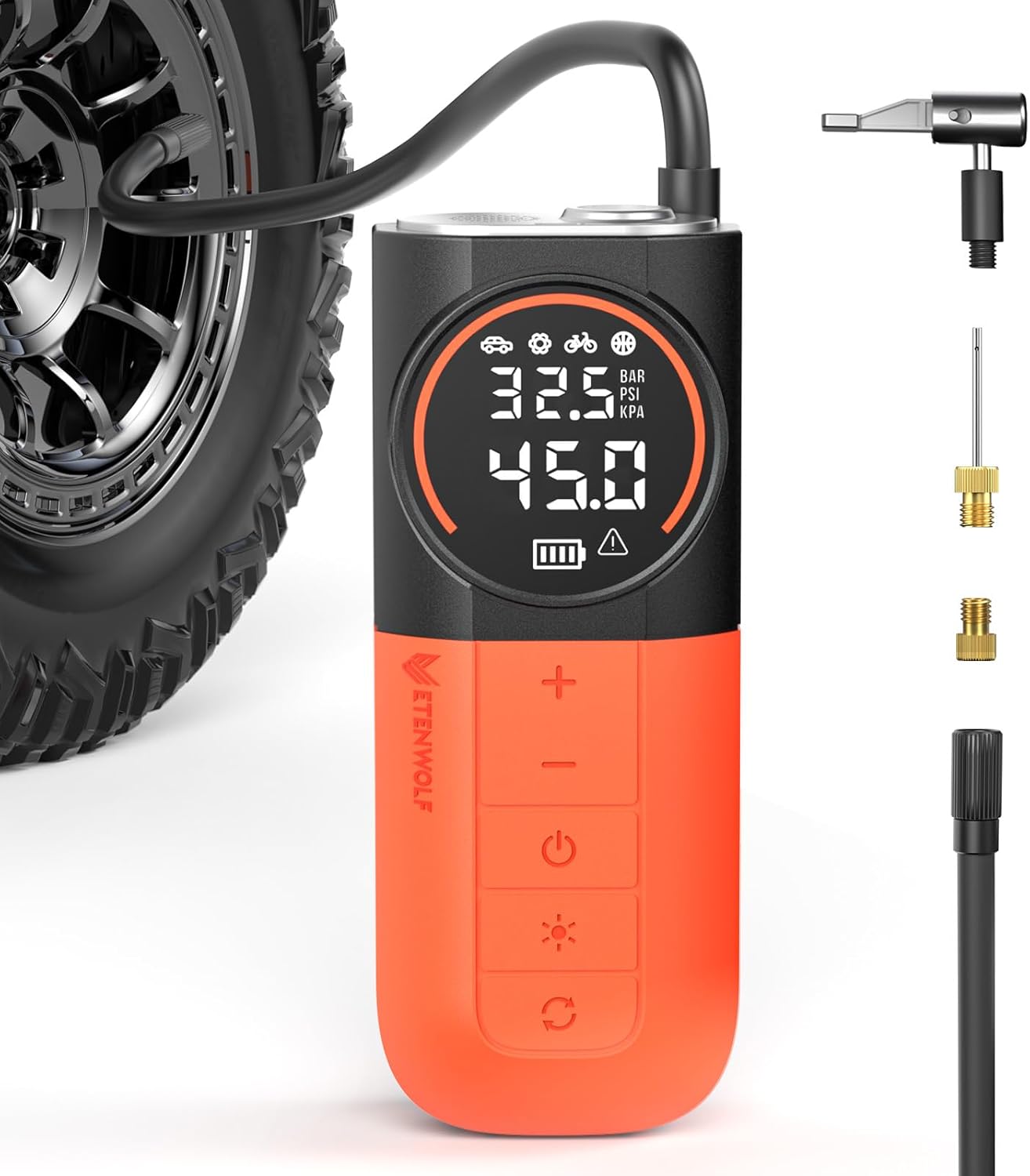
The ETENWOLF S1 cordless tire inflator delivers ultra-fast inflation with up to 160 PSI and a 20 L/min airflow for quicker tire top-offs. Its 5200mAh battery and cooling system support inflating many tires and sports balls on a single charge, while the digital pressure gauge and multi-unit display help you reach the right pressure accurately. With preset modes, pressure memory, an auto-stop feature, and an LED flashlight, it’s built for easy roadside and everyday use.
How to Reset the Hyundai Sonata TPMS
The reset process is not identical on every Sonata. Use the steps below as a safe general guide, then confirm the exact menu path in your owner’s manual.
For Sonatas With a Reset Menu
- Adjust all four road tires to the recommended cold pressure.
- Park the vehicle and turn the ignition or start button to the ON/ready position as instructed by the manual.
- Use the steering-wheel controls to open the tire-pressure or service menu.
- Select the TPMS reset or tire-pressure set option.
- Confirm the reset and check that the warning light blinks or the cluster confirms the stored pressure.
- Drive normally and recheck the warning light.
For Direct Sensor Systems Without a Reset Button
- Set all four road tires to the door-jamb pressure when cold.
- Drive for several minutes at normal road speed, if the tires are safe to drive on.
- If the light remains on, recheck pressure with a gauge.
- If pressure is correct but the TPMS light blinks or stays on, have the sensor IDs and fault codes checked with a TPMS scan tool.
Note: Do not reset TPMS while a tire is under-inflated. On reset-style systems, this can save an unsafe pressure as the new baseline.
Spare Tires, Tire Sealant, and TPMS Sensors
Hyundai owner-manual guidance states that the spare tire, if equipped, does not come with a tire pressure monitoring sensor. If you replace a low tire with the spare, the TPMS light may stay on and the malfunction indicator may blink after driving until the original sensor-equipped wheel is repaired, inflated, and reinstalled.
Also be careful with tire sealant. Hyundai warns that tire sealant not approved by Hyundai, or not equivalent to the specified sealant for the vehicle, may damage the tire pressure sensor. If you use sealant in an emergency, tell the tire shop before they dismount the tire.
When to See a Technician
You can safely handle basic tire-pressure checks at home, but TPMS faults often need a scan tool. See a qualified technician if:
- The light blinks for about one minute and then stays on.
- The light stays on after all tires are set to the correct cold pressure.
- A tire loses air again after inflation.
- A wheel, tire, or TPMS sensor was replaced.
- The cluster shows no pressure reading after normal driving.
- You used tire sealant or suspect sensor damage.
- The vehicle has aftermarket wheels, snow chains, or accessories that may interfere with TPMS.
A shop can read sensor IDs, check battery status where supported, test the receiver, inspect valve stems, register new sensors, and confirm whether the warning is caused by low pressure or a system malfunction.
Frequently Asked Questions
Where is the TPMS reset button on a Hyundai Sonata?
Not every Sonata has a physical TPMS reset button. Some models clear after correct inflation and driving, while some use a tire-pressure reset option in the cluster menu controlled from the steering wheel. Check the owner’s manual for your exact year and trim before searching under the dash.
What is the TPMS system on a Hyundai Sonata?
The TPMS is the tire pressure monitoring system. Depending on the Sonata, it may use wheel-mounted tire pressure sensors, a reset-style learned baseline, or a cluster display that shows tire position or pressure. Its job is to warn you when pressure is significantly low or the system has a fault.
Can I drive with the TPMS light on?
Drive only cautiously until you check the tires. If a tire is visibly low, damaged, or the vehicle feels unstable, stop driving and get help. If all tires are at the correct cold pressure and the light still blinks or stays on, the car may be drivable, but the TPMS needs diagnosis.
Does the Hyundai Sonata TPMS monitor the spare tire?
Usually no. Hyundai owner-manual guidance says the spare tire, if equipped, does not come with a tire pressure monitoring sensor. Check the spare manually with a gauge and inflate it to the pressure listed in the owner’s manual or on the tire placard.
Why did the TPMS light come on after a tire rotation?
First check pressure in all four tires. Some direct-sensor systems are not affected by simple rotation, but reset-style systems may need the corrected pressure stored again after rotation. If a sensor was replaced or moved during tire service, a scan-tool relearn may be required.
Conclusion
The Hyundai Sonata TPMS is a useful safety system, but it is only helpful when you respond correctly. Start with a cold tire-pressure check, inflate all four road tires to the driver-door placard pressure, inspect for leaks or damage, and then reset or drive the vehicle according to the system your Sonata actually uses. If the light blinks, stays on after correct pressure, or appears after sensor or wheel service, have the TPMS scanned instead of repeatedly resetting it.
Sources
- eCFR — 49 CFR § 571.138, Tire Pressure Monitoring Systems — federal TPMS purpose, threshold, telltale, and malfunction requirements.
- Federal Register — FMVSS No. 138 Final Rule — TPMS rule background and NHTSA tire under-inflation survey context.
- Hyundai Owner’s Manual — Changing a Tire With TPMS — spare tire sensor warning, tire sealant warning, and TPMS safety notes.
- Hyundai Owner’s Manual — Low Tire Pressure Telltale — warning-light meaning, cold-weather pressure changes, and low-pressure safety warnings.
- Hyundai Owner’s Manual — Resetting TPMS — reset sequence and situations that require storing corrected pressure.

Related Articles

Danger of Using Summer Tires in Winter on a Hyundai Sonata
Potentially perilous, using summer tires in winter on your Hyundai Sonata can compromise safety—discover the hidden dangers that await you on icy roads.
Read More
Can You Mix Nitrogen and Air in Hyundai Sonata Tires? Answered
Discover the implications of mixing nitrogen and air in your Hyundai Sonata tires—are the benefits worth the risks? Explore the answer inside!
Read More
How to Tell If Hyundai Sonata Tires Are Too Old to Use Safely
Understand how to assess the age of your Hyundai Sonata tires and discover crucial signs of deterioration that could compromise your safety on the road.
Read More